GOQii

Blog

  • HOME
  • HEALTHY LIVING
  • FITNESS
  • HEALTHY RECIPES
  • USER STORIES
  • KARMA
  • BUY GOQii

April 29, 2024 By Madhu Soni 4 Comments

Dance Your Way To Good Health on International Dance Day!

Dancing

We are all well aware that April 29 is celebrated as International Dance Day. Did you know that it is celebrated to mark the birth anniversary of Jean George Noverre – the creator of Modern Ballet?

If you’re wondering whether International Dance Day is just another addition to the various days that are being celebrated worldwide, then you’re in for a surprise. Dance and good health are closely knitted. You can, in fact, reap a surplus of health benefits from dancing.

From celebrations to harvest rituals, dance has always been an integral part of the human culture. In India, the legacy of dance dates back to 5000 years. The Hindu mythology speaks volumes of Lord Shiva as Natraja – the Lord of the Dance. The Divine Raslila by Lord Krishna, Radha Rani and the Gopis in Vrindavan or Lord Ganesha’s dance to express joy.

Not just in India, but in any part of the world, dancing has always been a source of delight and ecstasy. It‘s a way to express joys, sorrows and communicate emotions or a story with grace.

As it is International Dance Day, let’s take a look at various dance forms and how they can keep you healthy!

1. Ballet

This graceful dance originated during the Italian Renaissance in the 15th Century. The dance moves slowly at first and then picks up the pace to classical music with dramatic interpretation. Perhaps the main features of this dance are standing on the toes and the arms held out in an extended curve. As a result, these dancers have significant strength in their hamstrings, glutes, calves and feet. The turnout of the leg at the hip socket joint is another key element in Ballet which helps develop strong gluteal muscles. Ballet ensures posture alignment and joint flexibility. Ballet trainees are taught to engage their core to achieve alignment, balance and prevent injuries.

2. Bharatanatyam

Bharatanatyam is a classical solo Temple Dance from Southern India. The dance has impressive gesture and excellent footwork. It is based on Hindu religious themes. This dance form tones the arms, legs and the core. It also increases stamina, flexibility and balance. The steps and eye movements increase concentration and coordination skills. Rolling of the eyes is a good exercise for the eye muscles. It’s a great way to have a healthy heart and stay fit.

3. Belly Dance

The mesmerizing belly dance of the mysterious Middle East is an impressive and expressive dance form! It has admirers and followers all around the world. This dance originated in Egypt and has complex movements of the Torso. Dancing gracefully and fluidly is possible only when you have a strong core. Contrary to its name, Belly Dance also employs the larger and smaller muscles of the abdomen, pelvis, spine, neck, glutes and the upper arm.

4. Zumba

Zumba is the latest fitness craze which has swept youngsters as well as the elderly off their feet! It was accidentally invented when Albert “Beto” Perez, an aerobics instructor forgot to carry his tape and played the available Latin music and infused this dance with aerobics and Eureka! Zumba was born! It provides a great workout for the entire body, engaging each and every muscle group. It‘s a high-intensity cardio exercise which keeps metabolism high. Besides this, Zumba also increases endurance.

5. Salsa

Salsa is a dance and musical style with deep Caribbean and African roots. Although it was popular in Latin America, it has gained popularity in Europe and Asia too! Salsa is a partner dance which features a series of hip movement, twirls and other dance moves. This dance virtually engages all the major muscle groups. The glutes, hamstrings, quadriceps, calves and core area are exercised aggressively in order to perform the various step sequences.

6. Bollywood Dance

If I had to pin down the exact number of dance forms which comprise the Bollywood Dance, it would be as difficult as gauging how many shades of blue makes the sky.

Initially, Bollywood Dance was inspired by classical and folk dances of the various states in India. Over the years, Bollywood Dance has evolved. Now there are professional choreographers who have introduced Disco, Hip-Hop, Freestyle Dancing, Belly Dancing and so on.

Bollywood Dancing is a great aerobic exercise which engages the whole body. It is a fun way to tone up the body as most of the dance movements help strengthen the core and calves. And last but not the least, it’s a great stress buster.

How Does Dancing Help Your Health?

  • It is a great activity for those with cardiovascular disease as it helps increase lung capacity
  • Dance aids in boosting memory and preventing dementia as you grow older
  • It improves flexibility and helps in maintaining body balance and coordination
  • Dancing solo, with a partner or in a group is said to reduce stress. Symptoms of depression are much lower with people who sway to the rhythm
  • It is a popular way to stay fit and active. Most fitness clubs have already included dance in their fitness regime
  • It also improves one’s confidence and self-esteem

Although dance can be performed by anyone, keep a few things in mind:

  • Consult your Doctor if you have any medical conditions or obesity
  • Warm up and stretch before dancing
  • If you are a beginner, don’t push yourself too hard
  • Keep yourself well hydrated
  • Rest in between sessions

Whether you’re a busy person, multi-tasking or a senior citizen, age is just a number when you dance to the music you like! If you want to start dancing for health, tune in to some of our coaches on GOQii Pro and find a good mix of Zumba, Strong by Zumba, Aerobics and Belly Dancing! Download the GOQii app to get started.

Do you know of any other dance form that provides a multitude of health benefits? Share them with us in the comments below!

#BeTheForce

April 27, 2024 By Swati Savla 1 Comment

Top Foods to Increase Hemoglobin Naturally

hemoglobin

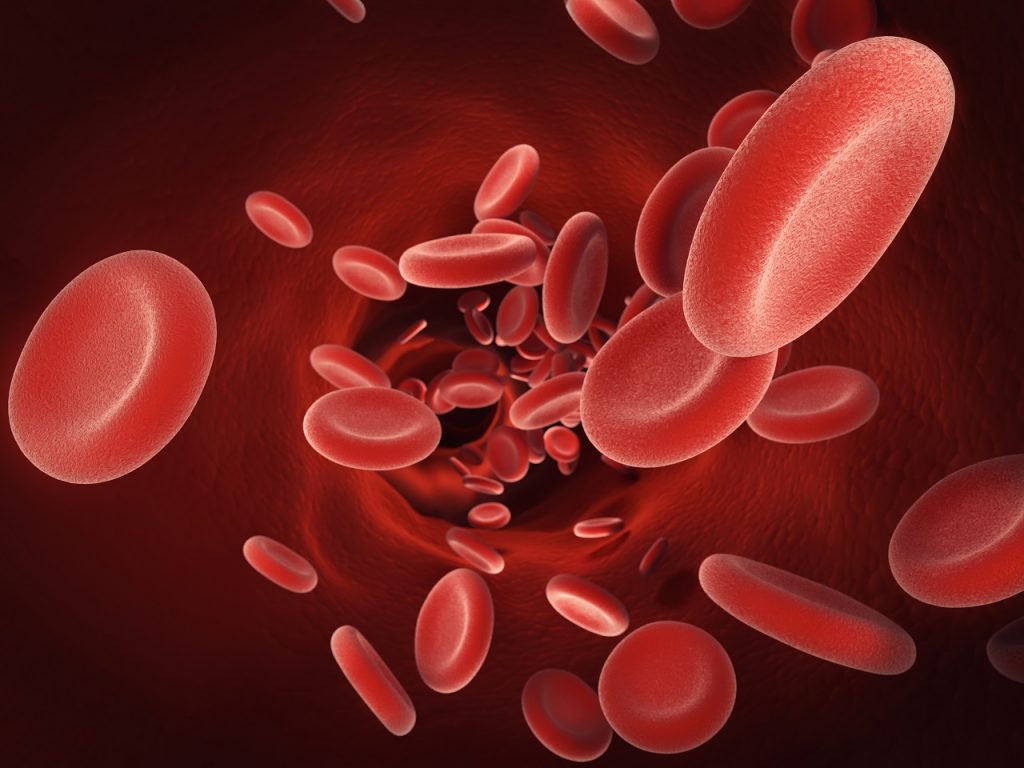
Hemoglobin and Iron are two terms that go hand in hand and there’s a simple understanding behind this. 70% of the body’s iron is found in hemoglobin and myoglobin. Hemoglobin is the red colored pigment present in red blood cells which carries oxygen from the lungs to the rest of our body. This released oxygen then permits aerobic respiration to provide energy to power the functions of our body in the process called metabolism. 

That’s not where it’s role ends. It is also a part of other cells which are found in some major organs like lungs, kidneys and the skin. Here, it’s function is that of an antioxidant and regulator of iron metabolism. Finally, it also transports carbon dioxide out of the cells and back to the lungs to be blown out of our body. The expected normal range of Hemoglobin in men is above 13 gm/dL and women is above 12 gm/dL, typically which is not difficult to maintain but still is of major concern if goes below the desired levels, creating a condition called Anemia.

Lack of Folate or B-12, blood loss post surgery, heavy menstrual bleeding or internal bleeding due to ulcers or even inadequate intake are some possible causes of low Hemoglobin levels. All of this explains our symptoms of Anemia like exhaustion, skin paleness, headache to abnormal or rapid heartbeat and chest pain. We’ve read and heard of varied iron supplements which can be taken to replenish extremely low Hemoglobin levels but eating the right kind of foods in the correct combinations can help increase hemoglobin naturally and quickly also. 

What Can You Eat to Increase Hemoglobin? 

When thinking about Hemoglobin, the 1st mineral coming to our mind is Iron but here’s the catch – Iron alone cannot increase your Hb. It has to be in combination with Folate or Vit B12 (depending on the deficiency) and Vit. A & C which act as carriers for it’s better absorption. Combining all the above elements finally gives us this list of foods which can help increase hemoglobin naturally. 

  1. Foods like Shellfish, Sardines, Tuna, Mackerel, Eggs and Meat are high on Heme Iron which is easily absorbed in the body and do not require carriers.
  2. Plant foods like Spinach, Kale, Broccoli, Beetroot, Pumpkin Seeds, and legumes like Soybeans, Chickpeas, Peas, etc. can help as well. 
  3. Vit. A & C rich foods like Tomatoes, Carrots, Lemon, Red Peppers, Oranges, Pomegranates, etc. should be used in combination with above mentioned foods.
  4. Fortified cereals also help as they are high in Folate.

While some elements are carriers, some can act as an hindrance. Phytic acid and Calcium are 2 such elements which make Iron absorption harder. Hence, avoid taking Calcium supplements or very high calcium rich foods along with Iron rich foods or supplements. Before making any changes to your diet, do consult a doctor, nutritionist or your dietitian. 

We hope this article to increase hemoglobin naturally helps you. Do leave your thoughts in the comments below! For more useful information on Hemoglobin and other health-related queries, check out Healthy Reads or speak to a certified expert by subscribing to GOQii’s Personalised Health Coaching here.

#BeTheForce 
April 23, 2024 By Neha Goyal Leave a Comment

Is Lactose Free Milk The Same As Dairy Free Milk?

lactose free milk

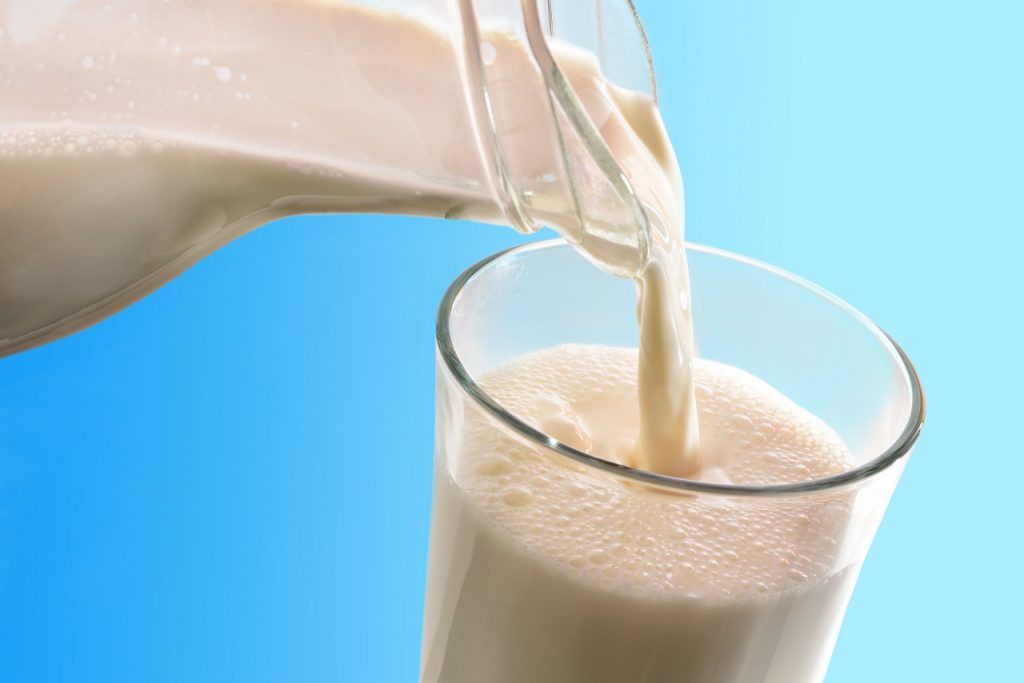
Many of you must have heard about lactose intolerance. When somebody has this condition, milk falls in the list of “don’t” for them. It is a very common digestive problem where the body is unable to digest lactose, a sugar mainly found in milk & most dairy products. What it means is that your body does not have sufficient amounts of the digestive enzyme ‘Lactase’ to break down milk sugar. Lactose free milk is free of these carbs that cause discomfort while providing all the benefits of regular milk.

What is Lactose Free Milk? 

Lactose free milk is commercially produced in such a way that it is free of lactose. For this, 3 methods are used:

  • Addition of lactase enzyme in the milk which pre digests or breaks lactose into simpler sugars. Thereafter, milk is pasteurized to deactivate lactase to increase milk’s shelf life.
  • Passing milk over lactase which is bound to a carrier. Using this method produces the same effect as above, but the enzyme is not present in the milk.
  • Mechanical removal of lactose through membrane fractionation & other ultrafiltration techniques while preserving normal flavor of milk.

With the first two methods, breakdown of lactose into simpler sugars gives milk a sweeter taste (as perceived by your taste receptors). But ultra-pasteurized milk tastes different (cooked flavor) due to heat applied during preparation. 

What Are the Pros and Cons? 

Now that you know what lactose free milk is, you might be wondering if it is good for you. Some reported benefits include: 

  • Prevents symptoms of lactose intolerance
  • Easy to digest
  • A little sweeter than regular milk
  • Good for bones as calcium & Vit D is the same as before. In fact, some manufacturers fortify it with extra calcium & Vit D
  • Low fat versions are good for heart health
  • Complete protein profile

Despite its benefits, there are also some cons to it:

  • Not suitable for people with dairy allergy
  • Not suitable for vegans
  • Technically it is a processed food as it is treated with heat & chemicals to make it safe for use
  • Sometimes sweeteners may be added by manufacturers
  • Presence of simpler sugars due to breakdown of lactose might increase the glycemic index of the product

Difference Between Lactose Free and Dairy Free Milk 

While these two sound similar, they actually aren’t. Despite being different from regular milk, lactose free milk is prepared from regular cow milk. Basically, it’s an animal product which still has proteins like whey & casein in it after removing lactose. On the other hand, dairy free milk is a plant based product, made using nuts, seeds, grains & legumes. These milk options are very popular among vegans or people with dairy allergy (immune system’s reaction to proteins in milk) to replace regular milk in different recipes. There is a wide array of dairy free alternatives available in the market these days such as rice milk, almond milk, coconut milk, oat milk, flax milk & soy milk.

So the final take away from lactose free vs dairy free is that something dairy free is automatically lactose free but not vice versa. Now that you know the difference, your choice will be dependent on your health and body! We hope this information helps you. If you have any queries, leave them in the comments section below! 

For more information and topics like these, check out Healthy Reads or speak to a certified expert by subscribing to GOQii’s Personalised Health Coaching here.

#BeTheForce 

April 21, 2024 By Vaishali Khanna 2 Comments

Sleep Apnea, its symptoms and how you can prevent it?

Sleep-Apnea-700x400

Has anyone ever told you that you have a tendency to snore? Or maybe you don’t…but you have a partner or family member who does? Do you find that you tend to wake up throughout the night? Or maybe you think you get good sleep, but you consistently find yourself with a dry mouth in the morning?

These are all signs that could suggest that you (or…your beloved snoring family member) may have something called “Sleep Apnea.” Well, there are people who cannot sleep without a machine and that is because they suffer from a medical condition called ‘Sleep Apnea’.

Let’s actually break this down. What is Sleep Apnea?

The most common type of Sleep Apnea is ‘Obstructive Sleep Apnea’ (OSA). OSA is a potentially life-altering and life-threatening breathing disorder that occurs during sleep.

The upper airway repeatedly collapses, causing cessation of breathing (apnea) or inadequate breathing (hypopnea) and sleep fragmentation. The breathing stops during sleep for 10 seconds to a minute or longer. Oxygen levels in the blood decrease.

One challenge with something like this is that you may not necessarily wake up entirely. So it’s not always easy to self-diagnose. BUT – Sleep fragmentation results in chronic daytime sleepiness (which you would expect if you’re constantly getting interrupted throughout the night). This disrupts healthy sleep and causes a number of short-term and long-lasting effects that threaten the health and well-being of those who suffer from the condition.

How many people have OSA? The prevalence of OSA in the general population is still unclear. Several epidemiological studies have attempted to examine this issue. Epidemiological data from Young, Palta, Dempsey, et. Al (1993) in a study paper titled:- Obstructive sleep apnea syndrome: natural history, diagnosis, and emerging treatment options, estimated that in a group of 602 middle-aged individuals 2% of women and 4% of men meet the minimal diagnostic criteria for sleep apnea with excessive daytime sleepiness.

People most likely to have or develop OSA may have any of the following:

  • Obesity, especially in the upper body
  • Small upper airway due to excess throat tissue or abdominal jaw structure
  • Nasal Obstruction
  • High Blood Pressure
  • Family History of OSA
  • Overweight Obese individuals

Obesity, particularly abdominal and upper body obesity is the most significant risk factor for obstructive sleep apnea. Excess body fat on the neck and chest constricts the air passageways and sometimes the lungs – thus setting the stage for interrupted breathing during the night. And according to the research…The more obese a person, the greater the risk of apnea.

The good news is that there are some general things that can make a big difference.

This includes:

Losing some weight, if you are overweight or obese (even as little as 5% of your body weight can make a change)

Avoid alcohol, sedatives, and hypnotics (as they can sedate the very muscles we need to breathe)

Sleeping on your side or in a semi propped position

If you have sleep apnea, do not take sleep medicines or sedatives. These chemicals will increase the relaxation in the tissues of the upper airway and make the obstruction worse. The specific treatment for obstructive sleep apnea is usually a mask worn at night to keep the airway open or using a sleep machine that can help you breathe and sleep properly.

If OSA is left untreated, it can increase the risk of developing:

  • Hypertension
  • Cardiac Arrhythmias
  • Myocardial Ischemia
  • Stroke Pre-diabetes
  • Decreased quality of life (because who wants to feel sleep deprived?)

Weight loss is frequently recommended to improve OSA among obese patients. Not only does sustained weight loss improve OSA, it also improves many other independently linked comorbidities such as Hypertension, High Cholesterol, and Diabetes. The greater the change in body weight or waist circumference, the greater is the improvement in OSA

Prioritize your sleep health by recognizing the symptoms of sleep apnea and implementing preventative measures. Share your experiences and insights on managing sleep apnea in the comments below. For personalised advice and support, consult a healthcare professional specializing in sleep disorders or reach out to our certified experts by subscribing to GOQii’s Personalised Health Coaching here.

#BeTheForce
  • « Previous Page
  • 1
  • …
  • 38
  • 39
  • 40
  • 41
  • 42
  • …
  • 171
  • Next Page »

Search

Recent Posts

  • 4 Reasons Why Affirmations Are Not Working For You
  • The Social Side of GLP-1: Navigating “Food Culture” and Peer Pressure
  • Leaky Gut: Symptoms and Causes
  • Muscle Is Your Insurance Policy: Why Strength Predicts Lifespan More Than Cardio
  • The Fiber Gap: Managing Digestion on GLP-1 Therapy

Stay Updated

Archives

  • March 2026 (1)
  • February 2026 (14)
  • January 2026 (14)
  • December 2025 (19)
  • November 2025 (15)
  • October 2025 (20)
  • September 2025 (6)
  • August 2025 (6)
  • July 2025 (12)
  • June 2025 (18)
  • May 2025 (16)
  • April 2025 (22)
  • March 2025 (23)
  • February 2025 (22)
  • January 2025 (25)
  • December 2024 (22)
  • November 2024 (23)
  • October 2024 (21)
  • September 2024 (24)
  • August 2024 (30)
  • July 2024 (21)
  • June 2024 (26)
  • May 2024 (31)
  • April 2024 (27)
  • March 2024 (29)
  • February 2024 (25)
  • January 2024 (21)
  • December 2023 (15)
  • November 2023 (11)
  • October 2023 (19)
  • September 2023 (22)
  • August 2023 (18)
  • July 2023 (22)
  • June 2023 (24)
  • May 2023 (24)
  • April 2023 (23)
  • March 2023 (23)
  • February 2023 (19)
  • January 2023 (15)
  • December 2022 (11)
  • November 2022 (15)
  • October 2022 (15)
  • September 2022 (12)
  • August 2022 (10)
  • July 2022 (17)
  • June 2022 (11)
  • May 2022 (10)
  • April 2022 (6)
  • March 2022 (6)
  • February 2022 (13)
  • January 2022 (11)
  • December 2021 (7)
  • November 2021 (3)
  • October 2021 (6)
  • September 2021 (3)
  • August 2021 (8)
  • July 2021 (7)
  • June 2021 (15)
  • May 2021 (16)
  • April 2021 (10)
  • March 2021 (7)
  • February 2021 (4)
  • January 2021 (4)
  • December 2020 (3)
  • November 2020 (4)
  • October 2020 (10)
  • September 2020 (3)
  • August 2020 (3)
  • July 2020 (2)
  • June 2020 (4)
  • May 2020 (10)
  • April 2020 (12)
  • March 2020 (10)
  • February 2020 (4)
  • January 2020 (4)
  • December 2019 (3)
  • November 2019 (7)
  • October 2019 (5)
  • September 2019 (4)
  • August 2019 (9)
  • July 2019 (9)
  • June 2019 (11)
  • May 2019 (4)
  • April 2019 (8)
  • March 2019 (8)
  • February 2019 (9)
  • January 2019 (8)
  • December 2018 (9)
  • November 2018 (3)
  • October 2018 (3)
  • September 2018 (5)
  • August 2018 (10)
  • July 2018 (6)
  • June 2018 (13)
  • May 2018 (8)
  • April 2018 (18)
  • March 2018 (9)
  • February 2018 (8)
  • January 2018 (15)
  • December 2017 (12)
  • November 2017 (19)
  • October 2017 (13)
  • September 2017 (15)
  • August 2017 (4)
  • July 2017 (8)
  • June 2017 (7)
  • May 2017 (6)
  • April 2017 (8)
  • March 2017 (6)
  • February 2017 (7)
  • January 2017 (9)
  • December 2016 (10)
  • November 2016 (7)
  • October 2016 (7)
  • September 2016 (7)
  • August 2016 (11)
  • July 2016 (9)
  • June 2016 (9)
  • May 2016 (12)
  • April 2016 (17)
  • March 2016 (17)
  • February 2016 (8)
  • January 2016 (6)
  • December 2015 (2)
  • November 2015 (9)
  • October 2015 (7)
  • September 2015 (9)
  • August 2015 (11)
  • July 2015 (9)
  • June 2015 (12)
  • May 2015 (9)
  • April 2015 (13)
  • March 2015 (8)
  • February 2015 (5)
  • January 2015 (12)
  • December 2014 (14)
  • November 2014 (11)
  • October 2014 (6)
  • September 2014 (13)
  • August 2014 (12)
  • July 2014 (6)
  • June 2014 (2)
  • May 2014 (7)
  • April 2014 (5)

From “Laddu Nawin” to Fit and Fierce: How a 25-Year-Old Insurance Advisor Shed 20 Kilos and Gained His Life Back

When 25-year-old Nawin Yadav from Hyderabad walked into his office every morning, he carried more than just his files and policy papers. He had the weight of fatigue, sluggish energy, and an ever-growing belly that was becoming the butt of jokes. “People … [Read More...]

“I’ve Challenged Myself to Live 100 Years” – The Story of Chandubhai Savani’s Second Chance at Life

At 67, most people start slowing down. Not Chandubhai Savani. A resident of Surat, Chandubhai, thought life was on track. “My life was going well till I had my bypass surgery,” he says. That surgery, back in 2021, was a wake-up call.  Medication was routine, but exercise wasn’t. His diet? What he calls ‘normal.’ “I […]

From Shimla’s Slopes to Chandigarh’s Sidewalks: Surinder Kaur Bhalla’s Journey from Chaos to Control

Some journeys start with a plan. Others begin with a stumble literally. Surinder Bhalla, a government professional, born and raised in the scenic hill town of Shimla, had always lived a life of movement. “In Shimla, you walked everywhere,” she reflects. “Walking was never an exercise. It was just life.” But after shifting to Chandigarh, […]

Ananda Mukherjee Health Story

From Terminal Illness To Complete Wellness! Ananda Mukherjee Health Story

As we observe World Cancer Day under the powerful theme ‘United by Unique’ (2025-2027)**, we are reminded that every individual’s journey with cancer is distinct, yet united by shared resilience, hope, and the collective fight against this disease. This theme places people at the centre of care and their stories at the heart of the […]

  • HOME
  • HEALTHY LIVING
  • FITNESS
  • HEALTHY RECIPES
  • USER STORIES
  • KARMA
  • BUY GOQii

Copyright ©2016 GOQii



