GOQii

Blog

  • HOME
  • HEALTHY LIVING
  • FITNESS
  • HEALTHY RECIPES
  • USER STORIES
  • KARMA
  • BUY GOQii

April 25, 2023 By Sonal Pradhan Leave a Comment

Everything You Need to Know About Malaria

Malaria causes, symptoms and prevention

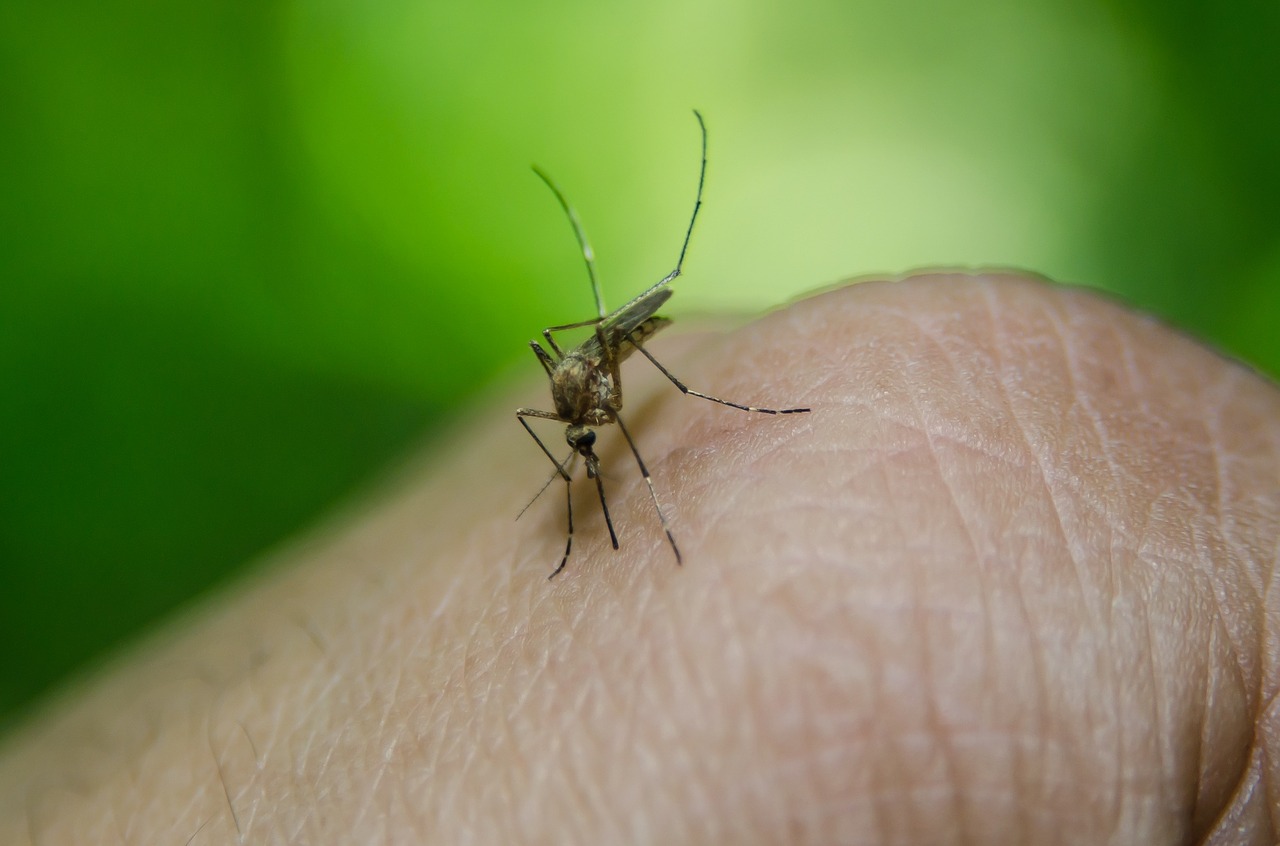
Malaria is a serious, life-threatening and sometimes fatal, disease spread by mosquitoes – Anopheles and caused by a parasite (Plasmodium). Five species of Plasmodium (single-celled parasites) can infect humans and cause illness:

  • Plasmodium falciparum (or P. Falciparum)
  • Plasmodium malariae (or P. Malariae)
  • Plasmodium vivax (or P. Vivax)
  • Plasmodium ovale (or P. Ovale)
  • Plasmodium knowlesi (or P. Knowlesi)

Falciparum Malaria is potentially life-threatening. Patients with severe Falciparum Malaria may develop liver and kidney failure, convulsions, and coma. Although occasionally severe, infections with P. Vivax and P. Ovale generally cause less serious illness, but the parasites can remain dormant in the liver for many months, causing a reappearance of symptoms months or even years later. Plasmodium Ovale is generally not found in India. Plasmodium Malariae is commonly found in tribals, in forests and hilly areas. P. Vivax and Plasmodium Falciparum are found in most parts of India.

Symptoms of Malaria

Malaria has a wide spectrum of symptoms. Along with high fever, shaking chills and sweating, symptoms can include headache, body aches, general weakness, nausea and vomiting. Sometimes complicated or severe malaria affects different body systems which may cause severe anemia, kidney failure, seizures, cardiovascular collapse or low blood sugar.

Modes of Transmission

Generally, it is transmitted through bites from female Anopheles mosquitoes. Besides this, there are other modes of transmission. Because the parasites that cause malaria affect red blood cells, people can also catch it from exposure to infected blood, including: From a mother to an unborn child or through blood transfusion.

Treatment of Malaria

Malaria is treated with prescription drugs to kill the parasite. The types of drugs and the duration of treatment will vary. This depends on:

  • Type of malaria parasites
  • Severity of symptoms
  • Pregnancy.

People who have malaria should drink lots of fluids. Hydration will not treat or cure it, but it will reduce side effects associated with dehydration.

Preventive Measures 

Undeniably, the best way to treat malaria is to never catch it in the first place. Thus, avoiding contact with mosquitoes is crucial. To avoid contact use these simple yet effective ways:

  • Using Insecticide Treated Net (ITN) for sleeping can reduce contact between mosquitoes and humans.
  • Another powerful way to reduce transmission is Indoor Residual Spraying (IRS) with insecticides. Once or twice in year, spraying can be done inside of housing structures.
  • Apply insect repellent to exposed skin.
  • Clothing that covers most of the exposed skin and shoes that are closed can reduce the risk of bites. Tuck in all clothing. Pants should be tucked into socks to avoid exposure around the ankles. In addition, treating clothes with insecticides can prevent bites even further.
  • Make sure that water is not allowed to stagnate in or around your house where mosquitoes breed.
  • Keep your surroundings clean.

The World Health Organization (WHO) has developed a simple 4 letter tool to help travelers safely prepare for ventures in any corner of the world.

  1. Awareness of Risk: Before you travel, you need to be aware if the place you are heading to has a risk of Malaria.
  2. Bite prevention: Whether you are headed to a high or low-risk area, it is important that you try to avoid being bitten by mosquitoes.
  3. Chemoprophylaxis: In some areas where there is a risk of Malaria, it is advised that you use anti-malarial medication to reduce your risk of contracting it should you get bitten.
  4. Diagnosis: Prompt diagnosis ensures you get the right treatment when you need it and ultimately, improves your chances.

Although malaria can be a deadly disease, illness and death can usually be prevented if you are prepared for it.

Did we miss out on anything? Would you like to know more? Then subscribe for personalized health coaching and get the right guidance and information from a certified expert here.

#BeTheForce
April 19, 2023 By Tabassum Parveen 2 Comments

Should You Fast During Ramadan if You Are Diabetic?

diabetes and ramadan

Just a few days back, I was walking down a lane when I came across a person who fainted and fell before me. I got curious and learned that the man was fasting and he had recently been diagnosed with diabetes. He was given immediate medical support and revived.

This incident primarily occurred because he was unaware about the disease. He fell unconscious because the blood glucose levels of his body spiked up while fasting due to the change in medical timings and improper meals. It got me thinking if it is really safe for a diabetic to fast during Ramadan.

What Is Diabetes?

To keep it short, Diabetes is a condition where the blood sugar level is high due to the lack of Insulin – a hormone produced by the Pancreas. Insulin converts glucose into energy and supplies it to every single cell present in the body. The 3 main type of Diabetes include Type 1, Type 2 and Gestational.

In Type 1, the Pancreas stop working and in Type 2, the body produces a little Insulin or does not use it properly. This results in several health problems. Gestational Diabetes often occurs during pregnancy and it generally goes away after delivery.

Should You Fast During Ramadan If You’re Diabetic? 

During this holy month, the Muslim community observes a fast, eating only before sunrise (Suhoor) and after sunset (Iftar). They are not allowed to eat or drink anything in between. However, there is an exception towards people with medical ailments.

Diabetics and those at lower or moderate risks may choose to fast but there certainly isn’t a choice for those at higher risks. If you do choose to fast, keep an eye over blood sugar levels throughout the day. Most importantly, consult a doctor before fasting to avoid medical emergencies.

What Happens To Diabetics When They Fast?

Monitoring your blood glucose level while fasting is crucial for a diabetic. When healthy individuals consume food, Insulin is released by the Pancreas and it stores Glucose in the Liver and Glycogen in the Muscles which balance out the Blood Glucose Levels and maintain it at optimal range.

This process tends to malfunction during fasting which results in lack of Insulin in the blood, leading to either of the two conditions called Hyperglycemia or Hypoglycemia.

  • Hypoglycemia: This is a serious health condition where blood glucose levels drop below 70mg/dl. It requires immediate medical attention. If a person who is fasting feels shakiness or experiences headaches, sweating or lack of concentration, they must break their fast immediately to avoid any severe complications. Complications may range from seizures, coma to death. A bar of chocolate, a sugary drink or a small bowl of curd rice with sugar must be consumed if Blood Sugar Levels are exceptionally low. If a person breaks their fast on such an emergency, visit a doctor immediately.
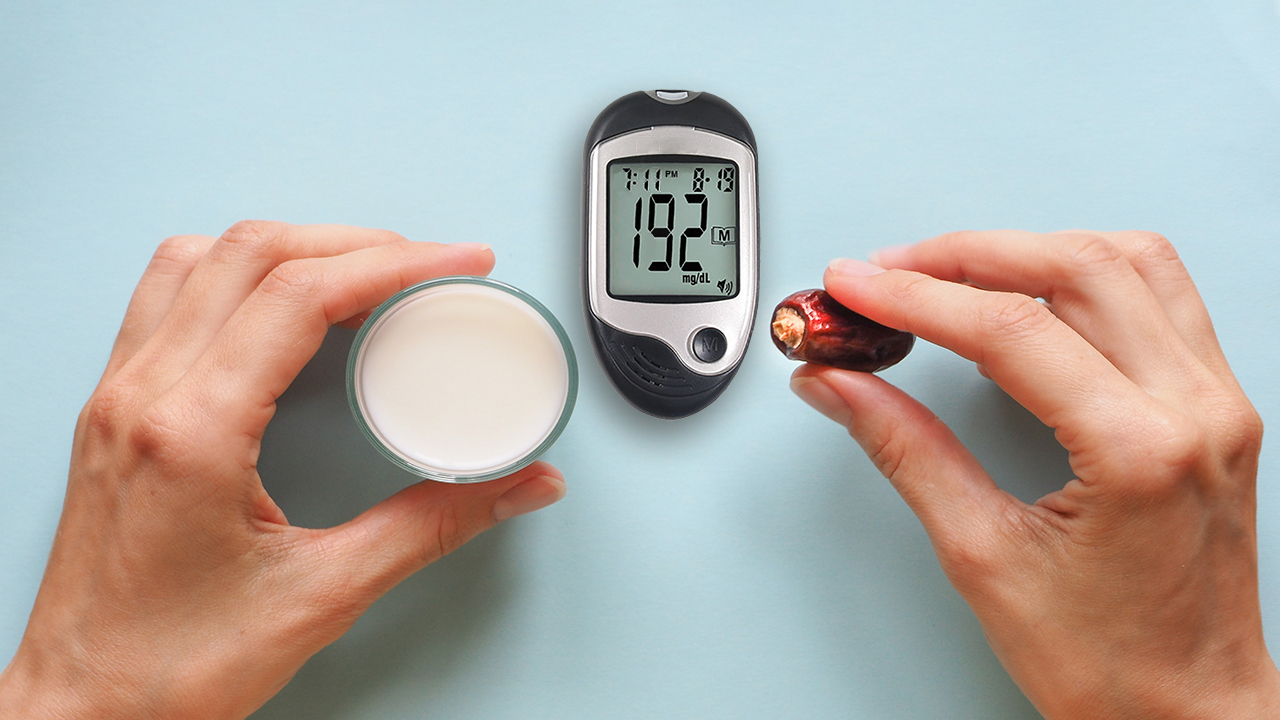
  • Hyperglycemia: This occurs when your sugar levels are as high as or more than 200mg/dl.  Common symptoms include extreme thirst, tiredness, and frequent urination. In such a situation, take advice from your doctor if you should continue your fast or not. Hyperglycemia affects each part of your body. If larger blood vessels are affected, you may face risks of stroke or a heart attack. On the contrary, if smaller blood vessels are affected, then you may face issues with your eyes, nerves and kidneys.
  • Diabetic Ketoacidosis: This is a condition where Blood Glucose Levels go extremely high and a person experiences abdominal pain, rapid breathing, nausea and vomiting. It requires immediate medical attention. In such situations, it is best to consult with a doctor.
  • Dehydration: While fasting, one may experience dehydration, especially those who work outdoors under the scorching heat of the sun. Due to lack of fluids, sugar may accumulate in the system, resulting in high blood sugar levels which can make you pass urine frequently. To overcome such dehydration during Ramadan, try to drink plenty of water after Iftar till Suhoor.

Managing Diabetes While Fasting During Ramadan

Fasting during the holy month of Ramadan is an individual’s decision. It can be managed with lifestyle changes, advice from a doctor and frequent monitoring. A few things you should consider are:

1. Pre-Diabetic Health Checkup: A Health checkup and monitoring your glucose levels before the month of Ramadan is necessary. You can also try fasting before Ramadan to see if you can manage it. Check your medication timings and discuss it with your doctor if you choose to fast.

If you consume medicines at Suhoor and keep a fast the entire day, chances are that your blood glucose levels might drop. Your blood glucose levels might even spike in the evening when you break your fast due to the intake of meals. Hence, discuss your medication timings and keep a glucometer handy to avoid medical emergencies.

2. Nutrition: If you are diabetic, ensure that both your meals are balanced. Opt for low Glycemic Index foods and Complex Carbs which digest slowly. Go for high fiber foods at Suhoor to manage blood glucose levels during fasts. Foods such as oats, Talbina (barley-based dish), brown rice, pasta and a bowl of vegetable salads work best.

Sorghum (Jowar) or Pearl Millet (Bajra) flattened bread (rotis) with Curd Raita is the best choice. A glass of buttermilk is also a good option. You can have Basil Seeds Water during Suhoor as it is rich in antioxidants, protein, good fats and fiber, all of which help in controlling diabetes.

A little protein in the form of chicken, fish, beans and legumes can also be included as they keep you full for a longer period of time and get absorbed slowly. However, people with kidney problems should take extra care to increase protein intake.

During Iftar, break your fast slowly. Chew properly and consume small amounts of food at different intervals as glucose levels may spike up if you consume a large meal at once. Have a small bowl of fruit salad or a glass of lassi (yogurt based drink) before heavy meals. Choose baked or grilled foods as compared to something fried and oily.

Sprouted salads, boiled chickpeas, or fruits are good options to include before you begin your meal. Don’t forget to hydrate yourself. Avoid sugary drinks or caffeinated beverages and choose fresh fruit juices such as beetroot juice or herbal iced tea.

We hope this article helps you stay healthy and maintain a fast without any complications or medical emergencies. If a medical emergency should arise, visit your doctor immediately.

If you found this article to be helpful, let us know your thoughts in the comments below. You can browse through more articles related to diabetes here.

If you need help or support managing Diabetes, join GOQii’s Diabetes Care Program. It’s India’s only diabetes program that is driven by Smart Science and Personal Coaching to improve Fasting Blood Sugar (FBS), Postprandial Blood Sugar (PP), and reduce HbA1c levels. You can subscribe here.

#BeTheForce

April 9, 2023 By Arooshi Garg 2 Comments

12 Steps To Being Your Own Health Detective

12 tips to be your own health detectiveGaining true, lasting health is all about identifying and healing from the root cause. You can do it, I can do it, and anybody can do it. Today’s changing lifestyle, ever-increasing pollution, adulterated foods and rising stress is silently harming our life in various unknown ways.
If you can understand your body and how it works, how disease manifests itself and where it begins, then you can draw a road map towards becoming your own health detective (and your family’s health detective) so that you can empower yourself to live a healthy, thriving life.

How To Be Your Own Health Detective 

Here are some pointers that can help you be your own Health Detective!

1. Keep A Check On Your Sleep

health detective - sleep score

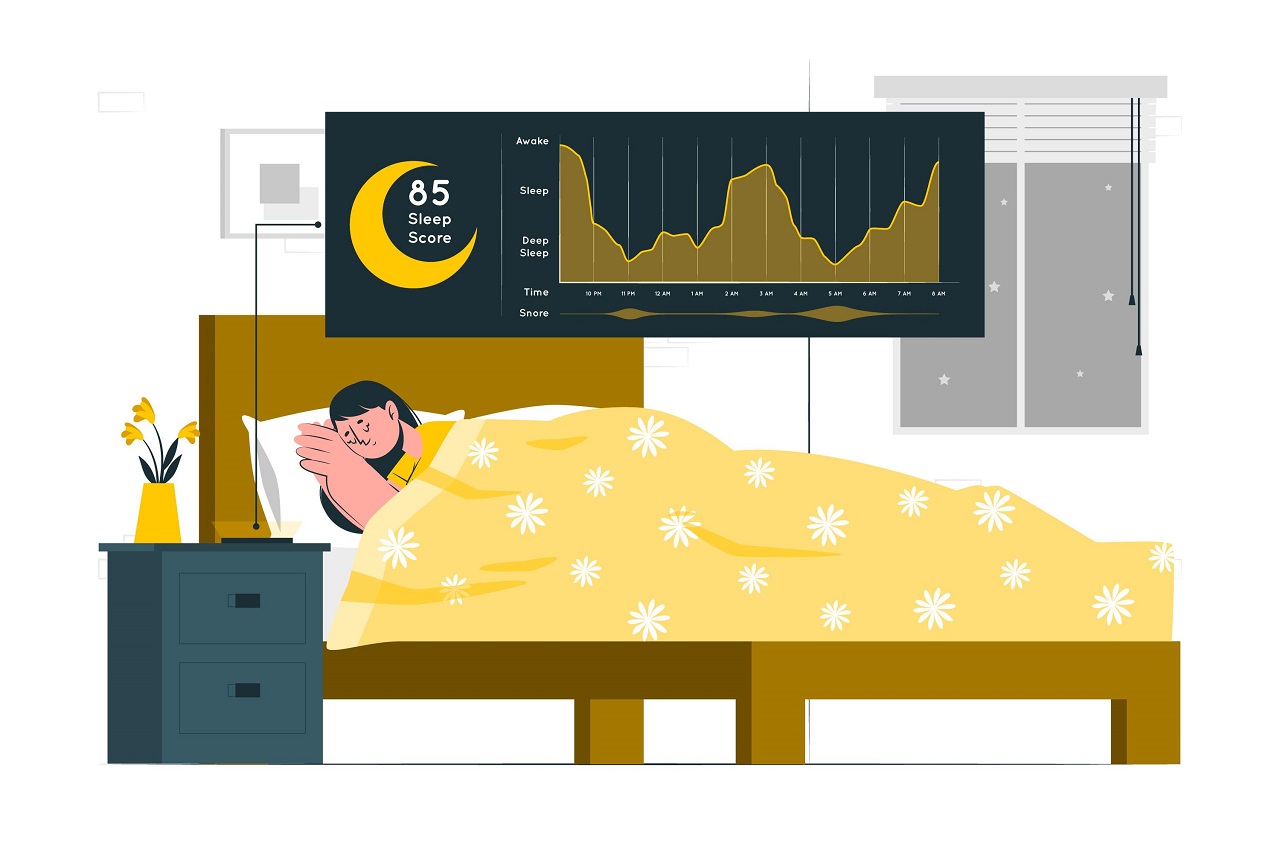
If you feel stressed out, sleepy-groggy headed, and/or lack concentration even in your daily chores and work, then this is a clear indication that you are not getting enough sleep! If even after 6-8 hours of adequate sleep, you get up all weak, lost and tired, then that’s a red signal. Stop and analyze what’s causing that.

2. Full Body Check Up

Get a full body check-up done every 6 months. Stand in front of a mirror and check if you have any lumps, or uneven skin tone. If any mole like thing appears bigger than 5mm, or pinkish-brownish discoloration, it’s an indication to fix up an appointment with a dermatologist. 

3. Excessive Hair-Fall Is Also A Symptom

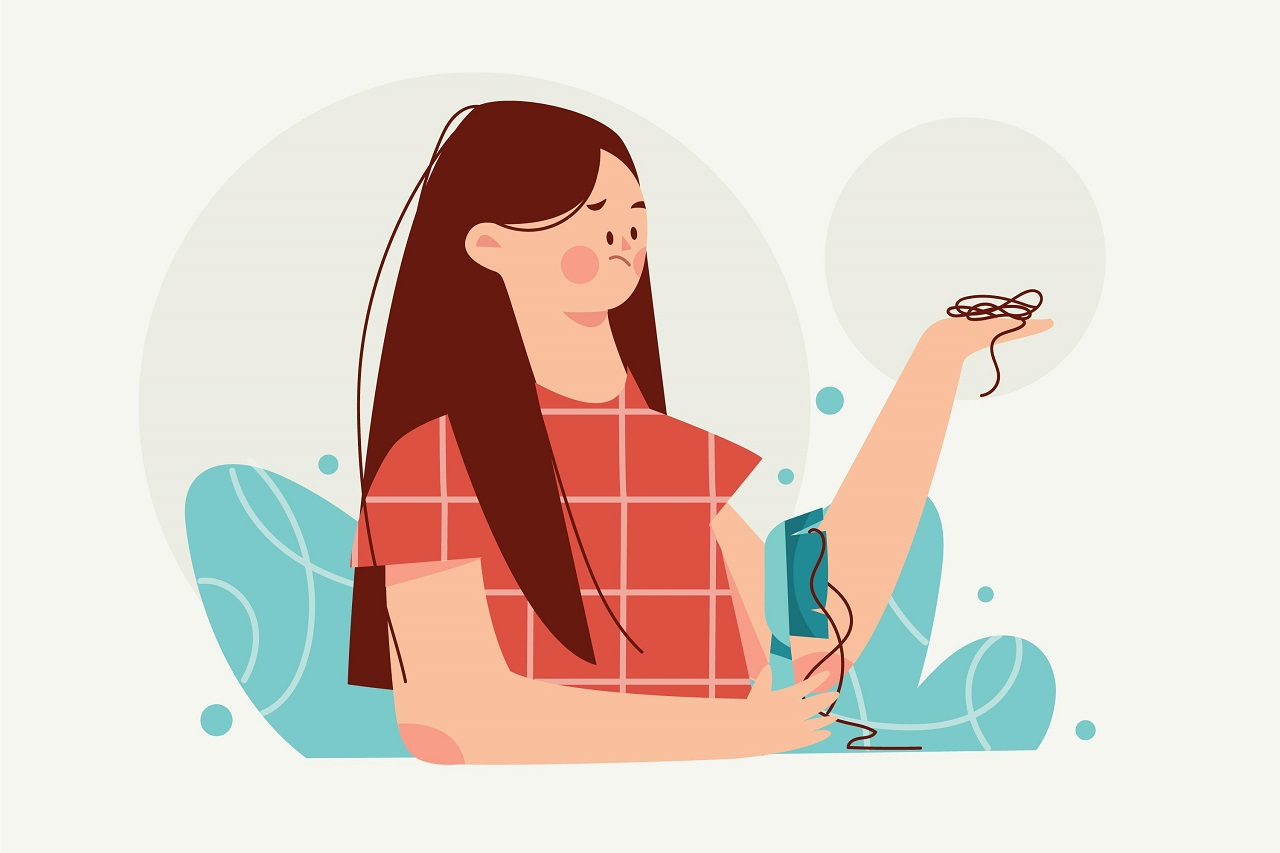
health detective - hair fall Most of the people see hair-fall as a result of the seasonal change, change of shampoo or oil.  Very few know that it could also be an indication of a disease/or a medical condition. Examine your comb regularly. If there is hair-fall appearing more than normal, it could be due to underlying deficiency of iron or thyroid. Also, follow a good hair-care and wash routine.
4. A Window Of Light Through Your Eyes

Lack of sleep can cause puffiness under the eyes. However, this puffiness goes away with proper sleep and rest. If puffiness appears for a long duration, it could be due to water retention, kidney issues, and indigestion. Do not ignore this and see a doctor.

5. Sudden Increase Or Decrease In Weight

A wave of happiness that comes due to weight loss can become a cause for concern when the reasons for weight loss are not right. It could be due to weight cycling, or a YO-YO effect that usually occurs due to extreme workouts, or diet restrictions or crash diets. If not because of these, a sudden increase or decrease could also be happening because of diabetes, thyroid etc.

6. Tired All The Time?

Tired All The Time It’s normal to feel tired and all sleepy after a long day at work or a long journey. But, if you are feeling lethargic all the time it could be due to an underactive thyroid, which also increases the chances of developing high blood pressure and heart problems. Consult a doctor immediately and get your blood tests done.

7. Frequent Headaches

A headache can happen due to stress, tension, working continuously in front of screens and inadequate sleep. This generally goes away with rest or painkillers. But, if even after this if a headache persists, it could be due to a migraine, cervical issue or spondylitis. Resort to physiotherapy, good posture and regular workout. 

8. Take Care Of Your Feet Too

Most of the people don’t pay much attention to feet, because of which they are unable to notice any visible changes happening there. If nails have white spots or have become yellowish in colour, it might be indicative of calcium or hemoglobin deficiency respectively. Persistently cracked heels may be because of low water intake and swollen feet indicate the onset of diabetes. If you feel that your feet remain excessively cold, a thyroid test must be done with doctor’s advice.

9. Teeth And Gums

Bacteria in the mouth are major causes of pain and infection in gums as well as heart-related and lung-related infections too. Conditions related to teeth and gums can also become a reason for pain in shoulders and back. Take extra care to maintain oral hygiene and dental care. A dental check-up every 6 months is advisable.

10. Don’t Ignore Snoring

Snoring in our society isn’t considered abnormal. One snores when there is blockage or difficulty in breathing. Snoring adds to excessive pressure on lungs, and it could also happen because of high blood pressure, which could, in turn, lead to heart ailments. If anyone is suffering from snoring for a long period of time, take responsibility and get their sleep study test and dynamic MRI done with doctor’s advice.

11. Blood Pressure Monitoring

People who have high/low B.P issue should always keep a digital monitor at home. Get your blood pressure checked at regular intervals or if you notice any change in the body. Remember normal blood pressure should be 120/80mm Hg. 

12. Cardiovascular Check-Up

People who have crossed 40 years of age, people having heart diseases or high blood pressure should get a complete cardiovascular check-up done. This helps in screening and treatment of risks like heart attack, stroke, etc. in the preliminary stage. Get blood cholesterol levels also checked once every year.

Points To Remember

  • Becoming a health detective doesn’t mean that you become an expert or a doctor. Being a health detective only means being alert and responsible for observing and noticing any changes that happen in your body.
  • Never take any medicine or administer drugs to others without a prescription or doctor’s advice.
  • Today, most people treat themselves by looking up their symptoms on the internet. This is called as ‘Cyberchondria’. Please do not do this as you can go wrong with your diagnosis.
  • Do not blindly believe any information given on the web, as not all of this information is trustworthy.

We hope this article helps you become your own health detective. If this information helped you, let us know your thoughts in the comments below!

You can browse more articles like this here. To get more tips and guidance, speak to a GOQii Coach for lifestyle modifications suited to your health goals. You can subscribe for Personalised Health Coaching here.

#BeTheForce

December 16, 2022 By Urvi Gohil 2 Comments

Why You Should Eat Slowly For Good Health & Better Digestion

Eat SlowlyMary Roach, in her book, Gulp: Adventures on the Alimentary Canal describes the digestive system as a highly elaborate inside of the tube that starts at the mouth and ends at the anus.



Let’s address an important facet of pre-digestion: Chewing – a much neglected lifestyle habit.

What Happens When You Eat Slowly?

The chewing process serves as the first step to proper digestion. Two interesting things happen while chewing: Firstly, Ptyalin, which is required for digestion of carbohydrates is secreted. The other thing is that the brain kicks into action and recognizes whether you are chewing proteins, carbohydrates or fats and accordingly tells the stomach to secrete the right enzymes.

It takes approximately 20 minutes from the time you start eating for your brain to send out signals of fullness. When you eat slowly, it allows ample of time to trigger the signal from your brain that you are full. Feeling full translates into eating less.

Speed eating, gorging and binge eating majorly contribute to unhealthy weight gain. Studies confirmed that chewing every bite for a longer period of time helps you lose weight and improve digestion. This is because it provides more time for your brain to receive the signal. Therefore, the slower you chew, the lesser you eat and the more satisfied you are. Eating fast promotes weight gain and makes you feel out of control of your eating habits.

Follow These Simple Steps! 

  • The very first step to mindful eating is to choose the smallest plate in your house. Take that plate and serve your portions and sit
  • Sit down to eat in a calm environment with minimal distractions. It is your time with your food. Don’t eat while driving, watching TV, while texting, etc.
  • Add 1 exchange of raw or cooked vegetables right before the main meal and use a fork to eat it. Try setting a minimum number of chews per bite
  • Look at your plate and see how colorful it is and what good it is going to do to your body. Sense the aroma and question yourself about its nutrition
  • Take a fork or chop stick to eat your meal. If you’re eating roti-sabji, take very small bites of the roti and more vegetables. Chew 30 times or more per bite and gulp it down
  • Set your time to eat. At least 20-30 minutes for each meal and preferably even longer at dinner. This will set your relationship with food
  • When you eat slowly, it improves your health in more ways than one. It leads to better digestion, better absorption, reduced bloating, acidity & constipation as well as aids weight management

So eat slowly, chew properly and live healthy! We hope this article helps you chew your food for better digestion and absorption of all those precious nutrients. Do let us know your thoughts in the comments below!

For more health tips like this, check out Healthy Reads or speak to an expert by subscribing for GOQii’s Personalised Health Coaching here: https://goqiiapp.page.link/bsr

#BeTheForce

  • « Previous Page
  • 1
  • 2
  • 3
  • 4
  • 5
  • Next Page »

Search

Recent Posts

  • ALL ABOUT VERTIGO!
  • PCOS and Anxiety: Discover Relief with the 54321 Technique
  • Navigating the Maze of Nutrition: Finding Clarity Amidst Confusion
  • Get children active and keep them healthy
  • What Gestational Diabetes Can Do To You & Your Unborn Child

Stay Updated

Archives

  • December 2025 (5)
  • November 2025 (15)
  • October 2025 (20)
  • September 2025 (6)
  • August 2025 (6)
  • July 2025 (12)
  • June 2025 (18)
  • May 2025 (16)
  • April 2025 (23)
  • March 2025 (23)
  • February 2025 (22)
  • January 2025 (26)
  • December 2024 (26)
  • November 2024 (25)
  • October 2024 (22)
  • September 2024 (24)
  • August 2024 (31)
  • July 2024 (21)
  • June 2024 (26)
  • May 2024 (31)
  • April 2024 (27)
  • March 2024 (29)
  • February 2024 (26)
  • January 2024 (25)
  • December 2023 (15)
  • November 2023 (11)
  • October 2023 (22)
  • September 2023 (22)
  • August 2023 (20)
  • July 2023 (22)
  • June 2023 (24)
  • May 2023 (24)
  • April 2023 (24)
  • March 2023 (23)
  • February 2023 (20)
  • January 2023 (16)
  • December 2022 (12)
  • November 2022 (15)
  • October 2022 (15)
  • September 2022 (12)
  • August 2022 (10)
  • July 2022 (17)
  • June 2022 (11)
  • May 2022 (10)
  • April 2022 (6)
  • March 2022 (6)
  • February 2022 (13)
  • January 2022 (12)
  • December 2021 (7)
  • November 2021 (3)
  • October 2021 (6)
  • September 2021 (3)
  • August 2021 (8)
  • July 2021 (7)
  • June 2021 (15)
  • May 2021 (16)
  • April 2021 (10)
  • March 2021 (7)
  • February 2021 (4)
  • January 2021 (4)
  • December 2020 (3)
  • November 2020 (4)
  • October 2020 (10)
  • September 2020 (3)
  • August 2020 (3)
  • July 2020 (2)
  • June 2020 (4)
  • May 2020 (10)
  • April 2020 (12)
  • March 2020 (10)
  • February 2020 (4)
  • January 2020 (4)
  • December 2019 (3)
  • November 2019 (7)
  • October 2019 (5)
  • September 2019 (4)
  • August 2019 (9)
  • July 2019 (9)
  • June 2019 (11)
  • May 2019 (4)
  • April 2019 (9)
  • March 2019 (8)
  • February 2019 (9)
  • January 2019 (8)
  • December 2018 (9)
  • November 2018 (3)
  • October 2018 (3)
  • September 2018 (5)
  • August 2018 (10)
  • July 2018 (6)
  • June 2018 (13)
  • May 2018 (8)
  • April 2018 (18)
  • March 2018 (9)
  • February 2018 (8)
  • January 2018 (15)
  • December 2017 (12)
  • November 2017 (19)
  • October 2017 (13)
  • September 2017 (15)
  • August 2017 (4)
  • July 2017 (8)
  • June 2017 (7)
  • May 2017 (6)
  • April 2017 (8)
  • March 2017 (6)
  • February 2017 (7)
  • January 2017 (9)
  • December 2016 (10)
  • November 2016 (7)
  • October 2016 (7)
  • September 2016 (7)
  • August 2016 (11)
  • July 2016 (9)
  • June 2016 (9)
  • May 2016 (12)
  • April 2016 (17)
  • March 2016 (17)
  • February 2016 (8)
  • January 2016 (6)
  • December 2015 (2)
  • November 2015 (9)
  • October 2015 (7)
  • September 2015 (9)
  • August 2015 (11)
  • July 2015 (9)
  • June 2015 (12)
  • May 2015 (9)
  • April 2015 (13)
  • March 2015 (8)
  • February 2015 (5)
  • January 2015 (12)
  • December 2014 (14)
  • November 2014 (11)
  • October 2014 (6)
  • September 2014 (13)
  • August 2014 (12)
  • July 2014 (6)
  • June 2014 (2)
  • May 2014 (7)
  • April 2014 (5)

From “Laddu Nawin” to Fit and Fierce: How a 25-Year-Old Insurance Advisor Shed 20 Kilos and Gained His Life Back

When 25-year-old Nawin Yadav from Hyderabad walked into his office every morning, he carried more than just his files and policy papers. He had the weight of fatigue, sluggish energy, and an ever-growing belly that was becoming the butt of jokes. “People … [Read More...]

“I’ve Challenged Myself to Live 100 Years” – The Story of Chandubhai Savani’s Second Chance at Life

At 67, most people start slowing down. Not Chandubhai Savani. A resident of Surat, Chandubhai, thought life was on track. “My life was going well till I had my bypass surgery,” he says. That surgery, back in 2021, was a wake-up call.  Medication was routine, but exercise wasn’t. His diet? What he calls ‘normal.’ “I […]

From Shimla’s Slopes to Chandigarh’s Sidewalks: Surinder Kaur Bhalla’s Journey from Chaos to Control

Some journeys start with a plan. Others begin with a stumble literally. Surinder Bhalla, a government professional, born and raised in the scenic hill town of Shimla, had always lived a life of movement. “In Shimla, you walked everywhere,” she reflects. “Walking was never an exercise. It was just life.” But after shifting to Chandigarh, […]

Ananda Mukherjee Health Story

From Terminal Illness To Complete Wellness! Ananda Mukherjee Health Story

As we observe World Cancer Day under the powerful theme ‘United by Unique’ (2025-2027)**, we are reminded that every individual’s journey with cancer is distinct, yet united by shared resilience, hope, and the collective fight against this disease. This theme places people at the centre of care and their stories at the heart of the […]

  • HOME
  • HEALTHY LIVING
  • FITNESS
  • HEALTHY RECIPES
  • USER STORIES
  • KARMA
  • BUY GOQii

Copyright ©2016 GOQii