GOQii

Blog

  • HOME
  • HEALTHY LIVING
  • FITNESS
  • HEALTHY RECIPES
  • USER STORIES
  • KARMA
  • BUY GOQii

August 27, 2024 By Roopa Tandur 1 Comment

6 Good Cholesterol Foods You Must Eat

good cholesterol foods

When someone mentions cholesterol, we often think of bad cholesterol and heart disease. However, there are also good cholesterol foods that are vital for our body. Functions like the synthesis of Vitamin D and hormones, as well as the formation and structure of cell membranes, rely on good cholesterol. 

What is Good Cholesterol? 

Good cholesterol refers to High-Density Lipoprotein (HDL), which helps remove bad cholesterol, known as Low-Density Lipoprotein (LDL). HDL helps transport LDL to the liver for removal from the body. Consuming foods high in saturated fats can increase LDL levels, raising the risk of heart disease and stroke.

While exercising, sleep, stress management, limiting alcohol intake and quitting smoking are essential for maintaining healthy cholesterol levels, certain foods also help. Let’s take a look at some good cholesterol foods!

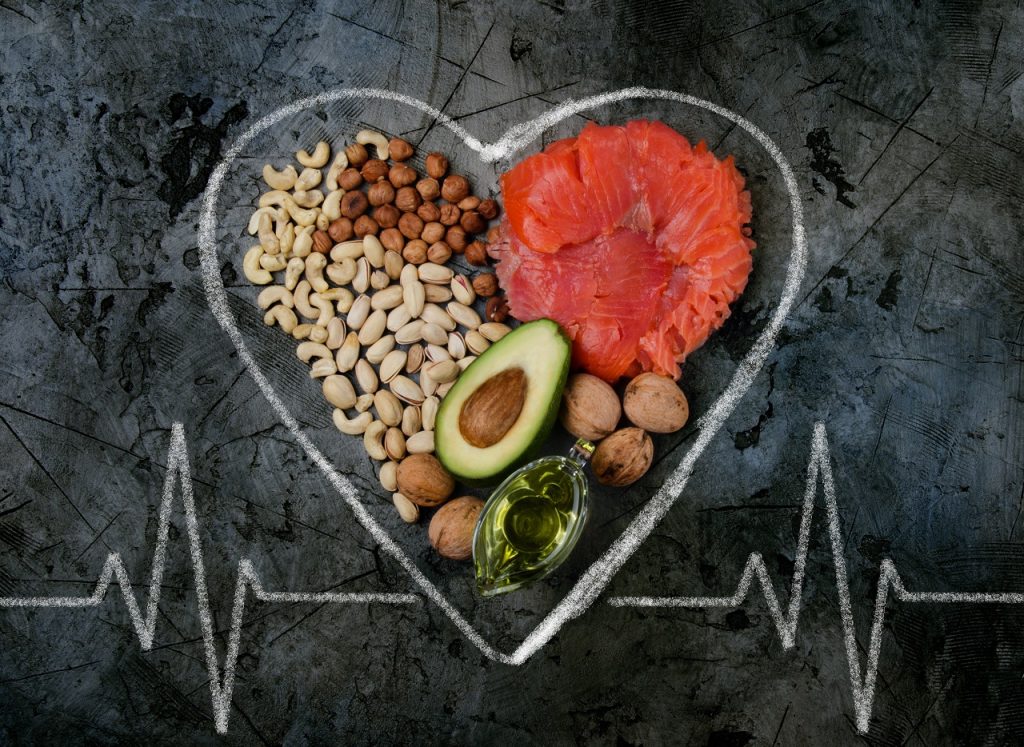
  1. Nuts and Seeds: They are high in healthy fats like monounsaturated and polyunsaturated fats (Omega 3 and Omega 6) and low on saturated fats, which help lower LDL cholesterol. They are rich in Alpha-Linoleic acid, which reduces inflammation and improves overall fat composition. These foods prevent oxidation of LDL cholesterol by free radicals, reducing plaque formation. They are also an excellent source of plant-based protein and fiber which give you a feeling of fullness. They also have a good amount of micronutrients which make them an ideal post-workout meal. However if you have allergies to nuts and seeds, avoid them. 
  2. Avocados: They are both tasty and nutrient-rich. They contain a high amount of Oleic acid, a monounsaturated fat that helps reduce inflammation and the risk of heart disease. Studies show that avocados can lower LDL cholesterol by 10% and total cholesterol by 8%. Additionally, avocados are high in fiber and healthy fats, which help you feel full for longer.
  3. Fatty Fish: Salmon, mackerel, tuna and sardines are rich in Omega 3 fatty acids, which benefit vital organs like the heart, brain and lungs. They also contain Vitamin D and A, essential for good bone and eye health. These fish are particularly effective in reducing death rates due to myocardial infarction and arrhythmia. They also help lowering plaque build-up in arteries and reducing the risk of cardiovascular disease. However, these fish contain contaminants, so cleaning them thoroughly before consuming is crucial.
  4. Eggs: They have a bad reputation due to their fat content, but not all fat in eggs are harmful. Eggs contain monounsaturated and polyunsaturated fats, which are heart healthy, along with saturated and trans fats, which raise bad cholesterol levels. One egg can easily provide a quarter of your daily fat serving. So including eggs in breakfast easily helps you include healthy fats in your diet. It also supports weight loss by preventing cravings throughout the day. Egg is a complete food, rich in both macro and most micronutrients and a good source of protein. Helps improve Vitamin D levels by aiding in its absorption. Having whole eggs by people who are already at risk of high cholesterol levels may worsen the condition, so include egg white as most of the fat and cholesterol in eggs comes from its yolk.
  5. Complex Carbs: Whole grain cereals like millets, wheat bran, oats, brown rice, fruit and vegetables contain longer chains of sugar that take longer to digest and convert into glucose, which the body uses for energy. Including 2 servings of whole grain cereals can help lower bad cholesterol, as the fiber in these foods aids in its removal from the body and improves HDL cholesterol levels.
  6. Lentils and Pulses: Including these in your diet is an easy and inexpensive way to get both macro and micronutrients. Lentils are a good source of polyphenols, which reduce inflammation and prevent many life threatening diseases, including some types of cancer. Proteins in lentils help prevent blood vessel constriction, improve HDL levels and reduce LDL levels. Lentils are also rich in folate, which prevents the accumulation of homocysteine, a trigger factor for heart disease. 

We hope this article helps you understand the difference between bad cholesterol and good cholesterol foods, as well as what to eat to stay healthy. For more tips, check out Healthy Reads or ask an expert by subscribing for GOQii’s Personalised Health Coaching here.

#BeTheForce 

Disclaimer: The information provided in this blog is for general awareness and educational purposes only. It is not intended to replace professional medical advice, diagnosis, or treatment. Always consult a qualified healthcare provider for personalised medical guidance or concerns related to your health.

July 14, 2024 By Sweta Karia Leave a Comment

All you need to know about DENGUE

fever

How often do you come across people suffering from Dengue? Recently, I encountered many cases, promoting me to pen down some valuable information that can help you prevent and recover from Dengue.

Most of us know dengue is associated with fever, but there’s much more to understand.

The name ‘dengue’ originated from the Swahili word for “bone-breaking fever” or the Spanish phrase for “the walk of a Dandie.” The dengue virus belongs to family Flaviviridae and has four serotypes transmitted by mosquitoes of Aedesaegypti species.

In recent years, the spread of unplanned urbanization, with associated substandard housing, overcrowding, and deteriorating water, sewage and waste management systems, has created ideal conditions for increased transmission of the dengue virus in tropical urban centers.

According to the World Health Organization (WHO), approximately 50 to 100 million dengue infections occur each year worldwide.

Symptoms of Dengue Fever:

Dengue causes a wide spectrum of illness, from mild asymptomatic cases to severe, fatal dengue hemorrhagic fever/dengue shock syndrome.

Symptoms, which usually begin four to six days after infection and last for up to 10 days, may include sudden high fever, severe headaches, severe joint and muscle pain, fatigue, nausea, vomiting, skin rash, mild bleeding (such as bleeding nose or gums), blood pressure drops down as the circulation of blood in the vessels is also affected.

A decrease in platelet count is often observed 3 days after the fever starts.

In severe cases, the virus reproduces rapidly, affecting vital organs like the bone marrow and liver.

As the old adage goes “PREVENTION IS BETTER THAN CURE”!!

Here are some of the preventive measures:

1) Avoid heavily populated residential areas, if possible.

2) Use mosquito repellents, vaporizing mats, and mosquito coils.

3) Wear appropriate clothing: Minimize exposed skin by wearing long-sleeved shirts and long pants tucked into socks.

4) Use bed nets during sleeping and tuck them properly under the mattress.

5) Make sure window and door screens are secure and free of holes.

6) Eliminating or avoiding stagnant, standing water where the mosquitoes can reproduce are some of the effective strategies to prevent it.

7) Maintain proper Hygiene and Sanitation.

Treatment:

Dengue is a self-limiting viral disease, meaning it typically resolves on its own with adequate hydration and pain control. Severe cases may require hospitalization and intensive care. Many doctors also recommend home remedies to manage symptoms and speed recovery.

Home remedies for Dengue:

There is no specific diet for dengue, but the following home remedies can help alleviate symptoms and aid in recovery:

1) Water: This is of utmost important as extreme dehydration is very prominent in Dengue. Water can heal symptoms like headache, muscle cramps and furthermore help to eliminate toxins from the body.

2) Papaya leaf juice or Papaya leaf extract: They have an ability to increase the platelets in bone marrow. Here is the way to use them:  Wash the leaves, take out the center vein and crush leaves in a grinder with adding little bit of water and consume  every 6 hours daily.

3) Neem leaves: Steeping the leaves and drinking its brew helps to increase the platelet and WBC count thereby improving the body’s immunity.

4) Carrot Juice: Taking 2-3 spoons of carrot juice having mixed with beetroot juice twice a day helps to boost up the count of platelet count very soon.

5) Omega 3 rich foods like walnuts, flaxseeds, fish boost your immune system.

6) Fresh Fruits and Veggies typically orange juice, amla juice, and grapefruit can promote the antibody production, release the toxins, stimulates cellular repair because of Vitamin C content.

7) Eating Garlic: Chewing two cloves of garlic or drinking hot garlic vegetable soup can decrease the multiplication of viruses.

8) Eating a well- balanced diet with majorly focusing on green leafy veggies can ward off the infection.

9) Also a simple solution to the monsoon Illness is to boost up our immunity by our popularly known

“Dadjiji ka Kadha- Grandma’s home remedy concoction”. You can check out this link on how to prepare the concoction:

Homemade Remedy For Monsoon Illnesses – Decoction Syrup or Kadha Recipe

10) Most importantly REST. The more your rest, the better the production of platelets.

11)  Since it is an Infection, have cooked vegetables instead of raw.

Foods to be avoided:

First and foremost, stay away from unhealthy food like refined sugars, junk food and processed food. Having these foods can cause drop in platelet count.

Secondly, try to avoid the food which is oily, spicy and salty. I know it may spoil the taste of your mouth, but lime juice plays the trick here.

Thirdly, caffeine and alcohol should be avoided to prevent dehydration.

Lastly, avoid meat as it is difficult to digest.

So let’s prevent ourselves from Dengue before we catch hold of it! For further information or guidance, reach out to our certified experts by subscribing to GOQii’s Personalised Health Coaching here.

#BeTheForce

July 6, 2024 By Vaishali Vibhute 4 Comments

Useful Tips To Boost Immunity During Monsoon

boost immunity during monsoonWe all welcome the monsoon every year to find relief from the scorching summer heat. Rains are beautiful and can quickly elevate your mood. Since monsoon weather is damp and humid, it is the perfect environment for microbes to grow and flourish. Thanks to this, people with low immunity are prone to suffer and fall sick frequently during this season. The weather can ruin your immune system and a good immune system is needed during the rainy season. There are a number of ways to build immunity and one of those ways is by eating healthy food! So, let’s look at some useful tips to boost immunity during monsoon! 
Tips To Boost Immunity During Monsoon 

Here’s how you can improve immunity during monsoon by eating the right kind of food to support your immune system. 

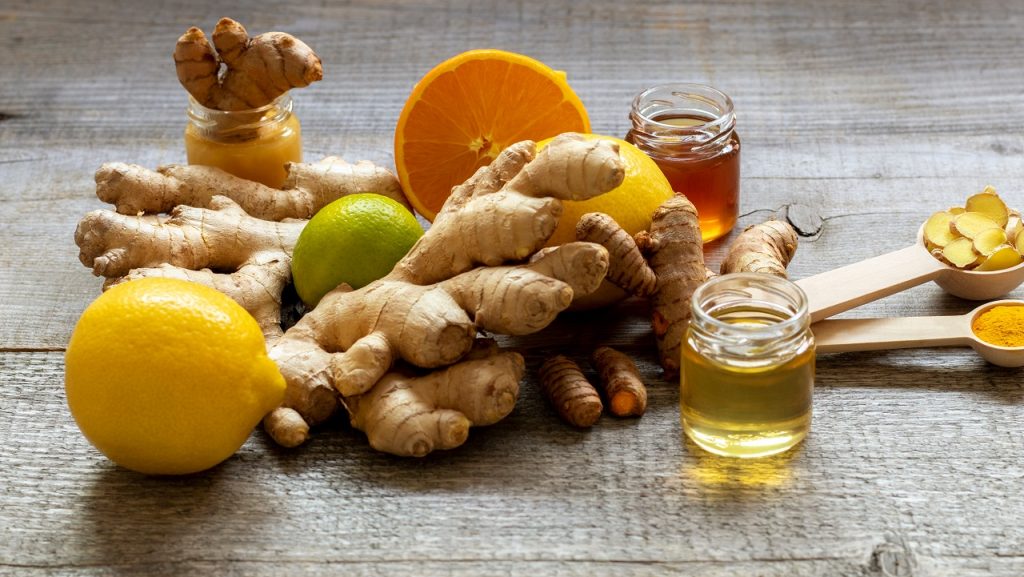
  • Switch to herbal teas: Herbal teas such as Tulsi and ginger tea are your best friends to boost immunity during monsoon. Drinking tea will keep you warm and safe from cold and flu while boosting your immunity. Add a few drops of honey for its antibacterial and anti-inflammatory properties instead of sugar.
  • Stay hydrated: Drink 8-10 glasses of water a day to stay hydrated, as due to colder climate, the water intake is considerably reduced, which is bad for the body. It is the best source to flush out toxins from your body and doesn’t have calories and sugar. Make sure water should be potable to keep waterborne diseases like Jaundice and Diarrhea at bay.
  • Have protein rich food: Protein, a major macronutrient, increases immunity, wound healing and muscle building. Food like dal, pulses, curd, eggs, chicken, paneer, soy, tofu are rich in protein.
  • Have a low salt diet: High blood pressure may weaken the immune system. So, it is always better to have a low salt diet as it prevents high blood pressure and water retention. Fruits like watermelon, muskmelon, cucumber can also lead to water retention. 
  • Prefer curd or yogurt over milk: Curd and yogurt are fermented food, rich in probiotics and the good bacteria present in it can help increase immunity and fight infection and can help your digestive system function well.
  • Include spices: Include more immunity boosting Indian spices in your food like turmeric, fenugreek, cloves, pepper, cinnamon, ginger and curry leaves. They help in digestion and flush out sinus from the body and improve Immunity. Warm water with honey, ginger and black pepper can be a miraculous cure to avoid cold, cough and flu.
  • Improve sunshine vitamin level: Vitamin D or the sunshine vitamin, is an essential micronutrient which can help boost your immune system. It can modulate the innate and adaptive immune response. A deficiency of Vitamin D can make you more prone to common infections. Improve your Vitamin D levels by exposing yourself to morning sunshine and consuming egg, cheese, mushroom and fortified cereals.
  • Eat healthy fats: Include monounsaturated and polyunsaturated fats to your diet. These healthy fats boost your body’s immune response to pathogens as well. These fats are anti-inflammatory and good for your heart too. Nuts, seeds, fish, soy milk, almonds, avocados, walnuts, sunflower, pumpkin, and sesame seeds are prime examples of healthy fats.
  • Eat fruits: Fruits help to build immunity, give energy and are loaded with nutrients such as Vitamin A, C and fiber. Apple, Guava, Banana, Orange, Amla, Papaya, Pomegranate, etc. are the best additions to your diet. Vitamin C helps in iron absorption too.
  • Incorporate vegetables: All vegetables, including green leafy vegetables like cabbage and spinach are good sources of immunity boosting Vitamins A, C, and E as well as folate, antioxidants, and fiber.
  • Limit simple sugar: Most people are aware that eating sugar has negative consequences on their health, leading to things like obesity and diabetes. However, most of them are unaware that it has an effect on the immune system as well. It lowers the ability of white blood cells to fight and destroy bacteria.
  • Avoid outside food: Foods like sandwiches, pani puris, samosas, etc. may seem tempting during monsoons but they may contain bacteria that might cause indigestion. Avoid pre-cut or raw foods/fruits as they could contain germs which may lead to food poisoning and lower your immunity.

Apart from the above food tips, you also require adequate, good quality sleep. Keeping your mind stress-free also helps. Don’t forget to exercise regularly as it boosts your immune system by regenerating your immune cells. 

Underactive and poor immunity can make the body more prone to a host of gastrointestinal problems and monsoon related ailments. Under the current circumstances as well, keeping your immunity level high could be the only way to cherish good health while enjoying the rains.

If these tips to build your immunity during monsoon helped, let us know in the comments below! Find more tips on staying healthy during the monsoon here.

You can also get these tips directly from a GOQii Coach by subscribing to Personalised Health Coaching here.

#BeTheForce 

July 1, 2024 By Aesha Mehta 1 Comment

7 Foods To Avoid If You Have Asthma

Asthma

Asthma is an ancient Greek word which means “short drawn breath”. It can be quite troublesome as it causes chest tightness, shortness of breath, and coughing. Patients suffering from asthma have more trouble exhaling carbon dioxide than inhaling oxygen because the air passages of the small bronchi become clogged, making it difficult to breathe. Most asthma patients face more difficulty breathing during the night time. 

Modern medicine has not been able to find a cure for this troublesome respiratory disease. Drugs and vaccines help in reducing symptoms and provide temporary relief. Allergy is a major cause of asthma, but it can be managed with a  proper diet and lifestyle, such as eating foods which are easy to digest and adapting lifestyle methods such as yogic kriya – which helps in proper assimilation of food, strengthening of lungs, digestive and circulatory system. 

Which Foods Should You Avoid If You Have Asthma? 

While there are foods which can help you alleviate the symptoms of asthma, here are some which you must avoid at any cost. 

  1. Sugar: Sweet carbonated drinks, candies, cakes, biscuits, and all the foods which are rich in sugar increase coughing and wheezing in children. Sugar attacks the immune system of the airway, causing narrowing of airways and mucous production. Instead of sweets, include jaggery and coconut sugar.
  2. Junk Foods: Foods like burgers, pizza, red meats, fries, etc., which are loved by a large part of the population, worsens asthma symptoms. These foods make one overweight, and the lungs have to work harder, making it difficult to breathe. Include simple, homemade foods instead of junk foods
  3. Alcohol: Sulphites, one of the allergens present in many alcoholic beverages, worsen asthma symptoms. It increases wheezing and breathing difficulty. Include more natural beverages like lemon water and coconut water instead of beer and wine.
  4. Beans: Beans cause gas in our body, putting pressure on the diaphragm and increasing acid reflux. It is better to avoid beans and other foods like cabbage, onion and garlic which are gas forming.
  5. Tea and Coffee: Another allergen, Salicylates, is found in tea and coffee. Though it is rare, some asthmatic patients are allergic to salicylates and find difficulty in breathing. As an alternative, you can include herbal teas like chamomile tea and passionflower tea instead of regular tea and coffee.
  6. Shrimp: Shrimp contains sulphites, which is an allergen. Yes, SULPHITES again! It can worsen asthma symptoms.
  7. Salt: Salt is one of the worst foods for asthma. It can tighten the airways, cause inflammation, and fluid retention, making it a very serious lung complication. Include natural flavouring ingredients like cumin, turmeric and chilli flakes instead of salt. 

We hope this article helps you understand which foods to avoid if you have asthma. By making mindful dietary choices, you can better manage your asthma symptoms and improve your overall well-being. Do leave your thoughts in the comments below.

#BeTheForce 

Disclaimer: The information provided in this blog is for general awareness and educational purposes only. It is not intended to replace professional medical advice, diagnosis, or treatment. Always consult a qualified healthcare provider for personalised medical guidance or concerns related to your health.

  • « Previous Page
  • 1
  • …
  • 6
  • 7
  • 8
  • 9
  • 10
  • …
  • 24
  • Next Page »

Search

Recent Posts

  • ALL ABOUT VERTIGO!
  • PCOS and Anxiety: Discover Relief with the 54321 Technique
  • Navigating the Maze of Nutrition: Finding Clarity Amidst Confusion
  • Get children active and keep them healthy
  • What Gestational Diabetes Can Do To You & Your Unborn Child

Stay Updated

Archives

  • December 2025 (5)
  • November 2025 (15)
  • October 2025 (20)
  • September 2025 (6)
  • August 2025 (6)
  • July 2025 (12)
  • June 2025 (18)
  • May 2025 (16)
  • April 2025 (23)
  • March 2025 (23)
  • February 2025 (22)
  • January 2025 (26)
  • December 2024 (26)
  • November 2024 (25)
  • October 2024 (22)
  • September 2024 (24)
  • August 2024 (31)
  • July 2024 (21)
  • June 2024 (26)
  • May 2024 (31)
  • April 2024 (27)
  • March 2024 (29)
  • February 2024 (26)
  • January 2024 (25)
  • December 2023 (15)
  • November 2023 (11)
  • October 2023 (22)
  • September 2023 (22)
  • August 2023 (20)
  • July 2023 (22)
  • June 2023 (24)
  • May 2023 (24)
  • April 2023 (24)
  • March 2023 (23)
  • February 2023 (20)
  • January 2023 (16)
  • December 2022 (12)
  • November 2022 (15)
  • October 2022 (15)
  • September 2022 (12)
  • August 2022 (10)
  • July 2022 (17)
  • June 2022 (11)
  • May 2022 (10)
  • April 2022 (6)
  • March 2022 (6)
  • February 2022 (13)
  • January 2022 (12)
  • December 2021 (7)
  • November 2021 (3)
  • October 2021 (6)
  • September 2021 (3)
  • August 2021 (8)
  • July 2021 (7)
  • June 2021 (15)
  • May 2021 (16)
  • April 2021 (10)
  • March 2021 (7)
  • February 2021 (4)
  • January 2021 (4)
  • December 2020 (3)
  • November 2020 (4)
  • October 2020 (10)
  • September 2020 (3)
  • August 2020 (3)
  • July 2020 (2)
  • June 2020 (4)
  • May 2020 (10)
  • April 2020 (12)
  • March 2020 (10)
  • February 2020 (4)
  • January 2020 (4)
  • December 2019 (3)
  • November 2019 (7)
  • October 2019 (5)
  • September 2019 (4)
  • August 2019 (9)
  • July 2019 (9)
  • June 2019 (11)
  • May 2019 (4)
  • April 2019 (9)
  • March 2019 (8)
  • February 2019 (9)
  • January 2019 (8)
  • December 2018 (9)
  • November 2018 (3)
  • October 2018 (3)
  • September 2018 (5)
  • August 2018 (10)
  • July 2018 (6)
  • June 2018 (13)
  • May 2018 (8)
  • April 2018 (18)
  • March 2018 (9)
  • February 2018 (8)
  • January 2018 (15)
  • December 2017 (12)
  • November 2017 (19)
  • October 2017 (13)
  • September 2017 (15)
  • August 2017 (4)
  • July 2017 (8)
  • June 2017 (7)
  • May 2017 (6)
  • April 2017 (8)
  • March 2017 (6)
  • February 2017 (7)
  • January 2017 (9)
  • December 2016 (10)
  • November 2016 (7)
  • October 2016 (7)
  • September 2016 (7)
  • August 2016 (11)
  • July 2016 (9)
  • June 2016 (9)
  • May 2016 (12)
  • April 2016 (17)
  • March 2016 (17)
  • February 2016 (8)
  • January 2016 (6)
  • December 2015 (2)
  • November 2015 (9)
  • October 2015 (7)
  • September 2015 (9)
  • August 2015 (11)
  • July 2015 (9)
  • June 2015 (12)
  • May 2015 (9)
  • April 2015 (13)
  • March 2015 (8)
  • February 2015 (5)
  • January 2015 (12)
  • December 2014 (14)
  • November 2014 (11)
  • October 2014 (6)
  • September 2014 (13)
  • August 2014 (12)
  • July 2014 (6)
  • June 2014 (2)
  • May 2014 (7)
  • April 2014 (5)

From “Laddu Nawin” to Fit and Fierce: How a 25-Year-Old Insurance Advisor Shed 20 Kilos and Gained His Life Back

When 25-year-old Nawin Yadav from Hyderabad walked into his office every morning, he carried more than just his files and policy papers. He had the weight of fatigue, sluggish energy, and an ever-growing belly that was becoming the butt of jokes. “People … [Read More...]

“I’ve Challenged Myself to Live 100 Years” – The Story of Chandubhai Savani’s Second Chance at Life

At 67, most people start slowing down. Not Chandubhai Savani. A resident of Surat, Chandubhai, thought life was on track. “My life was going well till I had my bypass surgery,” he says. That surgery, back in 2021, was a wake-up call.  Medication was routine, but exercise wasn’t. His diet? What he calls ‘normal.’ “I […]

From Shimla’s Slopes to Chandigarh’s Sidewalks: Surinder Kaur Bhalla’s Journey from Chaos to Control

Some journeys start with a plan. Others begin with a stumble literally. Surinder Bhalla, a government professional, born and raised in the scenic hill town of Shimla, had always lived a life of movement. “In Shimla, you walked everywhere,” she reflects. “Walking was never an exercise. It was just life.” But after shifting to Chandigarh, […]

Ananda Mukherjee Health Story

From Terminal Illness To Complete Wellness! Ananda Mukherjee Health Story

As we observe World Cancer Day under the powerful theme ‘United by Unique’ (2025-2027)**, we are reminded that every individual’s journey with cancer is distinct, yet united by shared resilience, hope, and the collective fight against this disease. This theme places people at the centre of care and their stories at the heart of the […]

  • HOME
  • HEALTHY LIVING
  • FITNESS
  • HEALTHY RECIPES
  • USER STORIES
  • KARMA
  • BUY GOQii

Copyright ©2016 GOQii



