GOQii

Blog

  • HOME
  • HEALTHY LIVING
  • FITNESS
  • HEALTHY RECIPES
  • USER STORIES
  • KARMA
  • BUY GOQii

June 9, 2026 By Pradnya Shinde Leave a Comment

Menopause and Bone Health: How to Prevent Osteoporosis Before It’s Too Late

The Big Question: Why does menopause cause women to lose bone density so rapidly, and how can it be stopped?

Menopause is one of the most critical risk factors for rapid skeletal degradation in women. As estrogen levels plunge, the delicate biological balance between bone breakdown and bone rebuilding is severely disrupted. Estrogen naturally keeps osteoclasts (the cells that dissolve bone) in check while supporting osteoblasts (the cells that build bone matrix). Without this hormonal shield, bone breakdown outpaces rebuilding, leading to a swift drop in bone mineral density. Over time, this shifts the skeleton into states of osteopenia, osteoporosis, and high fracture risks. However, early intervention through progressive strength training, targeted nutrition, and regular tracking can preserve skeletal integrity and mobility for life.

A few months ago, one of my patients in her 60s slipped while walking and suffered a serious hip fracture. When I asked her what she thought caused the injury, she automatically replied, “It’s just old age.” I then asked her a completely different question: “If you had fallen exactly the same way 30 years ago, do you think you would have broken your hip?” She paused for a moment and said, “Probably not.”

That brief conversation highlights a profound medical truth. While ageing naturally impacts the human skeleton, menopause represents a sharp, aggressive turning point in a woman’s bone structure. Millions of women do not realize their bones are losing their internal scaffolding until they experience a sudden, agonizing fracture. This silent progression is exactly why osteoporosis is universally referred to as “the silent disease.”

Why Menopause Accelerates Bone Loss

Your bones are not static, dead structures. Throughout your life, they undergo a continuous, highly dynamic process of living renewal called bone remodelling. In a healthy body, old or micro-damaged bone tissue is systematically removed and replaced with fresh, mineral-rich bone tissue.

Estrogen plays an absolutely vital role in maintaining this skeletal equilibrium. It essentially regulates the lifespan of your bone-remodeling cells, slowing down excessive bone breakdown. As estrogen levels sharply decline during menopause, bone breakdown begins to drastically outpace bone rebuilding. Over time, this structural imbalance leads to a severe reduction in bone mineral density (BMD).

When Does Bone Loss Begin?

Skeletal thinning does not start overnight. Clinical research suggests that bone loss actually begins silently during perimenopause—the transition years leading up to menopause—and accelerates at an alarming rate during the first five to seven years after the final menstrual period. During this particular window, women can lose up to 20% of their total bone mass. The exact rate of degradation varies, dictated by factors like genetics, lifestyle habits, metabolic health, and past physical activity.

Major Factors That Compound Your Osteoporosis Risk

While the menopausal transition is the primary driver of bone thinning, several secondary risk factors can push your skeletal health into dangerous territory:

  • Low Peak Bone Mass: Think of your skeleton as a retirement account. The stronger and denser you build your bones during early adulthood through proper loading and nutrition, the greater your reserve later in life. Women who entered their 30s with inadequate bone mass are much more vulnerable to osteoporosis later on.
  • Early Menopause: Women who experience menopause naturally or surgically before the age of 45 face a significantly higher risk due to a prolonged, premature deficiency of estrogen.
  • Certain Medications: The chronic, long-term use of oral corticosteroids (like prednisone), certain anti-seizure drugs, or specific cancer therapies can severely impair bone cell synthesis.
  • Lifestyle Aggressors: Chronic physical inactivity, poor sleep quality, smoking, and high alcohol intake heavily hinder the body’s natural cellular repair mechanisms.

The 4 Pillars of Bone Health During Menopause

To successfully defend your skeletal independence, you must transition your daily routine toward four science-backed pillars of prevention.

  1. Discuss Bone Density Screening With Your Doctor

Because osteoporosis develops completely behind the scenes without a single ache or pain, proactive clinical screening is your best line of defense. A DEXA (Dual-Energy X-ray Absorptiometry) scan is a quick, non-invasive imaging test that measures your exact bone mineral density and calculates your future fracture risk.

You should prioritize speaking with your healthcare provider about a diagnostic DEXA scan if you are postmenopausal, have a maternal family history of osteoporosis, experienced early menopause, or have previously broken a bone from a minor fall. Early detection allows your doctor to discuss preventative medical interventions, such as Hormone Replacement Therapy (HRT) or bone-building therapies, before an injury occurs.

  1. Prioritize Strength Training and Weight-Bearing Exercise

Exercise is a highly potent biological stimulus for bone preservation. When you engage in weight-bearing activities, the mechanical stress traveling through your muscles forces your bones to adapt by drawing in more minerals to thicken their walls.

Excellent everyday weight-bearing options include brisk walking, climbing stairs, hiking, and controlled dancing. However, to maximize protection, you must pair these with progressive strength training. Lifting weights or working with resistance bands pulls directly on the bone matrix, which preserves both bone density and lean muscle mass.

Aim for at least 30 minutes of weight-bearing activity most days of the week, coupled with two to three dedicated strength-training sessions weekly to secure long-term mobility and healthy ageing.

  1. Maximize Your Calcium and Vitamin D Synergy

Calcium is the structural building block of your skeleton, but it cannot do its job alone. Your body requires adequate levels of Vitamin D to actively absorb calcium from your gut and deposit it into your bones.

Clean Calcium Sources Active Vitamin D Sources
Milk, curd, and paneer Safe, midday sun exposure (primary source)
Calcium-rich grains like Ragi Fatty fish (salmon, mackerel, tuna)
Sesame seeds and almonds Whole egg yolks
Dark green leafy vegetables Quality, fortified foods

Most postmenopausal women require approximately 1,200 mg of calcium daily. If you suspect you are falling short, look into correcting a potential vitamin D deficiency first through food and sunlight, and consult your doctor to see if targeted supplementation is necessary.

  1. Optimize Protein Intake and Balance Training

Dietary protein is frequently left out of the bone health conversation, which is a major nutritional mistake. Over 50% of your bone volume is made of a protein matrix (mostly collagen). Ensuring an optimal protein intake during and after menopause is absolutely vital for maintaining the structural framework of your bones, preserving muscle strength, and accelerating tissue recovery.

Simultaneously, you must actively train your nervous system to prevent falls in the first place. Incorporating balance-focused movements into your weekly routine significantly improves your stability, spatial awareness, and confidence. Excellent options include:

  • Yoga and Tai Chi (which improve joint proprioception)
  • Unilateral strength movements (like single-leg stands or lunges)
  • Core stabilization exercises

Additional Lifestyle Adjustments to Protect Your Bones

  • Quit Smoking Immediately: Nicotine is a direct cellular toxin to osteoblasts (bone-building cells) and speeds up estrogen breakdown in the body.
  • Moderate Alcohol Intake: Excessive alcohol consumption disrupts calcium absorption in the gut and impairs the liver’s ability to activate Vitamin D.
  • Maintain a Stable, Healthy Weight: Being chronically underweight severely starves your bones of nutrients and deprives your skeleton of the healthy mechanical loading it needs to stay dense.

Menopause will naturally alter your hormonal profile, but severe bone thinning and fractures are not an inevitable cost of growing older. By taking command of the four foundational pillars—clinical screening, progressive strength training, mineral-protein synergy, and proactive balance work—you send a powerful signal to your body to keep your skeleton strong, resilient, and independent for decades to come.

Pro Tip: Building a bone-safe lifestyle requires consistency. Use the GOQii App to log your daily physical activity, track your calcium-heavy meals, and monitor your restorative sleep habits. You can share this comprehensive data with your GOQii Personalised Health Coach to design a customized, joint-safe strength and nutrition plan built exactly for your needs!

Frequently Asked Questions (FAQs)

  1. Is bone loss during menopause reversible?

While you cannot entirely reverse the natural, age-related structural changes of an aging skeleton, you can absolutely halt or dramatically slow down the progression of bone loss. Through a dedicated combination of resistance training, optimal nutritional synergy, and medical treatments (such as HRT or bone-density medications) when clinically indicated, you can noticeably improve your bone mineral density.

  1. How much calcium do women need after menopause?

Most postmenopausal women over the age of 50 require roughly 1,200 mg of calcium per day. It is highly recommended to meet this target through whole food sources like dairy, ragi, and leafy greens first, as dietary calcium is absorbed much more efficiently by the body than pill supplements.

  1. What is the single best exercise for preventing osteoporosis?

There isn’t just one; the gold standard is a combination of progressive resistance training (lifting weights) and high-impact or weight-bearing aerobic exercise (like brisk walking or stair climbing). Resistance training creates localized muscle pull that thickens the bone, while weight-bearing movement stimulates global skeletal remodeling.

  1. Why are hip fractures considered so serious in older adults?

Hip fractures almost always require major emergency surgery followed by prolonged periods of forced bed rest. This sudden immobility can cause rapid, severe muscle wasting, a drastic drop in cardiovascular fitness, and heavily increases the vulnerability to secondary, life-threatening complications like deep vein thrombosis (blood clots) or pneumonia.

#BeTheForce

Disclaimer: This article is intended for educational and informational purposes only. It is not intended to replace professional medical advice, diagnosis, or treatment. Always consult a qualified healthcare provider for personalised medical guidance or concerns related to your skeletal health.
March 25, 2025 By GOQii Leave a Comment

Understanding PCOS: Symptoms & Solutions

Polycystic Ovary Syndrome (PCOS) is more common than you might think. Affecting 1 in 10 women of reproductive age globally, it’s a hormonal condition that can often go undiagnosed for years—leaving many to silently struggle with irregular periods, weight gain, acne, or mood swings, without truly knowing why.

If you’ve ever felt that your body is working against you, or if your health concerns have been dismissed as “normal” or “just stress,” you’re not alone. PCOS can be complex, but with the right knowledge, support, and lifestyle changes, it is manageable—and many women go on to live healthy, balanced lives.

Let’s break it down together and explore what PCOS really is, its symptoms, and the steps you can take to regain control of your health.

What Is PCOS?

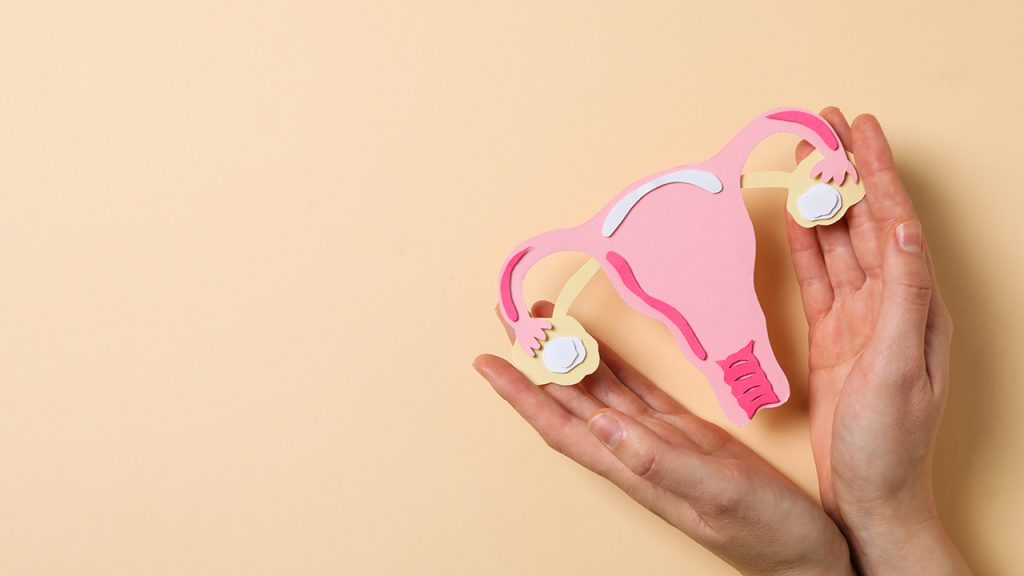
PCOS is a hormonal imbalance that affects how the ovaries work. It’s called “polycystic” because many women with PCOS have multiple small cysts on their ovaries—but not always.

At its core, PCOS involves excess androgen levels (male hormones like testosterone), insulin resistance, and irregular ovulation. These disrupt your menstrual cycle, metabolism, and can even impact fertility.

Common Symptoms of PCOS

PCOS affects each woman differently, but here are some common signs to look out for:

  • Irregular periods or no periods at all
  • Excessive hair growth on the face, chest, or back (hirsutism)
  • Acne that’s hard to control
  • Thinning hair or hair loss from the scalp
  • Weight gain, particularly around the abdomen
  • Difficulty losing weight
  • Mood swings, anxiety, or depression
  • Fatigue and low energy levels
  • Fertility challenges

If you identify with some of these symptoms, it’s worth consulting a GP or gynaecologist who can carry out blood tests and scans to confirm a diagnosis.

What Causes PCOS?

The exact cause of PCOS isn’t fully understood, but several factors are believed to play a role:

  • Genetics – If your mother or sister has PCOS, your chances increase.
  • Insulin resistance – When the body’s cells become resistant to insulin, blood sugar levels rise, triggering the ovaries to produce more androgens.
  • Inflammation – Chronic low-grade inflammation can increase androgen production.
  • Lifestyle factors – Sedentary living, poor diet, and stress can aggravate symptoms.

How PCOS Can Affect Long-Term Health

If left unmanaged, PCOS can increase the risk of:

  • Type 2 Diabetes
  • High blood pressure
  • Heart disease
  • Endometrial cancer
  • Sleep apnoea
  • Anxiety and depression

The good news? Early diagnosis and lifestyle changes can significantly reduce these risks and help you take back control of your health.

Natural Solutions for Managing PCOS

There’s no one-size-fits-all cure, but small, sustainable changes can make a big difference. Here’s how you can manage PCOS naturally:

  1. Nourish Your Body with the Right Foods

Focus on a balanced, low-GI diet to regulate blood sugar and manage insulin levels:

  • Whole grains (quinoa, oats, brown rice)
  • Lean proteins (fish, chicken, tofu, lentils)
  • Healthy fats (avocados, nuts, olive oil)
  • Plenty of vegetables and berries
  • Limit refined carbs, sugars, and processed foods

Tip: Don’t skip meals—this can cause blood sugar crashes and worsen fatigue.

  1. Stay Active, Your Way

Regular exercise helps manage weight, insulin resistance, and boosts mood:

  • Aim for 30 minutes of movement, 5 days a week
  • Mix it up—try walking, cycling, yoga, strength training, or dancing

Tip: Start small and stay consistent. Even daily walks make a difference.

  1. Prioritise Stress Management

Chronic stress affects hormones and can worsen symptoms. Try:

  • Deep breathing or meditation
  • Journaling or gratitude practice
  • Spending time in nature
  • Mindful movement like yoga or tai chi
  1. Improve Sleep Quality

PCOS can disrupt sleep, but quality rest is essential for hormone balance:

  • Stick to a regular sleep schedule
  • Limit screens before bed
  • Create a calm, dark sleep environment
  1. Seek Medical Support

Depending on your symptoms, a doctor may recommend medications like:

  • Metformin for insulin resistance
  • Hormonal birth control for regulating cycles
  • Fertility treatments, if needed

Note: Lifestyle changes can often reduce the need for medication over time.

PCOS may feel overwhelming, but you’re not alone. With the right approach and support, you can manage symptoms, boost your energy, improve your mood, and reclaim your well-being.

Small steps matter. Whether it’s preparing a nourishing meal, taking a walk, or simply resting when needed, every choice adds up to better health.

💬 Have you been managing PCOS? Share your tips and journey in the comments—we’d love to hear from you!

#BeTheForce

Disclaimer: The information provided in this blog is for general awareness and educational purposes only. It is not intended to replace professional medical advice, diagnosis, or treatment. Always consult a qualified healthcare provider for personalised medical guidance or concerns related to your health.

March 15, 2025 By Dr Manali Rao 5 Comments

Hypertension in Pregnancy: What Every Mother-to-Be Should Know

pregnant-womenPregnancy is a beautiful journey, but it also comes with its share of challenges. Among them, high blood pressure (hypertension) is one of the most common concerns for expectant mothers. Whether it’s your first pregnancy or you’ve experienced complications before, understanding hypertension during pregnancy can help you stay in control and safeguard both your health and your baby’s well-being.

Some women experience pregnancy-induced hypertension (PIH), which can develop after 20 weeks of pregnancy. If left unchecked, it can lead to complications such as pre-eclampsia, placental abruption, or preterm delivery. However, with early detection, lifestyle changes, and medical support, most women can manage their blood pressure effectively and have a healthy pregnancy.

What is Pregnancy Induced Hypertension (PIH)?

PIH refers to newly developed hypertension during pregnancy, without the presence of protein in the urine or other symptoms of pre-eclampsia. Hypertension is defined as blood pressure higher than 140/90 mmHg. It can have serious effects on both mother and baby if not monitored properly.

Causes & Risk Factors of PIH

There is no single cause of PIH, but several factors can increase your risk:

  • Being overweight or obese
  • Lack of physical activity
  • Smoking or alcohol consumption
  • Family history of hypertension or PIH
  • Previous history of PIH in past pregnancies
  • Multiple pregnancy (twins or more)
  • Maternal age (below 18 or over 35 years old)
  • Pre-existing diabetes, kidney disease, or high blood pressure
  • Living with a single kidney
  • IVF pregnancies
  • Placental abnormalities

Types of Hypertension in Pregnancy

  • Gestational Hypertension:​
    Develops after 20 weeks of pregnancy, with high blood pressure but no protein in the urine or organ damage. Some women with gestational hypertension may develop pre-eclampsia later in pregnancy.
  • Chronic Hypertension:​
    High blood pressure present before pregnancy or occurring before 20 weeks of gestation. This type may go undiagnosed if regular BP checks were not done before pregnancy.
  • Chronic Hypertension with Superimposed Pre-Eclampsia:
    Women with chronic hypertension who develop worsening blood pressure, protein in the urine, or other complications during pregnancy.
  • Pre-Eclampsia:​
    A serious pregnancy complication that includes high blood pressure, proteinuria (protein in the urine), and signs of organ damage. If left untreated, it can lead to severe complications for both mother and baby.
  • Eclampsia:
    A severe form of pre-eclampsia that leads to seizures, which can be life-threatening for both mother and baby.

Symptoms of PIH & Pre-Eclampsia

Look out for the following warning signs:

  • Severe headaches
  • Blurred vision or sensitivity to light
  • Pain in the upper abdomen (under the ribs, right side)
  • Nausea or vomiting
  • Sudden swelling in the face, hands, or feet
  • Decreased urine output
  • Shortness of breath (fluid in the lungs)
  • Dizziness or fainting spells
  • Spots or flashes before your eyes
  • Blood in urine
  • Decreased levels of platelets in your blood (thrombocytopenia)
  • Impaired liver function

If you experience any of the symptoms mentioned, immediately report to your Gynecologist or health care provider.

Complications of PIH

If left unmanaged, hypertension in pregnancy can lead to:

  1. Preterm Labour: Premature birth due to complications.
  2. Placental Abruption: The placenta partially or completely separates from the uterus before birth, depriving the baby of oxygen and nutrients.
  3. Intrauterine Growth Restriction (IUGR): The baby may have restricted growth due to reduced blood supply.
  4. Organ Damage: Liver, kidney, and blood clotting issues.
  5. Stillbirth (IUD – Intrauterine Death): In severe, untreated cases.
  6. Postpartum Hypertension: Some women may continue to experience high blood pressure after delivery, requiring continued medical care.

Managing PIH for a Healthy Pregnancy

  • Follow Your Doctor’s Advice – Attend all antenatal appointments and take prescribed medications as directed.
  • Rest as Advised – Your doctor may recommend bed rest depending on your blood pressure.
  • Manage Stress – Meditation, deep breathing, and engaging in relaxing activities can help.
  • Reduce Salt Intake – Cut down on processed foods, salty snacks, and added table salt.
  • Eat a Nutritious Diet – Prioritise whole grains, fruits, vegetables, lean proteins, and healthy fats.
  • Stay Active – Engage in light exercises such as walking or prenatal yoga if approved by your doctor.
  • Stay Hydrated – Drink plenty of water to maintain proper circulation.
  • Monitor Your Blood Pressure – Regularly check your BP at home and report any concerns to your doctor.

Maintaining a healthy blood pressure throughout pregnancy is crucial for both maternal and foetal well-being. Early detection, lifestyle modifications, and regular medical check-ups can help prevent complications.

  1. Start healthy habits before pregnancy to reduce your risk of PIH.
  2. Listen to your body and report any unusual symptoms to your doctor.
  3. Prioritise a balanced lifestyle with a nutritious diet, regular movement, and stress management.
  4. Remember, a Healthy Mother = a Healthy Baby!

💬 Have you experienced hypertension during pregnancy? Share your experience in the comments below!

#BeTheForce 

Disclaimer: The information provided in this blog is for general awareness and educational purposes only. It is not intended to replace professional medical advice, diagnosis, or treatment. Always consult a qualified healthcare provider for personalised medical guidance or concerns related to your health.

March 8, 2025 By GOQii Leave a Comment

Empowering Women, Empowering Progress

Women’s empowerment is no longer just a buzzword—it’s a movement reshaping the world around us. From leading innovative tech startups in bustling cities to creating change in grassroots movements and local communities, women prove every day that there’s no limit to what they can achieve.



This year’s theme for International Women’s Day—‘Accelerate Action: Forge an Inclusive Workplace for Women’—is a powerful reminder that, while we’ve made significant progress, there is still much more to be done. Women everywhere must be given the opportunities they deserve, particularly in the workplace. When women rise, they don’t just elevate themselves—they uplift others, creating a ripple effect that transforms communities and societies.

Prioritising Self-Care Isn’t a Luxury

As women take on larger roles and greater responsibilities, both in the workplace and at home, they mustn’t lose sight of their health. In the pursuit of success, too many women find themselves overwhelmed, trying to juggle multiple roles while neglecting their own well-being.

Prioritising self-care isn’t a luxury—it’s a necessity. Women must perform at their best and avoid burnout. Whether it’s making time for exercise, ensuring proper nutrition, or simply taking moments to rest and recharge, maintaining a healthy work-life balance is crucial for long-term success.

Women can’t pour from an empty cup. Taking care of their mental and physical health is just as important as excelling in their careers.

The Value of Women in Leadership

When women are empowered with equal opportunities and included in decision-making, the value they bring to organisations is immeasurable. Women bring diverse perspectives, innovative problem-solving abilities, and leadership qualities that enrich workplaces in ways beyond profit margins.

Several studies have shown that companies with more women in leadership roles consistently outperform their competitors, demonstrating the undeniable benefits of diverse leadership in driving success.

Women’s leadership styles tend to be inclusive, transformational, and collaborative—qualities that create thriving workplace cultures and foster stronger team dynamics. These leadership approaches drive creativity, build loyalty, and encourage innovation, making organisations more adaptable and future-ready.

Building a Better Future Through Inclusion

Incorporating more women into leadership positions doesn’t just improve businesses—it also drives societal change. When women are included in key decision-making roles, issues like gender equity, family policies, and community welfare rise to the forefront. Their involvement ensures that solutions are crafted with everyone in mind, leading to more inclusive and equitable societies.

Women’s voices in leadership also have a powerful impact on shaping policies that promote social good—whether in healthcare, education, or economic development.

A Future Full of Possibilities

While we must acknowledge the challenges women still face, it’s important to focus on the boundless potential ahead. The actions we take today to ensure equal opportunities for women aren’t just about fairness—they’re about unlocking the full power of inclusion.

When women are empowered and supported in every aspect of life, they can transform workplaces, economies, and entire societies.

Let’s work towards a future where every woman, no matter her background, has the tools, support, and opportunities to realise her fullest potential—while also making space to care for her well-being. By embracing both empowerment and self-care, we’ll create a more inclusive world for women and unlock the full potential of humanity as a whole.

✨ The future is bright, and it’s waiting for us to seize it—together. ✨

#BeTheForce

  • 1
  • 2
  • 3
  • Next Page »

Search

Recent Posts

  • Why Good Nutrition Matters: Benefits of Healthy Eating for a Healthy Life
  • Monsoon Health Tips: How to Boost Your Immunity During Seasonal Changes
  • Yoga for Healthy Ageing: Simple Practices to Add Life to Your Years
  • Calming Your Mind: Breathing Techniques for ADHD
  • Healthy Oats & Besan Pancake Recipe for a Nutritious Breakfast

Stay Updated

Archives

  • June 2026 (21)
  • May 2026 (20)
  • April 2026 (24)
  • March 2026 (18)
  • February 2026 (14)
  • January 2026 (14)
  • December 2025 (19)
  • November 2025 (15)
  • October 2025 (20)
  • September 2025 (6)
  • August 2025 (6)
  • July 2025 (11)
  • June 2025 (18)
  • May 2025 (16)
  • April 2025 (22)
  • March 2025 (27)
  • February 2025 (21)
  • January 2025 (25)
  • December 2024 (22)
  • November 2024 (23)
  • October 2024 (20)
  • September 2024 (23)
  • August 2024 (29)
  • July 2024 (20)
  • June 2024 (25)
  • May 2024 (26)
  • April 2024 (27)
  • March 2024 (27)
  • February 2024 (23)
  • January 2024 (21)
  • December 2023 (14)
  • November 2023 (10)
  • October 2023 (19)
  • September 2023 (22)
  • August 2023 (18)
  • July 2023 (21)
  • June 2023 (23)
  • May 2023 (20)
  • April 2023 (19)
  • March 2023 (23)
  • February 2023 (19)
  • January 2023 (15)
  • December 2022 (11)
  • November 2022 (15)
  • October 2022 (15)
  • September 2022 (12)
  • August 2022 (10)
  • July 2022 (17)
  • June 2022 (11)
  • May 2022 (10)
  • April 2022 (6)
  • March 2022 (6)
  • February 2022 (13)
  • January 2022 (11)
  • December 2021 (7)
  • November 2021 (3)
  • October 2021 (6)
  • September 2021 (3)
  • August 2021 (8)
  • July 2021 (7)
  • June 2021 (15)
  • May 2021 (16)
  • April 2021 (10)
  • March 2021 (7)
  • February 2021 (4)
  • January 2021 (4)
  • December 2020 (3)
  • November 2020 (4)
  • October 2020 (10)
  • September 2020 (3)
  • August 2020 (3)
  • July 2020 (2)
  • June 2020 (4)
  • May 2020 (10)
  • April 2020 (12)
  • March 2020 (10)
  • February 2020 (4)
  • January 2020 (4)
  • December 2019 (3)
  • November 2019 (7)
  • October 2019 (5)
  • September 2019 (4)
  • August 2019 (9)
  • July 2019 (9)
  • June 2019 (11)
  • May 2019 (4)
  • April 2019 (8)
  • March 2019 (8)
  • February 2019 (9)
  • January 2019 (8)
  • December 2018 (9)
  • November 2018 (3)
  • October 2018 (3)
  • September 2018 (5)
  • August 2018 (10)
  • July 2018 (6)
  • June 2018 (13)
  • May 2018 (8)
  • April 2018 (18)
  • March 2018 (9)
  • February 2018 (8)
  • January 2018 (15)
  • December 2017 (12)
  • November 2017 (19)
  • October 2017 (13)
  • September 2017 (15)
  • August 2017 (4)
  • July 2017 (8)
  • June 2017 (7)
  • May 2017 (6)
  • April 2017 (8)
  • March 2017 (6)
  • February 2017 (7)
  • January 2017 (9)
  • December 2016 (10)
  • November 2016 (7)
  • October 2016 (7)
  • September 2016 (7)
  • August 2016 (11)
  • July 2016 (9)
  • June 2016 (9)
  • May 2016 (12)
  • April 2016 (17)
  • March 2016 (17)
  • February 2016 (8)
  • January 2016 (6)
  • December 2015 (2)
  • November 2015 (9)
  • October 2015 (7)
  • September 2015 (9)
  • August 2015 (11)
  • July 2015 (9)
  • June 2015 (11)
  • May 2015 (9)
  • April 2015 (13)
  • March 2015 (8)
  • February 2015 (5)
  • January 2015 (12)
  • December 2014 (14)
  • November 2014 (11)
  • October 2014 (6)
  • September 2014 (13)
  • August 2014 (12)
  • July 2014 (6)
  • June 2014 (2)
  • May 2014 (7)
  • April 2014 (4)

From Shimla’s Slopes to Chandigarh’s Sidewalks: Surinder Kaur Bhalla’s Journey from Chaos to Control

Some journeys start with a plan. Others begin with a stumble literally. Surinder Bhalla, a government professional, born and raised in the scenic hill town of Shimla, had always lived a life of movement. “In Shimla, you walked everywhere,” she reflects. … [Read More...]

From “Laddu Nawin” to Fit and Fierce: How a 25-Year-Old Insurance Advisor Shed 20 Kilos and Gained His Life Back

When 25-year-old Nawin Yadav from Hyderabad walked into his office every morning, he carried more than just his files and policy papers. He had the weight of fatigue, sluggish energy, and an ever-growing belly that was becoming the butt of jokes. “People had even started calling me Laddu Nawin,” he says with a laugh, but […]

From Burnout to Balance: How Dr. Ranjit Reclaimed His Health

Dr Ranjit Bhatt has spent years tending to others. A practising doctor in Odisha, his days were packed with patients, surgeries, and emergencies. From the outside, it looked like a life lived in service. But on the inside, something wasn’t right. “I had no control over my schedule. I’d sleep late, eat at odd hours, […]

Ananda Mukherjee Health Story

From Terminal Illness To Complete Wellness! Ananda Mukherjee Health Story

As we observe World Cancer Day under the powerful theme ‘United by Unique’ (2025-2027)**, we are reminded that every individual’s journey with cancer is distinct, yet united by shared resilience, hope, and the collective fight against this disease. This theme places people at the centre of care and their stories at the heart of the […]

  • HOME
  • HEALTHY LIVING
  • FITNESS
  • HEALTHY RECIPES
  • USER STORIES
  • KARMA
  • BUY GOQii

Copyright ©2016 GOQii
