GOQii

Blog

  • HOME
  • HEALTHY LIVING
  • FITNESS
  • HEALTHY RECIPES
  • USER STORIES
  • KARMA
  • BUY GOQii

August 6, 2024 By Trupti Hingad 2 Comments

Learn about your Poop and Gut Health

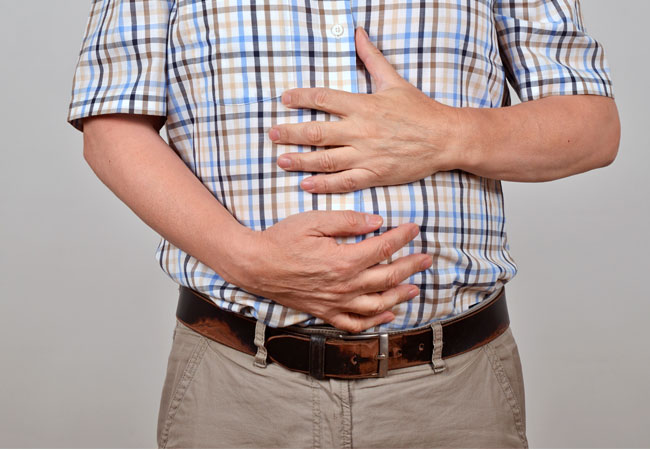
bowel-health

Most of us wake up and proceed to the loo. Over a period of time, this becomes a habit and we just do it blindly!

Have you ever noticed or given a thought about how is your bowel movement?

What does your poop say about your health? This may sound like a joke, but you can actually learn a lot about your health from your daily poop.

Hippocrates says…ALL DISEASE BEGINS IN THE GUT. So, we want to be sure that what’s coming out of the gut looks good.

Let’s understand more about it.

Three things to look for:

  1. FREQUENCY
  2. FORM
  3. COLOR

Frequency: Best bowel movement: It’s best to have at least one complete bowel movement a day. This should leave you feeling like you’ve fully emptied your bowels.

If you are having 2-3 bowel movements in the day then you may have a faster metabolism or good robust bacteria or it depends on the quantity of food you eat.

Going to the bathroom more than three times a day may suggest you’re approaching the diarrhoea zone.

So, having a clear bowel movement once a day daily is must as it’s one of our body’s greatest ways to eliminate toxins, acids and other stuff.

FORM: When our poops are properly formed, it ensures that we have digested and assimilated the nutrients from our food and are eliminating acids and toxins properly.

The BRISTOL CHART helps to categorize and gauge our bowel movements well:

Bristol-Stool-Chart-What-Your-Poop-Says-About-Your-Health-Mama-Natural-1024x576

Image Credit: mamanatural-mamanatural.netdna-ssl.com

Type 1: Separate hard lumps, like little balls (hard to pass)

Type 2: Sausage-shaped, but lumpy (lack of fibre and hydration)

Type 3: Like a sausage but with cracks on its surface

Type 4: Like a sausage or snake, smooth and soft

Type 5: Soft blobs with clear cut edges (passed easily)

Type 6: Fluffy pieces with ragged edges, a mushy stool

Type 7: Watery, no solid pieces. Entirely liquid

Where do you fall on this chart?

If you are between 1-3 then it shows that your diet lacks the right amount of fibre, bacteria are missing and there is nothing to retain water. This is a sign of constipation. The lumps are hard and abrasive and may sometimes lead to anorectal bleeding.

If you are at Type 4, then you are right, It’s nice tubular shape. Think long bananas that don’t break apart when you flush. The Perfect poop comes out with ease, smells more like super-ripe fruit than something terrible and you barely need to wipe.

If you are between 5-7—then you have diarrhoea. This may also give rise to malabsorption as there is no proper assimilation of nutrients.

If your stool is too LOOSE, SOFT, watery, MUSHY then – it indicates a lack of fibre and thus you can go for BRAT Diet.(Banana, rice, apple and toast). These foods have qualities like tannins that can actually help firm up a stool for better bowel movements.

If you find your stool is TOO HARD or infrequent, add more of soluble fibre and add magnesium-rich foods to your diet. Magnesium draws water into the bowel, making the stool softer and easier to eliminate. It also relaxes the muscles in the intestinal wall, which helps with constipation.

Apples and Pears are also wonderful – two a day will keep things moving. Yoga and abdominal massage are great tools. Another trick you can try is to drop 1 drop of Peppermint essential oil into your toilet and sit down. It will stimulate your bowels and often result in a movement.

If your poop…Floats instead of sinks- You have excess gas in your digestive tract. “If you’ve been eating lots of beans, sprouts, cabbage, or very large meals, it’s perfectly normal for stool to float because of gas, and it’s not a cause for concern. However, if floaters become more common for you or you spot an oil-slick appearance, it could mean something is preventing your body’s ability to absorb fats from food. For instance, inflammation or an infection in your pancreas could prevent you from producing enough digestive enzymes. A food allergy or infection could be damaging the lining of your intestines that’s affecting absorption, too.

What does Colour indicate?

Believe it or not, colour matters!  We want our stool to be a nice medium – to dark-brown colour (Think milk chocolate). Poop is normally brown. The colour is the result of what you eat and how much bile is in your stool. Bile is a fluid your liver makes to digest fats. It starts out as a yellowish green colour. But as the pigments that give bile its colour travel through your digestive system, they go through chemical changes and turn brown.

Black Poop: If your stool is black, it could be a sign of blood in your upper GI tract.

Yellow poop: This shade is also normal for many people. It’s common for babies, especially those who breastfeed. But if you have yellow poop that looks greasy and smells very bad, it may have too much fat. That could be a sign your body isn’t digesting food properly.

Green poop: If you have green poop for many days, the colour of your food may not be to blame. It’s likely that your meal moved through your gut too quickly, so the fat digesting bile didn’t have time to turn brown. It could be from fat malabsorption or liver or gallbladder stress.

PS NOTE: Keep in mind if you eat certain foods or food dyes your stool colour may change. For example, if you eat lots of beets, your stools could take on a reddish hue. And eating tonnes of leafy greens may explain why your poop is green but this colour change is temporary.

White Poop: Medicines for diarrhoea like bismuth sub-salicylate can sometimes cause pale or clay coloured poop. A more serious cause is a lack of bile in your stool. As bile gives its brown colour

Bright red: If it’s bright red, the blood likely comes from the lower part of your digestive tract. It could be due to inflammation in the colon, haemorrhoids, diverticular disease or tumour.

So, where do your poops fall on the Bristol Stool Chart? Do you have an to oy tips or practices to optimise your daily poop? Share them in the comments below. For more health-related content, explore Healthy Reads or for further guidance speak to a certified expert by subscribing to GOQii’s Personalised Health Coaching here.

#BeTheForce

Disclaimer: The information provided in this blog is for general awareness and educational purposes only. It is not intended to replace professional medical advice, diagnosis, or treatment. Always consult a qualified healthcare provider for personalised medical guidance or concerns related to your health.
June 27, 2024 By Luke Coutinho Leave a Comment

Your Gut Health: Why It Matters More Than You Think

You would have heard of the saying, ‘Almost all diseases begin in the gut’. Well, it’s true. Maintaining the right ‘microflora’ (balance of good bacteria) in the gut is crucial for great health, immunity and even preventing, healing and recovering from serious diseases like cancer.

Your intestines (gut) contain pounds of good bacteria that help with the absorption of nutrients from the food you eat. These ‘good bacteria’ determine the strength of your immunity, regulate weight loss, aid recovery, support colon health, manage body toxicity, and handle several other functions.

The gut also contains yeast (fungals), which, if exceeds in number compared to the good bacteria, cause serious digestive issues, affect nutrient assimilation, and can cause leaky gut, vaginal rashes, IBS and other bowel and GI tract disorders. It is crucial to maintain the proportion of good bacteria, especially in children.

A shortage of good bacteria can lead to allergies, skin problems, headaches, migraines, inability to lose weight, and even contribute to fat accumulation. Energy levels can fall when there is an imbalance.

Everything we eat and drink passes through the gut along the gastrointestinal (GI) tract. This tube-like GI tract, lined with a thin, sticky mucous, is embedded with millions of bacteria that live, grow, and metabolize (digesting and absorbing) in a complex ecosystem comprised of both beneficial and harmful bacteria.

Maintaining gut health is one of the most important and least addressed aspects of overall health. Many lifestyles choices deplete the gut of the ‘good’ bacteria’, leading to health problems ranging from acne to deadly diseases like cancer.

If you have more bad bacteria (fungus) than good bacteria in your gut, even the healthy food you eat will not be assimilated the right way. Even if you eat clean, organic, or expensive foods, it does not matter if your gut microflora is out of balance. This is where probiotics come in.

Probiotic bacteria do several things that contribute to good health and immunity.

Their most basic function is to fight harmful foreign substances that enter the body by detoxifying them and easing their elimination. Probiotics can prevent the growth of harmful bacteria, which thrive and grow within a neutral pH environment, by producing organic acids such as acetic and lactic acids that, in turn, lower the pH of the large intestine.

This lower pH also prevents the metabolism of cholesterol and bile acids in the colon. Since cholesterol and bile metabolites act as cancer-causing agents, they can play an important role in the prevention of cancers of the GI tract and other organs as well. These helpful bacteria can even lower serum cholesterol levels along with cardiovascular disease risk by preventing the activity of an enzyme involved in the synthesis of cholesterol.

Inside the gut are about 100 trillion live microorganisms that promote normal GI (gastro intestinal tracts) function, protect the body from infection, and regulate metabolism and the mucosal immune system. They comprise more than 75% of the immune system.

Also important is their role in maintaining and protecting the GI barrier. An intact GI barrier maintains gut health, while a problem with its microbiota composition will affect the body’s defense systems and can create a condition known as leaky gut syndrome, which can compromise gut health and lead to diseases such as inflammatory breast cancer, obesity, chronic fatigue syndrome, and depression.

Your diet is the most important element for building gut health. Include curds or probiotic supplement if you are vegan or cannot have yogurt. Some top natural probiotic-rich foods include:

  • Yogurt (plain kind)
  • Miso
  • Sauekraut
  • Kimchi
  • Kefir
  • Kombucha tea
  • Pickled gherkins
  • Spirulina
  • Chlorella

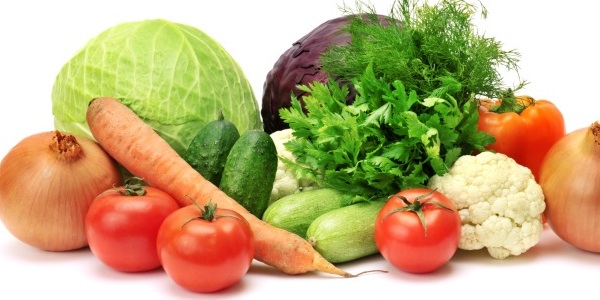
Ensure your diet is rich in complex carbs, fiber, fruits, vegetables, and omega – 3, with a healthy water intake and low intake of sugar, processed foods and red meat.

Avoid sodas, processed foods, and sugar as they quickly depletes the gut of good bacteria, dropping immunity almost instantly, making it the worst thing your child or you can consume. I constantly tell parents that giving your child aerated drinks is worse than drugs.

Your gut health plays a pivotal role in your overall well-being. By maintaining a balanced gut microflora through a healthy diet and probiotics, you can prevent diseases, boost immunity, and ensure optimal nutrient absorption. Prioritize your gut health to experience better health and vitality.

We hope this article helps you. For further information or guidance, reach out to our certified experts by subscribing to GOQii’s Personalised Health Coaching here.

#BeTheForce

Disclaimer: The information provided in this blog is for general awareness and educational purposes only. It is not intended to replace professional medical advice, diagnosis, or treatment. Always consult a qualified healthcare provider for personalised medical guidance or concerns related to your health.

June 10, 2024 By Neha Morche 2 Comments

Acidity: Its Symptoms, Causes and Cure

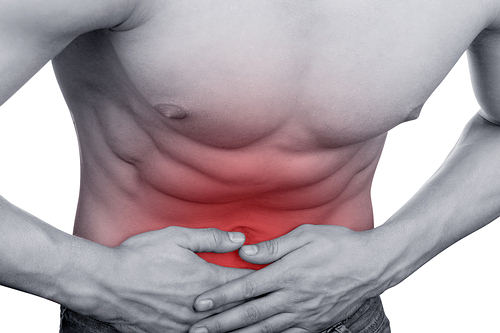
how_cure_acidity_problemAcidity is a very common problem among people. Most usually complaint of acidity due to various reasons. And, many take temporary treatment but, few know what has caused it or what it is exactly?
This aspect of not knowing what the problem is worries me. If the issue of acidity relapses, then one has to develop certain habits which will help permanently. Just because it is a disorder most tend to ignore it. But, acidity over a period of time can get worse.

The acid in our body is needed to digest the food. If there is less secretion, then it can cause indigestion, and if it is in excess, then it causes ‘Acidity’. Today, I would like to tell you more about Acidity and what are its symptoms, causes and cure.

Symptoms of Acidity:

Restless, heartburn, nausea and vomiting, sour belching of food you have consumed, aversion to certain food items, indigestion, severe constipation in some cases.

Possible causes of Acidity

  1. Oily food, food with more salt, sweet and spices (overeating)
  2. Food or drinks containing a lot of acids or food that taste sour which increases the secretion of hydrochloric acid in the stomach
  3. Tension, worries, and pressure on the mind create more acid in the stomach
  4. Frequent drinking of coffee, alcohol, smoking and drugs etc
  5. Lack of physical activities, going to sleep immediately after food will produce excess acid
  6. Taking frequent allopathic medicines like aspirin or pain killers will increase acidity
  7. Any illness related to the alimentary canal or the organs connected with the digestive system may lead to acidity
  8. Keeping long gaps between two meals
  9. Having acidic food (which are mentioned below)
  10. Highly emotionally and nervous individuals
  11. Overeating

Acidic Foods:

Butter, Lentils, White Refined Flour, Whole-Wheat Cooked Spaghetti, Peanuts (dry-roasted), Walnuts, Chicken, Whole Egg, Oats, Brown Rice, Salmon, Tuna, Cheese, Tomato

Alkaline Food:

Honey, Asparagus, Margarine, White and Red Wine, Broccoli, Watermelon, Apples, Zucchini, Hazelnuts, Green Beans, Cherries, Radishes, Cauliflower, Potatoes, Apricots, Carrots, Celery, Bananas, Leafy Vegetables, Raisins.

Home remedies for Acidity:

  1. Cold milk with 1 tsp of ghee
  2. Banana
  3. Eating 4-5 basil leaves (tulsi) after every meal
  4. Boil fennel seeds (sound) in water, leave it overnight and drink it the next day when you get a bout of acidity
  5. Chew cumin seeds (jeera) has calming effect
  6. Bite cloves so the juice is released and keep it in the mouth for a while
  7. Boil cardamom, cool it, and drink that cool water
  8. Boil mint leaves, cool it, and drink that cool water
  9. Crush ginger and eat with a piece of Jaggery
  10. Have Amla powder twice a day to refrain from acidity

Understanding acidity, its causes, and how to cure it is essential for maintaining a healthy lifestyle. By adopting healthier eating habits, managing stress, and incorporating natural remedies, you can effectively combat acidity and prevent its recurrence. Remember, long-term changes in diet and lifestyle are key to permanent relief. Stay informed, stay healthy, and take control of your digestive health. For further information or guidance, reach out to our certified experts by subscribing to GOQii’s Personalised Health Coaching here.

#BeTheForce 

May 23, 2024 By Arooshi Garg 5 Comments

Jaggery and its Benefits!

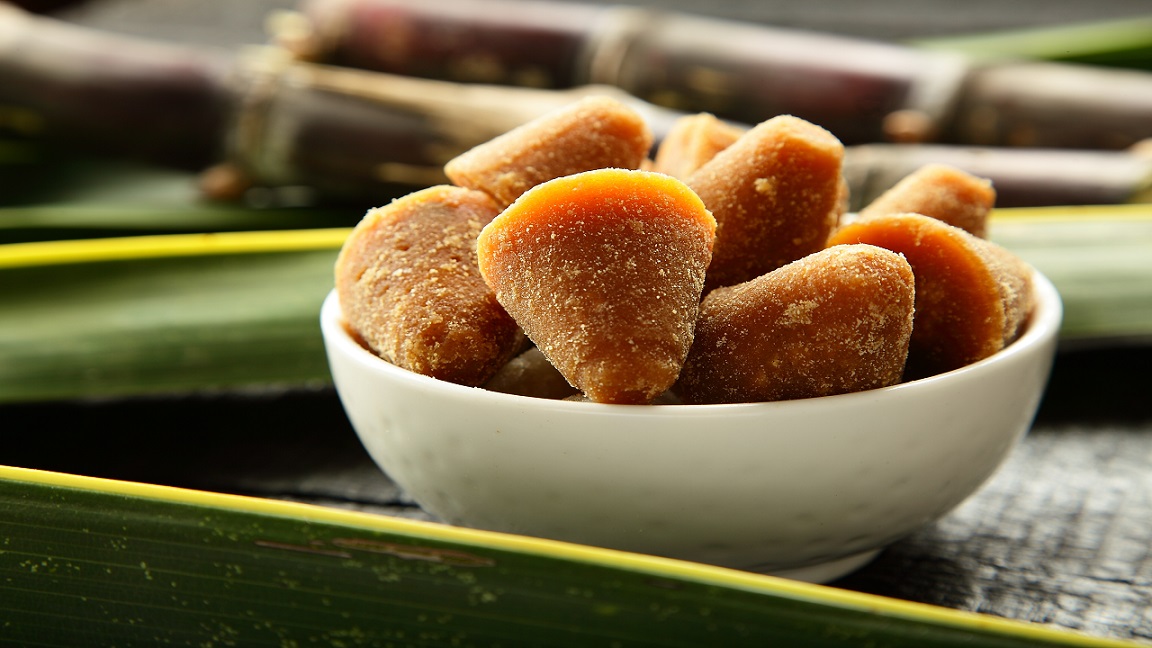
Benefits of JaggeryJaggery is one of the most common ingredients found in Indian kitchens. Apart from being one of the best natural sweeteners, it also offers a plethora of health benefits. It is good for your cardiac health, digestion, improved metabolism, blood circulation, respiratory system, menstrual cramp or pains, sexual potency and stronger immunity.



About 70-80% of the world’s Jaggery production takes place in India, where it is commonly called gur/gud. It is primarily made from Sugarcane but nowadays it can be made from coconut sap and date palm as well.

How is Jaggery Made?

Jaggery is made by first extracting juice from Sugarcane. The canes or palms are pressed to extract the sweet juice or sap. The juice is then allowed to stand in big containers so that any sediment settles to the bottom. It is then strained to produce a clear liquid.

The juice is then concentrated by placing in a very large, flat-bottomed pan and boiled. During this process, the Jaggery is stirred and the impurities are skimmed off the top until only a yellow, dough-like paste remains. This paste is then transferred to containers where it cools into Jaggery blocks.


Jaggery vs Refined Sugar

Jaggery contains more nutrients than refined sugar because of its molasses content. Molasses is a nutritious by-product of the sugar making process, which is usually removed when making refined sugar. Molasses adds plenty of micro-nutrients to the final product. Hence, it is more nutritious as compared to white refined sugar!

10 Benefits of Eating Jaggery

  1. Prevents and Treats Common Cold: Consumption of Jaggery helps fight symptoms of a cold and cough. Mixing a small piece of it in warm water or tea can help greatly.
  2. Immunity Booster: Loaded with antioxidants and minerals like zinc and selenium, which helps curb free-radicals responsible for inflammation, Jaggery helps boost resistance against infections, hence building stronger immunity.
  3. Detoxifies the Liver & Other Organs: It plays a major role in detoxifying internal organs such as liver, stomach, intestines, kidneys, etc. by flushing out harmful toxins from the body. Certain compounds present in Jaggery activate the digestive enzymes in our body, which help us digest food properly and also help reduce indigestion/bloating.
  4. Combats Menstrual Pain and PMS: It is helpful in providing relief from cramps. In case you experience mood swings, irritation before your period, you should eat a small piece as it increases the levels of hemoglobin, maintains the hydration levels in our body in heavy-flow during periods and helps in releasing more Endorphins during periods (this helps relax our body). During periods, consume a solution of a glass of lukewarm water and Jaggery. It will help you tackle period cramps for the day.
  5. Body Pain & Aches: Do you suffer from aches and pains in your joints? Eating Jaggery can provide you with immense relief. Add some grated ginger in boiling water and strain. Add a small piece of Jaggery and drink this regularly to reduce joint pain. You can even drink it with a glass of milk everyday to help strengthen the bones. This can help prevent joint and bone problems such as Arthritis.
  6. Prevents Constipation: It activates the digestive enzymes in the body, stimulates bowel movements and helps prevent as well as relieve constipation. A cup of warm water with organic Jaggery and half a lemon’s juice is one of the best home remedy to cure constipation.
  7. Prevents Anaemia: Rich in iron and folate, it helps prevent anaemia by ensuring that a normal level of red blood cells is maintained. It also helps in increasing haemoglobin content of blood. This is especially beneficial for pregnant women.
  8. Acts as a Cooling Agent: Eating a small piece of it everyday helps in maintaining normal body temperature, which helps in keeping your stomach cool. Experts recommend drinking GurSharbat (soaked in ice cold water) during the summer months to cool off.
  9. Prevents Respiratory Problems: By consuming Jaggery regularly, you can prevent many respiratory problems such as asthma, bronchitis, etc. Eating it with sesame seeds is beneficial for the respiratory system and preventing allergies related to it.
  10. Regulates Blood Pressure: Jaggery contains potassium and sodium, which play an important role in the maintenance of pH levels in the body. It ensures that a normal level of blood pressure is properly maintained.

Quick Til Ladoo/Bars Recipe

You will need:

  • 1 Cup White Sesame Seeds
  • 1 Cup Jaggery
  • 1 tbsp ghee
  • ¼ tsp Cardamom Powder
  • Nuts of your choice

Method:

  • Roast sesame seeds on medium heat till light brown
  • Heat ghee in pan and add Jaggery
  • Simmer on slow flame till it melts
  • Put off flame and add the roasted til (and crushed nuts) and mix well
  • Grease your palms with ghee and make small balls or set in a plate and cut bars out of it

We hope this article equips you with valuable insights into the amazing benefits of jaggery. Incorporating this natural sweetener into your diet can enhance your cardiac health, digestion, immunity, and overall well-being. If you found this information helpful, we’d love to hear your thoughts in the comments below. For more interesting tips on diet and nutrition, check out Healthy Reads. For further information or guidance, reach out to our certified experts by subscribing to GOQii’s Personalised Health Coaching here.

#BeTheForce

  • « Previous Page
  • 1
  • 2
  • 3
  • Next Page »

Search

Recent Posts

  • Healthy Recipes For Kids: Healthy Twist On Pizza & Rolls
  • Staying Sharp After 40: The Ultimate Guide to Brain Longevity
  • Eat to Defy Age: Top 5 Foods to Fight Wrinkles and Premature Ageing
  • Brain Longevity: How to Stay Mentally Sharp After 40
  • The Role of Glutamine: Why This Amino Acid is Crucial for Muscle Recovery

Stay Updated

Archives

  • April 2026 (2)
  • March 2026 (18)
  • February 2026 (14)
  • January 2026 (14)
  • December 2025 (19)
  • November 2025 (15)
  • October 2025 (20)
  • September 2025 (6)
  • August 2025 (6)
  • July 2025 (12)
  • June 2025 (18)
  • May 2025 (16)
  • April 2025 (22)
  • March 2025 (28)
  • February 2025 (22)
  • January 2025 (25)
  • December 2024 (22)
  • November 2024 (23)
  • October 2024 (21)
  • September 2024 (24)
  • August 2024 (30)
  • July 2024 (21)
  • June 2024 (25)
  • May 2024 (30)
  • April 2024 (27)
  • March 2024 (27)
  • February 2024 (25)
  • January 2024 (21)
  • December 2023 (14)
  • November 2023 (11)
  • October 2023 (19)
  • September 2023 (22)
  • August 2023 (18)
  • July 2023 (22)
  • June 2023 (24)
  • May 2023 (24)
  • April 2023 (23)
  • March 2023 (23)
  • February 2023 (19)
  • January 2023 (15)
  • December 2022 (11)
  • November 2022 (15)
  • October 2022 (15)
  • September 2022 (12)
  • August 2022 (10)
  • July 2022 (17)
  • June 2022 (11)
  • May 2022 (10)
  • April 2022 (6)
  • March 2022 (6)
  • February 2022 (13)
  • January 2022 (11)
  • December 2021 (7)
  • November 2021 (3)
  • October 2021 (6)
  • September 2021 (3)
  • August 2021 (8)
  • July 2021 (7)
  • June 2021 (15)
  • May 2021 (16)
  • April 2021 (10)
  • March 2021 (7)
  • February 2021 (4)
  • January 2021 (4)
  • December 2020 (3)
  • November 2020 (4)
  • October 2020 (10)
  • September 2020 (3)
  • August 2020 (3)
  • July 2020 (2)
  • June 2020 (4)
  • May 2020 (10)
  • April 2020 (12)
  • March 2020 (10)
  • February 2020 (4)
  • January 2020 (4)
  • December 2019 (3)
  • November 2019 (7)
  • October 2019 (5)
  • September 2019 (4)
  • August 2019 (9)
  • July 2019 (9)
  • June 2019 (11)
  • May 2019 (4)
  • April 2019 (8)
  • March 2019 (8)
  • February 2019 (9)
  • January 2019 (8)
  • December 2018 (9)
  • November 2018 (3)
  • October 2018 (3)
  • September 2018 (5)
  • August 2018 (10)
  • July 2018 (6)
  • June 2018 (13)
  • May 2018 (8)
  • April 2018 (18)
  • March 2018 (9)
  • February 2018 (8)
  • January 2018 (15)
  • December 2017 (12)
  • November 2017 (19)
  • October 2017 (13)
  • September 2017 (15)
  • August 2017 (4)
  • July 2017 (8)
  • June 2017 (7)
  • May 2017 (6)
  • April 2017 (8)
  • March 2017 (6)
  • February 2017 (7)
  • January 2017 (9)
  • December 2016 (10)
  • November 2016 (7)
  • October 2016 (7)
  • September 2016 (7)
  • August 2016 (11)
  • July 2016 (9)
  • June 2016 (9)
  • May 2016 (12)
  • April 2016 (17)
  • March 2016 (17)
  • February 2016 (8)
  • January 2016 (6)
  • December 2015 (2)
  • November 2015 (9)
  • October 2015 (7)
  • September 2015 (9)
  • August 2015 (11)
  • July 2015 (9)
  • June 2015 (12)
  • May 2015 (9)
  • April 2015 (13)
  • March 2015 (8)
  • February 2015 (5)
  • January 2015 (12)
  • December 2014 (14)
  • November 2014 (11)
  • October 2014 (6)
  • September 2014 (13)
  • August 2014 (12)
  • July 2014 (6)
  • June 2014 (2)
  • May 2014 (7)
  • April 2014 (4)

From “Laddu Nawin” to Fit and Fierce: How a 25-Year-Old Insurance Advisor Shed 20 Kilos and Gained His Life Back

When 25-year-old Nawin Yadav from Hyderabad walked into his office every morning, he carried more than just his files and policy papers. He had the weight of fatigue, sluggish energy, and an ever-growing belly that was becoming the butt of jokes. “People … [Read More...]

“I’ve Challenged Myself to Live 100 Years” – The Story of Chandubhai Savani’s Second Chance at Life

At 67, most people start slowing down. Not Chandubhai Savani. A resident of Surat, Chandubhai, thought life was on track. “My life was going well till I had my bypass surgery,” he says. That surgery, back in 2021, was a wake-up call.  Medication was routine, but exercise wasn’t. His diet? What he calls ‘normal.’ “I […]

From Shimla’s Slopes to Chandigarh’s Sidewalks: Surinder Kaur Bhalla’s Journey from Chaos to Control

Some journeys start with a plan. Others begin with a stumble literally. Surinder Bhalla, a government professional, born and raised in the scenic hill town of Shimla, had always lived a life of movement. “In Shimla, you walked everywhere,” she reflects. “Walking was never an exercise. It was just life.” But after shifting to Chandigarh, […]

Ananda Mukherjee Health Story

From Terminal Illness To Complete Wellness! Ananda Mukherjee Health Story

As we observe World Cancer Day under the powerful theme ‘United by Unique’ (2025-2027)**, we are reminded that every individual’s journey with cancer is distinct, yet united by shared resilience, hope, and the collective fight against this disease. This theme places people at the centre of care and their stories at the heart of the […]

  • HOME
  • HEALTHY LIVING
  • FITNESS
  • HEALTHY RECIPES
  • USER STORIES
  • KARMA
  • BUY GOQii

Copyright ©2016 GOQii
