GOQii

Blog

  • HOME
  • HEALTHY LIVING
  • FITNESS
  • HEALTHY RECIPES
  • USER STORIES
  • KARMA
  • BUY GOQii

July 16, 2023 By Neha Kapoor 6 Comments

The Right Way To Include Superfoods In Your Soup

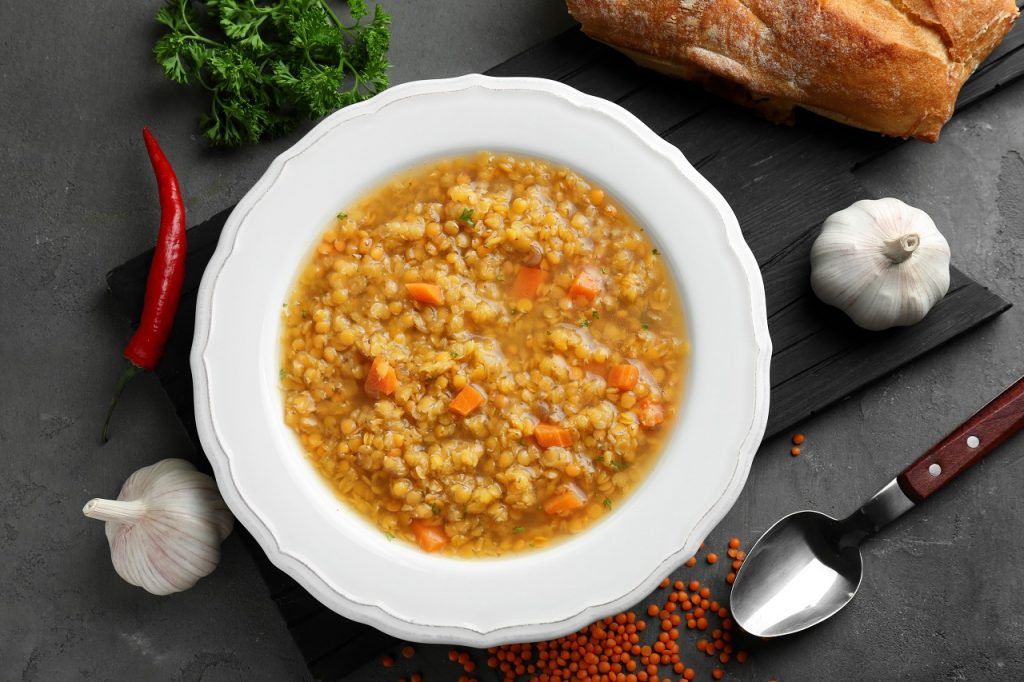
soupWhether you’re a confident cook or a kitchen newbie, a little advice is always helpful. So, here I am with these need-to-know soup-making tips and techniques to make your soup healthy and nutritious. Soups make an excellent choice for snacking, a light dinner recipe or post workout meal. You can easily fit it in your meals in various ways.

Homemade Soup vs Packed Soups

Canned or dried instant soups contain lots of salt, hidden sugars, fillers, and preservatives to increase shelf life of the product. As with almost anything, home-made is better. Making your own soup takes time, but it gives you complete control over the ingredients and how you prepare them.

Know Your “Superfoods”

Superfoods are all around us but we seldom take note of them. Incorporating superfoods into your bowl of soup can load your meals with nutrition, antioxidant properties and low amount of calories. Some of the popular choices of super foods to consider are Moringa, Drumstick, Pumpkin, Barley, Bell pepper, Sprouted legumes and pulses, Broccoli, Mushroom, Spinach, Sweet Potato and all herbs and spices. Cinnamon, Cayenne peppers, Pepper, Rosemary, Oregano, Lemon grass, Basil, Thyme, Parsley are a boon for our digestive and Immune system.

How Do You Use Superfoods? 

  • Garlic is used widely as a flavouring in cooking soups, but also has been used as a medicine to treat various ailments. Add 5-6 peeled, cracked garlic cloves and cook, tossing them around occasionally, until they are golden brown.
  • Basil is well known for its medicinal properties. The most commonly known pairing of basil is with tomato, broccoli, parsley, oregano, rosemary and thyme. The best way is to puree it into the soup.
  • Oregano is an effective natural antibiotic and antifungal. It may also help you lose weight and lower your cholesterol levels. Half teaspoon is good to go.
  • Rosemary/Thyme is traditionally used to help alleviate muscle pain, improve memory, boost the immune and circulatory system, and promote digestive health. 1 teaspoon is enough to avail its benefits.
  • Cinnamon is one of the most delicious and healthiest spices on the planet. It can lower blood sugar levels, reduce heart disease risk factors and has a plethora of other impressive health benefits. Add ½ teaspoon depending on the quantity of soup. Ceylon cinnamon is better quality.
  • Vegetables are packed with fibre, vitamins, minerals and antioxidants. The recommended daily amount of vegetables for men is at least 3 cups a day and for women at least 2 1/2 cups.  Adding them to soups increases the serving of vegetables in a diet. Steaming and boiling caused a 22% to 34 % loss of vitamin C. Pressure-cooked vegetables retain 90% of their vitamin C.

 NOTE: Add fresh herbs towards the end as the flavour diminishes with heat.

Tips To Choose Your Ingredients

  1. Include seasonal Superfoods that are readily available in the market and your own kitchen. Refer to the above list.
  2. Good Fats: Choose fats that your body needs such as Virgin Coconut oil, homemade pure ghee and olive oil are preferable options to add taste and enhance absorption of fat soluble Vitamins from your vegetables.
  3. Right Base: In order to cut saturated fats like cream, you can replace your creamy base with vegetable broth, tomato puree, coconut milk, tomato puree or vegetable puree.
  4. Pick Seasonal Veggies: Pumpkin, tomato, spinach, onion, beetroot, moringa, mushroom, sweet potato, or mixing three or four vegetables not only enhances the taste but also increases the nutritive value. Garlic is common. Use whatever you like from what is available.
  5. Herbs & Spices: Sea salt and black peppers are your two most basic spices. You can experiment with various herbs as all are beneficial for your gut health. Popular flavour combinations are Basil and oregano pair well with tomato-based soups, Parsley, and rosemary go well with potato-based soups, Parsley and thyme are a nice addition to cream soups.
  6. New Age Superfoods: Handful of boiled barley, quinoa, oats, microgreens, boiled sprouts, Tofu, cooked lentils and legumes adds proteins as well as increases the satiety value and health quotient of the soup. They are perfect because it thickens the soup as it cooks; creating an irresistible, slightly sticky broth that coats your spoon beautifully.

Simple Technique To Cook Any Type Of Soup 

  1. Take vegetables of your choice. Wash it and chop in big pieces.
  2. Take a pressure cooker and add 1 teaspoon of extra virgin or unrefined coconut oil/ olive oil. Add chopped vegetables and mix well.
  3. Add 1 glass of water and give a whistle.
  4. After cooling, separate vegetables from water (vegetable broth) and grind them with a handful of boiled quinoa/ sprouted dal or any other protein source to get a thick paste.
  5. Mix it again in the same vegetable broth and give it a boil adding sea salt and herbs at the end. 
  6. Optional: add coconut milk to give a nice colour, pieces of tofu or beans/ bell peppers for crunchiness.
  7. Serve it hot! Your healthy protein rich, immunity boosting soup is ready!

That’s it!  You can make any soup using the ingredients you have at hand with the flavours you prefer, without any recipe. Some examples of healthy soups are tomato basil soup, bell pepper soup, red pumpkin soup, broccoli soup, moringa soup and sprouted soup.

Do try your own variation and let us know your recipe in the comments below. You can find more articles on nutrition and superfoods here. You can also get these tips or recipes directly from a GOQii Coach by subscribing to Personalised Health Coaching here.

#BeTheForce 
May 7, 2023 By Sanjana Shah 1 Comment

Kokum – The Wonder Fruit That Can Keep You Cool!

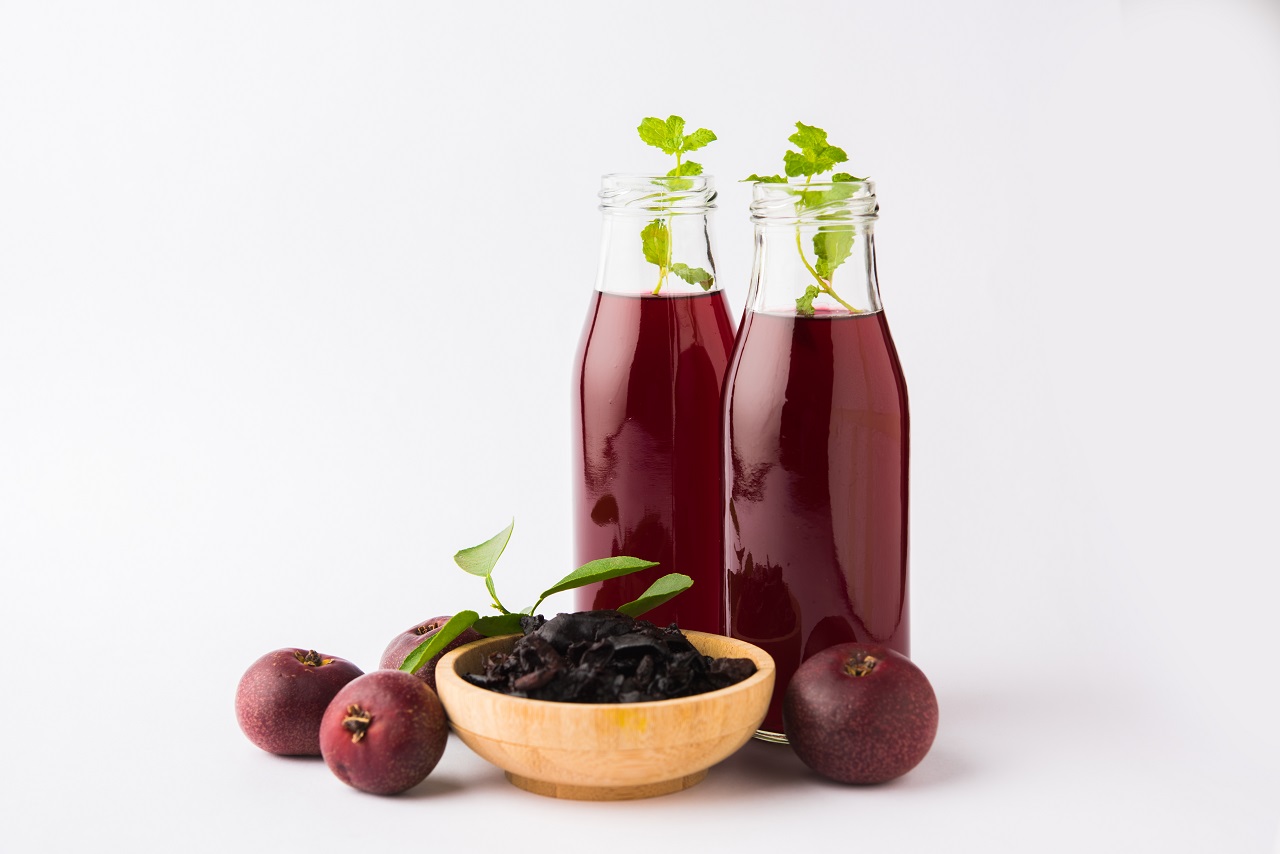
Kokum BenefitsWe have all been experiencing the brunt of the unbearable heat this month. With temperatures soaring high, even a walk under the sun can be a strenuous experience. What if we told you that there was a way to cool your body naturally? Would you try it? This fruit, grown only in the coastal regions of South India, has powerful cooling abilities. You are all familiar with it. We are in fact talking about Kokum!

It’s scientific name is Garcinia Indica, and is mostly used in Gujarat, Maharashtra and other Southern regions. The Indian Spice Board has classified it both as a spice as well as a fruit. As a fruit, it is usually broken into half and dried. Colour ranges from purple to dark black. The darker the colour, the better it is. Dried Kokum usually stays for a year if placed in an airtight container.

How Do You Use It?

  • Culinary purpose: It is known for its sour taste. It can be replaced for tamarind in dishes like Sambhar, coconut curries, fish curries, regular yellow Gujarati style dal. Two or three small dried kokums are enough to prepare a single dish.
  • As a coolant in summers: Kokum Sherbet and Solkadhi

1. Kokum Sherbet

A glass of Kokum Sherbet before you step out in the sun or once you come indoors will do wonders. Usually, you get ready-made pulp which needs to be diluted with water OR you can prepare this pulp at home. Here is the short method on how to prepare it at home:

  1. Soak a cup of Kokum in water for 3-4 hours
  2. Once soft, mash them and strain the liquid
  3. In a pan, take the leftover pulp, add sugar (same amount as kokum), 1tsp of cumin seeds powder and salt as per taste
  4. Stir and cook this mixture until sugar melts.
  5. Add the strained Kokum water and cook for 5 more minutes
  6. Let it cool and store the Kokum concentrate in a container

2. Solkadhi

This drink is made from coconut milk and Kokum. It is usually consumed with a rice preparation or it is drunk after meals. Here’s the method to prepare it at home:

  • Soak a cup of Kokum and keep it aside for 30 mins
  • Once soft, mash them and strain the liquid
  • Add half a glass of coconut milk to the liquid and stir well
  • Temper it with cumin seeds if you like

3. Kokum Butter

Used for cosmetic purposes only, Kokum Butter helps to unclog pores, kills bacteria, reduces acne and smoothens skin. It as a whole or its products like Kokum powder, oil, butter or Kokum rinds are all available.

Health Benefits 

  • Ayurvedic Uses: Eases the episodes of diarrhoea, dysentery and piles by fighting against bacteria like E. Coli. The cooling effect of Kokum helps in getting relief from burning sensations due to stomach ulcers. It fights against ulcer-causing bacteria Helicobacter Pylori.
  • Weight Management: Want to lose those extra kilos? Hydroxycitric Acid found in Kokum is an anti-obesity agent. It gives you a feeling of fullness and you end up eating less.
  • Anti-Cancer Effect: Garcinol, an antioxidant found in Kokum inhibits the growth of cancer cells.
  • Relieves Anxiety and Depression: Serotonin is a  hormone. Hydroxycitric Acid in it increases the level of this feel-good hormone, thereby reduces the anxiety.
  • Slows Down Skin Ageing: Kokum butter helps to smoothen the skin. It is found in various lip balms, creams and moisturizers. Ageing happens when an enzyme, Elastase breaks down the Elastin of skin (Elastin keeps your skin supple and intact). It inhibits the action of Elastase and thereby stops the breaking of the pigment Elastin.

What are you waiting for? Go out there and stock up on this wonder Spice! If you found this information helpful, let us know in the comments below!

You can find more articles on beating the summer heat here.  You can also get more great tips from experts by subscribing to GOQii’s Personalised Health Coaching here.

#BeTheForce

April 23, 2023 By Kusum Soni 3 Comments

Top Meat Substitutes And Their Importance

meat substitute

Meat consumption has primarily been linked to Western diet and recently, it’s been a trend in people who want to build muscles. No doubt, Meat is an excellent source of high-quality protein, various vitamins and minerals such as vitamin B12, zinc, selenium, iron, niacin, and vitamin B6.

However, a large number of studies have linked meat consumption to higher risk of cardiovascular disease, heart disease, stroke and some forms of cancer, Type 2 diabetes, also known as “Non-Communicable Diseases (NCDs)”. That is because, Meat is high in saturated fat, which can lead to above-mentioned lifestyle diseases. Thus, health awareness and other factors such as animal disease, natural resources depletion, green-house gas emission and other environmental concerns has led to the shift to low fat and low calorie plant foods and has increased importance of meat substitutes in the current scenario.

Plant based foods are associated with lowered risks for several  kinds of cancers, lowered incidence of hypercholesterolemia, cardiovascular diseases and are known to enhance the immune system as well. Only limiting factor here can be the low quality proteins, but that too can be easily overcome by including diverse plant protein sources to get all the essential amino acids.

Plant-based Meat Substitutes

Here are some of the best meat substitutes that can be a part of a healthy and wholesome diet.

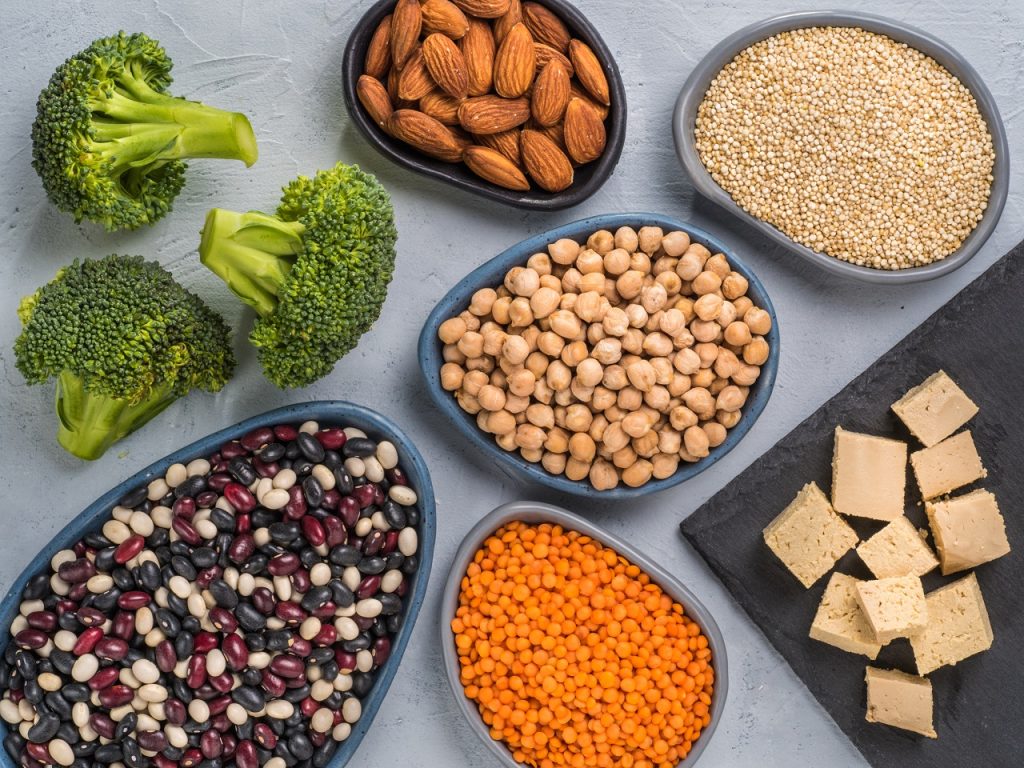
1. Tofu

It is also called Bean Curd, is a  Soy food product made from soybean or soya bean. It is one of the best meat substitutes because

  • It offers a complete protein profile
  • It has heat-stable storage protein. Hence, it is good for high temperature cooking
  • Bioavailability of soy protein is equivalent to meat and eggs
  • They are low in fat in comparison to animal based food especially saturated fat, and have zero cholesterol
  • Rich in many bioactive compounds such as isoflavones, peptides, flavonoids and vitamins, which have a protective effect against free radicals in the body

Using firm tofu and Crumbling, stir-fry it until brown and crispy. This makes it taste extremely similar to ground chicken or pork. It can be stir-fried with veggies like broccoli, bell pepper, Zucchini to make salads or its sautéed cubes can be added in soups, or used in sandwiches with lettuce and tomato slices or made into Tikka masala or Tofu-Chilli, etc.

2. Beans and Legumes

They are an ideal choice for a filling and fiber-rich meal. They have protein content which is at par with some animal foods, as per the Nutritive Value of Indian Foods. Raw beans/legumes can provide a whopping 18-37 gm of protein per 100 grams with additional advantage of fiber, low fat, no cholesterol and plenty of vitamins and minerals.

Few options include: 

  • Chickpeas have beneficial nutrient composition with high fibre which makes it more filling. They not only provide protein but also provide a substantial portion of iron, folate, potassium, and have a calcium content equivalent to milk. Using it as coarsely ground gives it a texture of minced beef. It can be used to make Hummus which is used as a dip for vegetable sticks,  baked falafel, which can serve as a meat-free patty in tacos or burgers or pancakes from chickpea flour with veggies to make a complete meal.
  • Boiled and minced Black beans can replace beans for ground beef in tacos and other similar dishes. The dark colour of the bean makes it a fantastic source of antioxidants and anthocyanins. It can be made into vegetables or fillings for sandwiches.
  • Lentils have one of the highest levels of protein by weight of all the pulses and less than 1% fat, providing them a nutritional edge to thicken meat-free curries and soups.
  • Cooked green peas are another protein-rich option, almost the same as a cup of milk. It can be served as a side dish, made into patties, cooked with veggies, stirred into soup or macaroni and cheese or blended with olive oil, parmesan cheese and toasted pine nuts to make a delicious pesto sauce.

3. Nuts & Seeds

Nuts and seeds are another good substitute for meats, fish and eggs as they are protein-dense, especially Hemp seeds which have complete proteins, good fiber, vitamin E, vitamin B2, niacin, folate, and essential minerals such as zinc, iron, calcium, magnesium, phosphorus, potassium, copper, and selenium and healthy essential fats

Only downside here is the relatively higher calories which calls for controlled portions. Here’s how you can use them: 

  • Hemp seeds, chia seeds and flax seeds can be toasted and sprinkled over salad to give a crunch.
  • Stir them into buttermilk/yogurt and oatmeal or blend them into smoothies.
  • Sunflower, sesame and melon seeds can be added to muffins, salads, stir fries or in the case of sunflower seeds, can be eaten on their own. 
  • Toasted nuts can be made into energy bars.
  • Plain nuts and nut butters can be eaten without hydrogenated oils or lots of added sugar, example, Almond butter and peanut butter.
  • Almond milk or hemp milk are also good options for consumption.

A study by Harvard School of Public Health (HSPH) has revealed that replacing one serving of red meat with one serving of nuts reduces mortality risk by 19%. Believe it or not, tennis legends Venus and Serena Williams follow a healthy, balanced raw vegan diet during the tennis season. That’s right, both raw and vegan.

If this article helped you, let us know in the comments below. You can read more articles on nutrition here or just speak to a GOQii Coach directly by subscribing for Personalised Health Coaching here.  

#BeTheForce 

March 30, 2023 By GOQii 3 Comments

Breaking the Ramadan Fast with Healthy Bites

Ramadan Fast

The holy month of Ramadan is auspicious for the Islamic Community across the world. During this period, one practices restraint by fasting from sunrise till sunset, eating one meal before dawn i.e. the ‘suhoor’ or ‘sehri’ and breaking the fast with a meal after sunset i.e. Iftar.

While this sort of fasting comes with a plethora of health benefits, it is important to do it the right way! Balancing nutrition and exercising portion control is key to staying healthy while observing a fast during Ramadan. Here are some foods that will help you do just that!

Foods You Should Eat

  • Drinks: Ideally, the best way to break a fast is by consuming plenty of fluids to replenish your body. You can opt for smoothies, fruit juices or even water which provides hydration without extra calories or sugars. You can also opt for a soup, which is considered traditional in many Arab countries.
  • Fruits and Vegetables: Fruits provide your body with the much needed natural sugars loaded with vitamins and minerals that will boost your energy levels. In addition, adding a serving of vegetables with high fiber content will help you digest your food better and feel full for a longer period of time.
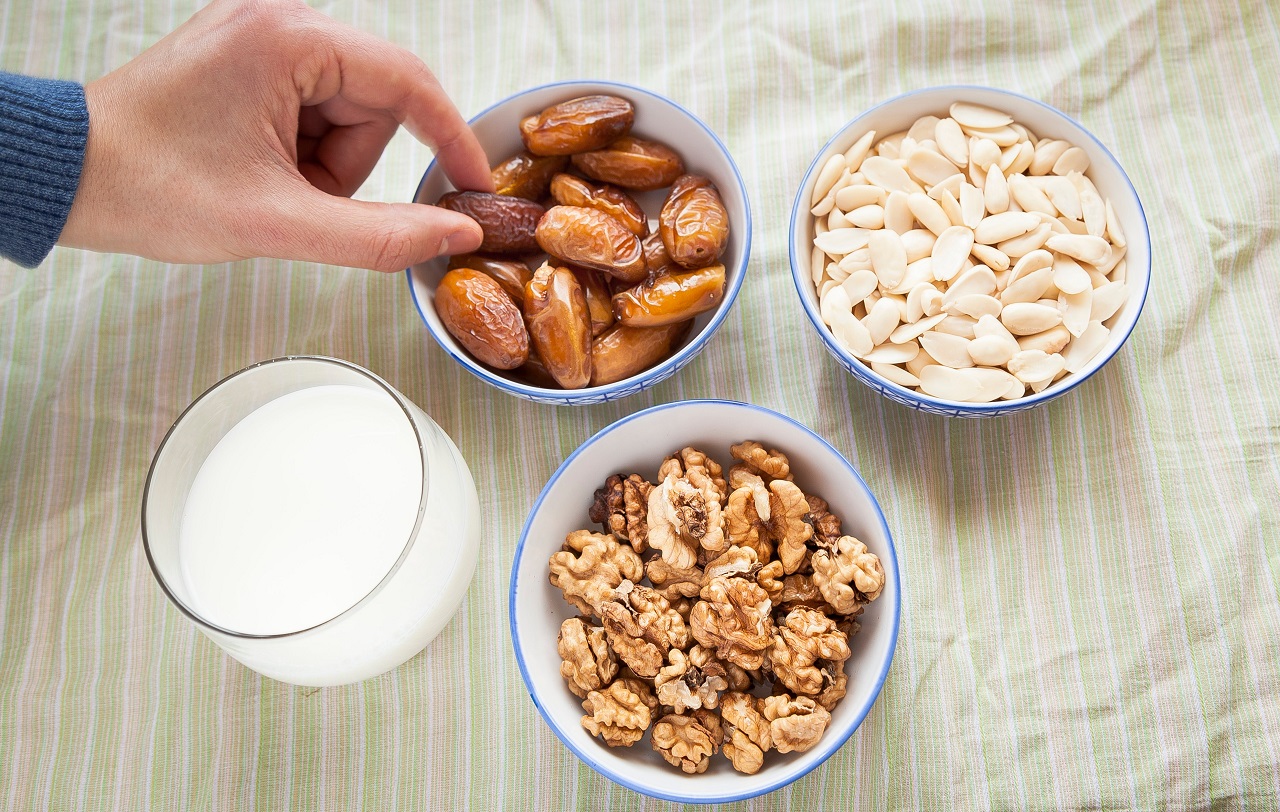
  • Dates & Dry Fruits: have been traditionally eaten to break a fast. You can follow this up with dry fruits.  You can try Jagger Bombs by WeDesi for a healthy and fun twist to dry fruits! Each Jagger Bomb contains dry fruits such as pistas, almonds, foxnuts, cashews bound with organic jaggery, gondh and pure cow ghee to give you all the essential nutrients you need while breaking a fast. You can get them at a discount from the GOQii Health Store within the GOQii App.
  • Rice & Alternatives: Brown rice, black rice, wholegrain noodles, wholegrain pasta or wholemeal bread are complex carbohydrates that provide a slow, stable and sustainable release of energy. Plus, they replenish your body with essential fibers and minerals after fasting.
  • Meat: Choose protein-rich sources such as lean meat, chicken, fish, eggs, etc. Proteins are the building blocks for healthy bones, muscles, cartilage, skin and blood. They also aid to build and repair tissues. It’s a must have when you have fasted for around 18 hours.

Foods You Should Avoid

The foods listed above will help you stay healthy during Ramadan but it is imperative to maintain caution with what you eat. Here are a few foods you can exclude from your meals.

  • Processed/Oily Foods: These contain less nutrients and more fat. This can lead to acidity, nausea, heartburn and indigestion. Consume food with lesser oil and avoid packaged or junk food at all costs.
  • Salty Foods: Avoid anything that is too salty especially during Suhoor. Salty foods increase thirst and can leave you dehydrated.
  • High-Sugar Foods: We all know by now that excess sugar in the body is stored as fat. Consuming high-sugar foods and drinks can lead to weight gain, sluggishness and fatigue.

Caution & Safety

Fasting is good but fasting the right way is equally important. Here are some things you need to watch out for while fasting during Ramadan.

  • Don’t Miss Sehri or Suhoor: Think of this as your breakfast. It is the most important meal of the day as it keeps your energy levels high throughout. This meal stores important nutrients in your body and keeps you going through the day. Skipping this meal can cause digestive discomfort, making your body sluggish. Moreso, it may compel you to overeat while breaking your fast which may lead to acidity, heartburn, bloating and weight gain.
  • If you experience dizziness, are unable to stand or feel disoriented, hydrate yourself immediately. Not doing so may lead to fainting, constipation, or splitting headaches. Dehydration can adversely affect your health.
  • Eat in Moderation: It is easy to get carried after while breaking a fast and overindulging with large portions. Avoid this and keep a constant check on your portion size. Remember to eat and not feast.
  • Limit Exercise: If you have been fasting, doing intense exercises may not be the wisest of choices. Perform extremely light workouts and don’t go overboard as your body needs to conserve energy.

What do you break your fast with? What’s your favorite meal during Ramadan? Did we miss out on anything? Do let us know in the comments below!

If you found these tips useful and want to learn more, speak to a GOQii Coach by subscribing for Personalized Health Coaching here.

#BeTheForce

  • « Previous Page
  • 1
  • 2
  • 3
  • 4
  • 5
  • 6
  • …
  • 9
  • Next Page »

Search

Recent Posts

  • The Importance Of Knowing If You’re Thirsty Or Hungry
  • Best Foods To Alleviate Irritable Bowel Syndrome
  • ALL ABOUT VERTIGO!
  • PCOS and Anxiety: Discover Relief with the 54321 Technique
  • Navigating the Maze of Nutrition: Finding Clarity Amidst Confusion

Stay Updated

Archives

  • December 2025 (7)
  • November 2025 (15)
  • October 2025 (20)
  • September 2025 (6)
  • August 2025 (6)
  • July 2025 (12)
  • June 2025 (18)
  • May 2025 (16)
  • April 2025 (23)
  • March 2025 (23)
  • February 2025 (22)
  • January 2025 (26)
  • December 2024 (26)
  • November 2024 (25)
  • October 2024 (22)
  • September 2024 (24)
  • August 2024 (31)
  • July 2024 (21)
  • June 2024 (26)
  • May 2024 (31)
  • April 2024 (27)
  • March 2024 (29)
  • February 2024 (26)
  • January 2024 (25)
  • December 2023 (15)
  • November 2023 (11)
  • October 2023 (20)
  • September 2023 (22)
  • August 2023 (20)
  • July 2023 (22)
  • June 2023 (24)
  • May 2023 (24)
  • April 2023 (24)
  • March 2023 (23)
  • February 2023 (20)
  • January 2023 (16)
  • December 2022 (12)
  • November 2022 (15)
  • October 2022 (15)
  • September 2022 (12)
  • August 2022 (10)
  • July 2022 (17)
  • June 2022 (11)
  • May 2022 (10)
  • April 2022 (6)
  • March 2022 (6)
  • February 2022 (13)
  • January 2022 (12)
  • December 2021 (7)
  • November 2021 (3)
  • October 2021 (6)
  • September 2021 (3)
  • August 2021 (8)
  • July 2021 (7)
  • June 2021 (15)
  • May 2021 (16)
  • April 2021 (10)
  • March 2021 (7)
  • February 2021 (4)
  • January 2021 (4)
  • December 2020 (3)
  • November 2020 (4)
  • October 2020 (10)
  • September 2020 (3)
  • August 2020 (3)
  • July 2020 (2)
  • June 2020 (4)
  • May 2020 (10)
  • April 2020 (12)
  • March 2020 (10)
  • February 2020 (4)
  • January 2020 (4)
  • December 2019 (3)
  • November 2019 (7)
  • October 2019 (5)
  • September 2019 (4)
  • August 2019 (9)
  • July 2019 (9)
  • June 2019 (11)
  • May 2019 (4)
  • April 2019 (9)
  • March 2019 (8)
  • February 2019 (9)
  • January 2019 (8)
  • December 2018 (9)
  • November 2018 (3)
  • October 2018 (3)
  • September 2018 (5)
  • August 2018 (10)
  • July 2018 (6)
  • June 2018 (13)
  • May 2018 (8)
  • April 2018 (18)
  • March 2018 (9)
  • February 2018 (8)
  • January 2018 (15)
  • December 2017 (12)
  • November 2017 (19)
  • October 2017 (13)
  • September 2017 (15)
  • August 2017 (4)
  • July 2017 (8)
  • June 2017 (7)
  • May 2017 (6)
  • April 2017 (8)
  • March 2017 (6)
  • February 2017 (7)
  • January 2017 (9)
  • December 2016 (10)
  • November 2016 (7)
  • October 2016 (7)
  • September 2016 (7)
  • August 2016 (11)
  • July 2016 (9)
  • June 2016 (9)
  • May 2016 (12)
  • April 2016 (17)
  • March 2016 (17)
  • February 2016 (8)
  • January 2016 (6)
  • December 2015 (2)
  • November 2015 (9)
  • October 2015 (7)
  • September 2015 (9)
  • August 2015 (11)
  • July 2015 (9)
  • June 2015 (12)
  • May 2015 (9)
  • April 2015 (13)
  • March 2015 (8)
  • February 2015 (5)
  • January 2015 (12)
  • December 2014 (14)
  • November 2014 (11)
  • October 2014 (6)
  • September 2014 (13)
  • August 2014 (12)
  • July 2014 (6)
  • June 2014 (2)
  • May 2014 (7)
  • April 2014 (5)

From “Laddu Nawin” to Fit and Fierce: How a 25-Year-Old Insurance Advisor Shed 20 Kilos and Gained His Life Back

When 25-year-old Nawin Yadav from Hyderabad walked into his office every morning, he carried more than just his files and policy papers. He had the weight of fatigue, sluggish energy, and an ever-growing belly that was becoming the butt of jokes. “People … [Read More...]

“I’ve Challenged Myself to Live 100 Years” – The Story of Chandubhai Savani’s Second Chance at Life

At 67, most people start slowing down. Not Chandubhai Savani. A resident of Surat, Chandubhai, thought life was on track. “My life was going well till I had my bypass surgery,” he says. That surgery, back in 2021, was a wake-up call.  Medication was routine, but exercise wasn’t. His diet? What he calls ‘normal.’ “I […]

From Shimla’s Slopes to Chandigarh’s Sidewalks: Surinder Kaur Bhalla’s Journey from Chaos to Control

Some journeys start with a plan. Others begin with a stumble literally. Surinder Bhalla, a government professional, born and raised in the scenic hill town of Shimla, had always lived a life of movement. “In Shimla, you walked everywhere,” she reflects. “Walking was never an exercise. It was just life.” But after shifting to Chandigarh, […]

Ananda Mukherjee Health Story

From Terminal Illness To Complete Wellness! Ananda Mukherjee Health Story

As we observe World Cancer Day under the powerful theme ‘United by Unique’ (2025-2027)**, we are reminded that every individual’s journey with cancer is distinct, yet united by shared resilience, hope, and the collective fight against this disease. This theme places people at the centre of care and their stories at the heart of the […]

  • HOME
  • HEALTHY LIVING
  • FITNESS
  • HEALTHY RECIPES
  • USER STORIES
  • KARMA
  • BUY GOQii

Copyright ©2016 GOQii


