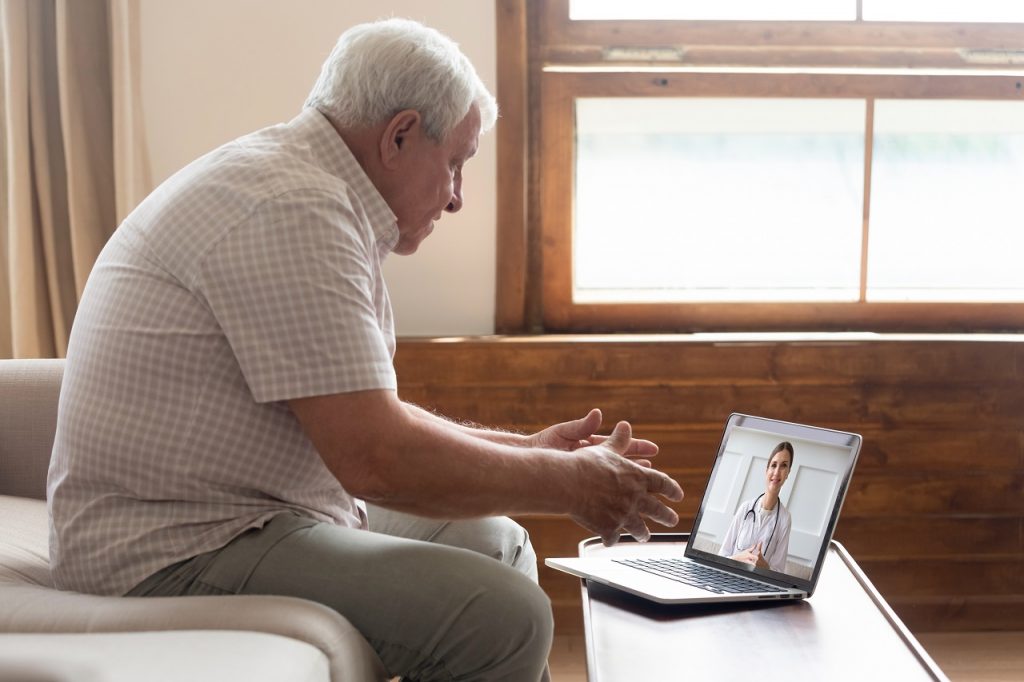
 Currently, elderly people are vulnerable and at the highest risk of experiencing significant health complications due to the second wave of COVID-19. Being socially isolated also creates a panic, affects mental and physical health of the elderly. Due to the pandemic, most older adults are not able to take walks, exercise and have limited access to their daily healthcare needs. Though social distancing and self quarantine is necessary, it is essential for older adults to feel connected in order to avoid depression or helplessness. Loneliness, anxiety and uncertainty give rise to chronic stress, depression and insomnia in older people.
How Can You Help Older Adults In Your Neighborhood?
During this time, it becomes important to help older adults in our neighbourhood, especially the ones living alone. Here, I’ll be sharing some tips which families and caregivers can use to keep older adults disease-free, happy and mentally fit!
- If you have parents or grandparents you’re not living with, give them a call to provide regular emotional support.
- Ensure that an older adult’s daily needs and essential requirements like medicines, fruits, food, etc. are taken care of.
- Take additional efforts to check and confirm that they are maintaining proper hand and respiratory hygiene.
- Older Adults are more sensitive in the current situation. To safeguard them, it’s better that they should avoid stepping out for any reason as much as possible.
- If routine check-ups can be done via phone consultation, please do so. Go to the hospital only when necessary.
- Guide and educate the older adults in your area with the latest updates, precautionary measures, etc. Keep them informed!
- Provide extra care if needed as some of them are on multiple medications due to chronic illnesses and sensory problems such as loss or difficulty in vision, hearing, etc.
- Before self-medication with any drug, please consult a doctor.
- Family members need to be super sensitive to the early symptoms of COVID-19 and testing if needed should be promptly done. This, however, should not give rise to panic, self-isolation and stigma.
- Psycho-social issues are vital and families need to be sensitive to them. It is natural to be stressed, but signs of excessive panic, depression, sleep problems need urgent attention from a qualified mental health professional.
- The elderly need to be involved in decision making even in times of crisis. Their rights, self-respect and dignity must be preserved and protected.
We hope this article helps. For more information or sessions on helping older adults, tune in to experts on GOQii Play.
Stay home, stay safe and #BeTheForce
 With the second wave of COVID-19 and all of us being home, we must be very vigilant when we step out for those essentials that we need. While it is most advisable to stay home completely, one may need essentials like everyday groceries and medicines for basic sustenance. The first choice is of course to go out, and use online stores if available (although this may also have its own supply chain issues). Many societies are also organizing deliveries to flats or having a vendor come into the society. While these solutions can be used by some, there are certain cases where one has to go out. In these cases, it is important to do what one can to protect oneself. So, what should we do to protect ourselves and others when shopping for essentials?
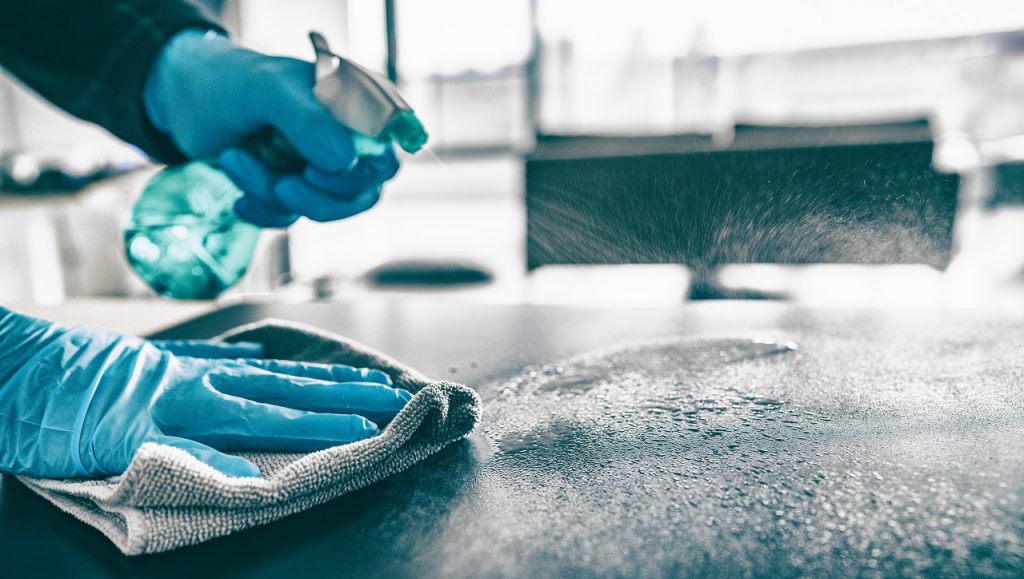 With the coronavirus pandemic showing no signs of abating, it’s up to us to do everything we can to slow its spread. This means protecting ourselves, our families, and those around us, especially the most vulnerable. While social distancing is the most important thing that you can do in this regard it is also important to pay more heed to hygiene. Sanitization and disinfection of your home and surroundings is something that you can actively do to lower the risk of contagion. Although contact with contaminated surfaces is not the primary mode of transmission of COVID-19, it can increase your risk. According to the US Centers for Disease Control and Prevention (CDC), contact with contaminated surfaces is a likely secondary mode of infection. Before you attempt to clean and disinfect your home in panic, take a breath and calm down. To effectively disinfect your home and lower the risk of coronavirus infection, find out which products work, how you should use them, and which areas of your house require your attention.