GOQii

Blog

  • HOME
  • HEALTHY LIVING
  • FITNESS
  • HEALTHY RECIPES
  • USER STORIES
  • KARMA
  • BUY GOQii

December 6, 2025 By Sweta Jaiswal Leave a Comment

PCOS and Anxiety: Discover Relief with the 54321 Technique

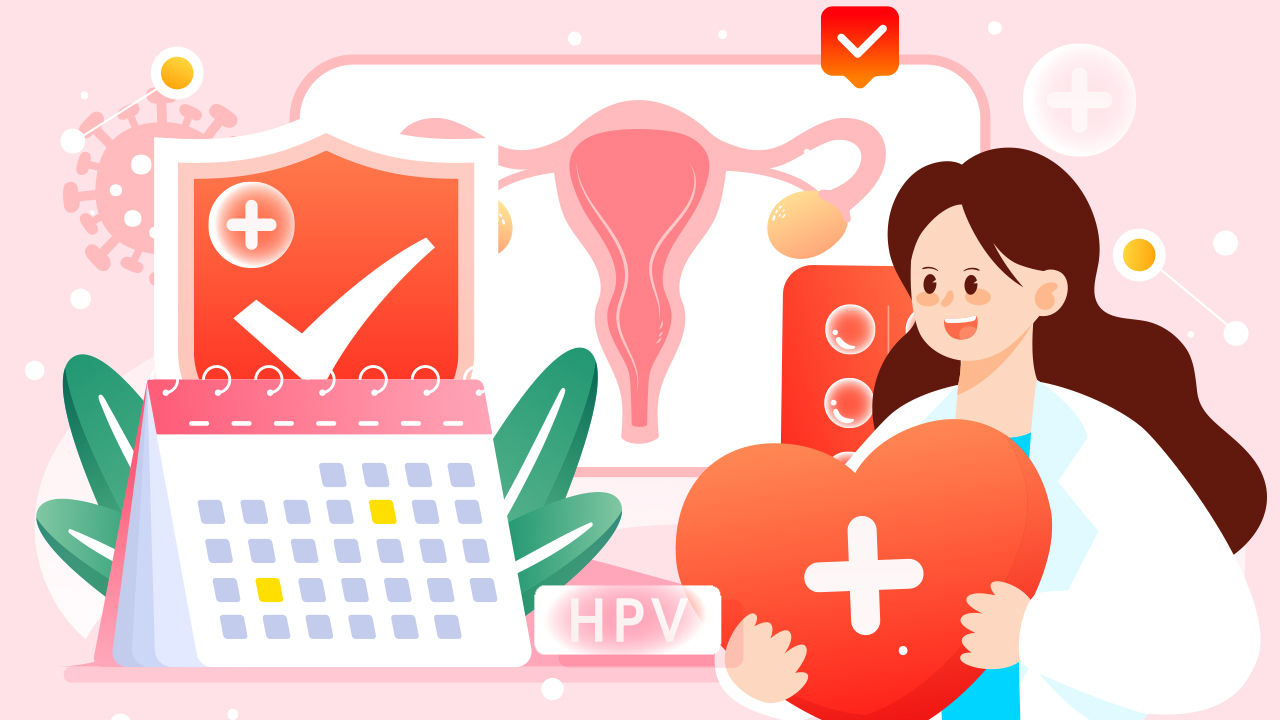
PCOS and Anxiety: Discover Relief with the 54321 TechniqueA huge section, which is 70% of women and girls of reproductive age, remains undiagnosed in the primary (stage 1) care of PCOS globally. The recent WHO (World Health Organization) data suggests that 116 million women (3.4%) are affected globally. In India itself, the range is 3.7-22.5% of the female population. Though there is a rapid rise in cases, not much is given or taken in terms of awareness.

PCOS (Polycystic Ovary/Ovarian Syndrome) is the most prevalent female endocrine disorder and the preeminent cause of infertility. It is not only characterized by a cystic ovary but also by ovarian dysfunction and androgen excess. It is a combination of signs and symptoms related to an imbalance of hormones. This imbalance leads to hirsutism (hair growing in areas where men typically grow hair, e.g.- face, abdomen, chest, and back), balding, acne, and oily skin. Ovarian dysfunction looks like a complete absence of menstruation (amenorrhea) to menstruation delayed to 35 days or more (oligomenorrhea) to heavy bleeding (menorrhagia).

Due to all these dermatological, metabolic, and reproductive disturbances, PCOS affects the psychological and sleep areas in a woman’s life, leading to acute anxiety, depression, sleep apnea, disturbed sleep, and obesity. Women with PCOS are four times more likely to be at risk for depression compared with women without PCOS.

If you’ve been told you have PCOS, you may feel frustrated and sad as well, but then there will be relief that there are reasons and possible treatments for the symptoms that you have been having such a hard time dealing with— e.g., keeping a healthy weight, managing stress related to it, hirsutism, acne, or irregular periods. It can be difficult to have a diagnosis without an exact cure. However, it’s important for women with PCOS to know they are not alone.

Finding a support network and a healthcare provider who knows a lot about PCOS and is someone you feel comfortable talking with is very important. Even though the results may take a long time, it is important to keep working on a healthy lifestyle and not let PCOS get you down. Many PCOS sufferers claim that discussing their worries with a counsellor can be beneficial because it lowers their burden.

Along with diet and lifestyle modifications to maintain a healthy weight, the 54321 technique can really help battle the high levels of anxiety and depression in women facing PCOS. This technique is the best form of self-care for females who find it hard to focus on other important issues apart from the everyday mental struggles that PCOS offer.
PCOS and Anxiety: Discover Relief with the 54321 Technique

The 54321 technique is a fun and easy way to practice mindfulness. It is so much more than the counts of breathing which we use to calm anger and nervousness. It keeps the 5 senses in play like the eyes, nose, ears, skin and tongue. It is Simple, Practical and Therapeutic.

Let’s understand it. You need to Focus on –

  1. 5 things you see – From the 1000 things that you see, zero it down to five which relate well to your present situation and how it does wonders to the environment/surroundings.
  2. 4 things you can touch – Give priority to touches that give you comfort like massaging your ears, your water bottle, a plant, or a pen. Feel its texture, weight and shape.
  3. 3 things you Hear – This can be a challenge as you will tend to listen to the loudest sounds /noise first. Listen to quieter and soft sounds or music/songs that you enjoy.
  4. 2 things you Smell – Differentiate between pleasant and unpleasant smells. Smell the only 2 things that will make you feel relaxed, like perfume in your napkin, your favourite hand lotion or an odour that you want to move away from.
  5. 1 thing you can taste – This is just as easy as popping a mint or gum in your mouth or drinking your plain/flavoured water.

Being able to apply this natural, easy-to-remember remedy for anxiety and being grounded will help interrupt the nervousness and make you feel instantly re-energised and supported.

In conclusion, the 54321 technique is a powerful mindfulness practice that offers significant relief from the anxiety and depression often experienced by women with PCOS. It provides a simple yet effective way to reconnect with the present moment, using our senses to ground ourselves and break free from the grip of anxiety.

Living with PCOS can be challenging, but it’s crucial to remember that you’re not alone in this journey. Finding a support network and seeking guidance from healthcare providers who specialise in PCOS can make a world of difference. While there may not be a definitive cure, there are ways to manage and alleviate the symptoms, allowing you to lead a fulfilling and healthy life.

At GOQii, we believe in holistic well-being, and that includes mental health. If you’ve found this information helpful, we’d love to hear your thoughts in the comments below. Remember, you can explore more articles on topics like these in our Healthy Reads section. For personalised guidance and support on managing PCOS, consider subscribing to GOQii’s Personalised Health Coaching here.

#BeTheForce 

Disclaimer: The information provided in this blog is for general awareness and educational purposes only. It is not intended to replace professional medical advice, diagnosis, or treatment. Always consult a qualified healthcare provider for personalised medical guidance or concerns related to your health. Images shown are for representation purposes only and may not depict the exact recommendations or outcomes.

August 1, 2025 By GOQii Leave a Comment

Navigating the Anxiety and ADHD: Daily Struggles, Coping Strategies

If you’re living with ADHD, you’ve likely met its constant companion: anxiety. The two are like old acquaintances, often showing up together in the background of your daily life. ADHD brings its vibrant mix of curiosity and distraction, while anxiety adds a layer of restlessness, self-doubt, and that nagging sense that something might go wrong.

It’s no surprise, really. The unpredictable nature of ADHD – missed deadlines, impulsive decisions, and forgotten appointments—can create a daily rhythm filled with uncertainty. And uncertainty is anxiety’s favourite playground.

But here’s the hopeful part: understanding how ADHD and anxiety interact is half the battle. With the right strategies, support, and a little self-compassion, you can learn to manage both with more confidence.

Why Do ADHD and Anxiety So Often Overlap?

Think of the ADHD brain as one that’s wired for interest-based focus. This means you might find it hard to stick with tasks that don’t feel engaging or urgent. When the demands of a world designed for neurotypical processing start to pile up—misunderstood instructions, forgotten chores, a backlog of emails anxiety naturally creeps in.

You may find yourself constantly worrying about forgetting something crucial. Ruminating over past conversations. Or feeling overwhelmed at the thought of making choices that seem easy for others.

This isn’t a weakness. It’s the experience of a neurodivergent mind navigating a world that isn’t always built for it.

Common Daily Triggers for ADHD-Related Anxiety

For many with ADHD, anxiety doesn’t just come from big life events. It often bubbles up from everyday moments:

  • Feeling overwhelmed by choices, even simple ones.
  • Struggling to start a task because you don’t know where to begin.
  • Having difficulty concentrating at work or school.
  • Fearing you’ve misread social cues or said the wrong thing.
  • Feeling like you’re constantly behind, no matter how hard you try.

These moments can feel isolating, but you are not alone.

Coping Strategies That Work

Managing ADHD and anxiety takes practice and patience, but small, consistent changes can make a vast difference.

  • Establish Simple Routines

Structure can be incredibly calming for an ADHD brain. Start with small morning or evening rituals. Something as simple as making your tea the same way each morning or laying out your clothes the night before can create a reassuring sense of control.

  • Break Down Overwhelming Tasks

Instead of writing “finish report” on your to-do list, break it down into smaller steps: Open laptop, write introduction, outline key points. Clear, actionable steps reduce the feeling of being overwhelmed.

  • Use External Reminders

Don’t rely on your memory alone. Use phone alarms, sticky notes, or visual planners. These external cues can serve as gentle, non-judgmental reminders throughout the day.

  • Practice Mindful Breathing

When you feel anxiety building, just one minute of intentional breathing can help reset your nervous system. Inhale deeply, hold for a moment, and exhale slowly. Repeat.

  • Try Body Doubling

Working on a task alongside someone else (even if they’re working on something different, either in-person or remotely) can significantly improve focus and quiet the mental chatter that fuels anxiety.

  • Practice Self-Compassion

ADHD and anxiety often bring a loud inner critic. Experiment with changing that voice. “I’m doing my best with the tools I have” goes much further than, “Why can’t I just get my act together?”

You Don’t Have to Choose Between Functioning and Feeling Okay

It’s easy to fall into the trap of thinking you must push yourself endlessly to manage ADHD, or that anxiety is just something you have to live with.

But the reality is, it’s okay to slow down. It’s okay to ask for help. It’s okay to celebrate the small victories.

You’re not lazy. You’re not broken. You’re navigating a brain that works differently, and it’s okay for things to feel hard sometimes.

When it comes to managing ADHD and anxiety, there is no one-size-fits-all approach. What works for one person might not work for another and that’s okay. The most important thing is to remain curious. Experiment. And treat yourself with the same kindness you would offer to someone you truly love.

Because even though the path may feel tumultuous, it’s yours. And you’re more on track than you realise.

#BeTheForce

Disclaimer: This blog is for informational purposes only and is not a substitute for professional medical advice, diagnosis, or treatment. Please consult a doctor for personalised guidance and recommendations related to ADHD.

January 4, 2024 By Trishala Chopra 3 Comments

How much cardio should you do?


cardio exercise


CARDIO- The only form of exercise which has grabbed everybody’s attention and why not, almost all the common activities are a form of cardiovascular exercise.

Whenever I ask someone about what exercise you do throughout the day- their reply is mostly WALKING. Hours of walking sometimes.

So, what does cardio include?

  • Walking (As already mentioned above)
  • Running
  • Swimming
  • Cycling
  • Aqua-aerobics
  • Aerobics
  • Zumba
  • Rowing
  • Boxing

I have seen people concentrating only on cardio exercises for years without any change in their routine. Some people consider themselves to be fit with simply walking.

Fitness is measured by different things and not just your overall structure.

As a part of your fitness routine, these 3 components are very important which is as follows: –

  • Cardiovascular exercises
  • Strength training exercises
  • Flexibility exercises

None of the components can be skipped.

All these 3 components are very important for a proper fitness regime.

The question which I always get is (which also became an idea to write this article) how much cardio should I do?

And my answer is (Always), you should actually ask how much of these 3 components I should do?

Well, I will be covering all these 3 components in 3 separate articles so for now, I will be concentrating on cardio.

So, going back to the question which I always get, I wish I had an answer to that which could be as simple as

Do 60 minutes a day or maybe 150 minutes a week!

But being a healthcare professional, I cannot give a generic answer.

In fact, that question has no specific answer.

The amount of cardio which should be done completely depends upon these 4 factors: – (Ps: – Please read all the factors before you come to a conclusion for yourself)

cardio ex1

(1) It depends on what you are aiming at.

Well, not everybody needs weight loss! Some people might be looking for muscle gain while someone else might need to run a marathon.

So, does that mean all of them will be doing 150 minutes of cardio per week?

Definitely not!

Along with the aim, you also need to know about your metabolism.

Metabolism is the rate at which your body needs calories while resting.

So, for a person who wants to lose weight will probably be needing a lot of cardio but for someone who wants to build muscle- the amount of cardio which you require completely depends on your metabolism. If you have a fast metabolism then you don’t need any cardio but if your metabolism is slow then you need to do some amount of cardio.

Someone who is into different sports like shot put or powerlifting or sprinting might require very little cardio.

Why am I targeting these 2 categories first?

It is because losing weight and gaining muscles are totally different things to talk about. For your body as well, it becomes a very confusing state because the body cannot do 2 things simultaneously. However, with proper training, it does become possible sometimes.

Then, what about fat loss? How much cardio should one do?

If losing weight is your only goal then it is okay to put your focus more on cardio and neglect the muscle gain part.

You just work on not losing muscles while you are losing your fat.

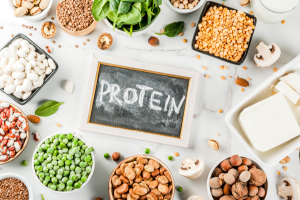
This can be achieved by 2 times a week strength training and adequate proteins in your diet.

What If someone is a marathoner? How much cardio should one do?

It also includes a good amount of cardio and minimum strength training but flexibility here is very important. It can all be divided throughout the week with a focus more on cardio and other endurance sports.

Although I don’t like putting anything in a restricted way I guess I can do with sharing some guidelines about the first factor which I have discussed in brief above so that it becomes easier for everyone to understand.

  • Building muscle + Fast metabolism = No cardio
  • Building muscle + Slow metabolism = 2-4 days per week with about 20-30 minutes every day.
  • Losing fat = 5-6 times per week with about 45-60 minutes every day
  • Marathoner= 4-6 times per week with about 30-60 minutes every day

*This is very generic; the requirement might differ in each person but this can be used as a guideline to work upon.

(2) State of your hormones

Well, the most common problem which most of us are facing is WEIGHT GAIN or UNABLE TO LOSE THE EXISTING WEIGHT which ultimately makes you hit the gym and your trainer will suggest you do cardio. He or she will decide the plan and everyone blindly follows that plan. But, do you think everybody needs exactly the same amount of cardio?

When your weight becomes a problem the hormone which comes into the picture is CORTISOL.

Cortisol is a hormone which is released all the time in the body but most commonly it reaches its peak under extreme stress. When the stress is often short-term like some assignment to complete or some exams to give then the graph of cortisol keeps fluctuating but when the stress becomes long term which goes on for months and years then the gland which produces cortisol is adrenal glands that starts burning out which means there won’t be enough cortisol which is produced. Well, none of this is good. Neither LOW nor HIGH. Everything goes well in balance.

So now that was about the theory, let’s understand how to practically apply it.

Symptoms of cortisol imbalance: –

  • Rapid weight gain
  • Muscle weakness
  • Chronic fatigue
  • Mood swings
  • Anxiety
  • Depression
  • Confusion
  • Insomnia
  • Fluctuating sugar levels


How to know about your cortisol imbalance?

  • It is important to do a stress test first and then go for the lab reports and get your 8 am cortisol checked.
  • Visit an endocrinologist with your reports.

 How much cardio should you do if your cortisol levels are not up to the mark?

  • Under 60% of your maximal heart rate.

How to calculate your maximal heart rate?

  • 220 – your age= maximal heart rate

For example: –

Person who is 40 years of age,

220-40= 180 (Maximal heart rate)

60% of 180 = 108 beats per minute.

  • You should not cross 108 beats per minute while doing cardio in any case.
  • You must strictly monitor it and get yourself a personal trainer/coach who can help you understand this.

Why are we discussing cortisol imbalance and what is the reason behind reducing your cardio activities in such cases?

treadmill-2581437_640

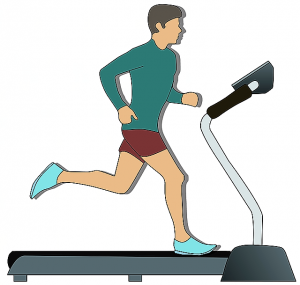
  • All the exercise puts the body into some stress. This stress can affect stimulation of different hormones.
  • When you do steady cardio like a treadmill or cycling your body increases cortisol and reduces other hormones like growth hormone.
  • When you do interval training your body increases cortisol and growth hormone
  • When you do strength training with moderate repetition and sets your body increases growth hormone and cortisol by a small margin.
  • When you do strength training with heavy repetition and sets your body increases testosterone (Which is mostly seen in bodybuilders)

I have given you an in-depth reason here so that you can understand that doing cardio under any stress will increase the complication even more and will do no good to your body.

So before getting into intense workouts, check your cortisol levels.

If everything is okay then you can do the cardio as discussed above.

(3) Depends on your intensity

Whenever I try getting the history about exercises, I get to hear this very often: –

” I do cardio for about 1 and half hours in the gym but I am not getting any results “

” I walk for about 2 hours a day, one hour in the morning and one hour in the evening but I don’t think it is helping”

Well, the basic point to this is,

YOUR DURATION DOESN’T MATTER.

WHAT MATTERS IS- YOUR INTENSITY.

You can work out for just like 15 minutes and still get the same effect as you might get it from longer duration.

Since a couple of months, I often see people talking about high-intensity workouts, low-intensity workouts. I was actually very curious to know their definition of these workouts. I was actually very surprised to know that out of 10 people not even 2 of them knew what exactly it is. They were talking about it because they read it on the internet or their trainer told or something else. You don’t need to be a doctor or personal trainer or a certified health expert. You as a common man to have the rights to know, after all, you are the one who is actually, going to follow that advice. Well, writing this article in this depth is just for everyone to understand the basics behind all the theories which are coming up.

So, coming back to the theory behind intensity.

What is a low-intensity workout?

  • Under 60% of your maximal heart rate (How to calculate it is mentioned above) is a low-intensity workout.
  • These intensity workouts will not increase the endurance but do have relaxation benefits.

What is moderate intensity workout?

  • In between 60-85% of your maximal heart rate is moderate intensity workout.
  • This is a basic workout if your goal is to lose fats.
  • Start with 3-4 times per week and for 30-45 minutes
  • This is just about cardio however in this routine strength training is also required which will be covered in the upcoming article.

What is a high-intensity workout?

  • Anything above 85% of your maximal heart rate is high-intensity workout
  • This can be maintained only for about 1-4 minutes before your speed drops and then gradually goes ahead.
  • Start with 2-3 times per week for about 20 minutes.
  • This course will include proper strength training also which will be covered in upcoming article

Note: – High-intensity workout is not suggested for anybody who has not done any cardio exercises for past 4 months, for someone who has serious cardiac issues. Please consult your doctor before getting into these kinds of workout. Inform your coach and coaches too can take this as a basic part of history taking.

(4) Depends upon how well your response to cardio exercises.

  • As I mentioned in the beginning of the article, every individual is different and there is no same answer to HOW MUCH CARDIO YOU SHOULD DO?
  • It all depends on your responses which can vary from person to person
  • I can simply guess that maybe you require this much workout but I am never sure about it unless I check the response for minimum 15 days.

My players always ask me that why do I give the workouts for 15 days and then think so much for the next set of workouts. Sometimes it so happens that I refuse to change the workout and make then repeat it for 15 days. I know it’s annoying, like very annoying but it is better than any serious injury. Unless I am sure about the responses and progress I do not go ahead in case of workouts.

This article only gives you insights about CARDIO but your workout routine is incomplete with strength training and flexibility.

My next blog is HOW MUCH STRENGTH TRAINING YOU NEED TO DO?.

We hope this article helps you. For further information or guidance, reach out to our certified experts by subscribing to GOQii’s Personalised Health Coaching here.

#BeTheForce

September 20, 2018 By Navnee Garg 1 Comment

5 signs you’re not getting enough Protein

shutterstock_1008838624 (1)

The food market is constantly advertising about adding protein to all edibles, and this might mislead you into thinking that you are consuming an abundance of this key micronutrient in your diet. This might not be the actual scenario and a lack of protein may be ruining your health and your effort in the gym.

While protein requirement varies for every individual depending upon body weight and activity levels, there is no doubt that an adequate amount of protein keeps the body lean and preserves muscles strength as we age. If you are unsure about the amount of protein you are getting and wondering if it’s enough to fuel your fitness goals, here are a few ways to know.

  1. Your hair starts Thinning

shutterstock_615099917


Hair thinning is a major concern these days and it haunts both genders equally.

But why? And how is protein linked to it? So, here is the answer. If you don’t nourish your body with adequate protein, then it looks for “non-essential” body parts like hair to pull protein from. The body needs nutrients for the basic functioning. Once your hair is deprived of the nutrient it needs, it starts thinning and even falling out. Next time when you observe hair fall or thinning, consume a high protein diet.

      2.Constant Injuries

shutterstock_275149502


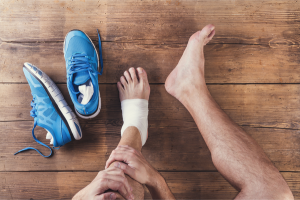
Injuries, as we all know, are barriers we have to overcome amidst our fitness journey.  But why do people get injured so frequently? Let’s solve the query. Apart from muscle loss, a lack of protein in diet precipitates several perils such as loss of bone mass and osteoporosis. The body tends to face difficulty in absorbing calcium which most likely will make you prone to injuries. This is the reason why we lack stamina during high-intensity workouts. So, if you are constantly injured, you may need to increase your protein intake. Some rich sources of protein are Seafood, white meat, eggs and green vegetables. Hog on them to keep the doctor away.

       3. Workout Doesn’t Entail Results

shutterstock_144928561

It takes a lot of dedication and effort to wake up each morning and workout. Still, the scale in the weighing machine is not changing? So, here’s the answer to “But why?” Protein is crucial for building new muscle mass and also important in sustainable energy and motivation. It adds up the strength to recover the muscles post workout. A low protein diet may make you suffer muscle atrophy which is a condition when your body starts cannibalizing the tissue for fuel. If you don’t serve your muscle composition with adequate protein, no matter how much you work out, the results will always be below your expectation. Therefore, always consume a protein-rich pre/post workout meal for faster and better results.

       4. Unexpected Anxiety and Food Cravings

collage

Do you often lash out at your co-worker or others around you? This is not always stressing. Let’s dig deeper. Serotonin is a hormone that regulates calmness, and protein plays a vital role in helping the brain synthesize serotonin. Also, if you don’t consume enough protein, your body causes spikes and crashes of insulin, resulting in a craving for carb-rich snacks. Your body’s demand for biscuits and other oily snacks is not because of taste but because of lack of protein. Serotonin also helps in regulating the spike of insulin in your blood, so a lack of serotonin will result in imbalanced amounts of insulin in the blood. So, if you are unable to tame your temper or are craving for greasy and unhealthy snacks, it could be a sign of protein deficiency. When you feel anxious next time, you know what you need.


  • 1
  • 2
  • Next Page »

Search

Recent Posts

  • India Leads in Longevity: GOQii Sanjeevini Named Top 40 in $101M XPRIZE
  • The Importance Of Knowing If You’re Thirsty Or Hungry
  • Best Foods To Alleviate Irritable Bowel Syndrome
  • ALL ABOUT VERTIGO!
  • PCOS and Anxiety: Discover Relief with the 54321 Technique

Stay Updated

Archives

  • December 2025 (8)
  • November 2025 (15)
  • October 2025 (20)
  • September 2025 (6)
  • August 2025 (6)
  • July 2025 (12)
  • June 2025 (18)
  • May 2025 (16)
  • April 2025 (23)
  • March 2025 (23)
  • February 2025 (22)
  • January 2025 (26)
  • December 2024 (26)
  • November 2024 (25)
  • October 2024 (22)
  • September 2024 (24)
  • August 2024 (31)
  • July 2024 (21)
  • June 2024 (26)
  • May 2024 (31)
  • April 2024 (27)
  • March 2024 (29)
  • February 2024 (26)
  • January 2024 (25)
  • December 2023 (15)
  • November 2023 (11)
  • October 2023 (20)
  • September 2023 (22)
  • August 2023 (20)
  • July 2023 (22)
  • June 2023 (24)
  • May 2023 (24)
  • April 2023 (24)
  • March 2023 (23)
  • February 2023 (20)
  • January 2023 (16)
  • December 2022 (12)
  • November 2022 (15)
  • October 2022 (15)
  • September 2022 (12)
  • August 2022 (10)
  • July 2022 (17)
  • June 2022 (11)
  • May 2022 (10)
  • April 2022 (6)
  • March 2022 (6)
  • February 2022 (13)
  • January 2022 (12)
  • December 2021 (7)
  • November 2021 (3)
  • October 2021 (6)
  • September 2021 (3)
  • August 2021 (8)
  • July 2021 (7)
  • June 2021 (15)
  • May 2021 (16)
  • April 2021 (10)
  • March 2021 (7)
  • February 2021 (4)
  • January 2021 (4)
  • December 2020 (3)
  • November 2020 (4)
  • October 2020 (10)
  • September 2020 (3)
  • August 2020 (3)
  • July 2020 (2)
  • June 2020 (4)
  • May 2020 (10)
  • April 2020 (12)
  • March 2020 (10)
  • February 2020 (4)
  • January 2020 (4)
  • December 2019 (3)
  • November 2019 (7)
  • October 2019 (5)
  • September 2019 (4)
  • August 2019 (9)
  • July 2019 (9)
  • June 2019 (11)
  • May 2019 (4)
  • April 2019 (9)
  • March 2019 (8)
  • February 2019 (9)
  • January 2019 (8)
  • December 2018 (9)
  • November 2018 (3)
  • October 2018 (3)
  • September 2018 (5)
  • August 2018 (10)
  • July 2018 (6)
  • June 2018 (13)
  • May 2018 (8)
  • April 2018 (18)
  • March 2018 (9)
  • February 2018 (8)
  • January 2018 (15)
  • December 2017 (12)
  • November 2017 (19)
  • October 2017 (13)
  • September 2017 (15)
  • August 2017 (4)
  • July 2017 (8)
  • June 2017 (7)
  • May 2017 (6)
  • April 2017 (8)
  • March 2017 (6)
  • February 2017 (7)
  • January 2017 (9)
  • December 2016 (10)
  • November 2016 (7)
  • October 2016 (7)
  • September 2016 (7)
  • August 2016 (11)
  • July 2016 (9)
  • June 2016 (9)
  • May 2016 (12)
  • April 2016 (17)
  • March 2016 (17)
  • February 2016 (8)
  • January 2016 (6)
  • December 2015 (2)
  • November 2015 (9)
  • October 2015 (7)
  • September 2015 (9)
  • August 2015 (11)
  • July 2015 (9)
  • June 2015 (12)
  • May 2015 (9)
  • April 2015 (13)
  • March 2015 (8)
  • February 2015 (5)
  • January 2015 (12)
  • December 2014 (14)
  • November 2014 (11)
  • October 2014 (6)
  • September 2014 (13)
  • August 2014 (12)
  • July 2014 (6)
  • June 2014 (2)
  • May 2014 (7)
  • April 2014 (5)

From “Laddu Nawin” to Fit and Fierce: How a 25-Year-Old Insurance Advisor Shed 20 Kilos and Gained His Life Back

When 25-year-old Nawin Yadav from Hyderabad walked into his office every morning, he carried more than just his files and policy papers. He had the weight of fatigue, sluggish energy, and an ever-growing belly that was becoming the butt of jokes. “People … [Read More...]

“I’ve Challenged Myself to Live 100 Years” – The Story of Chandubhai Savani’s Second Chance at Life

At 67, most people start slowing down. Not Chandubhai Savani. A resident of Surat, Chandubhai, thought life was on track. “My life was going well till I had my bypass surgery,” he says. That surgery, back in 2021, was a wake-up call.  Medication was routine, but exercise wasn’t. His diet? What he calls ‘normal.’ “I […]

From Shimla’s Slopes to Chandigarh’s Sidewalks: Surinder Kaur Bhalla’s Journey from Chaos to Control

Some journeys start with a plan. Others begin with a stumble literally. Surinder Bhalla, a government professional, born and raised in the scenic hill town of Shimla, had always lived a life of movement. “In Shimla, you walked everywhere,” she reflects. “Walking was never an exercise. It was just life.” But after shifting to Chandigarh, […]

Ananda Mukherjee Health Story

From Terminal Illness To Complete Wellness! Ananda Mukherjee Health Story

As we observe World Cancer Day under the powerful theme ‘United by Unique’ (2025-2027)**, we are reminded that every individual’s journey with cancer is distinct, yet united by shared resilience, hope, and the collective fight against this disease. This theme places people at the centre of care and their stories at the heart of the […]

  • HOME
  • HEALTHY LIVING
  • FITNESS
  • HEALTHY RECIPES
  • USER STORIES
  • KARMA
  • BUY GOQii

Copyright ©2016 GOQii