 Do you love your traditional uttapam? Well, you’re about to love this healthy twist we’ve added to it more! Quick, easy to prepare and nutritious, the Oats Sprouts and Vegetable Uttapam is a mouthwatering recipe just as it is healthy. As it is made with oats, it provides better satiety too. Let’s get started!
Ingredients:
- Rolled Oats – 1 cup
- Curd – 1 cup
- Ginger chili paste – 1 tbsp
- Parboiled sprouts – ½ cup
- Grated carrot – ½ cup
- Grated beetroot – ½ cup
- Finely chopped onion – ½ cup
- Finely chopped tomatoes – ½ cup
- Finely chopped coriander – ½ cup
- Salt
- Turmeric – 1 tsp
- Red chilli powder – 1 tsp
- Lemon juice – 1 tsp
- Salt as per taste
- Oil – 1 tbsp
Method:
- Heat a pan and roast the oats for 3-5 minutes and grind them into powder.
- In a mixing bowl, add oats powder, curd, salt & ginger chilli paste. Mix this well & add some water to make dosa batter consistency. Put it to rest for 20 minutes.
- For the topping, in a different bowl add parboiled sprouts, onion, tomato, carrot, beetroot, coriander and lemon juice. Add the spices too and give it a gentle mix.
- The oats batter will be thick after 20 minutes, so add some water again to gain dosa batter consistency.
- Heat a dosa pan and grease with some oil. Take a spoon full of oats batter & spread it to make a mini uttapam. After it is slightly cooked take a spoon full of sprouts & veggies stuffing to put over the uttapam. Cover the pan with a lid & allow it to cook.
- After it turns golden brown on the base, flip it over for the stuffing to cook well too.
- Time to serve it hot with coconut chutney.
Highlights of the Oats Sprouts and Vegetable Uttapam
- This single dish gives benefits equal to that of a whole balanced meal.
- Improved fiber, nutrients and protein content from the traditional rice based uttapam.
- A colorful blend of veggies giving us the necessary antioxidants and improving heart health.
We hope you try and enjoy this Oats Sprouts and Vegetable Uttapam recipe! Do leave your thoughts in the comments below. For more healthy recipes, check out Healthy Reads or ask a GOQii Coach by subscribing for Personalised Health Coaching here.
#BeTheForce
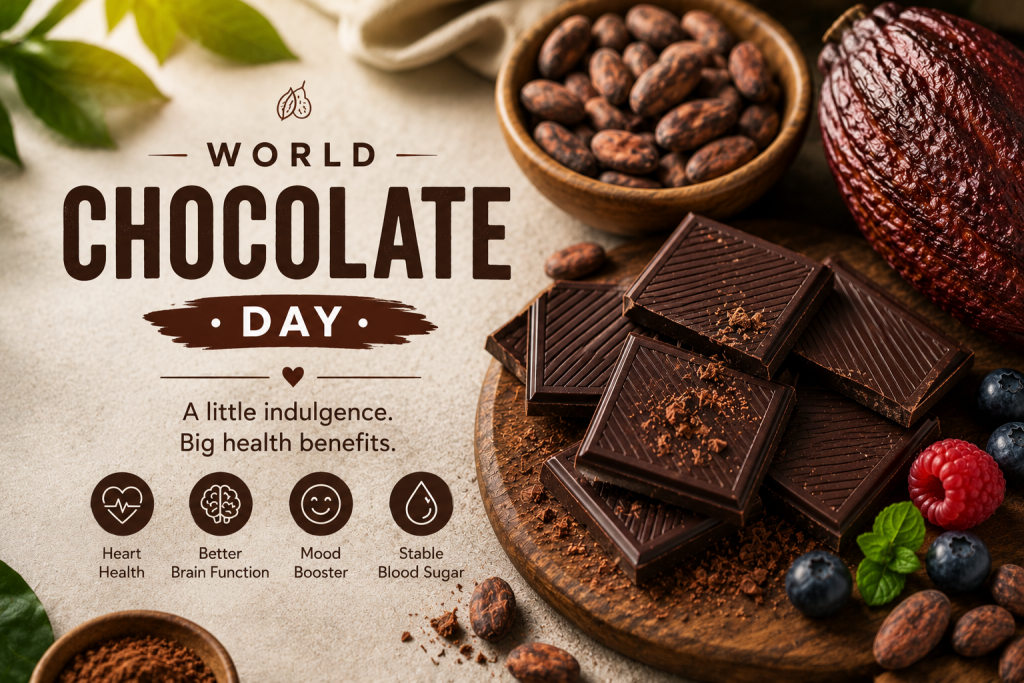 The Big Question: Can one of the world’s most beloved indulgence habits actually be transformed into a powerful tool for cardiovascular, cognitive, and metabolic protection?
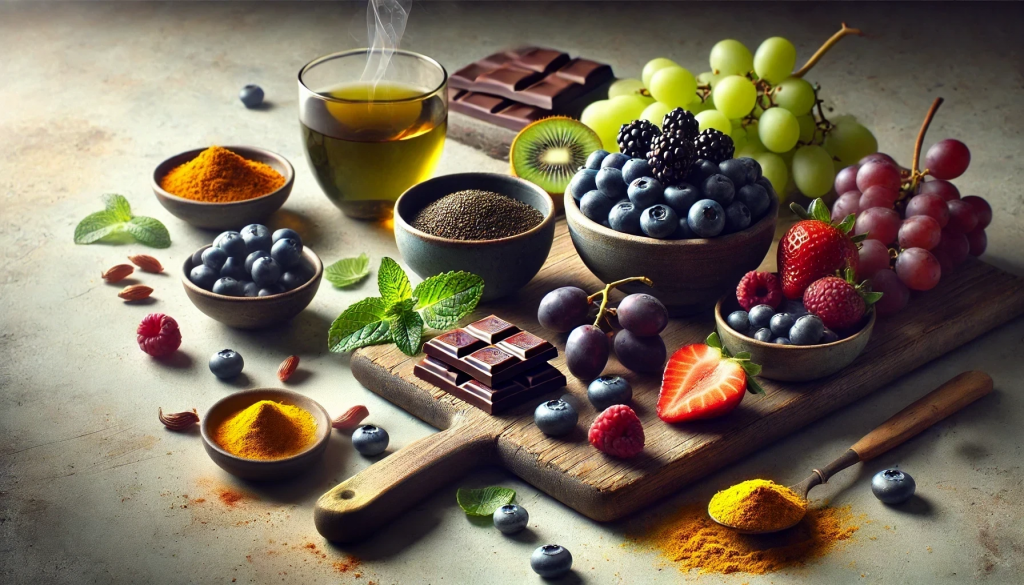 Imagine if the foods you love could shield you from cancer and aid in your recovery. Enter polyphenols, a family of over 8,000 plant compounds found in fruits, green and black tea, coffee, red wine, chocolate, and seeds. These natural substances have demonstrated remarkable potential in cancer treatment, especially after conventional therapies, by minimizing side effects and enhancing their effectiveness.
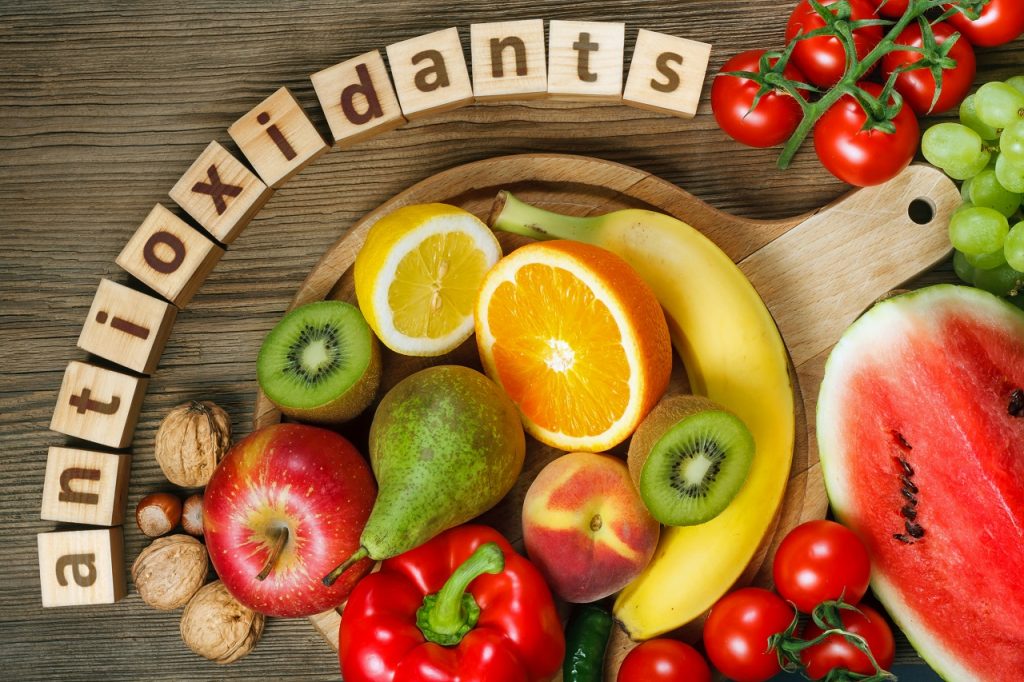 Antioxidants—also known as “free radical fighters”—have been making waves in the health and wellness industry. But what exactly do they do? Are they genuinely beneficial, or are they just another marketing buzzword? More importantly, is it better to get them from food or supplements? Let’s break it down.


