GOQii

Blog

  • HOME
  • HEALTHY LIVING
  • FITNESS
  • HEALTHY RECIPES
  • USER STORIES
  • KARMA
  • BUY GOQii

Search Results for: work from home

January 29, 2024 By Luke Coutinho 1 Comment

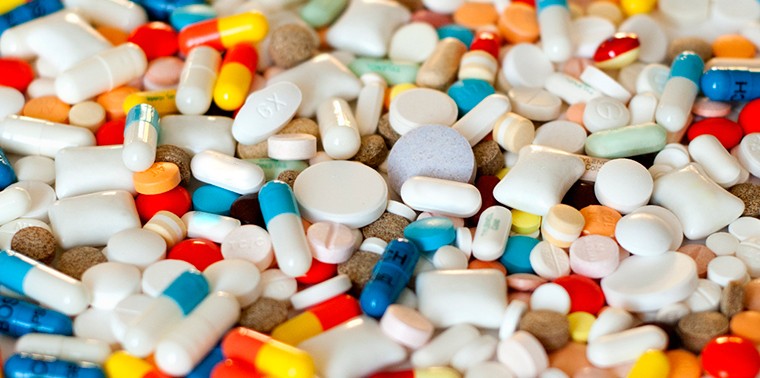
What Antibiotics and Pills can do to your body?

feature_pharmaceutical_pills_main-760x378

The over prescription and wrongly prescribed antibiotics and medicines kills’ thousands of people worldwide every year. It is even said that the number of deaths caused by long term and incorrect use of these medicines are higher than road accident deaths.

Not only can it cause something like death, but the bigger problem is overuse of antibiotics and medicines causes our bacteria to become more and more resistant to these drugs, eventually they stop working, and then the need for more powerful drugs that do more harm, come into the picture.

Antibiotics, first used in the 1940s, are certainly one of the great advances in medicine. But overprescribing them has resulted in the development of resistant bacteria, that don’t respond to antibiotics that may have worked in the past. Plus, whenever kids and adults take antibiotics they run the risk of side-effects, such as stomach upset and diarrhea or even an allergic reaction and the immune system gets weaker and compromised.

We need to remember that antibiotics can only work on bacterial infections and diseases and not viruses. The body’s immune system can fight off some viruses before they cause  illness, but others (colds, for example) must simply run their course. Antibiotics do not work against viruses.

So if you are taking antibiotics for colds, coughs, virals, it’s so wrong and harmful.

Every time you swallow antibiotics, you kill the beneficial bacteria within your intestines. When you do so, you upset the delicate balance of your intestinal terrain. Yeasts grow unchecked into large colonies and take over, in a condition called dysbiosis.

Yeasts are opportunistic organisms. This means that, as the intestinal bacteria die, yeasts thrive, especially when their dietary needs are met. They can use their tendrils, or hyphae, to literally poke holes through the lining of your intestinal wall.

These result in a syndrome called leaky gut. Yeasts are not the only possible cause of this syndrome. Some scientists have linked non-steroidal, anti-inflammatory drugs (NSAIDS) such as naproxen and ibuprofen to the problem. Given their ability to alter intestinal terrain, antibiotics also likely contribute to leaky gut syndrome.

In addition to possibly causing leaky gut syndrome, I believe that parasitic yeasts can also cause you to change what you eat in that they encourage you to binge on carbohydrates including pasta, bread, sugar, potatoes, etc. So, it should come as no surprise that weight gain counts as one of the telltale signs of antibiotic damage and subsequent yeast overgrowth.

By altering the normal terrain of the intestines, antibiotics can also make food allergies more likely. An array of intestinal disorders can ensue, as well. Sadly, most doctors claim ignorance concerning their patients’ intestinal disorders rather than admit that the drugs they themselves prescribed actually caused the disorders to begin with.

Tons of antibiotics are fed to livestock on a daily basis, purportedly to proof them against bacteria. This practice not only possibly contributes to antibiotic resistance in humans — many experts feel weight gain, and not disease prevention, is the real reason antibiotics are so widely used. Fat cattle sell for more than thin cattle. That’s all very well, but imagine what the antibiotics thereby possibly present in dairy products could be doing to our children’s health.

Remember, antibiotics are dangerous mycotoxins — fungal metabolites. Just as importantly, medical experts have written articles maintaining that these drugs kill people. But, other experts insist on remaining skeptical as to the problem, even though these same experts readily recognize the link between weakened immune systems and death.
Also, keep in mind the post-antibiotic importance of restoring the intestinal terrain with plain yogurt and probiotics. If you are experiencing bloating, belching, gas, constipation, diarrhea, GERD, or other intestinal problems then probiotics can play an important role in restoring your intestinal terrain.

That a new generation will grow up knowing of the dangers inherent in taking antibiotics is a good thing. That doctors will continue randomly prescribing fungal toxins should teach us the importance of knowing medical facts before blindly accepting any prescription. Please study the antimicrobial benefits and the immune system stimulants that nature provides. Know also that, in some instances, antibiotics may become necessary.

I can’t stress enough the importance of consuming foods rich in natural probiotics, especially if you have an infection of any kind. Your gut serves as your second brain, and even produces more serotonin—known to have a beneficial influence on your mood—than your brain does. It is also home to countless bacteria, both good and bad.

These bacteria outnumber the cells in your body by at least 10 to one, and maintaining the ideal balance of good and bad bacteria forms the foundation for good health—physical, mental and emotional. Most disease originates in your digestive system. This includes both physical and mental disease. Once you heal and seal your gut lining, and make your digestive system strong and work properly again, disease symptoms will typically resolve.

I encourage you to use nature and lifestyle changes to heal yourself and your children and use antibiotics and medicines only when you really need them.

Like I always say, ‘ The human body is designed to heal itself, if we give it a chance’

#BeTheForce

January 26, 2024 By Dr Akshat Chadha 2 Comments

When Was The Last Time You Had A Complete Health Check?

complete health checkThe week began on a sad note. Monday morning was a morning, I would like to erase out of my memory as soon as possible. I was sitting at the breakfast table with my wife when I got a call from my mom saying that one of my cousins-Raj had suffered a major heart attack and had passed away even before reaching the hospital. It was an untimely death. He was barely 40 years of age, young and happy with no major worries. Nobody in the family had seen this coming, not even his wife.

He displayed no signs of stress, worry or any kind of illness. He was not fat nor did he lead a sedentary lifestyle. Then what happened? This thought kept bothering me ever since I heard of what had happened. Being a Doctor, I was determined to delve deep to find the root cause of the problem. After probing some of the family members, I found that there was a family history of heart disease and diabetes. Despite this, he had not done a single blood check in the last 3 years. Whenever I would enquire about getting a health checkup, he would brush it aside and say, “I am healthy and I do not see a need to get pricked unnecessarily”.

What upsets me more is that we are a family of doctors and within my own family, I have people who think otherwise about health check-ups and feel it is unnecessary to have one done regularly, more so, when you do not display any symptoms of illness. The importance of health checkups is highlighted only when you encounter health problems you really can’t predict. Isn’t it better to be safe than sorry later?

Let me be loud and clear when I say, there is a reason why blood tests have been invented and have a huge diagnostic value. Unfortunately, getting a blood test today, is considered as a money making a source for the Doctor. I don’t want to talk about blood tests today, I just want to emphasize the importance of getting a whole body check-up done once a year, especially if you are over 30 years old. Timely medical checkups could make all the difference between prevention and cure; especially when each decade comes with its own set of lifestyle ailments.

What is the harm I ask? What do you have to lose? If it’s the money, then maybe you can cut down on eating out one weekend or reduce your shopping one month and instead utilize that money to get to know about your health?

A lot changes in 30 days leave alone in 365 days. We go through several ups and downs and our body goes through a lot of wear and tear process be it physical or mental. Our internal organs such as the heart, liver, kidneys are designed to work non-stop and there is no harm in knowing the state of our organs and bones in real time so that the necessary lifestyle changes can be made if needed.

One does not have to necessarily pop pills, more often than not, lifestyle changes can make a huge difference. If a machine works well with regular maintenance and check-ups, then why do we leave the most important machine (our body) to chance? You need to listen to your body, feel the pain when it happens, and address the breakdown in a way to avoid its re-occurrence. You need to give your body a good fighting chance by living a good healthy life which is supported by well-functioning internal organs.

Personally, a good comprehensive screening package including CBC ( Complete Blood Count), Lipids, Renal (Kidney) and Liver profile, Sugar tests, Thyroid and basic Vitamins like D and B12 is a must for every individual once a year even if he or she is absolutely healthy. The Thyrocare Aarogyam C package covers all these tests and is available on the GOQii Health Store here.

Age is not a factor. Anybody at the age of 30 years and above should get their blood tests done once a year at least. This is an excellent comprehensive screening of your entire body including heart, liver, and kidney along with important vitamins. We are putting in a lot of effort taking care of our bodies but, if our organs don’t support it then we will always fall short of results.

The prerequisite for leading a healthy life is a comprehensive health check-up once a year. You don’t even need to step out to get a test done. You can even do it from the convenience of your home! So hurry up, get a complete health check now and stay safe.

#BeTheForce 

January 21, 2024 By Vandana Juneja 6 Comments

Remedies For Leg Pain During Winter

leg pain during winterAs winter sets in, there are many health issues that some people face, and one of them is feeling immense stiffness and soreness in the legs leading to being less active. Is it normal to feel these aches and pain? or is it a serious health concern? Let’s find out the reason for leg pain during winter. 

Why do we feel pain and stiffness in Winter?

According to various studies, the cold causes your muscles to lose heat and contract, this makes you feel tight especially around the joints, and eventually you tend to lose range of motion and your nerves can also be easily pinched.

Another theory says a drop in barometric pressure in winters, cause the tendons, muscles and surrounding tissues to expand. Because of the confined space within the body, this can cause pain, especially in joints affected by arthritis.

In general, during winters, we limit our movement due to the cold weather, don’t exercise much, and keep ourselves wrapped up in blankets to stay warm, eat calorie dense food and put on a few extra kilos! All these factors also attribute to increased sensation of pain and stiffness in the legs.

Whatever the reason, it is a fact that many people have “flare ups” or aggravated symptoms of aches and pains in their body especially the lower limbs. Though you may not take it as a serious health concern, one should work towards preventing and dealing with it, so that the aches and pain do not aggravate and restrict your mobility in winters.

Tips to Reduce Leg Pain During Winter

1. Keep Yourself Warm with Proper Clothing
Use cotton, wool or fleece long-sleeved clothing since these materials work the best at maintaining body heat. Wear slim-fitting clothes for your underlayer, so that you don’t look bulky and can easily move your limbs. Don’t forget to wear your woolen cap, gloves, scarf and overcoat (if really cold); with a warm pair of socks and shoes while going out for a walk or even for an outing. Long woolen socks are advised to keep your legs warm. There are woolen thermals available that cover your legs from mid thigh to ankle and are very comfortable. Keeping your muscles warm is important to feel good and comfortable. The right kind of shoe will prevent any kind of injury from a fall or slip.

2. Stay Active
It is important to stay active and exercise your joints and muscles to reduce pain and stiffness during winters. Exercise increases blood circulation, boosts production of your body’s synovial fluid, which lubricates your joints and makes movement easy and comfortable. Plus, a good workout releases your body’s natural feel-good compounds (happy hormones: endorphins, dopamine and serotonin), resulting in reduced perception of pain and boosting your mood and overall sense of well-being. Walking and stationary cycling are good low-impact options to improve blood flow and leg strength. Just remember to warm-up a bit first and skip high-impact exercises if they bother your joints.

Some exercises you should be doing at regular intervals are:

  • Ankle Circles: This exercise is great to warm the muscles in the lower legs before starting a full exercise routine. Ankle circles also increase joint flexibility. The technique can easily be performed while sitting or standing and holding a chair or railing for support.
  • Leg Raises While Sitting: This exercise will improve your quadriceps strength and can be easily done while watching T.V. or sitting with friends/ family. Sit with your thighs well placed on a chair, back touching the backrest and then raise your foot up till it is in line with the thigh. Repeat both sides, 10 times each, twice a day.
  • Calf Raises: By strengthening the calf muscles, you can comfortably climb up and down stairs or walk on elevated terrain. Use a chair for support, and stand on a large book or small stool. Rise up on the toes and hold for five seconds, then lower, repeat five to ten times. Drop the heels to the floor to stretch the calves. Hold for five seconds and relax.
  • Standing Leg Raises: This exercise strengthens the muscles in the lower back, buttocks, hips, and thighs. Stand sideways behind a chair while holding the chair back for support. Lift the outer leg to the side while keeping it straight from the hip to the heel. Keeping the back straightened, hold for five seconds, and lower. With the same leg, stand straight and move the leg back while keeping it straightened. Hold for five seconds and relax. Repeat the process with the other leg. Perform 10 repetitions with each leg, then repeat.
  • Knee Ups: High Knees are a cardio-intensive exercise performed at a fast pace. It engages your core, strengthens all the muscles in your legs, gets your heart rate up and improves momentum, coordination and flexibility. Stand with your feet hip-width apart. Lift up your left knee to your chest. Switch to lift your right knee to your chest. Continue the movement, alternating legs and moving at a sprinting or walking pace for 4-5 minutes.

Similarly there are many other exercises that you can do at home to avoid leg pain during winter, depending upon your current physical health. For instance, squats/wall squats, straight leg raises, prone leg raises, lunges, etc.

3. Add Anti-Inflammatory Components to your Daily Diet
It is important to include anti-inflammatory foods in your daily diet, to reduce inflammation, pain and stiffness in the joints and muscles. You can include super foods such as Ginger, Turmeric, Chilly Peppers, Mint and Virgin Olive Oil. Choose colourful foods like blueberries, blackberries, cherries, spinach, kale and broccoli. Opt for Salmon, Tuna, Sardines, nuts and seeds. Avoid processed foods, excess sugar and salt; high intake of alcohol.

4. Get Enough Vitamin D
During winter, Vitamin D levels naturally dip as we get less exposure to sunlight. Low levels of Vitamin D increase sensitivity to pain. Vitamin D-rich foods such as salmon, tuna, mackerel, cheese and egg yolks are important since Vitamin D helps your body absorb calcium from food, which is another important mineral for bone health that can help reduce pain. Get your levels checked and ask your doctor about supplements if your levels are low.

5. Hydrate Well
We tend to drink less water during winter, leading to dehydration and even the slightest of dehydration can cause increased sensitivity to pain. Drink at least 2-2.5 litres of water daily. You can have lukewarm water if not comfortable with water at room temperature.

6. Treat Yourself to a Massage
Massaging the legs increases the blood and lymphatic circulation, relaxes and normalises the soft tissues (muscle, connective tissue, tendons, ligaments), which releases nerves and deeper connective tissues; hence reducing spasm in the muscles and overall pain sensation. There are many essential oils that you can use to massage gently on your muscles as they have anti-inflammatory and analgesic properties, like lavender oil, eucalyptus oil, peppermint oil, rosemary oil. Other commonly used oils for massage include – coconut oil, sesame oil, mustard oil, almond oil and olive oil.

The mentioned tips, should keep the leg pain during winter away! So leave the quilts and start moving! Eat right, hydrate well, stay active, enjoy and level up this beautiful winter weather! But if your symptoms aggravate, despite all precautions, do consult your doctor.

Do you have a special remedy you use for aches and pains during winter? Share them with us in the comments below. For more winter tips, check out Healthy Reads or ask a GOQii Coach by subscribing for Personalised Health Coaching here.

#BeTheForce 
December 15, 2023 By Mubasheera Chaiwala 2 Comments

Pranayama To Detoxify The Body, Mind And Vital Organs

detox your body with pranayama

Pranayama is the yogic practice of breath control. It means the ability to expand our health by controlling the breath. There are various ways and positions to practice yogic breathing.

The combination of pranayama and meditation has positive effects in curing various problems like acidity, stress, anxiety, skin diseases, improved blood circulation, and managing lifestyle disorders such as thyroid, PCOS, controlling blood sugar and blood pressure. 

We breathe daily, right? So what is pranayama? Why Pranayama? 

Pranayama is slow, deep breathing, in a rhythm. The breathing that we do normally is not in rhythm and is non-harmonic. It is in pranayama that gets our mind and organs in sync. There are various pranayama practices which you can do daily. 

1. Kapalbhati Pranayama
This is a famous pranayama practice also known as The Skull Shining Breathing Technique. Kapalbhati has  physiological effects on cardiovascular, digestive and nervous systems.

Benefits of Kapalbhati Pranayama: 

  • It Generates heat in the system to help dissolve toxins and waste matter.
  • Daily practice helps in adding luster to your face and you get glowing skin
  • Improves digestion and can help alleviate gastrointestinal problems like acidity, indigestion and flatulence.
  • Improves the function of kidneys and liver as it provides a gentle massage to the organs.
  • If practiced daily helps in reducing belly fat.
  • Kapalbhati helps reduce stress in the eyes, thus reduces dark circles around the eyes.
  • It triggers your abdominal region, so it’s beneficial for diabetic patients.
  • It improves the blood circulation problem in whole body parts.

2. Anulom Vilom
Also known as Alternate nostril breathing, it has various benefits for the body internally and externally. Oxygen is pure and required by the body for every single process to take place and therefore, it is vital for us to breath right and Anulom Vilom serves the purpose. It is the best way of balancing the Tri Dosas (Tri means “three” and the meaning of dosas is impurities) in our body i.e. Vaat, Pitta and Kaffa. All three are the cause of all diseases. So, it is important to balance them. Our body gets ill when Tri Dosas are not in harmony.

Benefits of Anulom Vilom Pranayama

  • It can provide some relief from mental health problems like Depression, Anxiety, Stress, Tension, etc.
  • Improves the working of the lungs, beneficial for  most respiratory problems like (Bronchitis, Asthma), etc.
  • Best breathing technique for boosting your memory – makes your brain sharper, increases concentration and gathers focus.
  • Improves your immune system, so it can cure general issues like cough & cold.
  • Alternate nostril breathing is an ideal breathing technique for maintaining your heart healthy.

3. Sheetali Pranayama
The meaning of the word “Sheetali” is cooling down. This pranayama practice is a process to cool your body down. It gives the feeling of coldness by decreasing the body temperature, thereby having a positive impact on our nervous system and endocrine glands. Extremely helpful during the summer season.

Benefits of Sheetali Pranayama

  • It is useful in managing disorders related to tongue, mouth and throat.
  • It is very beneficial in treating diseases of the spleen.
  • Helpful in fever by cooling the system down.
  • Controls and manages high blood pressure.
  • It purifies the blood.
  • Improves sleep quality and is best for fighting Insomnia.
  • It calms the mind, as it is an effective stress buster. Once our mind is calm, we can easily deal with negative emotions like  anger and anxiety.
  • Effective in hyperacidity. Excellent for people who have GERD and face issues with acidity and indigestion.

There is another breathing practice similar to Sheetali, known as Sheetkari pranayama. 

Both are similar, the only difference is the way of breathing. In Sheetali, we breathe in by folding the tongue and breathe out from the nose. In Sheetkari, we inhale through the teeth and exhale from the nose.

Benefits of Sheetkari Pranayama

  • Effective against dental problems like bad breath, bleeding gums and pyorrhea.
  • Balances body temperature.
  • Calms the mind, reduces emotional excitation and mental tension.
  • Can help you manage depression, anxiety and panic attacks. 

As a yoga instructor, I get these questions a lot of time: What is the best time to do pranayama? Generally, morning is the best time for a breathing exercise as it helps us activate our organs. Plus, on an empty stomach, we achieve optimum benefits. To know why morning yoga is beneficial, you can have a look at my previous article: https://goqii.com/blog/benefits-of-practicing-morning-yoga-at-home. 

We hope this article helps you! For more on yoga, check out Healthy Reads. You can also get tips and learn more about yoga and pranayama from experts by subscribing for GOQii’s Personalised Health Coaching here:

#BeTheForce 

  • « Previous Page
  • 1
  • …
  • 26
  • 27
  • 28
  • 29
  • 30
  • …
  • 74
  • Next Page »

Search

Recent Posts

  • Best Foods To Alleviate Irritable Bowel Syndrome
  • ALL ABOUT VERTIGO!
  • PCOS and Anxiety: Discover Relief with the 54321 Technique
  • Navigating the Maze of Nutrition: Finding Clarity Amidst Confusion
  • Get children active and keep them healthy

Stay Updated

Archives

  • December 2025 (6)
  • November 2025 (15)
  • October 2025 (20)
  • September 2025 (6)
  • August 2025 (6)
  • July 2025 (12)
  • June 2025 (18)
  • May 2025 (16)
  • April 2025 (23)
  • March 2025 (23)
  • February 2025 (22)
  • January 2025 (26)
  • December 2024 (26)
  • November 2024 (25)
  • October 2024 (22)
  • September 2024 (24)
  • August 2024 (31)
  • July 2024 (21)
  • June 2024 (26)
  • May 2024 (31)
  • April 2024 (27)
  • March 2024 (29)
  • February 2024 (26)
  • January 2024 (25)
  • December 2023 (15)
  • November 2023 (11)
  • October 2023 (21)
  • September 2023 (22)
  • August 2023 (20)
  • July 2023 (22)
  • June 2023 (24)
  • May 2023 (24)
  • April 2023 (24)
  • March 2023 (23)
  • February 2023 (20)
  • January 2023 (16)
  • December 2022 (12)
  • November 2022 (15)
  • October 2022 (15)
  • September 2022 (12)
  • August 2022 (10)
  • July 2022 (17)
  • June 2022 (11)
  • May 2022 (10)
  • April 2022 (6)
  • March 2022 (6)
  • February 2022 (13)
  • January 2022 (12)
  • December 2021 (7)
  • November 2021 (3)
  • October 2021 (6)
  • September 2021 (3)
  • August 2021 (8)
  • July 2021 (7)
  • June 2021 (15)
  • May 2021 (16)
  • April 2021 (10)
  • March 2021 (7)
  • February 2021 (4)
  • January 2021 (4)
  • December 2020 (3)
  • November 2020 (4)
  • October 2020 (10)
  • September 2020 (3)
  • August 2020 (3)
  • July 2020 (2)
  • June 2020 (4)
  • May 2020 (10)
  • April 2020 (12)
  • March 2020 (10)
  • February 2020 (4)
  • January 2020 (4)
  • December 2019 (3)
  • November 2019 (7)
  • October 2019 (5)
  • September 2019 (4)
  • August 2019 (9)
  • July 2019 (9)
  • June 2019 (11)
  • May 2019 (4)
  • April 2019 (9)
  • March 2019 (8)
  • February 2019 (9)
  • January 2019 (8)
  • December 2018 (9)
  • November 2018 (3)
  • October 2018 (3)
  • September 2018 (5)
  • August 2018 (10)
  • July 2018 (6)
  • June 2018 (13)
  • May 2018 (8)
  • April 2018 (18)
  • March 2018 (9)
  • February 2018 (8)
  • January 2018 (15)
  • December 2017 (12)
  • November 2017 (19)
  • October 2017 (13)
  • September 2017 (15)
  • August 2017 (4)
  • July 2017 (8)
  • June 2017 (7)
  • May 2017 (6)
  • April 2017 (8)
  • March 2017 (6)
  • February 2017 (7)
  • January 2017 (9)
  • December 2016 (10)
  • November 2016 (7)
  • October 2016 (7)
  • September 2016 (7)
  • August 2016 (11)
  • July 2016 (9)
  • June 2016 (9)
  • May 2016 (12)
  • April 2016 (17)
  • March 2016 (17)
  • February 2016 (8)
  • January 2016 (6)
  • December 2015 (2)
  • November 2015 (9)
  • October 2015 (7)
  • September 2015 (9)
  • August 2015 (11)
  • July 2015 (9)
  • June 2015 (12)
  • May 2015 (9)
  • April 2015 (13)
  • March 2015 (8)
  • February 2015 (5)
  • January 2015 (12)
  • December 2014 (14)
  • November 2014 (11)
  • October 2014 (6)
  • September 2014 (13)
  • August 2014 (12)
  • July 2014 (6)
  • June 2014 (2)
  • May 2014 (7)
  • April 2014 (5)

From “Laddu Nawin” to Fit and Fierce: How a 25-Year-Old Insurance Advisor Shed 20 Kilos and Gained His Life Back

When 25-year-old Nawin Yadav from Hyderabad walked into his office every morning, he carried more than just his files and policy papers. He had the weight of fatigue, sluggish energy, and an ever-growing belly that was becoming the butt of jokes. “People … [Read More...]

“I’ve Challenged Myself to Live 100 Years” – The Story of Chandubhai Savani’s Second Chance at Life

At 67, most people start slowing down. Not Chandubhai Savani. A resident of Surat, Chandubhai, thought life was on track. “My life was going well till I had my bypass surgery,” he says. That surgery, back in 2021, was a wake-up call.  Medication was routine, but exercise wasn’t. His diet? What he calls ‘normal.’ “I […]

From Shimla’s Slopes to Chandigarh’s Sidewalks: Surinder Kaur Bhalla’s Journey from Chaos to Control

Some journeys start with a plan. Others begin with a stumble literally. Surinder Bhalla, a government professional, born and raised in the scenic hill town of Shimla, had always lived a life of movement. “In Shimla, you walked everywhere,” she reflects. “Walking was never an exercise. It was just life.” But after shifting to Chandigarh, […]

Ananda Mukherjee Health Story

From Terminal Illness To Complete Wellness! Ananda Mukherjee Health Story

As we observe World Cancer Day under the powerful theme ‘United by Unique’ (2025-2027)**, we are reminded that every individual’s journey with cancer is distinct, yet united by shared resilience, hope, and the collective fight against this disease. This theme places people at the centre of care and their stories at the heart of the […]

  • HOME
  • HEALTHY LIVING
  • FITNESS
  • HEALTHY RECIPES
  • USER STORIES
  • KARMA
  • BUY GOQii

Copyright ©2016 GOQii