GOQii

Blog

  • HOME
  • HEALTHY LIVING
  • FITNESS
  • HEALTHY RECIPES
  • USER STORIES
  • KARMA
  • BUY GOQii

Search Results for: weight loss

May 3, 2024 By Saba Mirza 1 Comment

Top 5 Vegetables and their Hidden Benefits

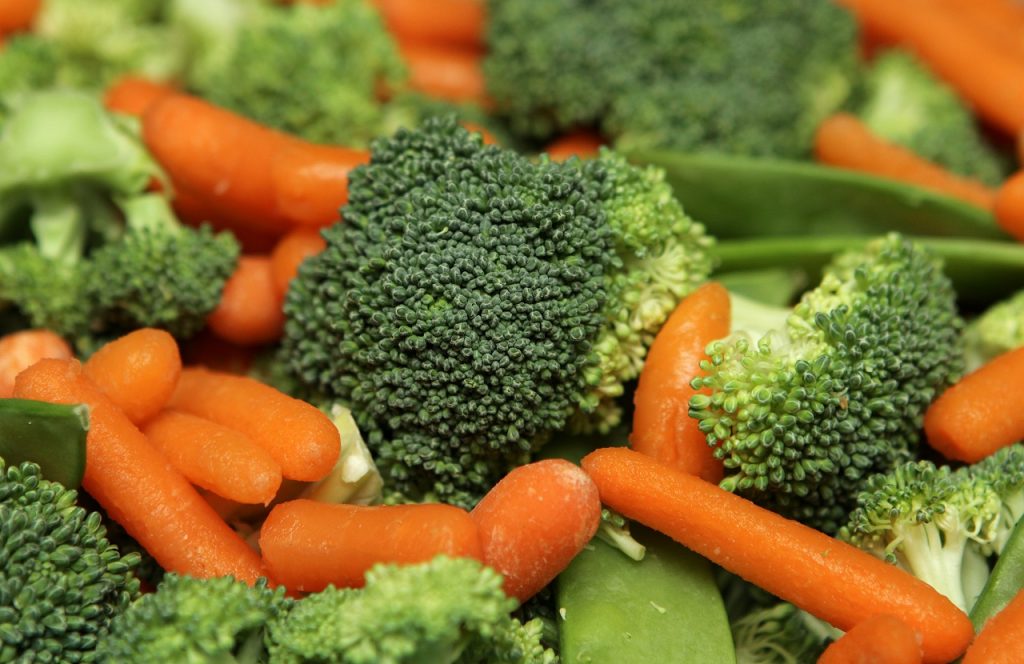
top vegetablesWhile discussing vegetables, a whole bunch of vibrant plant food comes to mind, each unique with different shapes and sizes. Many times, we stand confused in front of a grocery store or feel lost in a vegetable market, thinking which vegetables to pick! Each vegetable has its own benefits and more the variety you add to your diet, the greater the benefits!

I have chosen 5 vegetables which we can call the “first among equals” and I will also talk about their hidden benefits!

1. Spinach

Do you remember what happened every time Popeye the Sailor Man consumed a can of spinach? He got pumped! Well, in reality, you won’t get iron fists as instantly as Popeye, but the whole thought is just indicative of the hidden reservoir of iron present in this dark green leafy vegetable. It’s not just iron, spinach is also a powerhouse of essential vitamins like Vitamin C, K, minerals such as Magnesium, Calcium and is loaded with fiber.

One cup of raw spinach (30g) provides 56% of your daily Vitamin A requirement plus your entire day’s Vitamin K requirement, all for just 7 calories. It is also very effective in optimising sugar levels in diabetics because of its high fiber and richness in antioxidants like alpha-lipoic acid which is found to increase insulin sensitivity in the body.

Spinach is also heart friendly and lowers blood pressure in hypertensive individuals because of its good potassium content. The micronutrients present in it also strengthens your bones and joints, improve digestion and make your skin and hair healthy and glowing.

Tips to consume:

  • You can cook it in Indian style curry with paneer, peas or add in non-veg curries like chicken saag.
  • Make parathas stuffed with spinach.
  • Grill and toss them into salads or sandwiches.
  • Blend them with some citrus fruit to make a smoothie.
  • Add a dash of lemon to spinach curries or have spinach with citrus fruits to get the Vitamin C for better absorption of iron – especially if you are consuming it with a purpose to increase haemoglobin levels!

2. Carrot

We were always told that carrots are good for the eyes! This is not a myth. It is absolutely true. 100g of carrots can fulfil more than 100% (around 334%) of daily Vitamin A requirement, which is essential for eyesight. But their benefits branch out to more! It has the antioxidant beta-carotene (which gives carrots their vibrant orange color) is found to be very effective in preventing a variety of cancers

The sodium content of carrot is quite low (69g per 100g) while potassium content is superb (320mg). This makes it an ideal choice for hypertensive individuals to reduce blood pressure.

Tips to consume:

  • Add shredded carrots to salad, wraps, cutlets, cakes, muffins
  • Munch on carrot sticks as snacks with healthy dips like hung curd, hummus
  • Juice it with a fruit and another vegetable to make a detox drink

3. Broccoli

Broccoli, which comes from the cruciferous vegetables family is considered as one of the world’s healthiest vegetables. The antioxidant sulforaphane, which is responsible for its bitter taste is found to be very effective in protecting or delaying the growth of cancerous cells.

When it comes to Vitamin C rich food, most people think about citrus fruits only but 100g of these green florets also fulfils 148% of your total day’s Vitamin C requirement. Isn’t that amazing?

Apart from boosting your immunity levels, natural Vitamin C helps regenerate the damaged skin cells, reduce the progress of wrinkles formation by promoting collagen formation and detoxifies the skin cells, making the skin look healthier and lustrous. And all these benefits come with very few calories.

Tips to consume:

  • Keep it simple. Overcooking Broccoli destroys its flavour and also the antioxidants. Simply sauté it with vegetable oils like olive oil, add a dash of lemon and pepper and have it with hummus or tahini sauce.
  • You can also roast it and add it to your wrap or top it on wheat bread based pizza.

4. Bitter Gourd

Popular among diabetics, Bitter Gourd is known for its insulin regulating effect. Almost every diabetic person has the habit of consuming bitter gourd juice in the morning or include it in cooked form regularly. Its glycemia controlling property has been proven by several scientific studies. Apart from that, it also carries a variety of hidden benefits.

These benefits include protection from cancerous growth and regeneration of healthy cells in the body. Its richness in dietary fibers (one cup provides around 8% of total day’s dietary fiber intake), with very less calories makes it a strong contender in weight loss diet plans. The folate and fibers present in it are found to be very effective in reducing LDL (bad cholesterol) and Triglyceride levels in the blood.

Tips to consume:

  • Juice Bitter Gourd along with sweet flavoured fruits such as apples, add a dash of lemon and have a power-packed drink.
  • Stir fry bitter gourd alongside other fiber-rich vegetables like bell peppers, babycorn, shredded paneer, etc. for a low carbohydrate, nutrient filled meal.
  • Stuff with ground meat or vegetables and steam it until tender.

5. Ginger

It is one of the most common spices present in almost every Indian kitchen! Apart from its distinctive flavour and aroma, ginger has been used for medicinal purposes for centuries! Its potent anti-inflammatory action acts as a protective shield for the body cells from the damage due to dust, pollutants and germs. With this anti-inflammatory action, ginger is helpful in reducing osteoarthritis pain and exercise induced muscle soreness. Apart from preventing and curing various infections, ginger is quite effective in improving digestion. Several studies have found that intake of ginger has reduced nausea and bloating as ginger works in improving the gastric emptying time!

Tips to consume: Apart from adding it in different curries, ginger can be used in the form of ginger tea, ginger powder or added to sesame oil for topical use.

We hope this article helps you choosing your veggies from the grocer! If you have any allergies or medical condition, consult your doctor or nutritionist before consuming these. You can also reach out to your GOQii Doctor via the GOQii app. For further guidance speak to a certified expert by subscribing to GOQii’s Personalised Health Coaching here.

What’s your favorite vegetable? Let us know in the comments below.

#BeTheForce
April 26, 2024 By Vandana Juneja Leave a Comment

Millets: The Super Grain of Summer – Your Ally in Health and Coolness

With summer’s warmth intensifying, it’s time to rethink our dietary choices to ensure we stay vibrant and well-hydrated. Amongst a myriad of nutritional options, millets emerge as a veritable treasure trove of health benefits, rightfully earning their status as the season’s super grain. So let’s embark on an exploratory journey into the realm of millets, our potential partners in beating the heat.

Understanding Millets: The Ancient Grain for Modern Times

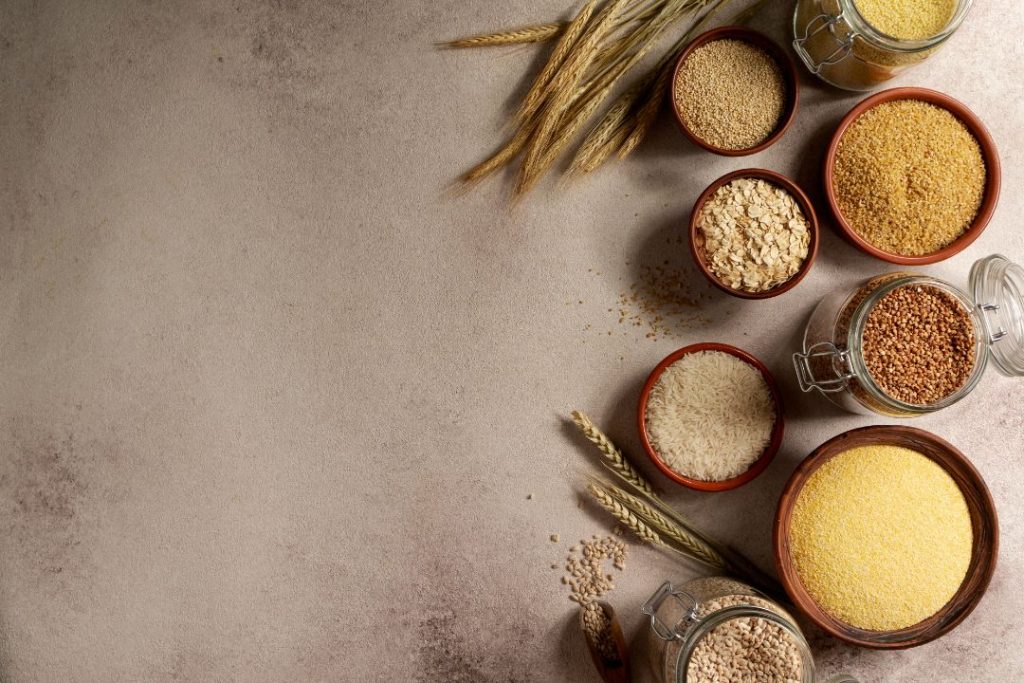
Belonging to a family of small-seeded grasses, millets are more than just a culinary choice—they’re a heritage, cultivated as a staple across Asia and Africa for centuries. With a spectrum ranging from pearl and foxtail to finger millet and sorghum, each variety offers a unique burst of flavor and a wealth of nutrition.

The Summer Advantage of Millets: Beyond Just Beating the Heat

Natural Coolants: These humble grains possess natural cooling properties, making them the ideal choice for sultry days. Rich in composition that balances body heat, millets are not just about sustenance; they’re about keeping you naturally cool and preventing the discomfort of heat waves.

Dietary Powerhouses: Don’t let their size fool you; millets are nutritional giants. Packed with protein, fiber, vitamins, and minerals, they ensure your body receives a holistic blend of nutrients, fortifying your health and vitality.

Guardians of Digestion: With a fiber content that champions digestion, millets can keep the common summer woes of constipation and indigestion at bay. They’re the friends your gut needs when the heat threatens to disrupt your digestive harmony.

Allies in Weight Management: Those on the journey of weight maintenance or reduction will find a loyal ally in millets. Their satiating fiber keeps hunger pangs in check, helping you manage your appetite and caloric intake effortlessly.

A Haven for the Gluten-Sensitive: As gluten intolerance becomes more prevalent, millets rise to the occasion as a stellar gluten-free substitute. They pave the way for culinary diversity, ensuring that dietary restrictions don’t limit the joy of eating.

Revamping Summer Diets with Millets: A Guide to Your Seasonal Well-being

Sorghum Millet (Jowar): A robust grain, jowar is a staple in the culinary world, commonly transformed into hearty rotis and bread. Loaded with nutrients like policosanols, sorghum is a protein and fiber-rich grain that aids in cholesterol management and weight loss. It’s a viable wheat alternative for those with gluten intolerance, offering rich sources of vitamin B1 and essential macro nutrients to boost metabolism.

Sorghum Upma: Soak and grind sorghum, then cook it with onions, tomatoes, green chilies, ginger, and veggies. This gluten-free upma is not only delicious but also nutritionally rich and perfect for a summer meal.

Kodo Millet (Koda or Arke Millet): Renowned for its nutrient density, kodo millet is an excellent alternative to traditional grains like rice and wheat. It’s rich in proteins, fiber, complex carbs, calcium, and polyphenols. Known for its cooling properties, kodo millet is ideal for summer consumption, contributing to lower sugar levels, weight management, and blood pressure control.

Kodo Millet Pulao: Soak the millet, then prepare it with onions, garlic, chili, tomatoes, carrots, peas, and spices. A simple pressure cook delivers a fluffy and aromatic dish ready in under an hour.

Foxtail Millet (Kangni): Foxtail millet is a powerhouse, teeming with complex carbs, proteins, fibers, and a spectrum of vital minerals and vitamins. With its low-fat content and gluten-free attribute, it’s perfect for those with dietary restrictions. Its health benefits are numerous, acting as a brain booster, bone strengthened, energy provider, and beauty enhancer.

Foxtail Millet Dosa Recipe: Begin your journey with a simple and nutritious Foxtail Millet Dosa. Soak foxtail millet, urad dal (black gram), and poha (flattened rice) for 4-6 hours. Grind these into a smooth batter, season with salt, and let it ferment overnight. When ready, heat a skillet, pour the batter thinly and cook until golden brown on each side. Serve this crispy dosa hot with your favorite chutney for a delightful meal.

Finger Millet (Ragi): A staple among health enthusiasts, Finger Millet, or Ragi, is celebrated for its high protein and amino acid content. This gluten-free grain is an excellent substitute for rice or wheat, packed with calcium, iron, and fibre, promoting bone health, aiding digestion, and helping regulate blood sugar levels. Incorporate ragi into your diet through porridge, rotis, and dosas for sustained energy and improved well-being.

Ragi Buttermilk Malt Recipe: For a refreshing drink, try the Ragi Buttermilk Malt. Mix ragi flour with water and cook with mustard seeds, asafoetida (hing), chili, and curry leaves until the mixture thickens. Separately, season buttermilk with salt, combine it with the cooked ragi mixture, bring to a boil, and serve hot. This nutritious malt drink is both comforting and healthy.

Barnyard Millet (Sanwa Rice): Known as Sanwa rice, Barnyard Millet is rich in protein, calcium, iron, and B vitamins. Its low carbohydrate content and gluten-free properties make it an ideal choice for those managing gluten sensitivities, diabetes, or cardiovascular conditions. Barnyard millet is often used as a nutritious rice substitute and is best prepared as porridge to maximize its health benefits.

Barnyard Millet Khichdi Recipe: For a wholesome meal, try Barnyard Millet Khichdi. Rinse and soak barnyard millet and mung dal for 30 minutes. In a cooker, sauté onions, ginger, garlic, and chili. Add tomatoes, turmeric, and salt. Stir in the soaked millet and dal, add water, and pressure cook for 3-4 whistles. Garnish with fresh coriander and serve hot for a nutritious and comforting dish.

These millet recipes not only offer a variety of health benefits but also introduce new flavors and textures to your diet, making your culinary experience both enjoyable and healthy.

Adding millets to your summer diet brings numerous health advantages and provides tasty, nutritious meals. Whether you aim to stay cool, boost digestion, manage your weight, or just try new recipes, millets are a flexible and healthy option for the warmer months. Dive into the benefits of millets this summer to enrich your nutrition and rejuvenate your body.

We hope this article helps you. For further information or guidance, reach out to our certified experts by subscribing to GOQii’s Personalised Health Coaching here.

#BeTheForce 

April 21, 2024 By Vaishali Khanna 2 Comments

Sleep Apnea, its symptoms and how you can prevent it?

Sleep-Apnea-700x400

Has anyone ever told you that you have a tendency to snore? Or maybe you don’t…but you have a partner or family member who does? Do you find that you tend to wake up throughout the night? Or maybe you think you get good sleep, but you consistently find yourself with a dry mouth in the morning?

These are all signs that could suggest that you (or…your beloved snoring family member) may have something called “Sleep Apnea.” Well, there are people who cannot sleep without a machine and that is because they suffer from a medical condition called ‘Sleep Apnea’.

Let’s actually break this down. What is Sleep Apnea?

The most common type of Sleep Apnea is ‘Obstructive Sleep Apnea’ (OSA). OSA is a potentially life-altering and life-threatening breathing disorder that occurs during sleep.

The upper airway repeatedly collapses, causing cessation of breathing (apnea) or inadequate breathing (hypopnea) and sleep fragmentation. The breathing stops during sleep for 10 seconds to a minute or longer. Oxygen levels in the blood decrease.

One challenge with something like this is that you may not necessarily wake up entirely. So it’s not always easy to self-diagnose. BUT – Sleep fragmentation results in chronic daytime sleepiness (which you would expect if you’re constantly getting interrupted throughout the night). This disrupts healthy sleep and causes a number of short-term and long-lasting effects that threaten the health and well-being of those who suffer from the condition.

How many people have OSA? The prevalence of OSA in the general population is still unclear. Several epidemiological studies have attempted to examine this issue. Epidemiological data from Young, Palta, Dempsey, et. Al (1993) in a study paper titled:- Obstructive sleep apnea syndrome: natural history, diagnosis, and emerging treatment options, estimated that in a group of 602 middle-aged individuals 2% of women and 4% of men meet the minimal diagnostic criteria for sleep apnea with excessive daytime sleepiness.

People most likely to have or develop OSA may have any of the following:

  • Obesity, especially in the upper body
  • Small upper airway due to excess throat tissue or abdominal jaw structure
  • Nasal Obstruction
  • High Blood Pressure
  • Family History of OSA
  • Overweight Obese individuals

Obesity, particularly abdominal and upper body obesity is the most significant risk factor for obstructive sleep apnea. Excess body fat on the neck and chest constricts the air passageways and sometimes the lungs – thus setting the stage for interrupted breathing during the night. And according to the research…The more obese a person, the greater the risk of apnea.

The good news is that there are some general things that can make a big difference.

This includes:

Losing some weight, if you are overweight or obese (even as little as 5% of your body weight can make a change)

Avoid alcohol, sedatives, and hypnotics (as they can sedate the very muscles we need to breathe)

Sleeping on your side or in a semi propped position

If you have sleep apnea, do not take sleep medicines or sedatives. These chemicals will increase the relaxation in the tissues of the upper airway and make the obstruction worse. The specific treatment for obstructive sleep apnea is usually a mask worn at night to keep the airway open or using a sleep machine that can help you breathe and sleep properly.

If OSA is left untreated, it can increase the risk of developing:

  • Hypertension
  • Cardiac Arrhythmias
  • Myocardial Ischemia
  • Stroke Pre-diabetes
  • Decreased quality of life (because who wants to feel sleep deprived?)

Weight loss is frequently recommended to improve OSA among obese patients. Not only does sustained weight loss improve OSA, it also improves many other independently linked comorbidities such as Hypertension, High Cholesterol, and Diabetes. The greater the change in body weight or waist circumference, the greater is the improvement in OSA

Prioritize your sleep health by recognizing the symptoms of sleep apnea and implementing preventative measures. Share your experiences and insights on managing sleep apnea in the comments below. For personalised advice and support, consult a healthcare professional specializing in sleep disorders or reach out to our certified experts by subscribing to GOQii’s Personalised Health Coaching here.

#BeTheForce

April 19, 2024 By Roopa Tandur Leave a Comment

12 Low Glycemic Index Fruits For Diabetics

glycemic indexDiabetes is a condition that impairs the body’s ability to process blood glucose, also called blood sugar. Blood glucose, which is sugar concentration, is our main source of energy and comes from the food we eat. Insulin, a hormone made by the pancreas, helps glucose from food get into our cells to be used for energy. Absence or insufficient production of insulin, or an inability of the body to properly use insulin causes diabetes. The glycemic index (GI) tells us how quickly foods containing carbohydrates affect our blood sugar level when eaten



  • Low GI foods: 55 or below
  • Moderate GI foods: 56 to 69
  • High GI foods: 70 and above

Fruits With Low Glycemic Index 

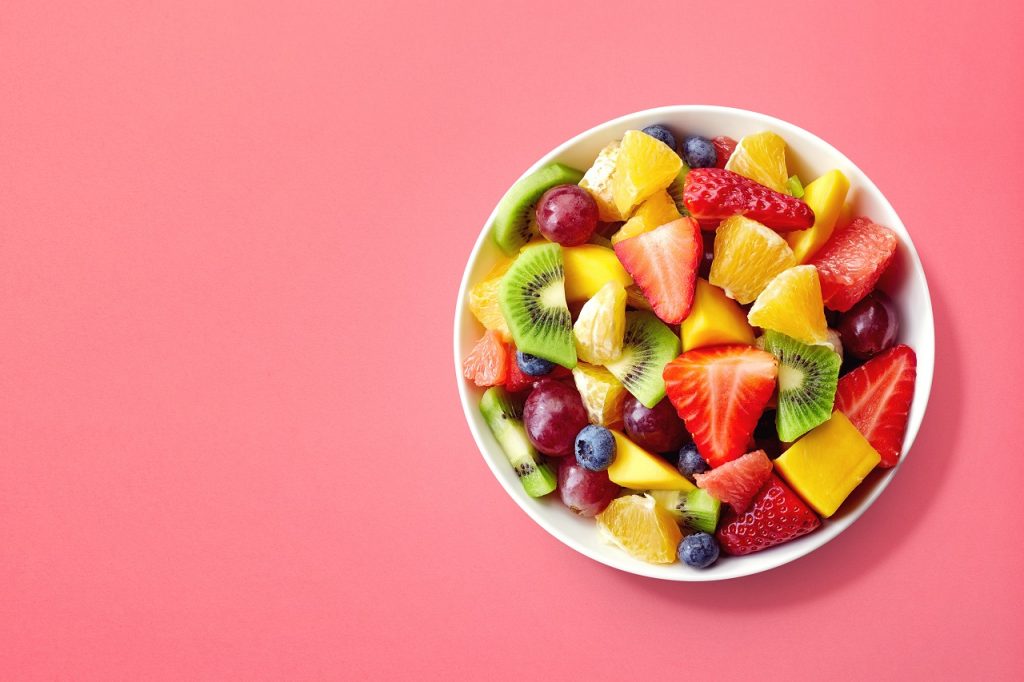
The lower the GI score, the more slowly the rise in blood sugar, which can help the body manage post-meal changes better. Most whole fruits have low to moderate GI levels. Many fruits are also packed with antioxidants, micronutrients and fiber as well. Here are a few low GI fruits which diabetics can have without worrying about the sudden rise in blood sugar levels post consumption:

  1. Cherries: are high in potassium and packed with antioxidants, which will give your immune system a boost. Because cherries are not available fresh all round the year, they can be processed before storing them for a long time. Cherries contain anthocyanins that give the cherries its colour, also boost cells insulin production by 50%.
  2. Pears: are a good source of fiber and provide 20% of our daily recommended fiber intake. Pears can be enjoyed as fresh fruit or gently baked. More interesting is they can also be included in salads for a good twist.
  3. Oranges: are good sources of Vitamin C, folate and potassium. There is also plenty of healthy fiber in an orange which takes longest to break down and digest. This enables slow release of sugar into the bloodstream, which would further ensure that your blood glucose levels are stable for a long period of time
  4. Strawberries: Strawberries are a good source of Vitamin C, they help in improving immunity, fight against certain types of cancer and improve metabolism, promoting weight loss. Strawberries give you more Vitamin C than an orange when taken in the same quantity. They also have a low glycemic index, hence, it is slowly released in the bloodstream as glucose.
  5. Grapefruits: are citrus-based fruits with a glycemic index of 25. They are packed with a range of vitamins and minerals. They have a bitter to sour taste and can be taken as whole fruit or made into juice. Grape fruit is a very good source of Vitamin A and C. It helps improve immunity and helps maintain healthy functioning of the heart and is good for digestion. 
  6. Guava: is a very healthy food choice for diabetics, as it can easily be included in snacks without the fear of sudden raise in blood sugar levels. It is a very good source of fiber which helps relieve constipation, which is a common complaint of many diabetics. Having this fruit regularly can easily lower the chance of developing Type II Diabetes.
  7. Watermelon: is a good source of Potassium. Foods high in potassium improves functioning of vital organs like the heart and kidney. People with diabetes easily observe that their uric acid levels are higher. This can be prevented by including watermelon in their diet which improves kidney functioning and reduces uric acid levels and further damage of the kidneys. Water melons are also a good source of lycopene which prevents nerve damage which is a common complaint of people with diabetes.
  8. Papaya: is a great fruit choice for diabetics as it is available round the year and can be incorporated in the diet very easily. Papayas have a host of nutrients and antioxidants, which when consumed, reduce the risk of heart disease, cancer, lowers BP and also aids good digestion. Papaya is also a good source of fiber and helps lower blood glucose levels and manage diabetes.
  9. Grapes: are a good choice of fruit for diabetes as it helps reduce blood sugar levels easily. They come in many colours and varieties, you can have them easily between meals as snacks and can be included in many dishes for its tangy taste. Grapes are a rich source of a phytochemical called Resveratrol which keeps a check on how the body secretes and uses insulin in response to blood glucose levels.
  10. Avocado: Adding a serving of avocado to your diet may help you lose weight, lower cholesterol, and increase insulin sensitivity. Avocados are low in carbohydrates, which mean they have little effect on blood sugar levels. One half of a small avocado contains about 5.9 grams of carbohydrate and 4.6 grams of fiber. They are also packed with healthy fats which give you a feeling of fullness for a longer time, thereby supporting weight loss and increasing insulin sensitivity. 
  11. Kiwi: Many researchers have proved that including Kiwi in your diet helps lower blood sugar levels. Kiwis are loaded with Vitamin A, C, E and fiber which makes it a good choice of fruits for diabetics. Kiwi also helps relieve insomnia which many people with diabetes complain due to long term diabetes and anxiety. 
  12. Black Jamun: This fruit has a bitter taste and is one of the best fruits for people suffering from diabetes. It not only controls your blood sugar level but also enhances the insulin activity and sensitivity. This fruit can be included in the form of juice or powder as well, which is equally beneficial in managing blood sugar levels.

No matter which fruit one includes, portion control is important. While it can vary depending on the size and type of the fruit, in general, one portion of fruit which is one piece of whole fruit or 1/2 cup of sliced fruit contains around 15 grams of carbohydrates, which is considered as one carbohydrate serving. 

We hope this article on Low Glycemic Index Fruits for Diabetics helps you! Do leave your thoughts in the comments below. For more on Diabetes, check out our other articles on Healthy Reads. To help you manage Diabetes and get expert advice on nutrition, exercise, sleep and well being – all aimed at reducing your HbA1C Levels, subscribe for the GOQii Diabetes Care Program here.

#BeTheForce 

  • « Previous Page
  • 1
  • …
  • 26
  • 27
  • 28
  • 29
  • 30
  • …
  • 100
  • Next Page »

Search

Recent Posts

  • India Leads in Longevity: GOQii Sanjeevini Named Top 40 in $101M XPRIZE
  • The Importance Of Knowing If You’re Thirsty Or Hungry
  • Best Foods To Alleviate Irritable Bowel Syndrome
  • ALL ABOUT VERTIGO!
  • PCOS and Anxiety: Discover Relief with the 54321 Technique

Stay Updated

Archives

  • December 2025 (8)
  • November 2025 (15)
  • October 2025 (20)
  • September 2025 (6)
  • August 2025 (6)
  • July 2025 (12)
  • June 2025 (18)
  • May 2025 (16)
  • April 2025 (23)
  • March 2025 (23)
  • February 2025 (22)
  • January 2025 (26)
  • December 2024 (26)
  • November 2024 (25)
  • October 2024 (22)
  • September 2024 (24)
  • August 2024 (31)
  • July 2024 (21)
  • June 2024 (26)
  • May 2024 (31)
  • April 2024 (27)
  • March 2024 (29)
  • February 2024 (26)
  • January 2024 (25)
  • December 2023 (15)
  • November 2023 (11)
  • October 2023 (20)
  • September 2023 (22)
  • August 2023 (20)
  • July 2023 (22)
  • June 2023 (24)
  • May 2023 (24)
  • April 2023 (24)
  • March 2023 (23)
  • February 2023 (20)
  • January 2023 (16)
  • December 2022 (12)
  • November 2022 (15)
  • October 2022 (15)
  • September 2022 (12)
  • August 2022 (10)
  • July 2022 (17)
  • June 2022 (11)
  • May 2022 (10)
  • April 2022 (6)
  • March 2022 (6)
  • February 2022 (13)
  • January 2022 (12)
  • December 2021 (7)
  • November 2021 (3)
  • October 2021 (6)
  • September 2021 (3)
  • August 2021 (8)
  • July 2021 (7)
  • June 2021 (15)
  • May 2021 (16)
  • April 2021 (10)
  • March 2021 (7)
  • February 2021 (4)
  • January 2021 (4)
  • December 2020 (3)
  • November 2020 (4)
  • October 2020 (10)
  • September 2020 (3)
  • August 2020 (3)
  • July 2020 (2)
  • June 2020 (4)
  • May 2020 (10)
  • April 2020 (12)
  • March 2020 (10)
  • February 2020 (4)
  • January 2020 (4)
  • December 2019 (3)
  • November 2019 (7)
  • October 2019 (5)
  • September 2019 (4)
  • August 2019 (9)
  • July 2019 (9)
  • June 2019 (11)
  • May 2019 (4)
  • April 2019 (9)
  • March 2019 (8)
  • February 2019 (9)
  • January 2019 (8)
  • December 2018 (9)
  • November 2018 (3)
  • October 2018 (3)
  • September 2018 (5)
  • August 2018 (10)
  • July 2018 (6)
  • June 2018 (13)
  • May 2018 (8)
  • April 2018 (18)
  • March 2018 (9)
  • February 2018 (8)
  • January 2018 (15)
  • December 2017 (12)
  • November 2017 (19)
  • October 2017 (13)
  • September 2017 (15)
  • August 2017 (4)
  • July 2017 (8)
  • June 2017 (7)
  • May 2017 (6)
  • April 2017 (8)
  • March 2017 (6)
  • February 2017 (7)
  • January 2017 (9)
  • December 2016 (10)
  • November 2016 (7)
  • October 2016 (7)
  • September 2016 (7)
  • August 2016 (11)
  • July 2016 (9)
  • June 2016 (9)
  • May 2016 (12)
  • April 2016 (17)
  • March 2016 (17)
  • February 2016 (8)
  • January 2016 (6)
  • December 2015 (2)
  • November 2015 (9)
  • October 2015 (7)
  • September 2015 (9)
  • August 2015 (11)
  • July 2015 (9)
  • June 2015 (12)
  • May 2015 (9)
  • April 2015 (13)
  • March 2015 (8)
  • February 2015 (5)
  • January 2015 (12)
  • December 2014 (14)
  • November 2014 (11)
  • October 2014 (6)
  • September 2014 (13)
  • August 2014 (12)
  • July 2014 (6)
  • June 2014 (2)
  • May 2014 (7)
  • April 2014 (5)

From “Laddu Nawin” to Fit and Fierce: How a 25-Year-Old Insurance Advisor Shed 20 Kilos and Gained His Life Back

When 25-year-old Nawin Yadav from Hyderabad walked into his office every morning, he carried more than just his files and policy papers. He had the weight of fatigue, sluggish energy, and an ever-growing belly that was becoming the butt of jokes. “People … [Read More...]

“I’ve Challenged Myself to Live 100 Years” – The Story of Chandubhai Savani’s Second Chance at Life

At 67, most people start slowing down. Not Chandubhai Savani. A resident of Surat, Chandubhai, thought life was on track. “My life was going well till I had my bypass surgery,” he says. That surgery, back in 2021, was a wake-up call.  Medication was routine, but exercise wasn’t. His diet? What he calls ‘normal.’ “I […]

From Shimla’s Slopes to Chandigarh’s Sidewalks: Surinder Kaur Bhalla’s Journey from Chaos to Control

Some journeys start with a plan. Others begin with a stumble literally. Surinder Bhalla, a government professional, born and raised in the scenic hill town of Shimla, had always lived a life of movement. “In Shimla, you walked everywhere,” she reflects. “Walking was never an exercise. It was just life.” But after shifting to Chandigarh, […]

Ananda Mukherjee Health Story

From Terminal Illness To Complete Wellness! Ananda Mukherjee Health Story

As we observe World Cancer Day under the powerful theme ‘United by Unique’ (2025-2027)**, we are reminded that every individual’s journey with cancer is distinct, yet united by shared resilience, hope, and the collective fight against this disease. This theme places people at the centre of care and their stories at the heart of the […]

  • HOME
  • HEALTHY LIVING
  • FITNESS
  • HEALTHY RECIPES
  • USER STORIES
  • KARMA
  • BUY GOQii

Copyright ©2016 GOQii
