
GOQii

Blog

  • HOME
  • HEALTHY LIVING
  • FITNESS
  • HEALTHY RECIPES
  • USER STORIES
  • KARMA
  • BUY GOQii

Search Results for: supplements

November 22, 2025 By Monika Raj Leave a Comment

Why Is Folic Acid Necessary During Prenancy?

folic acid during pregnancyHaving a healthy baby means ensuring you’re healthy too. One of the most important things you can do to prevent birth defects in your baby is to get enough folic acid in a day, especially before conception and during early pregnancy. Most birth defects occur during the first 28 days of pregnancy, usually before a woman even knows she’s pregnant. If you’re pregnant or trying to get pregnant, it’s critically important to have enough folic acid, a synthetic sort of vitamin B9, also referred to as folate.

Why Is Folic Acid So Important? 

Folic acid helps prevent ectoderm defects (NTD) – serious birth defects of the medulla spinalis (like spina bifida) and therefore, the brain (anencephaly). The ectoderm is a part of the embryo from which the spine and brain develop. Neural tube defects occur at an early stage of development, before many ladies even know they are pregnant, which is why it is vital to start taking folic before you start trying to conceive.

Your body also needs it to form normal red blood cells and stop a kind of anaemia. It is also essential for the assembly, repair, and functioning of DNA, our arrangement, and a basic building block of cells. It is particularly important for the rapid cell growth of the foetus.

The CDC recommends that you simply start taking folic acid tablets a day, for a minimum of a month before you become pregnant, and each day while you’re pregnant. When getting pregnant, women who have already had a pregnancy suffering from an ectoderm defect, should consult their healthcare provider.

How Much Of It Do You Need? 

Every woman of reproductive age must get Folic acid per day , whether she is planning pregnancy or not. The recommended dose for all women of childbearing age is 400 mcg of folate every day . If you’re taking a multivitamin a day , check to ascertain if it’s the recommended amount.

  • While you’re trying to conceive: 400 mcg
  • For the primary three months of pregnancy: 400 mcg
  • For months four to nine of pregnancy: 600 mcg
  • While breastfeeding: 500 mcg

If you’ve already had a baby with an ectoderm defect, getting enough vitamin B9 may reduce your risk of getting another child with a ectoderm defect by as much as 70%. When taken before and through pregnancy, Folic acid  also protect your baby against:

  • Cleft lip and palate
  • Premature birth
  • Low birth weight
  • Miscarriage
  • Poor growth in the womb

Some rice, pasta, bread, and breakfast cereals are fortified with folic acid. These foods are labelled “enriched.”  may be a specific sort of folate that doesn’t generally occur naturally. Foods rich in folic acid include leafy vegetables like spinach, lettuce, etc. and fruits like oranges, tomatoes, papaya and avocado. In addition to eating foods with folate from a varied diet, women can get the required dosage from: 

  • Supplements that have folic acid 
  • Eating fortified foods
  • Getting a combination of the two: taking a vitamin that has folic acid in it and eating fortified foods.

If you are taking folic acid every day, take it at the same time each day, either in the morning or in the evening. Take your  tablets with a glass of water. You can take  them with or without food.

If you forget to take the required dose, take it as soon as possible.  Proper and adequate intake of folate rich foods makes a healthy baby and a cheerful family. Eat right and stay healthy.

If this article helped you, let us know in the comments below! Don’t forget to share it with someone who may need it. You can find more articles on Women’s Health here. You can also use the Women’s Care feature in the GOQii App to track your menstrual cycles, pregnancy and more. Download the app now. 

#BeTheForce 

Disclaimer: The information provided in this blog is for general awareness and educational purposes only. It is not intended to replace professional medical advice, diagnosis, or treatment. Always consult a qualified healthcare provider for personalised medical guidance or concerns related to your health. Images shown are for representation purposes only and may not depict the exact recommendations or outcomes.

October 31, 2025 By Nahid Khilji 4 Comments

Natural Skincare For Healthy, Glowing Skin!

Natural SkincareOne is always on the lookout for that “miracle cream” that will make our skin glow and brighten our complexion. Most of us, in a literal sense, abuse our skin. We expose our facial skin to various creams, lotions and skincare treatments. We often take it for granted, yet our skin is a vital organ that regulates our body’s temperature and protects us from bacteria and viruses that cause infectious diseases.
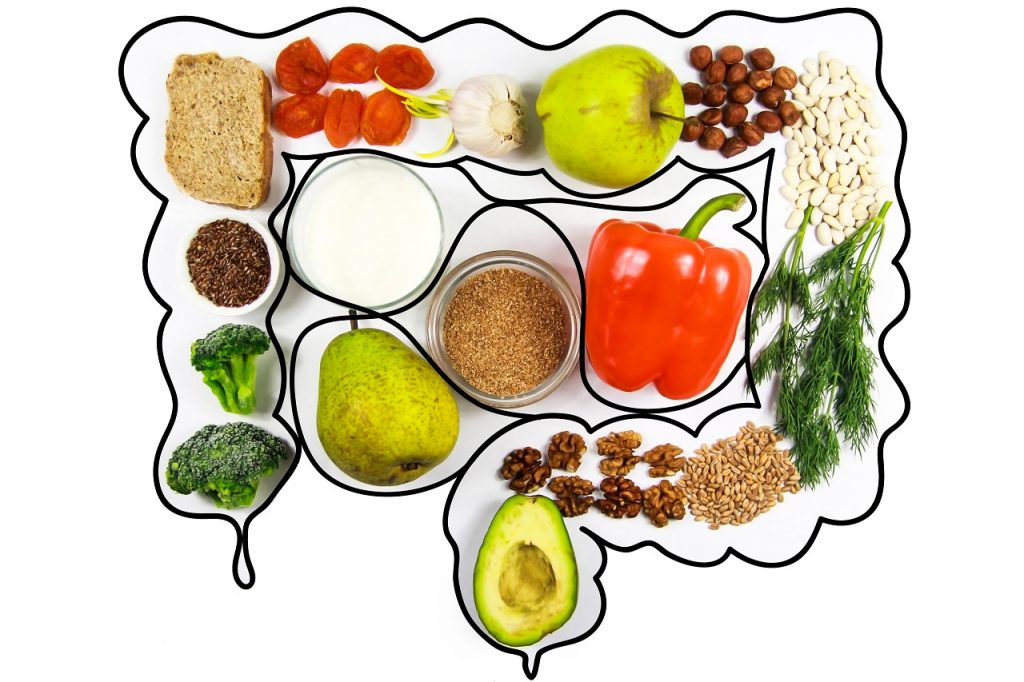
We often give much attention to our facial skin for obvious reasons. But, we should definitely try to maintain and keep our entire skin healthy rather than focusing only on the face.

There are many superficial skincare treatments available in the market to bring a glow to your skin. However, as a dietician, I will be showing you ways to keep your skin healthy with foods found in your kitchen itself.

You will be surprised to know that there is a strong link between the food you eat and the health of your skin. Your food choices are literally reflected on your skin!

Vitamins

Vitamins like B complex, A, D, E, and C are known to play an important role in maintaining healthy skin. Many of these function as antioxidants or are found in foods rich in phytochemicals. These properties help protect the skin from oxidative damage caused by stress, pollution, and the body’s own internal reactions, as well as helping to ward off bacterial and viral invasions.

Nutrition Tips for Skincare

  • Eat at least 5-6 servings of fresh fruits and vegetables daily
  • Make your salad more colorful! The more colors you add, the more it benefits your skin
  • Try drinking Amla (Indian Gooseberry) juice every day. I would say, “An Amla a day, keeps the dermatologist away”
  • Drink fresh fruit juices. Try a different juice every week. For instance, juices you could try include Cranberry, blueberry and orange juice, etc.

Supplementation for Skincare

Supplementation helps in maintaining healthy skin. Beyond just cosmetics, many dermatologists now recommend nutritional supplements to tackle issues like acne. Supplementation with multivitamins and omega-3 fish oil capsules has shown positive effects on skin.

Supplementation is needed when a person’s daily requirement of a certain nutrient is inadequate. Hence, before starting off with any nutritional supplement, consult your dietitian.

Foods to Avoid

As mentioned above, the kind of food we eat reflects on our skin. Junk food, fatty foods, carbonated drinks, alcohol, and refined products affect your skin. This can be attributed to the fact that these foods have a negative impact on health by hindering the absorption of certain nutrients. Also, smoking can accelerate the ageing process, causing premature wrinkles.

Water Intake

This is tried and tested all over and also considered a “Gharelu Nuska” – meaning home remedy. Drinking enough water and maintaining good hydration retains the moisture of the skin. Drinking adequate water clears out toxins and waste from the body, keeping it healthy. This is, in turn, reflected in the skin.

Stress and Sleep vs. Skin

Ever wondered why you can see acne on your face when you are stressed? Research has shown a positive link between stress and its effects on the skin. Getting a good night’s sleep and de-stressing yourself from the everyday routine can be helpful and can also improve your skin. Insufficient sleep causes dark circles around the eyes.

Early morning yoga outdoors will not only reduce your stress level but will also give you your daily dose of Vitamin D. There is research that shows a strong link between stress and skin ageing. I am sure nobody wants to look old, right? Try de-stressing yourself every time you find it’s taking a toll on your health.

Exercise and Skincare

It is the key to healthy skin! We are well aware of the benefits of exercise and cardiorespiratory fitness, but little do we know about its effect on the skin. Regular exercise helps in regulating blood flow to our entire body, especially the skin. Blood not only carries oxygen but it also carries nutrients to our cells. By increasing the blood flow, exercise nourishes skin cells, keeping them healthy and vital!

Nutrition is one of the important components that modulate the vibrancy of your skin. As a dietician, I believe we should stop taking our skin for granted. We need to think beyond creams, makeup, and laser treatments. Nourish your skin not through chemicals but with proper nutrition, regular exercise, and good sleep!

We hope you found these insights helpful in your journey to healthier, more vibrant skin. Feel free to share your thoughts in the comments below. For more skincare tips and guidance, explore Healthy Reads or ask a GOQii Coach by subscribing for Personalised Health Coaching here.

#BeTheForce

Disclaimer: The information provided in this blog is for general awareness and educational purposes only. It is not intended to replace professional medical advice, diagnosis, or treatment. Always consult a qualified healthcare provider for personalised medical guidance or concerns related to your health. Images shown are for representation purposes only and may not depict the exact recommendations or outcomes.

June 6, 2025 By Luke Coutinho 6 Comments

Digestion: The Secret to Losing Weight

digestionHow often are you worried about that sneaky fat creeping up around your mid-section, a bloated belly after meals or low energy sabotaging your workout? What do all of these have in common? They reflect the direct relationship between sluggish digestion, slow metabolism, and weight gain. Overeating during the holidays and less physical activity means this process can really snowball in the winter.

The Good News!

By increasing digestive efficiency through diet, lifestyle and targeted supplements, we can effectively shed excess fat, boost metabolism and support nearly every other aspect of health in the process.

Good digestion goes beyond the idea that “You are what you eat”.

Digestion is at the very centre of our core health. It lays the foundation for health, happiness, and wellbeing. We now have greater insight into the many roles digestion plays in immunity, hormone balance and even mental and emotional health.

Traditional healing systems, especially those from Asia, have long recognised these relationships. In fact, many Eastern medical systems treat nearly every condition by first addressing the digestive system. Often, when we optimise it, everything else falls into place – especially the bathroom scale.

Herbs & Supplements For Digestion 

The relationship between herbs and supplements is clear – many nutrients and herbs that support digestion also boost metabolism. They do this by promoting mitochondrial function while improving the breakdown and absorption of nutrients.

Some digestive-supporting herbs and ingredients also increase enzyme activity, improve circulation, and help soothe inflammation in the digestive tract and beyond.

Black Pepper & Other Spices

Pungent culinary herbs and spices have long been recognised as digestive aids. Their strong aromas and spicy flavours stimulate the production of digestive enzymes for better food breakdown. They also bring warmth and circulation to the system, helping to reduce stagnation.

Their antimicrobial properties help maintain a healthy digestive environment. Researchers now confirm that these long-cherished spices also support healthy weight. For example, black pepper, known for aiding digestion, has been found to block the formation of fat cells at a genetic level – helping to manage weight. It’s often paired with curcumin (from turmeric) to further support metabolism and fat burning.

Probiotics

Another key factor in digestive health is probiotics. These friendly bacteria have evolved with us and offer countless benefits — especially for digestion. New research continues to uncover their broader role in health.

Around the world, fermented probiotic foods such as sauerkraut, kimchi and miso have been consumed for their health benefits. In the UK, kefir, live yoghurt (unsweetened), and kombucha are increasingly popular options.

Probiotics help break down food into usable nutrients, manage inflammation, support immunity, and produce digestive enzymes. A specific probiotic strain — Lactobacillus gasseri — has even been shown to reduce visceral fat by up to 9% over three months.

Cinnamon, Cardamom, Turmeric (Curcumin) & Ginger

These spices have long been used in traditional medicine to support digestion, metabolism, and reduce inflammation. In Asian systems, ginger is commonly used for stomach discomfort and is generally safe in small amounts (1–3 grams daily).

These herbs help warm the digestive system, ease occasional discomfort, and enhance nutrient absorption.

Stress, Exercise & Eating Habits

Because digestion and metabolism are connected to other body systems, a holistic approach is key for healthy weight management. Stress can severely disrupt both digestion and metabolism.

Mind-body practices like yoga, Tai Chi, or regular meditation can reduce inflammation, boost energy, and improve digestive efficiency. In fact, any consistent physical activity contributes to better digestion.

Our mothers were right — don’t skip breakfast. Doing so can disrupt metabolism and trigger fat storage.

Chew Slowly

Chewing food thoroughly and eating at a relaxed pace supports digestion and weight in two ways. First, it helps break food down more effectively, improving nutrient absorption. Second, it allows time for satiety signals to register — preventing overeating.

The Bottom Line

Whether you eat to live or live to eat, better digestion brings ripple effects across all aspects of health – not just weight. Improved energy, reduced bloating, less water retention, more regular elimination, and a general sense of wellbeing are among the first signs that your digestion is on track.

If this article helped you, let us know your thoughts in the comments below! Find more articles on weight loss here or get these tips directly from a GOQii Coach by subscribing to Personalised Health Coaching here.

#BeTheForce

Disclaimer: The information provided in this blog is for general awareness and educational purposes only. It is not intended to replace professional medical advice, diagnosis, or treatment. Always consult a qualified healthcare provider for personalised medical guidance or concerns related to your health. Images shown are for representation purposes only and may not depict the exact recommendations or outcomes.

April 10, 2025 By GOQii Leave a Comment

Simple Daily Rituals for Better Sleep

In our fast-paced, screen-filled world, sleep is often the first thing we sacrifice. Yet, quality rest is essential—not just for feeling energised, but for everything from immunity to blood sugar regulation and emotional wellbeing. The good news? Improving your sleep doesn’t require drastic changes—just a few mindful rituals woven into your day.



This science-backed, easy-to-follow guide will help you reset your body clock and wake up truly refreshed.

Your Morning Matters: Start the Day Right

The journey to better sleep starts the moment you wake up. Morning rituals can help align your circadian rhythm, your body’s internal clock, setting you up for better rest at night.

  • Avoid Your Phone First Thing: Give your eyes and mind a gentle start by skipping the screen for the first 20–30 minutes after waking.
  • Hydrate Before Caffeine: Begin your day with a large glass of water to rehydrate and boost your metabolism. Delay coffee or tea for at least 30–60 minutes.
  • Step Outside Into Natural Light: Spend 5–10 minutes looking towards the morning sun (never directly at it). If it’s cloudy, aim for 20–30 minutes. Morning light helps set your internal timer for melatonin release later in the day.
  • Move a Little Outdoors: Stretch or walk on the spot while soaking up the light—this simple combo reinforces your body’s natural wakefulness.

Don’t Overdress: Feeling slightly cool while outdoors can enhance the wake-up effect.

Daytime Tips to Stay on Track

  • Soak Up the Sun When You Can: Natural daylight boosts Vitamin D and supports sleep-wake cycles.
  • Nap Smart: A short nap (20–30 minutes) is fine, but avoid anything longer than 90 minutes, which can disrupt night-time sleep.

Consider Light Therapy: If you wake up before sunrise, try using a ring light or a lux light therapy lamp to simulate early daylight.

Evening Wind-Down Rituals

Evenings are your time to tell your body: “It’s time to switch off.”

  • Dim the Lights: Bright lights—especially from phones and TVs—suppress melatonin production. Aim to keep lighting low after 9 pm and avoid screen time close to bedtime.
  • Take a Warm Shower: A warm shower in the evening helps your body relax and lowers your core temperature afterwards, which encourages sleepiness.
  • Set a Bedtime Alarm: Just like you have a wake-up alarm, try setting a reminder to begin winding down for bed at the same time each night.

Supportive Supplements: Magnesium for Sleep

Magnesium is a gentle, natural relaxant that supports restful sleep, eases muscle cramps, and helps with menopause symptoms and constipation. It’s a helpful addition to your wind-down routine.

Forms of Magnesium to Consider:

  • 🛁 Epsom Salt Baths or Magnesium Spray: Great for soothing the body externally.
  • 💊 Magnesium Threonate (145mg) or Magnesium Bisglycinate (200mg): Highly absorbable and gut-friendly.
  • 🥄 Magnesium Citrate (200–300mg): Often available in powder form, though it can have a laxative effect in some.

Note: These supplements may not be available in all high-street stores—you might need to order them online.

If You Wake in the Night

Struggling to fall back asleep in the middle of the night? Try Yoga Nidra (Yogic Sleep) or NSDR (Non-Sleep Deep Rest). These guided audio techniques help your body rest deeply and may offer similar benefits to actual sleep—even if you don’t doze off again.

The Gift of Rest

You don’t need to overhaul your life to sleep better. With small daily habits—like getting morning light, staying off screens late at night, or adding magnesium to your evening routine—you can build a rhythm that supports deep, restorative sleep.

Sleep isn’t a luxury. It’s a foundation for your health, energy, and happiness. So, go on—press pause, create your wind-down ritual, and let yourself rest.

#BeTheForce

  • « Previous Page
  • 1
  • 2
  • 3
  • 4
  • 5
  • …
  • 25
  • Next Page »

Search

Recent Posts

  • India Leads in Longevity: GOQii Sanjeevini Named Top 40 in $101M XPRIZE
  • The Importance Of Knowing If You’re Thirsty Or Hungry
  • Best Foods To Alleviate Irritable Bowel Syndrome
  • ALL ABOUT VERTIGO!
  • PCOS and Anxiety: Discover Relief with the 54321 Technique

Stay Updated

Archives

  • December 2025 (8)
  • November 2025 (15)
  • October 2025 (20)
  • September 2025 (6)
  • August 2025 (6)
  • July 2025 (12)
  • June 2025 (18)
  • May 2025 (16)
  • April 2025 (23)
  • March 2025 (23)
  • February 2025 (22)
  • January 2025 (26)
  • December 2024 (26)
  • November 2024 (25)
  • October 2024 (22)
  • September 2024 (24)
  • August 2024 (31)
  • July 2024 (21)
  • June 2024 (26)
  • May 2024 (31)
  • April 2024 (27)
  • March 2024 (29)
  • February 2024 (26)
  • January 2024 (25)
  • December 2023 (15)
  • November 2023 (11)
  • October 2023 (20)
  • September 2023 (22)
  • August 2023 (20)
  • July 2023 (22)
  • June 2023 (24)
  • May 2023 (24)
  • April 2023 (24)
  • March 2023 (23)
  • February 2023 (20)
  • January 2023 (16)
  • December 2022 (12)
  • November 2022 (15)
  • October 2022 (15)
  • September 2022 (12)
  • August 2022 (10)
  • July 2022 (17)
  • June 2022 (11)
  • May 2022 (10)
  • April 2022 (6)
  • March 2022 (6)
  • February 2022 (13)
  • January 2022 (12)
  • December 2021 (7)
  • November 2021 (3)
  • October 2021 (6)
  • September 2021 (3)
  • August 2021 (8)
  • July 2021 (7)
  • June 2021 (15)
  • May 2021 (16)
  • April 2021 (10)
  • March 2021 (7)
  • February 2021 (4)
  • January 2021 (4)
  • December 2020 (3)
  • November 2020 (4)
  • October 2020 (10)
  • September 2020 (3)
  • August 2020 (3)
  • July 2020 (2)
  • June 2020 (4)
  • May 2020 (10)
  • April 2020 (12)
  • March 2020 (10)
  • February 2020 (4)
  • January 2020 (4)
  • December 2019 (3)
  • November 2019 (7)
  • October 2019 (5)
  • September 2019 (4)
  • August 2019 (9)
  • July 2019 (9)
  • June 2019 (11)
  • May 2019 (4)
  • April 2019 (9)
  • March 2019 (8)
  • February 2019 (9)
  • January 2019 (8)
  • December 2018 (9)
  • November 2018 (3)
  • October 2018 (3)
  • September 2018 (5)
  • August 2018 (10)
  • July 2018 (6)
  • June 2018 (13)
  • May 2018 (8)
  • April 2018 (18)
  • March 2018 (9)
  • February 2018 (8)
  • January 2018 (15)
  • December 2017 (12)
  • November 2017 (19)
  • October 2017 (13)
  • September 2017 (15)
  • August 2017 (4)
  • July 2017 (8)
  • June 2017 (7)
  • May 2017 (6)
  • April 2017 (8)
  • March 2017 (6)
  • February 2017 (7)
  • January 2017 (9)
  • December 2016 (10)
  • November 2016 (7)
  • October 2016 (7)
  • September 2016 (7)
  • August 2016 (11)
  • July 2016 (9)
  • June 2016 (9)
  • May 2016 (12)
  • April 2016 (17)
  • March 2016 (17)
  • February 2016 (8)
  • January 2016 (6)
  • December 2015 (2)
  • November 2015 (9)
  • October 2015 (7)
  • September 2015 (9)
  • August 2015 (11)
  • July 2015 (9)
  • June 2015 (12)
  • May 2015 (9)
  • April 2015 (13)
  • March 2015 (8)
  • February 2015 (5)
  • January 2015 (12)
  • December 2014 (14)
  • November 2014 (11)
  • October 2014 (6)
  • September 2014 (13)
  • August 2014 (12)
  • July 2014 (6)
  • June 2014 (2)
  • May 2014 (7)
  • April 2014 (5)

From “Laddu Nawin” to Fit and Fierce: How a 25-Year-Old Insurance Advisor Shed 20 Kilos and Gained His Life Back

When 25-year-old Nawin Yadav from Hyderabad walked into his office every morning, he carried more than just his files and policy papers. He had the weight of fatigue, sluggish energy, and an ever-growing belly that was becoming the butt of jokes. “People … [Read More...]

“I’ve Challenged Myself to Live 100 Years” – The Story of Chandubhai Savani’s Second Chance at Life

At 67, most people start slowing down. Not Chandubhai Savani. A resident of Surat, Chandubhai, thought life was on track. “My life was going well till I had my bypass surgery,” he says. That surgery, back in 2021, was a wake-up call.  Medication was routine, but exercise wasn’t. His diet? What he calls ‘normal.’ “I […]

From Shimla’s Slopes to Chandigarh’s Sidewalks: Surinder Kaur Bhalla’s Journey from Chaos to Control

Some journeys start with a plan. Others begin with a stumble literally. Surinder Bhalla, a government professional, born and raised in the scenic hill town of Shimla, had always lived a life of movement. “In Shimla, you walked everywhere,” she reflects. “Walking was never an exercise. It was just life.” But after shifting to Chandigarh, […]

Ananda Mukherjee Health Story

From Terminal Illness To Complete Wellness! Ananda Mukherjee Health Story

As we observe World Cancer Day under the powerful theme ‘United by Unique’ (2025-2027)**, we are reminded that every individual’s journey with cancer is distinct, yet united by shared resilience, hope, and the collective fight against this disease. This theme places people at the centre of care and their stories at the heart of the […]

  • HOME
  • HEALTHY LIVING
  • FITNESS
  • HEALTHY RECIPES
  • USER STORIES
  • KARMA
  • BUY GOQii

Copyright ©2016 GOQii
