GOQii

Blog

  • HOME
  • HEALTHY LIVING
  • FITNESS
  • HEALTHY RECIPES
  • USER STORIES
  • KARMA
  • BUY GOQii

Search Results for: stroke

November 30, 2015 By Anuja Mohile Leave a Comment

Shake off the salt habit!

ImageGen

My food won’t taste good at all if I don’t add salt to it. Salt has become a habit to such an extent that we not only use it while cooking but add extra from the top too. We need salt for enhancing our fruits’ tastes too. Surprising isn’t it??

Salt namely Sodium chloride contains 40% of sodium in it. We add this salt to most of our foods/recipes and thus it is considered to be the major source of sodium to our body. Also the sodium we are talking about is not completely bad the way it’s being projected. Sodium also performs some important functions in our body like regulating the nerves and muscles, controlling the blood pressure and thus the sodium concentrations need to be carefully controlled by the body. Most of us consume far more sodium than what our body would actually need. This excess sodium causes the body to retain too much water in the blood vessels which causes a rise in the blood pressure thereby increasing the risk of heart disease, kidney disease and even stroke.

Our daily limit of sodium consumption per day is given as 2300 mg which is actually completed by 1 teaspoon of our table salt itself. Surprised?

Now give a thought to how much salt and thereby sodium are we consuming!!

So are you thinking that you don’t really consume that much of salt specially because you don’t sprinkle salt from top or not even add much to your daily food?

Research in fact shows that 75% of salt or more precisely sodium comes from the processed and preserved foods that we consume on a daily basis which we might not even consider to be really overly salty.

One vegetable wrap with loads of cheese, tomato sauce and mayonnaise in it can give you sodium for next 7 days. Thus, this is the extra sodium you consume in addition to any extra salt to your food at home.

Solution for this is not of course cutting all sodium/salt out of your diet but let’s try to strike a chord somewhere in the middle.

Here is a salt check and a few tips to help us to cut down our salt intake and thereby our sodium intake too.

  1. Cut down your all obviously salty foods like salted nuts, fried moong dal, farsan, chips, powders, cheese, pickles, sauces, dry fruits, dry fish etc.
  2. Look out for the hidden sources of sodium and salt. Baked items, breads, whole bread too, biscuits, breakfast cereals even if they are sweet, stir in masalas, table sauces, soup powders, tinned fruits, vegetables, canned juices, frozen patties, parathas, nuggets, sausages contain loads of sodium and should be restricted as much possible. It is not always sodium chloride but it can be other salts of sodium like citrate, sorbitrate, glutamate, benzoate, carbonate, bicarbonate etc. MSG or monosodium glutamate present in soya sauce, schezwan and chilli sauce – the main sauces in our Chinese version foods is again extremely salty a very high source of sodium.
  3. Try to google for the preservatives- the E- series- you will be surprised to see that almost many salts of sodium are used for your favorite foods.
  4. Buy fresh foods like vegetables, fruits, cereals, pulses and not their remix version.Try to obtain the goodness of cereal from the wholegrain s instead of breads and pastries. Natural foods contain far less sodium than the preserved ones. Start eating the fresh homemade food. Use healthy cooking methods.
  5. Instead of salt, use herbs, spices to season your cooking. Lime juice, tamarind, kokam, vinegar, garlic, black pepper, and cinnamon help to add the flavor. Try making different marinade and spicy rubs to add flavor to your foods instead of plain salt.
  6. Taste your food before adding the entire quantity of salt you plan to add.
  7. Take the salt off your dining table. If you have to always go and get your salt you tend not to bother to get it. You can cut down your salt by adding less to your food slowly day by day. Research suggests that if salt is decreased very slowly it is not even realized.

So finally next time if you forget to add salt in your vegetable, stop yourself from adding extra salt and instead try eating the vegetable just without salt. Initially you may find it difficult. But soon you may realize that what tastes now is the original taste of the vegetable and the spices or herbs that you have added to it. It might prove to be a pleasant surprise to your taste buds too. This effort needs to be taken from our side as we all are aware that excess salt consumption can act as a silent killer in the body.
 

May 25, 2015 By Anushree Ashtekar Leave a Comment

Red Signal to Excess-Part 2 – Moderation is key to Good health

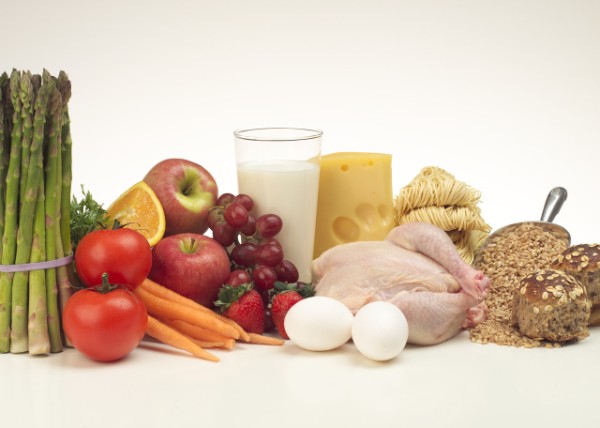
eat in moderation

In Part 1, we saw how good things in excess can adversely affect our health. In this follow up blog, I talk of bad things in excess, which is also not right.

Let’s take a look at some of these bad things in excess and how it could be detrimental to our health.

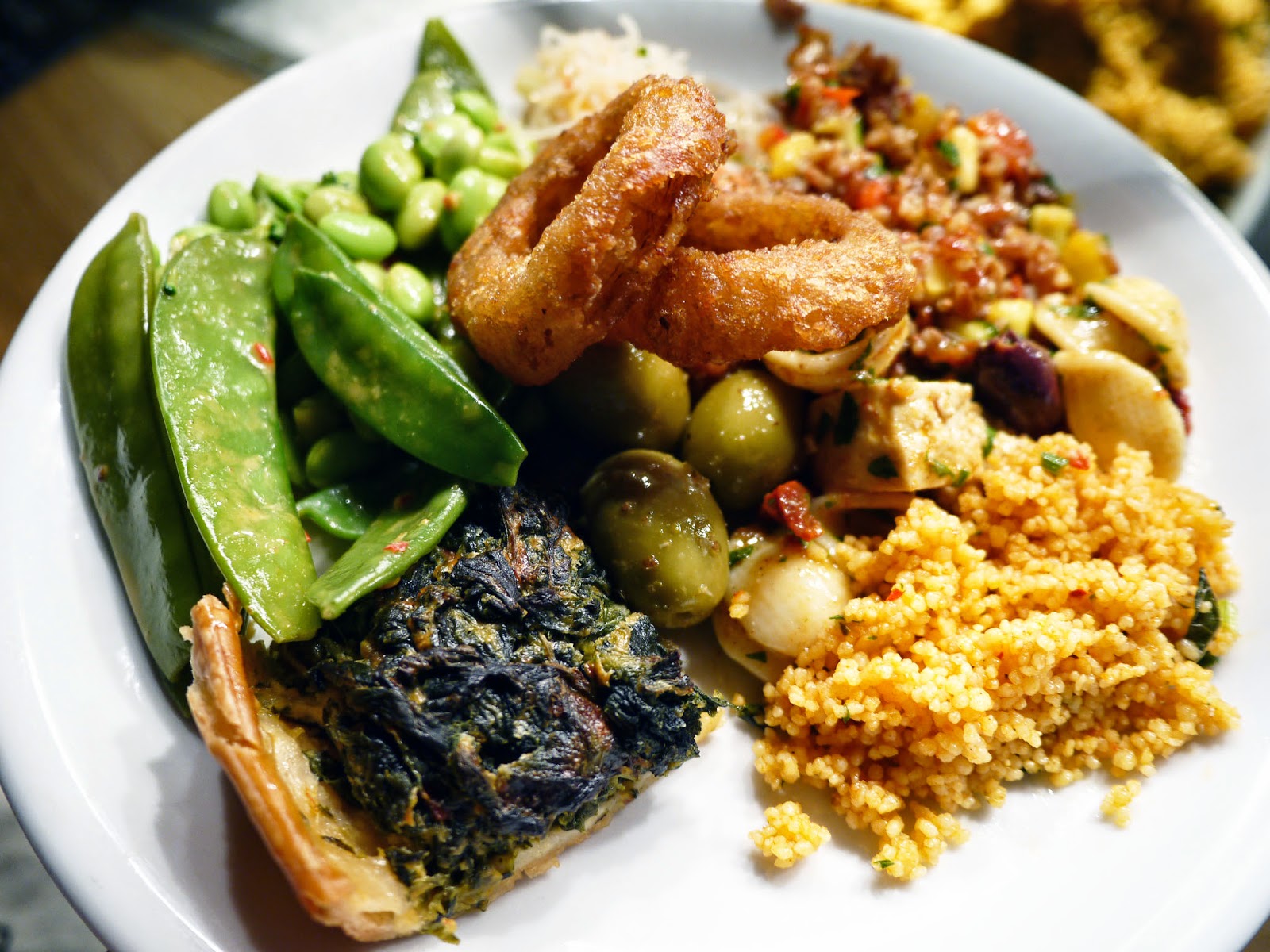
1) Excessive consumption of junk/processed foods: Fast food means food that can be made and served quickly. These junk foods are mostly processed, containing large amounts of refined carbohydrates, added refined sugars, added salt (sodium) and bad quality fats. They are high on calories but, minimal on nutritional value. Eating junk/processed foods instead of fresh, whole, nutritious food has many adverse effects on the body. Junk foods and drinks are packed with refined sugars which cause insulin spike gradually leading to insulin resistance and Type- 2 diabetes.

The empty calories just go easily go into the body fat store leading to obesity which can further give rise to severe health issues like heart problems, respiratory problems, etc. The trans fats in the junk foods, increase the LDL cholesterol levels and subsequently decrease the HDL cholesterol levels. Lot of salt (sodium) causes water retention, high blood pressure and enlarged heart muscle. Too much sugars cause acidity which destroy the tooth enamel causing dental cavities. MSG (Monosodium Glutamate) found in processed foods create stomach distress. Some of the artificial colors and preservatives used in processed foods are found to be carcinogenic (cancer causing). Drinking too much of soda can leach calcium out of the bones making them soft and brittle. Also, the aluminium soda cans are inwardly lined with an epoxy resin called bisphenol A (BPA) which protects the metal can from the reaction of acids in the sodas. This BPA is found to be disrupting normal hormone functioning that can lead to obesity, diabetes and reproductive cancers.

2) Excessive alcohol consumption: It is no big secret that alcohol consumption has no good effects but, chronic heavy drinking has many bad effects. Researchers have found alcohol to be linked to more than 60 diseases. Alcohol can cause liver cirrhosis. Alcohol is empty calories so, can cause unwanted fat storage in the body. Alcohol disturbs the working of the sympathetic nervous system leading to high blood pressure, heart problems, stroke and kidney disease. Heavy drinking can cause gastritis (stomach irritation), inflammation of pancreas, decrease in immunity, nerve damage (alcoholic neuropathy). As people age, their brains shrink but, heavy drinking can cause faster brain shrinking leading to memory loss and other symptoms of dementia. Depressed people drink to ‘feel good’ but, in fact, drinking leads to further depression. Alcohol can aggravate the condition of gout. It can worsen the condition of an epileptic and cause seizures even in non-epileptic individuals. Chronic heavy drinking can lead to cancer of the mouth, esophagus, liver, breast, and colorectal region.

3) Excessive cigarette smoking/tobacco chewing: Nicotine is a highly addictive drug that alters the brain chemistry making it both, physically and psychologically addictive. According to AHA (American Heart Association), nicotine causes short-term rise in heart-rate, blood flow and blood pressure which, in a long term, can cause cardiovascular complications. Carbon monoxide in cigarette smoke causes fat buildup in arteries leading to hardening of the arterial walls (atherosclerosis). Tobacco smoking and chewing, both, can lead to oral and lung cancers. Smoking/chewing tobacco can also cause tissue damage in various organs of the body and dental diseases.

4) Excessive Tea/Coffee drinking: We all wish to have a cup of tea/coffee to kick-start our day. It’s not too bad to drink tea and coffee. It is the too much drinking that is the concern.

Caffeine is a natural stimulant found in coffee, tea, chocolate, yerba mate and certain herbal teas. Caffeine is generally a very safe stimulant. It improves alertness and is a mood enhancer. Usually, it is 200-300 mg of coffee that can be safely consumed per day (roughly 3 cups) but, this differs from person to person, depending on their own ‘caffeine sensitivity’. Too much coffee consumption can lead to symptoms like irritability, nervousness, headache, dizziness, insomnia, fever, increased heart-rate, increased thirst, stomach upset and muscle tremors. Same is the case with teas. A cup of hot tea in the morning will boost your energy for the day where as a cup of herbal tea at night will help you relax. Tea contains lesser amount of caffeine than coffee but, there are side effects of having too much of it.

Drinking too many cups of tea in a day can lead to symptoms like restlessness, anxiety, disturbed sleep, skeletal fluorosis (a painful bone condition), yellow pigmentation of the teeth. Green tea is no less. Though healthy, if had too much, it can worsen the condition in people suffering from high blood pressure, anxiety and stomach ulcers.

5) Excessive stress: In this fast paced world, stress is become an inevitable part of our lifestyle. Our body reacts/adjusts to outward changes with physical, mental and emotional responses. This response amounts to stress. Stress is a part of our daily, normal lives. Our body is designed to feel and react to 2 kinds of stress; positive and negative stress. Positive stress is the one where the body prepares itself for a ‘fight or flight’ mode. Negative stress is the one in which the body is continuously facing challenges, without time for rest and recovery. As a result, stress related tensions build up. A person going through stress for a very long time without relief, can enter a stage called as ‘distress’. This distress is indicated by many physical symptoms like fatigue, headache, dizziness, disturbed sleep patterns, high blood pressure, stomach upsets. Stress plays a role in aggravating medical conditions like diabetes, blood pressure, heart problems, depression, asthma, anxiety, skin problems, gastrointestinal disorders, Obesity, Alzheimer’s disease. In many cases, chronic, untreated stress can also lead to accelerated ageing and premature death.

Lastly, I would like to end by saying, “too much of anything, is good for nothing”.

May 11, 2015 By Shimpli Patil 10 Comments

Kick your bad cholesterol with the top 10 cholesterol lowering foods

Source-of-Omega-3

In my previous blog on Cholesterol, I had talked about the different kinds of cholesterol, including the good and bad cholesterol and the vital functions that it performs in our body (Refer-https://goqii.com/blog/the-truth-about-cholesterol/).

In this blog I am listing out a few  foods which overstep the rest in lowering the bad cholesterol (LDL), out of which a few also help in increasing the good one (HDL).

A few key things that we need to look at when we are aiming at cholesterol reduction:

*A high fiber diet: Adding vegetable salads in the meals, having unstrained vegetable juices and soups, consuming whole fruits, choosing whole flour over the refined one etc. Fiber binds with the cholesterol and removes it out of the system through stools.

*An Omega 3 intake- Omega 3 has a wonder effect of reducing the LDL, total cholesterol, triglycerides and increasing HDL.

*Reduction of red meat consumption- Eggs, chicken and fish are a better choice.

*An overall low fat intake- Choosing a good quality fat and staying away from saturated and trans-fat. Full fat dairy products, red meat and some oils contain saturated fats which raise the total cholesterol level. Trans-fats found in bakery items (cookies, biscuits, cakes and crackers) increase the bad cholesterol and lower the good one.

Check out the list-

1)      Omega 3 Containing foods-

This category includes flaxseeds, walnuts, fatty fish like salmon, sardine, tuna, mackerel, herring and halibut.

As per the American Heart Association guidelines, we need to eat minimum 2 servings of fish a week to get maximum Omega 3 for healthy cholesterol levels. Since Omega 3 is heat susceptible, make sure you do not overcook the fish, you can simply bake it or grill it.

If you do not eat fish, you can get your Omega 3 dose from 1 tbsp flaxseed once a day OR a handful of walnuts on a regular basis.

2)      Lycopene-
Lycopene is a carotenoid pigment responsible for giving fruits and vegetables their red color. It’s seen in tomatoes, watermelon, guava, etc.

An intake of 25 mg of lycopene on a regular basis helps knock off 10% of LDL. It not only stops the LDL synthesis but also helps break down the existing LDL in the body.

1 cup of tomatoes provides us with 5 mg of lycopene, so imagine how many tomatoes we need to eat every day to get the 25 mg lycopene dose (Do the math)! One more interesting fact about lycopene is, it gets activated only when heat is applied to it. Thus, a raw tomato salad is good, but a better choice would be a tomato soup or a ravishing red tomato base in your meal preparations.

 3)      Green Tea

This antioxidant packed herbal beverage does good to our body in multiple ways. A regular intake of sugarless green tea has been shown to reduce cholesterol by 2-5% keeping the HDL levels untouched.

To make the cholesterol reducing efficacy of green tea even better (and to enhance its flavor), we can add half a tsp of cinnamon into it which has also shown to reduce triglycerides, LDL and total cholesterol levels.

4)      Almonds

They are not only packed with good quality fat but also with fiber and Vitamin E which prevent LDL from getting oxidized. Now this is an interesting trait because once LDL is oxidized, it tends to choke the arteries, which restricts the blood flow to heart, leading to heart attacks and stroke. Almonds prevent all of it! Snack on it more often, mix them with walnuts to reap most benefits.

5)      Olive Oil

It tops among all the oils in terms of fatty acid profile. Being rich in MUFA (heart healthy fat), antioxidants and phenolics, it lowers the LDL, increases the HDL and makes blood less likely to clot. 2 tbsp a day can be used for shallow frying or salad dressing purpose.

6)   Oats and barley

They are rich soluble fiber, called beta-glucan which forms a gel in the intestine and prevents cholesterol from being absorbed into the bloodstream. 5-10 gm of soluble fiber a day is good enough to take care of the cholesterol levels. One and half cup of cooked oatmeal supplies 6 gm of fiber, top it with an apple or a banana to get the extra 3-4 gm of fiber and we are sorted.

7)   Unstrained bottle guard juice with a dash of crushed garlic-

It’s the perfect mix for cholesterol reduction. Rich in soluble and highly alkaline in nature, bottle guard is very well appreciated in the weight loss segment. However, regular consumption of bottle guard also helps keeping the lipid profile in check. Adding crushed garlic while juicing this fiber rich veggie enhances the cholesterol reducing properties to a great extent.

8)    Avocados

Generally, fruits do not contain fat. But, this is one peculiar fruit that is full of fat, but thankfully, a good quality fat- MUFA that helps kick off LDL and triglyceride and boosts up the HDL. You can snack on avocado, add it in the salads or sandwiches or make a spread out of it to smear on a whole wheat bread slice. Definitely, it’s the best substitute to butter and cheese.

9)      Dark chocolate-

For all the chocolate lovers! Since it is rich in flavanoids and oleic acid, dark chocolate does good to our lipid profile. We can nibble on 2 pieces of 70-80%  dark to get the most of its benefits.

10)  Fenugreek seeds-

They provide a 3 way benefit- They contain saponins that reduce body’s absorption of cholesterol. These saponins also reduce cholesterol synthesis in the body. Apart from saponins, the fiber component of fenugreek also helps fight cholesterol in all the ways.

The best way to incorporate fenugreek is:  To consume 1 tbsp of seeds soaked in 1 cup water overnight on an empty stomach in the morning OR you can dry roast 1 tbsp of seeds until they turn brown, powder it and add it in our meal preparations.

That was a comprehensive list of cholesterol lowering foods, however, for any of these foods to work, it’s necessary we make other lifestyle changes too, including a regular physical activity, adequate water intake and balanced meals.Now you know which foods to fill up your cart with, the next time you are at the grocery store.


April 15, 2015 By Ami Shah 1 Comment

TRANS FAT-The biggest enemy of your heart

heart
I have friends who binge all the time on deep fried chips/wafers.. Its their way to satisfy their hunger. I asked them if they were aware that of why these chips feel scrumptious and crispy. Their reply was who cares we are just happy that it tastes so good.

This is not the case with only my friends, most people never bother to find out what the chips is made of, what goes into make it so tasty and crispy. Instead of creating nutrition awareness, the gimmicks around it entice people and children to buy these crispies.

Nutritional labels are overlooked. Many people don’t know how to read the nutritional label and what do the fancy ingredients mean? Even if they know they will only look for major component such as carbs, proteins, fat what about the breakdown of these macro nutrients like sugars/fiber comes under carbs.

Likewise, saturated fats/trans fat/MUFA/PUFA is also part of the Fat group. These lip smacking wafers which most people and kids gorge on area red alert for your heart! That’s because of the TRANS FAT (Bad fat). Caution- It’s a major enemy of heart!

First let’s understand what is trans fat??

Most trans fat are artificially synthesized through an industrial process that adds hydrogen molecule to vegetable oil, which causes the oil to become solid at room temperature. This partially hydrogenated oil is less likely to spoil, so foods made with it have a longer shelf life. Some restaurants use partially hydrogenated vegetable oil in their deep fryers, because it doesn’t have to be changed as often as do other oils. These fats are used in making c akes/pastries/puffs/rolls, margarine, doughnuts/wafers/chip/butter/margarine etc which provides empty calories (only calories and no nutrients).

Trans fat are inexpensive and gives a desired texture and taste to the item. (yes, you got it right.. the secret behind all these irresistible things is TRANS FATS!).

What does this trans fat do in the body?

Trans fat gets deposited in the arteries making them clogged. Clogged arteries are a sign of heart disease; they increase your risk of both heart attack and stroke. Here’s how it works: Trans fats raise low-density lipoprotein (LDL) or “bad” cholesterol levels. This contributes to the buildup of fatty plaque in arteries and lowering of your good (HDL) cholesterol levels. Eating trans fats increases your risk of developing heart disease and stroke. It’s also associated with a higher risk of developing type 2diabetes by increasing insulin resistance!

How can you limit your intake of Trans Fat?

Checking the nutrition label is very important.. When the Nutrition Facts label says a food contains 0 g of trans fat, but includes partially hydrogenated oil in the ingredient list, it means the food contains trans fat, but less than 0.5 grams of trans fat per serving.  The daily limit intake of trans fat should be zero. If you are buying any fod packet, please check the nutritional label for trans fat.

Here are some alternative to Trans fat:

    • Keep the usage of butter/margarine at bay. Instead use ghar ka desi Ghee. 🙂
    • Choose to eat foods that contain healthier fats, such as nuts ( walnuts and almonds), seeds (sunflower, pumpkin, watermelon, flax seeds), olives and avocados.
    • Opt for Rice bran oil, Oilve oil, Soyabean oil and mustard oil. They are a good source of MUFA (good quality fat)
    • Choose low-fat or fat-free dairy products and lean cuts of meat and skinless poultry. Keep red meat at bay.
    • Get plenty of foods that are naturally low in fat and high on fiber, such as whole grains, fruits and vegetables.

So, next time when you grab a packet of chips or wafers, remember the above points.

  • « Previous Page
  • 1
  • …
  • 22
  • 23
  • 24
  • 25
  • 26
  • Next Page »

Search

Recent Posts

  • India Leads in Longevity: GOQii Sanjeevini Named Top 40 in $101M XPRIZE
  • The Importance Of Knowing If You’re Thirsty Or Hungry
  • Best Foods To Alleviate Irritable Bowel Syndrome
  • ALL ABOUT VERTIGO!
  • PCOS and Anxiety: Discover Relief with the 54321 Technique

Stay Updated

Archives

  • December 2025 (8)
  • November 2025 (15)
  • October 2025 (20)
  • September 2025 (6)
  • August 2025 (6)
  • July 2025 (12)
  • June 2025 (18)
  • May 2025 (16)
  • April 2025 (23)
  • March 2025 (23)
  • February 2025 (22)
  • January 2025 (26)
  • December 2024 (26)
  • November 2024 (25)
  • October 2024 (22)
  • September 2024 (24)
  • August 2024 (31)
  • July 2024 (21)
  • June 2024 (26)
  • May 2024 (31)
  • April 2024 (27)
  • March 2024 (29)
  • February 2024 (26)
  • January 2024 (25)
  • December 2023 (15)
  • November 2023 (11)
  • October 2023 (20)
  • September 2023 (22)
  • August 2023 (20)
  • July 2023 (22)
  • June 2023 (24)
  • May 2023 (24)
  • April 2023 (24)
  • March 2023 (23)
  • February 2023 (20)
  • January 2023 (16)
  • December 2022 (12)
  • November 2022 (15)
  • October 2022 (15)
  • September 2022 (12)
  • August 2022 (10)
  • July 2022 (17)
  • June 2022 (11)
  • May 2022 (10)
  • April 2022 (6)
  • March 2022 (6)
  • February 2022 (13)
  • January 2022 (12)
  • December 2021 (7)
  • November 2021 (3)
  • October 2021 (6)
  • September 2021 (3)
  • August 2021 (8)
  • July 2021 (7)
  • June 2021 (15)
  • May 2021 (16)
  • April 2021 (10)
  • March 2021 (7)
  • February 2021 (4)
  • January 2021 (4)
  • December 2020 (3)
  • November 2020 (4)
  • October 2020 (10)
  • September 2020 (3)
  • August 2020 (3)
  • July 2020 (2)
  • June 2020 (4)
  • May 2020 (10)
  • April 2020 (12)
  • March 2020 (10)
  • February 2020 (4)
  • January 2020 (4)
  • December 2019 (3)
  • November 2019 (7)
  • October 2019 (5)
  • September 2019 (4)
  • August 2019 (9)
  • July 2019 (9)
  • June 2019 (11)
  • May 2019 (4)
  • April 2019 (9)
  • March 2019 (8)
  • February 2019 (9)
  • January 2019 (8)
  • December 2018 (9)
  • November 2018 (3)
  • October 2018 (3)
  • September 2018 (5)
  • August 2018 (10)
  • July 2018 (6)
  • June 2018 (13)
  • May 2018 (8)
  • April 2018 (18)
  • March 2018 (9)
  • February 2018 (8)
  • January 2018 (15)
  • December 2017 (12)
  • November 2017 (19)
  • October 2017 (13)
  • September 2017 (15)
  • August 2017 (4)
  • July 2017 (8)
  • June 2017 (7)
  • May 2017 (6)
  • April 2017 (8)
  • March 2017 (6)
  • February 2017 (7)
  • January 2017 (9)
  • December 2016 (10)
  • November 2016 (7)
  • October 2016 (7)
  • September 2016 (7)
  • August 2016 (11)
  • July 2016 (9)
  • June 2016 (9)
  • May 2016 (12)
  • April 2016 (17)
  • March 2016 (17)
  • February 2016 (8)
  • January 2016 (6)
  • December 2015 (2)
  • November 2015 (9)
  • October 2015 (7)
  • September 2015 (9)
  • August 2015 (11)
  • July 2015 (9)
  • June 2015 (12)
  • May 2015 (9)
  • April 2015 (13)
  • March 2015 (8)
  • February 2015 (5)
  • January 2015 (12)
  • December 2014 (14)
  • November 2014 (11)
  • October 2014 (6)
  • September 2014 (13)
  • August 2014 (12)
  • July 2014 (6)
  • June 2014 (2)
  • May 2014 (7)
  • April 2014 (5)

From “Laddu Nawin” to Fit and Fierce: How a 25-Year-Old Insurance Advisor Shed 20 Kilos and Gained His Life Back

When 25-year-old Nawin Yadav from Hyderabad walked into his office every morning, he carried more than just his files and policy papers. He had the weight of fatigue, sluggish energy, and an ever-growing belly that was becoming the butt of jokes. “People … [Read More...]

“I’ve Challenged Myself to Live 100 Years” – The Story of Chandubhai Savani’s Second Chance at Life

At 67, most people start slowing down. Not Chandubhai Savani. A resident of Surat, Chandubhai, thought life was on track. “My life was going well till I had my bypass surgery,” he says. That surgery, back in 2021, was a wake-up call.  Medication was routine, but exercise wasn’t. His diet? What he calls ‘normal.’ “I […]

From Shimla’s Slopes to Chandigarh’s Sidewalks: Surinder Kaur Bhalla’s Journey from Chaos to Control

Some journeys start with a plan. Others begin with a stumble literally. Surinder Bhalla, a government professional, born and raised in the scenic hill town of Shimla, had always lived a life of movement. “In Shimla, you walked everywhere,” she reflects. “Walking was never an exercise. It was just life.” But after shifting to Chandigarh, […]

Ananda Mukherjee Health Story

From Terminal Illness To Complete Wellness! Ananda Mukherjee Health Story

As we observe World Cancer Day under the powerful theme ‘United by Unique’ (2025-2027)**, we are reminded that every individual’s journey with cancer is distinct, yet united by shared resilience, hope, and the collective fight against this disease. This theme places people at the centre of care and their stories at the heart of the […]

  • HOME
  • HEALTHY LIVING
  • FITNESS
  • HEALTHY RECIPES
  • USER STORIES
  • KARMA
  • BUY GOQii

Copyright ©2016 GOQii