GOQii

Blog

  • HOME
  • HEALTHY LIVING
  • FITNESS
  • HEALTHY RECIPES
  • USER STORIES
  • KARMA
  • BUY GOQii

Search Results for: stroke

December 2, 2025 By Parveen Nake 3 Comments

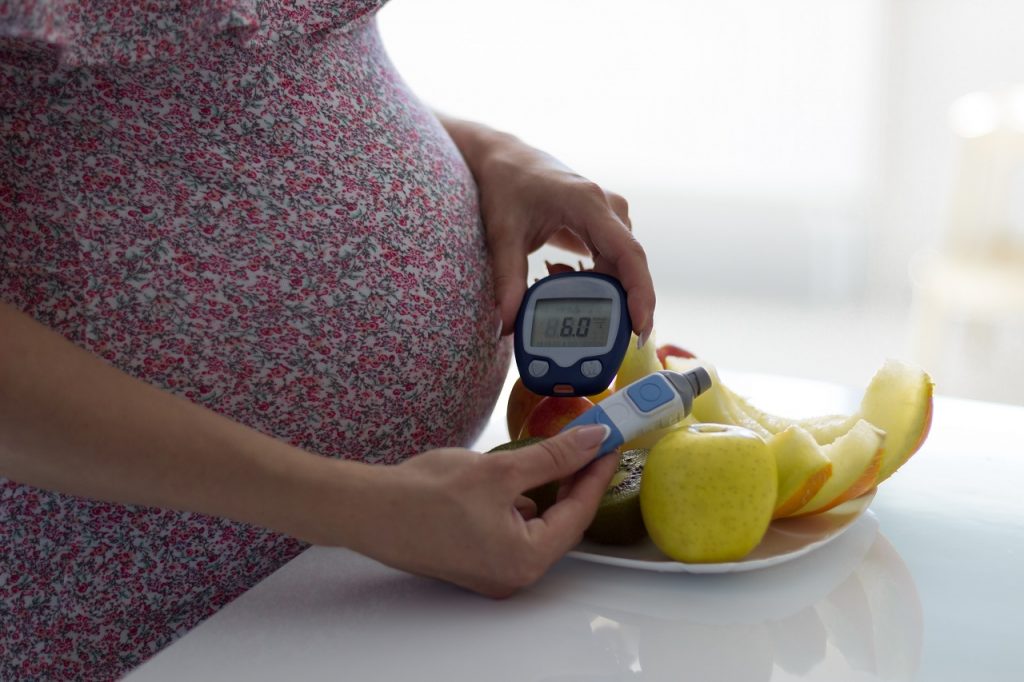
What Gestational Diabetes Can Do To You & Your Unborn Child

Gestational DiabetesWe all know about Diabetes Mellitus to some extent as Diabetes Mellitus is a chronic metabolic disorder that prevents the body from utilising glucose completely or partially. It is characterised by raised glucose concentration in the blood and alterations in carbohydrate, protein and fat metabolism. But have you ever heard of Gestational Diabetes or Pregnancy Diabetes?

Gestational Diabetes is a high blood sugar (glucose) condition that develops during pregnancy and usually disappears after giving birth. It can happen at any stage of pregnancy, but is more common in the second or third trimester. Insulin requirements goes up one to three times in pregnancy. During normal pregnancy the level of plasma insulin is raised by the action of placental hormones thus placing a burden on the insulin secreting cells of the pancreatic islets. The pancreas may be unable to meet these demands in women genetically predisposed to develop both types of diabetes. Long term studies show that some 80% of women with gestational diabetes ultimately develop permanent clinical diabetes requiring treatment.

What Causes Gestational Diabetes?

The causes of Gestational Diabetes is not known clearly yet. Some, but not all women with gestational diabetes are found to be overweight before getting pregnant or have a family history of diabetes. It is more common in Native American, Alaskan Native, Asian and Black women, but white women may develop it due to poor lifestyle.

Are There Tests to Determine it?

Oral glucose tolerance test (OGTT) is a confirmatory test. The OGTT measures blood glucose after you fast for at least 8 hours. Firstly, the blood sample is drawn in fasting state. Then, 75g of glucose dissolved in 250-300 ml of water is given, Lemon juice may be added for flavour and to prevent nausea. Then the blood specimens are collected every 30 mins for 2-3 hours after the administration of glucose.

High blood glucose levels at any two or more blood test times – Fasting, 1 hour, 2 hours or 3 hours – mean you have Gestational diabetes.

Complications During Pregnancy

If blood sugar is not controlled, it can lead to problems for both maternal and foetal health. Uncontrolled diabetes during the first trimester of pregnancy increases the risk of abortions and congenital malfunctions in the foetus. Some of the major consequences are:

  • High Blood Pressure (Preeclampsia): Preeclampsia is a potentially dangerous pregnancy complication characterised by high blood pressure. Due to the high blood pressure levels of the mother, the protein in urine spikes up and swelling in fingers and toes and lower body persists. High blood pressure can be harmful to both – the mother and the unborn baby. It might lead to the baby being born early and also could cause seizures or a stroke (a blood clot or a bleed in the brain that can lead to brain damage) in the woman during labour or delivery.
  • An Extra Large Baby: Uncontrolled Diabetes in the mother causes the baby’s blood sugar to be high. The baby tends to “overfeed” and grows extra-large. Besides, causing discomfort to the mother, it can lead to problems during delivery causing prolonged labour pain which might need a C-section to deliver the baby. The baby can be born with nerve damage due to pressure on the shoulder during delivery.
  • Low Blood Sugar (Hypoglycaemia): People with diabetes who take insulin or other medications can develop blood sugar that is too low or hypoglycaemia. Low blood sugar can be very serious and even fatal if not treated quickly.

How to Manage Gestational Diabetes

The main modes of treatment of Gestational Diabetes include:

1. Eating a Healthy Diet: Dietary measures are an essential part of the treatment of diabetic patients whether they are on diet alone or on metformin drug or insulin. Carbohydrate restriction impairs insulin sensitivity and reversed by high carbohydrate diet but it needs to be maintained between 60-65% of total calories. So include more complex carbohydrates or polysaccharides like Multi-grain flour, Oats, Muesli, Granola, Amaranth, Pearl Millet (Bajra), Finger Millet (Ragi), Quinoa, etc. Studies have shown that raising carbohydrates does not adversely affect the fasting blood glucose levels, glucose tolerance or insulin requirements provided that total calories are not increased.

Along with carbs, include more protein-rich foods like pulses and lentils, Kidney beans (Rajma), Soya Bean, peas, beans, peanuts, milk and dairy products like yogurt, buttermilk, cottage cheese (paneer), eggs, chicken, etc. to ensure weight gain and prevent osteomalacia during pregnancy. Inclusion of fibre like fruits and green leafy vegetables are must as it improves glucose metabolism without increasing insulin secretion. It increases the intestinal transit-time, delay gastric emptying slow glucose absorption.

2. Drugs or Insulin Treatment: Metformin or Insulin therapy is the accepted medical management of gestational diabetes. Insulin is the first drug of choice and metformin can be considered after 20 weeks of gestation. Insulin must be taken without delay if it is suggested by the doctor.

3. Exercise: Stay Active to help keep your blood sugar under control. Exercise regularly – before, during and after pregnancy. Moderate exercise such as brisk walking for 30mins a day for 5 times a week is a good goal to set.

4. Monitoring Blood Sugar Often: Be aware that your blood sugar can change very quickly, becoming too high or too low depending on what you eat and how much you exercise and your growing baby’s blood sugar also varies several times during the day. Check your blood sugar level as often as directed by the doctor and any time you have symptoms.

By adopting these measures one can enjoy a healthy Antenatal period. For more articles on managing Diabetes, check out Healthy Reads or for further information or guidance, reach out to our certified experts by subscribing to GOQii’s Personalised Health Coaching here.

#BeTheForce

Disclaimer: The information provided in this blog is for general awareness and educational purposes only. It is not intended to replace professional medical advice, diagnosis, or treatment. Always consult a qualified healthcare provider for personalised medical guidance or concerns related to your health. Images shown are for representation purposes only and may not depict the exact recommendations or outcomes.
November 3, 2025 By Urvi Gohil 4 Comments

5 Simple Lifestyle Changes To Manage Hypertension

manage hypertensionBy now, anyone conscious about their health is aware of hypertension. In case you’re unfamiliar, hypertension is simply another name for high blood pressure. Blood pressure is the force exerted by blood against the walls of the blood vessels. This force depends on vascular resistance and how hard the heart has to work. Hypertension is a major risk factor for cardiovascular diseases, including stroke, heart attack, heart failure, and aneurysm.

An optimal blood pressure level is a reading under 120/80 mmHg, while a reading over 140/90 mmHg is generally considered high. It is crucial to keep blood pressure under control, and lifestyle management is the first-line treatment for hypertension.

5 Lifestyle Changes to Manage Hypertension

1. Cut Down on Alcohol & Quit Smoking
Drinking too much alcohol can raise blood pressure to unhealthy levels. Having more than three drinks in one sitting temporarily spikes blood pressure, and frequent drinking can lead to long-term increases. Heavy drinkers should gradually reduce their alcohol intake over 1-2 weeks to prevent sudden blood pressure surges.
Similarly, smoking can raise blood pressure immediately after each cigarette. Quitting smoking helps to normalise BP, reduces the risk of heart disease, and significantly improves overall health.

2. Managing Stress Effectively
Your body produces stress hormones when faced with pressure or anxiety, causing your heart to beat faster and blood vessels to narrow—leading to temporary blood pressure spikes. While these return to normal once stress subsides, frequent episodes of high stress can damage blood vessels, the heart, and kidneys.

          How to manage stress:

    • Exercise regularly—30 minutes, 3-5 times a week, helps reduce stress.
    • Try yoga & meditation—Deep breathing and mindfulness can help regulate stress levels.
    • Get enough sleep—Quality rest is essential for keeping BP under control.
    • Maintain social connections—Engaging in enjoyable activities and staying socially active reduces stress.

3. Reduce Sodium Intake:
Even a small reduction in sodium can significantly improve heart health and lower blood pressure by 5-6 mmHg in hypertensive individuals.

          Recommended Daily Sodium Intake:

    • Limit sodium to 2300 mg per day (ideal for general adults)
    • 1500 mg per day is ideal for those with high BP (less than one teaspoon of salt)

          How to reduce sodium:

    • Read food labels and choose low-sodium options
    • Avoid processed & packaged foods (e.g., noodles, soups, crisps, biscuits)
    • Use herbs & spices instead of salt to add flavour
    • Gradually reduce salt intake so your palate adjusts over time

4. Increase Fruit & Vegetable Intake
A diet rich in whole grains, fruit, vegetables, and low-fat dairy—while avoiding saturated fats and cholesterol—can lower blood pressure by 11 mmHg.

This approach is called the DASH (Dietary Approaches to Stop Hypertension) Diet, which emphasises:

  • Fruits & vegetables—Great sources of potassium, which counteracts sodium.
  • Whole grains—Support heart health and lower BP naturally.
  • Low-fat dairy—Helps regulate blood pressure.
  • Beetroot—A powerhouse for reducing BP (add it to smoothies!).

⚠ If you have blood sugar concerns, consult your doctor before consuming beetroot.

5. Exercise Regularly
Making exercise a habit is one of the best ways to naturally lower BP. You don’t need to hit the gym—just ensuring regular movement is enough.

Engage in moderate exercise (e.g., brisk walking, jogging, cycling, swimming) for 30 minutes a day, at least 5 days a week. Even small activities—taking the stairs, stretching, or walking short distances—help maintain heart health. Always consult a doctor or health coach before starting a new fitness routine if you have high BP.

By incorporating these five simple lifestyle changes, you can effectively manage hypertension while improving overall health. Making small but consistent changes in your diet, exercise, and stress management will lead to long-term benefits for your heart and well-being.

Which lifestyle change has worked best for you? Share your experience in the comments below!

#BeTheForce

Disclaimer: The information provided in this blog is for general awareness and educational purposes only. It is not intended to replace professional medical advice, diagnosis, or treatment. Always consult a qualified healthcare provider for personalised medical guidance or concerns related to your health.

August 7, 2025 By GOQii Leave a Comment

Hypertension and Obesity: Connecting the dots

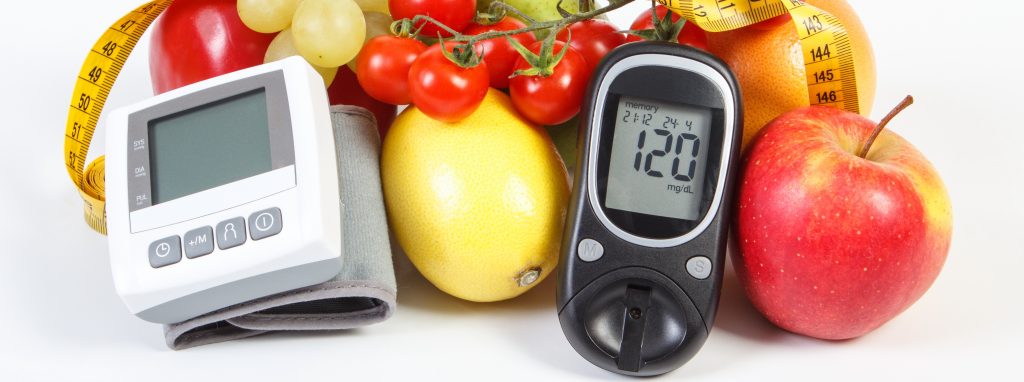
Hypertension and Obesity: Connecting the dotsYou’ve been taking your blood pressure tablets for years. You rarely miss a dose. Yet, every time you check, those numbers stubbornly stay high.

Ideally, an individual’s blood pressure should be around 120/80 mmHg. But yours? It hovers around 140/90 mmHg or higher. Some days, it’s only within a normal range because of the medication. Sounds familiar?

Now, imagine this: You visit your doctor, expecting yet another tweak in your prescription, but instead, they ask about something else, your weight. You sigh, thinking, Not again. But what if your weight is playing a bigger role in your hypertension than you realise?

Many of us focus on treating hypertension with medication alone, but what if the missing link is something else something closer to home, like the extra pounds we carry? Let’s connect the dots between hypertension and obesity and uncover why tackling this could be the key to managing both conditions.

What is Hypertension? And Its Biggest Triggers

Hypertension occurs when the pressure inside your blood vessels runs too high, putting extra strain on your heart. It’s often called the silent killer because, most of the time, there are no obvious symptoms until you check your blood pressure. And if left unchecked? It can quietly pave the way for heart disease, stroke, and kidney problems.

What causes it? Some factors, like genetics and ageing, are beyond our control. But others such as lack of exercise, too much salt, excessive alcohol consumption, and obesity are within our reach.

Here’s the game-changer: while you can’t turn back time or change your genetics, you can take charge of your weight. Obesity and hypertension are deeply connected and tackling one can be the key to controlling the other.

Are You Obese? Here’s How to Find Out

We often associate obesity with being “overweight”, but not all extra weight is a problem. A few extra kilos won’t necessarily harm you. However, when excess fat starts affecting your health, that’s when it turns into obesity a condition that raises the risk of hypertension, heart disease, diabetes, and more.

How to Check If You’re Obese

  • Body Mass Index (BMI):

✔ BMI = Weight (kg) ÷ Height (m²)

✔ A BMI over 30 is classified as obese.

  • Waist Circumference:

✔ Men: Over 102 cm (40 inches)

✔ Women: Over 88 cm (35 inches)

Note: For people of Middle Eastern or Asian descent, some health experts recommend lower cutoff points (e.g., >90 cm for men, >80 cm for women) due to different body compositions. It’s best to discuss your personal risk with your doctor.

If you fall into these categories, it’s time to take action.

How Obesity Raises Your Blood Pressure

Obesity isn’t just about carrying extra weight it puts your entire cardiovascular system under strain, making it harder for your heart to function properly. Here’s how:

  • Clogged Arteries & Increased Pressure: Excess weight raises cholesterol levels, leading to plaque build-up in the arteries. This narrows blood vessels, forcing the heart to work harder resulting in high blood pressure.
  • More Weight = More Work for Your Heart: Your heart has to pump blood for your entire body. The more weight you carry, the harder it has to work, increasing blood pressure levels.
  • Insulin Resistance & Nerve Overload: Obesity can lead to insulin resistance, which raises insulin levels in your blood. This triggers nerve activity in the brain, causing blood pressure to rise.
  • Kidneys Under Pressure: Excess belly fat compresses your kidneys, making it harder for them to flush out waste and excess fluid. More fluid = higher blood pressure.
  • Stress Hormones & Water Retention: Being overweight often raises cortisol (the stress hormone). High cortisol leads to more salt and water retention, which in turn leads to higher blood pressure.
  • Inflammation & Poor Heart Health: Obesity fuels chronic inflammation, which damages blood vessels and increases oxidative stress one of the main drivers of high blood pressure.

The bottom line? Obesity is a major driver of hypertension, affecting your entire body. But here’s the good news—you can take control and reduce your risk!

How to Control Hypertension & Lose Weight Naturally

Eat Smart, Stay Healthy

The key to weight loss? Burn more calories than you consume. This is called a calorie deficit.

  • Control Your Portions: Eating smaller meals helps keep calorie intake in check.
  • Choose Low-Calorie Foods: Load up on vegetables, lean protein, and whole grains.

Boost Your Metabolism with Protein

Protein is one of the most essential nutrients for weight loss because it helps burn more calories and keeps you full for longer.

  • Include lean meats, fish, eggs, dairy, soy, lentils, and legumes.
  • Reduce refined carbohydrates like white flour and sugary foods, which lead to fat accumulation.

Ditch the Sugar Trap

Fast food and sugary snacks contribute to insulin resistance, a major factor in high blood pressure.

  • Processed foods contain hidden sugars, so check labels and choose whole, natural foods.

Less Salt, Less Weight, Better Blood Pressure

Reducing salt intake can help with weight loss and blood pressure control.

  • Processed foods, ready meals, and salty snacks add excess sodium, leading to bloating and water retention.
  • Opt for fresh, home-cooked meals whenever possible.

Finding the Right Diet for You

Intermittent fasting, keto, low-carb, or plant-based diets can all be effective—but not every diet suits everyone.

  • Consult a nutritionist or your doctor before making major dietary changes to find what works best for your body.

Get Moving – Exercise Regularly

One of the best ways to lose weight and lower blood pressure is simple: move more!

    • Aim for at least 30 minutes of activity per day.
    • Try brisk walking, cycling, swimming, dancing, or strength training.
    • Start small, stay consistent – every little movement counts!

Think of it like this: Imagine carrying a 10-pound backpack all the time sounds exhausting, right? That’s what obesity does to your body. At first, moving more might feel tough, but your stamina will build, and every step will get easier. One pound at a time.

Manage Stress & Sleep Well

Lack of sleep and high stress levels contribute to weight gain & high blood pressure.

  • Prioritise 7-9 hours of quality sleep.
  • Practise mindfulness, deep breathing, or yoga.
  • Limit screen time before bed.

Take Charge of Your Health Today

Now you know the secret: losing weight is one of the most effective ways to manage blood pressure. The best part? It all starts with two things eating better and moving more. Set your target weight, make a plan, and start today. Your future self will thank you! 

If you’re currently on blood pressure medication, don’t stop it abruptly.Instead, use this blog as a guide to complement your medical care, and talk to your doctor before making any major lifestyle or diet changes.

#BeTheForce

Disclaimer: The information provided in this blog is for general awareness and educational purposes only. It is not intended to replace professional medical advice, diagnosis, or treatment. Always consult a qualified healthcare provider for personalised medical guidance or concerns related to your health. Images shown are for representation purposes only and may not depict the exact recommendations or outcomes.

June 2, 2025 By Meenakshi Sharma 2 Comments

What Is Visceral Fat & Why It Is Dangerous

visceral fat

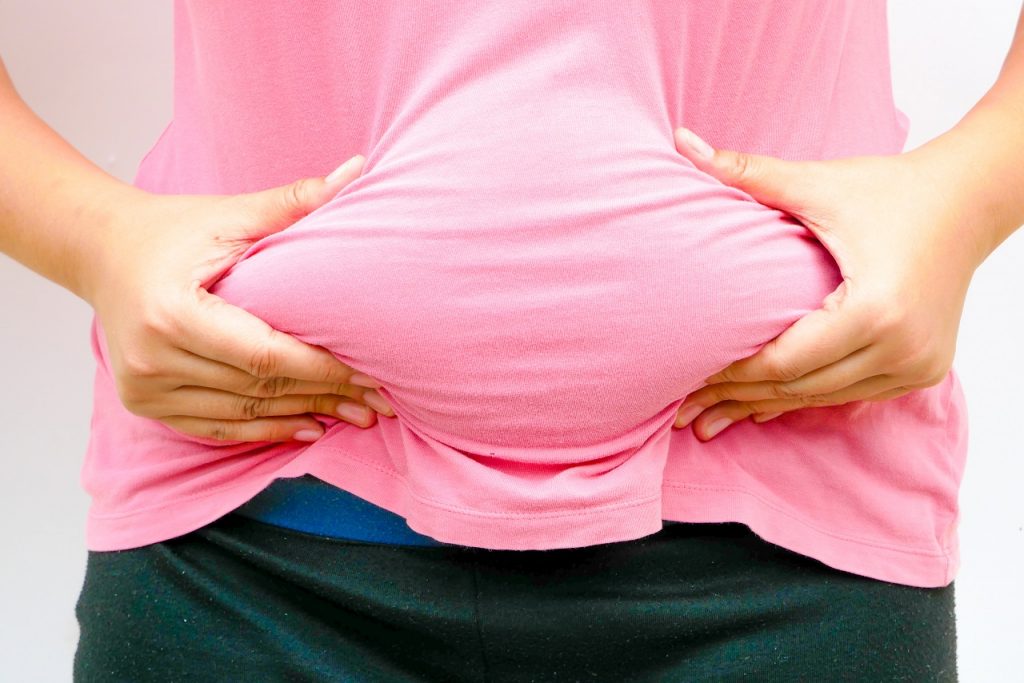
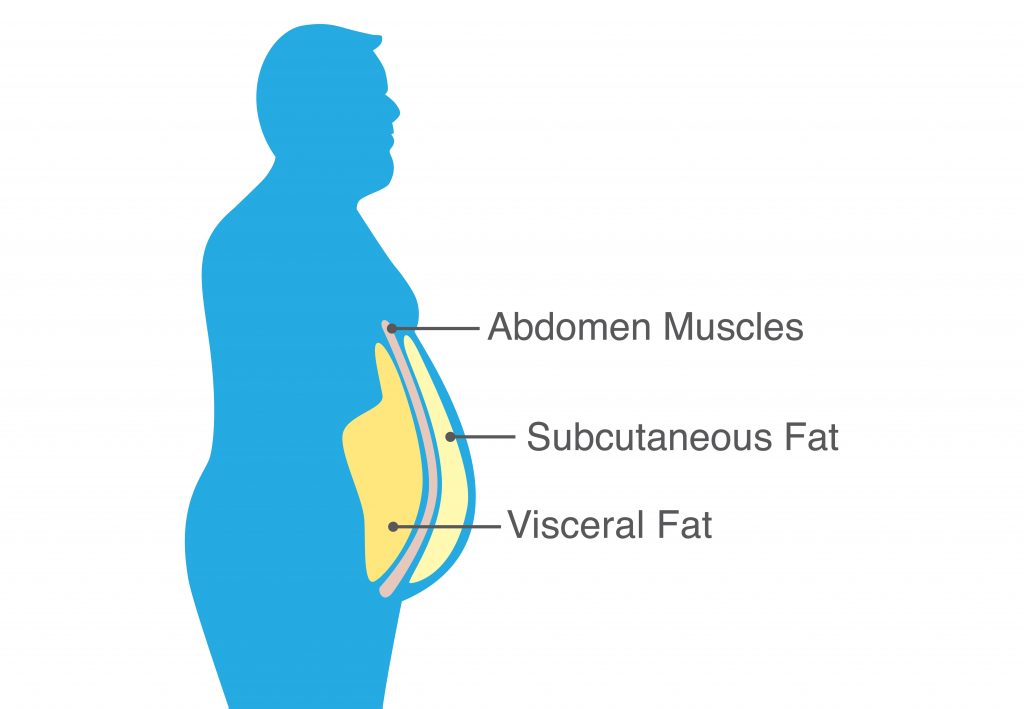
You might have heard of the term belly fat, but you might not be aware of terms like subcutaneous and visceral fat. Subcutaneous fat is the kind you can grasp with your hand on any part of your body. It sits under the skin. Belly fat, or what experts call visceral fat, is a particularly dangerous type of fat that forms inside the abdomen. It surrounds internal organs like the liver and intestines, and is also known as ‘active fat’ because it influences how hormones function in the body.

You can have too much belly fat even with a normal BMI. So, pay attention to your waist circumference rather than the number on the scale.

How To Measure It

  1. Waist size: This is an easy way to get a rough estimate. Wrap a tape measure around your waist over your belly button (don’t suck in your stomach). For women, 35 inches or more is a sign of visceral fat. For men, it’s 40 inches.
  2. BMI: Body mass index is a formula for how much you weigh relative to your height. A BMI of 30 or higher is overweight. That could be a sign of visceral fat. In Asia, a BMI of 23 or higher could be a concern.
  3. Waist-to-hip ratio: Divide your waist size by your hip size. Some doctors think this gives a good indication of your risk for visceral fat. But studies suggest it may be no better than a simple waist measurement.
  4. Body shape: Look in the mirror. If you’re an apple – a big trunk and slimmer legs – it often means more visceral fat, which is more common among men. Women are more likely to be pears with bigger hips and thighs. Research shows that upper body fat is more dangerous to your health, which might be one reason why women usually live longer than men.
  5. Imaging tests: These scans are the only way to check the exact amount of visceral fat you have. If your doctor orders a CT scan or an MRI for another medical condition, they can also assess your visceral fat.

Risks & Dangers Of Excess Visceral Fat

  • Increased Inflammation: If you have more fat stored than needed, especially around visceral organs like the liver, heart, kidneys, pancreas, and intestines, your body becomes inflamed. This fat stores inflammatory white blood cells and is linked with cognitive decline, arthritis, diabetes, and more.
  • Higher Risk of Diabetes: Visceral fat plays a significant role in insulin resistance, heightening the risk of developing diabetes. Abdominal fat is viewed as a bigger health risk than hip or thigh fat. While men are more likely to store visible visceral fat, women are also at risk.
  • Makes It Harder to Lose Weight: Stored body fat, especially visceral fat, affects hunger levels. Leptin, a hormone released by stored fat, regulates appetite, metabolism, and weight. When you eat refined carbs such as white flour and sugar, fat-storing hormones are produced in excess, raising your body’s “set point” and making it hard to follow a moderate, healthy diet.
  • Higher Risk for Heart Disease and Strokes: Inflammatory cytokines produced by fat contribute to heart disease and other inflammatory disorders. Visceral fat is linked to cardiovascular risk factors like high triglycerides, high blood pressure, and high cholesterol.
  • More Likely to Battle Dementia: Studies show that people with larger waistlines have a higher risk of dementia. In fact, many experts believe visceral fat levels (rather than BMI) are a more relevant risk factor in dementia development.
  • Increased Risk of Depression and Mood Disorders: Visceral fat is metabolically active and can interfere with hormones and neurotransmitter function. Depression is especially associated with greater fat storage in women. In one study, visceral fat – not subcutaneous belly fat or waist circumference – was linked with depressive symptoms in women over 50.

How Can You Reduce Visceral Fat? 

  • Exercise: A mix of cardiovascular exercise (e.g. running, cycling, swimming, aerobics, circuit training) and strength training (e.g. squats, weights, push-ups) helps reduce visceral fat.
  • Manage Stress: Chronic stress raises cortisol, which increases fat storage around the abdomen. Relaxation techniques like meditation, deep breathing, and other stress management practices can support fat loss.
  • Balance Diet: Focus on whole foods—fruits, vegetables, whole grains (quinoa, millets, oats), and lean proteins (skinless chicken, fish, eggs, beans). Calcium and Vitamin D are also associated with lower visceral fat. Include leafy greens, tofu, sardines, and low-fat dairy products.

Boiling, steaming, baking, and grilling are healthier cooking methods. Avoid trans fats (often found in processed foods and deep-fried items) and reduce sugar intake. Check labels for ingredients like “partially hydrogenated oils” or “high-fructose corn syrup.”

We hope this article helps you! If you are keen on losing weight in a healthy, sustainable way, you can reach out to an expert by subscribing for Personalised Health Coaching here.

For more articles on weight loss, check out Healthy Reads.

#BeTheForce 

Disclaimer: The information provided in this blog is for general awareness and educational purposes only. It is not intended to replace professional medical advice, diagnosis, or treatment. Always consult a qualified healthcare provider for personalised medical guidance or concerns related to your health. Images shown are for representation purposes only and may not depict the exact recommendations or outcomes.

  • « Previous Page
  • 1
  • 2
  • 3
  • 4
  • …
  • 26
  • Next Page »

Search

Recent Posts

  • India Leads in Longevity: GOQii Sanjeevini Named Top 40 in $101M XPRIZE
  • The Importance Of Knowing If You’re Thirsty Or Hungry
  • Best Foods To Alleviate Irritable Bowel Syndrome
  • ALL ABOUT VERTIGO!
  • PCOS and Anxiety: Discover Relief with the 54321 Technique

Stay Updated

Archives

  • December 2025 (8)
  • November 2025 (15)
  • October 2025 (20)
  • September 2025 (6)
  • August 2025 (6)
  • July 2025 (12)
  • June 2025 (18)
  • May 2025 (16)
  • April 2025 (23)
  • March 2025 (23)
  • February 2025 (22)
  • January 2025 (26)
  • December 2024 (26)
  • November 2024 (25)
  • October 2024 (22)
  • September 2024 (24)
  • August 2024 (31)
  • July 2024 (21)
  • June 2024 (26)
  • May 2024 (31)
  • April 2024 (27)
  • March 2024 (29)
  • February 2024 (26)
  • January 2024 (25)
  • December 2023 (15)
  • November 2023 (11)
  • October 2023 (20)
  • September 2023 (22)
  • August 2023 (20)
  • July 2023 (22)
  • June 2023 (24)
  • May 2023 (24)
  • April 2023 (24)
  • March 2023 (23)
  • February 2023 (20)
  • January 2023 (16)
  • December 2022 (12)
  • November 2022 (15)
  • October 2022 (15)
  • September 2022 (12)
  • August 2022 (10)
  • July 2022 (17)
  • June 2022 (11)
  • May 2022 (10)
  • April 2022 (6)
  • March 2022 (6)
  • February 2022 (13)
  • January 2022 (12)
  • December 2021 (7)
  • November 2021 (3)
  • October 2021 (6)
  • September 2021 (3)
  • August 2021 (8)
  • July 2021 (7)
  • June 2021 (15)
  • May 2021 (16)
  • April 2021 (10)
  • March 2021 (7)
  • February 2021 (4)
  • January 2021 (4)
  • December 2020 (3)
  • November 2020 (4)
  • October 2020 (10)
  • September 2020 (3)
  • August 2020 (3)
  • July 2020 (2)
  • June 2020 (4)
  • May 2020 (10)
  • April 2020 (12)
  • March 2020 (10)
  • February 2020 (4)
  • January 2020 (4)
  • December 2019 (3)
  • November 2019 (7)
  • October 2019 (5)
  • September 2019 (4)
  • August 2019 (9)
  • July 2019 (9)
  • June 2019 (11)
  • May 2019 (4)
  • April 2019 (9)
  • March 2019 (8)
  • February 2019 (9)
  • January 2019 (8)
  • December 2018 (9)
  • November 2018 (3)
  • October 2018 (3)
  • September 2018 (5)
  • August 2018 (10)
  • July 2018 (6)
  • June 2018 (13)
  • May 2018 (8)
  • April 2018 (18)
  • March 2018 (9)
  • February 2018 (8)
  • January 2018 (15)
  • December 2017 (12)
  • November 2017 (19)
  • October 2017 (13)
  • September 2017 (15)
  • August 2017 (4)
  • July 2017 (8)
  • June 2017 (7)
  • May 2017 (6)
  • April 2017 (8)
  • March 2017 (6)
  • February 2017 (7)
  • January 2017 (9)
  • December 2016 (10)
  • November 2016 (7)
  • October 2016 (7)
  • September 2016 (7)
  • August 2016 (11)
  • July 2016 (9)
  • June 2016 (9)
  • May 2016 (12)
  • April 2016 (17)
  • March 2016 (17)
  • February 2016 (8)
  • January 2016 (6)
  • December 2015 (2)
  • November 2015 (9)
  • October 2015 (7)
  • September 2015 (9)
  • August 2015 (11)
  • July 2015 (9)
  • June 2015 (12)
  • May 2015 (9)
  • April 2015 (13)
  • March 2015 (8)
  • February 2015 (5)
  • January 2015 (12)
  • December 2014 (14)
  • November 2014 (11)
  • October 2014 (6)
  • September 2014 (13)
  • August 2014 (12)
  • July 2014 (6)
  • June 2014 (2)
  • May 2014 (7)
  • April 2014 (5)

From “Laddu Nawin” to Fit and Fierce: How a 25-Year-Old Insurance Advisor Shed 20 Kilos and Gained His Life Back

When 25-year-old Nawin Yadav from Hyderabad walked into his office every morning, he carried more than just his files and policy papers. He had the weight of fatigue, sluggish energy, and an ever-growing belly that was becoming the butt of jokes. “People … [Read More...]

“I’ve Challenged Myself to Live 100 Years” – The Story of Chandubhai Savani’s Second Chance at Life

At 67, most people start slowing down. Not Chandubhai Savani. A resident of Surat, Chandubhai, thought life was on track. “My life was going well till I had my bypass surgery,” he says. That surgery, back in 2021, was a wake-up call.  Medication was routine, but exercise wasn’t. His diet? What he calls ‘normal.’ “I […]

From Shimla’s Slopes to Chandigarh’s Sidewalks: Surinder Kaur Bhalla’s Journey from Chaos to Control

Some journeys start with a plan. Others begin with a stumble literally. Surinder Bhalla, a government professional, born and raised in the scenic hill town of Shimla, had always lived a life of movement. “In Shimla, you walked everywhere,” she reflects. “Walking was never an exercise. It was just life.” But after shifting to Chandigarh, […]

Ananda Mukherjee Health Story

From Terminal Illness To Complete Wellness! Ananda Mukherjee Health Story

As we observe World Cancer Day under the powerful theme ‘United by Unique’ (2025-2027)**, we are reminded that every individual’s journey with cancer is distinct, yet united by shared resilience, hope, and the collective fight against this disease. This theme places people at the centre of care and their stories at the heart of the […]

  • HOME
  • HEALTHY LIVING
  • FITNESS
  • HEALTHY RECIPES
  • USER STORIES
  • KARMA
  • BUY GOQii

Copyright ©2016 GOQii


