
GOQii

Blog

  • HOME
  • HEALTHY LIVING
  • FITNESS
  • HEALTHY RECIPES
  • USER STORIES
  • KARMA
  • BUY GOQii

Search Results for: senior

August 21, 2024 By Madhu Soni 3 Comments

Health, Fitness and Nutrition For Senior Citizens

senior citizensDoes old age mark the end of physical fitness? If you retire from work, with reduced responsibilities, does it mean you can retire from exercise as well? At any given age, physical fitness and exercise play a crucial role in leading a healthy lifestyle, especially for senior citizens. Whether you’re young or old, working out and keeping yourself active shouldn’t stop as exercise is important even when you’re a senior citizen.

Here are a few benefits of working out for Senior Citizens

  • Prevents Diseases & Chronic Conditions: Being regular with any kind of physical activity helps keep away diseases like diabetes, heart ailments and cancer.
  • Reduced Risk of Fall: With old age, the risk of falling increases, which can have a disastrous effect on being independent. Exercise improves the strength and flexibility of the body and as a result, it improves balance and coordination.
  • Improved Mental Health: Exercise induces endorphins – the happy hormone, which helps to feel good and keeps stress away. Exercise has a direct impact on sleep. Insomnia and disrupted sleep patterns which are common aspects with senior citizens is taken care of with regular exercise.
  • Social Engagement: Responsibilities reduce with age and so does the social life. Being regular with any kind of activity, be it yoga or a laughter club, helps to interact with people of the same age with similar problems. Now, they have their own tribe and this brings in confidence as it deals with depression and loneliness.
  • Better Cognitive Function: Fine-tuned motor skills improve cognitive functions which lower the risk of deteriorating memory, thinking, behavior and the ability to perform daily activities.
  • Keeps Weight in Check: Metabolism slows down in old age and as a result, losing weight becomes a challenge. Regular exercise helps in increasing metabolism and losing weight.

Get Started With an Activity

  • Walking: Be it brisk walking or a stroll in the park, walking improves stamina and makes you feel good!
  • Yoga: It helps in improving flexibility and mental health.
  • Workout at Fitness Studios: Use body weight to keep fit and meet like-minded people!
  • Swimming: Ideal for those having aching joints as it is not weight bearing. Swimming will help you tone your body and improve stamina.
  • Cycling: Low impact sport which is good for the cardiovascular system.
  • Resistance Bands: Improves muscle strength, balance, coordination and range of motion.
  • Laughter Clubs: Laughter is the best medicine. Visiting laughter clubs will help you stay positive and stress-free.

Points to be Kept in Mind:

  • Get a clearance from your Doctor about your fitness regime
  • Start with warm ups and end with cool down to prevent injuries
  • Always start slow and gradually increase the intensity
  • At any point if discomfort or pain is felt, stop immediately and consult your Doctor

Nutrition for Senior Citizens

Eating the right food in old age is very important as weak bones, lower immunity, poor digestion are all a part of the routine. Hence, eating healthy is very important.

Tips for Healthy Eating:

  • Have five to six small meals during the day to help in better digestion and absorption
  • Since appetite reduces with age, care should be taken to include sufficient proteins like whole grains, eggs, milk products, chicken, fish, etc.
  • Eat a good amount of fruits as they are rich in antioxidants
  • Including salads helps to keep constipation at bay due to their fiber content
  • Stay hydrated with sufficient amount of water
  • Avoid processed food

Eating right and exercising can help you stay youthful and active even in old age! We hope this article helps. Leave your thoughts in the comments below!

For more on healthy living, check out Healthy Reads. To get the right tips and guidance from an expert, subscribe for GOQii’s Personalised Health Coaching here.

Wish you all a Happy and Healthy Senior Citizens Day!

#BeTheForce

Disclaimer: The information provided in this blog is for general awareness and educational purposes only. It is not intended to replace professional medical advice, diagnosis, or treatment. Always consult a qualified healthcare provider for personalised medical guidance or concerns related to your health.
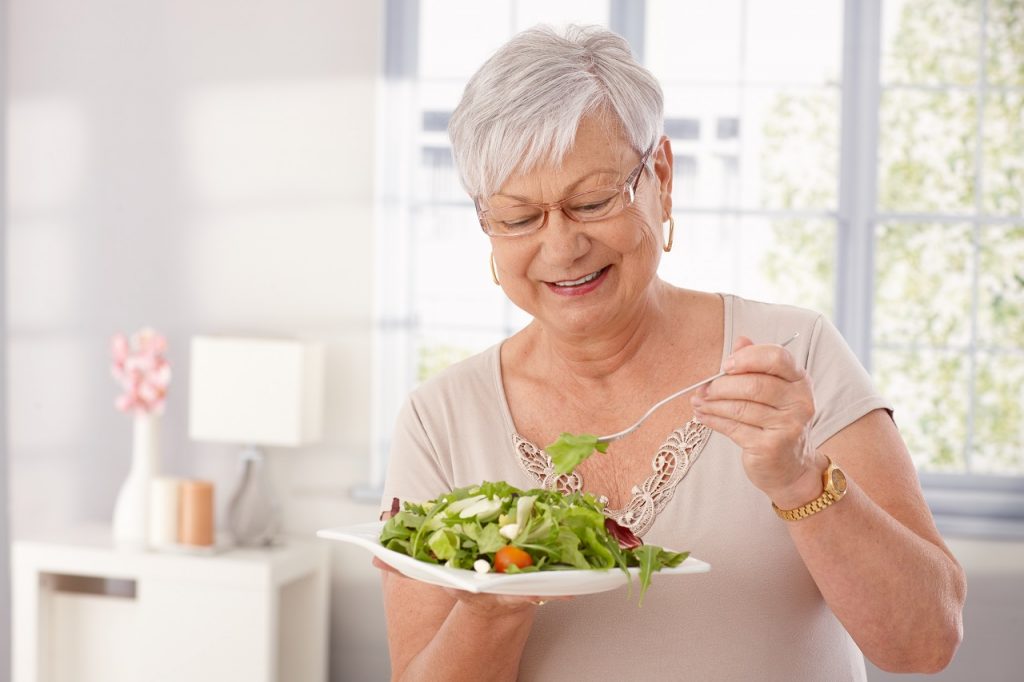

January 3, 2024 By Swati Savla Leave a Comment

Nutrition Guidelines For Seniors During Winter

nutrition guidelines for seniors

Maintaining immunity during winter is imperative, especially for seniors. It’s quite crucial to take care of their nutritional needs as they face the greatest risk of cold and flu viruses and issues like joint pain, hypothermia (which may also lead to stroke or heart attack), dry skin, aggravation of asthmatic attacks or respiratory problems. So, let’s look at some nutrition guidelines for seniors during winter! 

Nutrition Guidelines For Seniors 

Some daily dietary nourishment tips that can help seniors tackle common winter problems include:

  • Omega-3 fatty acids: Fatty fish like salmon, tuna, mackerel, walnuts, flaxseeds, chia seeds and avocado are some excellent sources of Omega-3 fatty acids.  Omega-3 fatty acids are beneficial in reducing inflammation especially in arthritis, curbing heart disease and they also play a role in cognitive development in elderly. 
  • Seasonal fruits and vegetables like all the leafy greens, berries, citrus fruits, root vegetables like beetroot, carrots and sweet potatoes. All of these are high in antioxidants, vitamins, minerals and dietary fiber which help easing the bowels. 
  • Winters mean less exposure to the sun which may be a reason for Vitamin D deficiency and impaired calcium absorption which affects bone health further. Hence, Vitamin D fortified cereals, egg yolk, milk and milk products need to be a part of the diet regularly.
  • The cold climate leads to less water intake due to the urge to urinate frequently which can act as a hindrance to our elders to maintain optimal fluid intake. Inclusion of warm soups, decaffeinated beverages, warm milk, vegetable juices, citrus fruits and gourd vegetables help them in maintaining the hydration status. A well hydrated body aids good digestion, helps in transport of nutrients and also improves the performance of joints and muscles.
  • Habituate elders to have 5-6 small but frequent meals. It is essential for improving metabolism, regulating insulin levels and improving calorie intake in older individuals who face a diminished appetite. 

Apart from good nutrition, maintaining some basic physical activity within the vicinity of the house is equally important to reduce joint pains and muscle stiffness by improving blood flow to all parts of the body and aiding better digestion and good metabolism.

We hope these nutrition guidelines for seniors during winter helps you take care of the elderly in your family and around you. Do leave your thoughts in the comments below. For more on healthy living for senior citizens, check out Healthy Reads or ask a GOQii Coach by subscribing for Personalised Health Coaching here.

#BeTheForce 

May 11, 2017 By Farida Gohil 2 Comments

Nutritional facts to help preserve muscles in Seniors

senior-citizen-exercise

As you grow older it become imperative to work towrads building strength. The elderly need strength training more and more as they grow older to stay mobile for their everyday activities. The less active a person’s lifestyle, the earlier age-related changes will manifest.

According to International Osteoporosis Foundation (IOF), Nutrition working Group examines role of Nutrition in Sarcopenia, with focus on protein, vitamin D and B, and acid-based diet.

Age-related muscle loss, called sarcopenia, is a natural part of aging. An article published in Harvard Health said that after age 30, you begin to lose as much as 3% to 5% per decade. Sarcopenia is a common consequence of aging, and poses a significant risk factor for disability in older adults. As muscle strength plays an important role in the tendency to fall, sarcopenia leads to an increased risk of fractures and other injuries.

Quoting from an article in Harvard Health, according to Dr. Thomas W. Storer, director of the exercise physiology and physical function lab at Harvard-affiliated Brigham and Women’s Hospital, just because you lose muscle does not mean its gone forever. The elderly can increase muscle mass lost as a consequence of aging. “

The International Osteoporosis Foundation (IOF) Nutrition Working Group has published a new review which identifies nutritional factors that contributes to loss of muscle mass, or conversely, are beneficial to the maintenance of muscle mass. The Group reviewed evidence on worldwide studies on the role of nutrition in sarcopenia, specifically looking at protein, acid-base balance, vitamin D/calcium, and other minor nutrients like B vitamins.

The most obvious intervention against sarcopenia is exercise in the form of resistance training. However, adequate nutritional intake and an optimal dietary acid-base balance are also very important elements of any strategy to preserve muscle mass and strength during aging.

The review discusses and identifies the following important nutritional factors that have been shown to be beneficial to the maintenance of muscle mass and the treatment and prevention of sarcopenia:

  • Protein: Your diet also plays a role in building muscle mass. Protein is the king of muscle food. The body breaks it down into amino acids, which it uses to build muscle. The authors of the study propose an intake of 1.0-1.2 g/kg of body weight per day as optimal for skeletal muscle and bone health in elderly people without severely impaired renal function. .”While food sources are the best, supplemental protein can help if you struggle with consuming enough calories and protein from your regular diet,” says Dr. Storer.
  • Vitamin D: As many studies indicate a role for vitamin D in the development and preservation of muscle mass and function, adequate Vitamin D should be ensured through exposure to sunlight and/or supplementation if required. Vitamin D supplementation in seniors, and specially in institutionalized elderly, is recommended for optimal musculoskeletal health.
  • Avoiding dietary acid loads: Excess intake of acid-producing nutrients (meat and cereal grains) in combination with low intake of alkalizing fruits and vegetable may have negative effects on musculoskeletal health. Modifying the diet to include more fruits and vegetables is likely to benefit both bones and muscles. Emerging evidence also suggests that vitamin B12 and/or folic acid play a role in improving muscles function and strength.

The Review discusses non-nutritional interventions such as hormones, and calls for more studies to identify the potential of antioxidants and anti-inflammatory compounds in the prevention of Sarcopenia.

Strategies to reduce the numbers of falls and fractures within aging populations must include measures to prevent sarcopenia. At present, the available evidence suggests that combining resistance training with optimal nutritional status has a synergistic effect in preventing and treating sarcopenia.

Check with your doctor before embarking on any kind of strength-training routine. Then have a well-qualified personal trainer to help set up a detailed routine and supervise your initial workouts to ensure you perform them safely and in the best manner.


July 23, 2025 By Farida Gohil Leave a Comment

Late Lunching can slow Weight Loss…

Late Lunching can slow Weight Loss…
A new study suggests that if you’re trying to lose weight, it’s not just about how many calories you consume but also when you consume them. If lunch is your biggest meal of the day and you tend to eat it later, you may lose weight more slowly and lose less of it overall.

In other words, the later you eat your main meal, the harder it is to lose weight. This is the conclusion reached by researchers from Brigham and Women’s Hospital (BWH) and Tufts University in Boston (US), and the University of Murcia in Spain. Their findings were published in the International Journal of Obesity.

Frank Scheer, senior author of the study and Director of the Medical Chronobiology Program at BWH, stated:

“This is the first large-scale prospective study to demonstrate that the timing of meals predicts weight-loss effectiveness.”

He added:

“Our results indicate that late eaters displayed a slower weight-loss rate and lost significantly less weight than early eaters suggesting that the timing of large meals could be an important factor in a weight-loss programme.”

Why This Study Matters

While there is significant evidence from animal studies linking meal timing to weight regulation, there has been limited data in humans. That’s what made this study so compelling.

The researchers analysed data from 420 overweight individuals enrolled in a 20-week weight-loss programme in Murcia, Spain. Here, lunch is typically the main meal of the day, accounting for about 40% of total daily calorie intake.

Participants had an average age of 42, and the group was evenly split between men and women. About half were “early eaters” (lunch before 3 PM) and half were “late eaters” (lunch after 3 PM).

Key Findings

  • Early eaters lost significantly more weight than late eaters.
  • Late eaters experienced a slower rate of weight loss and showed lower insulin sensitivity a known risk factor for type 2 diabetes.
  • These differences were not explained by:
    • Total calorie intake
    • Energy expenditure
    • Appetite-regulating hormones (leptin and ghrelin)
    • Sleep duration
    • Presence of the “clock gene” (linked to weight management difficulty)

Interestingly, while breakfast and dinner timings made little difference, the study found that:

  • Late eaters tended to be “evening types”
  • They ate smaller breakfasts
  • They were more likely to skip breakfast altogether

What This Means for You

According to lead author Marta Garaulet, Professor of Physiology at the University of Murcia:

“Timing of food intake may play a significant role in humans. Weight-loss programmes should consider not only calorie intake and macronutrient distribution, but also the timing of food.”

This study focused on a Mediterranean-style diet where lunch is the main meal. In countries like the UK or US where snacking contributes up to 25% of daily calories applying these findings directly may be more complex.

If you’re struggling to lose weight, consider when you’re eating, not just what or how much. Eating your main meal earlier in the day could improve your metabolic health and help you shed kilos more effectively.

Want to learn more about nutrition and fat loss? Browse Healthy Reads. Or get personalised guidance from a GOQii Coach by subscribing here.

#BeTheForce 

Disclaimer: The information provided in this blog is for general awareness and educational purposes only. It is not intended to replace professional medical advice, diagnosis, or treatment. Always consult a qualified healthcare provider for personalised medical guidance or concerns related to your health. Images shown are for representation purposes only and may not depict the exact recommendations or outcomes.

  • 1
  • 2
  • 3
  • …
  • 6
  • Next Page »

Search

Recent Posts

  • India Leads in Longevity: GOQii Sanjeevini Named Top 40 in $101M XPRIZE
  • The Importance Of Knowing If You’re Thirsty Or Hungry
  • Best Foods To Alleviate Irritable Bowel Syndrome
  • ALL ABOUT VERTIGO!
  • PCOS and Anxiety: Discover Relief with the 54321 Technique

Stay Updated

Archives

  • December 2025 (8)
  • November 2025 (15)
  • October 2025 (20)
  • September 2025 (6)
  • August 2025 (6)
  • July 2025 (12)
  • June 2025 (18)
  • May 2025 (16)
  • April 2025 (23)
  • March 2025 (23)
  • February 2025 (22)
  • January 2025 (26)
  • December 2024 (26)
  • November 2024 (25)
  • October 2024 (22)
  • September 2024 (24)
  • August 2024 (31)
  • July 2024 (21)
  • June 2024 (26)
  • May 2024 (31)
  • April 2024 (27)
  • March 2024 (29)
  • February 2024 (26)
  • January 2024 (25)
  • December 2023 (15)
  • November 2023 (11)
  • October 2023 (20)
  • September 2023 (22)
  • August 2023 (20)
  • July 2023 (22)
  • June 2023 (24)
  • May 2023 (24)
  • April 2023 (24)
  • March 2023 (23)
  • February 2023 (20)
  • January 2023 (16)
  • December 2022 (12)
  • November 2022 (15)
  • October 2022 (15)
  • September 2022 (12)
  • August 2022 (10)
  • July 2022 (17)
  • June 2022 (11)
  • May 2022 (10)
  • April 2022 (6)
  • March 2022 (6)
  • February 2022 (13)
  • January 2022 (12)
  • December 2021 (7)
  • November 2021 (3)
  • October 2021 (6)
  • September 2021 (3)
  • August 2021 (8)
  • July 2021 (7)
  • June 2021 (15)
  • May 2021 (16)
  • April 2021 (10)
  • March 2021 (7)
  • February 2021 (4)
  • January 2021 (4)
  • December 2020 (3)
  • November 2020 (4)
  • October 2020 (10)
  • September 2020 (3)
  • August 2020 (3)
  • July 2020 (2)
  • June 2020 (4)
  • May 2020 (10)
  • April 2020 (12)
  • March 2020 (10)
  • February 2020 (4)
  • January 2020 (4)
  • December 2019 (3)
  • November 2019 (7)
  • October 2019 (5)
  • September 2019 (4)
  • August 2019 (9)
  • July 2019 (9)
  • June 2019 (11)
  • May 2019 (4)
  • April 2019 (9)
  • March 2019 (8)
  • February 2019 (9)
  • January 2019 (8)
  • December 2018 (9)
  • November 2018 (3)
  • October 2018 (3)
  • September 2018 (5)
  • August 2018 (10)
  • July 2018 (6)
  • June 2018 (13)
  • May 2018 (8)
  • April 2018 (18)
  • March 2018 (9)
  • February 2018 (8)
  • January 2018 (15)
  • December 2017 (12)
  • November 2017 (19)
  • October 2017 (13)
  • September 2017 (15)
  • August 2017 (4)
  • July 2017 (8)
  • June 2017 (7)
  • May 2017 (6)
  • April 2017 (8)
  • March 2017 (6)
  • February 2017 (7)
  • January 2017 (9)
  • December 2016 (10)
  • November 2016 (7)
  • October 2016 (7)
  • September 2016 (7)
  • August 2016 (11)
  • July 2016 (9)
  • June 2016 (9)
  • May 2016 (12)
  • April 2016 (17)
  • March 2016 (17)
  • February 2016 (8)
  • January 2016 (6)
  • December 2015 (2)
  • November 2015 (9)
  • October 2015 (7)
  • September 2015 (9)
  • August 2015 (11)
  • July 2015 (9)
  • June 2015 (12)
  • May 2015 (9)
  • April 2015 (13)
  • March 2015 (8)
  • February 2015 (5)
  • January 2015 (12)
  • December 2014 (14)
  • November 2014 (11)
  • October 2014 (6)
  • September 2014 (13)
  • August 2014 (12)
  • July 2014 (6)
  • June 2014 (2)
  • May 2014 (7)
  • April 2014 (5)

From “Laddu Nawin” to Fit and Fierce: How a 25-Year-Old Insurance Advisor Shed 20 Kilos and Gained His Life Back

When 25-year-old Nawin Yadav from Hyderabad walked into his office every morning, he carried more than just his files and policy papers. He had the weight of fatigue, sluggish energy, and an ever-growing belly that was becoming the butt of jokes. “People … [Read More...]

“I’ve Challenged Myself to Live 100 Years” – The Story of Chandubhai Savani’s Second Chance at Life

At 67, most people start slowing down. Not Chandubhai Savani. A resident of Surat, Chandubhai, thought life was on track. “My life was going well till I had my bypass surgery,” he says. That surgery, back in 2021, was a wake-up call.  Medication was routine, but exercise wasn’t. His diet? What he calls ‘normal.’ “I […]

From Shimla’s Slopes to Chandigarh’s Sidewalks: Surinder Kaur Bhalla’s Journey from Chaos to Control

Some journeys start with a plan. Others begin with a stumble literally. Surinder Bhalla, a government professional, born and raised in the scenic hill town of Shimla, had always lived a life of movement. “In Shimla, you walked everywhere,” she reflects. “Walking was never an exercise. It was just life.” But after shifting to Chandigarh, […]

Ananda Mukherjee Health Story

From Terminal Illness To Complete Wellness! Ananda Mukherjee Health Story

As we observe World Cancer Day under the powerful theme ‘United by Unique’ (2025-2027)**, we are reminded that every individual’s journey with cancer is distinct, yet united by shared resilience, hope, and the collective fight against this disease. This theme places people at the centre of care and their stories at the heart of the […]

  • HOME
  • HEALTHY LIVING
  • FITNESS
  • HEALTHY RECIPES
  • USER STORIES
  • KARMA
  • BUY GOQii

Copyright ©2016 GOQii



