GOQii

Blog

  • HOME
  • HEALTHY LIVING
  • FITNESS
  • HEALTHY RECIPES
  • USER STORIES
  • KARMA
  • BUY GOQii

Search Results for: pranayama

May 17, 2024 By Dr. Viral Thakkar 1 Comment

Hypertension: Know it to Avoid it

Hypertension Day John, 38, is caught in the grind of a demanding job that consumes his weekdays with 12-hour shifts, tight deadlines, and constant pressure. His stressful work environment leaves him perpetually exhausted and struggling to get enough sleep. To cope with the relentless stress, John turns to partying over the weekends, indulging in late nights and heavy drinking as a way to escape his hectic routine and enjoy his financial success.
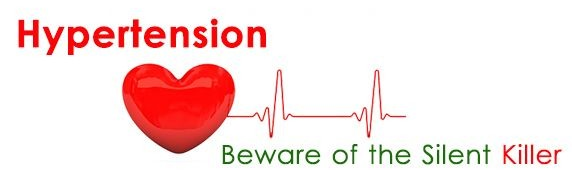

However, a few days ago, his life took an alarming turn when he was diagnosed with hypertension, with his blood pressure reading at 170/100 mmHg. The news left John tense and scared, realising that his health was at serious risk. His doctor suggested lifestyle modifications as the first step towards managing his condition.

Determined to take responsibility for his well-being, John began researching ways to improve his health. He discovered a holistic approach to wellness that includes personalised coaching, fitness tracking, and health insights. Through expert guidance, he learned strategies to manage his hypertension, leading him towards a healthier lifestyle and helping him combat the impact of his stressful job and sleepless nights.

Understanding Blood Pressure

Blood pressure is the force exerted by the blood against the walls of the blood vessels. The pressure depends on the heart’s workload and the resistance within the arteries. A normal blood pressure reading is 120 (systolic)/80 (diastolic) mmHg, while hypertension is diagnosed when readings consistently exceed 140/90 mmHg. Since blood pressure fluctuates throughout the day, at least three separate readings taken two hours apart are required to confirm chronic hypertension.

Types of Hypertension

  1. Primary Hypertension: May result from factors like plasma volume and hormonal regulation of blood pressure, or lifestyle and environmental influences.
  2. Secondary Hypertension: Develops as a complication of other conditions such as diabetes, thyroid disorders, kidney disease, sleep apnoea, or certain medications.

What Can Lead to Hypertension?

  • Stress – Chronic stress contributes to high blood pressure.
  • Underlying Health Conditions – Diabetes, cardiovascular disease, chronic kidney disease, and high cholesterol can increase risk.
  • Alcohol & Tobacco Use – Both can significantly raise blood pressure and cause other health issues.
  • Age & Gender – Hypertension is more common in individuals over 60, though lifestyle factors are causing an increase in younger adults. Men are more prone at a younger age, whereas older women experience a rise in BP due to hormonal changes.
  • Obesity & Poor Diet – Excess weight and consumption of processed, fatty, and high-salt foods increase the risk.
  • Lack of Physical Activity – A sedentary lifestyle can worsen heart health.
  • Genetic Factors – A family history of high blood pressure may contribute, but healthy habits can override genetic predispositions.

If you fall into any of these categories, it’s time to take proactive steps to maintain your health.

Your Daily Routine for Managing Hypertension

  1. Start your morning on a positive note – Be grateful, relax, and avoid rushing into stressful tasks.
  2. Eat a balanced diet – Include whole foods, fresh vegetables, fruits, lean proteins, and healthy fats while avoiding junk food.
  3. Reduce salt intake – The WHO recommends limiting salt to under 5g per day to reduce hypertension risk.
  4. Exercise regularly – Aim for at least 45 minutes of moderate activity daily.
  5. Avoid smoking & alcohol – Eliminating these habits can significantly lower blood pressure.
  6. Maintain a healthy weight – Strive to achieve and sustain a healthy BMI.
  7. Practice relaxation techniques – Pranayama, yoga, and meditation help reduce stress and improve heart health.
  8. Monitor your blood pressure – Regular check-ups help detect issues early and prevent complications.

Why Managing Hypertension is Important

Long-term hypertension can cause arterial damage, leading to complications such as:

  • Heart Disease – Increases the risk of heart attacks and heart failure.
  • Stroke – Can result from restricted blood flow to the brain.
  • Aneurysm – A bulge in an artery that can burst, leading to severe internal bleeding.
  • Kidney Failure – High blood pressure can damage kidney function over time.
  • Hypertensive Retinopathy – Can cause vision loss or blindness.

The best way to prevent and manage hypertension is to prioritise both mental and physical well-being. By reducing stress, eating healthily, staying active, and monitoring your blood pressure, you can take control of your heart health and prevent serious complications.

Have you made changes to manage hypertension? Share your experience in the comments below!

#BeTheForce

⚠ Medication should always be taken as per your doctor’s advice, but remember—lifestyle modifications are the key to long-term health!

Disclaimer: The information provided in this blog is for general awareness and educational purposes only. It is not intended to replace professional medical advice, diagnosis, or treatment. Always consult a qualified healthcare provider for personalised medical guidance or concerns related to your health.

May 6, 2024 By Dr. Viral Thakkar Leave a Comment

Safe Pregnancy

safe pregnancy

It is said that a child gives birth to a mother.

Bringing a new life in this world is a huge responsibility. The woman bears’ the responsibility of creating the new generation. It is sad to see that something so essential and pertinent is taken lightly today. And no wonder, that the instances of risk pregnancy have steadily risen.

 You are at risk if you-

  • Have a history of chronic hypertension, diabetes, heart disorders, breathing problems, Hypothyroid
  • Your age is above 35 years
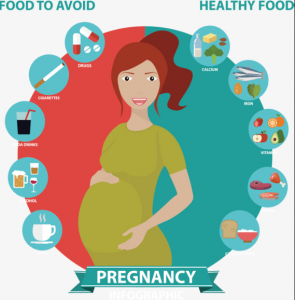
  • Smoke cigarettes, drink alcohol or consume drugs- before and during pregnancy
  • Malnutrition like anaemia
  • Mental health issues like stressful life and depression
  • Had complications like abnormal placenta position, fetal growth fetal growth restriction and Rh (rhesus) sensitization — a potentially serious condition that can occur when your blood group is Rh negative and your baby’s blood group is Rh positive.
  • Have a history of surgery on your uterus, including multiple C-sections, multiple abdominal surgeries or surgery for uterine tumours (fibroids)
  • Pregnancy risks are higher for women carrying twins or higher order multiples.

What can you do?

To ensure a healthy pregnancy for you and your baby’s health, ensure you prepare your body. Be sure that you and your partner both want a child. The mental state of a mother plays a very important role in the health of the baby and mother too, and hence the partner also should be equally involved. Nowadays we see a lot of couple marking as ‘WE’ are Pregnant as it is very important that both are involved together. Sit in a quiet place, contemplate and decide.

Eat right! Food rich in folic acid, protein, calcium and iron goes a long way to ensure a healthy pregnancy. If you love smoking and drinking, please adopt a baby! Spare the new life!

safe pregnancy 1

Get your body to move and groove! Exercise! Yoga and pranayama ensure holistic health and pregnancy is a part of it. However, if you are pregnant, consult your healthcare provider for appropriate yoga poses or any exercise.

Pregnancy or not, happy thoughts ensure good health. While you are eating right and exercising, include some smiles- you are in the process to get life into this world! Meditate for this and keep stress at bay!

 A Specialised Tests which you want to know about!

  • Lab tests might be conducted for urinary tract infections and screen you for infectious diseases such as HIV, syphilis, etc.
  • Specialized or targeted ultrasound targets a suspected problem, such as abnormal development.
  • Amniocentesis can identify certain genetic conditions, as well as neural tube defects — serious abnormalities of the brain or spinal cord.
  • Chorionic villus sampling (CVS) can identify certain genetic conditions.
  • Also known as percutaneous umbilical blood sampling, can identify certain genetic disorders, blood conditions and infections.
  • Ultrasound for cervical length might use an ultrasound to measure the length of your cervix at prenatal appointments to determine if you’re at risk of preterm labour.
  • A biophysical profile is used to check on a baby’s well-being. It might involve only an ultrasound to evaluate fetal well-being or, depending on the results of the ultrasound, also fetal heart rate monitoring (non-stress test).

Some prenatal diagnostic tests such as amniocentesis and chorionic villus sampling carry a small risk of pregnancy loss. The decision to pursue prenatal testing is up to you and your partner. Discuss the risks and benefits with your healthcare provider.


Rush to the hospital if you have

  • Severe headaches
  • Vaginal bleeding
  • Pain or cramping in the lower abdomen
  • Watery vaginal discharge — in a gush or a trickle
  • Regular or frequent contractions — a tightening sensation in the abdomen
  • Decreased fetal activity
  • Pain or burning with urination
  • Changes in vision, including blurred vision

If you have any condition different from the norm, it is best to speak with your healthcare provider. Discuss nutrition, healthy weight or any ailment you might have. Your health care provider might also discuss your risk of having a baby with a genetic condition. If you are pregnant, do not take any medicine without the advice of your health care provider- allopathy, homoeopathy, ayurvedic or any pathy!

#BeTheForce

April 13, 2024 By GOQii 1 Comment

Fitness for women over 40

women fitness @40
Turning 40 is the new 20s. But, remember your body is not what it used to be in its 20s. At 40 and over, women’s bodies go through several challenges. The older you grow the more the challenges. Which is even more reason to ensure you’re getting the nutrients you need through a healthy diet.

Now, despite all the exercise and fitness regime and being careful with your diet, you find that your waistline is expanding and don’t know what to do. Let me tell there is no magic formula, but certainly, I can say there is hope.

Did you know? When a woman is her 30s, the body’s metabolism (the rate that helps you burn calories) begins to slow down. In turn, means that she turns 40, she needs about 6 per cent fewer calories than when she was younger. This leaves little less room for that extra piece of pie those oily and carbohydrates filled French fries.

Most women fret over the fact that they are unable to maintain their beauty and body after their first pregnancy. This is because most turn to be careless towards their health, diet and medication. During pregnancy women generally face problems like the weakness of bones because of the deficiency of calcium, lower back pain due to lack of strength of lower back muscles same applies for knee pain as well.

Well, it’s not too late… You can be in your 40s and still be fit and feel good about yourself. Good food choices and exercise in your 40s and 50s can have a significant effect on your health and quality of life in your 60s, 70s and 80s. It’s never too late to start.

In my neighbourhood, I had a woman who was in her early 40s and she was detected with diabetes and blood pressure. Further due to weak knees she wasn’t able to do any kind of physical workout and that led her to become very lethargic and inactive. She knew I was in the fitness industry and a personal trainer and so approached me for some tips on how she can be fit at her age.

1women@40

Her is what I suggested to her …

Exercise – When you are over 40 and if you haven’t been fitness training then lifting any kind of weights or doing cardio in the gym might become strenuous … so here’s a solution …

* Walking – is better than any exercise… it helps to maintain and build your lost muscles as we age and also increases metabolism in the body. WALKING & EXERCISE also helps us to keep our heart more healthy and prevent illness.

*Yoga – Yoga is good for adults of all ages. Studies have shown that yoga can be extremely helpful when it comes to combating stress, fatigue and pain. Some yoga poses increase core strength and balance, which reduces the risk of fall-related injuries. Other poses can alleviate senior women-related health issues such as menopause. Above all, yoga is a form of exercise that can help senior women feel better and younger. Here are some of the yoga asanas which can help

(1)  Pranayama: Yoga Sutra cites Pranayama as a means to accomplishing higher status of awareness. The holding of breath is an important practice of reaching ultimate salvation or Samadhi. “Prana” is Breath or vital energy in the body. On subtle levels, prana represents the pranic energy responsible for life or life force, and “ayama” means control. Pranayama means the holding up of the process of exhaling and inhaling.

(2)  Surya Namaskara: Surya Namaskara has its origins in Hindu worship of the solar deity. It is a completely safe set of yoga poses that will not cause strain or injury. Surya Namaskar provides all of the key health benefits of yoga in a very concise package. This holistic exercise provides not only physical health benefits but also mental or emotional as well as spiritual benefits. The apparent gain of Surya Namaskar is the workout it provides for the muscles, but it also benefits joints, ligaments and the skeletal system by improving posture, flexibility and balance. 

(3)  Yoga Mudra: Yoga mudra in an entwined contemplative posture and cures constipation; exercises the intestines and has beneficial effects for asthmatics. It is a perfect asana for women who want to hang on to their beauty and youthfulness. It activates and exercises the lungs, cures loss of appetite, ulcer, indigestion and constipation. It also makes spine, waist, veins and muscles flexible, cures diabetes and reduces obesity

Spice it up: As you grow older, your taste buds decrease, causing many people to eat more bitter and sweet foods. Adding, natural herbs and spices to meals can keep the food healthy and appealing without adding more fat, salt and/or sugar.

Fruits and veggies: Eat two cups of fruit like oranges, apple and watermelon and 2 ½ cups of vegetables with variety each day. One serving can be a cup of frozen or fresh fruit or half a cup of dried fruit. If you have difficulty chewing raw fruits and vegetables, consider adding soups, vegetable juice, tomato sauce, stir fry or a cup of fresh fruits and vegetables to your diet.

Stay hydrated: Ageing diminishes thirst perception. Drink fluids throughout the day. Water is probably the best calorie-free beverage and best for a flawless skin, but don’t go for soda’s and those carbohydrate drinks can be harmful to your blood sugar level.

Women in their 40s and above should never feel old but, feel good about themselves. You can feel energized and fit by doing these simple exercises. You follow this regime you will achieve your goal. All you need some willpower and dedication to follow a routine.  

As you embrace the journey of aging, remember that wellness knows no age limit. With dedication to exercise, yoga, and a balanced diet, women over 40 can thrive in both body and spirit. Take charge of your health today and unlock the vitality that lies within you.

We hope this article helps you! For more articles on Women’s Health, check out Healthy Reads or speak to an expert by subscribing for GOQii’s Personalised Health Coaching here.

#BeTheForce

March 18, 2024 By Arooshi Garg 4 Comments

5 Breathing exercises for boosting immunity

breathing techniques for better sleep

Breathing exercises or “PRANAYAM’, the word is derived from ‘Prana‘ which stands for ‘life force’ and ‘Ayama‘ which means ‘to lengthen or to work on it’. Prana, in yogic terms, means the force within the body that is vital for the functioning of the body as well as its vitality. Breath is our vital source of energy. Did you know that we can throw out 80 per cent of the toxins from our body by breathing correctly? The key to healthy and happy living lies in right breathing. When we attend to our breath, it can heal us from within.

Our cells regenerate all the time, and cannot regenerate without oxygen. Breathing is the fastest and most efficient way for our bodies to get oxygen. Deep breathing helps our immune system regenerate cells in order to fight infection and any other ailments that affect us. Certain breathing exercises have shown to greatly increase the efficiency of our immune system. The better the air quality and the deeper you breathe the more you can help your immune system work properly. Routinely practicing deep breathing exercises can improve your overall immune system.

Benefits of  Pranayama to Boost Immunity

  • Pranayama enhances and stimulates the immune system
  • Improves function and strengthens cells, tissue, glands and organs
  • Pranayama releases stress, anxiety and depression
  • Removes heart blockages
  • Cures heart problems
  • Boosts overall health and cures many health issues
  • Pranayama increases blood circulation
  • Cures Aasthma, Headache, Migraine, Neurological problems, Depression, Gastric problems
  1. Cat and Cow breathing exercise:

Cat-Cow-Pose-in-Vinyasa

This is a great yoga sequence that helps to improve circulation and clear congestion in the bronchial region and sinuses.

Benefits of Cat and Cow breathing exercise:

  • It stimulates digestion and, through muscular contraction and extension, pumps blood and lymphatic fluid through the thoracic muscle groups.
  • It increases cardiovascular fitness and helps stimulate the kidneys while relieving stress from the neck and shoulder area, and extending the lumbar spine region.

How to do it:

  • Rest your arms and knees on the floor. On the inhale breath, lift and expand the front chest up and forward, elongate your throat, draw your shoulders back, and curve your middle spine downwards as you tuck in your tailbone.
  • On a strong exhale, tuck your chin to your throat, pull in your belly, and arch your spine upwards (like an angry cat), rolling your shoulders forward and down to compress the front chest.
  • Inhale to Cow Pose and exhale to Cat Pose with a fluid up-and-down, wave-like motion of the spine and torso. Repeat the cycle 5 times.
  1. Kapal Bhati Pranayam:

kapal bhati

Kapal meaning skull, Bhati meaning shining and pranayama meaning breathing technique. It is a great breathing exercise and can improve bodily functions. This breathing exercise can remove 80% of the toxins in our body through the outgoing breath. Regular practice of Kapal Bhati Pranayama can help detoxify all the systems in our body.

Benefits of Kapal Bhati:

  • Helps in increasing the metabolic rate
  • Improves digestive functioning, absorption, and assimilation of nutrients
  • Improves blood circulation and nervous system functioning

How to do it:

  • Sit at a comfortable place with your spine straight. Place your hands on the knees with palms open to the sky.
  • Take a deep breath in. As you exhale, pull your stomach in. Pull your navel in back towards the spine. Do as much as you comfortably can. You may keep your right hand on the stomach to feel the abdominal muscles contract.
  • As you relax the navel and abdomen, the breath flows into your lungs automatically.
  • Take 15-20 such breaths to complete one round of Kapal Bhati Pranayama.
  • After completing the round, relax with your eyes closed
  • Do two more rounds of Kapal Bhati Pranayam.

3.       Bee Breath (Bhramari Pranayam)

bee breathe

Bhramari Pranayama or the humming Bee Breath produces a sound similar to the humming of a bee. Bhramari comes from the Sanskrit word ‘Bramar’ which means a kind of black Indian bee. Bhramari pranayama has a soothing effect on the brain and calms the mind. Gives relief if you have a slight headache

 Benefits of Bhramari Pranayama (Bee Breath)

  • Helps mitigate migraines
  • Helps clear the nasal and ear canals
  • Clears the sinuses
  • Helps in improving concentration and memory
  • Effective in reducing blood pressure

How to do it:

  • Sit in a peaceful place with your spine erect
  • Place your index fingers on the cartilage between your cheek and ear
  • Take a deep breath in and as you breathe out, gently press the cartilage. You can keep the cartilage pressed or press it in and out with your fingers while making a loud humming sound like a bee
  • Breathe in again and continue the same pattern 4-5 times.

Precautions for doing Bhramari Pranayama

  • Ensure that you are not putting your finger inside the ear but on the cartilage
  • Don’t press the cartilage too hard. Gently press and release with the finger
  • While making the humming sound, keep your mouth closed
  1. Dog Breathing Exercise

Dog Breathing cleanses and detoxifies the body while expelling the toxins out from deep inside your tissues. The sharp contracting movements while practicing Dog Breathing strengthens the abdominal muscles.

Benefits of Dog breathing:

  • It beneficial in preventing fat deposition in the abdominal area,
  • Helps in improving the respiratory capacity and prevents the person from catching any respiratory disorder if practiced regularly.

How to do it:

  • Sit in Easy Pose with your chin in and your chest out. Stick your tongue all the way out and keep it out as you rapidly breathe in and out through your mouth. This is called Dog Breath. Continue this breath for 3-5 minutes.
  • To finish, inhale, and hold your breath for 15 seconds and press the tongue against the upper palate. Exhale. Repeat this sequence two more times.
  • Beginners can start with 15- 20 seconds and gradually reach up to 1 and then up to 5 minutes.
  1. Bhastrika Pranayama

bhastarika

It strengthens the immune power. Practice Bhastrika Pranayama for 10 minutes in the morning and evening on an empty stomach daily for one month.

Benefits of Bhastrika Pranayam

  • Helps reduce episodes of cold, cough and flu
  • Improves thyroid function and tonsils

How to do it:

  • Sit comfortably on the flat ground.
  • Take a deep breath through both nostrils and fill the lungs with air and then exhale with a hissing sound.
  • Inhale deeply and exhale completely.
  • Do this for 2 min to 5 minutes max

Precautions for Bhastrika Pranayama

Those suffering from lungs, heart problems and high blood pressure should practice slowly. High blood pressure patients should exhale through the mouth instead of the nose.

Incorporating these simple yet powerful breathing exercises into your daily routine can significantly boost your immunity and improve your overall health. Practice regularly and feel the transformative effects on your body and mind. For further information or guidance, reach out to our certified experts by subscribing to GOQii’s Personalised Health Coaching here.

#BeTheForce 

  • « Previous Page
  • 1
  • 2
  • 3
  • 4
  • 5
  • 6
  • …
  • 14
  • Next Page »

Search

Recent Posts

  • India Leads in Longevity: GOQii Sanjeevini Named Top 40 in $101M XPRIZE
  • The Importance Of Knowing If You’re Thirsty Or Hungry
  • Best Foods To Alleviate Irritable Bowel Syndrome
  • ALL ABOUT VERTIGO!
  • PCOS and Anxiety: Discover Relief with the 54321 Technique

Stay Updated

Archives

  • December 2025 (8)
  • November 2025 (15)
  • October 2025 (20)
  • September 2025 (6)
  • August 2025 (6)
  • July 2025 (12)
  • June 2025 (18)
  • May 2025 (16)
  • April 2025 (23)
  • March 2025 (23)
  • February 2025 (22)
  • January 2025 (26)
  • December 2024 (26)
  • November 2024 (25)
  • October 2024 (22)
  • September 2024 (24)
  • August 2024 (31)
  • July 2024 (21)
  • June 2024 (26)
  • May 2024 (31)
  • April 2024 (27)
  • March 2024 (29)
  • February 2024 (26)
  • January 2024 (25)
  • December 2023 (15)
  • November 2023 (11)
  • October 2023 (20)
  • September 2023 (22)
  • August 2023 (20)
  • July 2023 (22)
  • June 2023 (24)
  • May 2023 (24)
  • April 2023 (24)
  • March 2023 (23)
  • February 2023 (20)
  • January 2023 (16)
  • December 2022 (12)
  • November 2022 (15)
  • October 2022 (15)
  • September 2022 (12)
  • August 2022 (10)
  • July 2022 (17)
  • June 2022 (11)
  • May 2022 (10)
  • April 2022 (6)
  • March 2022 (6)
  • February 2022 (13)
  • January 2022 (12)
  • December 2021 (7)
  • November 2021 (3)
  • October 2021 (6)
  • September 2021 (3)
  • August 2021 (8)
  • July 2021 (7)
  • June 2021 (15)
  • May 2021 (16)
  • April 2021 (10)
  • March 2021 (7)
  • February 2021 (4)
  • January 2021 (4)
  • December 2020 (3)
  • November 2020 (4)
  • October 2020 (10)
  • September 2020 (3)
  • August 2020 (3)
  • July 2020 (2)
  • June 2020 (4)
  • May 2020 (10)
  • April 2020 (12)
  • March 2020 (10)
  • February 2020 (4)
  • January 2020 (4)
  • December 2019 (3)
  • November 2019 (7)
  • October 2019 (5)
  • September 2019 (4)
  • August 2019 (9)
  • July 2019 (9)
  • June 2019 (11)
  • May 2019 (4)
  • April 2019 (9)
  • March 2019 (8)
  • February 2019 (9)
  • January 2019 (8)
  • December 2018 (9)
  • November 2018 (3)
  • October 2018 (3)
  • September 2018 (5)
  • August 2018 (10)
  • July 2018 (6)
  • June 2018 (13)
  • May 2018 (8)
  • April 2018 (18)
  • March 2018 (9)
  • February 2018 (8)
  • January 2018 (15)
  • December 2017 (12)
  • November 2017 (19)
  • October 2017 (13)
  • September 2017 (15)
  • August 2017 (4)
  • July 2017 (8)
  • June 2017 (7)
  • May 2017 (6)
  • April 2017 (8)
  • March 2017 (6)
  • February 2017 (7)
  • January 2017 (9)
  • December 2016 (10)
  • November 2016 (7)
  • October 2016 (7)
  • September 2016 (7)
  • August 2016 (11)
  • July 2016 (9)
  • June 2016 (9)
  • May 2016 (12)
  • April 2016 (17)
  • March 2016 (17)
  • February 2016 (8)
  • January 2016 (6)
  • December 2015 (2)
  • November 2015 (9)
  • October 2015 (7)
  • September 2015 (9)
  • August 2015 (11)
  • July 2015 (9)
  • June 2015 (12)
  • May 2015 (9)
  • April 2015 (13)
  • March 2015 (8)
  • February 2015 (5)
  • January 2015 (12)
  • December 2014 (14)
  • November 2014 (11)
  • October 2014 (6)
  • September 2014 (13)
  • August 2014 (12)
  • July 2014 (6)
  • June 2014 (2)
  • May 2014 (7)
  • April 2014 (5)

From “Laddu Nawin” to Fit and Fierce: How a 25-Year-Old Insurance Advisor Shed 20 Kilos and Gained His Life Back

When 25-year-old Nawin Yadav from Hyderabad walked into his office every morning, he carried more than just his files and policy papers. He had the weight of fatigue, sluggish energy, and an ever-growing belly that was becoming the butt of jokes. “People … [Read More...]

“I’ve Challenged Myself to Live 100 Years” – The Story of Chandubhai Savani’s Second Chance at Life

At 67, most people start slowing down. Not Chandubhai Savani. A resident of Surat, Chandubhai, thought life was on track. “My life was going well till I had my bypass surgery,” he says. That surgery, back in 2021, was a wake-up call.  Medication was routine, but exercise wasn’t. His diet? What he calls ‘normal.’ “I […]

From Shimla’s Slopes to Chandigarh’s Sidewalks: Surinder Kaur Bhalla’s Journey from Chaos to Control

Some journeys start with a plan. Others begin with a stumble literally. Surinder Bhalla, a government professional, born and raised in the scenic hill town of Shimla, had always lived a life of movement. “In Shimla, you walked everywhere,” she reflects. “Walking was never an exercise. It was just life.” But after shifting to Chandigarh, […]

Ananda Mukherjee Health Story

From Terminal Illness To Complete Wellness! Ananda Mukherjee Health Story

As we observe World Cancer Day under the powerful theme ‘United by Unique’ (2025-2027)**, we are reminded that every individual’s journey with cancer is distinct, yet united by shared resilience, hope, and the collective fight against this disease. This theme places people at the centre of care and their stories at the heart of the […]

  • HOME
  • HEALTHY LIVING
  • FITNESS
  • HEALTHY RECIPES
  • USER STORIES
  • KARMA
  • BUY GOQii

Copyright ©2016 GOQii