
GOQii

Blog

  • HOME
  • HEALTHY LIVING
  • FITNESS
  • HEALTHY RECIPES
  • USER STORIES
  • KARMA
  • BUY GOQii

Search Results for: mindful eating

October 18, 2025 By Jyoti Sawant Leave a Comment

Indulge and yet stay in shape

Sounds surprising that you can indulge and yet stay in shape? It feels almost impossible? Believe me, it’s possible to achieve, only of course if you have the will to do so. No, we are not going to tell you to skip eating sweets and savouries altogether and indulge in salads alone. Festivals and family functions would not be half as much fun if they were devoid of those yummy goodies- sweets, snack platters, dry fruits and so on.

There is absolutely no need to feel deprived and skip them altogether. All you need to do is change your cooking habits and recipes a tad bit to make stuff that is low in fat, calories, salt and even sugar.

Here are a few simple tips that will help you eat the food you want and you won’t feel guilty binging on:

  • Use the god’s favourite sweetening agent- jaggery – to make sweets. Gurpaare (Shakkarpaare with a coating of jaggery) is one of the sweet snacks you can make easily. Gurkeladdoo is another option- mix any dal (pulses)  with jaggery to make these yummy laddoos.
  • Use sugar-free along with skimmed milk to prepare delicious sweets such as Phirni, kalakand, Kheer, various Bengali sweets, Carrot halwa, Sooji halwa etc. The rest of the recipes remain the same; just use less oil and no sugar.
  • When guests come, don’t serve only sweets but, also serve some homemade chatpate snacks such as BhelPuri, Chaklis, MethiMathris, etc. Make it a point to add some pulses, spinach, chopped mint leaves and coriander to your snacks to give them the required nutritional value.
  • Get innovative with snacks. Who says you have to stick to the routine menu? Dare to do something different and instead of serving cutlets and chips each time, serve roasted Masala Papad, Dahi puri with sprout filling, Sprout Chaat, MoongDaal Chaat with onions, coriander, tomatoes and tamarind chutney and so on.
  • Make dry fruits and nuts a regular item in your menu for guests as well as for yourself but of course eat these in moderation. Consume them in their natural form instead of frying them or adding extra salt or sugar to them.
  • While making snacks that need to be made with maize flour (Maida), mix in some high fibre flour such as bajra or ragi or soy flour.
  • Roast the salted snacks in the oven with just a few drops of olive oil so that they do not stick to the baking dish, instead of frying them.
  • Again, grill kebabs and bake cutlets in the oven or even the microwave instead of frying them.
  • Some guests may even like a portion of garlic bread with cutlets instead of binging on heavy sweets. Do go ahead and ask them. And if they do want it, just peel and crush some garlic pods quickly and add them in butter melted in the microwave and spread on the bread slices evenly. Now grill in the oven for a minute or two and your garlic bread is ready to serve.
  • For sweets such as Rabdi and Phirni, use condensed milk for a richer taste instead of adding fattening and full of calories khoya or mava. 

Embracing a healthier approach to festive indulgence opens the door to guilt-free enjoyment. By making simple tweaks to your recipes and embracing nutritious alternatives, you can savor the flavors of celebration without compromising your well-being. So go ahead, delight in the festivities, create your health-conscious culinary masterpieces, and keep discovering more about mindful eating through our Healthy Reads. For Personalised guidance and expert coaching, consider subscribing to GOQii here and embark on a journey to a healthier you!

Go on… indulge!

#BeTheForce 

Disclaimer: The information provided in this blog is for general awareness and educational purposes only. It is not intended to replace professional medical advice, diagnosis, or treatment. Always consult a qualified healthcare provider for personalised medical guidance or concerns related to your health. Images shown are for representation purposes only and may not depict the exact recommendations or outcomes.

July 31, 2025 By GOQii 6 Comments

Common Myths About Exercise & Nutrition

Nutrition and Exercise myths and factsIn the quest to lead a healthier and fitter life, we do end up reading and talking a lot about it. While exchanging information is good, the kind of information you exchange also matters. Are we following the right advice? Is this correct? Can this be verified? Is this information about nutrition and exercise coming from a trusted source?

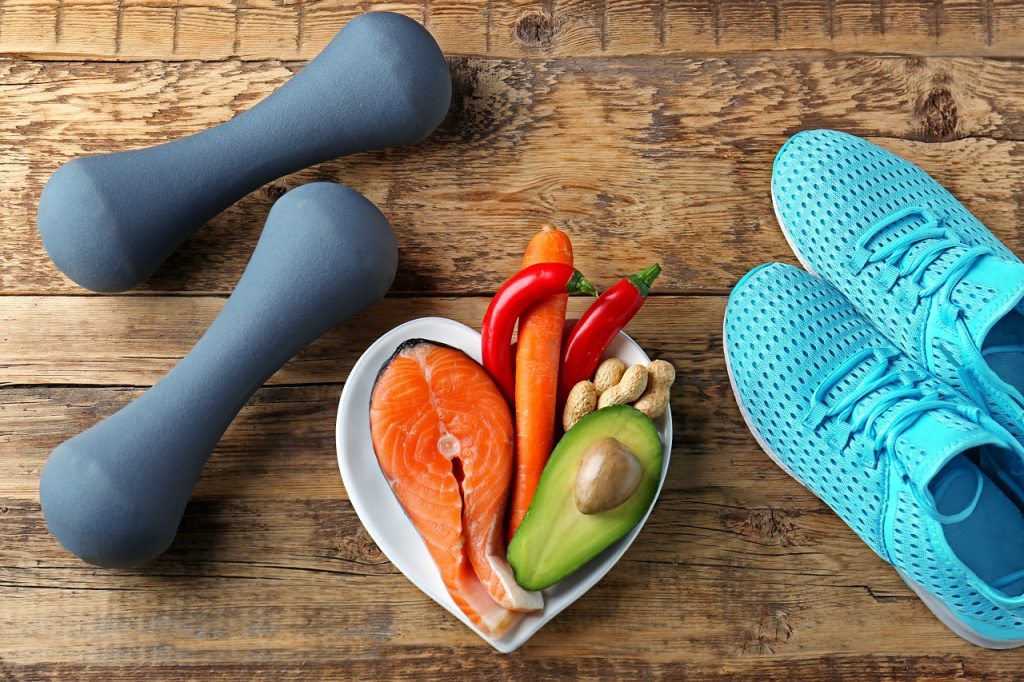
There is no harm in reading about nutrition and exercise and following through, provided that it comes from a reliable source. Doing your own research on a topic can save you from following myths and sabotaging your own journey.

Keeping that in mind, let’s explore some common myths around exercise and nutrition.

Myth #1: Some Fruits Shouldn’t Be Given to Diabetic & Weight Loss Cases

Fact: Mango, Grapes, Chikoo and Bananas are often considered as enemies for diabetics and weight loss cases, considering their natural sugar content. Yes, I agree they are naturally loaded with sugar content, although best in class when it comes to nutrients. One should always consider the nutrients in a food rather than the natural sugar content or calories.

These food, when consumed at the right time and right quantity, provide fruitful benefits! For instance, Mango being high on Fiber, when consumed as an in-between meal gives you fullness and makes you not munch on the otherwise unhealthy stuff. Studies have proven that Mangoes have anti-inflammatory & antioxidant properties, which help obese people lose weight and in turn is helpful to diabetics. Bananas‘ high levels of B6 helps Type 2 Diabetics due to its anti-glycatic properties.

Myth #2: Rice is Fattening

Fact: Rice is high on carbohydrates and not high on Fat. When taken in right quantities and timing, it will get utilized by the body and will not end up being stored in the form of Fat. Again, rice is not responsible for weight gain. It is how our body processes food and reacts to excessive food, irrespective of whether that food is Rice, Quinoa, Oats, Whole Wheat or even Protein.

The best way to eat rice is to combine it with some protein source or fiber. For instance, Rice + Dal or Rice+ Fish Curry. Timing is equally important. You can have rice post a workout for your lunch, wherein your body can burn it off during the rest of the day. We can enjoy it for dinner too, provided the dinner is around 7-7.30pm.

Myth #3: Spot Reduction

Fact: There is nothing like spot reduction! As and when we lose or gain weight, it happens overall and not in one place. When we lose, it is as per the fat cells in the specific area which may have a tendency to lose more or gain more, depending upon your genes. When we train our muscles to be stronger, body burns more to repair and maintain them. While doing so, it does not take fat from the local area, it will take fat from all over to burn.

Myth #4: Ghee (Homemade Butter) Makes One Fat

Fact: Homemade Cow’s Milk Butter (Ghee) contains CLA (Conjugated Linoleic Acid) which helps you mobilize the stubborn fat in your body to help you energize. It has added benefits like anti-ageing, sexual vitality, healthy skin and eyes, etc. Want to lose weight? Add a spoon of homemade ghee to the plate.

Myth #5: Multigrain Biscuits and Fat-Free Snacks Are Healthy

Fact: We often get fooled with the marketing gimmicks that Multigrain is healthy, fat-free is the best snack, etc. If we get into more details, we can clearly see the facts. Just turn the packet of these foods around and read the label. The ingredient list goes in a descending order of the content of the food and the first ingredient is wheat, which we end up thinking to be whole wheat, where as it is the processed form of wheat which is Maida.

Majority of the contents are not healthy, it is just that they are given fancy names to fool us like Demerara Sugar, which is actually just normal sugar. The marketing names used are often the least in the percentage in the food, like Ragi, Multigrain, Oats, etc.

Myth #6: More Cups of Green Tea = More Fat Burned

Fact: Green tea, when taken in the right quantity and at the right time, can help you burn fat. This is due to its caffeine content. When people have it in larger amounts like 6-8 cups or more in a day, it ends up making them dehydrated and acidic. Rather than increasing the metabolism, it slows it down.  Thus, there is no extra ‘burning’ that will happen if one has it more. As we always say, anything in excess is not good, even if it is healthy.

Myth #7: Skipping Meals Helps One Lose Fat

Fact: Skipping meals will make you lose weight for sure. Although there is a difference between weight loss and fat loss. What do we do when our mom is not at home to give us food and we are very hungry and you cannot place an order for food?  We look for easy options at home to kill the hunger, right?

Our body does the same when we skip meals. It will look out for options within the body. The easiest one is the muscle glycogen storage, it will opt for that first and when one loses muscle content, there is a loss in body weight too, as muscle weighs a lot naturally. Although, metabolism goes down and fat content remains the same or increases. Skipping meals helps you lose precious muscle content while the fat still sticks around, in fact, increases too at times. 

Myth #8: Only Running Helps in Weight Loss & Maintenance

Fact: Running is a great sport/exercise. It has its own high due to the endorphin rush it gives you, especially when running outside. No doubt it gives you great results with regards to weight loss, although it is majorly muscle loss that happens if the pre and post run meal is not taken care of.

If one keeps running for a long time without strengthening workouts, they are bound to lose more and more muscle. Thus, weight loss will surely be seen but not in a healthy way. Later, when one stops running, they will gain all that weight quickly as the metabolism is low. Running will help one lose fat only when combined with strengthening workouts over the week.

Myth #9: Eating Extra Protein Helps Build Muscles

Fact: Given the fact that muscles need protein to survive, everyone assumes if you have extra protein, the body will keep it only for the muscles. This is not the case. At any given point, our body will take as much as required and the rest goes in to excess. Let that be Carbohydrates, Proteins or Fats. Whatever is excess and that which the body doesn’t require will go to storage, which is fat.

Myth #10: Lifting Weights Isn’t a Good Way to Lose Weight Because It’ll Make Me Bulk Up

Fact: Weight training will break your muscle and repair it back to be a little stronger and denser than the last time. Yes! This process will add up on your body weight but not fat.  You will start adding bulk depending upon the type of training you take and the type of nutrition support you have. The bulk up can happen only if you aim at it and train accordingly. If we are not looking at bulking up, one can train as per that. For instance, lesser weights and basic reps of 15-20.

Myth #11: Physical Activity Only Counts If I Do It for Longer Periods of Time

Fact: Workouts done the right way, at the right time, give us the right benefits! Some have a notion that if one trains for longer hours, the results will be better and faster. When one trains for longer hours, our body starts secreting Cortisol, which is a stress hormone. Due to excess cortisol, the body will store more fat and start losing muscle. This will in turn make metabolism slower. Thus, the quality of workout matters rather than the timings.

Myth #12: People Who Are Thin Don’t Need Exercise

Fact: One exercises because they want to be healthy and fit, not to lose weight. Majority think only those who want to lose weight need to workout. Everyone needs to workout. However, the type of exercise and its intensity will vary depending upon the person’s health and fitness goals. Thin people need to aim at gaining muscles. Often, thin people have the same percentage of fat as the person who actually looks fat. This is because the person who looks thin usually has least amount of muscles and thus, the body weight is lesser (as muscles are very dense).

Myth #13: If You Binge and Detox Later, It Nullifies The Binging.

Fact: This is like punishing your body! First you eat a lot and then you make it starve by detox methods or working out for hours. Rather than doing this, while eating out, one can practice mindful eating. Mindful eating involves chewing well and enjoying the food. It will end up in portion control too as your mind knows where to stop. If you binge, you eat fast. You eat the food with guilt and later punish it. Which is completely wrong! By practicing mindful eating we can eat out and not punish the body. We do need a detox at times to cleanse toxins but not as a punishment for binging.

If this article helped you identify myths and clear all your doubts on nutrition and exercise with facts, let us know in the comments below! You can find more articles on making a healthier lifestyle change here.

To bust more myths and get the right information from a certified expert, speak to a GOQii Coach by subscribing for Personalised Health Coaching here.

#BeTheForce

Disclaimer: The information provided in this blog is for general awareness and educational purposes only. It is not intended to replace professional medical advice, diagnosis, or treatment. Always consult a qualified healthcare provider for personalised medical guidance or concerns related to your health. Images shown are for representation purposes only and may not depict the exact recommendations or outcomes.

July 15, 2025 By GOQii Leave a Comment

Silencing the Food Noise: Tackling Cravings While on GLP-1 Therapy

Silencing the Food Noise: Tackling Cravings While on GLP-1 Therapy
Think about this for a second: You’re in the middle of your workday, focused and productive, when out of nowhere, a voice in your head pipes up: “A slice of cake wouldn’t hurt…” Suddenly, you’re battling thoughts of crisps, chocolate, or that tempting takeaway. This constant internal dialogue about food, often referred to as food noise, can be one of the biggest hurdles to healthy eating, even when you’re on effective treatments like GLP-1 receptor agonists.

So, what exactly is food noise? And how do you quieten it, especially if you’re already on medication that’s supposed to help with appetite?

Food noise is the non-stop chatter in your brain about food, whether you’re hungry or not. It’s that mental loop of cravings, planning your next snack, or emotional eating cues that have nothing to do with physical hunger. It can be:

  • A response to stress
  • A product of habit
  • A way to avoid difficult emotions
    Or simply environmental, like the smell of baked goods or a food advert on TV

For many people with obesity or type 2 diabetes, food noise can feel relentless. And it’s not about lack of willpower, it’s rooted in biology, psychology, and learned behaviour.  Weight loss and hormone experts state that food noise appears to be significantly reduced by medications like semaglutide and tirzepatide.

How this is thought to work is that these medications essentially block or reduce the communication between the digestive tract and the brain, thus interfering with “food noise” signals that trigger hunger, cravings, or intrusive thoughts about food.

How GLP-1 Medications Help – But Don’t Silence Everything

GLP-1 receptor agonists such as semaglutide and liraglutide are game-changers. They work by mimicking a hormone that regulates appetite, slows gastric emptying, and helps you feel full sooner and for longer. In many people, this leads to significant weight loss and improved glucose control.

However, while GLP-1 therapy may reduce food noise, it doesn’t eliminate it. Emotional eating patterns, deeply embedded habits, and environmental triggers don’t disappear overnight. This is why managing food noise needs a multi-faceted approach.

Strategies to Deal With Food Noise

Here are evidence-backed strategies that can help quieten the noise and bring more awareness and control to your eating habits:

  1. Name It to Tame It

The moment you notice food thoughts popping up, pause. Ask yourself:

“Is this physical hunger or head hunger?” Recognising the difference gives you power over the impulse. If it’s an emotional or habitual issue, acknowledge it; don’t judge yourself for it.

  1. Mindful Eating Practices

Slow down. Engage all your senses when you eat. When you eat without distractions, no phone, no telly, just you and your plate, you become more in tune with your body’s hunger and fullness signals. Research shows mindful eating can significantly reduce binge-eating behaviours and promote satisfaction with smaller portions.

  1. Don’t Skip Meals

Ironically, skipping meals can make food noises louder later in the day. GLP-1s may reduce appetite, but your body still needs nutrition. Structured, balanced meals prevent dips in energy and minimise rebound cravings.

  1. Strategic Snacking

Instead of resisting snacks altogether, plan smarter ones. High-protein, high-fibre options (think Greek yoghurt, boiled eggs, or nuts) can keep you full longer and curb the urge for sugary quick fixes.

  1. Create a ‘Craving Pause’ Ritual

When cravings hit, delay action by 10 minutes. Take a walk, sip water, write in a journal, or simply breathe. Most cravings peak and fade quickly—this brief pause creates space for you to respond thoughtfully rather than react impulsively.

  1. Environment Matters

Out of sight, out of mind works. Keep trigger foods out of your immediate environment and make nourishing options more accessible. Rearranging your fridge or pantry can be a surprisingly effective first step.

  1. Address Emotional Triggers

Cravings often mask emotions – boredom, sadness, loneliness, even joy. Therapy, journaling, or talking with a trusted friend can help untangle emotional patterns behind eating.

When to Seek Support

If food noise continues to dominate your day, consider speaking to a dietitian, health coach, or behavioural therapist with experience in obesity care. GLP-1s are powerful, but they work best when combined with lifestyle tools, habit change, and compassionate support.

You’re Not Failing – You’re Rewiring

If you’re on GLP-1 therapy and still struggling with food noise, you’re not doing anything wrong. Remember: you’re unlearning years sometimes decades of behaviour. That takes time, patience, and persistence.

Cravings are not a moral failing. They’re a message. And with the right tools, you can listen, learn, and choose differently.

#BeTheForce

Disclaimer: The information provided in this blog is for general awareness and educational purposes only. It is not intended to replace professional medical advice, diagnosis, or treatment. Always consult a qualified healthcare provider for personalised medical guidance or concerns related to your health. Images shown are for representation purposes only and may not depict the exact recommendations or outcomes.

June 20, 2025 By Sunita Arora 2 Comments

11 Easy Habits To Help You Lose Weight

easy habits to help you lose weightAs a lifestyle coach and weight management expert, I often meet individuals who find themselves stuck on their weight loss journey. In a previous article, I shared insights on 11 Unhealthy Habits That Are Destroying Your Health. Today, let’s focus on what you can do. With small, consistent changes to your daily routine, weight loss becomes more sustainable and far less overwhelming.

Here are 11 simple habits that can help you take control of your health and shed excess weight-without drastic measures.

11 Habits For a Healthier You

  1. Read Food Labels: Understanding nutrition labels empowers you to make better food choices. This is especially important if you’re managing conditions such as diabetes, high blood pressure, or high cholesterol. Look at the ingredients list – the greatest quantities are listed first. So, if sugar or corn syrup appears near the top, it’s best to steer clear.
  2. Maintain a Food Journal: Still not seeing results? Start logging your meals. A food journal helps you identify patterns and track where excess calories may be sneaking in. It’s an excellent self-awareness tool that puts you back in charge of your choices.
  3. Begin Your Day With Protein: We can’t emphasise this enough – don’t skip breakfast! A high-protein breakfast stabilises blood sugar, curbs mid-morning cravings, and jump-starts your metabolism. Think Greek yoghurt, eggs, oats, cottage cheese, or a handful of nuts and seeds.
  4. Eat Slow and Chew More: Digestion begins in the mouth. Eating too quickly can lead to overeating. Chewing your food properly and taking your time allows you to feel full with less, while also improving nutrient absorption.
  5. Let Dinner Be Your Final Meal: Late-night snacking often stems from boredom or emotional triggers rather than hunger. If you truly need something after dinner, opt for light, high-fibre snacks like air-popped popcorn, hummus with veg sticks, or a small portion of unsweetened yoghurt. Otherwise, aim to make dinner your last meal of the day.
  6. Don’t Skip Meals: Skipping meals can slow your metabolism and lead to poor food choices later in the day. Regular meals support muscle maintenance, bone health, and immune function. When you under-eat, fatigue, hair loss, and low immunity can follow.
  7. Avoid Screens While Eating: Watching TV or using your phone while eating can distract you from recognising fullness cues. Mindful eating allows you to enjoy your food more, make healthier decisions, and prevent overeating.
  8. Use Smaller Plates: Visual cues influence our appetite. Using smaller plates encourages portion control, while larger plates often trick the brain into thinking you need more food than necessary. When dining out, ask for a half portion or share your meal – your waistline will thank you.
  9. Aim For 8 Hours of Sleep: Sleep deprivation leads to higher calorie consumption and poor food decisions. Prioritise 7-9 hours of quality sleep. Without it, planning meals, exercising and resisting cravings becomes harder. A consistent sleep routine supports long-term weight management.
  10. Stay Hydrated: Drinking enough water helps flush toxins, reduce cravings, and promote a feeling of fullness. Aim for 2-3 litres a day, adjusting for weather and activity level. Often, what we interpret as hunger is actually thirst.
  11. Move More: Daily movement is just as important as planned workouts. Walking, cycling, taking the stairs, or dancing in your kitchen-all count. Physical activity not only burns calories, but also boosts metabolism, improves strength, and supports mental wellbeing.

Weight loss doesn’t require extreme dieting or intense workouts. By adopting these small yet impactful habits, you can build a healthier, more sustainable lifestyle. Want support along the way? Explore more articles on Healthy Reads or chat with a certified GOQii Health Coach by subscribing to personalised coaching here.

#BeTheForce 

Disclaimer: The information provided in this blog is for general awareness and educational purposes only. It is not intended to replace professional medical advice, diagnosis, or treatment. Always consult a qualified healthcare provider for personalised medical guidance or concerns related to your health. Images shown are for representation purposes only and may not depict the exact recommendations or outcomes.

  • « Previous Page
  • 1
  • …
  • 3
  • 4
  • 5
  • 6
  • 7
  • …
  • 28
  • Next Page »

Search

Recent Posts

  • India Leads in Longevity: GOQii Sanjeevini Named Top 40 in $101M XPRIZE
  • The Importance Of Knowing If You’re Thirsty Or Hungry
  • Best Foods To Alleviate Irritable Bowel Syndrome
  • ALL ABOUT VERTIGO!
  • PCOS and Anxiety: Discover Relief with the 54321 Technique

Stay Updated

Archives

  • December 2025 (8)
  • November 2025 (15)
  • October 2025 (20)
  • September 2025 (6)
  • August 2025 (6)
  • July 2025 (12)
  • June 2025 (18)
  • May 2025 (16)
  • April 2025 (23)
  • March 2025 (23)
  • February 2025 (22)
  • January 2025 (26)
  • December 2024 (26)
  • November 2024 (25)
  • October 2024 (22)
  • September 2024 (24)
  • August 2024 (31)
  • July 2024 (21)
  • June 2024 (26)
  • May 2024 (31)
  • April 2024 (27)
  • March 2024 (29)
  • February 2024 (26)
  • January 2024 (25)
  • December 2023 (15)
  • November 2023 (11)
  • October 2023 (20)
  • September 2023 (22)
  • August 2023 (20)
  • July 2023 (22)
  • June 2023 (24)
  • May 2023 (24)
  • April 2023 (24)
  • March 2023 (23)
  • February 2023 (20)
  • January 2023 (16)
  • December 2022 (12)
  • November 2022 (15)
  • October 2022 (15)
  • September 2022 (12)
  • August 2022 (10)
  • July 2022 (17)
  • June 2022 (11)
  • May 2022 (10)
  • April 2022 (6)
  • March 2022 (6)
  • February 2022 (13)
  • January 2022 (12)
  • December 2021 (7)
  • November 2021 (3)
  • October 2021 (6)
  • September 2021 (3)
  • August 2021 (8)
  • July 2021 (7)
  • June 2021 (15)
  • May 2021 (16)
  • April 2021 (10)
  • March 2021 (7)
  • February 2021 (4)
  • January 2021 (4)
  • December 2020 (3)
  • November 2020 (4)
  • October 2020 (10)
  • September 2020 (3)
  • August 2020 (3)
  • July 2020 (2)
  • June 2020 (4)
  • May 2020 (10)
  • April 2020 (12)
  • March 2020 (10)
  • February 2020 (4)
  • January 2020 (4)
  • December 2019 (3)
  • November 2019 (7)
  • October 2019 (5)
  • September 2019 (4)
  • August 2019 (9)
  • July 2019 (9)
  • June 2019 (11)
  • May 2019 (4)
  • April 2019 (9)
  • March 2019 (8)
  • February 2019 (9)
  • January 2019 (8)
  • December 2018 (9)
  • November 2018 (3)
  • October 2018 (3)
  • September 2018 (5)
  • August 2018 (10)
  • July 2018 (6)
  • June 2018 (13)
  • May 2018 (8)
  • April 2018 (18)
  • March 2018 (9)
  • February 2018 (8)
  • January 2018 (15)
  • December 2017 (12)
  • November 2017 (19)
  • October 2017 (13)
  • September 2017 (15)
  • August 2017 (4)
  • July 2017 (8)
  • June 2017 (7)
  • May 2017 (6)
  • April 2017 (8)
  • March 2017 (6)
  • February 2017 (7)
  • January 2017 (9)
  • December 2016 (10)
  • November 2016 (7)
  • October 2016 (7)
  • September 2016 (7)
  • August 2016 (11)
  • July 2016 (9)
  • June 2016 (9)
  • May 2016 (12)
  • April 2016 (17)
  • March 2016 (17)
  • February 2016 (8)
  • January 2016 (6)
  • December 2015 (2)
  • November 2015 (9)
  • October 2015 (7)
  • September 2015 (9)
  • August 2015 (11)
  • July 2015 (9)
  • June 2015 (12)
  • May 2015 (9)
  • April 2015 (13)
  • March 2015 (8)
  • February 2015 (5)
  • January 2015 (12)
  • December 2014 (14)
  • November 2014 (11)
  • October 2014 (6)
  • September 2014 (13)
  • August 2014 (12)
  • July 2014 (6)
  • June 2014 (2)
  • May 2014 (7)
  • April 2014 (5)

From “Laddu Nawin” to Fit and Fierce: How a 25-Year-Old Insurance Advisor Shed 20 Kilos and Gained His Life Back

When 25-year-old Nawin Yadav from Hyderabad walked into his office every morning, he carried more than just his files and policy papers. He had the weight of fatigue, sluggish energy, and an ever-growing belly that was becoming the butt of jokes. “People … [Read More...]

“I’ve Challenged Myself to Live 100 Years” – The Story of Chandubhai Savani’s Second Chance at Life

At 67, most people start slowing down. Not Chandubhai Savani. A resident of Surat, Chandubhai, thought life was on track. “My life was going well till I had my bypass surgery,” he says. That surgery, back in 2021, was a wake-up call.  Medication was routine, but exercise wasn’t. His diet? What he calls ‘normal.’ “I […]

From Shimla’s Slopes to Chandigarh’s Sidewalks: Surinder Kaur Bhalla’s Journey from Chaos to Control

Some journeys start with a plan. Others begin with a stumble literally. Surinder Bhalla, a government professional, born and raised in the scenic hill town of Shimla, had always lived a life of movement. “In Shimla, you walked everywhere,” she reflects. “Walking was never an exercise. It was just life.” But after shifting to Chandigarh, […]

Ananda Mukherjee Health Story

From Terminal Illness To Complete Wellness! Ananda Mukherjee Health Story

As we observe World Cancer Day under the powerful theme ‘United by Unique’ (2025-2027)**, we are reminded that every individual’s journey with cancer is distinct, yet united by shared resilience, hope, and the collective fight against this disease. This theme places people at the centre of care and their stories at the heart of the […]

  • HOME
  • HEALTHY LIVING
  • FITNESS
  • HEALTHY RECIPES
  • USER STORIES
  • KARMA
  • BUY GOQii

Copyright ©2016 GOQii


