GOQii

Blog

  • HOME
  • HEALTHY LIVING
  • FITNESS
  • HEALTHY RECIPES
  • USER STORIES
  • KARMA
  • BUY GOQii

Search Results for: mindful eating

April 15, 2024 By Kajree Korade 2 Comments

Get To Know Your Emotional Hunger

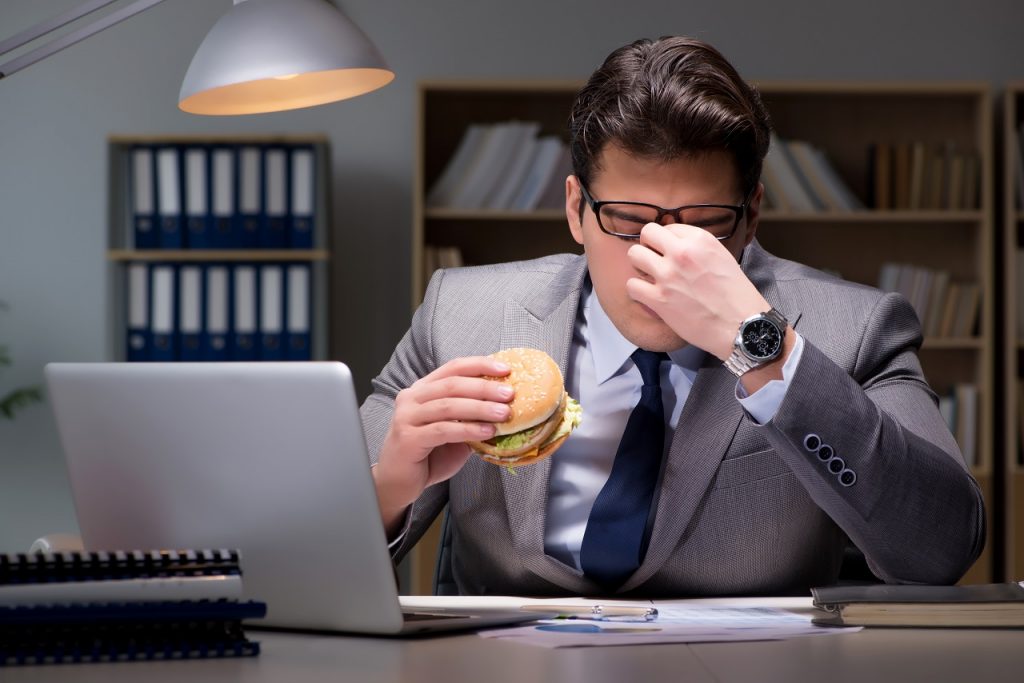
Emotional hungerHave you ever made room for dessert even though you’re already full? Out of nowhere in the middle of doing something important, you start feeling hungry? Do you feel hungry before any important meeting? If yes, then you should check your emotional status as this might be due to emotional hunger!

What Is Emotional Hunger or Emotional Eating? 

Emotional hunger or emotional eating is the practice of consuming large quantities of food, usually ‘comfort’ or junk foods in response to feelings instead of hunger. Emotional eating is a maladaptive coping strategy used by many of us to deal with negative emotions. Emotional eating can be caused by many reasons which include stress, tension, depression, boredom, and sometimes due to excitement.

Under high stress, your biological age can be 30 times higher than your calendar age. Modern life is full of frustrations, deadlines, and demands. For many people, stress has become a way of life. When stress becomes overwhelming, it can damage your health, mood, relationships and quality of life.

Stress also affects our food preferences. Emotional distress increases the intake of food high in fat and sugar, and you sleep excessively under stress. Also, some people consume alcohol and all this leads to gaining weight around your abdomen and unfortunately, abdominal obesity puts you at risk for several lifestyle diseases such as diabetes, hypertension and heart related issues.

In stress, adrenal glands release a hormone called cortisol, which makes you crave for carbohydrates, sugar and fatty foods. Food is soothing due to the chemical changes it creates in your body. Chocolate is an excellent example. When junk food is calling your name, it’s possible to put boundaries on your emotional eating habits. Ready to break free from stress eating?

The Solution To Beat Emotional Eating 

  • When you’re tempted to snack for emotional reasons, try moving instead. Just walk for 10 minutes.
  • Try a quick breathing exercise: Slowing down your breathing can trick your body into thinking you are going to sleep, which in turn relaxes your body. Close your eyes and slowly breathe in and out.
  • Sip black tea: A study in the journal of Psychopharmacology found that subjects who consumed black tea, experienced a 47% drop in their cortisol levels.
  • Try self-massage: It can be as simple as sitting down, rubbing your feet, one at a time, over the top of the heel, until you feel relaxed.

You’ll eat better and healthier foods if you don’t let your emotions guide your food choices! So be mindful about your choices. For more on stress, you can check Healthy Reads. To help you cope with emotional hunger or help you manage stress better, reach out to a GOQii Coach by subscribing for Personalised Health Coaching here.

Do leave your thoughts in the comments below!

#BeTheForce

March 19, 2024 By Anuja Mohile 1 Comment

Eat Smart To Live Smart: Mastering Portion Control

the-food-pyramidWhat do you know of portion size and serving size? Often we read a label saying the portion/serving size as “x” amount. But, we are seldom aware of the difference between portion and serving size? You may ask, are they really different? Yes of course! And as a consumer you should be aware of the difference between the two as it may help you in choosing your food items consciously.

What is a serving size?

A serving size is average amounts that assists us in eating or helps us to decide how much to eat or identify how many calories and nutrients are present in that particular amount of food that we eat. For example we buy a packet of noodles weighing 100grams. If you carefully read the label it may say that the serving size is 75 grams only and the nutritive values for the serving will also be provided.

What is a portion size?

Portion size cannot be defined universally. It is the amount we take on our plate. It may vary according to the food we eat at different times. Thus, to continue the example given previously the serving size may be 75 grams but, you cannot really store 25 grams for the next time. So you have the whole pack for yourself. This would be the portion you choose to take on your plate.

Now eating portion size instead of serving size is not entirely wrong. Quite often it may occur that you eat several servings in one portion itself. In fact when we eat out in restaurants their portions may even exceed the servings that are recommended by the food pyramid. Further, new marketing strategies add up. The introduction of large size portions at cheaper price and meal combos or value meals has actually decreased the value of healthy, nutritious and fresh food in the consumer minds.

There are so many fast food chains that offer more food for a very slight increase in cost. Not only in restaurants but also in super markets we choose to buy bulk or opt for various offers like buy one get one free. This is a very natural consumer tendency but buying and further eating products in larger quantities itself is a major reason for gaining weight. It is the easily available large portion sizes that make you eat high fat, sugar, and thereby high calories.

Today, the portion sizes have grown so much that there is enough food for more than two people in a single plate. In fact we opt for restaurants where the dish is big enough. This kind of portion size increase is also taking place at home and is known as portion distortion. The food guide pyramid allows us to understand the different foods that we need to eat based on their nutritive value and also the proportions in which we should consume these on a regular basis.

Based on the food guide pyramid and serving size we can achieve portion control on the foods we eat. Portion control helps us to understand the nutritive value of the portion of the food, thereby how much of it should be consumed. Thus, in order to obtain a balance in the healthy and unhealthy foods that we eat it is extremely important to practice portion control in our daily routine. It helps us to control the quantity as well as the quality.

To conclude here are few tips for a better portion control in our daily life

** While choosing and eating food: Prepare and eat food at home. We tend to eat more portions in restaurants.

** Pack snack items in individual servings.

** Use a small dish which will give less space for food.

** Read labels to understand what a serving looks like. Read the number of serving per packet. Don’t start eating directly from the box. Try serving one serving per plate.

** When eating out, avoid eating supersized meals and other deals that promote overeating

** At restaurants share your meals, if not at least get the extra meal packed instead of finishing it there itself. Split your main dish with your friend. Don’t order separately.

** Prepare daily meals just for the number of people available.

** Don’t cook in bulk especially in case of sweets.

By mastering portion control and making mindful food choices, you can pave the way for a healthier lifestyle and enhance your overall well-being. Remember, it’s not just about what you eat, but also how much. So, eat smart, live smart, and enjoy a balanced and nutritious diet every day. For additional tips on diet and nutrition, explore Healthy Reads or connect with a certified expert through GOQii’s Personalised Health Coaching here. Start your journey toward a healthier life today!

#BeTheForce

March 13, 2024 By Trupti Hingad 3 Comments

5 accompaniments to avoid to keep you healthy and to lose weight

I am a foodie! Being a Marwari, our meals are not simple staple food and contains lot of accompaniments along with basic roti, vegetables (sabzi), dal (lentils) and rice. In my quest for personal fitness and wanting to lose weight, I initially struggled for few months. I kept wondering why am I not losing weight in spite of eating at regular intervals, not cheating, not eating out, limiting high fat food intake, proper exercise routine, good 8 hours sleep and also resorting to meditation to remain stress free ?

These questions kept lingering in my thoughts and one fine day my health expert analyzed my routine, my diet and figured that there were few dishes that I should be avoiding or limiting my intake on if I need to lose or maintain my weight. That’s when I found the solution and achieved the best results on this journey!

I would like to share with you all about the most common 5 side dishes that people love, but, should be avoided or have it once in a while if you are on weight loss journey.

(1) Papad

Ahh!! That crunchy crispy papad.

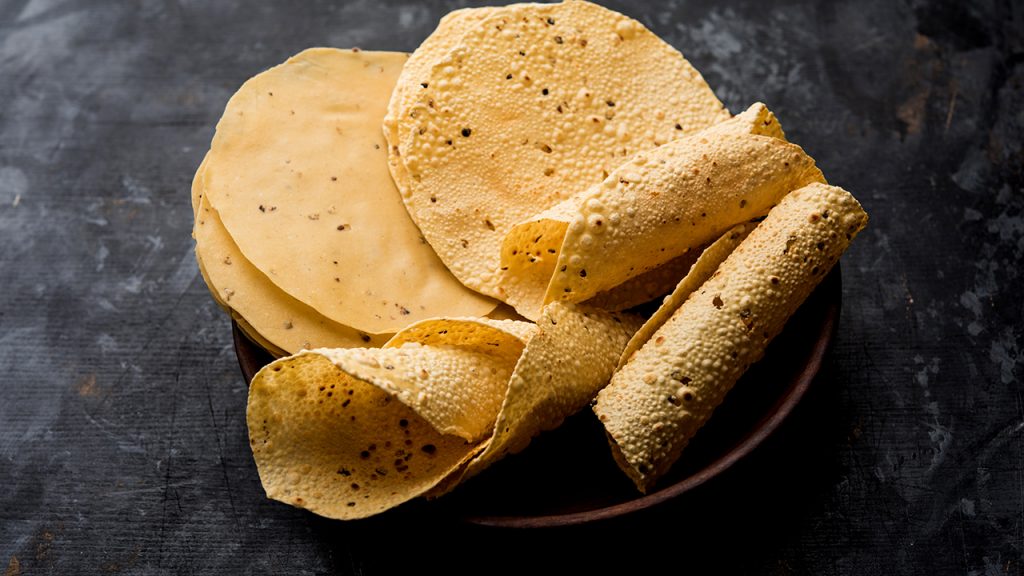
Rice and dal seem like an incomplete meal without Papad on the side. Papads can be deep fried–extremely unhealthy – or roasted – which is equally unhealthy! They can be made from rice, flour, potatoes or chickpeas and are mixed with a variety of spices, salt, and oil. An uncontrolled serving of Papad can amp your calorie intake and exceed your daily budget. The increase in sodium can lead to water retention, bloating, and constant thirst and may even cause an increase in one’s blood pressure. Since, most of them consume more Papad in one sitting it may lead to acidity, and digestive problems too. When fried using same oil many times, the reused oil becomes transfat leading to cardiac issues and high cholesterol. When dry roasted, acrylamide is formed due to the presence of sodium benzoate. So, be mindful.

(2) Pickles

A spoonful of pickle can spice up any meal. In fact I have seen people can take their meal only with pickles without any veggies sometimes. It works well with curd rice; adds a punch to Potato Breads (Aloo Paranthas), and makes Theplas (Breads made of various grains) the best dish to snack on! Pickles stand out as flavorful, low-calorie vegetables and is high in vitamin K. However, pickles are loaded with calories because of the oil they are preserved in and their nutrition content is almost zero, as the vegetables and fruits are minced and dried, which takes away the nutritional value. Like Papads, they are high in sodium due to the use of excessive salt for preservatives which might lead to hypertension if taken in excess. So Again the same funda…Eat in limit!

 (3) Salad dressings  

Salad…salad and just salads!!! Most of the weight loss dieters say they are on some kind of only salads diet! But, still not losing weight?

If you think having salads at the start of your meal will help you eat one less parantha, then go ahead and have a bowl. But, this salad helps only if it is not loaded with high-calorie dressings. Adding dressing to a salad can make the calorie content soar. Dressings such as Thousand Islands and Mayonnaise are loaded with calories, most of them fat. Stick to olive oil, lemon or low-fat yogurt instead!

(4) Soups

Salads are mostly accompanied with bowl of soup. And, one is right in thinking that a soup can be a healthy meal. It can fill your stomach and make you go less on other carbohydrate foods. But, if the soup is loaded with toppings such as cheese, cream, and croutons, it’s far from being healthy. Stick to clear soup with pieces of veggies and meats; shun all cream-based soups. And never pick up the soup sticks or dinner rolls that accompany your soup in a restaurant. That’s another side you don’t need! Go for more of homemade soups without any corn flour and also avoid packaged one as they are also high in sodium being added as preservative. Rather you can add oats flour as thickening agent. You can also opt for healthy cold soups.

(5) Boondi Raita

This curd based mixture is a hot favourite with most of us. Curd is high in protein, calcium, probiotic and the perfectly aid in digestion. It’s good to have curd daily for a healthy gut. The problem begins when you add fried snack to it. Boondi is nothing but fried globules of chickpea flour. The addition makes it a high-caloric food. When fried in reused oil, it becomes transfat and thus may lead to heart issues. So you can opt for veggies in curd or spinach, cabbage, pomegranate, carrot, cucumber, onion and the likes instead of a friend snack in curd.

So be mindful with all these above foods and get fitter and healthier.

We hope this article helps you make informed choices for your weight loss journey. Have any tips on healthier accompaniments? Share them with us in the comments below. For more guidance on nutrition and weight management, explore Healthy Reads or consult a certified expert through GOQii’s Personalised Health Coaching here.

#BeTheForce

March 6, 2024 By Hardika Vira 5 Comments

10 tips to retain nutrients while cooking

Young lady chopping vegetables

We try different methods of cooking- boiling, sauteing, frying, grilling etc. Everyone has their own unique way of preparing a particular dish. Isn’t it? We never realize why one is following particular steps for cooking as compared to the other. Ever thought about nutrient losses that might be occurring while cooking?

I thought of writing this blog as I have seen my “cook” cooking in some different ways wherein you will end up losing all nutrients. I am sure many of us might be doing the same unknowingly.

Here are 10 simple tips which will help you retain nutrients while cooking. So that you can ensure highly nutritious food being served to your loved ones.

  1. When peeling the skin of vegetables do peel as thinly as possible. The nutrients in vegetables and fruits are concentrated just below the skin, so peeling before boiling increases the loss of Vitamin C, Folic Acid and other B vitamins. The peels of carrot, radish, gourd and ginger can be scraped instead of peeling. Peel only when absolutely necessary.
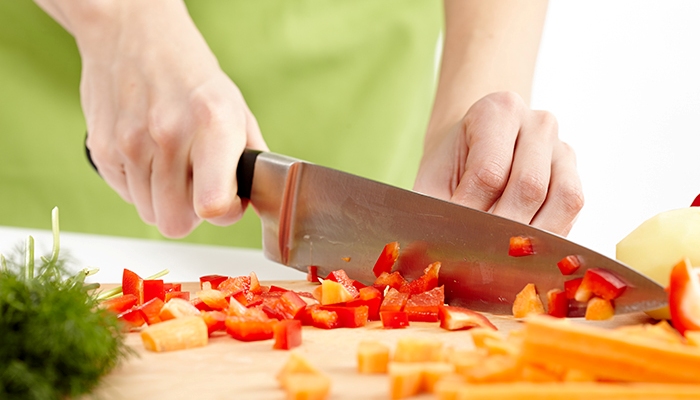
  2. Do not cut vegetables into very small cubes as the surface area of vegetable increases that comes in contact with oxygen, destroying more
  3. Don’t soak vegetables in water to prevent discoloration-Almost 40% of water-soluble vitamins and minerals are lost in the water. If you must soak, use up the soaking water to knead the dough, prepare soups and gravies
  4. Salads should be prepared just before serving and should be served in closed dishes to avoid excessive exposure to air.
  5. Do not throw away the excess water drained after boiling rice or vegetables. When preparing cottage cheese, the water left over after curdling (called whey)-is extremely rich in good quality proteins and vitamins and should be used up in preparing gravies, kneading dough or simply had as a refreshing drink after flavouring with lemon juice, salt and pepper.
  6. Do not keep milk open or exposed to light, as a considerable destruction of riboflavin can occur.
  7. It is preferable to cook vegetables in a minimum amount of water keeping the vessel covered and to consume it as soon as possible. Reheating cooked vegetables further destroys vitamins.
  8. Root vegetables should be boiled with skins on and then peeled after boiling. This helps the nutrients to migrate to the centre of the vegetables, helping better retention of its nutrients. Do eat with skin on whenever possible.
  9. Baking soda makes cooking water alkaline and thus helps retain the colour of vegetables as well as speed up the cooking process, BUT it destroys thiamine and vitamin C.
  10. Deep frying and heating for a long time or heating at a high temperature should be avoided during cooking. If food material is heated above 700 C for a long duration, proteins become hard and coagulated. In this form, they are not easily absorbed by the body. Thus, overcooking results in loss of precious nutrients.

Do ensure you try these tips and make your food nutritious. Since Healthy food = Healthy you. These insightful cooking tips empower you to create meals that are not only delicious but also rich in essential nutrients. By adopting a mindful approach to cooking, you can preserve the goodness in every bite, contributing to a healthier and more balanced life. Share your thoughts in the comments below, and find more articles on Nutrition here. For further information or guidance, reach out to our certified experts by subscribing to GOQii’s Personalised Health Coaching here.

#BeTheForce

  • « Previous Page
  • 1
  • …
  • 20
  • 21
  • 22
  • 23
  • 24
  • …
  • 29
  • Next Page »

Search

Recent Posts

  • Healthy Eating: Vegetable Stuffed Ragi Paratha
  • Sustaining the “GLP-1 Glow”: Nutrition for Skin and Tissue Elasticity
  • Nutritional Deficiencies That Can Cause Hair Loss (And How to Fix Them)
  • The Recovery Gap: Sleep Debt, Overwork and Silent Burnout Are Ageing You Faster
  • Sleep Well, Live Better: Lifestyle Habits That Improve Sleep Quality

Stay Updated

Archives

  • March 2026 (10)
  • February 2026 (14)
  • January 2026 (14)
  • December 2025 (19)
  • November 2025 (15)
  • October 2025 (20)
  • September 2025 (6)
  • August 2025 (6)
  • July 2025 (12)
  • June 2025 (18)
  • May 2025 (16)
  • April 2025 (22)
  • March 2025 (23)
  • February 2025 (22)
  • January 2025 (25)
  • December 2024 (22)
  • November 2024 (23)
  • October 2024 (21)
  • September 2024 (24)
  • August 2024 (30)
  • July 2024 (21)
  • June 2024 (26)
  • May 2024 (31)
  • April 2024 (27)
  • March 2024 (27)
  • February 2024 (25)
  • January 2024 (21)
  • December 2023 (15)
  • November 2023 (11)
  • October 2023 (19)
  • September 2023 (22)
  • August 2023 (18)
  • July 2023 (22)
  • June 2023 (24)
  • May 2023 (24)
  • April 2023 (23)
  • March 2023 (23)
  • February 2023 (19)
  • January 2023 (15)
  • December 2022 (11)
  • November 2022 (15)
  • October 2022 (15)
  • September 2022 (12)
  • August 2022 (10)
  • July 2022 (17)
  • June 2022 (11)
  • May 2022 (10)
  • April 2022 (6)
  • March 2022 (6)
  • February 2022 (13)
  • January 2022 (11)
  • December 2021 (7)
  • November 2021 (3)
  • October 2021 (6)
  • September 2021 (3)
  • August 2021 (8)
  • July 2021 (7)
  • June 2021 (15)
  • May 2021 (16)
  • April 2021 (10)
  • March 2021 (7)
  • February 2021 (4)
  • January 2021 (4)
  • December 2020 (3)
  • November 2020 (4)
  • October 2020 (10)
  • September 2020 (3)
  • August 2020 (3)
  • July 2020 (2)
  • June 2020 (4)
  • May 2020 (10)
  • April 2020 (12)
  • March 2020 (10)
  • February 2020 (4)
  • January 2020 (4)
  • December 2019 (3)
  • November 2019 (7)
  • October 2019 (5)
  • September 2019 (4)
  • August 2019 (9)
  • July 2019 (9)
  • June 2019 (11)
  • May 2019 (4)
  • April 2019 (8)
  • March 2019 (8)
  • February 2019 (9)
  • January 2019 (8)
  • December 2018 (9)
  • November 2018 (3)
  • October 2018 (3)
  • September 2018 (5)
  • August 2018 (10)
  • July 2018 (6)
  • June 2018 (13)
  • May 2018 (8)
  • April 2018 (18)
  • March 2018 (9)
  • February 2018 (8)
  • January 2018 (15)
  • December 2017 (12)
  • November 2017 (19)
  • October 2017 (13)
  • September 2017 (15)
  • August 2017 (4)
  • July 2017 (8)
  • June 2017 (7)
  • May 2017 (6)
  • April 2017 (8)
  • March 2017 (6)
  • February 2017 (7)
  • January 2017 (9)
  • December 2016 (10)
  • November 2016 (7)
  • October 2016 (7)
  • September 2016 (7)
  • August 2016 (11)
  • July 2016 (9)
  • June 2016 (9)
  • May 2016 (12)
  • April 2016 (17)
  • March 2016 (17)
  • February 2016 (8)
  • January 2016 (6)
  • December 2015 (2)
  • November 2015 (9)
  • October 2015 (7)
  • September 2015 (9)
  • August 2015 (11)
  • July 2015 (9)
  • June 2015 (12)
  • May 2015 (9)
  • April 2015 (13)
  • March 2015 (8)
  • February 2015 (5)
  • January 2015 (12)
  • December 2014 (14)
  • November 2014 (11)
  • October 2014 (6)
  • September 2014 (13)
  • August 2014 (12)
  • July 2014 (6)
  • June 2014 (2)
  • May 2014 (7)
  • April 2014 (4)

From “Laddu Nawin” to Fit and Fierce: How a 25-Year-Old Insurance Advisor Shed 20 Kilos and Gained His Life Back

When 25-year-old Nawin Yadav from Hyderabad walked into his office every morning, he carried more than just his files and policy papers. He had the weight of fatigue, sluggish energy, and an ever-growing belly that was becoming the butt of jokes. “People … [Read More...]

“I’ve Challenged Myself to Live 100 Years” – The Story of Chandubhai Savani’s Second Chance at Life

At 67, most people start slowing down. Not Chandubhai Savani. A resident of Surat, Chandubhai, thought life was on track. “My life was going well till I had my bypass surgery,” he says. That surgery, back in 2021, was a wake-up call.  Medication was routine, but exercise wasn’t. His diet? What he calls ‘normal.’ “I […]

From Shimla’s Slopes to Chandigarh’s Sidewalks: Surinder Kaur Bhalla’s Journey from Chaos to Control

Some journeys start with a plan. Others begin with a stumble literally. Surinder Bhalla, a government professional, born and raised in the scenic hill town of Shimla, had always lived a life of movement. “In Shimla, you walked everywhere,” she reflects. “Walking was never an exercise. It was just life.” But after shifting to Chandigarh, […]

Ananda Mukherjee Health Story

From Terminal Illness To Complete Wellness! Ananda Mukherjee Health Story

As we observe World Cancer Day under the powerful theme ‘United by Unique’ (2025-2027)**, we are reminded that every individual’s journey with cancer is distinct, yet united by shared resilience, hope, and the collective fight against this disease. This theme places people at the centre of care and their stories at the heart of the […]

  • HOME
  • HEALTHY LIVING
  • FITNESS
  • HEALTHY RECIPES
  • USER STORIES
  • KARMA
  • BUY GOQii

Copyright ©2016 GOQii


