GOQii

Blog

  • HOME
  • HEALTHY LIVING
  • FITNESS
  • HEALTHY RECIPES
  • USER STORIES
  • KARMA
  • BUY GOQii

Search Results for: menstrual

March 10, 2022 By Dr. Viral Thakkar 1 Comment

All About Your Kidneys – The Natural Cleansers

world kidneys day

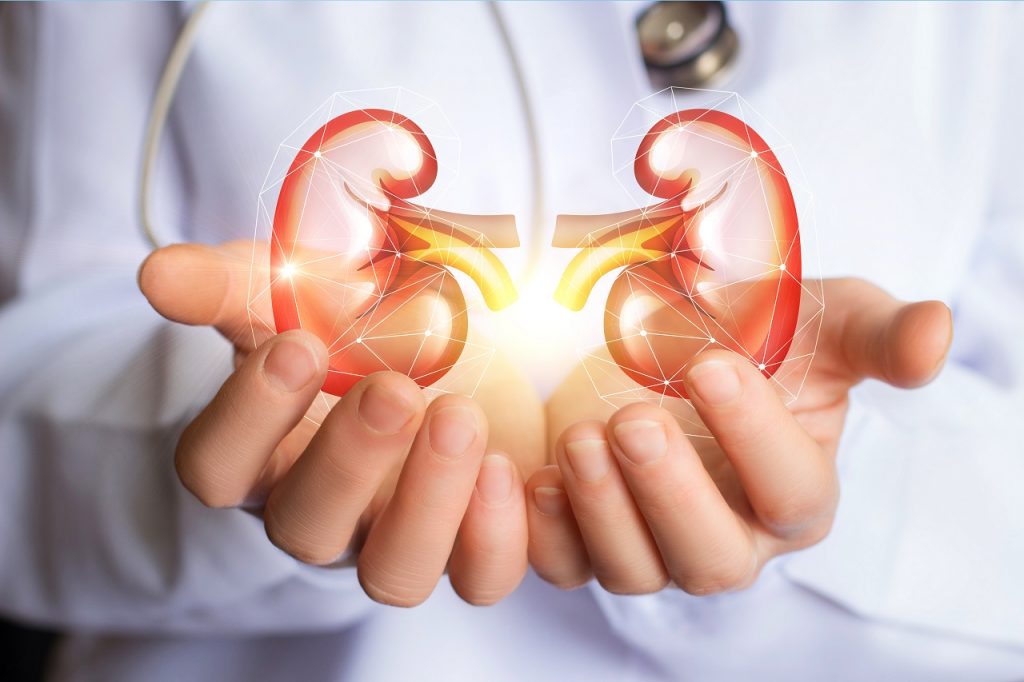
Can you imagine your house not being cleaned for a day? Imagine no sweeping or mopping, and no sweeper collecting the garbage. The house would start smelling, it will get intense, and eventually there will be decay. Just like our house, the body needs to be cleaned. This essential and unparalleled job is done by a 10-13cm organ – the kidneys. The kidneys help in:

  • Removing waste and extra fluid from the body (Urine).
  • Maintaining a healthy balance of salts, water and minerals like sodium, calcium, phosphorus, and potassium in the blood. It removes acid too! 
  • They also make hormones that help control blood pressure, make red blood cells and keep bones strong and healthy. 

According to Traditional Chinese Medicine, the Kidney is the powerhouse of the body, supplying reserve energy to any organ running low on Qi. Its partner organ is the bladder.

The Kidney’s Job Profile

Each of the kidney is made up of about a million filtering units called nephrons. Each nephron includes a filter called the glomerulus and a tubule. The nephrons work through a two-step process:

The glomerulus filters the blood and the tubule returns needed substances to the blood and removes wastes. 

A blood vessel runs alongside the tubule. As the filtered fluid moves along the tubule, the blood vessel reabsorbs almost all of the water along with minerals and nutrients your body needs. The tubule helps remove excess acid from the blood. The remaining fluid and wastes in the tubule become urine.

The blood circulates through the kidneys many times a day. In a single day, kidneys filter about 150 quarts of blood. Most of the water and other substances that filter through the glomeruli are returned to the blood by the tubules. Only 1 to 2 quarts become urine.
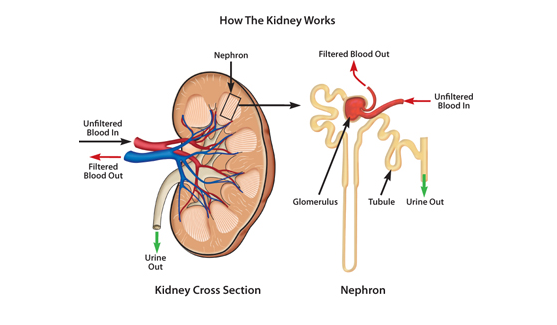
Each kidney performs the process of reabsorption with great precision. Out of 180 liters of fluid that enters the tubules, 99% of fluid is selectively reabsorbed and only the remaining 1% of fluid is excreted in the form of urine.

By this intelligent and precise process, all essential substances and 178 liters of fluid are reabsorbed in the tubules, whereas 1-2 liters of fluids, waste products, and other harmful substances are excreted.

Urine formed by the kidneys flow to the ureters, and passes through the urinary bladder and is finally excreted out through the urethra.

Did you know that every minute, 1200 ml of blood enters the kidneys for purification, which is 20% of the total blood pumped by the heart? So in one day, 1700 liters of blood is purified!

Here is How You Can Take Care of Your Kidneys

  1. Drink up! Kidneys balance the electrolytes and fluid levels and hence its essential to drink liquids which are non-alcoholic and not caffeinated. Juices, coconut water, water, smoothies, etc. are your friends
  2. Check the colour of your urine. It should be the colour of a straw. Any darker means you need to drink up.
  3. Too much oily and fatty food is a big no! It puts pressure on the kidneys. Greens are your friends! 
  4. Ensure you have a normal blood pressure. It can silently impact your kidneys.
  5. Alcohol and smoking is a BIG no. There are no two ways about it! Just stop it
  6. Got diabetes? If you do, work with your doctor to keep your blood sugar levels in check. If they’re not under control, that can cause problems for your kidneys over time. Along with hypertension (high blood pressure), diabetes is one of the biggest concerns for kidney health.
  7. Use your meds correctly. Take them as your doctor recommends, or follow the instructions on the package. Be wary of medicines that can cause kidney damage when you take them for a long time, including over-the-counter painkillers like ibuprofen and prescriptions such as lithium and HIV medications. (Street drugs like cocaine can cause kidney disease too).
  8. Check your weight & exercise regularly. 
  9. Be positive, not just for your kidneys but for your overall health. People who tend to hold negative thoughts especially envious feelings with hatred tend to get kidney disorder as compared to a positive person, as every emotion is linked with an organ. 

Yoga and Pranayama are your friends for life!

Nothing beats regular exercise especially yoga and pranayama. These not only help the kidney, but the complete body. Yoga asanas assist in managing water retention in the body which enables sound sleep schedules and hence better rest. It is also one of the best ways to maintain balance in the body. Few asanas facilitate internal cleansing and flush out the toxins. Pranayam is known to relieve stress. 

To ensure that the kidneys perform their JD up to the mark, make sure you make your body do the following:

  1. Setu Bandhasana stimulates the abdominal organs, helps bring high blood pressure under control and relieves the body of stress.
  2. Bhujangasana stretches and strengthens the abdominal organs. It also raises the immunity level of the body.
  3. Ardha Matsyendrasana stimulates the kidneys and liver; improves the body’s immunity level.
  4. Paschimottanasana stimulates the kidney, improves digestion, and relieves menstrual discomfort.
  5. Naukasana improves digestion and alleviates stress. It strengthens and stimulates the abdominal organs. 

We hope this article helps you. To know more about improving kidney health, check out Healthy Reads or ask a GOQii Coach for some tips by subscribing for personalized coaching here: https://goqiiapp.page.link/bsr

#BeTheForce 
October 3, 2021 By Hajra Mithani 1 Comment

Healthy Eating Tips To Detox The Body

detox the body

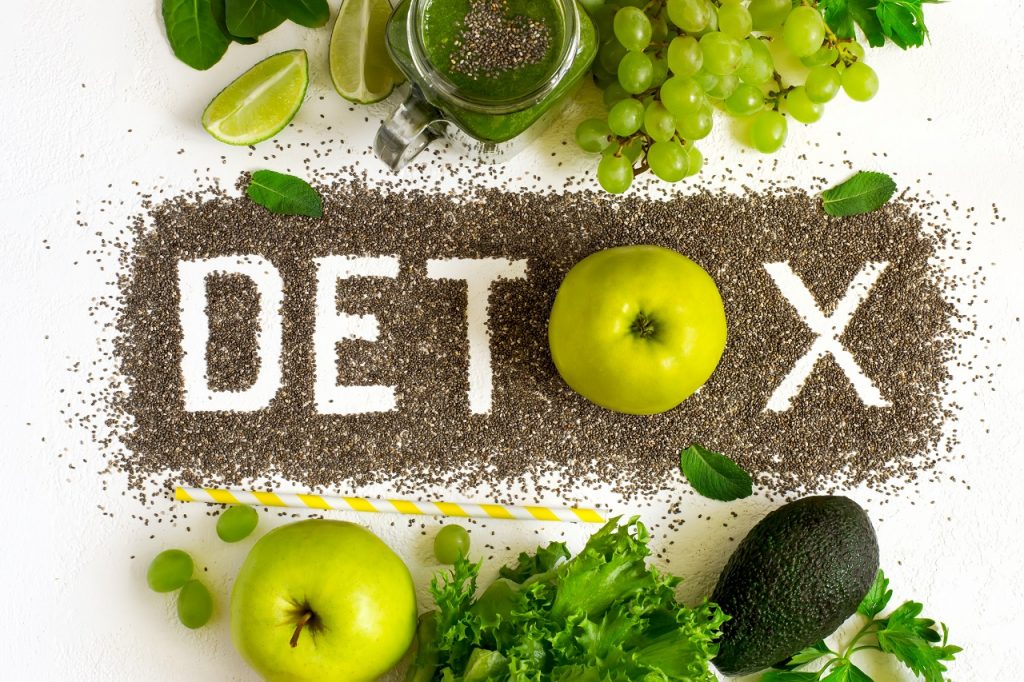
Are you looking to detox your body before the Navratri festivities begin? If you’re planning to indulge or go off your healthy routine for a while, it would be great to take these few days to detox the body. It is a good opportunity to give your body a break. Take these steps to detox the body, clean out your GI tract and provide your body with the nutrients it needs to thrive. You can also follow these steps post festivities. 

What is Detoxification?  

Detoxification is the process of cleansing our body from chemicals, waste, toxins, and harmful substances. Our body has its own internal detoxification system through our liver, kidneys, colon, skin, lungs and lymph glands. However, when our body becomes overloaded with toxic substances, such as from pollution, a poor diet of fast food, alcohol, medications, illness and stress, it needs help in rebooting so it can function optimally again.

In essence, detox is all about eating a diet that supports and improves the functioning of our liver. Unlike popular belief, detoxification is not about weight loss alone. It’s mainly about helping and supporting your body to get rid of all the waste through proper dietary choices. It is beneficial for one and all.

Who Needs To Detox The Body? 

Anyone who is suffering from unexplained fatigue, dull skin and hair, allergies, tired and puffy eyes, menstrual irregularities, and feelings of anxiety and depression. This also includes people suffering from constipation as it’s likely to be a result of harmful toxins lingering in your body, preventing the absorption of essential nutrients – and when this happens your immune system will not fight bacteria efficiently resulting in colds and flu most often.

Benefits of Detox 

  • Removes toxins from the body
  • Improves digestive health: The digestive system is one of the most critical areas of the body. It’s where nutrients from the food you consume are absorbed, keeping your body functioning as it should.
  • Mindfulness
  • Increase in energy
  • Control food cravings
  • Micronutrient bonus

What To Consume To Detox the Body? 

1. Natural Detox Waters

  • Lemon water consumed with black salt immediately improves digestion, cleanses your liver and maintains PH levels of the body.
  • Coconut water has composition that mimics our plasma and helps clear out impurities from blood.
  • Water infused with cinnamon sticks overnight and having it the next day.
  • Water infused with cumin seeds, coriander seeds, ajwain and fennel seeds overnight and having it next day
  • Water infused with 1 inch ginger, slices of orange, mint/tulsi leaves overnight or you can simply use any sliced fruit and sliced vegetable and herbs.

2. Smoothies 

  • Green Smoothie: Grind cucumber, parsely, celery, pineapple and chia seeds together and have it replacing your breakfast
  • Green Juice: Grind kale, spinach, broccoli, mint leaves, apple/pineapple and have it in your mid meals
  • Mango Smoothie: Grind 1 mango with almonds and have it replacng your breakfast
  • Apple Date Smoothie: Grind 1 apple, 2-3 dates, water and mint leaves and replace it with your breakfast.
  • Orange Banana Smoothie: Grind banana and orange or strawberry and banana with 1 tbsp of yogurt and ice cubes and replace it with breakfast.

3. Soups

  • Lemon and Coriander Soup (you can add chicken if you’re a non-vegetarian) 
  • Beetroot and carrot soup
  • Tomato and carrot soup
  • Zucchini and broccoli soup
  • Green moong soup
  • Spinach and carrot soup
  • Egg soup
  • Corn soup

4. Salads

  • Sprouts salad
  • Moong salad
  • Green salad

For an entire list of raw detox salads, click here: https://goqii.com/blog/9-raw-food-diet-that-are-tasty-and-healthy/

Replace your aloo paratha with moong chilla and your maida pancakes with oats pancakes. Avoid milk and milk products, refined flours and oils, breads, pasta, sugar, fried foods, packaged foods, pickles, papad and junk food. Once a month try doing a complete detox by replacing your meals with smoothies, soups, salads, chillas and infused water. Make the most of this precious time by cleansing your body. 

We hope this article helps you. For more tips to detox the body, check out Healthy Reads or ask your GOQii Coach directly by subscribing for personalized coaching here: https://goqiiapp.page.link/bsr

Stay home, stay safe, detox the body and #BeTheForce 

July 3, 2019 By Navnee Garg Leave a Comment

Liquorice Root: The Magical, Medicinal Herb You Need Today

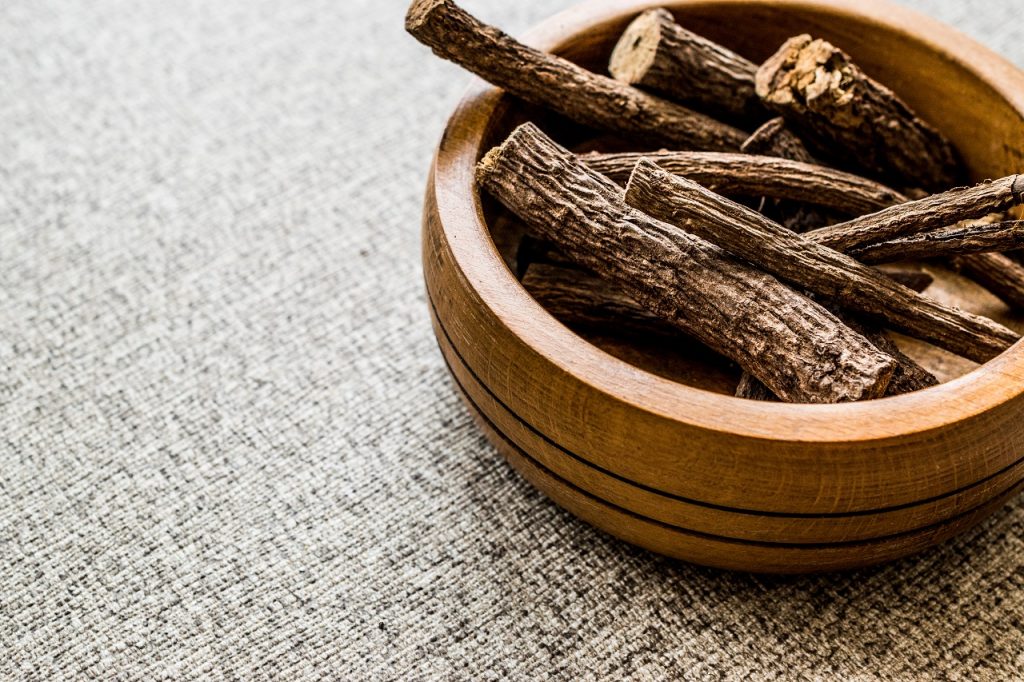
liquoriceSome spices and herbs from our grandmother’s stockpot are so precious that even today they are used in several households as home remedies. One such ayurvedic, age-old herb is Mulethi or Liquorice (also spelt as Licorice).

Liquorice is widely known for its exceptional flavor and is also used in several medicines as it claims to be anti-diabetic and antioxidant in nature, providing many health benefits.

Nutritional Value

Liquorice has an enticing scent, this comes from a variable and complex combination of compounds out of which anethole makes up 3% of the entire plant. Most of the sweetness comes from a substance called glycyrrhizin, it is generally 30 to 50 times sweeter than sugar.

7 Health Benefits of Liquorice

  • Combats Digestive Issues: Mulethi is a magical root when it comes to curing digestive issues like acid reflux, stomach inflammation, ulcers, heartburn, acidity and constipation. It also acts as a mild laxative to regulate bowel movements.Dosage: Directly taken by mouth (chewing of the root) post meals, especially after dinner.
  • Keeps The Respiratory Tract Healthy: It aids in easing a sore throat, asthma, cold, cough and other respiratory issues. Chewing on Liquorice sticks is an age-old remedy for a sore throat. It thins and loosens the mucus inside the airways and eases coughing and congestion.Dosage:  If you want to avoid chewing on the sticks, you can also mix ginger juice to Liquorice tea. (Boiling Liquorice sticks in water)
  • Helps in Weight Reduction: Liquorice oil helps to reduce visceral fat and body fat to a great extent in overweight people. Infact, Liquorice supplements have proven to help people achieve lower BMI and Low Density Lipoprotein.
  • Improves Immunity: Regular use is helpful in boosting immunity due to the enzymes present in the root plant. It helps the body produce lymphocytes and macrophages that protect the body from microbes, pollutants, allergens. It is helpful to prevent microbial infections and also improve the defense mechanism of the body.Dosage: Directly taken by mouth (chewing of the root).
  • Protects the Liver: Liquorice roots help to treat certain disorders like Non Alcoholic Fatty Liver Disease (NAFLD), Hepatitis, Liver damage and Jaundice. It also has an anti-inflammatory property that soothes the liver.Dosage: Mixing Mulethi in a cup of warm tea twice a day for a couple of weeks can purify the liver and make it immune to diseases.
  • Improves Oral Health: Its anti-microbial and anti-bacterial properties also reduce the growth of bacteria which causes cavities. It also combats bad breath, reduces plaque and keeps the gums and teeth healthy and strong.Dosage: Dried Mulethi powder to be used for brushing teeth and mouthwash, or try gargling with the cooled mulethi tea.
  • Hormonal Regulation: The multipurpose herb also helps in correcting hormonal imbalances in the body and eases menopausal symptoms like hot flashes, insomnia, depression, mood swings, and sweating, etc. It is also useful in relieving menstrual cramps, and regulating flow during menstruation.Dosage: Mulethi tea twice a day.

If you have been familiar with any of the issues listed above, you should definitely give Liquorice Root a try!

Was this article helpful? Want to know more about Liquorice Root? Type your queries down in the comments below!

#BeTheForce 

June 26, 2018 By Samar Hafeez 5 Comments

Know all about ‘Eating Disorders’

eating problms

DO YOU look in the mirror and pick yourself apart? Do you constantly worry about what and how you look?

Ask yourself, “What percentage of your time in a day you are preoccupied with thoughts regarding food, weight, and body image?”

If your answer is that you spend so much time with these concerns that it interferes with your happiness and daily functioning, then let me tell you that you may be having an Eating Disorder.!

What Is an Eating Disorder?

Eating Disorders are illnesses that cause serious disturbances in a person’s everyday diet. They are characterized by irregular eating habits which include inadequate or excessive food intake which can damage individual’s well-being.

In addition to abnormal eating patterns, there are severe distress or concern about body weight and shape. An Eating Disorder also includes your beliefs about food and how they impact your body.

Who Suffers From Eating Disorder?

Eating disorders can develop during any stage in life but typically it appears during teen years or young adulthood but, may also develop in childhood. It can affect both men and women, however, it’s more common in women.

Eating disorder when manifested at a young age can cause severe impairment in growth development, and overall mental and social well- being.

Let’s move on to knowing three most common types of Eating Disorders

ANOREXIA NERVOSA

The Term Anorexia Nervosa literally means “Lack of Appetite induced by Nervousness”

This is perhaps the best- known eating disorder. It causes its sufferers to excessively fear to be overweight and restrict their eating habits in an unhealthy, dangerous way which leads to a significantly low body weight.

Male and female suffering from Anorexia show following hallmarks

  • Extremely limited food intake
  • Obsessive intense fear of weight gain
  • Problems with body image (Unrealistic perception of the body) and a low self-esteem
  • Denial of low body weight

Overtime, the following symptoms may develop as the body goes into starvation

Physical symptoms

  • Menstrual cessation
  • Osteopenia or osteoporosis(Thinning of bones)
  • Anaemia
  • Fatigue
  • Brittle nail and hair
  • Skin dries and can take on a yellowish cast
  • Severe constipation, Low BP

Emotional and behavioural symptoms

  • Excessive/Compulsive exercising
  • Frequently skipping a meal or refusing to eat
  • Denial of hunger
  • Frequent checking in the mirror for ‘perceived’ flaws
  • Flat mood(Lack of emotion)
  • Low self-esteem
  • Irritability
  • Low sex drive

BULIMIA NERVOSA

The Greek word for Bulimia is BOULIMIA which means extreme hunger. Patients with bulimia nervosa eat frequently in a discrete period of time (example within any 2 hour period) they also have a sense of lack of control over eating during the episode.

They often consume thousands of calories that are high in sugars, carbohydrates and fats. They can eat rapidly, sometimes gulping food without even tasting it.

After a binge, they PURGE their bodies of food and calories they FEAR by using laxatives, enemas, diuretics, vomiting or by excessive exercise. People with Bulimia can be underweight, overweight or even obese.

Many people don’t know when a family member or friend has Bulimia nervosa because they almost always hide their binges but Bulimia nervosa does have symptoms that should raise red flags:-

Physical Symptoms

  • Chronically inflamed or a sore throat
  • Salivary glands in the neck and below jaw bone swollen; cheeks and face often become puffy
  • Tooth enamel wears off and begins to decay from exposure to stomach acids
  • Constant vomiting causes GERD (Gastro oesophagal reflux disease)
  • Laxative and Diuretic abuse cause kidney and intestinal problems
  • Frequent Severe dehydration from purging of fluids

Emotional and Behavioural symptoms

  • Negative/distorted self- image
  • Hoarding or hiding food
  • Social withdrawal
  • Extreme guilt and sadness
  • Excessive worry about body weight and shape

binge eating

BINGE EATING DISORDER

It is a form of compulsive OVEREATING. Sufferers feel a compulsion to eat large amounts of food and as though they cannot stop and UNLIKE PEOPLE WITH BULIMIA, THEY DO NOT TRY TO PURGE OR GET RID OF FOOD BY INDUCING VOMITING AND BY USING OTHER UNSAFE PRACTICES.

Symptoms are more or less similar to Bulimia nervosa except for purging and laxative abuse.

Binge eaters eat a large amount of food when not feeling physically hungry, binge eating episodes typically take place in private and can last for hours or a whole day. It is common for sufferers to feel distressed or guilty about their lack of control, it is this shame and guilt that can prevent a person from talking and seeking help.

CAUSES

Eating disorders are complex thus are influenced by a facet of factors. Though the exact cause is unknown, it is generally believed that a combination of biological, psychological, and/or environmental abnormalities contribute to the development.

Certain psychological, biological/genetic, and personality traits may predispose people to develop eating disorders.

However specific traits are linked to each of the disorders. People with Anorexia tend to be perfectionists and with bulimia and binge eating disorder impulsive nature is common. Hormonal irregularities and nutritional deficiencies can be among causes. As discussed earlier in this blog, negative body image, dissatisfaction with one’s body and low self-esteem can help build tendency towards abnormal eating patterns.

Among Socio-cultural factors, the media has the largest influence on people especially teens and young adults. The media pushes body image, clothes, fast food and weight loss with unrealistic results, the combination of all these lead teens and young adults down the road to eating disorders and a confusing self- image.

And on another side of continuum popular social media pages and videos with a variety of recipes and restaurants tempt people to eat more and more.

Other causes include disruptive thinking patterns and an inability to understand the healthy relationship between food and hunger, family dysfunctions and major life stressors/changes, negative emotions or traumas such as rape, childhood sexual abuse or death of loved ones can also trigger eating disorders.

Even a happy event, such as giving birth can lead to an eating disorder because of the stressful impact of the event on an individual’s new role and body image.

IMPORTANCE OF TREATMENT

Eating disorder untreated can have serious consequences like Malnutrition, stunted growth, osteoporosis, reduced metabolic rate, critically low blood pressure, serious heart, kidney and liver damages, obesity, diabetes (TYPE 1 AND 2), depression, anxiety, obsessive-compulsive disorder and substance abuse, cardiac arrests and even death!

Remember, the sooner the treatment starts, the better it is. The longer abnormal eating patterns continue the more deeply ingrained they become and more difficult to treat.

EFFECTIVE TREATMENT METHODS

  • PSYCHOTHERAPY
    • Cognitive Behaviour Therapy is a therapy focussing on the beliefs, values, maladaptive cognitive processes and negative emotions which are associated with meaning of weight, shape and appearance, it aims at reducing destructive eating patterns and restoring a healthy relationship with food. Psychologists identify important issues associated with causes of destructive eating habits and develop CBT plan respectively.
    • Dialectical Behavioural Therapy is a form of psychotherapy that helps to cope with painful emotions. The focus is on individuals who react to emotional circumstances with extreme behaviours. Weekly sessions help a person with Eating disorder practice mindful eating, distress tolerance and emotional regulation which focus on identifying barriers to changing emotions to constructive ones and to increase positive emotional events.
    • Incorporating Family, Group and Marital Therapy: This can be helpful in addressing the underlying causes of eating disorders and help prevent relapses by resolving interpersonal issues which are related to eating disorders.
  • Nutritional Counselling: This would involve a nutritionist’s guiding plan through weight restoration and stabilization, guidance for normal eating by keeping a food journal which includes type of food, amount, benefits, feelings thoughts associated with intake of food and drink, it also includes which binge foods are to be avoided. The inclusion of individualized meal plans for specific patients to improve nutritional intake is created.
  • Medication: Some patients with Bulimia Nervosa benefit from placebo or anti- depressants. But, medication should always be paired with psychotherapy and nutritional counselling.

A holistic approach involving all above methods/ways with an experienced team of caregivers and healthcare professionals can help patients suffering from eating disorder regain control of their eating behaviour and their lives!

Good Health is more than just being free from disease or injury. A healthy lifestyle helps you feel good, have a vibrant energy and maintain a positive outlook on life thereby contributing to your physical, mental, social well- being. Your mental health is as important as physical health and work hand-and-hand. Letting go of your eating disorder is one of many ways to move towards good health!


  • « Previous Page
  • 1
  • …
  • 9
  • 10
  • 11
  • 12
  • 13
  • …
  • 16
  • Next Page »

Search

Recent Posts

  • 4 Reasons Why Affirmations Are Not Working For You
  • The Social Side of GLP-1: Navigating “Food Culture” and Peer Pressure
  • Leaky Gut: Symptoms and Causes
  • Muscle Is Your Insurance Policy: Why Strength Predicts Lifespan More Than Cardio
  • The Fiber Gap: Managing Digestion on GLP-1 Therapy

Stay Updated

Archives

  • March 2026 (1)
  • February 2026 (14)
  • January 2026 (14)
  • December 2025 (19)
  • November 2025 (15)
  • October 2025 (20)
  • September 2025 (6)
  • August 2025 (6)
  • July 2025 (12)
  • June 2025 (18)
  • May 2025 (16)
  • April 2025 (22)
  • March 2025 (23)
  • February 2025 (22)
  • January 2025 (25)
  • December 2024 (22)
  • November 2024 (23)
  • October 2024 (21)
  • September 2024 (24)
  • August 2024 (30)
  • July 2024 (21)
  • June 2024 (26)
  • May 2024 (31)
  • April 2024 (27)
  • March 2024 (29)
  • February 2024 (25)
  • January 2024 (21)
  • December 2023 (15)
  • November 2023 (11)
  • October 2023 (19)
  • September 2023 (22)
  • August 2023 (18)
  • July 2023 (22)
  • June 2023 (24)
  • May 2023 (24)
  • April 2023 (23)
  • March 2023 (23)
  • February 2023 (19)
  • January 2023 (15)
  • December 2022 (11)
  • November 2022 (15)
  • October 2022 (15)
  • September 2022 (12)
  • August 2022 (10)
  • July 2022 (17)
  • June 2022 (11)
  • May 2022 (10)
  • April 2022 (6)
  • March 2022 (6)
  • February 2022 (13)
  • January 2022 (11)
  • December 2021 (7)
  • November 2021 (3)
  • October 2021 (6)
  • September 2021 (3)
  • August 2021 (8)
  • July 2021 (7)
  • June 2021 (15)
  • May 2021 (16)
  • April 2021 (10)
  • March 2021 (7)
  • February 2021 (4)
  • January 2021 (4)
  • December 2020 (3)
  • November 2020 (4)
  • October 2020 (10)
  • September 2020 (3)
  • August 2020 (3)
  • July 2020 (2)
  • June 2020 (4)
  • May 2020 (10)
  • April 2020 (12)
  • March 2020 (10)
  • February 2020 (4)
  • January 2020 (4)
  • December 2019 (3)
  • November 2019 (7)
  • October 2019 (5)
  • September 2019 (4)
  • August 2019 (9)
  • July 2019 (9)
  • June 2019 (11)
  • May 2019 (4)
  • April 2019 (8)
  • March 2019 (8)
  • February 2019 (9)
  • January 2019 (8)
  • December 2018 (9)
  • November 2018 (3)
  • October 2018 (3)
  • September 2018 (5)
  • August 2018 (10)
  • July 2018 (6)
  • June 2018 (13)
  • May 2018 (8)
  • April 2018 (18)
  • March 2018 (9)
  • February 2018 (8)
  • January 2018 (15)
  • December 2017 (12)
  • November 2017 (19)
  • October 2017 (13)
  • September 2017 (15)
  • August 2017 (4)
  • July 2017 (8)
  • June 2017 (7)
  • May 2017 (6)
  • April 2017 (8)
  • March 2017 (6)
  • February 2017 (7)
  • January 2017 (9)
  • December 2016 (10)
  • November 2016 (7)
  • October 2016 (7)
  • September 2016 (7)
  • August 2016 (11)
  • July 2016 (9)
  • June 2016 (9)
  • May 2016 (12)
  • April 2016 (17)
  • March 2016 (17)
  • February 2016 (8)
  • January 2016 (6)
  • December 2015 (2)
  • November 2015 (9)
  • October 2015 (7)
  • September 2015 (9)
  • August 2015 (11)
  • July 2015 (9)
  • June 2015 (12)
  • May 2015 (9)
  • April 2015 (13)
  • March 2015 (8)
  • February 2015 (5)
  • January 2015 (12)
  • December 2014 (14)
  • November 2014 (11)
  • October 2014 (6)
  • September 2014 (13)
  • August 2014 (12)
  • July 2014 (6)
  • June 2014 (2)
  • May 2014 (7)
  • April 2014 (5)

From “Laddu Nawin” to Fit and Fierce: How a 25-Year-Old Insurance Advisor Shed 20 Kilos and Gained His Life Back

When 25-year-old Nawin Yadav from Hyderabad walked into his office every morning, he carried more than just his files and policy papers. He had the weight of fatigue, sluggish energy, and an ever-growing belly that was becoming the butt of jokes. “People … [Read More...]

“I’ve Challenged Myself to Live 100 Years” – The Story of Chandubhai Savani’s Second Chance at Life

At 67, most people start slowing down. Not Chandubhai Savani. A resident of Surat, Chandubhai, thought life was on track. “My life was going well till I had my bypass surgery,” he says. That surgery, back in 2021, was a wake-up call.  Medication was routine, but exercise wasn’t. His diet? What he calls ‘normal.’ “I […]

From Shimla’s Slopes to Chandigarh’s Sidewalks: Surinder Kaur Bhalla’s Journey from Chaos to Control

Some journeys start with a plan. Others begin with a stumble literally. Surinder Bhalla, a government professional, born and raised in the scenic hill town of Shimla, had always lived a life of movement. “In Shimla, you walked everywhere,” she reflects. “Walking was never an exercise. It was just life.” But after shifting to Chandigarh, […]

Ananda Mukherjee Health Story

From Terminal Illness To Complete Wellness! Ananda Mukherjee Health Story

As we observe World Cancer Day under the powerful theme ‘United by Unique’ (2025-2027)**, we are reminded that every individual’s journey with cancer is distinct, yet united by shared resilience, hope, and the collective fight against this disease. This theme places people at the centre of care and their stories at the heart of the […]

  • HOME
  • HEALTHY LIVING
  • FITNESS
  • HEALTHY RECIPES
  • USER STORIES
  • KARMA
  • BUY GOQii

Copyright ©2016 GOQii