GOQii

Blog

  • HOME
  • HEALTHY LIVING
  • FITNESS
  • HEALTHY RECIPES
  • USER STORIES
  • KARMA
  • BUY GOQii

Search Results for: kidney

March 9, 2023 By Luke Coutinho 5 Comments

A Simple Way To Keep Your Kidneys Healthy

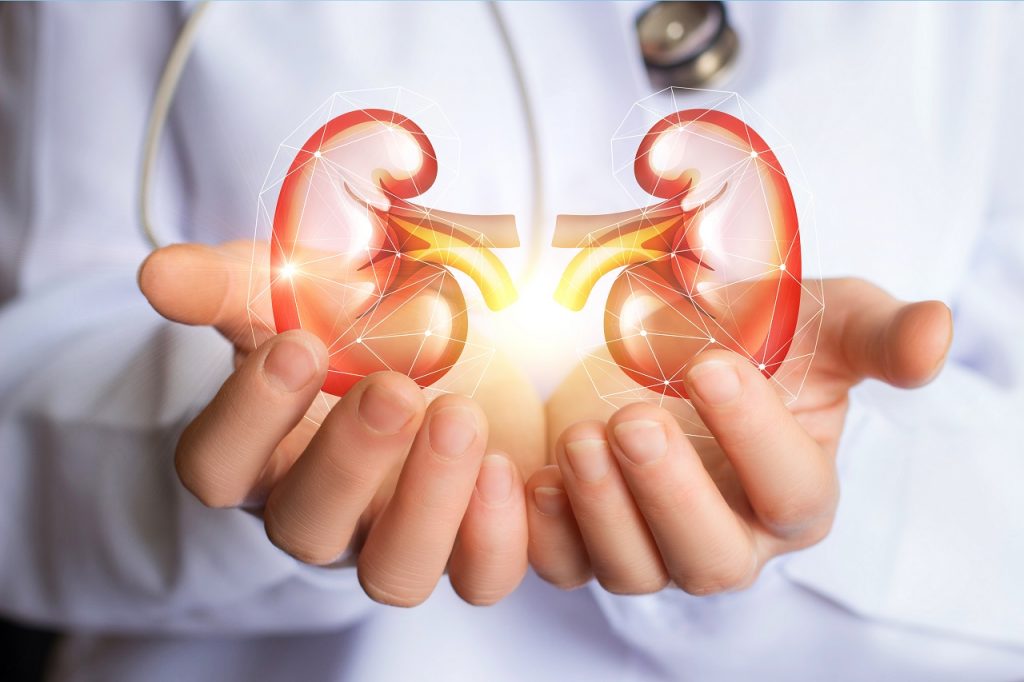
healthy kidneys

Obesity comes with its own set of problems. It just doesn’t mean excess weight and heart problems. A lot more is involved. A common point that most people miss out is the health of their kidneys. Adverts in various media platforms educate and try and sell you the best ‘Dialysis’ options available and a plethora of medication. Dialysis is a painful procedure. It affects people’s lives, jobs, families, relationships, etc.

Your goal should be to never reach that stage if it’s in your control, and in most cases, your lifestyle is the only thing that is really in your control. It’s your choice. Keeping your kidneys working at their best should be a top priority. But, what’s sad is that even if you’re paying attention you could still end up with chronic kidney disease (CKD). Just taking care of your kidneys isn’t enough to prevent it.

The two main causes are high blood pressure and diabetes. In fact, one in three adults with diabetes—and 20% with high blood pressure have CKD. So, if you think this doesn’t affect you or a loved one, think again. About 26 million people have this kidney condition. And the numbers are only getting higher.

Chronic kidney disease can be hard to spot early. Most people find out they have it after a blood or urine test. Their doctors’ first course of action—of course—is to write a prescription. This can include blood pressure medications like beta blockers and even statins. If you don’t catch CKD early, your options could be even scarier, like dialysis or a full-on transplant. But, new research out of China has found a simple, natural solution.

Researchers in China followed 6,363 patients with chronic kidney disease (CKD). After 10 years they found people who did this were 33% less likely to die. But, this didn’t just help prevent death, it also helped improve the quality of life. These people lowered their risk for needing dialysis—or even a kidney transplant—by 21%. And that’s just the average. This easy, everyday activity may help you live longer with CKD—maybe even avoid it entirely.

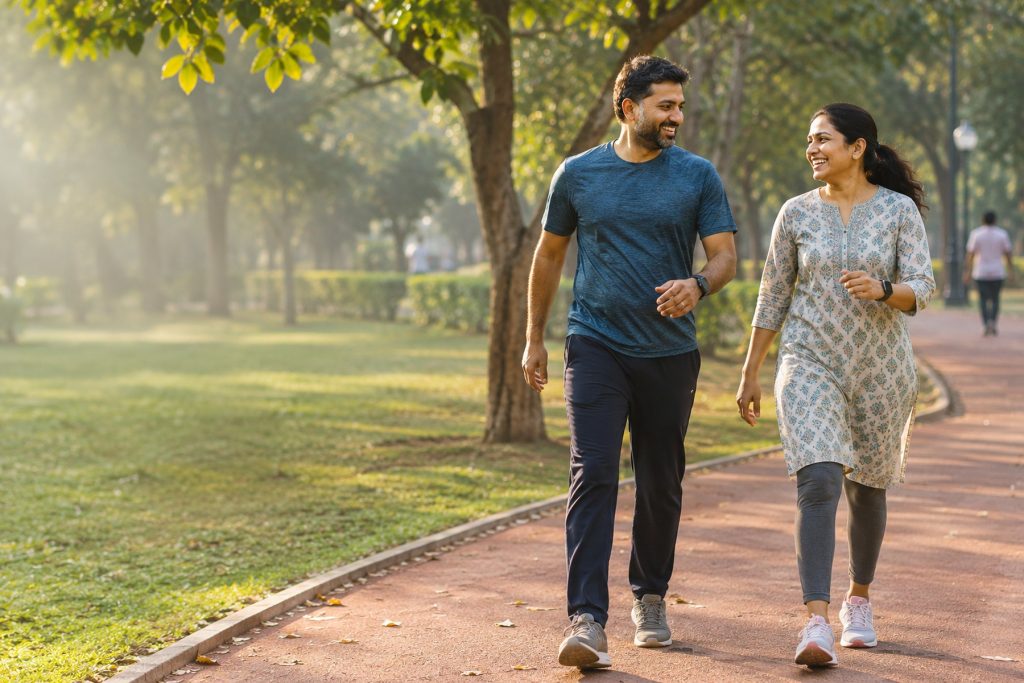
We’re talking about walking. It sounds simple, but it’s effective. And for some people in the study, it may have added enjoyable years to their life. The people in this study who walked the most saw an even greater benefit than the rest of the group. Walking for 30 minutes or less at least once a day helped some subjects reduce mortality risk by 59%. And their likelihood of needing a kidney transplant or dialysis dropped by 44%.

Your kidneys may be the most important organs in your body. They act like a filter for your blood. Their main job is to remove waste products and balance fluid levels. But, they also help produce vitamin D and red blood cells. They even help regulate blood pressure.

Chronic kidney disease includes a variety of conditions that cause your kidneys to shut down over time. At first, you may not notice anything is wrong. But, as time goes on, waste levels can build. This may eventually make you feel sick. But it can also lead to high blood pressure and nerve damage. Worse yet, CKD may increase your risk of developing heart disease.

Simply walking for a few minutes a day may help you avoid transplant or dialysis. It may even help you live longer with CKD. But exercise is also a great way to avoid CKD in the first place. Making the switch to high-intensity exercise could lead to impressive results. It may also help lower your blood pressure and diabetes – the two main causes that lead to developing CKD.

So get moving. Exercise should be your only medicine. We hope this article helps you. Do leave your thoughts in the comments below!

For more tips on how to improve the health of your kidneys, check out Healthy Reads or ask a GOQii Coach by subscribing for Personalised Health Coaching here.

#BeTheForce 
July 29, 2022 By GOQii 2 Comments

All You Need To Know About Maintaining Healthy Kidneys!

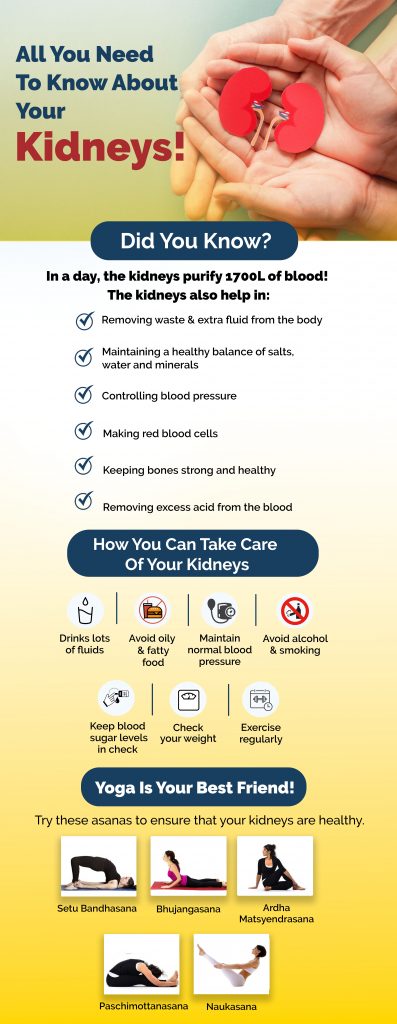
Your kidneys are one of the hardest working organs in your body. They help in removing waste and extra fluid from the body, reabsorb almost all of the water along with the minerals and nutrients your body needs, and remove excess acid from the blood as well. These are just a few things your kidneys do to keep your blood and body clean. So how do you ensure that you maintain healthy kidneys to help them do their job? Check out the detailed infographic below!

All You Need To Know About Kidney Health

Nothing beats regular exercise, especially yoga. These not only help the kidney, but the complete body. Yoga asanas assist in managing water retention in the body which enables sound sleep schedules and hence better rest. It is also one of the best ways to maintain balance in the body. Few asanas facilitate internal cleansing and flush out the toxins:

  1. Setu Bandhasana stimulates the abdominal organs, helps bring high blood pressure under control and relieves the body of stress.
  2. Bhujangasana stretches and strengthens the abdominal organs. It also raises the immunity level of the body.
  3. Ardha Matsyendrasana stimulates the kidneys and liver; improves the body’s immunity level.
  4. Paschimottanasana stimulates the kidney, improves digestion, and relieves menstrual discomfort.
  5. Naukasana improves digestion and alleviates stress. It strengthens and stimulates the abdominal organs.

We hope this article helps you. To know more about maintaining healthy kidneys, check out Healthy Reads or ask a GOQii Coach for some tips by subscribing for personalized coaching here: https://goqiiapp.page.link/bsr

#BeTheForce 

March 10, 2022 By Dr. Viral Thakkar 1 Comment

All About Your Kidneys – The Natural Cleansers

world kidneys day

Can you imagine your house not being cleaned for a day? Imagine no sweeping or mopping, and no sweeper collecting the garbage. The house would start smelling, it will get intense, and eventually there will be decay. Just like our house, the body needs to be cleaned. This essential and unparalleled job is done by a 10-13cm organ – the kidneys. The kidneys help in:

  • Removing waste and extra fluid from the body (Urine).
  • Maintaining a healthy balance of salts, water and minerals like sodium, calcium, phosphorus, and potassium in the blood. It removes acid too! 
  • They also make hormones that help control blood pressure, make red blood cells and keep bones strong and healthy. 

According to Traditional Chinese Medicine, the Kidney is the powerhouse of the body, supplying reserve energy to any organ running low on Qi. Its partner organ is the bladder.

The Kidney’s Job Profile

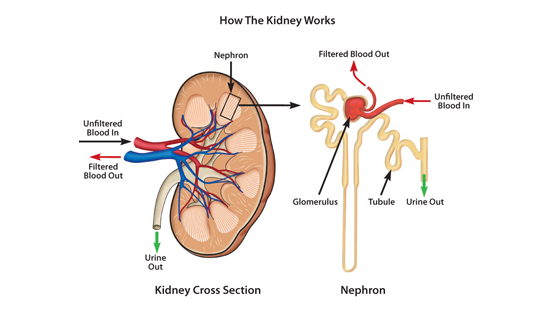
Each of the kidney is made up of about a million filtering units called nephrons. Each nephron includes a filter called the glomerulus and a tubule. The nephrons work through a two-step process:

The glomerulus filters the blood and the tubule returns needed substances to the blood and removes wastes. 

A blood vessel runs alongside the tubule. As the filtered fluid moves along the tubule, the blood vessel reabsorbs almost all of the water along with minerals and nutrients your body needs. The tubule helps remove excess acid from the blood. The remaining fluid and wastes in the tubule become urine.

The blood circulates through the kidneys many times a day. In a single day, kidneys filter about 150 quarts of blood. Most of the water and other substances that filter through the glomeruli are returned to the blood by the tubules. Only 1 to 2 quarts become urine.

Each kidney performs the process of reabsorption with great precision. Out of 180 liters of fluid that enters the tubules, 99% of fluid is selectively reabsorbed and only the remaining 1% of fluid is excreted in the form of urine.

By this intelligent and precise process, all essential substances and 178 liters of fluid are reabsorbed in the tubules, whereas 1-2 liters of fluids, waste products, and other harmful substances are excreted.

Urine formed by the kidneys flow to the ureters, and passes through the urinary bladder and is finally excreted out through the urethra.

Did you know that every minute, 1200 ml of blood enters the kidneys for purification, which is 20% of the total blood pumped by the heart? So in one day, 1700 liters of blood is purified!

Here is How You Can Take Care of Your Kidneys

  1. Drink up! Kidneys balance the electrolytes and fluid levels and hence its essential to drink liquids which are non-alcoholic and not caffeinated. Juices, coconut water, water, smoothies, etc. are your friends
  2. Check the colour of your urine. It should be the colour of a straw. Any darker means you need to drink up.
  3. Too much oily and fatty food is a big no! It puts pressure on the kidneys. Greens are your friends! 
  4. Ensure you have a normal blood pressure. It can silently impact your kidneys.
  5. Alcohol and smoking is a BIG no. There are no two ways about it! Just stop it
  6. Got diabetes? If you do, work with your doctor to keep your blood sugar levels in check. If they’re not under control, that can cause problems for your kidneys over time. Along with hypertension (high blood pressure), diabetes is one of the biggest concerns for kidney health.
  7. Use your meds correctly. Take them as your doctor recommends, or follow the instructions on the package. Be wary of medicines that can cause kidney damage when you take them for a long time, including over-the-counter painkillers like ibuprofen and prescriptions such as lithium and HIV medications. (Street drugs like cocaine can cause kidney disease too).
  8. Check your weight & exercise regularly. 
  9. Be positive, not just for your kidneys but for your overall health. People who tend to hold negative thoughts especially envious feelings with hatred tend to get kidney disorder as compared to a positive person, as every emotion is linked with an organ. 

Yoga and Pranayama are your friends for life!

Nothing beats regular exercise especially yoga and pranayama. These not only help the kidney, but the complete body. Yoga asanas assist in managing water retention in the body which enables sound sleep schedules and hence better rest. It is also one of the best ways to maintain balance in the body. Few asanas facilitate internal cleansing and flush out the toxins. Pranayam is known to relieve stress. 

To ensure that the kidneys perform their JD up to the mark, make sure you make your body do the following:

  1. Setu Bandhasana stimulates the abdominal organs, helps bring high blood pressure under control and relieves the body of stress.
  2. Bhujangasana stretches and strengthens the abdominal organs. It also raises the immunity level of the body.
  3. Ardha Matsyendrasana stimulates the kidneys and liver; improves the body’s immunity level.
  4. Paschimottanasana stimulates the kidney, improves digestion, and relieves menstrual discomfort.
  5. Naukasana improves digestion and alleviates stress. It strengthens and stimulates the abdominal organs. 

We hope this article helps you. To know more about improving kidney health, check out Healthy Reads or ask a GOQii Coach for some tips by subscribing for personalized coaching here: https://goqiiapp.page.link/bsr

#BeTheForce 

November 14, 2026 By GOQii Leave a Comment

World Diabetes Day 2026: Early Action on Diabetes – Know Your Risk, Get Tested, Reverse Prediabetes

Type 2 diabetes doesn’t appear overnight. It usually builds quietly for years, through a stage called prediabetes, before it’s diagnosed, often after damage to the heart, kidneys, eyes or nerves has already begun. That long, silent run-up is also an opportunity: the earlier you act, the more you can change.

That’s the idea behind this year’s World Diabetes Day on 14 November. The International Diabetes Federation’s theme for 2026–27 is “Early Action on Diabetes”, focusing on screening, early diagnosis and reducing risk. The IDF notes that almost half of people with diabetes are undiagnosed, and about 1 in 8 people worldwide are at high risk of developing type 2 diabetes.

In India, the scale is especially large. The ICMR-INDIAB study estimated that 101 million Indians have diabetes and 136 million have prediabetes. This guide follows the three steps of early action: know your risk, get tested, and, if you have prediabetes, take the steps that are proven to lower your chances of it becoming diabetes.

At a glance

  • Know your risk. Age, a family history of diabetes, extra weight around the waist and an inactive lifestyle are the biggest risk factors. The Indian Diabetes Risk Score (below) takes two minutes.
  • Get tested. A fasting blood glucose or HbA1c test is quick and widely available. Adults aged 30 and over in India are advised to be screened, and younger people with risk factors should be too.
  • Prediabetes is an early warning, not diabetes. An HbA1c of 5.7–6.4% or a fasting glucose of 100–125 mg/dL means your risk is raised, and there’s time to act.
  • Lifestyle changes work. In a landmark US trial, modest weight loss and 150 minutes of activity a week cut the risk of type 2 diabetes by 58%. An Indian trial found lifestyle changes cut risk by about 28%.
  • Small changes add up: brisk walking, fewer refined carbohydrates and sugary drinks, more vegetables and pulses, good sleep and not smoking.
  • Already have diabetes? Early action still counts. Good control and regular eye, kidney and foot checks prevent complications, and some people with recent type 2 diabetes can reach remission with significant weight loss.

Step 1: Know your risk

You can’t change your age or your genes, but knowing where you stand tells you how urgently to act.

The main risk factors

  • Age: risk rises from your 30s onwards.
  • Family history: a parent, brother or sister with type 2 diabetes.
  • Weight around the waist: belly fat is more closely linked to diabetes than overall weight. South Asians tend to develop diabetes at a lower body weight than Europeans.
  • Physical inactivity: long hours sitting and little regular exercise.
  • Diabetes in pregnancy (gestational diabetes), or PCOS.
  • High blood pressure, high triglycerides or low HDL cholesterol.
  • Poor sleep and smoking.
  • Fatty liver, or long-term use of certain medicines such as steroids or some antipsychotics.

Check your Indian Diabetes Risk Score

The Indian Diabetes Risk Score (IDRS), developed by the Madras Diabetes Research Foundation, is a simple screening tool used across India. It uses four questions, with points for each answer. Add up your points:

Question Your answer Points
Your age Under 35 0
35–49 20
50 or over 30
Waist (women) Under 80 cm 0
80–89 cm 10
90 cm or more 20
Waist (men) Under 90 cm 0
90–99 cm 10
100 cm or more 20
Physical activity Regular vigorous exercise or strenuous work 0
Regular moderate exercise 10
Regular mild exercise 20
No exercise, mostly sitting 30
Family history of diabetes Neither parent 0
One parent 10
Both parents 20

What your score means:

  • Under 30: lower risk. Keep up healthy habits and get tested as recommended for your age.
  • 30–50: moderate risk. Get a blood test and work on activity and waist size.
  • 60 or more: high risk. Get a fasting glucose or HbA1c test soon.

Measure your waist midway between your lowest rib and the top of your hip bone, standing relaxed and breathing out. The score is a guide to who should be tested, not a diagnosis. A low score doesn’t rule out diabetes, so get tested if you have symptoms or other risk factors.

Step 2: Get tested

Many people with type 2 diabetes or prediabetes have no symptoms, which is why the IDF puts screening and early diagnosis at the centre of this year’s campaign. India’s national programme offers screening for adults aged 30 and over at Ayushman Arogya Mandirs and government health facilities, and tests are also widely available at private labs.

Which test?

Test Normal Prediabetes Diabetes
HbA1c (no fasting needed) Below 5.7% 5.7–6.4% 6.5% or higher
Fasting blood glucose Below 100 mg/dL 100–125 mg/dL 126 mg/dL or higher
2-hour glucose tolerance test Below 140 mg/dL 140–199 mg/dL 200 mg/dL or higher

These are the American Diabetes Association thresholds, widely used in India. A result in the diabetes range usually needs a repeat test to confirm.

HbA1c isn’t reliable for everyone. Iron-deficiency anaemia, which is common in India, can falsely raise HbA1c, and thalassaemia trait or other haemoglobin variants, recent blood loss or transfusion, advanced kidney disease and pregnancy can also make it misleading. If any of these apply to you, ask your doctor whether a fasting glucose or glucose tolerance test would be more accurate.

When to get tested

  • If you’re 30 or over: at least every three years if your results are normal, or more often if your doctor advises.
  • At any age if you’re overweight (for South Asians, a BMI of 23 or more) and have another risk factor, or your IDRS is 60 or more.
  • Every year if you have prediabetes.
  • During pregnancy, as part of routine antenatal care, because gestational diabetes usually causes no symptoms.
  • 6–12 weeks after giving birth, and then regularly, if you had gestational diabetes.
  • Straight away if you have symptoms such as excessive thirst, frequent urination, unexplained weight loss or blurred vision. Our guide to the early signs of diabetes explains what to look for.

Step 3: Act on prediabetes

Prediabetes doesn’t always progress to diabetes, and for many people blood sugar can return to the normal range. Two landmark trials show what’s possible.

What the evidence shows

The US Diabetes Prevention Program (2001) followed 3,234 overweight adults with impaired glucose tolerance, a form of prediabetes. Those in the lifestyle group aimed to lose about 7% of their body weight through a healthier, lower-fat diet and to be active for around 150 minutes a week, mostly by walking. They cut their risk of developing type 2 diabetes by 58%, and by 71% in people over 60. Most kept off about 5% of their weight, a modest amount.

The Indian Diabetes Prevention Programme (2006) tested lifestyle changes in 531 Asian Indians with impaired glucose tolerance. Advice on diet and physical activity reduced the risk of diabetes by 28.5% over three years, similar to the effect of the medicine metformin, and combining the two added no extra benefit. Interestingly, the participants didn’t lose weight, which suggests that better eating and more activity help even before the scale moves.

What to do: practical steps

Move more, most days

  • Build up to at least 150 minutes of moderate activity a week, such as brisk walking, cycling, swimming or dancing, plus muscle-strengthening exercises on two days.
  • Take a short walk after meals. Even 2–5 minutes of light walking after eating helps lower the rise in blood sugar.
  • Break up long periods of sitting every 30–60 minutes.

Eat for steadier blood sugar

  • Fill half your plate with vegetables, a quarter with protein (dal, chana, rajma, paneer, eggs, fish or chicken) and a quarter with whole grains or millets.
  • Cut back on refined carbohydrates such as white rice, maida, biscuits and bakery snacks, and keep rice and roti portions moderate.
  • Swap sugary drinks, packaged juices and sweetened chai for water, buttermilk or unsweetened tea. Jaggery and honey are still sugar; our guide to jaggery vs sugar explains why.
  • Limit fried snacks and ultra-processed foods, in line with the ICMR-NIN Dietary Guidelines for Indians.

Aim for modest weight loss if you’re overweight

Losing 5–7% of your body weight, for example 4–5 kg if you weigh 75 kg, is enough to make a real difference. Focus on your waist rather than the scale. Avoid unsupervised crash diets, especially if you take medicines for diabetes or blood pressure; our post-Diwali reset explains a steadier approach.

Look after sleep, stress and smoking

  • Aim for seven or more hours of sleep. Short sleep is linked to higher hunger and poorer blood sugar control; see our guide to improving sleep quality.
  • Find a stress outlet that works for you, whether that’s walking, yoga, breathing exercises or time with friends.
  • If you smoke, get help to stop.

Retest and review

Retest your HbA1c or fasting glucose after 3–6 months of changes, then at least yearly. Your doctor may also discuss metformin if your risk is high. Our tips on managing diabetes through lifestyle and nutrition apply to prediabetes too.

Already have diabetes? Early action still matters

The IDF stresses that early detection can prevent emergencies such as diabetic ketoacidosis and delay complications affecting the heart, kidneys, eyes and nerves. If you’ve recently been diagnosed, the years right after diagnosis are a valuable window.

Remission is possible for some people with type 2 diabetes

In the UK DiRECT trial, adults diagnosed with type 2 diabetes within the previous six years followed a medically supervised, low-calorie, meal-replacement programme. After one year, 46% were in remission, with blood sugar in the non-diabetic range without medication, compared with 4% of those receiving usual care. Remission happened only in people who lost weight, and was most likely in those who lost 15 kg or more.

This isn’t a do-it-yourself diet. Participants stopped their diabetes and blood pressure medicines under close medical supervision, with regular support from a nurse or dietitian. Very low-calorie diets can cause low blood sugar and other problems if you take diabetes medicines, so talk to your doctor before trying any intensive programme. Remission is also less likely the longer you’ve had diabetes, and it isn’t possible in type 1 diabetes. Our guide to type 1 vs type 2 diabetes explains the difference.

Remission isn’t a cure. Blood sugar can rise again if weight is regained, so people in remission still need at least a yearly HbA1c, and eye, kidney and foot checks. DiRECT was also carried out in the UK, mostly in people of European origin, so results may differ in other populations, including South Asians.

Regular checks prevent complications

Whatever your treatment, these checks help catch problems early, when they’re easiest to treat:

  • HbA1c every 3–6 months, against a target agreed with your doctor
  • Blood pressure at every visit, and cholesterol at least once a year
  • An eye check (retina) at diagnosis of type 2 diabetes, then at least once a year
  • Kidney tests (urine albumin and a blood test for kidney function) at least once a year
  • A foot check at every visit, and check your own feet daily for cuts, blisters or colour changes
  • Dental check-ups, because gum disease is more common in diabetes

Keep taking your medicines as prescribed, and don’t stop or change them without talking to your doctor.

The bottom line

This World Diabetes Day, early action means three simple steps. Know your risk: take two minutes to work out your Indian Diabetes Risk Score. Get tested: a fasting glucose or HbA1c test is quick and widely available. And if your result shows prediabetes, treat it as a chance to act, not a cause for alarm. Trials in the US and India show that regular activity, better eating and modest weight loss can lower the risk of type 2 diabetes substantially. If you already have diabetes, early, steady action protects your heart, kidneys, eyes and feet for the years ahead.

Pro Tip: Use the GOQii App to track your steps, meals, weight and sleep, so you can see how your habits change between blood tests. Your GOQii Personalised Health Coach can help you set realistic activity and eating goals, whether you’re working to reverse prediabetes or managing diabetes alongside your doctor.

Frequently asked questions

What is the theme of World Diabetes Day 2026?

The theme set by the International Diabetes Federation for 2026 and 2027 is “Early Action on Diabetes”. It focuses on screening, early diagnosis and reducing the risk of type 2 diabetes, so that complications can be prevented or delayed.

Can prediabetes be reversed?

Often, yes. Many people with prediabetes can bring their blood sugar back to the normal range with regular physical activity, healthier eating and modest weight loss. Even when blood sugar doesn’t fully return to normal, these changes lower the risk of progressing: in the US Diabetes Prevention Program, lifestyle changes cut the risk of developing type 2 diabetes by 58%.

How long does it take to reverse prediabetes?

It varies from person to person. HbA1c reflects your average blood sugar over the previous two to three months, so a retest about three months after you start making changes shows whether they’re working. After that, retest at least once a year.

What is the Indian Diabetes Risk Score?

The Indian Diabetes Risk Score is a simple screening tool from the Madras Diabetes Research Foundation. It scores your age, waist size, physical activity and family history of diabetes. A score of 60 or more means high risk, and you should get a blood sugar test.

How much weight do I need to lose to prevent diabetes?

If you’re overweight, losing about 5 to 7% of your body weight, such as 4 to 5 kg if you weigh 75 kg, can significantly lower your risk. In an Indian trial, healthier eating and more activity reduced risk even without weight loss.

Who should get tested for diabetes?

In India, adults aged 30 and over are advised to be screened. Anyone younger who is overweight and has another risk factor, such as a family history of diabetes, PCOS or diabetes in pregnancy, should also be tested, as should anyone with symptoms.

Can type 2 diabetes go into remission?

For some people, yes. In the UK DiRECT trial, 46% of people diagnosed within the previous six years were in remission after a year on a medically supervised low-calorie programme. Remission is linked to significant weight loss and should only be attempted with medical supervision.

#BeTheForce

Disclaimer: The information provided in this blog is for general awareness and educational purposes only. It is not intended to replace professional medical advice, diagnosis, or treatment. Always consult a qualified healthcare provider for personalised medical guidance or concerns related to your health.

  • « Previous Page
  • 1
  • 2
  • 3
  • 4
  • …
  • 43
  • Next Page »

Search

Recent Posts

  • Children’s Day 2026: Healthy Lunchboxes and Screen-Time Habits for Happier, Healthier Kids
  • World Diabetes Day 2026: Early Action on Diabetes – Know Your Risk, Get Tested, Reverse Prediabetes
  • World Kindness Day 2026: How Kindness and Helping Others Benefit Your Health
  • World Pneumonia Day 2026: Warning Signs, Who Is at Risk and the Vaccines That Protect
  • The Early Signs & Symptoms of Diabetes

Stay Updated

Archives

  • November 2026 (15)
  • October 2026 (23)
  • September 2026 (5)
  • August 2026 (8)
  • July 2026 (24)
  • June 2026 (22)
  • May 2026 (20)
  • April 2026 (24)
  • March 2026 (18)
  • February 2026 (14)
  • January 2026 (14)
  • December 2025 (19)
  • November 2025 (14)
  • October 2025 (17)
  • September 2025 (6)
  • August 2025 (5)
  • July 2025 (9)
  • June 2025 (18)
  • May 2025 (16)
  • April 2025 (22)
  • March 2025 (25)
  • February 2025 (21)
  • January 2025 (25)
  • December 2024 (21)
  • November 2024 (21)
  • October 2024 (15)
  • September 2024 (22)
  • August 2024 (27)
  • July 2024 (14)
  • June 2024 (23)
  • May 2024 (26)
  • April 2024 (27)
  • March 2024 (27)
  • February 2024 (23)
  • January 2024 (21)
  • December 2023 (14)
  • November 2023 (10)
  • October 2023 (18)
  • September 2023 (20)
  • August 2023 (16)
  • July 2023 (16)
  • June 2023 (21)
  • May 2023 (20)
  • April 2023 (19)
  • March 2023 (23)
  • February 2023 (19)
  • January 2023 (15)
  • December 2022 (11)
  • November 2022 (15)
  • October 2022 (15)
  • September 2022 (12)
  • August 2022 (9)
  • July 2022 (17)
  • June 2022 (11)
  • May 2022 (10)
  • April 2022 (6)
  • March 2022 (6)
  • February 2022 (13)
  • January 2022 (11)
  • December 2021 (7)
  • November 2021 (3)
  • October 2021 (6)
  • September 2021 (3)
  • August 2021 (8)
  • July 2021 (7)
  • June 2021 (15)
  • May 2021 (16)
  • April 2021 (10)
  • March 2021 (7)
  • February 2021 (4)
  • January 2021 (4)
  • December 2020 (3)
  • November 2020 (4)
  • October 2020 (10)
  • September 2020 (3)
  • August 2020 (3)
  • July 2020 (2)
  • June 2020 (4)
  • May 2020 (10)
  • April 2020 (12)
  • March 2020 (10)
  • February 2020 (4)
  • January 2020 (4)
  • December 2019 (3)
  • November 2019 (7)
  • October 2019 (5)
  • September 2019 (4)
  • August 2019 (9)
  • July 2019 (9)
  • June 2019 (11)
  • May 2019 (4)
  • April 2019 (8)
  • March 2019 (8)
  • February 2019 (9)
  • January 2019 (8)
  • December 2018 (9)
  • November 2018 (3)
  • October 2018 (3)
  • September 2018 (5)
  • August 2018 (10)
  • July 2018 (6)
  • June 2018 (13)
  • May 2018 (8)
  • April 2018 (17)
  • March 2018 (9)
  • February 2018 (8)
  • January 2018 (15)
  • December 2017 (12)
  • November 2017 (19)
  • October 2017 (13)
  • September 2017 (15)
  • August 2017 (4)
  • July 2017 (8)
  • June 2017 (7)
  • May 2017 (6)
  • April 2017 (8)
  • March 2017 (6)
  • February 2017 (7)
  • January 2017 (9)
  • December 2016 (10)
  • November 2016 (7)
  • October 2016 (7)
  • September 2016 (7)
  • August 2016 (11)
  • July 2016 (9)
  • June 2016 (9)
  • May 2016 (12)
  • April 2016 (17)
  • March 2016 (17)
  • February 2016 (8)
  • January 2016 (6)
  • December 2015 (2)
  • November 2015 (9)
  • October 2015 (7)
  • September 2015 (9)
  • August 2015 (11)
  • July 2015 (9)
  • June 2015 (11)
  • May 2015 (9)
  • April 2015 (13)
  • March 2015 (8)
  • February 2015 (5)
  • January 2015 (12)
  • December 2014 (14)
  • November 2014 (11)
  • October 2014 (6)
  • September 2014 (13)
  • August 2014 (12)
  • July 2014 (6)
  • June 2014 (2)
  • May 2014 (7)
  • April 2014 (4)

From Burnout to Balance: How Dr. Ranjit Reclaimed His Health

Dr Ranjit Bhatt has spent years tending to others. A practising doctor in Odisha, his days were packed with patients, surgeries, and emergencies. From the outside, it looked like a life lived in service. But on the inside, something wasn’t right. “I had no … [Read More...]

From Shimla’s Slopes to Chandigarh’s Sidewalks: Surinder Kaur Bhalla’s Journey from Chaos to Control

Some journeys start with a plan. Others begin with a stumble literally. Surinder Bhalla, a government professional, born and raised in the scenic hill town of Shimla, had always lived a life of movement. “In Shimla, you walked everywhere,” she reflects. “Walking was never an exercise. It was just life.” But after shifting to Chandigarh, […]

“I’ve Challenged Myself to Live 100 Years” – The Story of Chandubhai Savani’s Second Chance at Life

At 67, most people start slowing down. Not Chandubhai Savani. A resident of Surat, Chandubhai, thought life was on track. “My life was going well till I had my bypass surgery,” he says. That surgery, back in 2021, was a wake-up call.  Medication was routine, but exercise wasn’t. His diet? What he calls ‘normal.’ “I […]

Ananda Mukherjee Health Story

From Terminal Illness To Complete Wellness! Ananda Mukherjee Health Story

As we observe World Cancer Day under the powerful theme ‘United by Unique’ (2025-2027)**, we are reminded that every individual’s journey with cancer is distinct, yet united by shared resilience, hope, and the collective fight against this disease. This theme places people at the centre of care and their stories at the heart of the […]

  • HOME
  • HEALTHY LIVING
  • FITNESS
  • HEALTHY RECIPES
  • USER STORIES
  • KARMA
  • BUY GOQii

Copyright ©2016 GOQii