GOQii

Blog

  • HOME
  • HEALTHY LIVING
  • FITNESS
  • HEALTHY RECIPES
  • USER STORIES
  • KARMA
  • BUY GOQii

Search Results for: menstrual

December 16, 2024 By Dr. Viral Thakkar 15 Comments

Menstrual Pain: Every Woman’s Nightmare No more!!

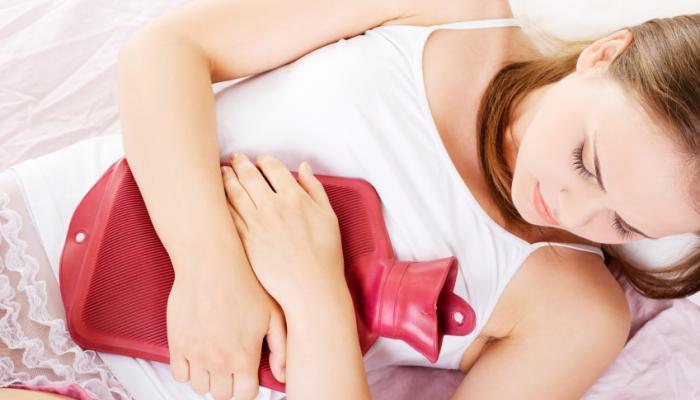
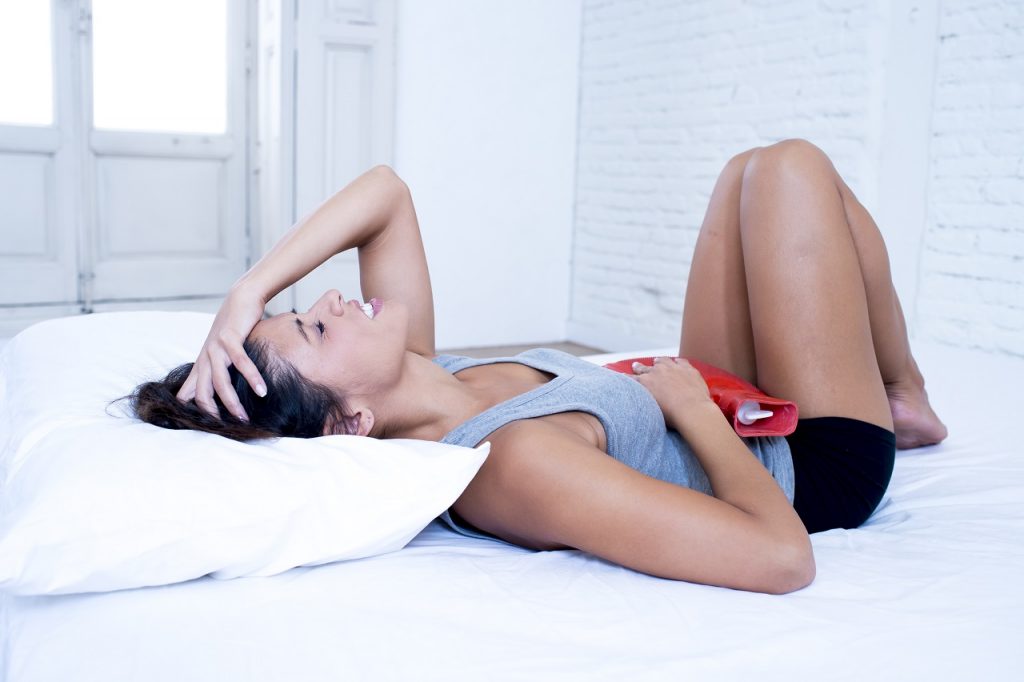
woman-with-hot-water-bottleI know many women, especially adolescents, who don’t like ‘being a woman’ because of the pain during menstruation. If you are one of those or know such women, this article is for you.

Primary dysmenorrhea (menstrual pain) is a normal part of menstruation. It affects girls during adolescence and eases as they mature. It may be painful, but it is not harmful.

Prostaglandins (hormones that causes your uterus to contract during menstruation and childbirth) are responsible for the pain. This pain results from contractions of your uterus that occur when the blood supply to its lining (endometrium) is reduced. (But hey! It is a part of you, and it is important, so blame it, but accept it and get on with it).
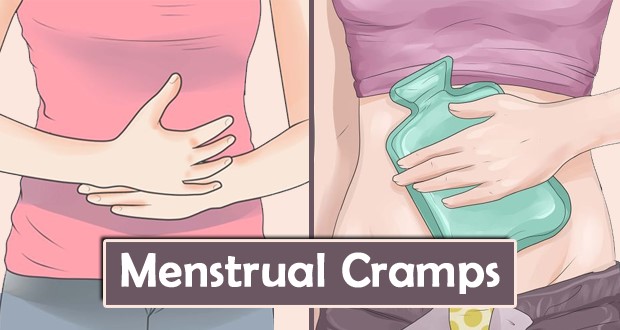
menstrual cramps Image 1

Other factors include a uterus that tilts backward instead of forward, lack of exercise, psychological or social stress, smoking, drinking alcohol or being overweight.

Secondary dysmenorrhea is generally related to some kind of gynecological disorder. It is most likely to affect women during adulthood.

Causes

  1. Fibroids that develop within the uterine wall or are attached to it cause inflammation leading to pain.
  2. Adenomyosis – the tissue that lines the uterus (called the endometrium) begins to grow within its muscular walls. This makes the uterine walls thicker. It may lead to heavy or longer-than-usual menstrual bleeding, as well as pain during menstrual cycle or intercourse.
  3. A sexually transmitted infection.
  4. Endometriosis – fragments of the endometrial lining that are found on other pelvic organs.
  5. Pelvic inflammatory disease, primarily an infection of the fallopian tubes, but it can also affect the ovaries, uterus, and cervix. It is caused primarily by sexually transmitted infections that spread up from the opening of the uterus to these organs.
  6. An ovarian cyst or tumor is a sac filled with fluid that forms on or inside of an ovary, causing pain.
  7. The use of an intrauterine device (IUD), a birth control method, leads to painful menstruation, which decreases over time.

‘Pain’ is the body telling us that something is not right. So listen to what your body is telling you. While you must seek medical advice for secondary dysmenorrhea, consider the following as well.

Be comfortable with your body. Negative messaging at times can become part of the subconscious mind, which rejects the female body. So anything that reminds the body of being a ‘woman’ can hurt.

Have a balanced diet. Ensure your diet includes foods rich in Vitamin B12, D, omega-3 fatty acids and calcium. As an extra tip, ginger is a wonder herb that can effectively ease menstrual cramps as it lowers the levels of pain-causing prostaglandins.

A hot water bag relaxes the contracting muscles in your uterus.

Make sure your hemoglobin level is within the normal range by including iron rich foods along with foods high in Vitamin C in your everyday diet.

An orgasm can help relieve all kinds of pains. Before an orgasm, the uterus is more relaxed, and during climax, blood flow increases, helping to relieve the cramps. The endorphins released after sex will make you feel better instantly.

Eat 2tbs of flaxseeds every day during periods reduces prostaglandin levels in the body.

Keep yourself hydrated during your period (and otherwise too!).

Exercise increases the blood flow, which calms the pain naturally.

Be happy, and you will feel your body responding better and dealing better with pain during your period.

Yoga Postures to relieve menstrual pain

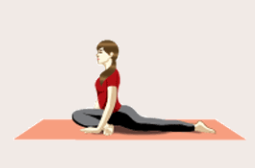
One Legged Pigeon Pose stretches the entire lower part of the body and stimulates the abdominal organs.
menstrual cramps- yoga pose 1

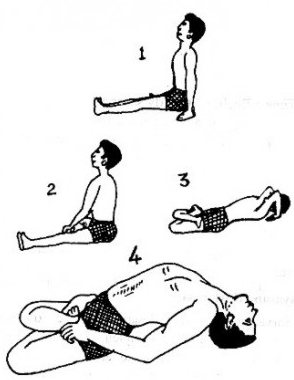
Matsyasana (Fish pose) is a backbend that stretches and stimulates the belly muscles.
menstrual cramps- yoga pose 2

JanuShirasana (One-legged Forward bend) massages the abdominal organs.
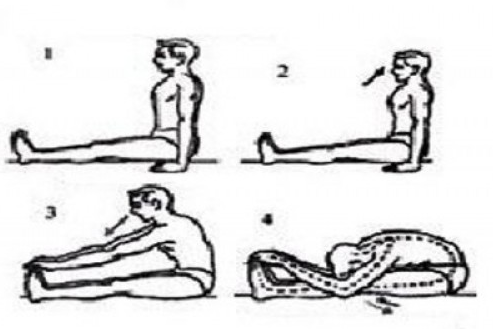
menstrual cramps-yoga pose 3

Dhanurasana (Bow pose) strengthens the abdominal muscles and stimulates the reproductive organs.
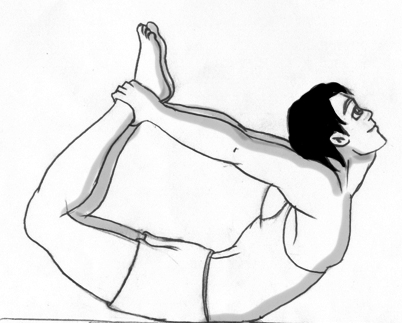
Menstrual cramps-Yoga pose 4

Bhujangasana (Cobra pose) stretches and tones the abdomen.
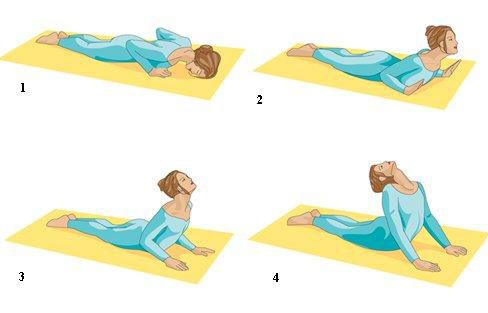
Menstrual Cramps-Yoga pose 5

Ustrasana (Camel pose) stretches and opens the front of the body.
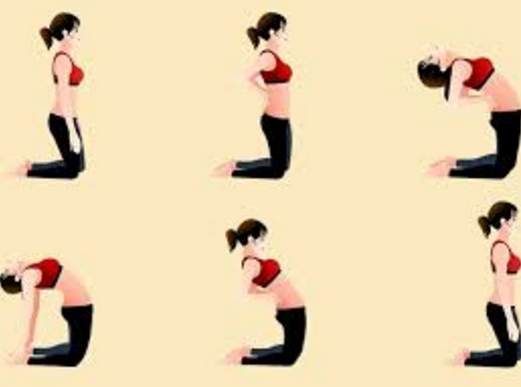
menstrual cramps-yoga pose 6

Yoga is one of the means to reach your goal of painless menstruation. Don’t forget to respect your body and give it time to overcome the pain.

We hope this article provides valuable insights into managing menstrual pain and helps you feel more empowered during your menstrual cycle. Remember, it’s essential to listen to your body and seek professional advice when needed. Do you have your own tips or experiences to share? Let us know in the comments below! For further information or guidance, reach out to our certified experts by subscribing to GOQii’s Personalised Health Coaching here.

#BeTheForce

Disclaimer: The information provided in this blog is for general awareness and educational purposes only. It is not intended to replace professional medical advice, diagnosis, or treatment. Always consult a qualified healthcare provider for personalised medical guidance or concerns related to your health.

July 8, 2024 By Mitali Ambekar 9 Comments

Should Women Workout During Their Menstrual Cycle?

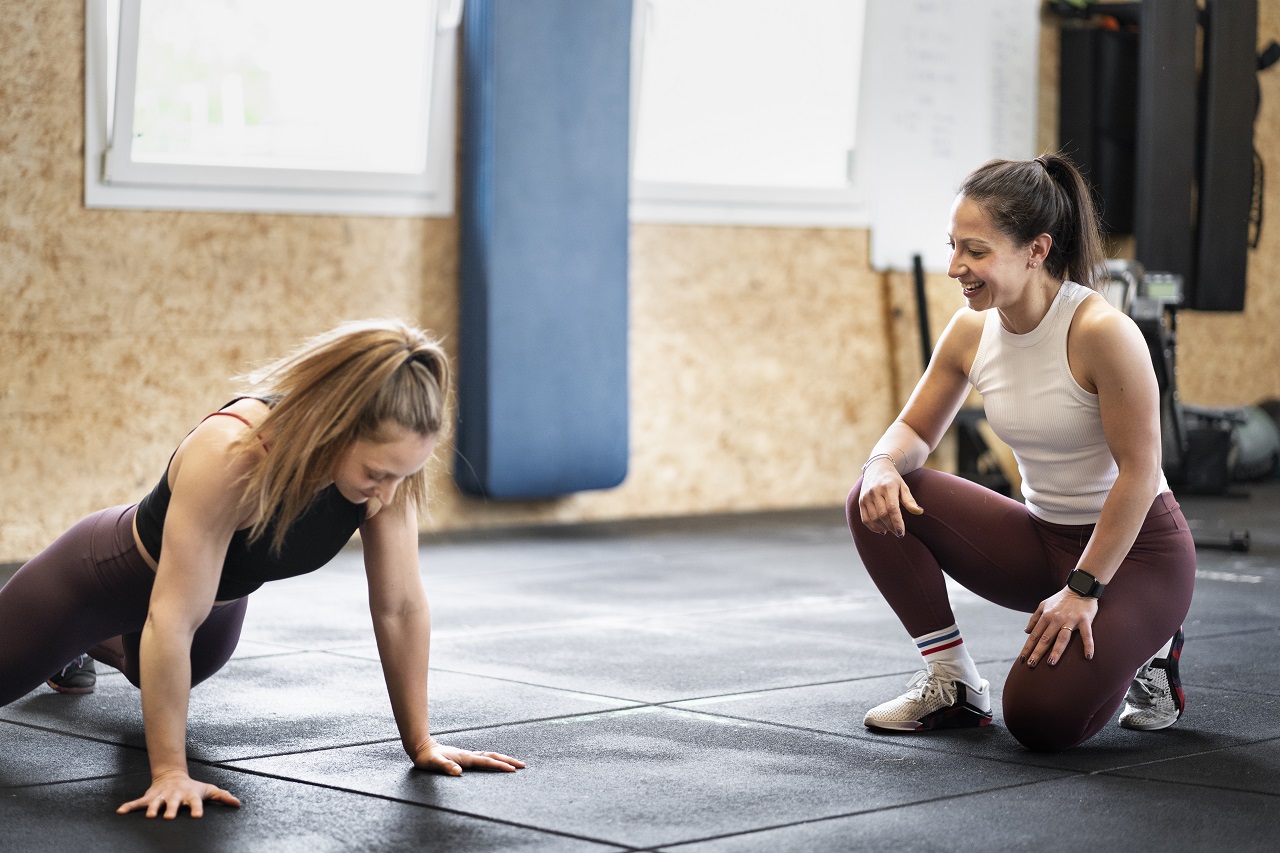
Should Women Workout During Their Menstrual Cycle?Should women workout during their menstrual cycle? It’s a question asked by most women who have either started working out, have been in sports or trekking, etc. How can a woman or girl stop working out for a span of 4-6 days, especially the ones who are active? There could be varied opinions on the same.
How Does Working Out During A Menstrual Cycle Help? 

If we put in a little logic, it does show us that a workout during their menstrual cycle would help women feel better. How is that? In general, when anyone works out, the body tends to release endorphins, the feel-good hormone and makes one feel good and happy. In the case of women, this is especially true, when the other hormones are already making her feel irritated, low on energy and weak during her periods.

Another positive is better circulation and higher metabolism – both of which will make sure that all the processes in the body are working well, thereby also making the woman’s uterine muscles relax, which otherwise are constricted during periods and can be a major cause for cramps. Better circulation can even help in relieving headaches and other small aches, which otherwise happen with iron deficiency during this phase.

Should Women Workout During Their Menstrual Cycle?Having said this, the intensity of workouts should not be very high, it should be low to moderate. Before starting off, you may not feel like doing so but, as you start with a light warm-up such as a slow walk, followed by some stretching, it will make you feel better and thus, take the workout forward slowly and steadily. In fact, light stretching will even help you get rid of congestion in the pelvic area.
When You Should Avoid Working Out

Women, who suffer severe pain and more bleeding should avoid it, as exercise can make them feel weaker and can make it very painful. Again the question pops up, why and how?

During periods, the woman’s Uterus and the veins inside are a little sensitive. Any pressure on it, be it in the form of exercise or any other activity, can cause more pain. Women who already encounter a lot of pain should avoid taking the risk of working out and should rest for 2-3 days and then get back to their routine. Failing to do so can cause more weakness with loss of blood due to excessive bleeding.

Albeit, you can do some light walks, stretching, or yoga. You can try swimming too as it equally helps in feeling fresh, light and helps easing off the pain. As a precautionary step, always remember to eat something before the workouts to get the dash of energy you need to workout.

We hope this article helps you! For more articles on Women’s Health, check out Healthy Reads. You can also download the GOQii App to keep a track of your menstrual cycle or speak to an expert by subscribing for GOQii’s Personalised Health Coaching here.

#BeTheForce

Disclaimer: The information provided in this blog is for general awareness and educational purposes only. It is not intended to replace professional medical advice, diagnosis, or treatment. Always consult a qualified healthcare provider for personalised medical guidance or concerns related to your health.

September 17, 2023 By Soni Thakur Leave a Comment

Menstrual Cramps & Ways To Combat It

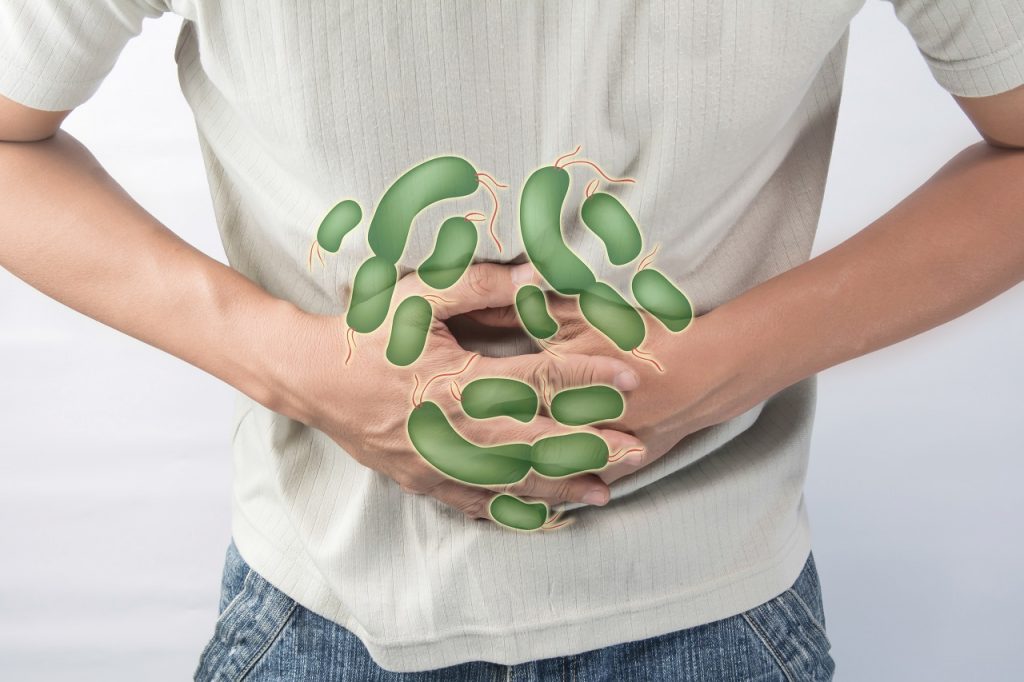
menstrual crampsMenstrual cramps are also called as Dysmenorrhea, like its name says ‘dys’ meaning difficult, ‘meno’ meaning month and ‘rrhea’ meaning flow i.e. difficult or painful monthly flow, and often a nightmare for most women. Its usual onset occurs around the time that menstruation begins. The pain is usually in the pelvis or lower abdomen.


Apart from this, there are certain other manifestations which women put up with during menstruation:

  • Nausea
  • Acidity
  • Acne
  • Bloating
  • Dizziness
  • Mood swings

Why Do We Get Menstrual Cramps?

Menstrual cramps are caused by an excess of “prostaglandins” hormones that are released from the endometrium (inner lining) of the uterus as it prepares to shed off. This is a necessary part of the process but in excess, it causes pain. If the uterus contracts strongly, blood flow is reduced and the supply of oxygen to the uterus muscle tissue decreases, causing severe pain.

Why Do Some Women Experience More Cramps Than Others?

This could be possibly due to inflammation. As a more inflamed tissue tends to produce more prostaglandins, it causes more severe pain. Other factors that contribute to menstrual cramps include:

  • Poor eating habits
  • Not having adequate amount of potassium and magnesium in diet
  • Lack of Exercise
  • Smoking
  • Drinking Alcohol

How Do You Combat It?

Women have to go through a lot in general, so there is no chance these creepy cramps would spare us but we know how to fight it! So, let’s find out some easy and effective ways to combat menstrual cramps.

  1. Putting a heating pad on your belly or lower back.
  2. Rubbing Lavender oil on your belly helps relieve period pain.
  3. Ginger tea: Boil a piece of ginger in 250 ml water, simmer for 4-5 minutes and drink whenever required.
  4. Carom seeds: Having 1 tbsp. of carom seeds by boiling them in a glass of water may ease menstrual cramps.
  5. Eat potassium and magnesium rich foods like Bananas, oranges, grapefruit, raisins, dates, mushrooms, cucumbers, potatoes, sweet potatoes and dark chocolate (70% or more), nuts, legumes, tofu, seeds, wholegrains, green leafy vegetables respectively.
  6. Use yoga: Some simple yoga poses to try out are Head to Knee forward bend, bound angle pose, Child’s pose and inverted leg pose.
  7. Listen to good music that changes your mood or take a walk in nature or talk to your friends and family members. This will keep you engaged and diverted so you may not feel too much pain.

So, let’s try out these simple and effective ways to fight menstrual cramps and ease those difficult days! We hope this article helps you. Do leave your thoughts in the comments below. For more tips, check out Healthy Reads or you can get these home remedies and more directly from a GOQii Coach by subscribing for personalized health coaching here.

#BeTheForce  

February 27, 2026 By Dhwani Bagadia 1 Comment

Leaky Gut: Symptoms and Causes

leaky gutThe gut is considered to be the “Gateway to Health”. It consists of approximately 80% of the immune system. 95% of “serotonin”, the “feel-good” hormone, is also produced in the Gut. Healing and improving your gut is of the utmost importance to lead a healthy and happy life. Your gut is responsible for stomach conditions, pain and even eagerness. Poor gut health can cause various issues such as a Leaky Gut.

A Leaky Gut is one of the most puzzling illnesses/diseases to be diagnosed and to get treated. It is a very puzzling disease or illness majorly due to the gut having a very extensive and complex structure. “There is still so much science that proceeds with finding newly developed methods, where the gut can have an impact on the health of the heart to brains being young and active,” says Dr. Alessio Fasano, Director of the Center for Celiac Research and Treatment with Harvard-affiliated Massachusetts General Hospital.

What is Leaky Gut?

The digestive system is where food is broken down and nutrients are absorbed. It also plays a major role in safeguarding your body from detrimental or dangerous substances. The intestinal walls act as a barrier/hurdle to check what is passing into the bloodstream, to be carried to different organs of the body.

Water and nutrients are passed into and out of the small holes (tight junctions) in the walls of the intestine when obstructing the movement of detrimental substances. Intestinal Permeability is defined as an easy passage of the substances through the walls of the intestine. When the small holes (tight junction) of the intestinal wall become loose, the permeability of the gut increases and results in bacteria and toxins passing from the gut into the bloodstream. This event is termed as “Leaky Gut”.  

Due to Leaky Gut, toxins and bacteria enter the blood-stream, resulting in inflammation and activating a reaction from the immunity. Proponents declare that it is one of the major causes of several medical conditions such as chronic fatigue syndrome, migraine, multiple sclerosis, fibromyalgia, food sensitivities, thyroid abnormalities, mood swings, skin conditions, and autism.

Many Health-care professionals say that an increase in the permeability of the intestine occurs in a few chronic diseases. It is a challenge to calculate the strength of an individual’s gut barrier, so it becomes difficult to identify whether a person has a leaky gut and what impact it will have on the body.

Symptoms to Watch Out For

As per Dr. Leo Galland, the director of the Foundation for Integrated Medicine, the symptoms below could indicate a Leaky Gut.

  • Digestive issues such as chronic diarrhea, constipation, gas or bloating or IBS (Irritable Bowel Syndrome)
  • Nutritional Deficiencies such as anemia, omega-3 fatty acids, vitamin deficiencies
  • Excess weight, obesity, diabetes
  • Poor immunity such as frequent cold, flu, and infection. Auto-immune disease such as rheumatoid arthritis, lupus, celiac disease or chron’s disease, Hashimoto’s thyroiditis
  • Brain: Headaches, brain fog and memory loss and Depression/Eagerness/ADHD (Attention Deficient Hyperactive Disorder)
  • Excessive tiredness or fatigue
  • Rashes on skin such as acne, eczema
  • Cravings for refined carbs or sugar
  • Bones: Arthritis or Joint Pain and Osteoporosis
  • Seasonal Allergies or Asthma
  • Imbalance in the hormones such as PMS or PCOD i.e. Pre-menstrual Syndrome and Polycystic Ovarian Syndrome
  • Diagnosis of candida overgrowth
  • Food Allergies, food sensitivities or intolerances

What Causes a Leaky Gut?

There are several factors that can cause a Leaky Gut. Gluten, food, infection and toxins being a few of them. The following factors can also be considered.

  • Food Sensitivities, Candida or yeast over-growth, Parasites, Medications and Drugs
  • Excessive sugar intake and other un-healthy food affect the barrier of the wall of the intestine
  • Non-steroidal anti-inflammatory drugs (NSAID’s): Excess and too much use of NSAID’s like ibuprofen leads to leaky gut due to an increase in the wall of intestinal permeability
  • Excess alcohol intake may also cause intestinal permeability
  • Nutritional Deficiencies: Deficiencies of Vitamins such as A, D and Zinc result in increases intestinal permeability
  • Inflammation: Can also result in the leaky gut
  • Stress: Excess Stress also results in gastro-intestinal disorder, leading to leaky gut
  • Poor Gut Condition: There is a mix of good and harmful bacteria which are almost in millions in the gut. If the balance of the good and harmful bacteria is affected, it can affect the intestinal wall.
  • Yeast Overgrowth: Natural existence of yeast is there in the gut, but excess growth of yeast can lead to leaky gut

Stay tuned and stay healthy. For more topics on Gut Health, click here. If you’re experiencing any of the above symptoms, consult a doctor or speak to our experts for lifestyle changes that will help you heal. 

#BeTheForce

Disclaimer: The information provided in this blog is for general awareness and educational purposes only. It is not intended to replace professional medical advice, diagnosis, or treatment. Always consult a qualified healthcare provider for personalised medical guidance or concerns related to your health.

  • 1
  • 2
  • 3
  • …
  • 16
  • Next Page »

Search

Recent Posts

  • 4 Reasons Why Affirmations Are Not Working For You
  • The Social Side of GLP-1: Navigating “Food Culture” and Peer Pressure
  • Leaky Gut: Symptoms and Causes
  • Muscle Is Your Insurance Policy: Why Strength Predicts Lifespan More Than Cardio
  • The Fiber Gap: Managing Digestion on GLP-1 Therapy

Stay Updated

Archives

  • March 2026 (1)
  • February 2026 (14)
  • January 2026 (14)
  • December 2025 (19)
  • November 2025 (15)
  • October 2025 (20)
  • September 2025 (6)
  • August 2025 (6)
  • July 2025 (12)
  • June 2025 (18)
  • May 2025 (16)
  • April 2025 (22)
  • March 2025 (23)
  • February 2025 (22)
  • January 2025 (25)
  • December 2024 (22)
  • November 2024 (23)
  • October 2024 (21)
  • September 2024 (24)
  • August 2024 (30)
  • July 2024 (21)
  • June 2024 (26)
  • May 2024 (31)
  • April 2024 (27)
  • March 2024 (29)
  • February 2024 (25)
  • January 2024 (21)
  • December 2023 (15)
  • November 2023 (11)
  • October 2023 (19)
  • September 2023 (22)
  • August 2023 (18)
  • July 2023 (22)
  • June 2023 (24)
  • May 2023 (24)
  • April 2023 (23)
  • March 2023 (23)
  • February 2023 (19)
  • January 2023 (15)
  • December 2022 (11)
  • November 2022 (15)
  • October 2022 (15)
  • September 2022 (12)
  • August 2022 (10)
  • July 2022 (17)
  • June 2022 (11)
  • May 2022 (10)
  • April 2022 (6)
  • March 2022 (6)
  • February 2022 (13)
  • January 2022 (11)
  • December 2021 (7)
  • November 2021 (3)
  • October 2021 (6)
  • September 2021 (3)
  • August 2021 (8)
  • July 2021 (7)
  • June 2021 (15)
  • May 2021 (16)
  • April 2021 (10)
  • March 2021 (7)
  • February 2021 (4)
  • January 2021 (4)
  • December 2020 (3)
  • November 2020 (4)
  • October 2020 (10)
  • September 2020 (3)
  • August 2020 (3)
  • July 2020 (2)
  • June 2020 (4)
  • May 2020 (10)
  • April 2020 (12)
  • March 2020 (10)
  • February 2020 (4)
  • January 2020 (4)
  • December 2019 (3)
  • November 2019 (7)
  • October 2019 (5)
  • September 2019 (4)
  • August 2019 (9)
  • July 2019 (9)
  • June 2019 (11)
  • May 2019 (4)
  • April 2019 (8)
  • March 2019 (8)
  • February 2019 (9)
  • January 2019 (8)
  • December 2018 (9)
  • November 2018 (3)
  • October 2018 (3)
  • September 2018 (5)
  • August 2018 (10)
  • July 2018 (6)
  • June 2018 (13)
  • May 2018 (8)
  • April 2018 (18)
  • March 2018 (9)
  • February 2018 (8)
  • January 2018 (15)
  • December 2017 (12)
  • November 2017 (19)
  • October 2017 (13)
  • September 2017 (15)
  • August 2017 (4)
  • July 2017 (8)
  • June 2017 (7)
  • May 2017 (6)
  • April 2017 (8)
  • March 2017 (6)
  • February 2017 (7)
  • January 2017 (9)
  • December 2016 (10)
  • November 2016 (7)
  • October 2016 (7)
  • September 2016 (7)
  • August 2016 (11)
  • July 2016 (9)
  • June 2016 (9)
  • May 2016 (12)
  • April 2016 (17)
  • March 2016 (17)
  • February 2016 (8)
  • January 2016 (6)
  • December 2015 (2)
  • November 2015 (9)
  • October 2015 (7)
  • September 2015 (9)
  • August 2015 (11)
  • July 2015 (9)
  • June 2015 (12)
  • May 2015 (9)
  • April 2015 (13)
  • March 2015 (8)
  • February 2015 (5)
  • January 2015 (12)
  • December 2014 (14)
  • November 2014 (11)
  • October 2014 (6)
  • September 2014 (13)
  • August 2014 (12)
  • July 2014 (6)
  • June 2014 (2)
  • May 2014 (7)
  • April 2014 (5)

From “Laddu Nawin” to Fit and Fierce: How a 25-Year-Old Insurance Advisor Shed 20 Kilos and Gained His Life Back

When 25-year-old Nawin Yadav from Hyderabad walked into his office every morning, he carried more than just his files and policy papers. He had the weight of fatigue, sluggish energy, and an ever-growing belly that was becoming the butt of jokes. “People … [Read More...]

“I’ve Challenged Myself to Live 100 Years” – The Story of Chandubhai Savani’s Second Chance at Life

At 67, most people start slowing down. Not Chandubhai Savani. A resident of Surat, Chandubhai, thought life was on track. “My life was going well till I had my bypass surgery,” he says. That surgery, back in 2021, was a wake-up call.  Medication was routine, but exercise wasn’t. His diet? What he calls ‘normal.’ “I […]

From Shimla’s Slopes to Chandigarh’s Sidewalks: Surinder Kaur Bhalla’s Journey from Chaos to Control

Some journeys start with a plan. Others begin with a stumble literally. Surinder Bhalla, a government professional, born and raised in the scenic hill town of Shimla, had always lived a life of movement. “In Shimla, you walked everywhere,” she reflects. “Walking was never an exercise. It was just life.” But after shifting to Chandigarh, […]

Ananda Mukherjee Health Story

From Terminal Illness To Complete Wellness! Ananda Mukherjee Health Story

As we observe World Cancer Day under the powerful theme ‘United by Unique’ (2025-2027)**, we are reminded that every individual’s journey with cancer is distinct, yet united by shared resilience, hope, and the collective fight against this disease. This theme places people at the centre of care and their stories at the heart of the […]

  • HOME
  • HEALTHY LIVING
  • FITNESS
  • HEALTHY RECIPES
  • USER STORIES
  • KARMA
  • BUY GOQii

Copyright ©2016 GOQii

