GOQii

Blog

  • HOME
  • HEALTHY LIVING
  • FITNESS
  • HEALTHY RECIPES
  • USER STORIES
  • KARMA
  • BUY GOQii

Search Results for: liver

April 14, 2024 By Komilla Pareek 26 Comments

Simple guide to Protein – Uric Acid Connection

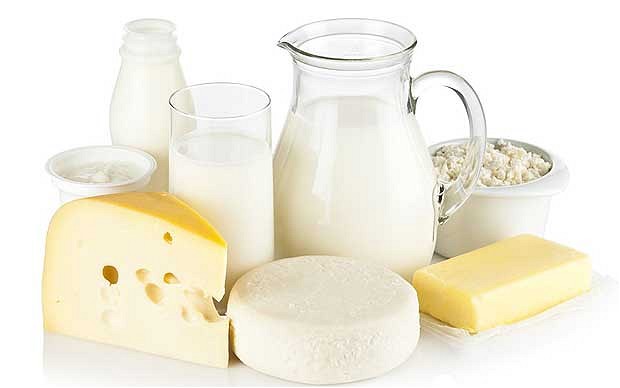
dairy-products

When Rohit came to me for consultation, he was suffering from hyperuricemia- a condition which is associated with high levels of uric acid in the blood. Increased levels of blood uric acid predispose to gouts and very high levels may lead to kidney failure. Uric acid is produced from the natural breakdown of body’s cells and from the foods rich in purines. Thus, in hyperuricemia, purine rich foods are avoided.

Though purines are present in all living things (and food) as they provide part of the chemical structure of our genes, some foods contain concentrated amounts of purines. For the most part, these high-purine foods are also high-protein foods and thus purine restriction gets wrongly translated as protein restriction in most cases.

A detailed discussion around Rohit’s food intake revealed that his diet was very low in protein. He was avoiding all pulses, milk and milk products and meat & eggs. In addition, to that, he was doing one hour of intense workout to reduce weight. He reported muscle soreness, weakness, and cramping which I could easily relate to his visible signs of protein deficiency – sparse hair, pot belly, and swollen hands.

Contrary to the notion that protein is necessary only in growing age, we need protein at every age for normal wear and tear of tissues. Most of the enzymes involved in important metabolic processes are proteins. Thus, like everyone, hyperuricemia patients too need this nutrient in adequate quantities.

Let’s make this complex protein -uric acid connection simpler through this guide on what to include and what not – 

Dairy products – Not only do they provide good quality proteins, scientific studies have demonstrated that milk when taken in moderate quantities actually help in reducing and managing gouts. However, fermented milk products such as yogurt, buttermilk, curds and aged cheese have purines from the nucleic acids of the bacterial cells that proliferate during fermentation. They should be avoided. Non-fermented milk products such as cottage cheese, paneer, whey protein can be taken.

Eggs– The yolk of an egg contains the nucleic acids, but the egg white is pure protein without purines.

Nuts – Nuts are naturally low in purines and can be eaten daily by those on a low purine diet.  Good sources of low-purine nuts and seeds include walnuts, almonds, flaxseeds and cashew nuts. Keep in mind that nuts are rich in calories, so eating too many of them could cause you to gain weight.

Pulses– Beans and pulses contain low to moderate amount of purines. However, researchers prove that purine from plant sources are less likely to harm and one serving of pulses per day can be safely taken by gout patients.

Meat – Meats including bacon, beef, pork, and lamb; Organ meats, such as brains, heart, kidney, liver, and sweetbreads; anchovies, sardines, herring, mackerel, and scallops are high in purine and should be avoided.

Epidemiological research has demonstrated that all purine-containing foods are not the same, and that plant purines are far safer than meat and fish purines in terms of gout risk.

Hope this information helps you meet protein requirements and lead a normal active healthy life on a low purine diet. For further information or guidance, reach out to our certified experts by subscribing to GOQii’s Personalised Health Coaching here.

#BeTheForce
March 31, 2024 By Madhu Soni 2 Comments

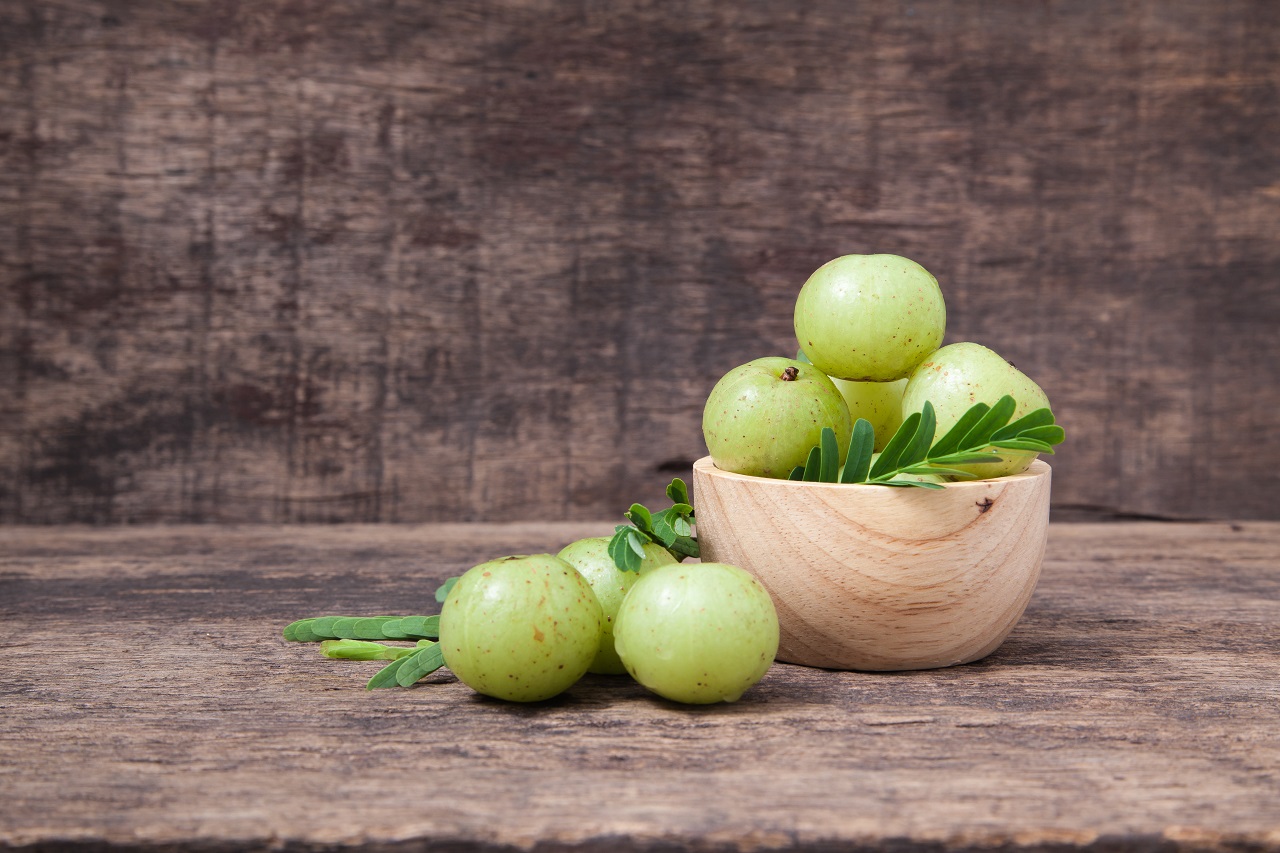
The Power of the Indian Gooseberry

Indian Gooseberry Benefits

In a fast-paced world that rapidly drains us of energy, it is extremely important to be in the best of shape! In that pursuit, we are constantly searching for an elixir that will give us good health with least efforts.

What if we told you that you can have more energy, focus and overall good health? What if that magic elixir exists? More so, what if it is a fruit that you already know?

If you haven’t guessed it already, we are talking about the Indian Gooseberry or as it is popularly known – “Amla”. Since ancient times, it is used to cure various ailments, even if it is something as simple as aiding digestion to something as complex as fighting Diabetes and Heart Disease.

The Indian Gooseberry (Emblica officinalis or phyllanthus emblica) derives its name from the Sanskrit word “Amalaki”. This tree is a native of India and the neighboring South East Asian countries. The fruit is sour in taste but leaves a sweet aftertaste.

Let’s take a look at how it impacts health!

  • Boost Immunity: The Indian Gooseberry is a powerhouse of Vitamin C and A. It greatly increases white blood cells in our body and is an excellent antioxidant, anti-inflammatory and anti-carcinogenic. It is like a powerful soldier that shields our body against various foreign toxins.
  • Fights Cancer: It has the potential to restrict the growth of cancer cells by keeping harmful free radicals at bay. The Indian Gooseberry also counter-attacks the side effects of anti-cancer drugs, radiation and chemotherapy.
  • Keeps Diabetes in Check: It helps regulate blood sugar levels in many ways. The chromium present in it is responsible for the pancreas to produce sufficient insulin and the polyphenol keeps the oxidative stress low, thus making the body more responsive to insulin.
  • Good for the Heart: The cardio protective properties of the Indian Gooseberry due to the presence of Vitamin A and C, the chromium and iron help reduce cholesterol, increase HDL (Good cholesterol) and reduce LDL (bad cholesterol) and strengthen the heart muscles.
  • Protects the Eyes: Regular use of the Indian Gooseberry can protect our eyes from cataract and short-sightedness. The impressive carotene content in it can keep night blindness away.
  • Promotes a Healthy Liver: It is diuretic in nature, which means that it increases the volume and frequency of urine and fosters regular bowel movement. It also helps in eliminating toxic metals and the ill effects of excessive medication. Thus, it protects the liver. It also provides relief in the case of urinary tract infection.
  • Fountain of Youth: The Indian Gooseberry supports longevity, helps smoothen wrinkles, fortifies the skin, prevents hair loss and greying and provides lustrous hair. Besides beauty, it is also a brain tonic which promotes clarity of thought and boosts memory.

The Not So Good Part of the Indian Gooseberry! 

Since it is high in ascorbic acid, taking excessive quantities at night may erode the enamel in the teeth just like any other citrus fruit. Since it reduces Diabetes, sugar levels may drop, so keep your doctor informed about it. He may change your medication. Being diuretic, excess amla consumption may cause constipation to a few.

How to Eat the Indian Gooseberry

  • The best way to have it would be raw. You can add rock salt and pepper to kill the sourness
  • Powder and tablets are a convenient way to have it, but to be taken under medical supervision
  • Indian Gooseberry juice either freshly made at home or store bought are great options
  • Chawanprash: a healthy way to include it. 1-2 tsp can be taken daily
  • Amla Murabba: Since it has a good amount of sugar, which acts as a preservative, you can wash off the excess sugar syrup just before eating
  • Eat it as a chutney, pickle or you can even opt for Amla Candies

To put it all in a nutshell, taken in any form, it is a simple yet effective way to good health. It is worth its weight in gold and this information shouldn’t be ignored but passed on to the next generation!

Want to know more about the Indian Gooseberry? Let us know in the comments below! For further information or guidance, reach out to our certified experts by subscribing to GOQii’s Personalised Health Coaching here.

#BeTheForce
March 26, 2024 By Roopa Tandur Leave a Comment

Nutritional Deficiencies That Can Cause Hair Loss

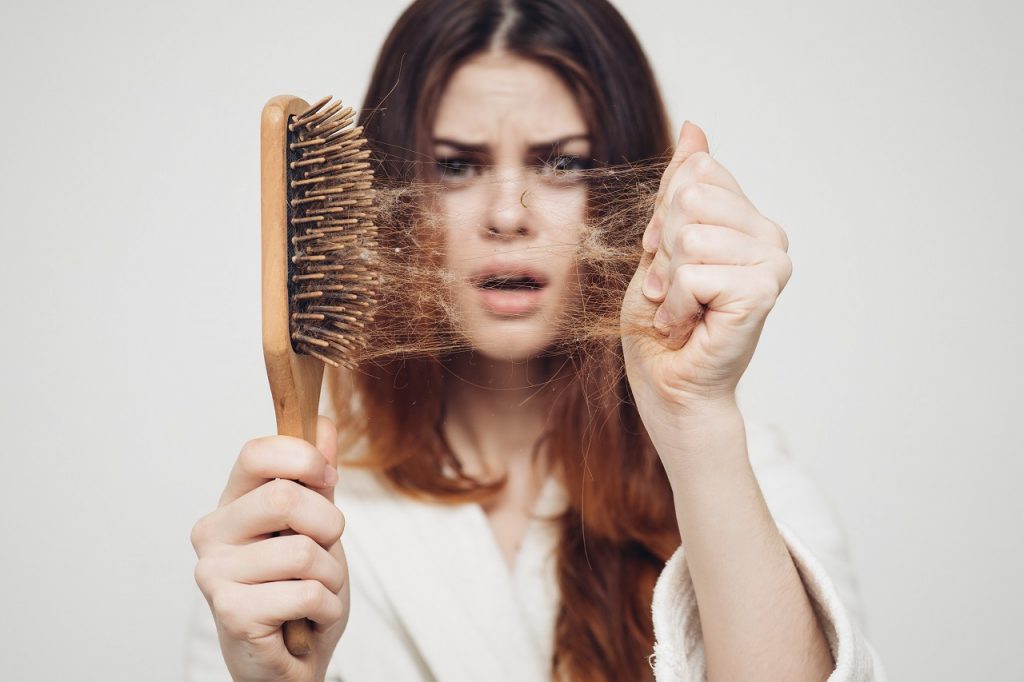
hair loss

Hair is a tough protein made of Keratin. The hair bulbs at the base of the hair follicle divide and grow to build the hair shaft. Blood vessels nourish the hair bulb and deliver the hormones that modify hair growth. Hair grows at different rates in different people. Hair loss also happens at different rates in different people for different reasons like heredity, hormonal changes like hypothyroidism, medical condition or side effects of medicines, ageing or even stress. We do shed around 50-200 hair every day and it is perfectly normal. Also, in some situations like post pregnancy in women, when there is more than normal hair loss due to sudden imbalance of calorie intake, which usually gets resolved by itself. Whatever the reason for hair fall, these two small words can be a nightmare for many. Let’s understand what nutritional deficiencies can lead to hair loss!

Which Nutritional Deficiencies Can Cause Hair Loss? 

  1. Vitamin D Deficiency: Vitamin D is very important for hair growth as it stimulates hair follicles and also helps in maintaining thickness of each hair strand. Low levels of Vitamin D in the body may cause thinning of hair or slow hair growth. Keratinocytes in skin metabolise Vitamin D to Keratin – a protein found in hair, skin and nails. Low levels of Vitamin D make it difficult for the Keratinocytes in hair follicles to regulate hair growth and its shedding. Low levels of Vitamin D are associated with higher stress levels which support hair fall. Getting 400-800 IU of Vitamin D a day is very important. This can be easily achieved with 10-30 minutes of sun exposure.
  2. Vitamin B7 or Biotin Deficiency: Though biotin deficiency is very rare in people (as biotin is found easily in foods like Banana, Carrot, Egg Yolks, Legumes, Nuts, etc.), it can occur by heredity or in people who consume excessive amounts of alcohol, smoke excessively, people with inflammatory bowel disease or in people who have raw egg whites which contain avidin that blocks absorption of biotin.
  3. Iron Deficiency: When one has iron deficiency, the circulation of haemoglobin is less –  which means less oxygen uptake by the body and slower growth and repair of cells, including cells that stimulate hair growth. When there is less circulating oxygen in the body, the available supply is channelized to vital organs to keep them alive rather than to hair follicles. Without oxygen, hair follicles cease to function properly and eventually fall out. Including foods like Whole Wheat Grains, Beans, Chickpea, Tofu, Peas, Nuts, Raisins, Spinach and Chicken ensures that you have good iron stores in the body. When you notice more than usual hair in your shower drain or hair brush, it is time to get your haemoglobin levels tested. 
  4. Vitamin C: While Vitamin C deficiency is rare as it is easily available in many food items, the common risk factors include poor diet, alcoholism, anorexia, smoking and chronic illness. Vitamin C plays a vital role in the absorption of iron from the intestines which leads to weakness and hair loss. Having citrus fruits like Oranges, Sweet Lime, Lemon, Strawberry, Guava and other foods like Sweet Potato, Chillies, Thyme, Kale and Broccoli on a regular basis, ensures your vitamin levels are maintained on a higher side 
  5. Vitamin E: with its antioxidant properties helps in reducing oxidative stress on the scalp and reduces free radical damage and protects hair cells. Vitamin E helps improve scalp health and hair health. It creates a protective layer on the hair follicles and locks in moisture making it shiny and easy to manage. Vitamin E supports a healthy scalp by protecting the lipid layer and reducing dryness and scaling of the scalp. Food sources of Vitamin E include nuts and seeds like Almonds and Walnuts, Pumpkin and Sunflower Seeds, Wheat Germ Oil, Peanuts, Avocado, Mango and Spinach.

Tips To Reduce Hair Fall  

  • Eat well balanced meals containing protein, complex carbs and healthy fats
  • Drink at least 8-10 glasses of water a day to aid the digestion and absorption of nutrients from your diet
  • Include healthy snacks in between meals to maintain energy levels
  • Include foods like Whole Grain Cereals, Eggs, Nuts, Leafy Vegetables, Tofu, Legumes, Quinoa, Beans, Avocado, Dairy, Orange and Lime to get all the essential nutrients to support healthy tresses
  • Get good exposure to sunlight so that you maintain your Vitamin D levels, if not do supplement it regularly 
  • Maintain scalp and hair hygiene by using a mild shampoo at least 2 times a week
  • Keep stress levels within normal limits 
  • Get good quality sleep and exercise at least 4-5 days a week

We hope this article on nutritional deficiencies that can cause hair loss helps you! For more on hair loss and hair care, check out Healthy Reads or speak to a certified expert by subscribing to GOQii’s Personalised Health Coaching here. 

#BeTheForce 

March 20, 2024 By Mitali Ambekar 5 Comments

Wonder Grain: Rice and its benefits

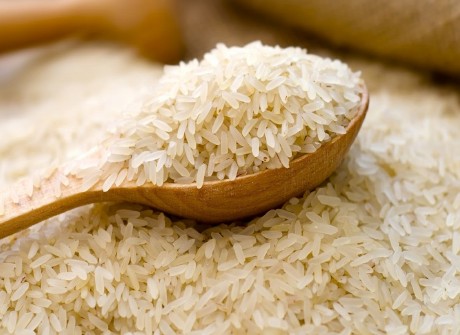
rice

Rice is the most primitive and staple food in many cultures around the world. Many cuisines have the inclusion of rice to make their meals fuller and tastier. Apart from all this it is an important cereal crop that feeds more than half of the world’s population.

Right from its origin it has been an easy to grow, cook and digestive food grain for everyone. Majority of the cuisines include rice as a main course in many different forms.

But, strangely in the current times most avoid rice as it is considered bad when it comes to health. This is only a myth. If we go back in time rice was one of the most used food item in meals and people consuming it were more healthy, fit and thin as compared to today’s condition of where we find more cases of obesity, big waist size, big belly, cholesterol, blood pressure, etc.

Rice is a complex carbohydrate and contains essential amino acids (methionine) that helps in mobilizing the fat from liver and when combined with legume or pulses it becomes a complete protein to provide good muscle growth. Thus, it’s a blessing for vegetarians. Rice when combined with some protein or fiber rich food becomes slow absorbing and hence there is no issue of sudden rise in the blood glucose with it. Diabetics out there,put it back on your plate and relish your taste buds all over again.

Also would like to take this opportunity to clear the myth that “Rice is fatty”, the fact is that Rice is high on carbohydrates and when taken in wrong quantity, combination and timing then it can lead to fat gain, as a result of excess carbohydrates, which the body could not burn.

Listing out some great advantages of this wonder grain:

  • It is an excellent source of Vitamins and Minerals like Niacin, Vitamin D, Calcium, Fiber, Iron, Thiamine and Riboflavin. Thus, it helps in metabolism, immunity and better functioning of organs.
  • Gives you instant energy
  • Light on your stomach to digest thus best to have when sick
  • Best food for high blood pressure.
  • Aids in Digestion
  • Gluten, Sodium & Cholesterol free.
  • Rice abounds in resistant starch, which reaches the bowels in an undigested form. This type of starch stimulates the growth of useful bacteria that help with normal bowel movements.
  • Insoluble rice is very useful in reducing the effects of conditions like Irritable Bowel Syndrome (IBS), and diarrhea.
  • The starch water from rice is utilised as medication for various skin infections.
  • Rice being high on various vitamins, phyto nutrients and carbohydrates, it becomes the best source of post workout meal for endurance athletes. To replenish their glycogen, help in relieving cramps and overall calming effect to the body. One reason have it in your dinner menu.

Too much of anything is not good, so do eat your rice but at timings & combinations which will help you burn it all.

Best time: Morning, Lunch, Post workout, Sick, Dinner (Combine it with a protein or fiber rich food to get the best taste and results).

Another question that often comes to me from my clients is which rice to have? Will give you more info on types of rice in the next blog. For now, opt for the white rice, husk removed and hand polished. As all of this retains the necessary nutrients in the white rice. We hope this article helps you. For further information or guidance, reach out to our certified experts by subscribing to GOQii’s Personalised Health Coaching here.

#BeTheForce 
  • « Previous Page
  • 1
  • …
  • 18
  • 19
  • 20
  • 21
  • 22
  • …
  • 62
  • Next Page »

Search

Recent Posts

  • The Sleep-Metabolism Connection: Why Rest is Your Best GLP-1 Partner
  • Accelerate Action for Your Health: Why Self-Care Matters This International Women’s Day
  • 4 Reasons Why Affirmations Are Not Working For You
  • The Social Side of GLP-1: Navigating “Food Culture” and Peer Pressure
  • Leaky Gut: Symptoms and Causes

Stay Updated

Archives

  • March 2026 (3)
  • February 2026 (14)
  • January 2026 (14)
  • December 2025 (19)
  • November 2025 (15)
  • October 2025 (20)
  • September 2025 (6)
  • August 2025 (6)
  • July 2025 (12)
  • June 2025 (18)
  • May 2025 (16)
  • April 2025 (22)
  • March 2025 (23)
  • February 2025 (22)
  • January 2025 (25)
  • December 2024 (22)
  • November 2024 (23)
  • October 2024 (21)
  • September 2024 (24)
  • August 2024 (30)
  • July 2024 (21)
  • June 2024 (26)
  • May 2024 (31)
  • April 2024 (27)
  • March 2024 (29)
  • February 2024 (25)
  • January 2024 (21)
  • December 2023 (15)
  • November 2023 (11)
  • October 2023 (19)
  • September 2023 (22)
  • August 2023 (18)
  • July 2023 (22)
  • June 2023 (24)
  • May 2023 (24)
  • April 2023 (23)
  • March 2023 (23)
  • February 2023 (19)
  • January 2023 (15)
  • December 2022 (11)
  • November 2022 (15)
  • October 2022 (15)
  • September 2022 (12)
  • August 2022 (10)
  • July 2022 (17)
  • June 2022 (11)
  • May 2022 (10)
  • April 2022 (6)
  • March 2022 (6)
  • February 2022 (13)
  • January 2022 (11)
  • December 2021 (7)
  • November 2021 (3)
  • October 2021 (6)
  • September 2021 (3)
  • August 2021 (8)
  • July 2021 (7)
  • June 2021 (15)
  • May 2021 (16)
  • April 2021 (10)
  • March 2021 (7)
  • February 2021 (4)
  • January 2021 (4)
  • December 2020 (3)
  • November 2020 (4)
  • October 2020 (10)
  • September 2020 (3)
  • August 2020 (3)
  • July 2020 (2)
  • June 2020 (4)
  • May 2020 (10)
  • April 2020 (12)
  • March 2020 (10)
  • February 2020 (4)
  • January 2020 (4)
  • December 2019 (3)
  • November 2019 (7)
  • October 2019 (5)
  • September 2019 (4)
  • August 2019 (9)
  • July 2019 (9)
  • June 2019 (11)
  • May 2019 (4)
  • April 2019 (8)
  • March 2019 (8)
  • February 2019 (9)
  • January 2019 (8)
  • December 2018 (9)
  • November 2018 (3)
  • October 2018 (3)
  • September 2018 (5)
  • August 2018 (10)
  • July 2018 (6)
  • June 2018 (13)
  • May 2018 (8)
  • April 2018 (18)
  • March 2018 (9)
  • February 2018 (8)
  • January 2018 (15)
  • December 2017 (12)
  • November 2017 (19)
  • October 2017 (13)
  • September 2017 (15)
  • August 2017 (4)
  • July 2017 (8)
  • June 2017 (7)
  • May 2017 (6)
  • April 2017 (8)
  • March 2017 (6)
  • February 2017 (7)
  • January 2017 (9)
  • December 2016 (10)
  • November 2016 (7)
  • October 2016 (7)
  • September 2016 (7)
  • August 2016 (11)
  • July 2016 (9)
  • June 2016 (9)
  • May 2016 (12)
  • April 2016 (17)
  • March 2016 (17)
  • February 2016 (8)
  • January 2016 (6)
  • December 2015 (2)
  • November 2015 (9)
  • October 2015 (7)
  • September 2015 (9)
  • August 2015 (11)
  • July 2015 (9)
  • June 2015 (12)
  • May 2015 (9)
  • April 2015 (13)
  • March 2015 (8)
  • February 2015 (5)
  • January 2015 (12)
  • December 2014 (14)
  • November 2014 (11)
  • October 2014 (6)
  • September 2014 (13)
  • August 2014 (12)
  • July 2014 (6)
  • June 2014 (2)
  • May 2014 (7)
  • April 2014 (4)

From “Laddu Nawin” to Fit and Fierce: How a 25-Year-Old Insurance Advisor Shed 20 Kilos and Gained His Life Back

When 25-year-old Nawin Yadav from Hyderabad walked into his office every morning, he carried more than just his files and policy papers. He had the weight of fatigue, sluggish energy, and an ever-growing belly that was becoming the butt of jokes. “People … [Read More...]

“I’ve Challenged Myself to Live 100 Years” – The Story of Chandubhai Savani’s Second Chance at Life

At 67, most people start slowing down. Not Chandubhai Savani. A resident of Surat, Chandubhai, thought life was on track. “My life was going well till I had my bypass surgery,” he says. That surgery, back in 2021, was a wake-up call.  Medication was routine, but exercise wasn’t. His diet? What he calls ‘normal.’ “I […]

From Shimla’s Slopes to Chandigarh’s Sidewalks: Surinder Kaur Bhalla’s Journey from Chaos to Control

Some journeys start with a plan. Others begin with a stumble literally. Surinder Bhalla, a government professional, born and raised in the scenic hill town of Shimla, had always lived a life of movement. “In Shimla, you walked everywhere,” she reflects. “Walking was never an exercise. It was just life.” But after shifting to Chandigarh, […]

Ananda Mukherjee Health Story

From Terminal Illness To Complete Wellness! Ananda Mukherjee Health Story

As we observe World Cancer Day under the powerful theme ‘United by Unique’ (2025-2027)**, we are reminded that every individual’s journey with cancer is distinct, yet united by shared resilience, hope, and the collective fight against this disease. This theme places people at the centre of care and their stories at the heart of the […]

  • HOME
  • HEALTHY LIVING
  • FITNESS
  • HEALTHY RECIPES
  • USER STORIES
  • KARMA
  • BUY GOQii

Copyright ©2016 GOQii



