GOQii

Blog

  • HOME
  • HEALTHY LIVING
  • FITNESS
  • HEALTHY RECIPES
  • USER STORIES
  • KARMA
  • BUY GOQii

Search Results for: kidney

December 15, 2023 By Mubasheera Chaiwala 2 Comments

Pranayama To Detoxify The Body, Mind And Vital Organs

detox your body with pranayama

Pranayama is the yogic practice of breath control. It means the ability to expand our health by controlling the breath. There are various ways and positions to practice yogic breathing.

The combination of pranayama and meditation has positive effects in curing various problems like acidity, stress, anxiety, skin diseases, improved blood circulation, and managing lifestyle disorders such as thyroid, PCOS, controlling blood sugar and blood pressure. 

We breathe daily, right? So what is pranayama? Why Pranayama? 

Pranayama is slow, deep breathing, in a rhythm. The breathing that we do normally is not in rhythm and is non-harmonic. It is in pranayama that gets our mind and organs in sync. There are various pranayama practices which you can do daily. 

1. Kapalbhati Pranayama
This is a famous pranayama practice also known as The Skull Shining Breathing Technique. Kapalbhati has  physiological effects on cardiovascular, digestive and nervous systems.

Benefits of Kapalbhati Pranayama: 

  • It Generates heat in the system to help dissolve toxins and waste matter.
  • Daily practice helps in adding luster to your face and you get glowing skin
  • Improves digestion and can help alleviate gastrointestinal problems like acidity, indigestion and flatulence.
  • Improves the function of kidneys and liver as it provides a gentle massage to the organs.
  • If practiced daily helps in reducing belly fat.
  • Kapalbhati helps reduce stress in the eyes, thus reduces dark circles around the eyes.
  • It triggers your abdominal region, so it’s beneficial for diabetic patients.
  • It improves the blood circulation problem in whole body parts.

2. Anulom Vilom
Also known as Alternate nostril breathing, it has various benefits for the body internally and externally. Oxygen is pure and required by the body for every single process to take place and therefore, it is vital for us to breath right and Anulom Vilom serves the purpose. It is the best way of balancing the Tri Dosas (Tri means “three” and the meaning of dosas is impurities) in our body i.e. Vaat, Pitta and Kaffa. All three are the cause of all diseases. So, it is important to balance them. Our body gets ill when Tri Dosas are not in harmony.

Benefits of Anulom Vilom Pranayama

  • It can provide some relief from mental health problems like Depression, Anxiety, Stress, Tension, etc.
  • Improves the working of the lungs, beneficial for  most respiratory problems like (Bronchitis, Asthma), etc.
  • Best breathing technique for boosting your memory – makes your brain sharper, increases concentration and gathers focus.
  • Improves your immune system, so it can cure general issues like cough & cold.
  • Alternate nostril breathing is an ideal breathing technique for maintaining your heart healthy.

3. Sheetali Pranayama
The meaning of the word “Sheetali” is cooling down. This pranayama practice is a process to cool your body down. It gives the feeling of coldness by decreasing the body temperature, thereby having a positive impact on our nervous system and endocrine glands. Extremely helpful during the summer season.

Benefits of Sheetali Pranayama

  • It is useful in managing disorders related to tongue, mouth and throat.
  • It is very beneficial in treating diseases of the spleen.
  • Helpful in fever by cooling the system down.
  • Controls and manages high blood pressure.
  • It purifies the blood.
  • Improves sleep quality and is best for fighting Insomnia.
  • It calms the mind, as it is an effective stress buster. Once our mind is calm, we can easily deal with negative emotions like  anger and anxiety.
  • Effective in hyperacidity. Excellent for people who have GERD and face issues with acidity and indigestion.

There is another breathing practice similar to Sheetali, known as Sheetkari pranayama. 

Both are similar, the only difference is the way of breathing. In Sheetali, we breathe in by folding the tongue and breathe out from the nose. In Sheetkari, we inhale through the teeth and exhale from the nose.

Benefits of Sheetkari Pranayama

  • Effective against dental problems like bad breath, bleeding gums and pyorrhea.
  • Balances body temperature.
  • Calms the mind, reduces emotional excitation and mental tension.
  • Can help you manage depression, anxiety and panic attacks. 

As a yoga instructor, I get these questions a lot of time: What is the best time to do pranayama? Generally, morning is the best time for a breathing exercise as it helps us activate our organs. Plus, on an empty stomach, we achieve optimum benefits. To know why morning yoga is beneficial, you can have a look at my previous article: https://goqii.com/blog/benefits-of-practicing-morning-yoga-at-home. 

We hope this article helps you! For more on yoga, check out Healthy Reads. You can also get tips and learn more about yoga and pranayama from experts by subscribing for GOQii’s Personalised Health Coaching here:

#BeTheForce 

December 8, 2023 By Yogita Agarwal 5 Comments

The Effect Of Complex Carbs On High Cholesterol

complex carbs

The ill effects of high cholesterol is not alien knowledge to us. We all know how it impacts our health and wellbeing. Before we delve into the role complex carbs play with regards to high cholesterol, let’s understand what cholesterol is. It is a waxy substance which our body needs to build cells and make vitamins and other hormones. But, too much cholesterol is a problem. There is good cholesterol and there is bad cholesterol. Good cholesterol is HDL, which is heart friendly fat and bad cholesterol is LDL, Triglycerides which should be within limit. If it increases, it can cause cardiac issues. 

Cholesterol comes from two sources in our body:

  1. From the food we eat like meat, poultry, dairy products, etc.
  2. Our liver makes and releases it in our body

The Correlation of Complex Carbs and Cholesterol  

Carbohydrates is a group of chemical substances made up of carbon, oxygen and hydrogen. They include starches, sugars, glycogen, dextrins and celluloses. There are 2 types of Carbohydrates: Simple carbs and Complex Carbs. Both affect our cholesterol levels differently. 

  1. Simple Carbs: are refined, processed and have less fiber in it. They have a high glycemic index and affect blood sugar. Increased blood sugar will raise insulin levels which may increase cholesterol. Simple carbs are found in sugar, soda, white rice, white bread, pasta, pizza, noodles,cakes, cookies, snacks such as chips, nachos, etc.
  2. Complex Carbs: are high in fiber, Vitamins, and Minerals. The body will take time to break down and release energy/glucose. As complex carbs are high in fiber, it helps reduce bad cholesterol and triglycerides, helps in healthy heart function, and improves bowel movements. Oatmeal, oat bran, kidney beans, and brussels sprouts are good carbs; they have more soluble fiber, which helps to reduce the amount of cholesterol that gets absorbed into the bloodstream. We should include at least 5 to 10 gms of soluble fiber per day to see beneficial effects. Good sources of complex carbs include whole grains, beans, legumes, fruits, and vegetables.

You should include complex carbs in their natural form. For example: 

  • Have whole fruit instead of fruit juice, soft drinks.
  • Go with whole grain instead of processed flours or refined flours.
  • Limit foods that are high in processed, refined food, simple sugar, which provides calories but has fewer nutrients in it.
  • Have more veggies and fruits which have more fiber and packed vitamins and minerals.
  • Focus on whole grains, cereals, legumes, pulses, sprouts, beans, lentils, and dried peas, etc.

Complex carbs help us reduce bad cholesterol. Always choose it over simple carbs. We hope this article helps you make healthy food choices. Do leave your thoughts in the comments below. For more on nutrition, check out Healthy Reads or for further guidance, speak to our certified experts by subscribing to GOQii’s Personalised Health Coaching here. 

Eat healthy and #BeTheForce 

November 16, 2023 By Poornima Seth 1 Comment

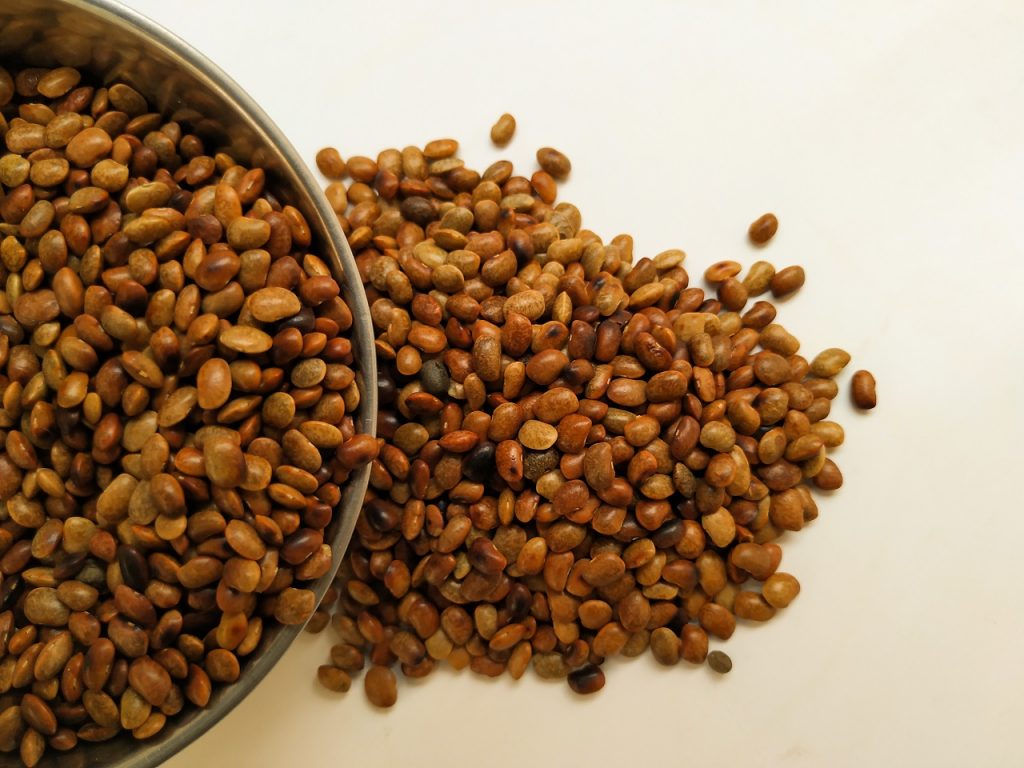
The Miraculous Health Benefits Of Horse Gram

horse gram

Horse gram, also known as Kulthi Dal, is neither unique nor ordinary. It is lesser-known and most still don’t recognize this precious ingredient. Its medicinal effects are enormous. It doesn’t play an important role in any cuisine but it can make any cuisine healthier and might enhance the nutritional value once it is fully adopted by any regional cuisine.

Medicinal Uses of Horse Gram

  1. Anti Hyperglycemic: Horse gram seed possesses antihyperglycemic properties which control the glucose level in the blood. It lessens the absorption of carbohydrates and has copious amounts of soluble fiber.
  2. Hemolytic Activity: The seeds make anti-inflammatory drugs that efficiently neutralize indirect hemolytic activity.
  3. Diuretic activity: Kulthi Dal increases the flow of urine. It creates pressure on the deposited stone and thanks to this pressure, the stone comes down and gets removed through urination. One of the studies published in the Journal of the Association of Physicians of India in 2010 compared the effect of Kultha and potassium citrate on 47 patients with renal stones. It has been concluded that Kultha is often used to reduce the recurrence of calcium oxalate stone and had better results than the utilization of conventional potassium citrate.
  4. Treats Jaundice: Horse gram water is being used in Andhra Pradesh for the treatment of Jaundice.
  5. Relieves Cough and Cold: When consumed as soup, it helps relieve congestion by liquifying mucus and opens up the nasal tracts, allowing the mucus membranes to melt-up. Thus, horse gram water has been found effective in relieving cough and cold. This helps with easy breathing since the specified nutrients are boosting the metabolism of the body and immunity as well.
  6. Helps Weight Loss: Consuming this miraculous gram helps reduce body weight. Also, if we add powdered horse gram with sour buttermilk and apply it to the fat deposited area, it helps to cut back the fat.
  7. Treats Leucorrhea: Kulth is also used as a treatment for leucorrhoea (discharge from the vagina) and menstrual disorders in the hilly regions. According to Ayurveda, if we soak a handful of these overnight in a bowl of water, and boil it the subsequent day and use this water for consumption thrice daily, it will help treat the symptoms of leucorrhea. Being rich in iron, proteins, and calcium, is really good for kids too.
  8. Treats Piles: Piles happen when the veins in the rectum swell up and get inflamed, causing a lot of pain. Despite rushing to the pharmacy for medication and treatment, experts recommend the utilization of horse gram. Soak a cup of these overnight and consume the water the next day. Eat the gram steamed as a salad as well. The roughage in it, together with the fibre, helps treat piles effectively.
  9. Rich source of various natural bioactive substances: such as phytic acid, fibre and phenolic acid, etc. These bioactive substances have immense potential for curing different types of diseases such as cold, streptococcal sore throat, fever, urinary stones, asthma, bronchitis and leucoderma, etc.
  10. Skin Rashes and Boils: Horse gram can also be used as a topical pack to treat rashes, boils, and disorders of the skin to some extent. This is because it is antimicrobial and antibacterial, and has plenty of antioxidants in it in conjunction with minerals to nourish, replicate the healthy lipid layers of the skin and more.

Best Recipes

  • Kulthi Water: It is a lengthy process but truly natural without any side effects. Soak 25 grams in 250 ml of water overnight and in the morning, strain the water and drink this water on an empty stomach. Later, add the same amount of water in the same soaked horse gram and drink it for lunch. Continuing this process for 6 months will help break kidney stones. Later on, you’ll make thin dal of this soaked horse gram and can be consumed along with rice or roti.
  • Kulthi soup: Take 200 grams of kulthi dal with 2 liters of water and boil it on a slow flame for around 4-5 hours. When it’s reduced to half, consume it for lunchtime. Try having this soup alone at that time. Within a week or two, it will start working.

That’s a lot of nutritional and health benefits, don’t you think? Go get your horse grams now! We hope this article helps you. Do leave your thoughts in the comments below! For more on nutrition and food, check out Healthy Reads or speak to a certified expert by subscribing to GOQii’s Personalised Health Coaching here.

#BeTheForce 

October 24, 2023 By Mrinali Dwivedi 2 Comments

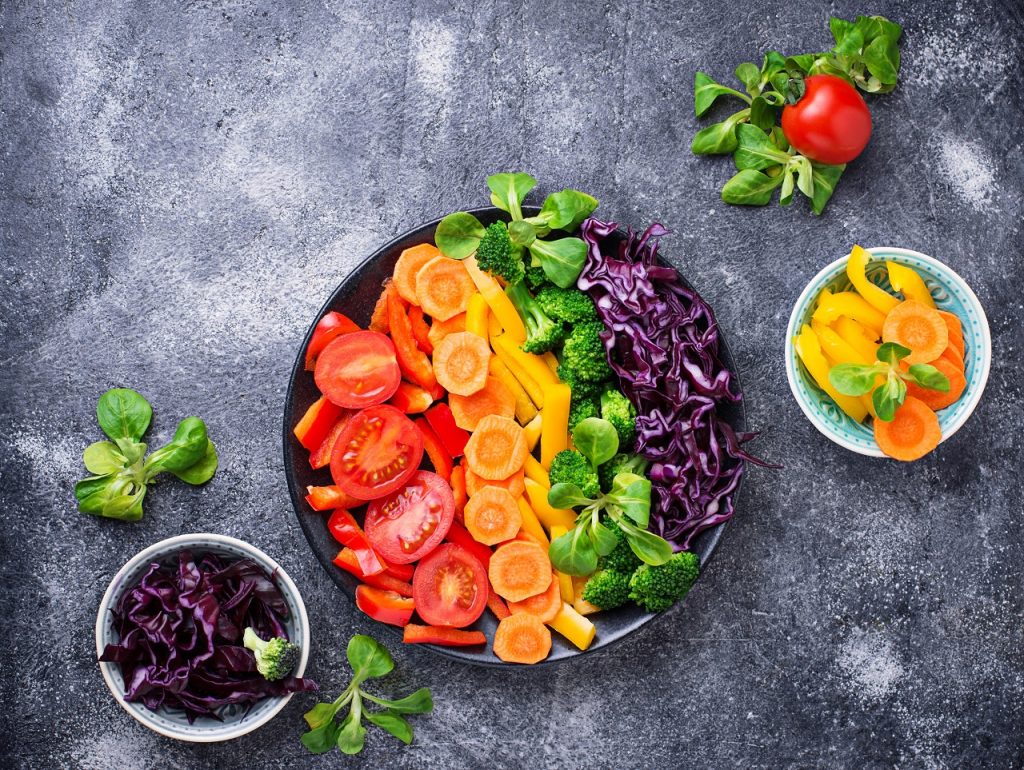
The Rainbow Diet: Decoding The Color Of Foods For Good Health!

the rainbow diet

Different foods have different colors, this is because of the different coloured pigments in them. These pigments, also called phytonutrients (phytoplants), provide various benefits to our body. Specific phytonutrients have specific functions, each playing a crucial role in the well being of humans. While immunity and good health is just a play of a well functioning organ system, it is very important to take care of each organ and function in particular. This can only be made sure when the diet is diverse and sufficient in all essential nutrients and in moderation. Hence, the Rainbow Diet! 

What Is The Rainbow Diet?

The rainbow diet focuses on the consumption of a variety of colourful and fresh produce in your meals. Ensuring a colourful diet, ensures indiscriminate intake of all nutrients and also protects from any deficiencies that may have detrimental health outcomes. As a low or high of any one specific nutrient can disturb the peculiar balance of the optimum nutrient complex imperial to maintain good health.

The mantra of “eating the rainbow” inspires to add more color and colourful plant foods to the diet. It is a health based trend rather than the fads that provoke masses to avoid gluten, fats, lactose, carbs and what not! Here, all you need to do is add as many colors to your diet as possible in the form of different coloured plant based foods and that’s how you make sure you are doing right to your body! That way, one never has to worry about balancing as the rainbow diet is naturally balanced and with no side effects.

How Does It Help?

The abundance of supply of antioxidants and anti-inflammatory molecules from the rainbow diet, translates to a good immunogenic response by the body and allows effective combat against biological stressors and oxidative stress. In addition to this, plant foods are rich in fiber and prebiotics, both of which improve digestive function and gut health, making sure the best absorption of all available nutrients.

In all, the rainbow diet is beneficial for avoiding cardiovascular diseases and maintaining heart health, protecting against cancer, building good immunity and restricting infections. Additionally, it also helps in reducing weight, keeping away obesity related disorders, helps maintain good hair, skin and nails, keeps your energy levels high and improves overall good mood!

The Color Code Of Foods 

Here you may find options of foods under each color and health function category and learn about its role.

Red Immune health Cherry, cranberry, raspberry, watermelon, pomegranate, red plums, strawberry, red grapes, dragon fruit, apple, tomato, red pepper, beetroot, kidney beans, red amaranth Anti-inflammatory, antioxidant, immune modulating
Orange Reproductive health Orange, papaya, sweet potato, persimmon, pumpkin, cantaloupe, mango, muskmelon, peach, apricot, almond, paprika Endocrine modulation, fat-soluble antioxidants, role in ovulation and fertility
Yellow Digestive health Banana, pineapples, ginger, lemon, yellow zucchini, corn, sweet lime, yellow pepper, cinnamon, turmeric, honey, whole grains and husk Anti-inflammatory, binders, fibres, catalysts, gastric motility, glycemic response, prebiotic
Green Cardiovascular health Spinach, kale, fenugreek, radish leaves, micro greens, broccoli, Brussels sprouts, cucumber, green beans, olives, avocado, kiwi, grapes, green apple, pear, parsley, pumpkin seeds Clotting, detoxification, methylation, vasodilation, binders, antioxidants
Blue- Purple Brain health Purple grapes, fig, purple jam, blueberry, mulberry, jamun (java plum), prunes, plums, eggplant, purple cabbage, purple onion, lavender Anti-inflammatory, antioxidant, brain protective, cognition support, neuronal support
White Skeletal health Cauliflower, milk/curd/paneer (cottage cheese), coconut, sesame, radish, soyabean, turnips, white onion, garlic, sunflower seeds Probiotic, strengthening, absorptive, energising

We hope this article on the Rainbow Diet helps you choose and adapt these foods to your diet! Do try it and let us know in the comments below! For more on nutrition, check out Healthy Reads or to get nutrition information, tips and recipes directly from your GOQii Coach, sign up for Personalised Health Coaching here. 

Eat healthy and #BeTheForce 

  • « Previous Page
  • 1
  • …
  • 14
  • 15
  • 16
  • 17
  • 18
  • …
  • 37
  • Next Page »

Search

Recent Posts

  • Water Intake Pre, During and Post Workout
  • India Leads in Longevity: GOQii Sanjeevini Named Top 40 in $101M XPRIZE
  • The Importance Of Knowing If You’re Thirsty Or Hungry
  • Best Foods To Alleviate Irritable Bowel Syndrome
  • ALL ABOUT VERTIGO!

Stay Updated

Archives

  • December 2025 (9)
  • November 2025 (15)
  • October 2025 (20)
  • September 2025 (6)
  • August 2025 (6)
  • July 2025 (12)
  • June 2025 (18)
  • May 2025 (16)
  • April 2025 (23)
  • March 2025 (23)
  • February 2025 (22)
  • January 2025 (26)
  • December 2024 (26)
  • November 2024 (25)
  • October 2024 (22)
  • September 2024 (24)
  • August 2024 (31)
  • July 2024 (21)
  • June 2024 (26)
  • May 2024 (31)
  • April 2024 (27)
  • March 2024 (29)
  • February 2024 (26)
  • January 2024 (25)
  • December 2023 (15)
  • November 2023 (11)
  • October 2023 (20)
  • September 2023 (22)
  • August 2023 (20)
  • July 2023 (22)
  • June 2023 (24)
  • May 2023 (24)
  • April 2023 (24)
  • March 2023 (23)
  • February 2023 (20)
  • January 2023 (16)
  • December 2022 (12)
  • November 2022 (15)
  • October 2022 (15)
  • September 2022 (12)
  • August 2022 (10)
  • July 2022 (17)
  • June 2022 (11)
  • May 2022 (10)
  • April 2022 (6)
  • March 2022 (6)
  • February 2022 (13)
  • January 2022 (12)
  • December 2021 (7)
  • November 2021 (3)
  • October 2021 (6)
  • September 2021 (3)
  • August 2021 (8)
  • July 2021 (7)
  • June 2021 (15)
  • May 2021 (16)
  • April 2021 (10)
  • March 2021 (7)
  • February 2021 (4)
  • January 2021 (4)
  • December 2020 (3)
  • November 2020 (4)
  • October 2020 (10)
  • September 2020 (3)
  • August 2020 (3)
  • July 2020 (2)
  • June 2020 (4)
  • May 2020 (10)
  • April 2020 (12)
  • March 2020 (10)
  • February 2020 (4)
  • January 2020 (4)
  • December 2019 (3)
  • November 2019 (7)
  • October 2019 (5)
  • September 2019 (4)
  • August 2019 (9)
  • July 2019 (9)
  • June 2019 (11)
  • May 2019 (4)
  • April 2019 (9)
  • March 2019 (8)
  • February 2019 (9)
  • January 2019 (8)
  • December 2018 (9)
  • November 2018 (3)
  • October 2018 (3)
  • September 2018 (5)
  • August 2018 (10)
  • July 2018 (6)
  • June 2018 (13)
  • May 2018 (8)
  • April 2018 (18)
  • March 2018 (9)
  • February 2018 (8)
  • January 2018 (15)
  • December 2017 (12)
  • November 2017 (19)
  • October 2017 (13)
  • September 2017 (15)
  • August 2017 (4)
  • July 2017 (8)
  • June 2017 (7)
  • May 2017 (6)
  • April 2017 (8)
  • March 2017 (6)
  • February 2017 (7)
  • January 2017 (9)
  • December 2016 (10)
  • November 2016 (7)
  • October 2016 (7)
  • September 2016 (7)
  • August 2016 (11)
  • July 2016 (9)
  • June 2016 (9)
  • May 2016 (12)
  • April 2016 (17)
  • March 2016 (17)
  • February 2016 (8)
  • January 2016 (6)
  • December 2015 (2)
  • November 2015 (9)
  • October 2015 (7)
  • September 2015 (9)
  • August 2015 (11)
  • July 2015 (9)
  • June 2015 (12)
  • May 2015 (9)
  • April 2015 (13)
  • March 2015 (8)
  • February 2015 (5)
  • January 2015 (12)
  • December 2014 (14)
  • November 2014 (11)
  • October 2014 (6)
  • September 2014 (13)
  • August 2014 (12)
  • July 2014 (6)
  • June 2014 (2)
  • May 2014 (7)
  • April 2014 (5)

From “Laddu Nawin” to Fit and Fierce: How a 25-Year-Old Insurance Advisor Shed 20 Kilos and Gained His Life Back

When 25-year-old Nawin Yadav from Hyderabad walked into his office every morning, he carried more than just his files and policy papers. He had the weight of fatigue, sluggish energy, and an ever-growing belly that was becoming the butt of jokes. “People … [Read More...]

“I’ve Challenged Myself to Live 100 Years” – The Story of Chandubhai Savani’s Second Chance at Life

At 67, most people start slowing down. Not Chandubhai Savani. A resident of Surat, Chandubhai, thought life was on track. “My life was going well till I had my bypass surgery,” he says. That surgery, back in 2021, was a wake-up call.  Medication was routine, but exercise wasn’t. His diet? What he calls ‘normal.’ “I […]

From Shimla’s Slopes to Chandigarh’s Sidewalks: Surinder Kaur Bhalla’s Journey from Chaos to Control

Some journeys start with a plan. Others begin with a stumble literally. Surinder Bhalla, a government professional, born and raised in the scenic hill town of Shimla, had always lived a life of movement. “In Shimla, you walked everywhere,” she reflects. “Walking was never an exercise. It was just life.” But after shifting to Chandigarh, […]

Ananda Mukherjee Health Story

From Terminal Illness To Complete Wellness! Ananda Mukherjee Health Story

As we observe World Cancer Day under the powerful theme ‘United by Unique’ (2025-2027)**, we are reminded that every individual’s journey with cancer is distinct, yet united by shared resilience, hope, and the collective fight against this disease. This theme places people at the centre of care and their stories at the heart of the […]

  • HOME
  • HEALTHY LIVING
  • FITNESS
  • HEALTHY RECIPES
  • USER STORIES
  • KARMA
  • BUY GOQii

Copyright ©2016 GOQii