GOQii

Blog

  • HOME
  • HEALTHY LIVING
  • FITNESS
  • HEALTHY RECIPES
  • USER STORIES
  • KARMA
  • BUY GOQii

Search Results for: immunity

December 11, 2017 By Neha Morche 14 Comments

Seasonal fruits and vegetables

Seasonal fruits and vegetables

Nature has given us all the possible amenities to keep ourselves healthy. Interestingly, our body responds according to the change in season say summer, spring, monsoon, autumn and winter depending on particular weather patterns and daylight hours.

It is important for us to know the seasonal fruits and vegetables to get accustomed to the climate. The food list may vary according to the hemisphere.

There are three main seasons Summer, Monsoon and winter.


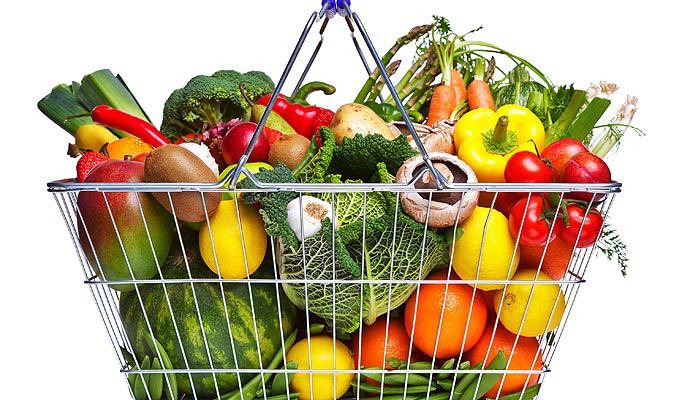
During Winter: The temperature drops down compared to our body temperature thus, we face cold, cough. Building immunity becomes very necessary during this season. Availability of papaya, all citrus fruits like oranges, sweet lime, strawberries, apples, guava, lemons, mushrooms, cabbages, turnip, winter squash, potatoes, beets, carrots, leafy vegetables, pomegranates, pineapples, custard apple, asparagus, green beans, radish, cauliflowers, spinach and mustard greens are good for the consumer during Winters.

During Summer it is common to lose our appetite which makes us stay away from the heavy foods. Our body tends to maintain temperature by perspiring heavily, thus we need more amount of water to keep our body well hydrated.

Seasonal food has the naturally cooling effect on the body so we can rely completely on them such as watermelon, tomatoes, Cantaloupe, plums, peaches, raspberries, grapefruits, mangoes, kiwi, mushrooms, eggplant, corn, cucumbers, bell peppers, green peas, pumpkin, bottle guard, celery, bitter guard, apricots, bananas, zucchini, asparagus, artichokes, lettuce etc.

During Monsoon our body becomes vulnerable to infection, water born diseases. Hence our health takes a toll. Fruits and vegetables like pumpkins, broccoli, spinach, lettuce, sweet potatoes, corn, eggplant, cauliflower, cranberries, blueberries, apples, beets, ginger, garlic, Brussel sprouts etc. are good during this seasons.

Here are some amazing benefits of having seasonal fruits and vegetables:

  • It is affordable to buy them as it is more abundant and you can stock for future use.
  • It is tastier as it is fully, naturally ripened and they have significantly delicious taste than the artificial one.
  • They are grown in the season under appropriate conditions for the particular fruit or vegetables.
  • They retain the most natural colour and flavour.
  • We are more likely to get vitamins, other micronutrients and antioxidants from them.

While variety is important nutritionally, it is also important in terms of flavour and texture.


December 9, 2017 By Komilla Pareek 2 Comments

The Curious Case of Vitamin B17!

vit b17

Vitamin B17 is not a Vitamin – But this misnomer is not what makes it the center of ongoing debates and media attention. Claimed by some as ‘Miracle cure’ and ‘super nutrient’ and rejected by others as ‘potentially hazardous’ and ‘toxic’ this is currently a banned compound in the United States of America.

Let’s understand this compound and the controversy surrounding it.

What is Vitamin B17?

Vitamin B17 or amygdalin is a naturally occurring compound, a Cyanogenic Glucoside (a plant compound that contains sugar and produces hydrogen cyanide) found in high amounts in pits of apricots, peaches, bitter almonds and in other plant material. In body fluids and at physiological pH, hydrogen cyanide dissolves to form the cyanide anion. Laetrile is another name for this natural product.

Why is it a ‘Miracle cure’ and ‘Super nutrient’?

Vitamin B17 or Laetrile is being promoted as a cancer treatment. For several decades, Laetrile has been used by many doctors as a last resort treatment of patients who have no other hope of survival. While the effectiveness of this strange product, derived from apricot seeds, is unproven and pronounced by many to be mere quackery, a large group of doctors believe that it can have a beneficial effect. In fact, a report of the Cancer Commission of the California Medical Association in 1953 acknowledges the long-standing use of Laetrile. By 1978, more than 70,000 individuals in the United States were reported to have been treated with it.

Apart from cancer cure, it is also being promoted as a super nutrient high in antioxidant activity and having a role in regulating hypertension and improving immunity.

What research says?

Laetrile has shown little anticancer activity in animal studies and no anti-cancer activity in human clinical trials. Due to lack of evidence, further research on this compound for use as an anti-cancer drug was not approved by U.S. Government.

Laetrile supporters viewed this as an attempt by the U.S. government to block access to new and promising cancer therapies.

Why is it banned?

The FDA describes laetrile as “a highly toxic product that has not shown any effect on treating cancer.” Laetrile contains cyanide, which its supporters contend is its anti-cancer agent, but laetrile pills have been linked to cyanide poisoning, with side effects including headaches, dizziness, nausea, vomiting, fever, confusion, blue skin due to oxygen depletion, low blood pressure, droopy eyelids and nerve and liver damage.

According to the American Cancer Society, cyanide toxicity due to laetrile treatments has led to death in a few cases.

No one is allowed to sell laetrile in the European Union because there is no evidence that it works, and because of its serious side effects. It is banned in the USA by the Food and Drugs Agency (FDA).

Do the food we normally eat contains this compound?

Sorghum, buckwheat, barley and other millets contain amygdalin in little amounts. Spinach leaves and leaves of Eucalyptus have trace amounts.

Bamboo sprouts and the sprouts of alfalfa, fava beans whole green gram also contains the compound in low amounts.

Due to the potential for both great physical benefit and physical harm, caution must be practised while using such (food) products as a cure.  This article is intended to keep you aware.It does not provide recommendations for making health care decisions.


November 3, 2017 By Tasneem Jawadwala 17 Comments

Healthy options to add in Milk

saffron-infusing

There is no denying that malt based drinks are a common ‘health food drinks’ in most houses today as has been for a few decades now. There are enticing ads claiming the benefits of these health drinks and how it is nutritious for your growing child. There are ads all over in News Papers, Magazines, TV and even online.

The other day, I was watching one such TV commercial that was promoting a malt based drink. The commercial in its usual enticing style of selling the product mentioned, the malt powder when added to milk – improves the quality of the milk. I kept wondering what is in that powder that helps them improve the nutritive value of Milk.

Out of curiosity to understand more, I went through couple of food labels of malt based milk drinks, I realised that most of these powders have a cereal base (any flour including wheat flour), soy, milk powder, loads of sugar, a flavouring agent like cocoa powder, and some vitamins and minerals.

These ads are so welcoming that most give in and buy the product. And, they don’t come cheap. They cost approximately Rs 300-Rs. 500 per kg. But, do we actually need to spend so much for just a cereal based powder with so much of sugar, colour and preservatives? And do they actually improve the quality of milk? How many of us know if these claims that have been made are true? Are these ‘health’ drinks truly healthy?

The ads claim that these health drinks helps absorb calcium from milk. Well, the truth is sugar hinders absorption of calcium and also depletes phosphorus. And, most of these powders contain loads of sugar.

The most common query I have come across while dealing with children, adolescence and a few adults too is they don’t like plain milk or are worried that whether plain milk would be sufficient. Hence, I have come up with few healthy options that will increase the nutritive value of milk and a few tasty options which make the milk taste better.

Healthy options

    1. Saffron: – Saffron milk is traditional milk in Indian families used only during special occasions, due to the high cost of saffron. The benefits of saffron are just as rich as the spice itself. It prevents cancer, helps in puberty in undernourished girls and helps grow healthy hair and skin. If this milk is had on a daily basis, it develops immunity, it prevents common cold and cough.

    1. Chestnut (Singhara) powder– The Potassium rich Chestnuts not only good for people with high blood pressure and heart patients but, are also very useful for pregnant women. They give a feeling of fullness hence also helps in weight loss. I enjoy adding chestnut powder during summer in my glass of milk as it gives cooling effect and prevents back pain.

    1. Turmeric: – Curcumin rich turmeric milk is one of the oldest and the best grandma’s recipes. It is the best home remedy for cold and cough. One cannot deny the benefits that turmeric milk gives as against antibiotic pills? In the west, Curcumin tablets have become a big craze and people are paying a bomb to buy and consume these tablets. On the other hand in India, turmeric is an integral ingredient in every kitchen. Let’s have yellow milk, to fight infections, body pains or just to feel fresh.

    1. Oats: – This fibre rich cereal is always suggested in my diets for people who just have milk for their breakfast. Adding on oats completes the meals by combining the good quality protein that is present in milk with high fibre carbohydrates. Adding a fruit or dry fruits to oats porridge is like a cherry on cake.

    1. Almonds and Pistachio powder: –Almond Milk (Badamdhoodh), just like saffron,also has traditional value to it. You also find these flavors in the market powders too. However, they come with lot of synthetic flavors. Instead, it takes just a few minutes to powder almonds and pistachios and the full packet of a kilo gets ready for a month’s use. The benefits of these dry fruits are known to most. They benefit people of all age group, from children to old age. The impact of it on brain and memory boosting makes it my favorite family drink.

Tasty options

  1. Dark cocoa: – Those who have been bought up with common chocolate flavoured milk find it a little tough to shift to other flavours. Hence, opting for a dark cocoa powder would be a healthy option. Dark Cocoa has a lot of antioxidants that boost cardio vascular health.

    1. Ragi – This one is my son’s favourite option as he always misunderstands it as chocolate milk. This calcium rich cereal is naturally a little sweet, and gives a perfect chocolate brown colour to the milk. Point to note- Use a small quantity (1 tsp. in 1 cup milk) of this flour as it is a thickening agent and the milk may get lumpy if used in a large quantity. Ragi porridge is a perfect drink for growing kids, pregnant women and elderly.

ragi

    1. Fruit– Milk can be an enjoyable drink at any time by preparing it as a milkshake. Those who find it boring to chew a fruit on daily basis can surely combine it with milk. For weight watchers, combine milk with fruits like watermelon, apple or kiwi whereas weight gainers can go for some high sugar fruits like mango, banana, figs etc.

    1. Dates: – Now this option is for sweet addicts who do not find any other options palatable because of lack of sweetness. They can freely use dates to sweeten their milk. This would be a very healthy post work out meal and filling snacks for young children.

You can also combine 2 options together, for eg:- A fruit/dry fruits and oats or pop in some flax seed powder in your singhara powder.

So if you find these options convenient for your daily milk dose, then dump those so called ‘Health Drink’ powders and “GO ALL NATURAL”.

September 29, 2017 By Anusha Subramanian 2 Comments

The Heart Truth: ‘Let heart disease be a new beginning’

dr_blogimg

Widely recognized as a pioneer of Cardiac rehabilitation in India, Dr Aashish Contractor is a valuable information resource for the layperson to understand the various dimensions of coronary complications, their prevention and resolution. He just does not believe in leading a sedentary lifestyle. He is a marathoner and was the medical director at Standard Chartered Mumbai Marathon from 2004-14. In his book ‘The Heart Truth’, Dr Contractor has summed up his 18 years of medical experience to provide inputs and tips on how to take care of the heart. This is not a doctor prescribing from the pulpit but a heart expert sharing his knowledge as a friend would. The intention of the book is to spell things out with clarity. Anusha Subramanian met up with Dr Contractor to know all about ‘The Heart Truth’. Here are excerpts from the Interview.

  • What prompted you to write this book?

The Heart TruthHeart Disease is the leading cause of death among men and women worldwide and even in India. I have found that even among people who have suffered a heart disease, the lack of knowledge about the disease is astounding. With the amount of information we have today, I would expect people to be more aware but they aren’t. Funnily enough, there is lots of alternative information floating around and what’s app just amplifies it. Which is why I called the book- ‘The Heart Truth’ and decided let’s stick to facts and put it out. Secondly, I wanted to share a lot of real-life examples in order to show that after suffering a heart disease life does not end in fact in my opinion it begins. One starts a new chapter in life. My philosophy is one should get better than before and not just get back to where they were before. Through these real-life examples, many of whom have gone on to run marathons or climb mountains. One of them even had a turnaround just 200-300 meters from Mt Everest Summit only because of bad weather. Through the book, the idea was to showcase these real-life examples and inspire people to turn their lives and let heart disease be a new beginning.

  • What has led India to face this heart disease epidemic? We are already called the world Capital of Diabetes and we are not far from being called the World Capital of Heart Disease. Any particular reason why India’s are more prone to heart disease?

You are absolutely right, the trend of heart disease in India is rapidly on the increase. The statistics show that from 1990-2000 there has been a rapid upward curve for the disease and we are getting close to being called the world capital of heart disease and there are multifactorial reasons for this. According to me earlier many were dying of infectious diseases. I guess, the life expectancy during the early 50s and 60s was also less. Most were not living long enough to suffer from heart disease. As we are getting better and taking care of infectious diseases we are living longer. And with better diagnostic, we are understanding what the health issues are. Earlier, probably people were suffering heart diseases but one did not know or diagnosed and just died. Hence, we did not label it as dying of heart disease. There is a gross underestimation of the no. of heart disease deaths in the past. Now we are getting better in measuring this. Secondly, as we have got economically better off, our lifestyle has also changed. There is more processed food in our diet now than it was before, one is indulging in far less physical activity on a daily basis or there is no activity at all. Indian’s are genetically more prone to developing insulin resistance, metabolic syndrome, and higher triglycerides and more prone to developing belly fat and all of these conditions are a boiling pot which makes Indians more susceptible to heart disease.

  • When you say Indians are more susceptible to insulin resistance, higher triglycerides and other areas of diseases.. is it because of our diet?

One aspect could be a diet but, we should not isolate genes. Genetics or family risk for heart disease is a potent risk factor.  How much would they affect, it is difficult to say. Some people’s genes are so ‘bad’ they may get it no matter what but there is a difference. If they take all the care, they may get an attack at 60, that too, a mild one than getting a fatal attack at 45. So it is not that if your genes are bad, you are doomed, there are a lot of other things that you can do. We are genetically prone and Indians are affected a decade earlier than our western counterparts.

  • What according to you is the best way to detect Cardiac Ailment? As a layperson, if I do not want to go to a doctor but yet know if have a cardiac ailment?

There is no best way to detect. Once you become an adult you should keep a track of your BMI, height, weight, waist circumference on a regular basis. Once a year you should get a medical checkup done to know your basic lipid, cholesterol, BP and blood sugar levels. If the values are normal then it’s very good and you should get your tests done regularly once a year and if they are not then you must take the necessary action and make sure you go for follow-ups. If you feel any sort of discomfort, heaviness, breathlessness, chest pain, pain in the arms, in the right, in the left, back, jaw, exhaustion related kind of pain could be related to heart disease, exhaustion in your daily activity which you were doing easily at one point in time could be a symptom. These are warning signs and in most cases, these symptoms do occur before the full-blown attack it’s just that people ignore these symptoms.

  • Are Bypass and Angioplasty the only cure or are there alternative therapies?

Talking about heart disease or blockages, depending on where and what type of blockages these are. The kind of risk profile and symptoms the patient has, the medical management the patient has undergone, whether it is a bypass surgery or angioplasty? Bypass and Angioplasty are not the only cure. All the above questions have to be built on good lifestyle management. Whether you do A B or C you still need to maintain a good lifestyle. In addition to all of this, you may be fine just taking medicines or you might need a surgery or an angioplasty. Considering avoiding bypass and telling will manage through good lifestyle is not an alternative therapy. It’s a misnomer. True alternative therapies are external counterpulsation (ECP). ECP is meant for a specific subset of patients who have had stable angina after best medical management and stable angina still remains then ECP might work on them. This is generally done over 35 sittings, for an hour each. The goal of the therapy is to create collateral circulation by opening up small channels of blood. ECP is a good therapy for some patients with angina and for patients with heart failure. However, it’s not appropriate for every person with heart disease.

  • Can we reverse heart disease without surgery?

The term reversal of heart disease needs to be understood properly. We think that there is an artery with 90% block and you do something and it reduces to 60% but, it doesn’t work that way. The block doesn’t shrink to 60%, the only thing that is reduced is the chance of an event. So it is a physiological reversal but it is not an anatomical reversal. When you take care of all these factors, a reversal is possible. That is what we also do in our cardiac rehab program. He has ‘a method’, we have ‘a method’ but the principles are the same

  • There is a huge confusion on the fact that fit people are succumbing to a heart attack. Case in point is Dr Rakesh Sinha who was fit and a marathoner and he suddenly one day had a heart attack and died. And on the other hand, you have people who are completely unfit and doing all sorts of vices and yet survive longer a with no ailments

This is a concept of Risk Factors. Different factors go into your risk to develop heart disease. My classic example is driving a car; there are many factors that are in consideration when making a car accident-free. You cannot just say that my breaks were running fine and still I had an accident. That is exactly like saying I am fit and I still got a heart attack. It is good that one is fit but it is just one factor, being fit doesn’t give you immunity against other factors.

  • Two things that women need to know about Heart Disease.

One of the main thing that women need to know is that heart disease is one of the main cause of deaths among women, not breast cancer. Secondly, awareness is important as women often do not get diagnosed and this is a fact world over which is they get less care than men. The symptoms such as breathlessness in women are never considered to be a risk towards heart disease and hence not be considered for diagnosis. Sadly, women’s health is the most neglected.

  • Dr Contractor how do you keep yourself fit

I run, cycle and gym at least four to 5 days a week. It’s a mix and match of all the activities during the week.

  • How do you keep yourself away from getting stress?

Stress is part of normal life. I do believe that exercising regularly is a great stress buster for me. I would like to think that I take on a fairly positive attitude and this helps. It’s about how you deal with it. Some people really react to it negatively while some people deal with it calmly.

  • What are the three main things that people should keep in mind?

1st thing- you do not have to run a marathon or climb a mountain to be healthy. That you should do for achievements and not for health. First thing is to build a good baseline. Basic routine for few months then after that you can go for your huge goal of running a marathon or other extreme activities.

2nd Make a good plan and 3rd stick to that plan and gradually build on it. Believe me, there is nothing that you cannot do. Everybody can do everything.

  • Your Parting comments

Overall take care of yourself. Nobody needs to do anything dramatic. Consistency gets people results. As supposed to doing a dramatic program… push hard for 3-6 months and then after that, the motivation fades away. Remember, always stick to your plan. 42-43 weeks out of 52 weeks in a year helps.

Follow the ABCD principle-A- active, B- Blood pressure, C-Cholesterol and D-Good balanced diet, take care of Diabetes and do not smoke and get adequate sleep daily.

It’s not the end of the road. After suffering a heart ailment you can still come back and live a good life.

  • « Previous Page
  • 1
  • …
  • 55
  • 56
  • 57
  • 58
  • 59
  • …
  • 67
  • Next Page »

Search

Recent Posts

  • India Leads in Longevity: GOQii Sanjeevini Named Top 40 in $101M XPRIZE
  • The Importance Of Knowing If You’re Thirsty Or Hungry
  • Best Foods To Alleviate Irritable Bowel Syndrome
  • ALL ABOUT VERTIGO!
  • PCOS and Anxiety: Discover Relief with the 54321 Technique

Stay Updated

Archives

  • December 2025 (8)
  • November 2025 (15)
  • October 2025 (20)
  • September 2025 (6)
  • August 2025 (6)
  • July 2025 (12)
  • June 2025 (18)
  • May 2025 (16)
  • April 2025 (23)
  • March 2025 (23)
  • February 2025 (22)
  • January 2025 (26)
  • December 2024 (26)
  • November 2024 (25)
  • October 2024 (22)
  • September 2024 (24)
  • August 2024 (31)
  • July 2024 (21)
  • June 2024 (26)
  • May 2024 (31)
  • April 2024 (27)
  • March 2024 (29)
  • February 2024 (26)
  • January 2024 (25)
  • December 2023 (15)
  • November 2023 (11)
  • October 2023 (20)
  • September 2023 (22)
  • August 2023 (20)
  • July 2023 (22)
  • June 2023 (24)
  • May 2023 (24)
  • April 2023 (24)
  • March 2023 (23)
  • February 2023 (20)
  • January 2023 (16)
  • December 2022 (12)
  • November 2022 (15)
  • October 2022 (15)
  • September 2022 (12)
  • August 2022 (10)
  • July 2022 (17)
  • June 2022 (11)
  • May 2022 (10)
  • April 2022 (6)
  • March 2022 (6)
  • February 2022 (13)
  • January 2022 (12)
  • December 2021 (7)
  • November 2021 (3)
  • October 2021 (6)
  • September 2021 (3)
  • August 2021 (8)
  • July 2021 (7)
  • June 2021 (15)
  • May 2021 (16)
  • April 2021 (10)
  • March 2021 (7)
  • February 2021 (4)
  • January 2021 (4)
  • December 2020 (3)
  • November 2020 (4)
  • October 2020 (10)
  • September 2020 (3)
  • August 2020 (3)
  • July 2020 (2)
  • June 2020 (4)
  • May 2020 (10)
  • April 2020 (12)
  • March 2020 (10)
  • February 2020 (4)
  • January 2020 (4)
  • December 2019 (3)
  • November 2019 (7)
  • October 2019 (5)
  • September 2019 (4)
  • August 2019 (9)
  • July 2019 (9)
  • June 2019 (11)
  • May 2019 (4)
  • April 2019 (9)
  • March 2019 (8)
  • February 2019 (9)
  • January 2019 (8)
  • December 2018 (9)
  • November 2018 (3)
  • October 2018 (3)
  • September 2018 (5)
  • August 2018 (10)
  • July 2018 (6)
  • June 2018 (13)
  • May 2018 (8)
  • April 2018 (18)
  • March 2018 (9)
  • February 2018 (8)
  • January 2018 (15)
  • December 2017 (12)
  • November 2017 (19)
  • October 2017 (13)
  • September 2017 (15)
  • August 2017 (4)
  • July 2017 (8)
  • June 2017 (7)
  • May 2017 (6)
  • April 2017 (8)
  • March 2017 (6)
  • February 2017 (7)
  • January 2017 (9)
  • December 2016 (10)
  • November 2016 (7)
  • October 2016 (7)
  • September 2016 (7)
  • August 2016 (11)
  • July 2016 (9)
  • June 2016 (9)
  • May 2016 (12)
  • April 2016 (17)
  • March 2016 (17)
  • February 2016 (8)
  • January 2016 (6)
  • December 2015 (2)
  • November 2015 (9)
  • October 2015 (7)
  • September 2015 (9)
  • August 2015 (11)
  • July 2015 (9)
  • June 2015 (12)
  • May 2015 (9)
  • April 2015 (13)
  • March 2015 (8)
  • February 2015 (5)
  • January 2015 (12)
  • December 2014 (14)
  • November 2014 (11)
  • October 2014 (6)
  • September 2014 (13)
  • August 2014 (12)
  • July 2014 (6)
  • June 2014 (2)
  • May 2014 (7)
  • April 2014 (5)

From “Laddu Nawin” to Fit and Fierce: How a 25-Year-Old Insurance Advisor Shed 20 Kilos and Gained His Life Back

When 25-year-old Nawin Yadav from Hyderabad walked into his office every morning, he carried more than just his files and policy papers. He had the weight of fatigue, sluggish energy, and an ever-growing belly that was becoming the butt of jokes. “People … [Read More...]

“I’ve Challenged Myself to Live 100 Years” – The Story of Chandubhai Savani’s Second Chance at Life

At 67, most people start slowing down. Not Chandubhai Savani. A resident of Surat, Chandubhai, thought life was on track. “My life was going well till I had my bypass surgery,” he says. That surgery, back in 2021, was a wake-up call.  Medication was routine, but exercise wasn’t. His diet? What he calls ‘normal.’ “I […]

From Shimla’s Slopes to Chandigarh’s Sidewalks: Surinder Kaur Bhalla’s Journey from Chaos to Control

Some journeys start with a plan. Others begin with a stumble literally. Surinder Bhalla, a government professional, born and raised in the scenic hill town of Shimla, had always lived a life of movement. “In Shimla, you walked everywhere,” she reflects. “Walking was never an exercise. It was just life.” But after shifting to Chandigarh, […]

Ananda Mukherjee Health Story

From Terminal Illness To Complete Wellness! Ananda Mukherjee Health Story

As we observe World Cancer Day under the powerful theme ‘United by Unique’ (2025-2027)**, we are reminded that every individual’s journey with cancer is distinct, yet united by shared resilience, hope, and the collective fight against this disease. This theme places people at the centre of care and their stories at the heart of the […]

  • HOME
  • HEALTHY LIVING
  • FITNESS
  • HEALTHY RECIPES
  • USER STORIES
  • KARMA
  • BUY GOQii

Copyright ©2016 GOQii