GOQii

Blog

  • HOME
  • HEALTHY LIVING
  • FITNESS
  • HEALTHY RECIPES
  • USER STORIES
  • KARMA
  • BUY GOQii

Search Results for: hunger

February 16, 2024 By Sonal Pradhan 5 Comments

Healthcare for Children During Exams

Exam time is quite a stressful ordeal for students and parents alike. Wouldn’t a successful examination without the stress be great? Healthy habits can build that foundation for you! Just follow these simple yet important parameters and it will help you and your kids during exams!

1. Nutrition During Exams

Though a good practice to maintain at all times, healthy eating assumes greater significance during exams. Food fuels the mind and body. The quality of food you eat largely determines your overall health and mental acuity.

  • Eat Smaller, Frequent Meals
    If you feed your child a large meal, then he/she will experience a dip in energy and the alertness to study for hours on end. Small meals provide a steady supply of energy to the exam fatigued brain. Keep a steady supply of glucose (energy) throughout the day. This will ensure that your child is focused during study time as well as the exam. Avoid keeping long gaps between meals.
    Opt for healthy snacks such as fresh fruit, popcorn, fruit scones, dried fruit, yogurt or nuts. This will keep your child going throughout the day. They are a better option than cakes, biscuits, chocolates and sweets. The refined sugars in these products will only give your child a ‘sugar rush’ after eating them but will leave them feeling flat and in a bit of a slump shortly afterwards.
  • Food For The Brain
    Vitamin B strengthens brain functioning. Good food sources of Vitamin B are meats (red meat, poultry, fish), eggs and dairy products (milk, cheese), Legumes (beans, lentils), seeds and nuts (sunflower seeds, almonds), whole grains (brown rice, barley, millet), dark leafy vegetables (broccoli, spinach), fruits (citrus fruits, avocados, bananas).
  • Omega 3 Fats
    You may have heard the mention of Omega-3 fats as heart-protective. However, they also play an important role in memory, concentration, and relieving depression. Omega 3 has been shown to help brain function and increase concentration. It also helps to improve your immune system when your body and mind are stressed. To get your omega-3 fats, you can eat oily fish like salmon, mackerel, tuna, halibut and trout. You can also give flax, chia, melon and sunflower seeds to your kids.
  • Avoid Junk and Oily Foods
    Junk and oily foods slow your body down. Be sure to avoid it. Include good quality proteins such as fish, eggs, milk products, sprouts, etc. Munch fruits and vegetables in between as to keep going for long hours.
  • Never Skip Meals During Exams
    Simply put, your brain needs the energy from food to work efficiently. Your child needs to keep his/her mental focus on the exam and not on hunger. A light meal before the exam will ensure that your child has the energy to pull through the long exam hours. A meal that includes wholegrain carbohydrates will suffice but ensure that it is in small portions. This is to avoid feeling too lethargic or sleepy.

2. Sleep During Exams

To function on an exam day, your child does not only need the energy that comes from nutrition but also the energy that comes from adequate sleep. Sleep deprivation can bring in several health repercussions, especially when coupled with stress. Adequate sleep ensures that your child can recall all the information he/she has worked so hard to learn. Sleep also leaves room to absorb new information that he/she may read. Students preparing for their exams should get at least 6-8 hours of sleep every night to maintain good mental and physical health.

Avoid caffeine-containing drinks late at night. A milky or herbal drink such as chamomile tea can ensure a calm and good night’s sleep.

3. Hydration During Exams

It is important to stay hydrated. Not just during exams but all the time. Dehydration can make a person feel lethargic, irritable and tired. Worst of all, it affects concentration. This affects an individual’s ability to focus, study or perform. Do not wait till your child is thirsty. If you wait till he/she is thirsty, it means his/her body is already a little dehydrated. Even mild dehydration can lead to tiredness, headaches, reduced alertness and diminished concentration.

Keep a glass of liquid (fruit juice, coconut water, water) within easy reach while studying and ensure your child has a bottle of water with him/her during the exam. Aim for 1.5 to 2L of fluid per day.

4. Managing Stress During Exams

Unmanaged stress can cause sleep disruption, headaches, poor concentration, and over consumption of junk food. All of these can contribute to impaired test performance. While stress is inevitable, finding appropriate ways to deal with it is the key to staying healthy during exams.

Being active is one of the best things your child can do to stay sane during exam week. Exercising releases endorphins, which make you feel happy and reduce stress. Physical activity is an effective tool to improve academic performance. Exercise also helps in improving memory and thinking ability for students by increasing oxygen flow to the brain. To help relieve stress, clear mind and lift mood, break up study with short bursts of exercise. Your child could go for a jog, a swim, a cycle, or even just walk to your local shop. Listening to music can also create a positive and productive environment by elevating mood and encouraging your child to study more effectively for a longer period of time.

To sum everything up – your child needs to eat well-balanced, healthy meals regularly. He/She needs to drink plenty of water to avoid dehydration. A well-ventilated room, regular breaks and sound sleep will ensure that your child performs at his/her best during the exams!

Was this article helpful? Let us know in the comments below!

#BeTheForce

November 6, 2023 By Trupti Hingad Leave a Comment

10 Tips for a Blissful Night Sleep

Improve sleep and sleep quality

How do you feel when you wake up in the morning? Every health professional must have asked you this question? Amidst our busy schedule, Sleep issues have become alarmingly common.

Here are some of the reasons why you might not be getting proper sleep:-

  1. Distracted by thoughts
  2. Waking up at 3-4am (early hour insomnia)
  3. Constant interruption—night sweats
  4. Sleeping for more than 7hours but not waking up refreshed.

Poor quality of sleep is the most underestimated factor for weight gain, menopause, mood swings, low energy levels, fatigue etc. Sleep is the most important factor of a healthy lifestyle because the body repairs and regenerates during this time. It is also the time when your brain detoxifies and gets rid of waste products. Poor sleep patterns lead to hormonal imbalance and an increase in hunger hormones. Leptin and Ghrelin are the hormones responsible for the regulation of appetite, Leptin tells the brain that you are full and Ghrelin tells the body to eat.

Guess what happens when you don’t sleep well?

Leptin decreases and Ghrelin increases making your body think that you are starving. This either wakes you up to eat in the middle of the night or makes you overeat the next day. When leptin levels are low, the thyroid gland slows down your metabolism making you feel tired and increasing fat storage. Poor sleep increases the stress hormone—cortisol in the body leading to fat storage and can also increase insulin resistance leading to diabetes.

Here are some tips to help you sleep better:-

How-to-Get-a-Better-Nights-Sleep

  1. Keep it dark: The artificial light can reduce the production of hormone—melatonin which makes it hard to fall asleep. Try to keep your bedroom black. Switch off electronic lights (alarms, mobile, TV, ipad)
  2. Nice and early to bed: Practice going to bed at the same time every day. This registers in your subconscious mind and allows you to sleep well. This helps to regulate your body clock and could help you fall asleep and stay asleep for the night.
  3. Keep gadgets away: Try to keep your room gadget free. Charge your phone or laptop in a different room if you can or keep them away from your head, shut them down or put them on Airplane mode (this will reduce the EMF’s, Electro Magnetic Frequencies, that can interfere with your sleep).
  4. Relax your mind: Stress is one of the biggest factor of not getting good sleep. Give time to your mind to switch off from daily activities and get into sleep mode. Avoid thrillers or scary news at night. Try listening to soothing music, read books, meditation or deep breathing.
  5. Relax your body: Take a hot shower before bed or try Epsom salt bath. Epsom salts are rich in Magnesium Sulphate, a known muscle relaxant and detoxifier.
  6. Avoid alcohol: Alcohol leaves you dehydrated at the middle of the night, with low blood sugar and overtaxed liver. Alcohol also messes with your production of serotonin (the precursor to melatonin).
  7. Limit caffeine intake: Caffeine is a stimulant that can keep you awake. So avoid the consumption of caffeine 4-6 hours before bedtime.
  8. Pay attention to what you eat and drink: Avoid refined carbs like pasta, white rice, bread, pastry, sugar and processed foods as it will spike blood sugar at night and may wake you up. Eating a healthy dinner allows the body to absorb proper nutrients and provides the brain with the chemical environment required to produce neurotransmitters, required to maintain adequate sleep.
  9. Hydrate well in the day:  Your sleep can be interrupted if you’re dehydrated as this stimulates cortisol, which wakes you up.
  10. Supplement: Tryptophan is a protein that helps make melatonin. Food sources include whey protein, meat, fish, dairy, nuts and seeds. L-theanine is a calming nutrient found in tea (black and green), Magnesium helps to relax the body and increase a calming neurotransmitter. You can also use Ashwagandha, chamomile, lavender tea, passion flower and lemon balm to induce sleep. Refer to this blog for more info about this supplement.

Sleep is the golden chain that ties HEALTH and our body together. So Snooze and sleep well.

We hope this article helps you. For further information or guidance, reach out to our certified experts by subscribing to GOQii’s Personalised Health Coaching here.

October 3, 2023 By Urvi Gohil 1 Comment

Healthy Evening Snacks

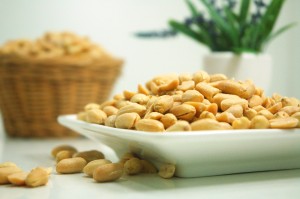
food-nuts-peanuts-39345

It is 4 o’ clock in the evening and you are thinking about what to have for your evening snacks? Something which will serve the taste buds and is healthy too. Right?

Also, you’re “hunger hormone” levels rise and your “satiety hormone” levels drop in the evening. Hence it is important to bridge the gap between your lunch & dinner with a filling evening snack. Also, this habit will help you keep your dinner lighter which is ideal.

So if you’re bored of having fruits, buttermilk, nuts, peanuts, chana, etc. for your snacks, here are some easy healthy options to quench your hunger.

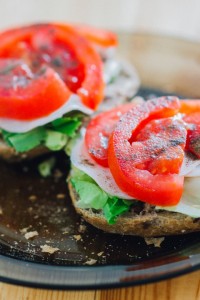
open sandwich

1. Open bread sandwich: Take 1 slice of multi-grain bread, apply green chutney to it and arrange slices of tomato, potato, cucumber, beetroot, etc. on it. And do not close it with one more slice of bread, just shred some Paneer to it and enjoy the fibrous meal.

rice oats cutlet 2. Rice oats cutlets: if you have leftover rice from lunch, try this out. Take 1 cup boiled rice and add ½ cup of       roasted oats, add some crushed salad or finely chopped vegetables like onions, cabbage, carrot, beetroot, etc.             Add some ginger chilli paste, salt, garam masala, red chilli powder and turmeric powder. Make small flat cutlets out of this batter and roast with some oil on a pan. Enjoy them hot with green chutney or curd.


masala khakra

3. Masala khakhra: take 1 khakhra and add finely chopped tomato, onion, cucumber and coriander on the khakhra. Squeeze some lemon on it and sprinkle rock salt on it. Quick and best.

date oats ball

4. Dates oats Ladoo: take 1 cup of seedless dates and crush them with a fork, add ½ cup of roasted ground oats, 2 tbsp of honey or jaggery and 2 tbsp of mix nuts powder. Best energy supplier. You can carry 2 of them along with your lunch tiffin to have in the evening.

mix fruits with curd

5. Mix fruits with curd: give some variety to your regular fruits with this. Take 1 cup of mix fruits of your choice, add 1 cup of yoghurt or hung curd to the fruits, add 1 tsp flax seeds, 5-6 crushed walnuts and 1 tsp of honey.

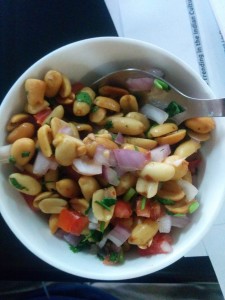
peanut chaat

6. Peanut/chana/ mung chat: boil pulse of your own choice, add finely chopped onion, tomatoes, carrot, capsicum, etc, squeeze some lemon juice on it and sprinkle some rock salt and garnish with coriander seeds. Best to satisfy your hunger hormones.

spinach omlette

7. Spinach omelette: If you are an egg lover and want some variety, try this one. Blanch 1 cup of spinach in hot water and transfer it to cold water. Take 2 eggs, add the spinach, 1 tsp of ginger chilli paste, and add salt and some black pepper. Make an omelette in a pan and enjoy it hot.

rotipizza

8. Roti Pizza: Oh yes! Take your wheat roti and apply pasta sauce if you have or ketchup and chilli sauce mixture. Add chopped onions, tomatoes, olives, lettuce, olives, and all the veggies you find in your fridge. Top it with cheese, panner, chilli flakes, oregano, mix herbs and bake it in the oven or on a pan. Enjoy.

Abbreviations: 1 cup = 200ml, 1 tsp = 5 ml, 1 tbsp = 15 ml.

If you found these snack ideas helpful and would like to share your thoughts or have more questions, please feel free to leave a comment below. For further insights and tips on maintaining a nutritious diet, explore our extensive collection of articles here. If you desire personalized guidance for your nutrition and overall well-being, consider subscribing to GOQii’s Personalised Health Coaching here.


September 10, 2023 By Rashmi Deshpande Leave a Comment

Foods To Manage Blood Sugar Naturally

manage blood sugar

By now, we’re all aware that Diabetes is a condition in which the body is unable to control the glucose entering the bloodstream. Along with medicines, food is key to controlling it. As it is a slow progressive disorder, it makes our organs weak and affects their functioning like a slow poison. Hence, it is really important to keep our blood sugar levels under control. Let’s see how we can manage blood sugar naturally with food. 

Foods That Manage Blood Sugar Naturally 

High blood sugar occurs when your body can’t effectively transport sugar from blood into cells. If sugar levels go high, you need to add the following food to your diet. 

1. Eat More Green Leafy Veggies
Leafy green vegetables are extremely nutritious and low in calories. They’re also very low in digestible carbs, so they won’t significantly affect blood sugar levels. Spinach, kale, methi, bathua and other leafy greens are good sources of many vitamins and minerals, including vitamin C. People with diabetes have a greater requirement of vit C as it acts as a potent antioxidant and also has anti-inflammatory qualities. Increasing dietary intake of vitamin C-rich foods can help people with diabetes increase their serum vitamin C levels while reducing inflammation and cellular damage. In addition, leafy greens are good sources of the antioxidants – lutein, zeaxanthin. These antioxidants protect your eyes from macular degeneration and cataracts, which are common diabetes complications. Leafy green vegetables are rich in nutrients like Vitamin C, as well as antioxidants that protect your heart and eye health. You can add these veggies in all meals in different forms like sabji, soup, salads, in roti , paratha, chutneys etc.

2. Addition of Micronutrients
Chromium is involved in carb and fat metabolism. It also helps control blood sugar levels. Lack of chromium may predispose you to carb intolerance. Chromium rich foods include egg yolks, whole-grain products like millets, coffee, nuts, green beans, broccoli and meat (in moderation).

Magnesium-rich foods include dark leafy greens, whole grains, fish, dark chocolate, bananas, avocados and beans (not matured).

3. Reduce Carb Intake
Reduction in carb intake not more than 100grams per day, avoiding simple carbs like maida products and packet atta as well. Try to get coarse atta which has wheat husk, add isabgol in roti to reduce the spike in sugar levels after meals. Add whole grains like millets, jawar, chana, chia seeds and quinoa to your daily meals.

4. Add a Good Amount of Nuts
All types of nuts contain fiber and are low in net carbs, high in essential oils and protein to regulate sugar levels and provide nutrients.

  • Almonds: 2.6 grams
  • Brazil nuts: 1.4 grams
  • Cashews: 7.7 grams
  • Hazelnuts: 2 grams
  • Macadamia: 1.5 grams
  • Pecans: 1.2 grams
  • Pistachios: 5 grams
  • Walnuts: 2 grams

5. Add Seeds To Your Diet
These are rich in good fats, protein, dietary fibers and have the ability to reduce hunger pangs and craving for sugar. They also provide constant energy supply to diabetics.

  • Flax seeds – 1 to 2tbps per day 
  • Sunflower seeds – 2tbs per day
  • Pumpkin seeds – 2tbps per day
  • Sesame seeds – 1tbps per day
  • Methi seeds – 1 to 2tsp soaked.

Nuts and seeds can be easily added as evening snacks, in salads and to your morning breakfast too.

People with diabetes often experience low blood sugar levels. Certain medications, excessive alcohol consumption, some critical illnesses and hormone deficiencies can also cause hypoglycemia without diabetes. To fix this, you can have:

  • A small apple, banana, or orange
  • 15 grapes
  • A few prunes
  • 2 tablespoons of raisins or dates
  • 1/2 cup of juice or regular (not diet) soda
  • 1 tablespoon of honey or sugar
  • Hard candy, jellybeans, or gummy candy check on ingredients before consuming.
  • Glucose tablets or Lemon sharbat with sugar but without salt. 

These are a few foods we need to add to our diet to manage blood sugar naturally – this along with exercise for approx 30 mins a day. For more on managing blood sugar, check out Healthy Reads or consult a GOQii Coach by subscribing for Personalised Health Coaching here.

#BeTheForce 

  • « Previous Page
  • 1
  • …
  • 13
  • 14
  • 15
  • 16
  • 17
  • …
  • 32
  • Next Page »

Search

Recent Posts

  • Caution: Smoking is Injurious to health!!
  • The Sleep-Metabolism Connection: Why Rest is Your Best GLP-1 Partner
  • Accelerate Action for Your Health: Why Self-Care Matters This International Women’s Day
  • 4 Reasons Why Affirmations Are Not Working For You
  • The Social Side of GLP-1: Navigating “Food Culture” and Peer Pressure

Stay Updated

Archives

  • March 2026 (4)
  • February 2026 (14)
  • January 2026 (14)
  • December 2025 (19)
  • November 2025 (15)
  • October 2025 (20)
  • September 2025 (6)
  • August 2025 (6)
  • July 2025 (12)
  • June 2025 (18)
  • May 2025 (16)
  • April 2025 (22)
  • March 2025 (23)
  • February 2025 (22)
  • January 2025 (25)
  • December 2024 (22)
  • November 2024 (23)
  • October 2024 (21)
  • September 2024 (24)
  • August 2024 (30)
  • July 2024 (21)
  • June 2024 (26)
  • May 2024 (31)
  • April 2024 (27)
  • March 2024 (29)
  • February 2024 (25)
  • January 2024 (21)
  • December 2023 (15)
  • November 2023 (11)
  • October 2023 (19)
  • September 2023 (22)
  • August 2023 (18)
  • July 2023 (22)
  • June 2023 (24)
  • May 2023 (24)
  • April 2023 (23)
  • March 2023 (23)
  • February 2023 (19)
  • January 2023 (15)
  • December 2022 (11)
  • November 2022 (15)
  • October 2022 (15)
  • September 2022 (12)
  • August 2022 (10)
  • July 2022 (17)
  • June 2022 (11)
  • May 2022 (10)
  • April 2022 (6)
  • March 2022 (6)
  • February 2022 (13)
  • January 2022 (11)
  • December 2021 (7)
  • November 2021 (3)
  • October 2021 (6)
  • September 2021 (3)
  • August 2021 (8)
  • July 2021 (7)
  • June 2021 (15)
  • May 2021 (16)
  • April 2021 (10)
  • March 2021 (7)
  • February 2021 (4)
  • January 2021 (4)
  • December 2020 (3)
  • November 2020 (4)
  • October 2020 (10)
  • September 2020 (3)
  • August 2020 (3)
  • July 2020 (2)
  • June 2020 (4)
  • May 2020 (10)
  • April 2020 (12)
  • March 2020 (10)
  • February 2020 (4)
  • January 2020 (4)
  • December 2019 (3)
  • November 2019 (7)
  • October 2019 (5)
  • September 2019 (4)
  • August 2019 (9)
  • July 2019 (9)
  • June 2019 (11)
  • May 2019 (4)
  • April 2019 (8)
  • March 2019 (8)
  • February 2019 (9)
  • January 2019 (8)
  • December 2018 (9)
  • November 2018 (3)
  • October 2018 (3)
  • September 2018 (5)
  • August 2018 (10)
  • July 2018 (6)
  • June 2018 (13)
  • May 2018 (8)
  • April 2018 (18)
  • March 2018 (9)
  • February 2018 (8)
  • January 2018 (15)
  • December 2017 (12)
  • November 2017 (19)
  • October 2017 (13)
  • September 2017 (15)
  • August 2017 (4)
  • July 2017 (8)
  • June 2017 (7)
  • May 2017 (6)
  • April 2017 (8)
  • March 2017 (6)
  • February 2017 (7)
  • January 2017 (9)
  • December 2016 (10)
  • November 2016 (7)
  • October 2016 (7)
  • September 2016 (7)
  • August 2016 (11)
  • July 2016 (9)
  • June 2016 (9)
  • May 2016 (12)
  • April 2016 (17)
  • March 2016 (17)
  • February 2016 (8)
  • January 2016 (6)
  • December 2015 (2)
  • November 2015 (9)
  • October 2015 (7)
  • September 2015 (9)
  • August 2015 (11)
  • July 2015 (9)
  • June 2015 (12)
  • May 2015 (9)
  • April 2015 (13)
  • March 2015 (8)
  • February 2015 (5)
  • January 2015 (12)
  • December 2014 (14)
  • November 2014 (11)
  • October 2014 (6)
  • September 2014 (13)
  • August 2014 (12)
  • July 2014 (6)
  • June 2014 (2)
  • May 2014 (7)
  • April 2014 (4)

From “Laddu Nawin” to Fit and Fierce: How a 25-Year-Old Insurance Advisor Shed 20 Kilos and Gained His Life Back

When 25-year-old Nawin Yadav from Hyderabad walked into his office every morning, he carried more than just his files and policy papers. He had the weight of fatigue, sluggish energy, and an ever-growing belly that was becoming the butt of jokes. “People … [Read More...]

“I’ve Challenged Myself to Live 100 Years” – The Story of Chandubhai Savani’s Second Chance at Life

At 67, most people start slowing down. Not Chandubhai Savani. A resident of Surat, Chandubhai, thought life was on track. “My life was going well till I had my bypass surgery,” he says. That surgery, back in 2021, was a wake-up call.  Medication was routine, but exercise wasn’t. His diet? What he calls ‘normal.’ “I […]

From Shimla’s Slopes to Chandigarh’s Sidewalks: Surinder Kaur Bhalla’s Journey from Chaos to Control

Some journeys start with a plan. Others begin with a stumble literally. Surinder Bhalla, a government professional, born and raised in the scenic hill town of Shimla, had always lived a life of movement. “In Shimla, you walked everywhere,” she reflects. “Walking was never an exercise. It was just life.” But after shifting to Chandigarh, […]

Ananda Mukherjee Health Story

From Terminal Illness To Complete Wellness! Ananda Mukherjee Health Story

As we observe World Cancer Day under the powerful theme ‘United by Unique’ (2025-2027)**, we are reminded that every individual’s journey with cancer is distinct, yet united by shared resilience, hope, and the collective fight against this disease. This theme places people at the centre of care and their stories at the heart of the […]

  • HOME
  • HEALTHY LIVING
  • FITNESS
  • HEALTHY RECIPES
  • USER STORIES
  • KARMA
  • BUY GOQii

Copyright ©2016 GOQii