
GOQii

Blog

  • HOME
  • HEALTHY LIVING
  • FITNESS
  • HEALTHY RECIPES
  • USER STORIES
  • KARMA
  • BUY GOQii

Search Results for: hormone

May 30, 2025 By GOQii Leave a Comment

Green Time for Busy Minds: Nature’s Gift for ADHD Focus and Calm

Young adult with ADHD relaxing in nature, using green time to reset focus and calm the mind.Meet Kevin — a 21-year-old with a head full of ideas, boundless energy, and a brain that rarely takes a breather. Diagnosed with ADHD in his early teens, Kevin’s mind often feels like a browser with 37 tabs open, 20 of which are playing music.

But something magical happens when he steps outside. The mental clutter quietens. His thoughts breathe. For once, he isn’t sprinting through the day – he’s walking, noticing, grounding.

And that, right there, is the quiet power of nature.

The Restorative Power of Green Time

For individuals with ADHD, the world can often feel too loud, too fast, and just too much. The constant ping of digital notifications, the demands of multitasking, and overstimulating environments can leave the mind frazzled and the body restless.

That’s where the outdoors steps in — not with a cure, but with a balm.

Research has increasingly shown that spending time in natural settings – what experts call “green time” – can improve attention, reduce impulsivity, and ease anxiety in people with ADHD. Whether it’s a walk through a wooded trail, an afternoon in the park, or an adventure up a hillside, nature has an incredible ability to soothe the mind and sharpen focus.

Why Nature Works for ADHD Minds

  1. Sensory Simplicity

Unlike urban environments that bombard our senses, the outdoors offers a kind of sensory harmony.
The rustle of leaves, birdsong, and the crunch of gravel underfoot provide gentle, grounding stimuli – far from overwhelming, yet deeply engaging.

  1. Movement Without Pressure

Physical activity is known to help manage ADHD symptoms. But in nature, movement becomes intuitive.
There’s no gym timer or scoreboard – just the rhythm of your breath and the terrain beneath your feet. Whether climbing a tree or hopping across stones in a stream, unstructured movements help release energy and regulate mood.

  1. Mindfulness, the Natural Way

Mindfulness doesn’t have to mean sitting cross-legged in silence. In fact, for many with ADHD, that sounds like torture.
Nature offers mindfulness in motion – watching ants march, tracing the edge of a leaf, feeling the breeze against your skin. These moments pull attention back to the present, gently training the mind to focus — without force.

  1. A Break from the Noise

ADHD brains are often running marathons of thought. The outdoors acts like a mental cool-down lap.
It lowers cortisol (the stress hormone), reduces blood pressure, and boosts dopamine – the neurotransmitter linked with motivation and attention, which ADHD brains often lack.

It’s Not Just Science – It’s Lived Experience

Ask any parent of a child with ADHD, or an adult navigating it themselves, and they’ll likely say:
A day outside is a better reset than any screen break or nap.

For some, it’s the morning jog in the garden. For others, weekend hikes, forest walks, or just lying on the grass watching clouds drift by.

Kevin, for instance, now starts his day with a short walk around his neighbourhood park – headphones off, mind open.
It’s his way of preparing his brain for the day ahead – a kind of mental alignment ritual. And the difference shows.

Tips for Tapping Into Nature’s ADHD Toolkit

  • Start Small: You don’t need to head to the Alps. Even 20 minutes in a green space can work wonders.
  • Engage the Senses: Touch bark, listen to birdsong, feel the texture of leaves. The more sensory input, the more grounding.
  • Make it Routine: Build it into your daily or weekly rhythm. Nature works best when it’s part of your lifestyle, not just a one-off escape.
  • Unplug: Leave your phone behind — or at least put it on silent. Let your mind detox from digital clutter.
  • Join Nature-Based Activities: From outdoor yoga to community gardening or guided walks, shared nature time can offer social connection without overwhelm.

In a World That Rushes, Nature Invites You to Pause

ADHD doesn’t always need to be battled with force. Sometimes, it simply needs a change of scenery — a quieter, slower, more forgiving one.

The outdoors won’t make symptoms vanish, but it can make the world feel a little less chaotic — and a lot more manageable.

So, step outside.
The forest, the breeze, the birds — they’re not just there for beauty.
They’re out there for healing.

#BeTheForce

Disclaimer: This blog is for informational purposes only and is not a substitute for professional medical advice, diagnosis, or treatment. Please consult a doctor for personalised guidance and recommendations related to ADHD. Images shown are for representation purposes only and may not depict the exact recommendations or outcomes.
May 29, 2025 By GOQii Leave a Comment

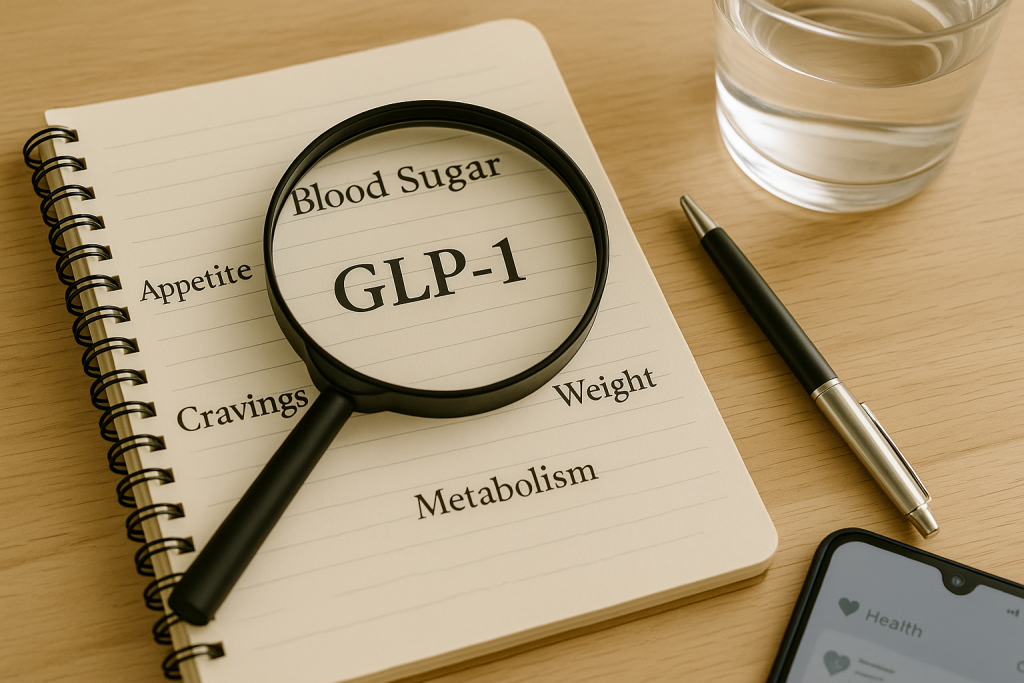
GLP-1 Explained: The Science Behind the Wellness Buzz

GLP-1 is an abbreviation for Glucagon-Like Peptide-1, which is linked to decreased blood sugar levels.

Does anyone know about a hormone that regulates your blood sugar, suppresses your cravings, and aids weight loss, all at once? Say hello to GLP-1 — also known as Glucagon-Like Peptide-1. And it’s quite literally becoming game-changing not just for weight loss, but in the broader conversation around metabolic health as well.

Not that it’s particularly glamorous-sounding, but this gut hormone is making waves for all the reasons that matter. From redefining type 2 diabetes care to aiding weight control and even supporting cardiovascular health, GLP-1 is taking centre stage.

Let’s get to the basics — no hype, no jargon — just what you need to know.

What Exactly Is GLP-1?

GLP-1 is normally synthesised within your body and is found in the small intestine, particularly after you’ve eaten. It acts as one of your behind-the-scenes assistants in keeping your metabolism running smoothly.

Here’s what it does:

  • Stimulates insulin (the hormone that lowers blood sugar)
  • Suppresses glucagon (a hormone that increases blood sugar)
  • Slows down digestion, helping you feel full for longer
  • Signals the brain to feel satisfied, reducing appetite

Sounds like a multitasker, doesn’t it? That’s why it’s considered an important regulator of metabolic diseases.

Why Is Everyone Suddenly Discussing GLP-1?

Around the world, we’re facing a full-blown metabolic health crisis. From the U.S., UK  and Europe to parts of Asia and Latin America, rates of type 2 diabetes, obesity, PCOS, and lifestyle-related heart disease are rising at an alarming pace.

And in the midst of this, one class of medications is creating a buzz like never before: GLP-1 receptor agonists.

Your body naturally produces GLP-1 (glucagon-like peptide-1), a hormone that helps regulate appetite, insulin response, and blood sugar. But scientists have now developed synthetic versions of this hormone—GLP-1 receptor agonists—that mimic its function and offer powerful metabolic benefits.

What started as a treatment for type 2 diabetes has now become a breakthrough tool in managing obesity and insulin resistance.

The results speak for themselves:

  • Better blood sugar control
  • Reduced cravings and appetite
  • Sustainable weight loss
  • Improved energy and mental clarity

And it’s not just about the physical outcomes. For many users, stabilised blood sugar has also meant improved focus, mood, and mental sharpness—a reminder that metabolic health is deeply tied to overall well-being.

As the science evolves, one thing is clear: GLP-1 isn’t just a trend—it’s a turning point in how we think about weight, energy, and long-term health.

But Is It a “Weight Loss Drug”?

No. While GLP-1 medications do support weight loss, their primary goal is to improve metabolic health. Weight loss is often a secondary outcome — a result of stabilised hormone levels and reduced appetite — rather than a quick fix or diet fad.

More importantly, these medications are prescribed and monitored by doctors. They’re not magic pills. They work best when combined with healthy eating, physical activity, and long-term lifestyle changes.

GLP-1 Is Used For:

  • People with type 2 diabetes
  • Individuals who are overweight or obese
  • Patients with conditions like PCOS or metabolic syndrome, under medical supervision

These are not everyday or cosmetic-use drugs. They’re medical tools — typically recommended when lifestyle changes alone aren’t enough to improve health outcomes.

The Larger Picture: Recasting Metabolic Health

What’s most remarkable about GLP-1 isn’t just what it does — it’s what it represents. It marks a shift in how we think about metabolic health.

It’s no longer just about willpower. It’s about understanding our biology, our hormones, and how modern science can help us lead more balanced lives.

For years, people struggling with sugar cravings or weight gain have blamed themselves. But what if your body was just asking for help — and now science is finally listening?

GLP-1 may be small, but it’s making a big impact on health and wellbeing. Whether you have diabetes, are exploring ways to support your metabolism, or simply want to understand the buzz — getting familiar with GLP-1 is a smart place to begin.

As always, speak with your doctor before making any decisions about your health. But learning more? That’s always worthwhile.

#BeTheForce

Disclaimer: The information provided in this blog is for general awareness and educational purposes only. It is not intended to replace professional medical advice, diagnosis, or treatment. Always consult a qualified healthcare provider for personalised medical guidance or concerns related to your health. Images shown are for representation purposes only and may not depict the exact recommendations or outcomes.

May 8, 2025 By GOQii Leave a Comment

Finding Inner Strength: 12 Ways to Manage Health and Stress

Managing a medical condition such as diabetes or hypertension can be both mentally and physically taxing. Whether you’re navigating daily health challenges or recovering post-surgery, it’s essential to find ways to support your overall well-being. Embracing these practices is about nurturing both body and spirit.

Incorporating relaxation techniques into your daily routine can significantly enhance your quality of life and empower you to manage your health more effectively. Here are some practical strategies to help you feel stronger and more in control:

  1. Tailor Your Diet to Your Mood: When you’re feeling low, it’s tempting to reach for sugary snacks. Instead, opt for protein-rich foods like lean meats, eggs, cheese, and seeds. These have a minimal impact on blood sugar and aid in producing dopamine and serotonin—chemicals in the brain that promote well-being.
  2. Embrace ‘Good Enough’: Striving for perfection can lead to burnout. Recognise that doing your best is sufficient. Allowing yourself to accept ‘good enough’ frees up mental energy, enabling you to focus more on self-care. This aligns with the value of approaching life’s challenges with balance and patience (Sabr).

  3. Prioritise Quality Sleep: Restorative sleep is crucial for healing. Aim for 7-9 hours of quality sleep each night to help your body repair, reduce inflammation, and strengthen your immune system.
  4. Soak Up Some Sunlight: Exposure to natural light, especially in the morning, can boost your mood and provide a healthy dose of vitamin D. A gentle stroll can also help regulate your body clock, leading to better sleep.
  5. Incorporate Physical Activity: Engaging in activities like yoga or deep-breathing exercises can reduce stress hormones and increase endorphins, enhancing both physical healing and mental well-being.
  6. Dedicate Time to Relaxation Daily: Set aside moments each day for activities that relax you, such as engaging in prayer or Dhikr (remembrance), listening to calming sounds, practising mindfulness, or meditating. These practices can alleviate anxiety and improve concentration.
  7. Combine Music with Movement: Dancing or moving to your favourite tunes can make exercise enjoyable. Whether it’s stretching at home or walking to a lively playlist, combining music with movement can enhance your exercise experience.
  8. Plan Enjoyable Activities: Having events to look forward to can provide motivation. Arrange coffee catch-ups with friends or plan a movie night to break the routine and uplift your spirits.
  9. Laugh Often: Laughter is a natural stress reliever. It reduces stress hormones, strengthens the immune system, and fosters connections with others. Share a joke or watch a comedy.
  10. Explore New Hobbies: Trying something new can stimulate your mind and boost confidence. Whether it’s learning a skill or experimenting with a new recipe, novelty can elevate your mood.
  11. Consider Pet Companionship: If circumstances allow, having a pet can offer companionship, structure, and unconditional love—all of which can reduce stress and enhance emotional well-being.
  12. Practise Gratitude: Each day, reflect on three things you’re grateful for. This practice is at the heart of the powerful Islamic concept of Shukr, which deepens our connection to blessings. This simple exercise can shift your focus from challenges to positives, fostering a more hopeful outlook.

No matter the medical condition you’re facing, managing stress can profoundly impact your health. These strategies are about thriving, finding joy, and empowering yourself to live fully. Take small steps, cultivate supportive habits, and remember: you’re not alone on this journey. Find strength in your faith, your community, and your own resilience.

Disclaimer: The information provided in this blog is for general awareness and educational purposes only. It is not intended to replace professional medical advice, diagnosis, or treatment. Always consult a qualified healthcare provider for personalised medical guidance.

April 24, 2025 By GOQii Leave a Comment

Nature’s Secret Prescription: How the Outdoors Can Help ADHD Minds Thrive

If you’re an adult living with ADHD, chances are your mind is constantly juggling a thousand tabs—emails, reminders, missed appointments, forgotten tasks. Your brain feels like a web browser that never quite shuts down.



While medication, therapy, and structured routines offer essential support, there’s one tool often overlooked in the ADHD toolkit: the great outdoors.

Yes, that patch of green outside your window—or a short drive away—might be doing more for your brain than you realise.

Why Nature Works: The Science Behind It

Living with ADHD often means contending with mental fatigue, distraction, restlessness, and emotional highs and lows. But spending time in natural environments—parks, forests, beaches, even your garden—can be a powerful, non-invasive way to reset your mental state.

  1. Nature Gently Restores Attention

Unlike urban life—filled with traffic, screens, and endless stimuli—nature places few demands on your attention. It gently draws you in with the sway of trees, birdsong, or the crunch of leaves underfoot.

This phenomenon is known as Attention Restoration Theory, and the results are compelling:

  • Reduced mental fatigue
  • Improved concentration
  • Replenished cognitive energy

Several studies show that even a short walk in the park can significantly boost focus—especially in individuals with ADHD.

  1. It’s a Natural Mood Stabiliser

ADHD isn’t just about attention—it often comes with stress, anxiety, and mood swings. Spending time in green spaces helps regulate emotions and bring a restless mind to calm.

  • Lower cortisol (stress hormone) levels
  • Improved emotional regulation
  • Elevated mood from sunlight and fresh air

Sunlight also triggers vitamin D production, and exposure to green spaces increases negative air ions, which may help boost serotonin. The result? You feel lighter, calmer, and more grounded.

  1. Move Your Body, Fuel Your Brain

Spending time outdoors often involves movement— whether it’s walking, gardening, cycling, or hiking—and physical activity is a game-changer for ADHD minds.

  • Exercise boosts dopamine and noradrenaline—key neurotransmitters that support focus
  • Enhances memory and executive function
  • Improves sleep quality, which in turn sharpens attention

Even a light stroll through your local park can be as mentally refreshing as it is physically beneficial.

  1. It’s Brain Food—Without the Calories

Research shows that time spent in nature positively impacts brain areas responsible for emotional regulation, focus, and problem-solving.

  • Sharper thinking
  • Better emotional balance
  • Increased creativity and reflection

Think of nature as a low-cost, high-return spa for your brain.

Try These Simple Nature Habits

Not sure where to begin? You don’t need to climb a mountain or spend a day in the woods. Small, consistent exposure to nature is all it takes:

  • Take a 15-minute walk in a park after lunch
  • Start your morning with tea on the balcony or in the garden
  • Work near a window with a view of greenery
  • Choose a green route for your walk or commute
  • Create a small indoor plant corner—or get your hands dirty in the garden

💡 Remember: It’s about consistency, not intensity. Let nature become a daily ritual—like taking your multivitamin or doing your stretches.

Nature Is More Than a Backdrop—It’s Therapy

For adults with ADHD, nature offers more than just a pretty view. It delivers restorative focus, emotional calm, mental clarity, and improved brain health.

At a time when our lives are ruled by devices, deadlines, and digital noise, stepping outdoors might just be the most natural and effective reset your mind needs.

So next time your thoughts feel scattered, your to-do list never ends, or your focus is waning…
Pause. Breathe. Step outside.

#BeTheForce

Disclaimer: This blog is for informational purposes only and is not a substitute for professional medical advice, diagnosis, or treatment. Please consult a doctor for personalised guidance and recommendations related to ADHD.

  • « Previous Page
  • 1
  • …
  • 5
  • 6
  • 7
  • 8
  • 9
  • …
  • 64
  • Next Page »

Search

Recent Posts

  • India Leads in Longevity: GOQii Sanjeevini Named Top 40 in $101M XPRIZE
  • The Importance Of Knowing If You’re Thirsty Or Hungry
  • Best Foods To Alleviate Irritable Bowel Syndrome
  • ALL ABOUT VERTIGO!
  • PCOS and Anxiety: Discover Relief with the 54321 Technique

Stay Updated

Archives

  • December 2025 (8)
  • November 2025 (15)
  • October 2025 (20)
  • September 2025 (6)
  • August 2025 (6)
  • July 2025 (12)
  • June 2025 (18)
  • May 2025 (16)
  • April 2025 (23)
  • March 2025 (23)
  • February 2025 (22)
  • January 2025 (26)
  • December 2024 (26)
  • November 2024 (25)
  • October 2024 (22)
  • September 2024 (24)
  • August 2024 (31)
  • July 2024 (21)
  • June 2024 (26)
  • May 2024 (31)
  • April 2024 (27)
  • March 2024 (29)
  • February 2024 (26)
  • January 2024 (25)
  • December 2023 (15)
  • November 2023 (11)
  • October 2023 (20)
  • September 2023 (22)
  • August 2023 (20)
  • July 2023 (22)
  • June 2023 (24)
  • May 2023 (24)
  • April 2023 (24)
  • March 2023 (23)
  • February 2023 (20)
  • January 2023 (16)
  • December 2022 (12)
  • November 2022 (15)
  • October 2022 (15)
  • September 2022 (12)
  • August 2022 (10)
  • July 2022 (17)
  • June 2022 (11)
  • May 2022 (10)
  • April 2022 (6)
  • March 2022 (6)
  • February 2022 (13)
  • January 2022 (12)
  • December 2021 (7)
  • November 2021 (3)
  • October 2021 (6)
  • September 2021 (3)
  • August 2021 (8)
  • July 2021 (7)
  • June 2021 (15)
  • May 2021 (16)
  • April 2021 (10)
  • March 2021 (7)
  • February 2021 (4)
  • January 2021 (4)
  • December 2020 (3)
  • November 2020 (4)
  • October 2020 (10)
  • September 2020 (3)
  • August 2020 (3)
  • July 2020 (2)
  • June 2020 (4)
  • May 2020 (10)
  • April 2020 (12)
  • March 2020 (10)
  • February 2020 (4)
  • January 2020 (4)
  • December 2019 (3)
  • November 2019 (7)
  • October 2019 (5)
  • September 2019 (4)
  • August 2019 (9)
  • July 2019 (9)
  • June 2019 (11)
  • May 2019 (4)
  • April 2019 (9)
  • March 2019 (8)
  • February 2019 (9)
  • January 2019 (8)
  • December 2018 (9)
  • November 2018 (3)
  • October 2018 (3)
  • September 2018 (5)
  • August 2018 (10)
  • July 2018 (6)
  • June 2018 (13)
  • May 2018 (8)
  • April 2018 (18)
  • March 2018 (9)
  • February 2018 (8)
  • January 2018 (15)
  • December 2017 (12)
  • November 2017 (19)
  • October 2017 (13)
  • September 2017 (15)
  • August 2017 (4)
  • July 2017 (8)
  • June 2017 (7)
  • May 2017 (6)
  • April 2017 (8)
  • March 2017 (6)
  • February 2017 (7)
  • January 2017 (9)
  • December 2016 (10)
  • November 2016 (7)
  • October 2016 (7)
  • September 2016 (7)
  • August 2016 (11)
  • July 2016 (9)
  • June 2016 (9)
  • May 2016 (12)
  • April 2016 (17)
  • March 2016 (17)
  • February 2016 (8)
  • January 2016 (6)
  • December 2015 (2)
  • November 2015 (9)
  • October 2015 (7)
  • September 2015 (9)
  • August 2015 (11)
  • July 2015 (9)
  • June 2015 (12)
  • May 2015 (9)
  • April 2015 (13)
  • March 2015 (8)
  • February 2015 (5)
  • January 2015 (12)
  • December 2014 (14)
  • November 2014 (11)
  • October 2014 (6)
  • September 2014 (13)
  • August 2014 (12)
  • July 2014 (6)
  • June 2014 (2)
  • May 2014 (7)
  • April 2014 (5)

From “Laddu Nawin” to Fit and Fierce: How a 25-Year-Old Insurance Advisor Shed 20 Kilos and Gained His Life Back

When 25-year-old Nawin Yadav from Hyderabad walked into his office every morning, he carried more than just his files and policy papers. He had the weight of fatigue, sluggish energy, and an ever-growing belly that was becoming the butt of jokes. “People … [Read More...]

“I’ve Challenged Myself to Live 100 Years” – The Story of Chandubhai Savani’s Second Chance at Life

At 67, most people start slowing down. Not Chandubhai Savani. A resident of Surat, Chandubhai, thought life was on track. “My life was going well till I had my bypass surgery,” he says. That surgery, back in 2021, was a wake-up call.  Medication was routine, but exercise wasn’t. His diet? What he calls ‘normal.’ “I […]

From Shimla’s Slopes to Chandigarh’s Sidewalks: Surinder Kaur Bhalla’s Journey from Chaos to Control

Some journeys start with a plan. Others begin with a stumble literally. Surinder Bhalla, a government professional, born and raised in the scenic hill town of Shimla, had always lived a life of movement. “In Shimla, you walked everywhere,” she reflects. “Walking was never an exercise. It was just life.” But after shifting to Chandigarh, […]

Ananda Mukherjee Health Story

From Terminal Illness To Complete Wellness! Ananda Mukherjee Health Story

As we observe World Cancer Day under the powerful theme ‘United by Unique’ (2025-2027)**, we are reminded that every individual’s journey with cancer is distinct, yet united by shared resilience, hope, and the collective fight against this disease. This theme places people at the centre of care and their stories at the heart of the […]

  • HOME
  • HEALTHY LIVING
  • FITNESS
  • HEALTHY RECIPES
  • USER STORIES
  • KARMA
  • BUY GOQii

Copyright ©2016 GOQii
