GOQii

Blog

  • HOME
  • HEALTHY LIVING
  • FITNESS
  • HEALTHY RECIPES
  • USER STORIES
  • KARMA
  • BUY GOQii

Search Results for: hormone

November 2, 2017 By Leah Burkhart 2 Comments

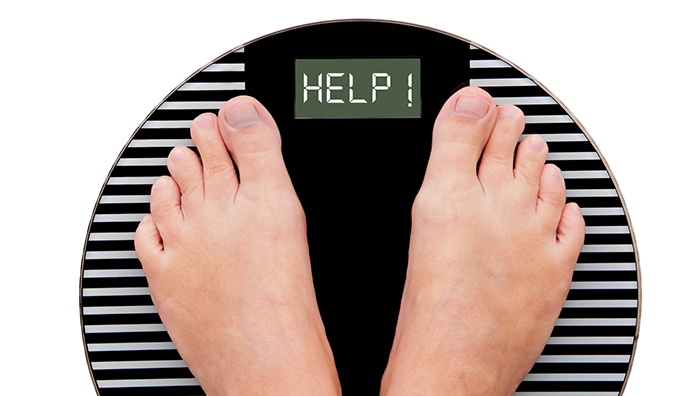
Why is KEEPING the weight off more challenging than LOSING weight? (And What Can You Do To Keep the Weight YOU Have Lost Off For Good?)

not-losing-weight

When it comes to weight loss…the process is fairly simple. You need to eat less and move more. (Notice that I didn’t say doing so would be easy only that it was simple.) Countless studies have been done to promote this diet or that one. Eat Mediterranean. No! Paleo. No! Atkins. Wait…no! Vegan….

At the end of the day, however, regardless of which nutrition plan or strategy is employed, what all the results of any given diet indicate is this: as long as the person in question eats less overall in terms of their calorie intake AND exercises more, they will lose weight. That is true regardless of the diet/nutrition plan one chooses. http://www.nejm.org/doi/full/10.1056/NEJMoa0804748

So what is the problem? That seems simple enough!

Well…The really challenging part isn’t actually taking the weight off. It’s KEEPING it off. In fact, many researchers insist that of those who lose weight, upwards of 95 percent of them gain the weight back plus extra. The most recently highlighted example of this was illustrated in May, 2016 when a number of contestants on The Biggest Loser were interviewed several years after their time on the show. All but one had gained a significant amount of their lost weight back. http://www.nytimes.com/2016/05/02/health/biggest-loser-weight-loss.html

If the pharmaceutical industry developed a drug that was 5% effective…they wouldn’t be able to get it in the market. So why should we bother to try and lose weight when doing so has a 95% failure rate? And if my heart is set on losing weight and keeping it off…Does this mean there is no hope?

The answers are nuanced and complex.

First off – there absolutely IS hope. If you want to lose weight (be it because you want to have less pressure on your knees so that you can exercise longer, or because you want to feel more at-home in your own body, or because you recognize that doing so would likely help you achieve a more balanced blood sugar level) you can lose it AND keep it off.

First – It’s important to know what you’re up against.

  1. When a person loses weight (and by that, I mean more than 5 – 10% of their initial weight) two things happen:
    1. That individual’s metabolism slows down. It becomes less efficient at burning calories.
    2. The produces more ghrelin (a hormone associated with hunger).
    3. The combined effect of this is that the person in question needs to eat less even though they are, on average, hungrier. http://www.nytimes.com/2012/01/01/magazine/tara-parker-pope-fat-trap.html?_r=0
  2. Once you lose weight, you will need to eat less than someone who is EXACTLY the same size but who never gained weight in the first place. That means if you are 150 pounds (after having lost 50 of those pounds) and your friend is 150 pounds (but she was pretty much always at that weight) YOU will have to eat up to 20 -30% less calories than your friend just to sustain that weight than she will.

Second – you need to know what YOU can do.

  1. According to the National Weight Loss Control Registry (http://www.nwcr.ws/Research/default.htm) , those who have successfully lost weight AND have kept it off long-term (more than 5 years) did the following:
    1. 78 Percent of them eat breakfast EVERY DAY
    2. 75 percent of them weight themselves at least once per week
    3. 62 percent of them watch less than 10 of television per week
    4. 90 percent of them exercise at least 60 minutes every day. EVERY. SINGLE. DAY
    5. In other words (and forgive me if this is sounding trite) But ….YOU NEED TO MAKE A LIFESTYLE CHANGE.
  2. But here is the thing…making a lifestyle change requires more than will power. Will power is a part of the equation…sure. But we live in a world that is CONSTANTLY telling us to eat. Every day we are inundated with ads, messages, and temptations. There is a Starbucks at every corner. Not a Whole Foods store. Thus, in order to make these changes, you will need a set of skills. A good way to think about this is that it’s not about “will power” it’s about “skill power.” And just what kind of skills should you adopt? According to Sherri Pruitt and Joshua Kaplow in their book “Living Smart” – you can sustain your success if you:
    1. S – Set a specific Goal. It should be specific, measureable, actionable and observable. For example, don’t say “I will plan on losing a pound per week.” I can’t observe you lose weight. Instead, say “I will make a plan to exercise 20 minutes for three days out of the week this week. It’s specific, I can measure the time you’re taking, it’s an action you can directly apply, and I can observe you do it.
    2. M- Monitor your progress. If you want to lose weight, you’re going to have to keep track of how you’re doing. Weight yourself every day, and take an average at the end of the week. Think this will make you feel too neurotic about your weight? Nope. The more often you weigh yourself, the more likely you are to treat it just as “data.” http://www.usatoday.com/story/life/2016/01/03/weight-loss-scales-daily/77584478/
    3. A – Arrange your environment for success. If you want to exercise every day, that’s going to be hard if your shoes are buried in the back of your closet in some as-of-yet-undetermined location. Get your workout clothes out and ready to go.
    4. R – Recruit support. If your friends gain weight, you are 57% more likely to gain weight as well. If your friends lose weight? Same thing. http://www.npr.org/templates/story/story.php?storyId=12237644 This is because our relationships have a powerful influence on us. You may be able to make drastic changes in your life…but you can’t sustain those changes unless you have support.
    5. T – Treat yourself (but not with food). In Charles Duhigg’s book “the Power of Habit” was able to illustrate beautifully is that habits are much easier to form when you have a reward system. So if you set a goal to exercise every day for 20 minutes…how can you reward yourself afterward? A pat on the back? Some time on an app you love? A call with a friend? A sticker on your calendar? Whatever the case, you want to have something built in that makes you feel like your actions reap a benefit.

Conclusion: Losing weight is hard. KEEPING it off is even harder. That’s the bad news. The good news is that it is NOT impossible. Many people are successful in keeping the weight off. It’s just important to know what is required, and to have compassion for yourself when you start to feel overwhelmed. In order to stay healthy it’s MUCH more important to be “fit” (have energy, have a habit of exercise, eat fruits and vegetables)…than it is to be “thin.” And it’s entirely possible to be healthy at just about any size. http://www.npr.org/templates/story/story.php?storyId=128267723. Even so, if you’re determined to lose weight, just remember… yes it’s hard work, but it can be done. You just should never have to do it alone!

(Want someone to help hold you accountable to your weight loss goals? Chat with a GOQii Coach!)
September 11, 2017 By Luke Coutinho 4 Comments

Signs you need to know to support your metabolism

fast-metabolism

When we hear the term “fast metabolism,” it’s usually regarding people — often younger than us —who seem to be able to eat whatever they want and as much of it as they can: They can indulge in sweets, fried food, simple carbs and more without gaining an ounce of fat.

But just because they don’t appear to gain weight, it doesn’t necessarily mean they’re optimally healthy.

They may experience the same low energy, mood swings, brain fog, digestive upset and other effects of unhealthy dietary habits which over time can worsen.

You see, true metabolic health isn’t just about having your cake and eating it too, so to speak.
The state of your metabolism has much more to do with your overall health than simply your weight. Metabolism lies at the foundation of health. It’s a complex system that directly influences how our cells, tissues and body systems function and get the nutrients they need — while getting rid of what they don’t.

Metabolic processes are involved in our most critical areas of health, including cardiovascular, cognitive, inflammation and immunity. Essentially, good metabolism doesn’t mean you don’t gain weight, it means you feel good every day, have plenty of energy for daily activities and are in good overall health. Poor metabolism often means the opposite.

Just as metabolic health can be influenced by a variety of factors, a number of signs and symptoms can indicate that your metabolism needs support. If left unchecked, these early signs may eventually manifest into metabolic syndrome and its dangerous offspring, Type 2 Diabetes. If you experience a number of these signs regularly, it’s time to take action.

Wide Waist: What’s your waist size? Extra fat around the abdomen is the unhealthiest type of fat and one of the most common signs that you may need to support your metabolism. If you are a man with a waistline of 40 inches or greater, or a woman with a waistline of 35 inches or greater, your metabolic health may need to be examined.

Fatigue: Do you generally feel run down, like you’re “running on fumes?” Do you become exhausted after eating? Feeling sleepy once in a while after a restless night can be expected. But, if you are frequently tired with low energy throughout the day — even after a good night’s sleep — your metabolism may be to blame.

Excessive Sweating: Do you sweat for no apparent reason? Perspiring when it’s hot or you’re doing hard physical exertion is normal and healthy. But if simple, daily tasks like doing the dishes or walking up a flight of stairs make you drip, you may need to address your metabolic health.

Poor Circulation: Do you feel cold all time? Are your fingers and toes always chilled or do your hands and feet fall asleep easily? When you hurt yourself, does it take a long time to heal? Low circulation may be a sign that your metabolism could use some help.

Unhealthy Gums And Teeth: Do your gums bleed when you brush or floss? Are they painful? Do you have a propensity for cavities?
More and more research points to a relationship between gum disease and chronic health conditions such as heart disease, cancer, and metabolic issues such as diabetes and metabolic syndrome.
How regularly do you see the dentist? If your oral health is suffering, your metabolic health may be deteriorating according to research demonstrating links between metabolic dysfunction and periodontitis.

Maintain Metabolic Health: So you’ve determined that your metabolism isn’t what you want it to be. Now what? The good news is that a large part of your metabolic health can be improved using targeted diet, exercise and lifestyle adjustments.

Handle Stress: High stress is a culprit in metabolic mayhem. It fuels inflammation and metabolic-disrupting stress hormones like cortisol. Try adding 15 minutes of meditation to your daily routine. In addition, when you feel your stress levels are getting out of hand, take 20 seconds to stop whatever you’re doing and simply breathe. Take three deep breaths and exhale fully, pulling your bellybutton toward your spine to completely empty your diaphragm. A mere 20 seconds is so quick that nobody will even notice that you “checked out” for that time.
But it may be enough to bring you (and your metabolism) some peace.

Exercise: Any kind of cardio (aerobic exercise) helps to both rev up your metabolism and reduce your stress. Studies show that 1½ hours per week of moderate physical activity, like brisk walking, keeps the average person healthy (more is needed if you want to lose weight). What’s more, studies show that 10 minutes work out too work just as well as 45-minute workouts, as long as your total exercise time adds up to 90 minutes or more over the course of the week.

This is a relief for any busy person; it’s much easier to fit a 15-minute walk into your daily lunch break than it is to get up an hour early to go to the gym. Although light cardio is important, don’t forget to include some muscle-building exercises. Muscle is more active than fat, so more muscle means more efficient metabolism. Explore different ways to fit muscle training into your day. Do squats while you’re waiting for dinner to cook. Do some push-ups or sit-ups while waiting for your shower to get hot. Install an over-the-door pull-up bar and do one or two pull-ups every time you walk by. Be creative!
Healthy Diet:

Easy metabolic tip:

(i) Eat more green vegetables, fiber and protein. Eat less sugar and simple carbs.

This alone should be enough to put you well on your way to metabolic health, but it’s not hard to take your food consciousness to an even higher level for greater vitality and health.

(ii) Learn the difference between good fats and bad fats. For example: deep-fry oil, trans-fat and anything hydrogenated are all bad. Omegas, coconut, avocados, olive oil, seeds and nuts: These are good.

(iii)  Incorporate vegetables of some form into every meal: Yes, even eat these at breakfast! Try blending some spinach or kale into a fruit and yogurt smoothie and I bet you won’t even taste the greens. Vegetables should make up at least half of each meal.

Supplements

Natural supplements like curcumin, caratirm, and special teas like Green and herbal infusions can stroke the metabolism and help in the whole process of wellness.

Your metabolism defines your health from a cellular level. Take care of it. It’s never about weight loss, it’s about your metabolism and how strong it is.


August 7, 2017 By Jayshree Dhabalia 1 Comment

Let’s understand Cravings

Three colorful green, pink and yellow tart cakes wrapped in measuring tape on white background, unhealthy lifestyle concept, studio

Food craving (defined as an intense desire to eat a specific food) is of interest because it is extremely common and because it influences obesity or nutritional status. It has also been suggested that food craving may be the evolutionary source for cravings of all kinds including cravings for drugs and alcohol.  “Surveys estimate that almost 100% of young women and nearly 70% of young men had food cravings during the past year,” says Mercia Levin Pelchat, of Monell Chemical Senses Center in her published article ‘Food Cravings in Young and Elderly Adults’ in the journal Appetite*

As humans, we’re biologically wired to crave for Food. The more bad food we eat, the more our body will learn to accept and want them. We become addicted to highly palatable, energy dense food. Well, yes many of the food we eat today (ready made) are extremely addictive, and we are hardwired to crave them. Anything that gives us pleasure and offers relief, our body will want more and crave.

What food am I referring to?

Processed food. They are prepared with a combination of fat, sugar, and salt and provide very fewer nutrients.

Studies have found, highly processed food have the same effect on the brain as some drugs. It helps release feel good hormone which in turn helps to relieve stress temporarily.

What about those people who have food craving even without indulging in processed foods often? The answer for this could be due to missing micro nutrients from your diet, which causes you to crave for certain foods.

amazed young woman eating popcorn

What’s the Solution to Carvings?

Let’s take a look at why we should be adding more veggies, fruits, and other unprocessed food to our diet.

I have covered here few very commonly reported cravings and deficiency associated with the same:

Food Craving Bread
Nutrient Deficiency Nitrogen
Nutritious food Green Leafy Vegetables, Nuts, Seeds, Legumes, Grains
Food Craving White Pastas, Cake, Pastries
Nutrient Deficiency Chromium
Nutritious food Onion, Lettuce, Tomatoes, Cinnamon, Grapes
Food Craving Crisps/Potato Chips, Salty foods
Nutrient Deficiency Chloride
Nutritious food Celery, Olives, Tomatoes, Kelp, Himalayan Sea Salt
Food Craving Chocolate
Nutrient Deficiency Magnesium
Nutritious food Raw Cacao, Whole Grains, Beans, Nuts, Seeds, Fruit, Green Veggies
Food Craving Fizzy/Aerated Drinks
Nutrient Deficiency Calcium
Nutritious food Broccoli, Kale, Sesame seed, legumes, mustard, turnip, greens
Food Craving Coffee / Black tea
Nutrient Deficiency Sulphur
Nutritious food Cruciferous Veggies, Cranberries, horseradish, garlic, onion
Food Craving Ice, Chilled water
Nutrient Deficiency Iron
Nutritious food Beans, Legumes, Dates, Black raisin, Jaggery, Spinach
Food Craving Sweets
Nutrient Deficiency Phosphorous
Nutritious food Citrus Fruits, Green Leafy Veggies, Banana, Tomatoes, Black Olives.

As you can see on the table, a simple mindful inclusion of certain food does not only save you from lot more cravings and its ill effect but can also provide you with lots of nutrients and minerals.

So what will you choose?

*Appetite is an international research journal specializing in cultural, social, psychological, sensory and physiological influences on the selection and intake of foods and drinks. It covers normal and disordered eating and drinking and welcomes studies of both human and non-human animal behaviour towards food


May 11, 2017 By Farida Gohil 2 Comments

Nutritional facts to help preserve muscles in Seniors

senior-citizen-exercise

As you grow older it become imperative to work towrads building strength. The elderly need strength training more and more as they grow older to stay mobile for their everyday activities. The less active a person’s lifestyle, the earlier age-related changes will manifest.

According to International Osteoporosis Foundation (IOF), Nutrition working Group examines role of Nutrition in Sarcopenia, with focus on protein, vitamin D and B, and acid-based diet.

Age-related muscle loss, called sarcopenia, is a natural part of aging. An article published in Harvard Health said that after age 30, you begin to lose as much as 3% to 5% per decade. Sarcopenia is a common consequence of aging, and poses a significant risk factor for disability in older adults. As muscle strength plays an important role in the tendency to fall, sarcopenia leads to an increased risk of fractures and other injuries.

Quoting from an article in Harvard Health, according to Dr. Thomas W. Storer, director of the exercise physiology and physical function lab at Harvard-affiliated Brigham and Women’s Hospital, just because you lose muscle does not mean its gone forever. The elderly can increase muscle mass lost as a consequence of aging. “

The International Osteoporosis Foundation (IOF) Nutrition Working Group has published a new review which identifies nutritional factors that contributes to loss of muscle mass, or conversely, are beneficial to the maintenance of muscle mass. The Group reviewed evidence on worldwide studies on the role of nutrition in sarcopenia, specifically looking at protein, acid-base balance, vitamin D/calcium, and other minor nutrients like B vitamins.

The most obvious intervention against sarcopenia is exercise in the form of resistance training. However, adequate nutritional intake and an optimal dietary acid-base balance are also very important elements of any strategy to preserve muscle mass and strength during aging.

The review discusses and identifies the following important nutritional factors that have been shown to be beneficial to the maintenance of muscle mass and the treatment and prevention of sarcopenia:

  • Protein: Your diet also plays a role in building muscle mass. Protein is the king of muscle food. The body breaks it down into amino acids, which it uses to build muscle. The authors of the study propose an intake of 1.0-1.2 g/kg of body weight per day as optimal for skeletal muscle and bone health in elderly people without severely impaired renal function. .”While food sources are the best, supplemental protein can help if you struggle with consuming enough calories and protein from your regular diet,” says Dr. Storer.
  • Vitamin D: As many studies indicate a role for vitamin D in the development and preservation of muscle mass and function, adequate Vitamin D should be ensured through exposure to sunlight and/or supplementation if required. Vitamin D supplementation in seniors, and specially in institutionalized elderly, is recommended for optimal musculoskeletal health.
  • Avoiding dietary acid loads: Excess intake of acid-producing nutrients (meat and cereal grains) in combination with low intake of alkalizing fruits and vegetable may have negative effects on musculoskeletal health. Modifying the diet to include more fruits and vegetables is likely to benefit both bones and muscles. Emerging evidence also suggests that vitamin B12 and/or folic acid play a role in improving muscles function and strength.

The Review discusses non-nutritional interventions such as hormones, and calls for more studies to identify the potential of antioxidants and anti-inflammatory compounds in the prevention of Sarcopenia.

Strategies to reduce the numbers of falls and fractures within aging populations must include measures to prevent sarcopenia. At present, the available evidence suggests that combining resistance training with optimal nutritional status has a synergistic effect in preventing and treating sarcopenia.

Check with your doctor before embarking on any kind of strength-training routine. Then have a well-qualified personal trainer to help set up a detailed routine and supervise your initial workouts to ensure you perform them safely and in the best manner.


  • « Previous Page
  • 1
  • …
  • 53
  • 54
  • 55
  • 56
  • 57
  • …
  • 64
  • Next Page »

Search

Recent Posts

  • Water Intake Pre, During and Post Workout
  • India Leads in Longevity: GOQii Sanjeevini Named Top 40 in $101M XPRIZE
  • The Importance Of Knowing If You’re Thirsty Or Hungry
  • Best Foods To Alleviate Irritable Bowel Syndrome
  • ALL ABOUT VERTIGO!

Stay Updated

Archives

  • December 2025 (9)
  • November 2025 (15)
  • October 2025 (20)
  • September 2025 (6)
  • August 2025 (6)
  • July 2025 (12)
  • June 2025 (18)
  • May 2025 (16)
  • April 2025 (23)
  • March 2025 (23)
  • February 2025 (22)
  • January 2025 (26)
  • December 2024 (26)
  • November 2024 (25)
  • October 2024 (22)
  • September 2024 (24)
  • August 2024 (31)
  • July 2024 (21)
  • June 2024 (26)
  • May 2024 (31)
  • April 2024 (27)
  • March 2024 (29)
  • February 2024 (26)
  • January 2024 (25)
  • December 2023 (15)
  • November 2023 (11)
  • October 2023 (20)
  • September 2023 (22)
  • August 2023 (20)
  • July 2023 (22)
  • June 2023 (24)
  • May 2023 (24)
  • April 2023 (24)
  • March 2023 (23)
  • February 2023 (20)
  • January 2023 (16)
  • December 2022 (12)
  • November 2022 (15)
  • October 2022 (15)
  • September 2022 (12)
  • August 2022 (10)
  • July 2022 (17)
  • June 2022 (11)
  • May 2022 (10)
  • April 2022 (6)
  • March 2022 (6)
  • February 2022 (13)
  • January 2022 (12)
  • December 2021 (7)
  • November 2021 (3)
  • October 2021 (6)
  • September 2021 (3)
  • August 2021 (8)
  • July 2021 (7)
  • June 2021 (15)
  • May 2021 (16)
  • April 2021 (10)
  • March 2021 (7)
  • February 2021 (4)
  • January 2021 (4)
  • December 2020 (3)
  • November 2020 (4)
  • October 2020 (10)
  • September 2020 (3)
  • August 2020 (3)
  • July 2020 (2)
  • June 2020 (4)
  • May 2020 (10)
  • April 2020 (12)
  • March 2020 (10)
  • February 2020 (4)
  • January 2020 (4)
  • December 2019 (3)
  • November 2019 (7)
  • October 2019 (5)
  • September 2019 (4)
  • August 2019 (9)
  • July 2019 (9)
  • June 2019 (11)
  • May 2019 (4)
  • April 2019 (9)
  • March 2019 (8)
  • February 2019 (9)
  • January 2019 (8)
  • December 2018 (9)
  • November 2018 (3)
  • October 2018 (3)
  • September 2018 (5)
  • August 2018 (10)
  • July 2018 (6)
  • June 2018 (13)
  • May 2018 (8)
  • April 2018 (18)
  • March 2018 (9)
  • February 2018 (8)
  • January 2018 (15)
  • December 2017 (12)
  • November 2017 (19)
  • October 2017 (13)
  • September 2017 (15)
  • August 2017 (4)
  • July 2017 (8)
  • June 2017 (7)
  • May 2017 (6)
  • April 2017 (8)
  • March 2017 (6)
  • February 2017 (7)
  • January 2017 (9)
  • December 2016 (10)
  • November 2016 (7)
  • October 2016 (7)
  • September 2016 (7)
  • August 2016 (11)
  • July 2016 (9)
  • June 2016 (9)
  • May 2016 (12)
  • April 2016 (17)
  • March 2016 (17)
  • February 2016 (8)
  • January 2016 (6)
  • December 2015 (2)
  • November 2015 (9)
  • October 2015 (7)
  • September 2015 (9)
  • August 2015 (11)
  • July 2015 (9)
  • June 2015 (12)
  • May 2015 (9)
  • April 2015 (13)
  • March 2015 (8)
  • February 2015 (5)
  • January 2015 (12)
  • December 2014 (14)
  • November 2014 (11)
  • October 2014 (6)
  • September 2014 (13)
  • August 2014 (12)
  • July 2014 (6)
  • June 2014 (2)
  • May 2014 (7)
  • April 2014 (5)

From “Laddu Nawin” to Fit and Fierce: How a 25-Year-Old Insurance Advisor Shed 20 Kilos and Gained His Life Back

When 25-year-old Nawin Yadav from Hyderabad walked into his office every morning, he carried more than just his files and policy papers. He had the weight of fatigue, sluggish energy, and an ever-growing belly that was becoming the butt of jokes. “People … [Read More...]

“I’ve Challenged Myself to Live 100 Years” – The Story of Chandubhai Savani’s Second Chance at Life

At 67, most people start slowing down. Not Chandubhai Savani. A resident of Surat, Chandubhai, thought life was on track. “My life was going well till I had my bypass surgery,” he says. That surgery, back in 2021, was a wake-up call.  Medication was routine, but exercise wasn’t. His diet? What he calls ‘normal.’ “I […]

From Shimla’s Slopes to Chandigarh’s Sidewalks: Surinder Kaur Bhalla’s Journey from Chaos to Control

Some journeys start with a plan. Others begin with a stumble literally. Surinder Bhalla, a government professional, born and raised in the scenic hill town of Shimla, had always lived a life of movement. “In Shimla, you walked everywhere,” she reflects. “Walking was never an exercise. It was just life.” But after shifting to Chandigarh, […]

Ananda Mukherjee Health Story

From Terminal Illness To Complete Wellness! Ananda Mukherjee Health Story

As we observe World Cancer Day under the powerful theme ‘United by Unique’ (2025-2027)**, we are reminded that every individual’s journey with cancer is distinct, yet united by shared resilience, hope, and the collective fight against this disease. This theme places people at the centre of care and their stories at the heart of the […]

  • HOME
  • HEALTHY LIVING
  • FITNESS
  • HEALTHY RECIPES
  • USER STORIES
  • KARMA
  • BUY GOQii

Copyright ©2016 GOQii