GOQii

Blog

  • HOME
  • HEALTHY LIVING
  • FITNESS
  • HEALTHY RECIPES
  • USER STORIES
  • KARMA
  • BUY GOQii

Search Results for: heart

November 23, 2024 By Mrinali Dwivedi Leave a Comment

Carrots, Beetroots and Tomatoes For Good Health!

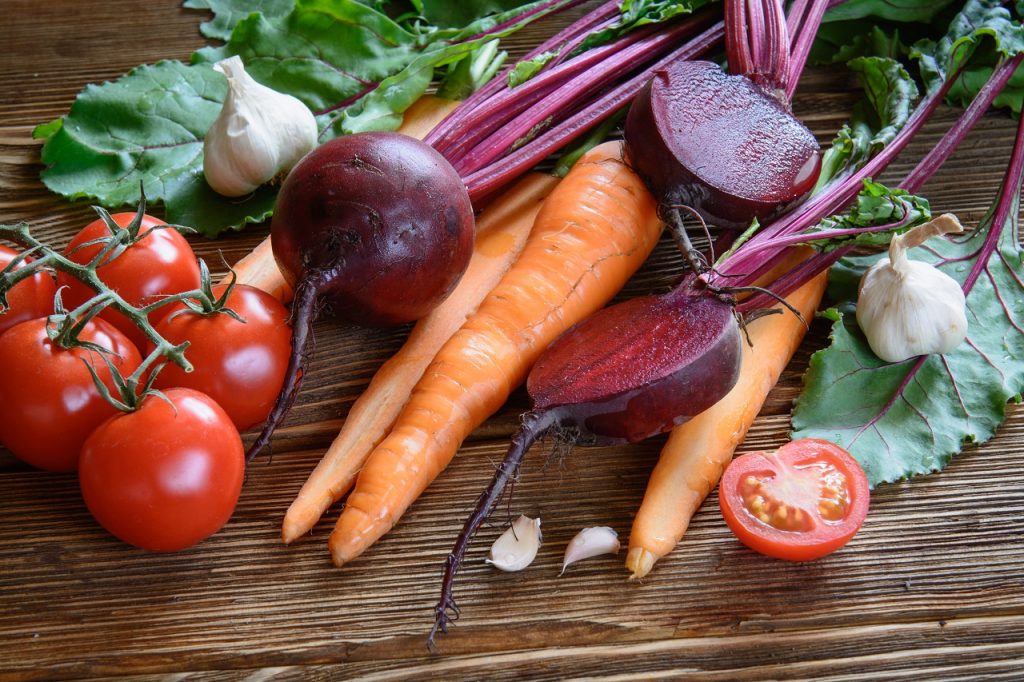
carrots, beetroots and tomatoesStress, oily foods, greasy foods, smoke, smog and air pollution give rise to free radicals in our body. These free radicals cause cell damage and bring about aging in us. Antioxidants capture these free radicals and protect our cells and blood vessels from the damage caused by them. Thus, antioxidants are great for our skin, heart, metabolism and are anti-aging. Carrots, Beetroots and Tomatoes are among the vegetables that have the highest amount of these antioxidants. Carrots are rich in Vitamin A that helps build immunity and eyesight, while beetroots have blood pressure lowering properties and tomatoes are heart healthy and skin brightening!

The combination of carrots, beetroots and tomatoes helps in weight loss and curb constipation as well. The nutrients of these are best absorbed when taken in combination with each other. Though available throughout the year, they’re the best during winter! Here are some easy ways to make very low calories, yet satiating recipes with this wonderful combination. 

3 Healthy Recipes Using Carrots, Beetroots and Tomatoes

1. CBT Juice
Want to get rid of toxins? Employ Carrots, Beetroots and Tomatoes for a cleansing, detox drink that will flush out all those toxins! 

What you will need: 

  • Carrot – 1 medium sized 
  • Beetroot – 1 
  • Tomato – 1 
  • Mint – 5-6 leaves
  • Coriander – 2-3 twigs 
  • Rock salt and lemon juice – to taste 

Method:

  1. Peel and roughly chop the carrot, beetroot and tomato
  2. Blend them along with mint and coriander leaves in a blender/juicer
  3. Add some water if required while blending to bring a juice like consistency.
  4. Add lemon juice, rock salt and mix well

Important: Do not strain, or you’ll lose all the good fiber. Drink the juice within 15 minutes of preparation or else the juice gets oxidised and may lose most of its healthy goodness. The best time to have this is on an empty stomach in the morning – do not eat anything for the next half an hour. 

2. CBT Salad
Confused about what to eat for lunch? Want something that’s filling and low on calories? Let this CBT Salad be your go-to recipe! 

What you will need: 

  • Carrot – ½ cup grated
  • Beetroot – ½ cup 
  • Tomato – ½ cup finely chopped            
  • Onion – ¼ cup 
  • Coriander leaves – 1 tablespoon chopped
  • Mint leaves – 1 tablespoon 
  • Lemon juice – 1 tablespoon 
  • Sesame seeds – 1 teaspoon 
  • Salt to taste 
  • You can also add: Yoghurt, chopped walnuts, feta cheese

Method:

  • Mix and toss all the chopped and grated vegetables
  • Add lemon juice and salt.
  • Garnish with chopped coriander and mint leaves
  • You can pour a temper of curry leaves and mustard seeds over this salad
  • Yoghurt can be mixed with this salad
  • Add some finely chopped walnuts or sesame seeds for a nutty flavour and the good fats.
  • Feta cheese will add some first class protein

Important: Wash all the vegetables properly. Squeeze the lemon just before consuming the salad. Salad should be consumed within 20-25 minutes of preparation to avoid the nutrients getting oxidised. Start lunch with this salad as it will curb post-meal glucose excursion. Aids weight loss, as it is filling and has less calories.

3. Soup
In the mood for soup? Here’s something we’re sure you haven’t tried before! 

  • Tomatoes – 5 
  • Carrots – 2 
  • Beetroot – 1 
  • Ginger garlic paste – 1 tablespoon 
  • Cinnamon stick – 1 inch 
  • Bay leaf – 1 
  • Ghee (Clarified butter) – 1 tablespoon 
  • Salt, cumin powder, chili flakes, fresh pepper, dry herbs (oregano, basil, parsley) to taste.

Method:

  1. Pressure cook the carrots, beetroots and tomatoes with the cinnamon stick, bay leaf and enough water to soak for 2 whistles
  2. Cool down the boiled vegetables. Discard the cinnamon stick, bay leaf and the skin from the tomatoes. Puree the rest in a blender
  3. Heat 1 tablespoon ghee (clarified butter) in a medium pot. Add the ginger garlic paste and be sure to not burn it
  4. Carefully pour the puree in the pot
  5. Add cumin powder, salt, chili flakes and fresh ground pepper as per taste
  6. Bring to a boil on medium high heat, stirring the mixture a few times
  7. Sprinkle some dry herbs and serve hot! 

Important: The best time to have this soup is for a light dinner or a healthy evening snack. 

We hope you enjoy all the amazing benefits offered by this healthy combination of Carrots, Beetroots and Tomatoes! Do try out all the recipes and let us know in the comments below! For more on nutrition, check out Healthy Reads or ask a GOQii Coach by subscribing for Personalised Health Coaching here.

Eat healthy and #BeTheForce  

Disclaimer: The information provided in this blog is for general awareness and educational purposes only. It is not intended to replace professional medical advice, diagnosis, or treatment. Always consult a qualified healthcare provider for personalised medical guidance or concerns related to your health.
November 21, 2024 By Sohini Chakraborty Leave a Comment

Fat Facts That Are Easy to Digest

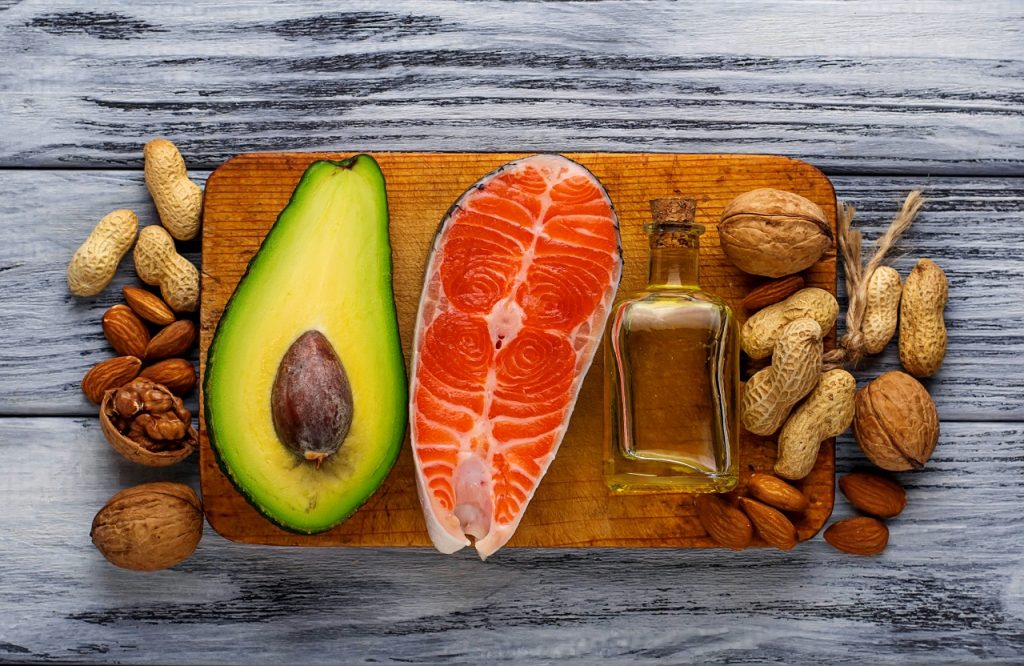
fat factsIt’s a shame that the word “Fat” has developed such a notorious reputation over the years with every health-conscious individual hellbent on removing that word from their dictionary. Before we condemn the word, we need to understand that the quality of fat is just as important as the quantity of it. So let’s bust some myths with these fat facts! 

Fat is one of the macro nutrients which provides 9kcal per gram and it is also essential for many functions of the body like solubilizing fat-soluble vitamins, secreting hormones, protecting our vital organs, etc. It is imperative to classify fats into broad categories. Now, let’s delve a little deeper into fat facts.  

1. Fats Which Are Bad For You

Here are the types of fats which are bad for your health.

  • Saturated Fat: Saturated fats are usually found in animal fats like beef, pork, lard, dark chocolate, full-fat dairy products like cheese, etc. They are usually solid at room temperature. Saturated fats were previously thought to cause cardiac problems but saturated fats are known to increase the amount of both HDL (good cholesterol) and LDL (bad cholesterol), hence it is safe to have saturated fats in lower amounts.
  • Trans-Fat: are produced during hydrogenation of fat when the oil is hardened to increase its shelf life. Apart from the natural Trans-fat present to some extent in dairies and meats, the artificial trans fat produced as a result of hydrogenation of fat is very harmful to health. It is found to increase the level of LDL cholesterol, thus increasing the risk of artery blockage and heart disease. It is also known to cause free radical damage to the body resulting in cancer. Trans-Fat is found in fried foods such as French fries, fried chicken, crackers, microwave popcorn, pizza, doughnut, cakes, muffins, pies, nuggets, sausages, non-dairy creamers, margarines, etc. Avoid this type of fat to stay healthy and free from diseases. Not more than 2% in a 2000kcal diet is permissible.
  • Cholesterol: is one of the most misunderstood subjects of this decade. Cholesterol is a wax like substance present in our body and can be obtained from many dietary sources like egg, meats and dairy products. It is necessary for bile formation and many other important functions of our body. According to recent studies, our total cholesterol level is not affected by entirely dietary intake as the body itself maintains the cholesterol balance. Then again, we should be careful about choosing the type of cholesterol to be consumed. There are 2 types of cholesterol: 
  1. HDL (High Density Lipoprotein): is very beneficial for the body as it removes plaques from the arteries and makes blood circulation smooth, preventing arterial block or damage. Its sources include olive oil, beans and legumes, high fiber fruits like avocado, chia seeds, nuts and fatty fish like salmon, trout, etc. These must be present in our diet.
  2. LDL (Low Density Lipoprotein), VLDL (Very Low Density Lipoprotein): are considered to be very harmful to the body. They create atherosclerotic plaque in the arteries, constricting proper blood circulation and cause the narrowing of blood vessels and heart blockage. Most of its sources include pork, beef, lamb meat, milk, butter, cream and cocoa butter. These should be present sparingly in our diet.

2. Fats Which Are Good For You

Let’s take a look at fats which are actually good for you!

  • Unsaturated Fats: contain double bonds in their structure and are known to be most beneficial among all. It may be of 2 types:
  • Monounsaturated Fats: These contain a single double bond and are known to be helpful in many ways. Evidently, they aid weight loss, reduce cardiac problems and decrease inflammation. Its major sources are avocado, nuts like almond, pistachios, vegetable oils like safflower oil, sesame oil, olive oil, canola oil, etc.
  • Polyunsaturated Fats: are considered as the most beneficial among the fat family. These fats are mainly of 2 types:
    1. Omega 3 Fatty Acids: are known to improve heart health, protect the nervous system, increase brain function, reduce anxiety and stress, improve eye function, reduce inflammation and help fight cancer as well. Sources include soya beans, chia seeds, walnuts, canola oil, salmon, sardine, etc. It’s good to have them as a part of daily diet.
    2. Omega 6 Fatty Acids: This type of fat helps balance good and bad cholesterol, it helps reduce asthma or respiratory problems especially in children, relieves diarrhea in children and is essential for improving brain function. Sources of Omega 6 Fatty Acids include hemp seed or hemp seed oil, flaxseed or flaxseed oil, walnuts, almond, avocado oil, eggs, tofu etc.

These fatty acids are called “essential” because they are not produced in the body and that is why they have to be present in our diet.

Considering all the fat facts listed above, we must focus more on the types of fat we are consuming. In a typical Indian diet, about 15-20% of total calories should come from fat and the most desirable proportion of Saturated Fat (SFA), Monounsaturated Fatty Acid (MUFA) and Polyunsaturated Fatty Acid (PUFA) must be 1:1.3:1.

We hope this article helps you make the best food choices. To know more about fat facts, bust more myths about food and nutrition, ask a GOQii Coach by subscribing for Personalised Health Coaching here.

Do leave your thoughts in the comments below! 

#BeTheForce 

November 19, 2024 By Deepanshu Sharma 4 Comments

High Intensity Interval Training and Its Benefits

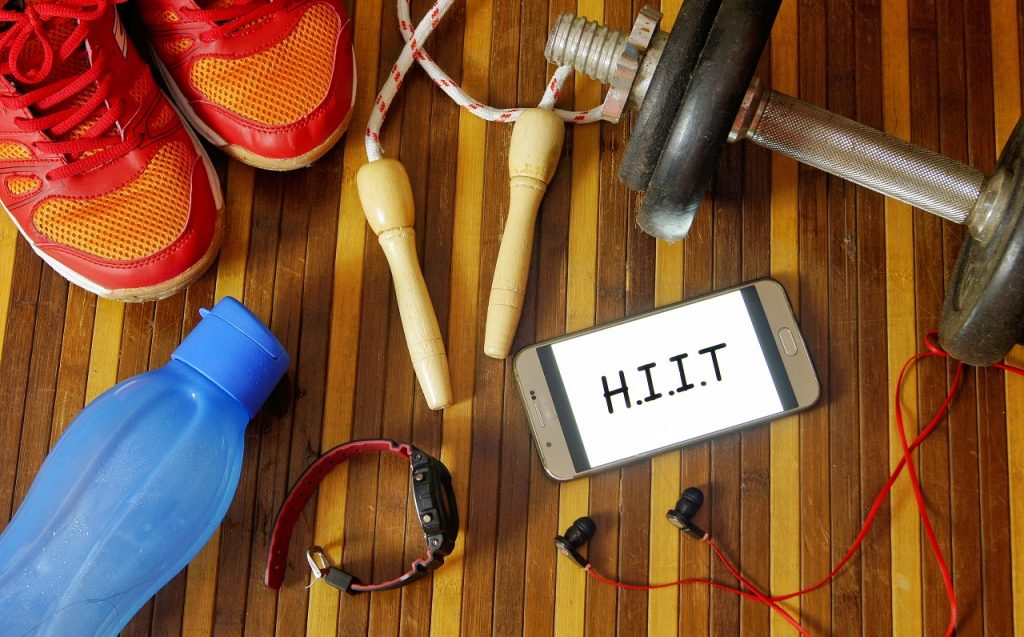
HIIT and its benefitsYou’ve likely come across the term HIIT in recent years. High-Intensity Interval Training is an exercise routine that many people swear by to get optimal results! While there may be some confusion about what HIIT entails and who should do it, we’re here to clear things up!
What is High Intensity Interval Training?

HIIT, or High-Intensity Interval Training—also known as Sprint Interval Training or High-Intensity Intermittent Exercise—is a workout designed to aid in fat loss and increase stamina.

In this routine, a person performs a burst of high-intensity exercise (like sprinting for 30 seconds) followed by a short burst of active rest (like walking or jogging for 30 seconds) for a total of 4-5 minutes. You then take a minute or two of rest and repeat the same pattern with different exercises.

The main focus of this routine is continuous movement, alternating between high and low-intensity exercises. HIIT is suitable for all ages and can be done 4-5 times a week for best results.

It’s advised to start with a 1:1 ratio of high to low intensity—30 seconds of high intensity followed by 30 seconds of low intensity. As you progress, you can increase this ratio to 2:1.

Benefits of HIIT

  1. Quick Workout For Busy Individuals: HIIT workouts can range from 10 to 45 minutes, combining one or multiple exercises. It’s the perfect workout if you’re short on time but still want effective results. You can burn up to 500 calories in a 40-45 minute session, depending on the exercise and ratio chosen.
  2. Fat Loss: HIIT quickly raises your heart rate to the fat-burning zone and keeps it there, as there’s no rest. This provides excellent fat-loss results in a short period compared to traditional cardio, and the results are noticeable.
  3. Increased Endurance: This routine is highly effective for building stamina, even if you start at lower speeds. Many who practice HIIT have noticed they can run longer and faster after consistently following the routine.
  4. Improved Brain Functioning: Research conducted at various institutes has shown that following a HIIT routine for some time can lead to the following changes that enhance brain functionality:
    • Increases neuron count
    • Improves cognitive function
    • Reduces nerve stiffness and inflammation
    • Promotes new blood vessel development in the brain
  1. Better Physical Performance: Research from the University of British Columbia revealed the following benefits of HIIT compared to traditional, moderate-intensity workouts:
    • Enhanced stamina
    • Greater endurance
    • Boosted metabolism
    • Increased speed and agility
    • Higher peak power

As we can see, HIIT is more than just a popular method for fat loss; it also improves essential aspects of both mental and physical performance. You can add HIIT to your current workout or try it instead of your usual cardio routine for a week.

Here is a Quick HIIT Routine You Can Follow  

  • Jumping Jacks – 1 minute
  • Squats – 1 minute
  • Spot Running – 1 minute
  • Squats – 1 minute
  • Jumping Jacks – 1 minute

Rest for 1-2 minutes, then do 2-4 sets depending on your fitness level.

Was this article helpful? Did we miss out on any facts? Let us know in the comments below! For more on fitness and workouts, check out Healthy Reads.

To workout with an expert, you can join our live, interactive, online classes on GOQii PRO, where our certified fitness experts will guide you on the correct form and posture in real time, while making sure that you are well motivated! You can book a class now from the GOQii App.

#BeTheForce 

November 15, 2024 By Subarna Ghosal 5 Comments

Rice Bran Oil and its 7 benefits

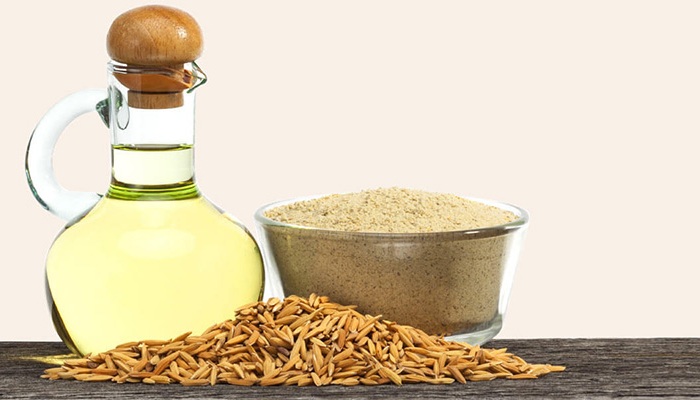
Rice Bran Oil and its 7 benefits‘Good health is a boon’ According to the World Health Organisation (WHO), Health is “a state of mental, physical and social well-being, not merely the absence of any disease or infirmity”. What we eat, how it’s prepared, and when we consume it all play vital roles in our health. Oil, a key ingredient in Indian cuisine, greatly influences our health depending on the type and amount used. Choosing the right oil is especially important for those with busy lifestyles. As the second-largest rice producer globally, India produces around 100 MMT of rice annually. Rice bran oil, extracted from rice husk and germ, has a high smoke point of 232°C (450°F), a long shelf life, and a mild flavor, making it ideal for high-temperature cooking like stir-frying and deep-frying. According to the latest recommendations by the National Institute of Nutrition (NIN) and the Indian Council of Medical Research (ICMR), the ideal oil composition is 27-33% saturated fat, 33-40% monounsaturated fat, and 27-33% polyunsaturated fat. Rice bran oil closely matches this recommendation with a composition of SFA (24%), MUFA (42%), and PUFA (34%), offering a balanced fatty acid profile.



Health Benefits of Rice Bran Oil:

Rice bran oil contains essential nutrients that benefit health in numerous ways:

  1. Rich in Vitamin E Rice bran oil contains tocopherols and tocotrienols, forms of Vitamin E with natural antioxidant properties that help neutralize free radicals—by-products of cellular metabolism that can cause cellular damage and mutations. These antioxidants support neurological health and hormonal balance.
  2. Improves Skin Health Squalene, an antioxidant in rice bran oil, acts as a natural moisturizer, protecting skin from wrinkles, delaying signs of aging, and reducing sun damage.
  3. Promotes Heart Health Oryzanol, another antioxidant found in rice bran oil, helps lower cholesterol levels in the blood and liver. Using rice bran oil in a low-carb diet can help reduce triglycerides, lower LDL cholesterol, and improve the HDL-to-LDL ratio, essential for heart health. WHO recommends rice bran oil as one of the best choices for improving cholesterol levels.
  4. Hypoallergenic Properties Being hypoallergenic, rice bran oil is unlikely to cause allergic reactions, making it a suitable choice for people with food sensitivities. It may also reduce general allergic responses, lessening sensitivity to other allergens.
  5. Relieves Menopausal Symptoms Gamma-oryzanol in rice bran oil has shown effectiveness in reducing menopausal symptoms like hot flashes. A study titled Rice Bran Oil-‘The Age Old Oil’ authored by Maulishree Jhawer, Dr Enozia Vakil and Medically reviewed by Dr Simi Paknikar abd Dr Nithin Jayan found that 90%of women who were taking rice bran oil daily found relief in menopausal symptoms by improving hormonal balance (http://www.medindia.net/patients/lifestyleandwellness/rice-bran-oil-benefits.htm)
  6. Aids in Blood Pressure Management I conducted a 60-day study in New Delhi with 300 participants with mild to moderate hypertension, divided into three groups. One group took a common blood pressure medication, another used rice bran oil, and the third used both. The results were impressive: blood pressure dropped an average of 14 points in the oil-only group, 16 points in the medication group, and 36 points in the combined group. Diastolic pressure also decreased significantly in all groups.
  7. Supports Weight Management Despite its high calorie and fat content, rice bran oil can help control weight. Its viscosity prevents it from being fully absorbed by food, reducing the caloric value while retaining flavor and nutrients. Like any other oil, rice bran oil should be consumed in moderation. NIN recommends adults with a sedentary lifestyle limit oils and fats to 25 grams per day, while those with physically demanding jobs may need 30-40 grams. Young children and adolescents should have 30-50 grams daily. Rice bran oil can also be used for post-pregnancy massages, though pregnant women should consult their doctor before using it in their diet. We hope this article helps you, let us know in the comments below. For further information or guidance, reach out to our certified experts by subscribing to GOQii’s Personalised Health Coaching here. #BeTheForce
  • « Previous Page
  • 1
  • …
  • 20
  • 21
  • 22
  • 23
  • 24
  • …
  • 140
  • Next Page »

Search

Recent Posts

  • Water Intake Pre, During and Post Workout
  • India Leads in Longevity: GOQii Sanjeevini Named Top 40 in $101M XPRIZE
  • The Importance Of Knowing If You’re Thirsty Or Hungry
  • Best Foods To Alleviate Irritable Bowel Syndrome
  • ALL ABOUT VERTIGO!

Stay Updated

Archives

  • December 2025 (9)
  • November 2025 (15)
  • October 2025 (20)
  • September 2025 (6)
  • August 2025 (6)
  • July 2025 (12)
  • June 2025 (18)
  • May 2025 (16)
  • April 2025 (23)
  • March 2025 (23)
  • February 2025 (22)
  • January 2025 (26)
  • December 2024 (26)
  • November 2024 (25)
  • October 2024 (22)
  • September 2024 (24)
  • August 2024 (31)
  • July 2024 (21)
  • June 2024 (26)
  • May 2024 (31)
  • April 2024 (27)
  • March 2024 (29)
  • February 2024 (26)
  • January 2024 (25)
  • December 2023 (15)
  • November 2023 (11)
  • October 2023 (20)
  • September 2023 (22)
  • August 2023 (20)
  • July 2023 (22)
  • June 2023 (24)
  • May 2023 (24)
  • April 2023 (24)
  • March 2023 (23)
  • February 2023 (20)
  • January 2023 (16)
  • December 2022 (12)
  • November 2022 (15)
  • October 2022 (15)
  • September 2022 (12)
  • August 2022 (10)
  • July 2022 (17)
  • June 2022 (11)
  • May 2022 (10)
  • April 2022 (6)
  • March 2022 (6)
  • February 2022 (13)
  • January 2022 (12)
  • December 2021 (7)
  • November 2021 (3)
  • October 2021 (6)
  • September 2021 (3)
  • August 2021 (8)
  • July 2021 (7)
  • June 2021 (15)
  • May 2021 (16)
  • April 2021 (10)
  • March 2021 (7)
  • February 2021 (4)
  • January 2021 (4)
  • December 2020 (3)
  • November 2020 (4)
  • October 2020 (10)
  • September 2020 (3)
  • August 2020 (3)
  • July 2020 (2)
  • June 2020 (4)
  • May 2020 (10)
  • April 2020 (12)
  • March 2020 (10)
  • February 2020 (4)
  • January 2020 (4)
  • December 2019 (3)
  • November 2019 (7)
  • October 2019 (5)
  • September 2019 (4)
  • August 2019 (9)
  • July 2019 (9)
  • June 2019 (11)
  • May 2019 (4)
  • April 2019 (9)
  • March 2019 (8)
  • February 2019 (9)
  • January 2019 (8)
  • December 2018 (9)
  • November 2018 (3)
  • October 2018 (3)
  • September 2018 (5)
  • August 2018 (10)
  • July 2018 (6)
  • June 2018 (13)
  • May 2018 (8)
  • April 2018 (18)
  • March 2018 (9)
  • February 2018 (8)
  • January 2018 (15)
  • December 2017 (12)
  • November 2017 (19)
  • October 2017 (13)
  • September 2017 (15)
  • August 2017 (4)
  • July 2017 (8)
  • June 2017 (7)
  • May 2017 (6)
  • April 2017 (8)
  • March 2017 (6)
  • February 2017 (7)
  • January 2017 (9)
  • December 2016 (10)
  • November 2016 (7)
  • October 2016 (7)
  • September 2016 (7)
  • August 2016 (11)
  • July 2016 (9)
  • June 2016 (9)
  • May 2016 (12)
  • April 2016 (17)
  • March 2016 (17)
  • February 2016 (8)
  • January 2016 (6)
  • December 2015 (2)
  • November 2015 (9)
  • October 2015 (7)
  • September 2015 (9)
  • August 2015 (11)
  • July 2015 (9)
  • June 2015 (12)
  • May 2015 (9)
  • April 2015 (13)
  • March 2015 (8)
  • February 2015 (5)
  • January 2015 (12)
  • December 2014 (14)
  • November 2014 (11)
  • October 2014 (6)
  • September 2014 (13)
  • August 2014 (12)
  • July 2014 (6)
  • June 2014 (2)
  • May 2014 (7)
  • April 2014 (5)

From “Laddu Nawin” to Fit and Fierce: How a 25-Year-Old Insurance Advisor Shed 20 Kilos and Gained His Life Back

When 25-year-old Nawin Yadav from Hyderabad walked into his office every morning, he carried more than just his files and policy papers. He had the weight of fatigue, sluggish energy, and an ever-growing belly that was becoming the butt of jokes. “People … [Read More...]

“I’ve Challenged Myself to Live 100 Years” – The Story of Chandubhai Savani’s Second Chance at Life

At 67, most people start slowing down. Not Chandubhai Savani. A resident of Surat, Chandubhai, thought life was on track. “My life was going well till I had my bypass surgery,” he says. That surgery, back in 2021, was a wake-up call.  Medication was routine, but exercise wasn’t. His diet? What he calls ‘normal.’ “I […]

From Shimla’s Slopes to Chandigarh’s Sidewalks: Surinder Kaur Bhalla’s Journey from Chaos to Control

Some journeys start with a plan. Others begin with a stumble literally. Surinder Bhalla, a government professional, born and raised in the scenic hill town of Shimla, had always lived a life of movement. “In Shimla, you walked everywhere,” she reflects. “Walking was never an exercise. It was just life.” But after shifting to Chandigarh, […]

Ananda Mukherjee Health Story

From Terminal Illness To Complete Wellness! Ananda Mukherjee Health Story

As we observe World Cancer Day under the powerful theme ‘United by Unique’ (2025-2027)**, we are reminded that every individual’s journey with cancer is distinct, yet united by shared resilience, hope, and the collective fight against this disease. This theme places people at the centre of care and their stories at the heart of the […]

  • HOME
  • HEALTHY LIVING
  • FITNESS
  • HEALTHY RECIPES
  • USER STORIES
  • KARMA
  • BUY GOQii

Copyright ©2016 GOQii
