GOQii

Blog

  • HOME
  • HEALTHY LIVING
  • FITNESS
  • HEALTHY RECIPES
  • USER STORIES
  • KARMA
  • BUY GOQii

Search Results for: heart health

July 11, 2018 By Trupti Hingad 2 Comments

11 Top Testosterone boosting foods for men

testostorone rich foods

Have you been working out hard in the gym with no results? Have you wondered what could be the reason? We are all aware that workout does a lot of good to our body. A regular workout does everything from increasing your odds of living longer to supporting your memory function and for men, a good workout can also boost your testosterone.

While testosterone is the primary sex hormone in men, it is also responsible for everything from muscle development to hair growth to mood regulation to sex drive. So yeah, it’s pretty important when it comes to your health and well-being.

But, at times despite the work out the testosterone levels could be low and hence the desired results from the workout is not visible. But, there is nothing to worry. One can increase their testosterone levels naturally by eating the right foods.

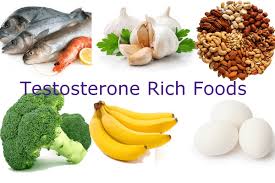
Here is a list of testosterone boosting foods

  1. Brazil Nuts: This tree nut is an excellent natural source of the mineral selenium and a great testosterone booster. The high selenium content is mainly responsible for Brazil nuts positive benefit on T levels. Brazil nuts also have a good ratio of fats. These nuts contain zinc, amino acid Arginine and fatty acids which are needed to make hormone testosterone. Arginine is a precursor to nitric oxide, important for vasodilatation and known to increasing testicular blood flow for better hormone production. Brazil nuts are packed with the most bio-active form of Arginine. Just have 3-6nuts per day and boost your T levels.
  2. Beans: Are rich source of fibre, protein and zinc. Beans pack a bigger shot of zinc than any other member of the veg family. Add it to a food that’s high in protein and fibre\ and low in fat, and you have a winning combo. You can opt for baked beans, lima beans, navy beans, and kidney beans –All are good choices.
  3. Eggs: Testosterone is synthesized from cholesterol, and as such, food containing cholesterol is a good source of building blocks for testosterone. Start your day with three or four eggs or egg whites cooked in olive oil coconut oil. You can also opt for boiled eggs too.
  4. Cruciferous Veggies: Elevated oestrogens levels lead to fat accumulation and can interfere with muscle growth. Broccoli, cauliflower, cabbage may help a man’s body excrete excess oestrogens and increase the amount of testosterone available to cells. Indole-3-carbinol, a compound found in cruciferous vegetables, may increase the excretion of estradiol (one oestrogen hormone) thus increasing the testosterone production. Since these veggies are rich in fibre..it also helps you to keep full and thus helps in fat loss too.

5 Garlic: Garlic is an active ingredient, allicin, enhances testosterone levels and inhibits cortisol, a hormone that competes with testosterone by limiting its actions and breaking down muscle tissue. Season some foods with garlic, but eating crushed garlic cloves provides the most direct benefit.

6 Oyster: Oyster is loaded with Protein, magnesium, lots of zinc. Along with increasing physical endurance, oysters pack more zinc than almost any other food source. Just six oysters give you almost seven times the recommended daily allowance of zinc, and zinc plays a key role in muscle growth and testosterone levels.
Eat a serving of oysters once a week — raw or cooked but not fried.

  1. Pumpkin seeds: They are good source of zinc -a mineral that plays a role in thousands of different enzymatic reactions in the body, including those involved in testosterone production. Sprinkle more testosterone-boosting pumpkin seeds into your diet by adding them to oatmeal, yogurt, and salads, and even add them into your protein shakes.
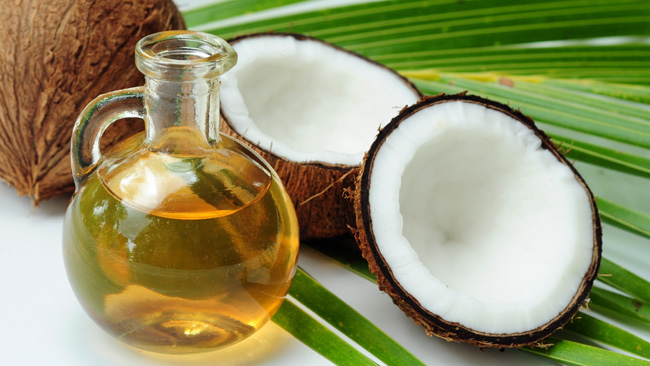
  2. Coconut: Coconut can not only help your diet taste like a tropical meal, it can also keep your T-score at healthy levels. That’s because the giant nut is a source of saturated fat, which plays a role in testosterone production. A healthy person can take up to 8-10 percent of their calories from saturated fat to help keep testosterone at its peak without any major concern over increasing your risk of heart issues.

9 Wheat Bran: Who would have thought that brown wheat bran could help peak up your T-levels? But the fibre-rich bran of the wheat kernel is an excellent source of the mineral magnesium.  One study found that magnesium was more effective at boosting testosterone if paired with high-intensity exercise. Add wheat bran to your flour or oatmeal, pancake batter, and protein shakes.

10 Pomegranate: This beautiful red fruit has been used medicinally for centuries. With high levels of antioxidants, vitamins A, C, E and iron, researchers have found one glass of pomegranate juice/one fruit a day can increase testosterone levels between 16 percent and 30 percent, can improve mood and increase libido too.

11. Whey protein- or ricotta cheese: This is high in protein and low in fat.-This not only fix your protein dose but also helps in increasing testosterone production restricting body’s production of cortisol hormone. So Have it as post workout meal or grab as mid snack.

So, stack these foods if you haven’t already and enhance your workout and overall physical health!
 

June 26, 2018 By Samar Hafeez 5 Comments

Know all about ‘Eating Disorders’

eating problms

DO YOU look in the mirror and pick yourself apart? Do you constantly worry about what and how you look?

Ask yourself, “What percentage of your time in a day you are preoccupied with thoughts regarding food, weight, and body image?”

If your answer is that you spend so much time with these concerns that it interferes with your happiness and daily functioning, then let me tell you that you may be having an Eating Disorder.!

What Is an Eating Disorder?

Eating Disorders are illnesses that cause serious disturbances in a person’s everyday diet. They are characterized by irregular eating habits which include inadequate or excessive food intake which can damage individual’s well-being.

In addition to abnormal eating patterns, there are severe distress or concern about body weight and shape. An Eating Disorder also includes your beliefs about food and how they impact your body.

Who Suffers From Eating Disorder?

Eating disorders can develop during any stage in life but typically it appears during teen years or young adulthood but, may also develop in childhood. It can affect both men and women, however, it’s more common in women.

Eating disorder when manifested at a young age can cause severe impairment in growth development, and overall mental and social well- being.

Let’s move on to knowing three most common types of Eating Disorders

ANOREXIA NERVOSA

The Term Anorexia Nervosa literally means “Lack of Appetite induced by Nervousness”

This is perhaps the best- known eating disorder. It causes its sufferers to excessively fear to be overweight and restrict their eating habits in an unhealthy, dangerous way which leads to a significantly low body weight.

Male and female suffering from Anorexia show following hallmarks

  • Extremely limited food intake
  • Obsessive intense fear of weight gain
  • Problems with body image (Unrealistic perception of the body) and a low self-esteem
  • Denial of low body weight

Overtime, the following symptoms may develop as the body goes into starvation

Physical symptoms

  • Menstrual cessation
  • Osteopenia or osteoporosis(Thinning of bones)
  • Anaemia
  • Fatigue
  • Brittle nail and hair
  • Skin dries and can take on a yellowish cast
  • Severe constipation, Low BP

Emotional and behavioural symptoms

  • Excessive/Compulsive exercising
  • Frequently skipping a meal or refusing to eat
  • Denial of hunger
  • Frequent checking in the mirror for ‘perceived’ flaws
  • Flat mood(Lack of emotion)
  • Low self-esteem
  • Irritability
  • Low sex drive

BULIMIA NERVOSA

The Greek word for Bulimia is BOULIMIA which means extreme hunger. Patients with bulimia nervosa eat frequently in a discrete period of time (example within any 2 hour period) they also have a sense of lack of control over eating during the episode.

They often consume thousands of calories that are high in sugars, carbohydrates and fats. They can eat rapidly, sometimes gulping food without even tasting it.

After a binge, they PURGE their bodies of food and calories they FEAR by using laxatives, enemas, diuretics, vomiting or by excessive exercise. People with Bulimia can be underweight, overweight or even obese.

Many people don’t know when a family member or friend has Bulimia nervosa because they almost always hide their binges but Bulimia nervosa does have symptoms that should raise red flags:-

Physical Symptoms

  • Chronically inflamed or a sore throat
  • Salivary glands in the neck and below jaw bone swollen; cheeks and face often become puffy
  • Tooth enamel wears off and begins to decay from exposure to stomach acids
  • Constant vomiting causes GERD (Gastro oesophagal reflux disease)
  • Laxative and Diuretic abuse cause kidney and intestinal problems
  • Frequent Severe dehydration from purging of fluids

Emotional and Behavioural symptoms

  • Negative/distorted self- image
  • Hoarding or hiding food
  • Social withdrawal
  • Extreme guilt and sadness
  • Excessive worry about body weight and shape

binge eating

BINGE EATING DISORDER

It is a form of compulsive OVEREATING. Sufferers feel a compulsion to eat large amounts of food and as though they cannot stop and UNLIKE PEOPLE WITH BULIMIA, THEY DO NOT TRY TO PURGE OR GET RID OF FOOD BY INDUCING VOMITING AND BY USING OTHER UNSAFE PRACTICES.

Symptoms are more or less similar to Bulimia nervosa except for purging and laxative abuse.

Binge eaters eat a large amount of food when not feeling physically hungry, binge eating episodes typically take place in private and can last for hours or a whole day. It is common for sufferers to feel distressed or guilty about their lack of control, it is this shame and guilt that can prevent a person from talking and seeking help.

CAUSES

Eating disorders are complex thus are influenced by a facet of factors. Though the exact cause is unknown, it is generally believed that a combination of biological, psychological, and/or environmental abnormalities contribute to the development.

Certain psychological, biological/genetic, and personality traits may predispose people to develop eating disorders.

However specific traits are linked to each of the disorders. People with Anorexia tend to be perfectionists and with bulimia and binge eating disorder impulsive nature is common. Hormonal irregularities and nutritional deficiencies can be among causes. As discussed earlier in this blog, negative body image, dissatisfaction with one’s body and low self-esteem can help build tendency towards abnormal eating patterns.

Among Socio-cultural factors, the media has the largest influence on people especially teens and young adults. The media pushes body image, clothes, fast food and weight loss with unrealistic results, the combination of all these lead teens and young adults down the road to eating disorders and a confusing self- image.

And on another side of continuum popular social media pages and videos with a variety of recipes and restaurants tempt people to eat more and more.

Other causes include disruptive thinking patterns and an inability to understand the healthy relationship between food and hunger, family dysfunctions and major life stressors/changes, negative emotions or traumas such as rape, childhood sexual abuse or death of loved ones can also trigger eating disorders.

Even a happy event, such as giving birth can lead to an eating disorder because of the stressful impact of the event on an individual’s new role and body image.

IMPORTANCE OF TREATMENT

Eating disorder untreated can have serious consequences like Malnutrition, stunted growth, osteoporosis, reduced metabolic rate, critically low blood pressure, serious heart, kidney and liver damages, obesity, diabetes (TYPE 1 AND 2), depression, anxiety, obsessive-compulsive disorder and substance abuse, cardiac arrests and even death!

Remember, the sooner the treatment starts, the better it is. The longer abnormal eating patterns continue the more deeply ingrained they become and more difficult to treat.

EFFECTIVE TREATMENT METHODS

  • PSYCHOTHERAPY
    • Cognitive Behaviour Therapy is a therapy focussing on the beliefs, values, maladaptive cognitive processes and negative emotions which are associated with meaning of weight, shape and appearance, it aims at reducing destructive eating patterns and restoring a healthy relationship with food. Psychologists identify important issues associated with causes of destructive eating habits and develop CBT plan respectively.
    • Dialectical Behavioural Therapy is a form of psychotherapy that helps to cope with painful emotions. The focus is on individuals who react to emotional circumstances with extreme behaviours. Weekly sessions help a person with Eating disorder practice mindful eating, distress tolerance and emotional regulation which focus on identifying barriers to changing emotions to constructive ones and to increase positive emotional events.
    • Incorporating Family, Group and Marital Therapy: This can be helpful in addressing the underlying causes of eating disorders and help prevent relapses by resolving interpersonal issues which are related to eating disorders.
  • Nutritional Counselling: This would involve a nutritionist’s guiding plan through weight restoration and stabilization, guidance for normal eating by keeping a food journal which includes type of food, amount, benefits, feelings thoughts associated with intake of food and drink, it also includes which binge foods are to be avoided. The inclusion of individualized meal plans for specific patients to improve nutritional intake is created.
  • Medication: Some patients with Bulimia Nervosa benefit from placebo or anti- depressants. But, medication should always be paired with psychotherapy and nutritional counselling.

A holistic approach involving all above methods/ways with an experienced team of caregivers and healthcare professionals can help patients suffering from eating disorder regain control of their eating behaviour and their lives!

Good Health is more than just being free from disease or injury. A healthy lifestyle helps you feel good, have a vibrant energy and maintain a positive outlook on life thereby contributing to your physical, mental, social well- being. Your mental health is as important as physical health and work hand-and-hand. Letting go of your eating disorder is one of many ways to move towards good health!


June 15, 2018 By Palak Mittal 4 Comments

Amazing benefits of drinking water from a copper vessel

copper_vessel

Ancient Ayurveda scriptures state that storing and drinking water from a copper vessel is beneficial for one’s health. For thousands of years Indians and Asians in general are aware and have been following this technique.  

Copper is found to possess a plethora of health benefits, including weight loss. It has the potential to kill the microorganisms (molds, fungi, algae, and bacteria) present in the water that are harmful to the body. When you store water in a copper vessel overnight or for over 8 hours, a very small amount of copper ions gently leaches into the water and lends all its positive properties, thereby creating a natural purification process. This also has the ability to destroy a wide range of harmful microbes, fungi etc. To yield the optimum health benefits, store water in the copper vessel overnight and drink it soon as you wake up in the morning.

Here are some of the benefits.

Good for digestion

Copper contains intrinsic properties that promote better digestion. The properties in copper help stimulate the rhythmic contraction and relaxation of the stomach that helps food get digested and move along the digestive tract. Since copper can kill harmful bacteria and reduce inflammation in the stomach, drinking water stored in a copper pot can be a great remedy for gas, ulcers, indigestion and infections. Drinking copper water may also help regulate the functioning of liver and kidney by cleansing and detoxifying the stomach.

Aids in weight loss

If you’re trying to shed a few pounds, then, this one is definitely for you – drink water stored in copper pots every day. Copper can help your body break down fat and eliminate it effectively so that you do not put on the piles. To lose weight quickly, try swapping copper-infused water for those calorie-laden beverages that contribute to weight gain. In addition to this, follow a healthy lifestyle, including sticking to a fitness routine and eating a healthy diet consisting of fresh fruits, vegetables, whole grains, etc.

Prevents heart disease and cancer

Copper has been found to regulate heart rate, blood pressure and lower blood cholesterol level, thereby reducing the risk of cardiovascular disease. According to the American Cancer Society, some studies showed that copper has anti-cancer effects although the exact mechanism for such activity is still unclear.

Heals wounds

The antibacterial, anti-viral and anti-inflammatory properties in copper can quickly treat and heal wounds quickly. Perhaps, copper peptides are considered as one of the best healing agents. According to the Mayo Clinic, peptides are protein fragments that, along with copper, stimulate collagen production and can improve the effectiveness of antioxidants. The copper compound increases the amount of protein synthesis in collagen and elastin, which helps in wound healing.

Regulates thyroid function

A deficiency or low levels of copper in the body can cause thyroid problems. Copper is one of the most important trace minerals the thyroid needs to function normally. Although there are many things that can contribute to thyroid disorders, drinking water from a copper vessel may keep your thyroid healthy and functioning correctly.

A word of caution: Too much of copper can be detrimental to health, remember, the metal is not instinctively utilised by the body. So, avoid overdoing it – drinking water twice or thrice a day from a copper vessel may be enough to reap its numerous benefits


May 30, 2018 By Luke Coutinho 3 Comments

Belly Fat and Coconut Oil

832505-coconut-oil

Millions of people across America (not to mention worldwide) struggle with stubborn abdominal fat, which can be difficult to shed even when a healthy lifestyle is adopted. Not only is abdominal fat also called visceral fat or ‘belly fat,’ unsightly, it can lead to an increased risk of a number of health conditions.

Some of the risks associated with carrying excess fat around your middle are a greater susceptibility to type 2 diabetes and heart disease. Additionally, as this fat tends to coat vital organs, it can cause system-wide inflammation that can trigger an array of other chronic illnesses.

But according to the ground-breaking studies below, the effects of coconut oil on abdominal fat will surprise you!

Cold pressed coconut oil is probably the most ‘prescribed’medicine food that I have been using in my practice over the last one and a half year with clients and patients worldwide.

Be it thyroid, cancer, alzheimers, dementia, parkinsons, epilepsy, diabetes to even burning belly fat, this wonder super food is a miracle drug

Study 1
A 2009 study published in the Journal of Lipids consisted of testing the effects of either 2 tablespoons of coconut oil or 2 tablespoons of soybean on a group of 40 women over a span of 28 days.
Results showed that the group that ate the coconut oil had a decrease in abdominal fat, while the soybean oil group actually showed a slight increase in belly fat. Additionally, the group that ate the coconut oil showed increased HDL ‘good’ cholesterol levels, while the soybean oil group had decreased HDL cholesterol and increased LDL ‘ bad’ cholesterol.

Study 2
The Journal of Nutrition published a study where researchers investigated all studies relative to medium chain fatty acids (MCFAs) that are abundant in coconut fat and weight management. The studies showed that diets rich in fats such as those found in coconut oil prompted a boost in metabolism, increase in energy, decrease in food consumption, reduced body weight and lower body fat mass. The authors of the study highly recommends using oils that contain MCFAs, such as coconut oil, as a tool to drop extra abdominal fat, manage a healthy weight, and even as a way to treat obesity.

Study 3
Yet another study that assessed body weight and fat storage relative to three different types of diets including a low-fat diet, high-fat diet with long chain fatty acids (LCFAs) and a high fat diet with MCFAs. In order to bring about weight gain, caloric intakes were adjusted for the diets.

At the end of the research period (which lasted 44 days), the low-fat diet group stored an average of 0.47 grams of fat per day, the LCFA group stored 0.48 grams of fat per day, and the MCFA group only stored a mere 0.19 grams per day (despite purposely increasing calories). Those in the MCFA group (coconut fat) had a 60 percent reduction in body fat stored compared to the other diets.

Another added bonus of consuming organic coconut oil (and coconut cream or milk) is that it tends to make us feel fuller for longer. Studies indicate that MCFAs help increase feelings of fullness and lead to a reduction in calorie intake when compared to the same amount of calories from other fats. When MCFAs are metabolized, ketone bodies are created in the liver – these have been shown to have a strong appetite reducing effect helping you to lose fat faster.

I have personally switched to using this oil for all of my cooking and juices and since its cold pressed, it doesn’t really have a strong coconut flavor and doesn’t alter the change in taste of the food that much.

  • « Previous Page
  • 1
  • …
  • 111
  • 112
  • 113
  • 114
  • 115
  • …
  • 136
  • Next Page »

Search

Recent Posts

  • Healthy Eating: Vegetable Stuffed Ragi Paratha
  • Sustaining the “GLP-1 Glow”: Nutrition for Skin and Tissue Elasticity
  • Nutritional Deficiencies That Can Cause Hair Loss (And How to Fix Them)
  • The Recovery Gap: Sleep Debt, Overwork and Silent Burnout Are Ageing You Faster
  • Sleep Well, Live Better: Lifestyle Habits That Improve Sleep Quality

Stay Updated

Archives

  • March 2026 (10)
  • February 2026 (14)
  • January 2026 (14)
  • December 2025 (19)
  • November 2025 (15)
  • October 2025 (20)
  • September 2025 (6)
  • August 2025 (6)
  • July 2025 (12)
  • June 2025 (18)
  • May 2025 (16)
  • April 2025 (22)
  • March 2025 (23)
  • February 2025 (22)
  • January 2025 (25)
  • December 2024 (22)
  • November 2024 (23)
  • October 2024 (21)
  • September 2024 (24)
  • August 2024 (30)
  • July 2024 (21)
  • June 2024 (26)
  • May 2024 (31)
  • April 2024 (27)
  • March 2024 (27)
  • February 2024 (25)
  • January 2024 (21)
  • December 2023 (15)
  • November 2023 (11)
  • October 2023 (19)
  • September 2023 (22)
  • August 2023 (18)
  • July 2023 (22)
  • June 2023 (24)
  • May 2023 (24)
  • April 2023 (23)
  • March 2023 (23)
  • February 2023 (19)
  • January 2023 (15)
  • December 2022 (11)
  • November 2022 (15)
  • October 2022 (15)
  • September 2022 (12)
  • August 2022 (10)
  • July 2022 (17)
  • June 2022 (11)
  • May 2022 (10)
  • April 2022 (6)
  • March 2022 (6)
  • February 2022 (13)
  • January 2022 (11)
  • December 2021 (7)
  • November 2021 (3)
  • October 2021 (6)
  • September 2021 (3)
  • August 2021 (8)
  • July 2021 (7)
  • June 2021 (15)
  • May 2021 (16)
  • April 2021 (10)
  • March 2021 (7)
  • February 2021 (4)
  • January 2021 (4)
  • December 2020 (3)
  • November 2020 (4)
  • October 2020 (10)
  • September 2020 (3)
  • August 2020 (3)
  • July 2020 (2)
  • June 2020 (4)
  • May 2020 (10)
  • April 2020 (12)
  • March 2020 (10)
  • February 2020 (4)
  • January 2020 (4)
  • December 2019 (3)
  • November 2019 (7)
  • October 2019 (5)
  • September 2019 (4)
  • August 2019 (9)
  • July 2019 (9)
  • June 2019 (11)
  • May 2019 (4)
  • April 2019 (8)
  • March 2019 (8)
  • February 2019 (9)
  • January 2019 (8)
  • December 2018 (9)
  • November 2018 (3)
  • October 2018 (3)
  • September 2018 (5)
  • August 2018 (10)
  • July 2018 (6)
  • June 2018 (13)
  • May 2018 (8)
  • April 2018 (18)
  • March 2018 (9)
  • February 2018 (8)
  • January 2018 (15)
  • December 2017 (12)
  • November 2017 (19)
  • October 2017 (13)
  • September 2017 (15)
  • August 2017 (4)
  • July 2017 (8)
  • June 2017 (7)
  • May 2017 (6)
  • April 2017 (8)
  • March 2017 (6)
  • February 2017 (7)
  • January 2017 (9)
  • December 2016 (10)
  • November 2016 (7)
  • October 2016 (7)
  • September 2016 (7)
  • August 2016 (11)
  • July 2016 (9)
  • June 2016 (9)
  • May 2016 (12)
  • April 2016 (17)
  • March 2016 (17)
  • February 2016 (8)
  • January 2016 (6)
  • December 2015 (2)
  • November 2015 (9)
  • October 2015 (7)
  • September 2015 (9)
  • August 2015 (11)
  • July 2015 (9)
  • June 2015 (12)
  • May 2015 (9)
  • April 2015 (13)
  • March 2015 (8)
  • February 2015 (5)
  • January 2015 (12)
  • December 2014 (14)
  • November 2014 (11)
  • October 2014 (6)
  • September 2014 (13)
  • August 2014 (12)
  • July 2014 (6)
  • June 2014 (2)
  • May 2014 (7)
  • April 2014 (4)

From “Laddu Nawin” to Fit and Fierce: How a 25-Year-Old Insurance Advisor Shed 20 Kilos and Gained His Life Back

When 25-year-old Nawin Yadav from Hyderabad walked into his office every morning, he carried more than just his files and policy papers. He had the weight of fatigue, sluggish energy, and an ever-growing belly that was becoming the butt of jokes. “People … [Read More...]

“I’ve Challenged Myself to Live 100 Years” – The Story of Chandubhai Savani’s Second Chance at Life

At 67, most people start slowing down. Not Chandubhai Savani. A resident of Surat, Chandubhai, thought life was on track. “My life was going well till I had my bypass surgery,” he says. That surgery, back in 2021, was a wake-up call.  Medication was routine, but exercise wasn’t. His diet? What he calls ‘normal.’ “I […]

From Shimla’s Slopes to Chandigarh’s Sidewalks: Surinder Kaur Bhalla’s Journey from Chaos to Control

Some journeys start with a plan. Others begin with a stumble literally. Surinder Bhalla, a government professional, born and raised in the scenic hill town of Shimla, had always lived a life of movement. “In Shimla, you walked everywhere,” she reflects. “Walking was never an exercise. It was just life.” But after shifting to Chandigarh, […]

Ananda Mukherjee Health Story

From Terminal Illness To Complete Wellness! Ananda Mukherjee Health Story

As we observe World Cancer Day under the powerful theme ‘United by Unique’ (2025-2027)**, we are reminded that every individual’s journey with cancer is distinct, yet united by shared resilience, hope, and the collective fight against this disease. This theme places people at the centre of care and their stories at the heart of the […]

  • HOME
  • HEALTHY LIVING
  • FITNESS
  • HEALTHY RECIPES
  • USER STORIES
  • KARMA
  • BUY GOQii

Copyright ©2016 GOQii