GOQii

Blog

  • HOME
  • HEALTHY LIVING
  • FITNESS
  • HEALTHY RECIPES
  • USER STORIES
  • KARMA
  • BUY GOQii

Search Results for: grains

February 16, 2024 By Sonal Pradhan 5 Comments

Healthcare for Children During Exams

Exam time is quite a stressful ordeal for students and parents alike. Wouldn’t a successful examination without the stress be great? Healthy habits can build that foundation for you! Just follow these simple yet important parameters and it will help you and your kids during exams!

1. Nutrition During Exams

Though a good practice to maintain at all times, healthy eating assumes greater significance during exams. Food fuels the mind and body. The quality of food you eat largely determines your overall health and mental acuity.

  • Eat Smaller, Frequent Meals
    If you feed your child a large meal, then he/she will experience a dip in energy and the alertness to study for hours on end. Small meals provide a steady supply of energy to the exam fatigued brain. Keep a steady supply of glucose (energy) throughout the day. This will ensure that your child is focused during study time as well as the exam. Avoid keeping long gaps between meals.
    Opt for healthy snacks such as fresh fruit, popcorn, fruit scones, dried fruit, yogurt or nuts. This will keep your child going throughout the day. They are a better option than cakes, biscuits, chocolates and sweets. The refined sugars in these products will only give your child a ‘sugar rush’ after eating them but will leave them feeling flat and in a bit of a slump shortly afterwards.
  • Food For The Brain
    Vitamin B strengthens brain functioning. Good food sources of Vitamin B are meats (red meat, poultry, fish), eggs and dairy products (milk, cheese), Legumes (beans, lentils), seeds and nuts (sunflower seeds, almonds), whole grains (brown rice, barley, millet), dark leafy vegetables (broccoli, spinach), fruits (citrus fruits, avocados, bananas).
  • Omega 3 Fats
    You may have heard the mention of Omega-3 fats as heart-protective. However, they also play an important role in memory, concentration, and relieving depression. Omega 3 has been shown to help brain function and increase concentration. It also helps to improve your immune system when your body and mind are stressed. To get your omega-3 fats, you can eat oily fish like salmon, mackerel, tuna, halibut and trout. You can also give flax, chia, melon and sunflower seeds to your kids.
  • Avoid Junk and Oily Foods
    Junk and oily foods slow your body down. Be sure to avoid it. Include good quality proteins such as fish, eggs, milk products, sprouts, etc. Munch fruits and vegetables in between as to keep going for long hours.
  • Never Skip Meals During Exams
    Simply put, your brain needs the energy from food to work efficiently. Your child needs to keep his/her mental focus on the exam and not on hunger. A light meal before the exam will ensure that your child has the energy to pull through the long exam hours. A meal that includes wholegrain carbohydrates will suffice but ensure that it is in small portions. This is to avoid feeling too lethargic or sleepy.

2. Sleep During Exams

To function on an exam day, your child does not only need the energy that comes from nutrition but also the energy that comes from adequate sleep. Sleep deprivation can bring in several health repercussions, especially when coupled with stress. Adequate sleep ensures that your child can recall all the information he/she has worked so hard to learn. Sleep also leaves room to absorb new information that he/she may read. Students preparing for their exams should get at least 6-8 hours of sleep every night to maintain good mental and physical health.

Avoid caffeine-containing drinks late at night. A milky or herbal drink such as chamomile tea can ensure a calm and good night’s sleep.

3. Hydration During Exams

It is important to stay hydrated. Not just during exams but all the time. Dehydration can make a person feel lethargic, irritable and tired. Worst of all, it affects concentration. This affects an individual’s ability to focus, study or perform. Do not wait till your child is thirsty. If you wait till he/she is thirsty, it means his/her body is already a little dehydrated. Even mild dehydration can lead to tiredness, headaches, reduced alertness and diminished concentration.

Keep a glass of liquid (fruit juice, coconut water, water) within easy reach while studying and ensure your child has a bottle of water with him/her during the exam. Aim for 1.5 to 2L of fluid per day.

4. Managing Stress During Exams

Unmanaged stress can cause sleep disruption, headaches, poor concentration, and over consumption of junk food. All of these can contribute to impaired test performance. While stress is inevitable, finding appropriate ways to deal with it is the key to staying healthy during exams.

Being active is one of the best things your child can do to stay sane during exam week. Exercising releases endorphins, which make you feel happy and reduce stress. Physical activity is an effective tool to improve academic performance. Exercise also helps in improving memory and thinking ability for students by increasing oxygen flow to the brain. To help relieve stress, clear mind and lift mood, break up study with short bursts of exercise. Your child could go for a jog, a swim, a cycle, or even just walk to your local shop. Listening to music can also create a positive and productive environment by elevating mood and encouraging your child to study more effectively for a longer period of time.

To sum everything up – your child needs to eat well-balanced, healthy meals regularly. He/She needs to drink plenty of water to avoid dehydration. A well-ventilated room, regular breaks and sound sleep will ensure that your child performs at his/her best during the exams!

Was this article helpful? Let us know in the comments below!

#BeTheForce

February 6, 2024 By Yogita Agarwal 1 Comment

Foods That Help You Boost Your Mood

boost your mood

When we feel emotionally low, feel sad, anxious or frustrated, we get tempted to eat food that can lift our spirit. But in the bargain of improving our mood, we end up binging on sweets and junk food. These unhealthy foods can have negative outcomes of their own. So, to avoid those unwanted outcomes on your body, let’s look at healthy food sources that can help you boost your mood! 

Foods To Help You Boost Your Mood 

  1. Fermented Foods: The fermentation process allows the bacteria to thrive in foods, being able to convert sugars into alcohol and acids, creating probiotics. This helps increase serotonin levels. Kimchi, kefir, yogurt, kombucha and kanji are the sources of probiotics that support gut health and a healthy gut can help you boost your mood! 
  2. Fatty Fish: are rich sources of 2 types of Omega 3 – DHA (Docosahexaenoic acid) and E (eicosapentaenoic acid), both help lower the levels of depression. Salmon and albacore tuna are fishes we can include in our diet.
  3. Dark Chocolate: helps to improve mood as it may release a cascade of feel-good compounds such as caffeine, theobromine and N-acylethanolamine which is a substance chemically similar to cannabinoids that have been linked to improved mood. It is high in health-promoting flavonoids, which have been shown to increase blood flow to your brain, reduce inflammation, and boost brain health, all of which may support mood regulation.
  4. Banana: is a rich source of vitamin B6. It helps in the synthesis of neurotransmitters dopamine and serotonin. It is an excellent source of natural sugar and good probiotics, so it helps in keeping our mood up. 
  5. Whole Grains: like steel-cut oatmeal, quinoa, brown rice, amaranth, millet, bulgur and wild rice are important sources of B vitamins, nutrients vital for brain health. Vitamin B1 (Thiamine) helps in turning glucose into energy, vitamin B5 (pantothenic acid) helps in the production of the neurotransmitter acetylcholine (involved in learning and memory), vitamin B6 is needed to convert the amino acid tryptophan into serotonin, and vitamin B12 helps in the production of neurotransmitters serotonin and dopamine, which can boost your mood. 
  6. Berries: are packed with a wide range of antioxidants and phenolic compounds, which play a key role in combating oxidative stress and an imbalance of harmful compounds in our body. They are a good source of anthocyanins – the pigment in blue-purple colored berries, which helps lift the mood.
  7. Nuts and Seeds: are a good source of plant protein, healthy fats, and fiber. They are a good source of amino acids, which help in the production of serotonin. Seeds like sesame, pumpkin and sunflower aid brain function and can help in making you feel better.
  8. Coffee: Caffeine has been found to trigger the release of brain chemicals such as dopamine, which is important for performance and mood. Caffeine helps in the prevention of a naturally occurring compound called adenosine from attaching to the brain receptors that promote tiredness, therefore, increasing alertness and attention.
  9. Beans and Lentils: are high in fiber and plant-based protein. They are full of feel-good nutrients. They are an excellent source of B vitamins, which help improve mood by increasing levels of neurotransmitters like serotonin, dopamine, norepinephrine, and gamma-aminobutyric acid (GABA), all of which are important for regulating mood. Vitamin B plays a key role in nerve signaling, which allows proper communication between nerve cells. Low levels of these vitamins, especially B12 and folate, can make us feel low.
  10. Leafy Green Vegetables: Spinach and other green vegetables contain folate. Green leafy veggies are an amazing source of vitamin B, fibre, iron, and folate which can help in improving brain function and produce neurotransmitters that help in boosting mood. Adding a good amount of green veggies to your diet will not only boost your mood but your overall health as well. 

With the above food, you should also exercise regularly, sleep for 7-8 hours and focus on the quality of sleep, manage stress and stay hydrated! We hope this article helps you. For more on nutrition, check out Healthy Reads or reach out to our certified experts by subscribing to GOQii’s Personalised Health Coaching here.

#BeTheForce 

December 30, 2023 By Mubasheera Chaiwala Leave a Comment

24 things to do in 2024

As the dawn of 2024 approaches, it’s time to embrace a year of transformation with open arms and an open heart. This is not just another lap around the sun but a fresh canvas awaiting our colorful strokes of change. It’s a call to action, a challenge to ourselves to make the most of every moment with 24 enriching activities that promise to enhance our well-being, expand our horizons, and enrich our lives. From the simplicity of saving a few rupees to the grandeur of exploring uncharted territories, each task is a step towards a more fulfilling year. So, let’s embark on this journey of self-improvement and make 2024 a testament to growth, health, and happiness.

  1. Save money – even if it is just Rs. 50 daily but get a piggy bank, start saving from 1st day of 2024.
  2. Try different foods – there are so many varieties – Indian as well as exotic that we haven’t even heard or seen before. Do give them a try!
  3. Leave 1 bad habit – Changing unhygienic habits, Shouting / yelling at anyone or something more challenging.
  4. Plant a seed – Lazy ones should try, as it makes you responsible, you learn something new and are a part of making an ecofriendly surrounding.
  5. Feed any animal – If you can’t pet an animal, try doing this. Get a packet of biscuits every evening to feed the stray dogs outside your colony. Feeding milk to cat or water and grains to the birds also can be done.
  6. Gift your self – treat yourself with something you have been wanting since weeks.
  7. Self-Health Care – we don’t even bother to go for a checkup unless and until we have a problem. This year we are going to make a difference.
  8. 1 hour no phone – this 1 hour is your “me time” in this hour you can revise your whole day / meditate / prepare yourself for the upcoming day / do whatever you like.
  9. Start reading again – And I mean paper back books, not a Kindle.
  10. Some healthy intake – chamomile / green tea / moringa powder / ACV / 1 tsp ghee – trust me you will not regret this decision !
  11. Do what you have not done before – I am going to try aerial yoga this year. You can do anything that you have never done before.
  12. Walk – I don’t have to brief the benefits here, you do it and you will see a change in your overall health !
  13. Weekend activity – I am going to learn driving this year on weekends, why don’t you try swimming, cooking or dancing ??
  14. Go on a vacation – 2024 demands growth, so lets decide to explore a new city or country this year !
  15. Develop 1 spiritual habit – This way you are going to sync your health and energy with the universe.
  16. Family Time – try to have atleast 1 meal with your family daily with talks and no electronics around.
  17. Call that long lost friend or cousin of yours and bond again over a cup of Chai and Charcha!!
  18. Learn a new language/ word daily – send your brain to the gym.
  19. Keep yourself well hydrated – I mean by water, not caffeine or alcohol!
  20. Revise your diet before you enter 2024 – see where you are going wrong and do not repeat that mistake again in 2024. take baby steps to correct your plate and palate
  21. Do nothing for the whole day!
  22. Do not buy this – Check your list of things you’ve bought frequently this year and avoid buying them next year completely.
  23. Get sunlight – Investing 10 mins daily to get a sun bath.
  24. If you are procrastinating something – 2024 is the right time to do it!

As we bid adieu to a year spent well, committing to 24 life-affirming activities, we reflect on the progress we’ve made. Each small change, from the coins clinking in our piggy banks to the new languages that now dance on our tongues, has contributed to a larger metamorphosis. Our endeavors in 2024 have not just been tasks ticked off a list but milestones on a journey of personal evolution.

We stand at the threshold of the future, not as the people we were, but as the sum of our experiences, our learned habits, and our savored moments. Let’s carry forward this spirit of proactive living and make every year better than the last. Here’s to a 2024 well-lived, and to the many more years that will echo the positive changes we’ve embraced!

#BeTheForce

December 11, 2023 By Kusum Soni Leave a Comment

Can You Reverse NAFLD With Dietary Changes

NAFLD

Liver is the largest gland in the human body and is also known as the Chemical Factory of the body. More than 500 vital functions have been identified with the liver, ranging from fighting infection, breakdown of fats, filtering blood of toxins, storing vitamins, iron, to manufacturing proteins and hormones, and helping clot your blood. Like any other organ in the body, this busy organ can also have issues, which is a condition called Non-alcoholic fatty liver disease (NAFLD). Normally, the liver stores some fat. However, in some cases when the liver stores more than healthy fat, that extra fat causes inflammation, which is known as NAFLD. 

Usually, there are no symptoms of NAFLD in the early stages. When it does, they may include, enlarged liver, fatigue or pain in the upper right abdomen. In most cases, fatty liver disease is diagnosed after blood tests show elevated levels of liver enzymes released from damaged liver cells, namely Alanine aminotransferase test (ALT) and aspartate aminotransferase test (AST).

Luckily, lifestyle changes such as dietary intervention and increased physical activity are the first-line treatment and support not only for NAFLD but also associated diseases such as obesity, insulin resistance, diabetes and dyslipidemia. And, gradual weight loss can take the pressure off the liver, allowing it to regenerate itself.

Dietary Changes To Reverse NAFLD

1. Complex Carbs
Complex Carbohydrates are packed with dietary fibre and micronutrients which help in appetite regulation as it takes longer to digest plus DF prevents absorption of fats in the intestine, thereby helping you lose weight, and also lowering the amount of fat in your liver.

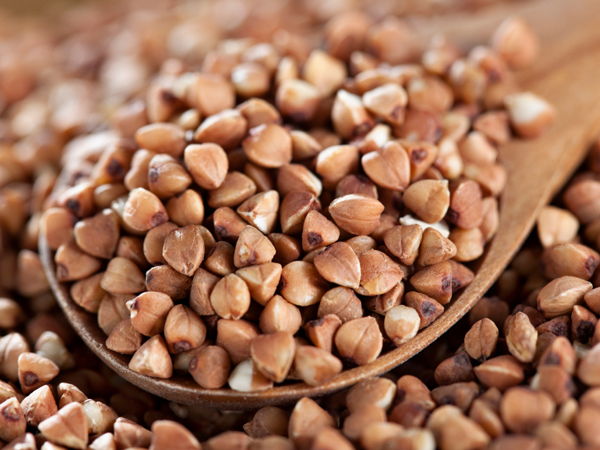
  • Include Whole Grains in the form of chapati, upma, dosa, idli, porridge, khichdi, etc.
  • Include sprouted or boiled whole pulses.
  • Seasonal vegetables and Fruits.
  • Reduce sugar intake as it stimulates de novo lipogenesis and finally development of nonalcoholic fatty liver disease (NAFLD) & nonalcoholic steatohepatitis (NASH). So, replace packaged drinks with fresh coconut water/lime water; biscuits with nuts/roasted chana; reduce tea quantity to half cup every time you drink and no sauce/jam /salad dressing .
  • Soluble fiber Supplementation 

2. Fats
Increased fat intake has been linked to insulin resistance, impaired postprandial lipid metabolism and the development or progression of NAFLD. So, reduce intake  of ‘Visible fat’, & try to limit oil/fat intake to less than 500 ml/person/month. Choose Extra Virgin/Filtered /kachhi ghani oils (mustard, sesame, groundnut, Olive oil, Canola oil etc.) in place of refined oils to have anti-inflammatory and insulin sensitizing effects.

  • Complete No for Trans fatty acids and saturated fats . So, no fried or gravy foods/eating out /packaged food.
  • Choose healthy Invisible Fats rich in Omega 3 fatty acids such as nuts, avacado, flaxseeds, chia seeds, sabja seeds, etc.

3. Protein Source
A fair increase in protein intake combined with a low-GI diet, is associated with improved weight-loss maintenance due to its satiating effect and increased thermogenic effect of protein metabolism. So, include options like nuts, low-fat dairy, beans, whole pulses, fish, and poultry, sprouts/roasted chana/nuts/ Sattu drink, nuts smoothie (without sugar), etc. Cut meat intake to once a week. Prefer white/lean meats such as fish/poultry. And completely avoid Red meats as they are high in cholesterol & saturated fats because many studies have associated it with increased risk of liver related diseases and cancer, whereas white meat has been associated with reduced risk.

4. Herbs and supplements
Certain herbs and supplements have shown to play a key role in glucose and fat metabolism, insulin signalling, and energy balance, thereby helping in reversing the fatty liver condition. This may include Apple Cider Vinegar, Fenugreek Seeds, Flaxseed, Nigella Seeds, Milk Thistle, Coffee, Quercetin, Resveratrol etc. 

Having discussed the dietary changes, this journey is incomplete without the inclusion of at least 30 mins of physical Activity, 4-5 days a week, management of  Sleep and Stress issues. Do consult your dietitian/nutritionist to help fine-tune your diet so you are not aggravating your condition.

We hope this article helps you reverse NAFLD. Do leave your thoughts in the comments below. For more information to help you reverse NAFLD, check out Healthy Reads or speak to a certified expert by subscribing to GOQii’s Personalised Health Coaching here. 

#BeTheForce 

  • « Previous Page
  • 1
  • …
  • 13
  • 14
  • 15
  • 16
  • 17
  • …
  • 43
  • Next Page »

Search

Recent Posts

  • Best Foods To Alleviate Irritable Bowel Syndrome
  • ALL ABOUT VERTIGO!
  • PCOS and Anxiety: Discover Relief with the 54321 Technique
  • Navigating the Maze of Nutrition: Finding Clarity Amidst Confusion
  • Get children active and keep them healthy

Stay Updated

Archives

  • December 2025 (6)
  • November 2025 (15)
  • October 2025 (20)
  • September 2025 (6)
  • August 2025 (6)
  • July 2025 (12)
  • June 2025 (18)
  • May 2025 (16)
  • April 2025 (23)
  • March 2025 (23)
  • February 2025 (22)
  • January 2025 (26)
  • December 2024 (26)
  • November 2024 (25)
  • October 2024 (22)
  • September 2024 (24)
  • August 2024 (31)
  • July 2024 (21)
  • June 2024 (26)
  • May 2024 (31)
  • April 2024 (27)
  • March 2024 (29)
  • February 2024 (26)
  • January 2024 (25)
  • December 2023 (15)
  • November 2023 (11)
  • October 2023 (22)
  • September 2023 (22)
  • August 2023 (20)
  • July 2023 (22)
  • June 2023 (24)
  • May 2023 (24)
  • April 2023 (24)
  • March 2023 (23)
  • February 2023 (20)
  • January 2023 (16)
  • December 2022 (12)
  • November 2022 (15)
  • October 2022 (15)
  • September 2022 (12)
  • August 2022 (10)
  • July 2022 (17)
  • June 2022 (11)
  • May 2022 (10)
  • April 2022 (6)
  • March 2022 (6)
  • February 2022 (13)
  • January 2022 (12)
  • December 2021 (7)
  • November 2021 (3)
  • October 2021 (6)
  • September 2021 (3)
  • August 2021 (8)
  • July 2021 (7)
  • June 2021 (15)
  • May 2021 (16)
  • April 2021 (10)
  • March 2021 (7)
  • February 2021 (4)
  • January 2021 (4)
  • December 2020 (3)
  • November 2020 (4)
  • October 2020 (10)
  • September 2020 (3)
  • August 2020 (3)
  • July 2020 (2)
  • June 2020 (4)
  • May 2020 (10)
  • April 2020 (12)
  • March 2020 (10)
  • February 2020 (4)
  • January 2020 (4)
  • December 2019 (3)
  • November 2019 (7)
  • October 2019 (5)
  • September 2019 (4)
  • August 2019 (9)
  • July 2019 (9)
  • June 2019 (11)
  • May 2019 (4)
  • April 2019 (9)
  • March 2019 (8)
  • February 2019 (9)
  • January 2019 (8)
  • December 2018 (9)
  • November 2018 (3)
  • October 2018 (3)
  • September 2018 (5)
  • August 2018 (10)
  • July 2018 (6)
  • June 2018 (13)
  • May 2018 (8)
  • April 2018 (18)
  • March 2018 (9)
  • February 2018 (8)
  • January 2018 (15)
  • December 2017 (12)
  • November 2017 (19)
  • October 2017 (13)
  • September 2017 (15)
  • August 2017 (4)
  • July 2017 (8)
  • June 2017 (7)
  • May 2017 (6)
  • April 2017 (8)
  • March 2017 (6)
  • February 2017 (7)
  • January 2017 (9)
  • December 2016 (10)
  • November 2016 (7)
  • October 2016 (7)
  • September 2016 (7)
  • August 2016 (11)
  • July 2016 (9)
  • June 2016 (9)
  • May 2016 (12)
  • April 2016 (17)
  • March 2016 (17)
  • February 2016 (8)
  • January 2016 (6)
  • December 2015 (2)
  • November 2015 (9)
  • October 2015 (7)
  • September 2015 (9)
  • August 2015 (11)
  • July 2015 (9)
  • June 2015 (12)
  • May 2015 (9)
  • April 2015 (13)
  • March 2015 (8)
  • February 2015 (5)
  • January 2015 (12)
  • December 2014 (14)
  • November 2014 (11)
  • October 2014 (6)
  • September 2014 (13)
  • August 2014 (12)
  • July 2014 (6)
  • June 2014 (2)
  • May 2014 (7)
  • April 2014 (5)

From “Laddu Nawin” to Fit and Fierce: How a 25-Year-Old Insurance Advisor Shed 20 Kilos and Gained His Life Back

When 25-year-old Nawin Yadav from Hyderabad walked into his office every morning, he carried more than just his files and policy papers. He had the weight of fatigue, sluggish energy, and an ever-growing belly that was becoming the butt of jokes. “People … [Read More...]

“I’ve Challenged Myself to Live 100 Years” – The Story of Chandubhai Savani’s Second Chance at Life

At 67, most people start slowing down. Not Chandubhai Savani. A resident of Surat, Chandubhai, thought life was on track. “My life was going well till I had my bypass surgery,” he says. That surgery, back in 2021, was a wake-up call.  Medication was routine, but exercise wasn’t. His diet? What he calls ‘normal.’ “I […]

From Shimla’s Slopes to Chandigarh’s Sidewalks: Surinder Kaur Bhalla’s Journey from Chaos to Control

Some journeys start with a plan. Others begin with a stumble literally. Surinder Bhalla, a government professional, born and raised in the scenic hill town of Shimla, had always lived a life of movement. “In Shimla, you walked everywhere,” she reflects. “Walking was never an exercise. It was just life.” But after shifting to Chandigarh, […]

Ananda Mukherjee Health Story

From Terminal Illness To Complete Wellness! Ananda Mukherjee Health Story

As we observe World Cancer Day under the powerful theme ‘United by Unique’ (2025-2027)**, we are reminded that every individual’s journey with cancer is distinct, yet united by shared resilience, hope, and the collective fight against this disease. This theme places people at the centre of care and their stories at the heart of the […]

  • HOME
  • HEALTHY LIVING
  • FITNESS
  • HEALTHY RECIPES
  • USER STORIES
  • KARMA
  • BUY GOQii

Copyright ©2016 GOQii