GOQii

Blog

  • HOME
  • HEALTHY LIVING
  • FITNESS
  • HEALTHY RECIPES
  • USER STORIES
  • KARMA
  • BUY GOQii

Search Results for: food

December 10, 2025 By Neha Goyal Leave a Comment

Best Foods To Alleviate Irritable Bowel Syndrome

irritable bowel syndromeIrritable Bowel Syndrome (IBS) is a common gastrointestinal disorder making mealtimes a challenge for many people. With such a condition, you may notice that certain foods trigger uncomfortable digestive symptoms like irregular bowel movements, cramping, gas, bloating, diarrhoea or constipation. It’s no surprise that living with IBS can have a significant effect on a person’s quality of life.

While there are foods which help prevent the symptoms of IBS, everyone responds to food differently. One has to be their own food detective by recording their intake and symptoms so as to rule out trigger foods that your gut may not be able to handle easily. 

Foods Which Help Alleviate Irritable Bowel Syndrome 

Here is a list of food you can stock as they are gentle on your system. You can use them to create satisfying, healthy meals and snacks without upsetting your stomach. 

  1. Cooked Vegetables: Vegetables are high in fibre and may worsen symptoms for IBS in some people. But cooked vegetables are safe to eat as cooking makes them easy to digest. Eggplant, carrots, sweet potato, yam, broccoli, bell peppers, potato, zucchini, baby spinach, pumpkin, bottle gourd, green beans and celery in cooked form with some added herbs like basil, coriander, mint, ginger, lemongrass, rosemary, parsley and thyme enhance flavour and are safe to eat for most people.
  2. Fruits with low Fructose: Fructose in fruits can cause discomfort if you have Irritable Bowel Syndrome. So choose low fructose fruits like banana, blueberry, cranberry, kiwi, strawberry, lemon, lime, raspberry, pineapple and papaya. Make sure you don’t eat too many fruits at a time or you may overwhelm your body’s ability to absorb fruit sugars without fermentation.
  3. Gluten-free/Low Gluten Grains: People with IBS can safely tolerate gluten to some extent. Some gluten-free grains can be a great addition to a hassle-free IBS diet.  You can enjoy rice, cooked oatmeal, quinoa, tapioca and millet every day without being worried about IBS flares.
  4. Eggs: can easily be a part of your breakfast, lunch or dinner. However, some people report sensitivity with protein in egg whites or fat in egg yolk, but for most people, they are easy to digest.
  5. Lean Meats: They are easy to digest due to low fat and negligible fibre content. They provide a good amount of protein.
  6. Fish: Being rich in anti-inflammatory omega-3 fatty acids, fish can be a great addition to your diet. Since an inflamed gut may be a reason for your IBS, consuming fish can actually help. Good fish sources are anchovies, sardines, mackerel, black cod, herring, rainbow trout and salmon.
  7. Lactose-free Milk: Most people can handle small amounts of lactose found in dairy unless they have lactose intolerance. But if you have more than your intestines can handle, it may cause bloating and gas. Some lactose-free milk options can be used in such conditions like oat milk, rice milk and soy milk as an alternative to cow’s milk.
  8. Nuts and Seeds: are high in fibre, protein and omega-3 – which are good for overall health and your gut flora. They are especially good for IBS. You can add them to your salads, smoothies or oatmeal. Safer options in limited amounts for IBS are almonds, Brazil nuts, sesame seeds, flaxseeds, pumpkin seeds, sunflower seeds, walnuts, pine nuts, hazelnuts, pecans and macadamia nuts.

Along with carefully choosing food that suits you, a healthy lifestyle with a low fat diet, regular exercise, managing stress and mindful eating often makes a great difference. Before you begin consuming any of the above foods, do consult your doctor, nutritionist or dietitian. 

For more information or tips to alleviate Irritable Bowel Syndrome, speak to a GOQii Coach by subscribing for Personalised Health Coaching here.

#BeTheForce 

Disclaimer: The information provided in this blog is for general awareness and educational purposes only. It is not intended to replace professional medical advice, diagnosis, or treatment. Always consult a qualified healthcare provider for personalised medical guidance or concerns related to your health.

October 23, 2025 By Namrata Gullapalli 3 Comments

5 Foods That Fight Acid Reflux Naturally

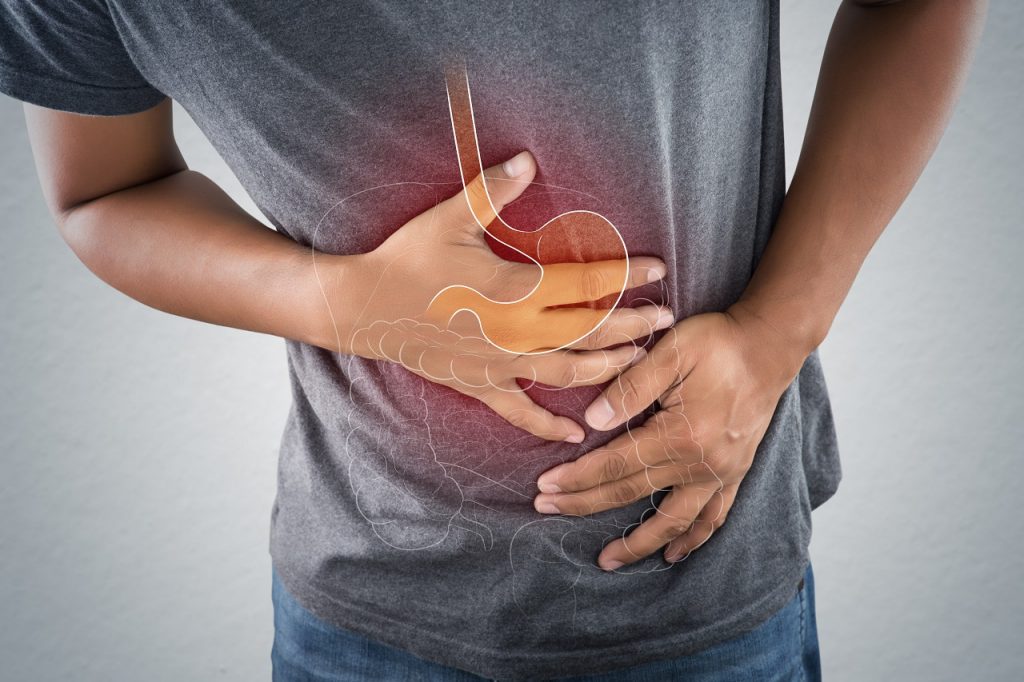
acid refluxI am sure that we are all a little too familiar with the term acidity or more particularly acid reflux. It is a condition that causes a burning sensation in the lower part of our food pipe. Basically, the digestive process in our stomach spills back into our oesophagus due to relaxation of the valve dividing them. As we all know, stomach juices consist of Hydrochloric Acid (HCl) – which is not good for the membranes of our oesophagus – hence, the burning sensation. 

Usually such situations can be brought under control by using a base neutralizer such as baking soda, ENO, etc. But such solutions are not viable because they provide temporary relief along with a strong possibility of a worse acidic rebound. This calls for an alternate solution, a natural one preferably.

How To Fight Acid Reflux Naturally With Food 

  1. Popped Rice: It is very alkaline in nature, easy to digest and moreover absorbs the excess acid from the stomach. It is famous in Maharashtra and is called as “Salichya Lahya” which is the part of Diwali prasad. Just eat a handful of these with ‘Khadi sakhar/Mishri’ (Rock candy) or boil the lahya in water, cool the water, strain and drink. It helps with acidity. This low calorie snack absorbs the residual acid and neutralizes the stomach’s pH. Popped Sorghum (Jowar) is a decent alternative to this. 
  2. Banana: is a fruit that can be found everywhere. It has multiple health benefits and preventative abilities that many people tend to overlook. We just think that they are healthy and consume them. Their high roughage content helps strengthen our digestive system which in turn helps in prevention of indigestion. The soluble fibers present in the banana wash away the food remaining in the digestive tract. Those sticky food morsels serve no purpose except to create unnecessary acid. All this along with the added bonus of nutrients like Potassium, Magnesium, Vitamin C, Antioxidants and Phytonutrients.
  3. Ash Gourd: This food item right here is slightly elusive. It belongs to the family of cucumbers. It’s also known as green pumpkin or white melon. The symptoms of acid reflux syndrome can be alleviated by its active principles such as Terpenes, Flavonoid C, Glycosides, and Sterols. They have antioxidant properties that help in inhibiting gastric mucosal damage. Five teaspoons of boiled ash guard along with jaggery 2 times a day is the best way to get instant relief. You can also make juice, raita or sabji.
  4. Raisins: Despite their tiny size, raisins pack a punch full of nutrition! The fiber in it absorbs excess stomach acid. Raisins also contain minerals such as potassium, magnesium, copper and iron which help in balancing acid levels as these minerals are alkaline or basic on the pH scale. Soak 10-15 raisins in water overnight and consume them as first thing in the morning (along with the water).
  5. Potatoes: Bland starches are a good choice when it comes to foods that are easy on the stomach linings. Potatoes contain easily digestible fiber that can help neutralize stomach acid. Potato is naturally alkaline, rich in potassium salt which helps restrict acidity. Try baked, boiled, or mashed potatoes only and strictly avoid the fried ones.

It’s always best to use the most natural and easily accessible solutions possible. The above foods not only provide relief from acid reflux but also contribute to a healthy lifestyle! Try them now if you’re facing this condition and let us know your thoughts in the comments below! 

For more information on acidity and acid reflux, check out Healthy Reads or ask your GOQii Coach directly by subscribing for Personalised Health Coaching here.

#BeTheForce 

Disclaimer: The information provided in this blog is for general awareness and educational purposes only. It is not intended to replace professional medical advice, diagnosis, or treatment. Always consult a qualified healthcare provider for personalised medical guidance or concerns related to your health. Images shown are for representation purposes only and may not depict the exact recommendations or outcomes.

July 28, 2025 By Navnee Garg 1 Comment

Does Food Cooked In Different Utensils Impact Your Health?

Different UtensilsIf cooking is an art, then the utensils are the canvas. With different cuisines in our country, even the variety of utensils are different – each has its own use. This makes it essential to know how the metals react to different foods. While we’re busy choosing fancy non-stick cookware or microwave friendly utensils, we need to understand that they aren’t safe as they can harm your health in the long run. Back in the day, clay pots, iron, brass and bronze utensils were used for cooking as they not only preserved the nutrients in food but also enhanced the taste.



How Do Different Utensils Impact Your Health? 

  • Stainless Steel: It is the most commonly used iron alloy made up of chromium, nickel, carbon and silicon and has aluminum or copper coating at the bottom for heating purposes. Stainless steel is considered the safest metal to use for cooking as it does not react with food or flake or leach harmful chemicals into the food leading to no adverse effects on the immune system.
  • Aluminum: Our baking utensils are mostly made up of aluminum as the metal is ideal for high temperatures. It also has a larger than life use in our Indian Kitchen, in the form of utensils or a foil wrap.  Food cooked in aluminum utensils tends to absorb aluminum because aluminum dissolves into food and water during the cooking process. Cooking alkaline foods in aluminum is completely safe for our immune system as the amount of aluminum soaked is very less. It is always better to avoid cooking acidic food like tomatoes or sauerkraut in aluminum as it can react quite badly with the metal and may release harmful compounds in your meal, making it dangerous to consume.
  • Cast Iron: A very popular metal for our kitchens. All our kadhai, tavas and skillets are made of Cast Iron. Cooking in iron is an excellent way to add some iron in our diet as it leaches iron into our food. Iron is not only a metal but also an essential mineral required by the body. Imagine cooking an iron rich food in an iron pan, this would help you add value to the daily required Iron for your body.  For example , premenopausal women require 18mg of iron per day and A serving of scrambled eggs cooked in a cast iron skillet increased from 1.49 mg to 4.76 mg of iron. And along with it, we can prepare tomato sauce in an iron pan that can provide 5mg off iron which is 60% of RDA (Recommended Dietary Allowance). In fact, cooking regularly in iron utensils can help you hit the struggle to achieve daily iron RDA.
  • Non-Stick: Mostly called as Teflon coating, this is an easy cookware to use and clean.  But unfortunately, as a Nutritionist, I do not recommend excessive use of these utensils as the chemicals used to manufacture the non-stick coating can harm human health by causing abnormal thyroid hormone levels, liver inflammation, cancer, elevated cholesterol and reduced immune system response. We can use non-stick for a few recipes like pancakes, cheela or dosa which is not a daily staple meal. But, I would not recommend making parathas or subji on a daily basis.
  • Glassware: Considered another Neutral cookware and a good heat conductor to consider for baking your dishes. Although a few unhealthy components such as lead and cadmium leach out in food while cooking but the amount is minimal to harm human health.
  • Ceramic: It is considered to be the safest when it comes to healthy cooking. An environment friendly cookware made using all-natural clay, water and gas. This can be a great replacement for dishes we cook in Teflon non-stick pans and pots as it does not affect the immune system adversely.
  • Copper: An excellent metal to promote health from your kitchen. Copper utensils with tin or nickel coatings can be used for cooking rice due to its antibacterial properties or storing drinking water due to its medicinal properties, the ability to improve the digestive system, slow down ageing and heal wounds faster. Copper can also detoxify the body and increase Hemoglobin. But you need to take care while cooking in copper as acidic foods react with copper and can hinder the taste. 

Every metal has its own pros and cons. The ideal way to cook is to choose the perfect cookware as per the recipe. Try some more ancient methods of cooking in iron, clay/earthen pots as they are not only safe but loaded with various health benefits like retaining/adding nutritive value to the food and helping the immune system. 

If this article helped you, let us know in the comments below! Don’t forget to share this article with your friends and family. You can find more articles on living healthy here or you can get this kind of information directly from a GOQii Coach by subscribing to Personalised Health Coaching here. 

#BeTheForce 

Disclaimer: The information provided in this blog is for general awareness and educational purposes only. It is not intended to replace professional medical advice, diagnosis, or treatment. Always consult a qualified healthcare provider for personalised medical guidance or concerns related to your health. Images shown are for representation purposes only and may not depict the exact recommendations or outcomes.

July 15, 2025 By GOQii Leave a Comment

Silencing the Food Noise: Tackling Cravings While on GLP-1 Therapy

Silencing the Food Noise: Tackling Cravings While on GLP-1 Therapy
Think about this for a second: You’re in the middle of your workday, focused and productive, when out of nowhere, a voice in your head pipes up: “A slice of cake wouldn’t hurt…” Suddenly, you’re battling thoughts of crisps, chocolate, or that tempting takeaway. This constant internal dialogue about food, often referred to as food noise, can be one of the biggest hurdles to healthy eating, even when you’re on effective treatments like GLP-1 receptor agonists.

So, what exactly is food noise? And how do you quieten it, especially if you’re already on medication that’s supposed to help with appetite?

Food noise is the non-stop chatter in your brain about food, whether you’re hungry or not. It’s that mental loop of cravings, planning your next snack, or emotional eating cues that have nothing to do with physical hunger. It can be:

  • A response to stress
  • A product of habit
  • A way to avoid difficult emotions
    Or simply environmental, like the smell of baked goods or a food advert on TV

For many people with obesity or type 2 diabetes, food noise can feel relentless. And it’s not about lack of willpower, it’s rooted in biology, psychology, and learned behaviour.  Weight loss and hormone experts state that food noise appears to be significantly reduced by medications like semaglutide and tirzepatide.

How this is thought to work is that these medications essentially block or reduce the communication between the digestive tract and the brain, thus interfering with “food noise” signals that trigger hunger, cravings, or intrusive thoughts about food.

How GLP-1 Medications Help – But Don’t Silence Everything

GLP-1 receptor agonists such as semaglutide and liraglutide are game-changers. They work by mimicking a hormone that regulates appetite, slows gastric emptying, and helps you feel full sooner and for longer. In many people, this leads to significant weight loss and improved glucose control.

However, while GLP-1 therapy may reduce food noise, it doesn’t eliminate it. Emotional eating patterns, deeply embedded habits, and environmental triggers don’t disappear overnight. This is why managing food noise needs a multi-faceted approach.

Strategies to Deal With Food Noise

Here are evidence-backed strategies that can help quieten the noise and bring more awareness and control to your eating habits:

  1. Name It to Tame It

The moment you notice food thoughts popping up, pause. Ask yourself:

“Is this physical hunger or head hunger?” Recognising the difference gives you power over the impulse. If it’s an emotional or habitual issue, acknowledge it; don’t judge yourself for it.

  1. Mindful Eating Practices

Slow down. Engage all your senses when you eat. When you eat without distractions, no phone, no telly, just you and your plate, you become more in tune with your body’s hunger and fullness signals. Research shows mindful eating can significantly reduce binge-eating behaviours and promote satisfaction with smaller portions.

  1. Don’t Skip Meals

Ironically, skipping meals can make food noises louder later in the day. GLP-1s may reduce appetite, but your body still needs nutrition. Structured, balanced meals prevent dips in energy and minimise rebound cravings.

  1. Strategic Snacking

Instead of resisting snacks altogether, plan smarter ones. High-protein, high-fibre options (think Greek yoghurt, boiled eggs, or nuts) can keep you full longer and curb the urge for sugary quick fixes.

  1. Create a ‘Craving Pause’ Ritual

When cravings hit, delay action by 10 minutes. Take a walk, sip water, write in a journal, or simply breathe. Most cravings peak and fade quickly—this brief pause creates space for you to respond thoughtfully rather than react impulsively.

  1. Environment Matters

Out of sight, out of mind works. Keep trigger foods out of your immediate environment and make nourishing options more accessible. Rearranging your fridge or pantry can be a surprisingly effective first step.

  1. Address Emotional Triggers

Cravings often mask emotions – boredom, sadness, loneliness, even joy. Therapy, journaling, or talking with a trusted friend can help untangle emotional patterns behind eating.

When to Seek Support

If food noise continues to dominate your day, consider speaking to a dietitian, health coach, or behavioural therapist with experience in obesity care. GLP-1s are powerful, but they work best when combined with lifestyle tools, habit change, and compassionate support.

You’re Not Failing – You’re Rewiring

If you’re on GLP-1 therapy and still struggling with food noise, you’re not doing anything wrong. Remember: you’re unlearning years sometimes decades of behaviour. That takes time, patience, and persistence.

Cravings are not a moral failing. They’re a message. And with the right tools, you can listen, learn, and choose differently.

#BeTheForce

Disclaimer: The information provided in this blog is for general awareness and educational purposes only. It is not intended to replace professional medical advice, diagnosis, or treatment. Always consult a qualified healthcare provider for personalised medical guidance or concerns related to your health. Images shown are for representation purposes only and may not depict the exact recommendations or outcomes.

  • 1
  • 2
  • 3
  • …
  • 245
  • Next Page »

Search

Recent Posts

  • Water Intake Pre, During and Post Workout
  • India Leads in Longevity: GOQii Sanjeevini Named Top 40 in $101M XPRIZE
  • The Importance Of Knowing If You’re Thirsty Or Hungry
  • Best Foods To Alleviate Irritable Bowel Syndrome
  • ALL ABOUT VERTIGO!

Stay Updated

Archives

  • December 2025 (9)
  • November 2025 (15)
  • October 2025 (20)
  • September 2025 (6)
  • August 2025 (6)
  • July 2025 (12)
  • June 2025 (18)
  • May 2025 (16)
  • April 2025 (23)
  • March 2025 (23)
  • February 2025 (22)
  • January 2025 (26)
  • December 2024 (26)
  • November 2024 (25)
  • October 2024 (22)
  • September 2024 (24)
  • August 2024 (31)
  • July 2024 (21)
  • June 2024 (26)
  • May 2024 (31)
  • April 2024 (27)
  • March 2024 (29)
  • February 2024 (26)
  • January 2024 (25)
  • December 2023 (15)
  • November 2023 (11)
  • October 2023 (20)
  • September 2023 (22)
  • August 2023 (20)
  • July 2023 (22)
  • June 2023 (24)
  • May 2023 (24)
  • April 2023 (24)
  • March 2023 (23)
  • February 2023 (20)
  • January 2023 (16)
  • December 2022 (12)
  • November 2022 (15)
  • October 2022 (15)
  • September 2022 (12)
  • August 2022 (10)
  • July 2022 (17)
  • June 2022 (11)
  • May 2022 (10)
  • April 2022 (6)
  • March 2022 (6)
  • February 2022 (13)
  • January 2022 (12)
  • December 2021 (7)
  • November 2021 (3)
  • October 2021 (6)
  • September 2021 (3)
  • August 2021 (8)
  • July 2021 (7)
  • June 2021 (15)
  • May 2021 (16)
  • April 2021 (10)
  • March 2021 (7)
  • February 2021 (4)
  • January 2021 (4)
  • December 2020 (3)
  • November 2020 (4)
  • October 2020 (10)
  • September 2020 (3)
  • August 2020 (3)
  • July 2020 (2)
  • June 2020 (4)
  • May 2020 (10)
  • April 2020 (12)
  • March 2020 (10)
  • February 2020 (4)
  • January 2020 (4)
  • December 2019 (3)
  • November 2019 (7)
  • October 2019 (5)
  • September 2019 (4)
  • August 2019 (9)
  • July 2019 (9)
  • June 2019 (11)
  • May 2019 (4)
  • April 2019 (9)
  • March 2019 (8)
  • February 2019 (9)
  • January 2019 (8)
  • December 2018 (9)
  • November 2018 (3)
  • October 2018 (3)
  • September 2018 (5)
  • August 2018 (10)
  • July 2018 (6)
  • June 2018 (13)
  • May 2018 (8)
  • April 2018 (18)
  • March 2018 (9)
  • February 2018 (8)
  • January 2018 (15)
  • December 2017 (12)
  • November 2017 (19)
  • October 2017 (13)
  • September 2017 (15)
  • August 2017 (4)
  • July 2017 (8)
  • June 2017 (7)
  • May 2017 (6)
  • April 2017 (8)
  • March 2017 (6)
  • February 2017 (7)
  • January 2017 (9)
  • December 2016 (10)
  • November 2016 (7)
  • October 2016 (7)
  • September 2016 (7)
  • August 2016 (11)
  • July 2016 (9)
  • June 2016 (9)
  • May 2016 (12)
  • April 2016 (17)
  • March 2016 (17)
  • February 2016 (8)
  • January 2016 (6)
  • December 2015 (2)
  • November 2015 (9)
  • October 2015 (7)
  • September 2015 (9)
  • August 2015 (11)
  • July 2015 (9)
  • June 2015 (12)
  • May 2015 (9)
  • April 2015 (13)
  • March 2015 (8)
  • February 2015 (5)
  • January 2015 (12)
  • December 2014 (14)
  • November 2014 (11)
  • October 2014 (6)
  • September 2014 (13)
  • August 2014 (12)
  • July 2014 (6)
  • June 2014 (2)
  • May 2014 (7)
  • April 2014 (5)

From “Laddu Nawin” to Fit and Fierce: How a 25-Year-Old Insurance Advisor Shed 20 Kilos and Gained His Life Back

When 25-year-old Nawin Yadav from Hyderabad walked into his office every morning, he carried more than just his files and policy papers. He had the weight of fatigue, sluggish energy, and an ever-growing belly that was becoming the butt of jokes. “People … [Read More...]

“I’ve Challenged Myself to Live 100 Years” – The Story of Chandubhai Savani’s Second Chance at Life

At 67, most people start slowing down. Not Chandubhai Savani. A resident of Surat, Chandubhai, thought life was on track. “My life was going well till I had my bypass surgery,” he says. That surgery, back in 2021, was a wake-up call.  Medication was routine, but exercise wasn’t. His diet? What he calls ‘normal.’ “I […]

From Shimla’s Slopes to Chandigarh’s Sidewalks: Surinder Kaur Bhalla’s Journey from Chaos to Control

Some journeys start with a plan. Others begin with a stumble literally. Surinder Bhalla, a government professional, born and raised in the scenic hill town of Shimla, had always lived a life of movement. “In Shimla, you walked everywhere,” she reflects. “Walking was never an exercise. It was just life.” But after shifting to Chandigarh, […]

Ananda Mukherjee Health Story

From Terminal Illness To Complete Wellness! Ananda Mukherjee Health Story

As we observe World Cancer Day under the powerful theme ‘United by Unique’ (2025-2027)**, we are reminded that every individual’s journey with cancer is distinct, yet united by shared resilience, hope, and the collective fight against this disease. This theme places people at the centre of care and their stories at the heart of the […]

  • HOME
  • HEALTHY LIVING
  • FITNESS
  • HEALTHY RECIPES
  • USER STORIES
  • KARMA
  • BUY GOQii

Copyright ©2016 GOQii

