GOQii

Blog

  • HOME
  • HEALTHY LIVING
  • FITNESS
  • HEALTHY RECIPES
  • USER STORIES
  • KARMA
  • BUY GOQii

Search Results for: doctor

October 23, 2018 By Trishala Chopra Leave a Comment

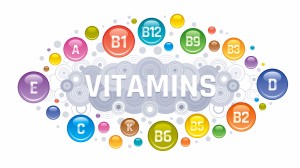
Do you really need a multivitamin?                  


Multivitamins

The topmost questions on the mind of all my patients are “I am getting so tired these days, doctor do you think that I should take a multivitamin?” and “I am taking these multivitamins which I got from the US, do you think it’s good enough for me to have?”

These are just 2 such questions but trust me, I get loads of such questions on Multivitamins. Based on these questions, I decided I should talk about it in my blog and present the facts on the matter.

Let us first understand

What is multivitamin?

If I just try to understand the word in literal terms, a multivitamin is a supplement that contains more than one vitamin. But is it just vitamins? Certainly not. Multivitamin is a supplement that contains many vitamins and essential minerals which helps you fight against different nutritional deficiencies and their symptoms.

Who actually needs a multivitamin?

  1. You need a multivitamin if you are not able to get adequate nutrition from your diet.
  2. You need a multivitamin if you are severely deficient in different nutrients as detected in your blood reports
  3. You need a multivitamin if you are looking for micronutrients for specific symptoms.

Apart from this, there are other population groups as well which might need a multivitamin in addition to a variety of foods in their diet.

  1. Pregnant women
  • During pregnancy, consumption of multivitamins reduces the risk of birth defects in the foetus.
  • There are different kinds of research which are done taking multivitamins into consideration but since multivitamins consist of various vitamins and minerals, we don’t exactly know which nutrient is giving the maximum benefits.
  • Folic acid perhaps is the most important micronutrient but doctors anyways give it in a completely separate form so talk to your healthcare professional before starting on any multivitamin.
  1. Senior citizens
  • People over the age of 65 are generally low on B- vitamins, vitamin D, iron and magnesium.
  • Supplementing senior citizens with a multivitamin can definitely help in reducing their nutritional deficiencies to a great extent.
  1. People who are on different food restrictions
  • People who are on a gluten-free diet are usually low on calcium, iron, magnesium, zinc, folate, vitamin B12 and vitamin D.
  • Vegan people are usually low in calcium, iron, zinc and vitamin B12.
  • People who are on low carb diet are usually low in calcium, copper, magnesium, potassium and vitamin E

Multivitamin in these cases will help in overcoming these nutritional deficiencies.

  1. People who have undergone bariatric surgery
  • During bariatric surgery, size of the stomach is reduced which reduces nutrient absorption which can further lead to nutritional deficiencies.
  • Even after taking a multivitamin, nutrient absorption is not very high but this will be much better than not taking a supplement and remain extremely nutritionally deficient

The above is related specifically for people with some health issues. Let us now look at the general population! Does the general population need a multivitamin and what can be the possible benefits?

  1. Multivitamins can help in increasing the quality of life
  2. Multivitamins can help in reducing mood swings
  3. Multivitamins can help in reducing complications related to eyes

These are some points which researches have come up with however nothing is claimed so far.

Normally what I have seen is that when people are taking multivitamin they are okay to substitute it for a balanced diet but a multivitamin is a SUPPLEMENT and not a SUBSTITUTE.

Let’s understand about how to select a multivitamin for you.

Your healthcare professional can suggest you one but, you should always know how to pick up one for yourself!

Consider the following points when you buy a multivitamin

  1. Choose a multivitamin that contains close to your recommended dietary allowance (RDA) of vitamins and minerals. Sometimes a particular multivitamin crosses much more than your RDA per day.

For example:

  • Excess of potassium at one go on an empty stomach can lead to elevated potassium levels in the body which can affect your heart rhythm that is why your potassium in a multivitamin should always be limited to 99 mg.
  • Magnesium in your multivitamin should be limited to 350 mg because higher doses of magnesium in the body can lead to diarrhoea and other stomach issues.
  • Excess of calcium in your multivitamin might increase the risk of kidney stones, and too much total calcium can result in hypercalcemia in the body.

B. If a multivitamin supplement is only having vitamins and minerals then its fine to pick it up but usually this doesn’t happen. A single multivitamin is full of special ingredients which can put a body into negative balance hence avoid taking multivitamins which has too many extra ingredients.

C. I have seen my patients doing this a lot that they get confused between the pill and serving.

For example: A multivitamin pack might mention that it contains 300 mg of vitamin C per serving. When it is said so, please understand that a serving does not necessarily mean that 1 pill equals 1 serving. Serving completely depends upon how the company is depicting it. It could mean a whole pack is 300 mg.

D. I have seen this quite often that many people are usually only deficient in one or 2 nutrients in such cases taking a multivitamin is not a very good option. Pick up those nutritional supplements only which are on the lower side.

Hence, it is always good to take Vitamins after you speak to your doctor. Do not indulge in self- medication.

You might need a multivitamin but, it is not necessary that everyone might need it.


September 20, 2018 By Navnee Garg 1 Comment

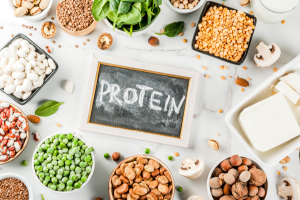
5 signs you’re not getting enough Protein

shutterstock_1008838624 (1)

The food market is constantly advertising about adding protein to all edibles, and this might mislead you into thinking that you are consuming an abundance of this key micronutrient in your diet. This might not be the actual scenario and a lack of protein may be ruining your health and your effort in the gym.

While protein requirement varies for every individual depending upon body weight and activity levels, there is no doubt that an adequate amount of protein keeps the body lean and preserves muscles strength as we age. If you are unsure about the amount of protein you are getting and wondering if it’s enough to fuel your fitness goals, here are a few ways to know.

  1. Your hair starts Thinning

shutterstock_615099917


Hair thinning is a major concern these days and it haunts both genders equally.

But why? And how is protein linked to it? So, here is the answer. If you don’t nourish your body with adequate protein, then it looks for “non-essential” body parts like hair to pull protein from. The body needs nutrients for the basic functioning. Once your hair is deprived of the nutrient it needs, it starts thinning and even falling out. Next time when you observe hair fall or thinning, consume a high protein diet.

      2.Constant Injuries

shutterstock_275149502


Injuries, as we all know, are barriers we have to overcome amidst our fitness journey.  But why do people get injured so frequently? Let’s solve the query. Apart from muscle loss, a lack of protein in diet precipitates several perils such as loss of bone mass and osteoporosis. The body tends to face difficulty in absorbing calcium which most likely will make you prone to injuries. This is the reason why we lack stamina during high-intensity workouts. So, if you are constantly injured, you may need to increase your protein intake. Some rich sources of protein are Seafood, white meat, eggs and green vegetables. Hog on them to keep the doctor away.

       3. Workout Doesn’t Entail Results

shutterstock_144928561

It takes a lot of dedication and effort to wake up each morning and workout. Still, the scale in the weighing machine is not changing? So, here’s the answer to “But why?” Protein is crucial for building new muscle mass and also important in sustainable energy and motivation. It adds up the strength to recover the muscles post workout. A low protein diet may make you suffer muscle atrophy which is a condition when your body starts cannibalizing the tissue for fuel. If you don’t serve your muscle composition with adequate protein, no matter how much you work out, the results will always be below your expectation. Therefore, always consume a protein-rich pre/post workout meal for faster and better results.

       4. Unexpected Anxiety and Food Cravings

collage

Do you often lash out at your co-worker or others around you? This is not always stressing. Let’s dig deeper. Serotonin is a hormone that regulates calmness, and protein plays a vital role in helping the brain synthesize serotonin. Also, if you don’t consume enough protein, your body causes spikes and crashes of insulin, resulting in a craving for carb-rich snacks. Your body’s demand for biscuits and other oily snacks is not because of taste but because of lack of protein. Serotonin also helps in regulating the spike of insulin in your blood, so a lack of serotonin will result in imbalanced amounts of insulin in the blood. So, if you are unable to tame your temper or are craving for greasy and unhealthy snacks, it could be a sign of protein deficiency. When you feel anxious next time, you know what you need.


September 15, 2018 By Neha Morche Leave a Comment

The Biological clock- Is it ticking?

18wzhzqjnqvpyjpg

You must have heard many say ‘biological clock is ticking’. Did you ever know what is the phenomenon behind biological clock is? Biological clock is nothing but an internal mechanism which controls the rhythm of the activities and rest within 24 hours.

Why do we sleep, eat, and wake up, clear bowels at the same time daily? We call it a routine. Basically, it is a Biological clock that has been set to our body over the years. That’s how our body reacts or starts giving us signal at a specific time. A “master clock” in the brain coordinates all the body clocks so that they are in synch. It is nothing but a group of   nerve cells in the brain located in the hypothalamus.

Two internal systems interact to regulate when we sleep and when we are awake. These systems monitor our need for sleep based on how long we have been awake that’s how it counterbalances with each other. However, because they operate independently, they can become misaligned by external factors as light and temperature, suggesting that they are somehow caused by the external changes. Disruption to daily rhythms usually has a negative effect in the short term.

Studies have also shown that light has a direct effect on human health because of the way it influences the circadian rhythms. Research has been finding that the body’s clock is responsible for more than just sleep and wakefulness. Other systems, like hunger, mental alertness, and mood, stress, heart function, and immunity also operate on a daily rhythm.

Why the biological clock becomes disrupted in certain people, or naturally with age, is not completely clear. There are many reasons for our body clocks to go out of sync, which probably involves a combination of genetic predisposition and lifestyle choices, such as alcohol consumption.

Environmental disruptions to the body’s clock

Jet Lag

‘Living out of your suitcase’ is a phrase we often use for people who travel a lot.  Constant travelling outside of the country is a prime example of how we can disrupt our own body clock. When jet lag sets in, we feel disoriented, foggy, and sleepy at the wrong times of the day because, after changing time zones, our body clock tells us it’s one time and the outside environment tells us it’s another. In fact, jet lag can be considered one type of circadian rhythm disorder. It can be treated simply by allowing the body to adjust to the new time, although it may take several days for external cues (light) to help the internal clock catch up or fall back with its new cycle.

Working in Shifts

Working in shifts is another example of how we can get ourselves off-routine, and this too can develop into a circadian rhythm disorder over the long term. People who work the night shift not only have a hard time with their sleep patterns (feeling sleepy at work or experiencing insomnia during the day), but other systems in their bodies can also feel the effects and they can be chronic. It’s not clear exactly why this connection exists, but weight gain or metabolic changes may be involved.

Biological and genetic disruptions and their implications on health

The Rhythm of the Heart

The heart is one organ that, although it can keep time by itself to some degree, it relies a lot on the brain’s biological clock for cues. For years doctors and researchers have noticed that heart problems like fatal arrhythmias are more likely to occur at certain times of the day. It can occur wither in the early morning and to a lesser degree or in the evening hours. Taking blood pressure medication in the evening seems to improve its effectiveness because it works with the body’s circadian rhythms.

Immunity and Vaccinations

Most of us have experienced being more susceptible to getting sick when sleep-deprived. The reason for this appears to be that certain chemicals responsible for immune function, like cytokines, wax and wane throughout the day and sleep deprivation deprives us of their best effects. Body rhythms don’t just enhance vaccine’s ability to provide immunity; they can affect the body’s ability to battle infection on its own.

Rhythm and Moods

Our internal clocks controls whether we feel up or down emotionally. People with mood disorders like depression, bipolar disorder, and seasonal affective disorder (SAD) have altered circadian rhythms. In fact, sleep disturbances, both sleeping too much and too little, are one of the key symptoms of depression and other mood disorders.

The relationship between body rhythms and mood is an intricate one, and it has to do with how the brain chemical serotonin fluctuates in relation to the light-dark cycle and throughout the year as the days become longer and shorter.

The circadian rhythm-mental health connection has also been linked to disease states like Alzheimer’s, Parkinson’s, and Huntington’s, and even autism spectrum disorder. Researchers are finding that disrupted daily rhythms can be good predictors for the development of mild cognitive impairment that comes with age, and even for dementia.

Keeping Time

Paying attention to the body’s natural rhythms is probably more important to our health than we realize. It’s not just sleep deprivation that affects our well-being, but it’s also the alteration of our biological rhythms that can interfere with so many body functions, making us more prone to health problems like infection, mood problems, and even heart disease. But keeping your schedule on track as much as possible is probably the best advice.

Avoid disruptions to your eat-sleep cycles. Practice good sleep hygiene, and stick to a sleep schedule that works well for your body to keep the system in its natural rhythm. Turning in a little earlier, cutting back on caffeine late in the day, and saving that last bit of work for the morning rather than staying late up to finish it, can make a big difference in how your internal clock functions and in how you feel.

Our clocks influence alertness, hunger, metabolism, fertility, mood and other physiological conditions. For this reason, clock dysfunction is associated with various disorders, including insomnia, diabetes and depression. There’s only so much we can do until our body and its clock are in equilibrium again.

So, watch your clock and maintain the rhythm!!


June 19, 2018 By Trupti Hingad 5 Comments

Steam or Sauna- which is better for health

steamsauna

After a long tiring day or a hectic week, we all deserve to relax and rejuvenate ourselves and get pampered. There is no better way to do this than by visiting a health spa/gym with a steam room and sauna? Isn’t it?

Did you know that there are health benefits to using a sauna or steam room?

But, in the Sauna vs Steam room debate—which treatment wins?

Steam bath also called as Turkish style bath provides moist heat. The temperature in a steam room may range from 100 to 120 degrees Fahrenheit, but it may feel warmer because of the high humidity.

The gentle warming of the muscles through steam treatment is increasingly found to improve your health and feeling of well-being. The steam room helps to open up airways which improve your breathing and alleviates congestion. The wet heat from the steam room thins and opens the mucous membranes in the body, which helps to relieve pressure. This helps in releasing congestion and sinus relief

For people with bronchitis and asthma, sitting in the steam room might not suit you. This could vary from person to person. If you are stressed and anxious about sitting in a steam room, you can opt for taking steam inhalation (using a bowl). The moist heat will loosen the sputum and clear the airways.

The steam room also increases metabolism and can help in weight loss. The steam room causes you to sweat, which means that your body is losing excess resulting in shedding some pounds. The sweat also helps to remove toxins and cleanses the body.

Being in the steam room can also decrease your body’s production of cortisol— the stress hormone. In fact, the simple act of sitting quietly for ten minutes provides that benefit. When the cortisol level drops, you can feel more in control, relaxed, and rejuvenated.

The pain you feel after working out is called delayed onset muscles soreness (DOMS). Moist heat works best for muscle recovery. So it’s best to take a steam bath after a good intense workout at the gym. A steam room can also be used before a workout, as it helps to loosen up the joints and increase flexibility.

Steam bath helps to boost immune system. Exposing your body to warm water stimulates leukocytes, which are cells that fight infection. Steam bath also helps to clear out any impurities from the skin which is especially good for those who have acne.

Now let’s understand what is Sauna?

The sauna uses dry heat method. In a sauna, the temperature range is about 170° to 190°F. The dry heat from a sauna soothes your nerve endings and warms and relaxes muscles, in turn relieving the tension from your body and minimizing joint pain. This is especially beneficial for those who suffer from illnesses such as arthritis, painful migraines and headaches, saunas can be used as a means of calming the body and relieving it of stress.

The heat from the sauna helps the body release endorphins, a feel-good chemical that reduces the effects of stress on the body which can relax you enough to sleep better. Sauna is better for muscle relaxation and lowering blood pressure. Sauna opens up your pores and increases blood and lymphatic circulation, which will effectively aid in softening your skin.

Sauna improves blood flow to our skin, which helps in the growth of new skin and also removes all the dead cells that were building up previously. Thus, Sauna helps you look younger. A sauna will help to eradicate blackheads to give you clearer skin.

Sauna helps in improving endurance during sports. Our body has a certain level for heat tolerance. Regular use of saunas increases the heat tolerance threshold. This leads to significant improvements in endurance, feel less fatigued and maintain energy levels during sports.

A sauna can make your hair look great. We have a special gland called the sebaceous gland on our scalp, which releases compounds that help condition and moisturize our hair. Spending some time in the sauna activates this gland, which will then release these useful compounds, thereby helping to make hair look great

So, the debate continues. Each has its own benefits.

To decide which one is better for you, you might want to ask yourself, which steam room or sauna is closest to me? Do I prefer dry heat or moist heat? Which facility am I likely to use on a regular basis?

Before you hit steam or sauna room…do consider the below precautions.

Precautions: Do make sure that you don’t stay in there too long—spending too much time in a sauna can lead to excessive thirst and too much time in a steam room can cause dizziness or even a rapid heartbeat.

It is advisable not to spend longer than 15-20 minutes inside. It is important to drink plenty of water prior, as well.

It is advisable to wear a towel and flip-flops or shower shoes when inside a steam room.

So, Get yourself relaxed, rejuvenated on this weekend in a different style.

NOTE: If you are pregnant, immune-compromised, or recovering from surgery, avoid the steam room and sauna until you get the green signal from your doctor.


  • « Previous Page
  • 1
  • …
  • 64
  • 65
  • 66
  • 67
  • 68
  • …
  • 85
  • Next Page »

Search

Recent Posts

  • ALL ABOUT VERTIGO!
  • PCOS and Anxiety: Discover Relief with the 54321 Technique
  • Navigating the Maze of Nutrition: Finding Clarity Amidst Confusion
  • Get children active and keep them healthy
  • What Gestational Diabetes Can Do To You & Your Unborn Child

Stay Updated

Archives

  • December 2025 (5)
  • November 2025 (15)
  • October 2025 (20)
  • September 2025 (6)
  • August 2025 (6)
  • July 2025 (12)
  • June 2025 (18)
  • May 2025 (16)
  • April 2025 (23)
  • March 2025 (23)
  • February 2025 (22)
  • January 2025 (26)
  • December 2024 (26)
  • November 2024 (25)
  • October 2024 (22)
  • September 2024 (24)
  • August 2024 (31)
  • July 2024 (21)
  • June 2024 (26)
  • May 2024 (31)
  • April 2024 (27)
  • March 2024 (29)
  • February 2024 (26)
  • January 2024 (25)
  • December 2023 (15)
  • November 2023 (11)
  • October 2023 (22)
  • September 2023 (22)
  • August 2023 (20)
  • July 2023 (22)
  • June 2023 (24)
  • May 2023 (24)
  • April 2023 (24)
  • March 2023 (23)
  • February 2023 (20)
  • January 2023 (16)
  • December 2022 (12)
  • November 2022 (15)
  • October 2022 (15)
  • September 2022 (12)
  • August 2022 (10)
  • July 2022 (17)
  • June 2022 (11)
  • May 2022 (10)
  • April 2022 (6)
  • March 2022 (6)
  • February 2022 (13)
  • January 2022 (12)
  • December 2021 (7)
  • November 2021 (3)
  • October 2021 (6)
  • September 2021 (3)
  • August 2021 (8)
  • July 2021 (7)
  • June 2021 (15)
  • May 2021 (16)
  • April 2021 (10)
  • March 2021 (7)
  • February 2021 (4)
  • January 2021 (4)
  • December 2020 (3)
  • November 2020 (4)
  • October 2020 (10)
  • September 2020 (3)
  • August 2020 (3)
  • July 2020 (2)
  • June 2020 (4)
  • May 2020 (10)
  • April 2020 (12)
  • March 2020 (10)
  • February 2020 (4)
  • January 2020 (4)
  • December 2019 (3)
  • November 2019 (7)
  • October 2019 (5)
  • September 2019 (4)
  • August 2019 (9)
  • July 2019 (9)
  • June 2019 (11)
  • May 2019 (4)
  • April 2019 (9)
  • March 2019 (8)
  • February 2019 (9)
  • January 2019 (8)
  • December 2018 (9)
  • November 2018 (3)
  • October 2018 (3)
  • September 2018 (5)
  • August 2018 (10)
  • July 2018 (6)
  • June 2018 (13)
  • May 2018 (8)
  • April 2018 (18)
  • March 2018 (9)
  • February 2018 (8)
  • January 2018 (15)
  • December 2017 (12)
  • November 2017 (19)
  • October 2017 (13)
  • September 2017 (15)
  • August 2017 (4)
  • July 2017 (8)
  • June 2017 (7)
  • May 2017 (6)
  • April 2017 (8)
  • March 2017 (6)
  • February 2017 (7)
  • January 2017 (9)
  • December 2016 (10)
  • November 2016 (7)
  • October 2016 (7)
  • September 2016 (7)
  • August 2016 (11)
  • July 2016 (9)
  • June 2016 (9)
  • May 2016 (12)
  • April 2016 (17)
  • March 2016 (17)
  • February 2016 (8)
  • January 2016 (6)
  • December 2015 (2)
  • November 2015 (9)
  • October 2015 (7)
  • September 2015 (9)
  • August 2015 (11)
  • July 2015 (9)
  • June 2015 (12)
  • May 2015 (9)
  • April 2015 (13)
  • March 2015 (8)
  • February 2015 (5)
  • January 2015 (12)
  • December 2014 (14)
  • November 2014 (11)
  • October 2014 (6)
  • September 2014 (13)
  • August 2014 (12)
  • July 2014 (6)
  • June 2014 (2)
  • May 2014 (7)
  • April 2014 (5)

From “Laddu Nawin” to Fit and Fierce: How a 25-Year-Old Insurance Advisor Shed 20 Kilos and Gained His Life Back

When 25-year-old Nawin Yadav from Hyderabad walked into his office every morning, he carried more than just his files and policy papers. He had the weight of fatigue, sluggish energy, and an ever-growing belly that was becoming the butt of jokes. “People … [Read More...]

“I’ve Challenged Myself to Live 100 Years” – The Story of Chandubhai Savani’s Second Chance at Life

At 67, most people start slowing down. Not Chandubhai Savani. A resident of Surat, Chandubhai, thought life was on track. “My life was going well till I had my bypass surgery,” he says. That surgery, back in 2021, was a wake-up call.  Medication was routine, but exercise wasn’t. His diet? What he calls ‘normal.’ “I […]

From Shimla’s Slopes to Chandigarh’s Sidewalks: Surinder Kaur Bhalla’s Journey from Chaos to Control

Some journeys start with a plan. Others begin with a stumble literally. Surinder Bhalla, a government professional, born and raised in the scenic hill town of Shimla, had always lived a life of movement. “In Shimla, you walked everywhere,” she reflects. “Walking was never an exercise. It was just life.” But after shifting to Chandigarh, […]

Ananda Mukherjee Health Story

From Terminal Illness To Complete Wellness! Ananda Mukherjee Health Story

As we observe World Cancer Day under the powerful theme ‘United by Unique’ (2025-2027)**, we are reminded that every individual’s journey with cancer is distinct, yet united by shared resilience, hope, and the collective fight against this disease. This theme places people at the centre of care and their stories at the heart of the […]

  • HOME
  • HEALTHY LIVING
  • FITNESS
  • HEALTHY RECIPES
  • USER STORIES
  • KARMA
  • BUY GOQii

Copyright ©2016 GOQii