 Antioxidants—also known as “free radical fighters”—have been making waves in the health and wellness industry. But what exactly do they do? Are they genuinely beneficial, or are they just another marketing buzzword? More importantly, is it better to get them from food or supplements? Let’s break it down.
Why Do We Need Antioxidants?
Free radicals are natural by-products produced by the body when processing food, particularly refined and processed foods, trans fats, artificial sweeteners, and certain additives. They are also generated due to environmental factors like pollution, smoking, exposure to pesticides, and even medical treatments such as chemotherapy.
If free radicals build up faster than the body can remove them, they cause oxidative stress, which can lead to cell damage, inflammation, and long-term health issues. This is where antioxidants come in—they help neutralise free radicals and protect cells from damage.
Best Natural Sources of Antioxidants
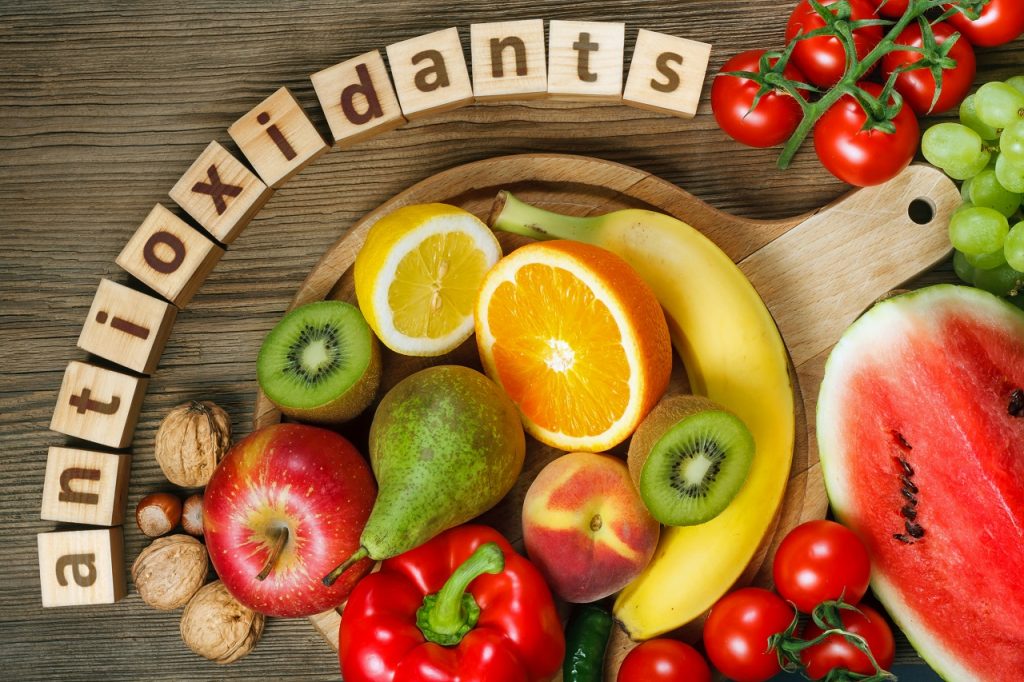
Different antioxidants serve different functions, so eating a varied diet is key. The best sources come from plant-based foods, particularly brightly coloured fruits and vegetables.
To naturally boost your antioxidant intake, try these simple dietary changes:
- Eat a variety of fruit and veg – Include a portion in every meal and snack.
- Sip on green or matcha tea – Packed with polyphenols that support cell health.
- Spice it up – Turmeric, cumin, oregano, ginger, cloves, and cinnamon enhance flavour and antioxidant content.
- Snack wisely – Opt for unsalted nuts and seeds, especially Brazil nuts, sunflower seeds, and almonds.
- Don’t forget protein sources – Eggs, dairy, liver, and mushrooms contain key antioxidants such as selenium and vitamin A.
Should You Take Antioxidant Supplements?
While supplements may seem like a quick fix, they aren’t always necessary—and in some cases, they can do more harm than good.
The National Institutes of Health (NIH) advises caution with high doses, as they can be harmful or interfere with medications. If you’re considering supplements, it’s essential to consult a healthcare professional first.
There are some potential benefits for people at risk of age-related macular degeneration, but again, this should be discussed with a doctor. The best way to get antioxidants is through food. If your diet is lacking in fruit and veg, try starting with two servings of fruit and three servings of vegetables daily before considering supplements.
Antioxidants play a crucial role in cell protection and overall health, but balance is key. Instead of relying on supplements, aim to eat a colourful, whole-food diet that provides a wide range of natural antioxidants.
Do you prioritise antioxidant-rich foods in your diet? Share your thoughts in the comments below!
#BeTheForce
Disclaimer: The information provided in this blog is for general awareness and educational purposes only. It is not intended to replace professional medical advice, diagnosis, or treatment. Always consult a qualified healthcare provider for personalised medical guidance or concerns related to your health.

 Tadasana is a basic asana for various standing yoga poses! It is excellent for improving posture, maintaining the curvature of your back and strengthening the hips and thigh muscles.
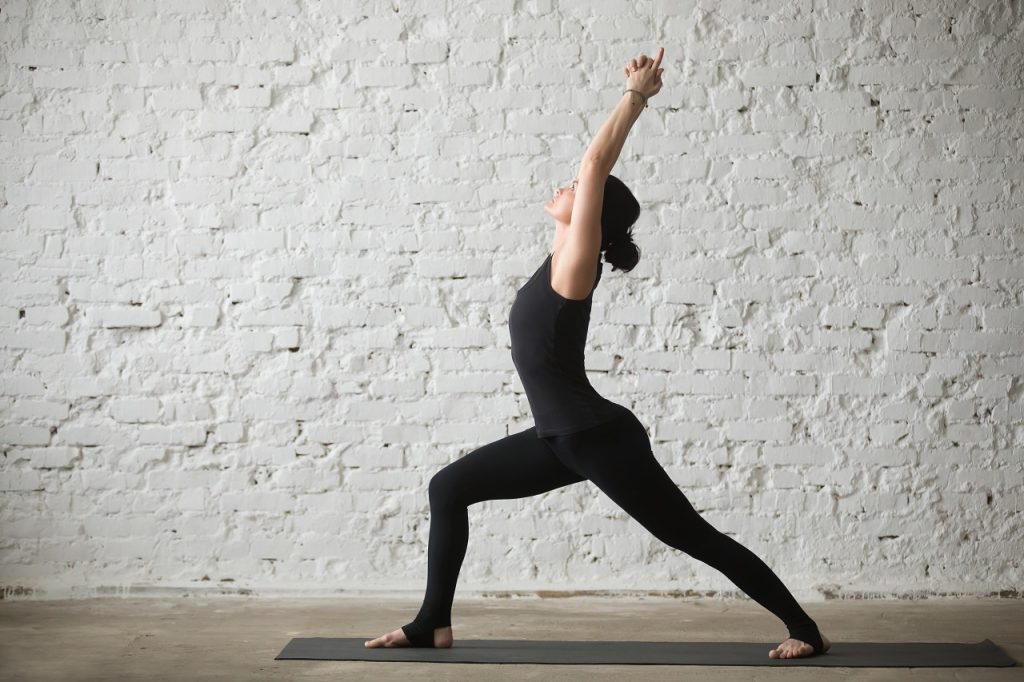 Widely known as the warrior pose, Virabhadrasana strengthens the knees, thigh muscles, opens the hips and chest as well as stretches the back and leg muscles.
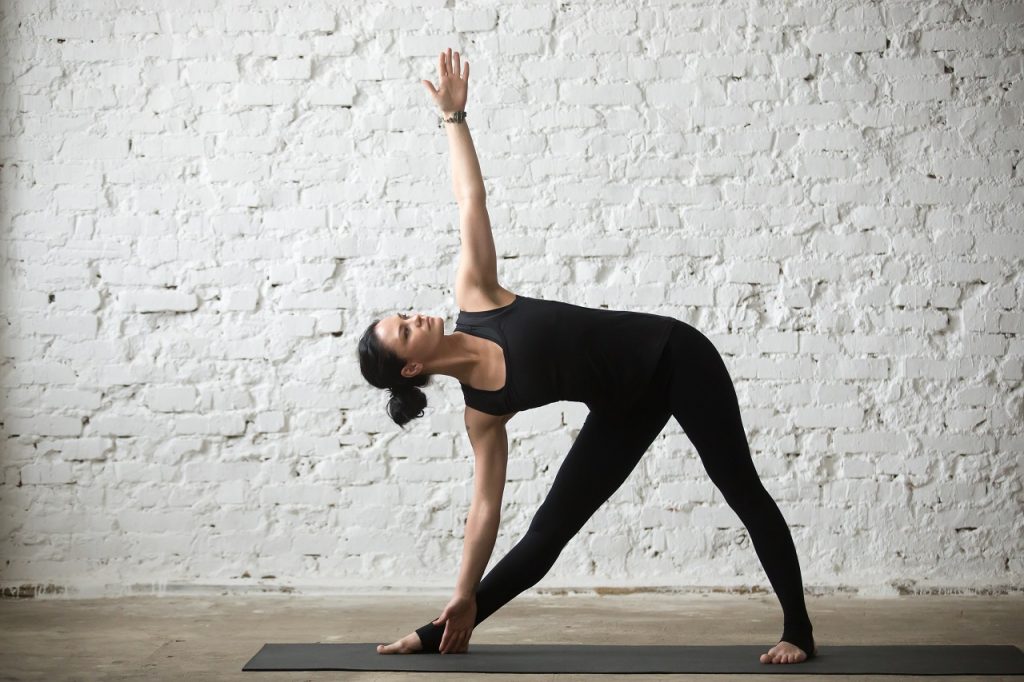 As the name suggests, it’s a triangle posture which stretches the spine, opens up the chest and shoulder as well as reduces tension on the hip and thigh muscles. It helps in improving physical and mental equilibrium.
 One of the best asanas to improve spinal health. It provides excellent compression and extension to the nerves and muscles supporting the back, increases elasticity of the spine, tones the spinal nerves and reduces the stiffness in the spinal muscles.
 Salabhasana prepares beginners for a deeper backbend, strengthening the muscles of the entire torso from the nape of the neck, spine, chest, and legs to the back of the heels. It is a part of Hatha Yoga which stimulates the functioning of abdominal organs and relieves stress.
 There is a lot of confusion around ‘bloating’, a common problem that we come across in our day to day life. In fact, we are witnessing a virtual epidemic of bloating in current times. Abdominal bloating not only looks bad but also causes a lot of discomfort.


 Skin is the largest organ of our body and the one that is directly exposed to the outer environment every day. External factors like sunlight, wind, dust, cold weather, alcohol, and smoking, as well as internal factors like dehydration, aging, poor nutrition, stress, and lack of sleep, can damage the skin. When we feel that our skin is damaged or to prevent skin damage, many of us tend to fall for the plethora of skincare products available in the market. But in reality, we need to work on fixing our damaged skin internally rather than relying on external products that may contain harmful chemicals. So, what do we do for skin repair? The answer is simple—it’s the vitamins in our diet!


