GOQii

Blog

  • HOME
  • HEALTHY LIVING
  • FITNESS
  • HEALTHY RECIPES
  • USER STORIES
  • KARMA
  • BUY GOQii

Search Results for: disease

January 14, 2024 By GOQii Leave a Comment

Embracing Wellness and Security: How GOQii is Revolutionizing Health Insurance

In the vibrant tapestry of India, where the pursuit of longevity and preventive health is increasingly paramount, GOQii is emerging as a vanguard, revolutionising the realm of health insurance and personalised medicine. This is a story not just of insurance, but of a profound shift towards a future where health care is custom-tailored, proactive, and deeply intertwined with the joys of living a long, healthy life.

The narrative of health insurance in India is however fraught with concern. A staggering 80% of the vibrant mosaic of people, from the verdant villages to the bustling cities, find themselves without the security blanket of health insurance, leaving them vulnerable to the chilling winds of unforeseen medical expenses. This narrative takes a poignant turn in the tale of an average family, where the primary earner’s illness can unravel the fabric of their financial stability, often leading to a downward spiral of debt and despair.

Within this narrative, GOQii stands as a beacon, guiding a transformation from reactive to proactive healthcare. The company’s innovative model fuses health insurance with the active pursuit of wellness, emphasising the primacy of preventive health. This strategy, deeply rooted in the philosophy of personalized medicine, recognizes the unique health signatures of individuals, tailoring health interventions to their specific genetic, environmental, and lifestyle factors. It’s a model that promises not just to treat but to forestall, pushing the boundaries of longevity.

Longevity is about extending the vitality and health span of individuals, not just adding years to life. By proactively addressing wellness and health risks before they manifest, GOQii aims to enhance the quality and duration of life, ensuring that each year is lived to the fullest

At the forefront of GOQii’s approach is the artful integration of gamification. This element transforms the journey of health into an engaging, rewarding odyssey. Each step, each choice for a healthier lifestyle, is not just a move towards longevity but also a play in a larger game of wellness. Users are motivated by points, rewards, and recognition, making the pursuit of health a fulfilling and enjoyable experience.

GOQii is not just offering a lifeline; it’s promoting a lifestyle. They have ingeniously woven health insurance with an active pursuit of wellness, creating a synergy that underscores their credo: healthy living is a reward in itself. It is not just about mitigating risks but about transforming lives. The subscribers of GOQii are drawn into a dynamic ecosystem where their steps towards health are measured, monitored, and, most importantly, rewarded.

GOQii’s insurance cover reflects this innovative ethos and pivots on the user’s engagement in their health. The more actively users participate in managing their health through fitness routines and regular check-ups, the more they benefit. This model fosters a win-win situation: lower premiums for healthier lifestyles and enhanced health benefits, leading to a decrease in the incidence of chronic diseases and a corresponding reduction in healthcare costs.

At the heart of this narrative lies a profound belief: that the future of healthcare is not just in treating illness but in celebrating health. GOQii’s platform is a testament to this belief, designed to inspire, engage, and reward. It’s a platform that embraces the joy of living a healthy life, supporting users in their journey towards not just surviving, but thriving.

GOQii is reimagining the landscape of health insurance and healthcare in India. It’s a vision that transcends the traditional confines of healthcare, embedding the ethos of preventive health, personalized medicine, and the joys of gamification into the very fabric of life. As this vision unfolds, it heralds a new era where good health is not just a prudent choice but a deeply rewarding and personal journey towards longevity and wellness.

#BeTheForce

January 11, 2024 By Farhat Khan 2 Comments

What is Resting Heart Rate & How Can You Improve It?

Resting Heart Rate

If you want to know more about heart health, your Resting Heart Rate can tell you a lot! As we all know, our heart is responsible for providing blood and oxygen to each and every organ in the body and if there is any trouble in the heart, automatically the rest of the body will be impacted too.

What is Resting Heart Rate?

Resting heart rate (RHR) is known as your base or lowest heart rate. It can be defined as the number of times your heart beats per minute while you’re resting or not active. The normal resting heart rate reading should be in between 60 to 100 beats per minute (BPM). The term use for a heart rate below 60 bpm is called Bradycardia while a heart rate above 100 bpm is called Tachycardia. Usually, children tend to have a higher heart rate than adults. It is because of their faster metabolism. For a newborn, resting heart rate around 100 to 150 bpm is considered normal.

How Can You Measure It? 

Measuring heart rate is the same as checking your pulse. Currently, there are different ways to measure it – you can even measure it using your fitness tracker or band. You can also use the ancient method wherein, you place your index and middle finger on your wrist just below the thumb, or along either side of your neck, so you can feel your pulse. Remember not to use your thumb to take this measurement as it has its own pulse so you might not get the accurate measurement. Use a watch to count the number of beats for 30 seconds and double it so you will get the reading for per minute. Repeat it twice or thrice to make sure you get the accurate measurements. 

To get the proper readings, it is advised to check your resting heart rate as soon as you wake up before carrying out any other work or activity. 

Factors That Affect RHR 

Daily activities such as walking or drinking a cup of coffee, medications, hormones, body size, stress and activity level can change your resting heart rate. Some major factors include: 

  • Age
  • Lack of sleep
  • Dehydration
  • Stress
  • Obesity
  • Health conditions, lung disease and diabetes
  • Some medications like Beta blockers & calcium channels
  • Temperature
  • Exercise

Generally, lower heart rates are considered better as it shows your heart is working well with no extra effort. On the other side, a higher resting heart rate shows your heart has to work extra hard to pump blood.

Ways to Improve or Lower Heart Rate

  1. One of the reasons for increased RHR as one ages, is the lack of or less physical activity. As aging is a natural process, we can improve its impact on heart health by adding 30 minutes of walking or any other low impact exercise like cycling, swimming and dancing. Of course, your heart will beat fast during the activity and for a short time after that, but practicing it every day will automatically help in reducing your elevated resting heart rate.
  2. Guided breathing practices, yoga, tai chi, meditation, long walks and reading are all great ways to calm your mind and body, which will help in controlling your heart rate.
  3. Always try to get at least seven hours of sleep every night so your body gets sufficient time to recover from stress.
  4. Keeping yourself well hydrated helps blood flow through the body and makes the functioning of the heart easy as well. 
  5. Those who smoke have a higher RHR. Quitting brings it back down. 
  6. Keep a watch on body weight. The larger the body, the more the heart has to work to supply it with blood. Losing body weight helps in lowering elevated RHR.

It’s important to maintain an active lifestyle with regular aerobic exercise, a balanced diet, quality sleep and hydration. By measuring your resting heart rate regularly, you can see both your long-term progress and daily fluctuations in it. When your resting heart rate decreases as a result of training, it’s a sign that your cardiovascular health is improving.

We hope this article helps you make heart-healthy choices! Do let us know your thoughts in the comments below. For more on heart health, check out Healthy Reads or reach out to our certified experts by subscribing to GOQii’s Personalised Health Coaching here.

#BeTheForce 

December 15, 2023 By Mubasheera Chaiwala 2 Comments

Pranayama To Detoxify The Body, Mind And Vital Organs

detox your body with pranayama

Pranayama is the yogic practice of breath control. It means the ability to expand our health by controlling the breath. There are various ways and positions to practice yogic breathing.

The combination of pranayama and meditation has positive effects in curing various problems like acidity, stress, anxiety, skin diseases, improved blood circulation, and managing lifestyle disorders such as thyroid, PCOS, controlling blood sugar and blood pressure. 

We breathe daily, right? So what is pranayama? Why Pranayama? 

Pranayama is slow, deep breathing, in a rhythm. The breathing that we do normally is not in rhythm and is non-harmonic. It is in pranayama that gets our mind and organs in sync. There are various pranayama practices which you can do daily. 

1. Kapalbhati Pranayama
This is a famous pranayama practice also known as The Skull Shining Breathing Technique. Kapalbhati has  physiological effects on cardiovascular, digestive and nervous systems.

Benefits of Kapalbhati Pranayama: 

  • It Generates heat in the system to help dissolve toxins and waste matter.
  • Daily practice helps in adding luster to your face and you get glowing skin
  • Improves digestion and can help alleviate gastrointestinal problems like acidity, indigestion and flatulence.
  • Improves the function of kidneys and liver as it provides a gentle massage to the organs.
  • If practiced daily helps in reducing belly fat.
  • Kapalbhati helps reduce stress in the eyes, thus reduces dark circles around the eyes.
  • It triggers your abdominal region, so it’s beneficial for diabetic patients.
  • It improves the blood circulation problem in whole body parts.

2. Anulom Vilom
Also known as Alternate nostril breathing, it has various benefits for the body internally and externally. Oxygen is pure and required by the body for every single process to take place and therefore, it is vital for us to breath right and Anulom Vilom serves the purpose. It is the best way of balancing the Tri Dosas (Tri means “three” and the meaning of dosas is impurities) in our body i.e. Vaat, Pitta and Kaffa. All three are the cause of all diseases. So, it is important to balance them. Our body gets ill when Tri Dosas are not in harmony.

Benefits of Anulom Vilom Pranayama

  • It can provide some relief from mental health problems like Depression, Anxiety, Stress, Tension, etc.
  • Improves the working of the lungs, beneficial for  most respiratory problems like (Bronchitis, Asthma), etc.
  • Best breathing technique for boosting your memory – makes your brain sharper, increases concentration and gathers focus.
  • Improves your immune system, so it can cure general issues like cough & cold.
  • Alternate nostril breathing is an ideal breathing technique for maintaining your heart healthy.

3. Sheetali Pranayama
The meaning of the word “Sheetali” is cooling down. This pranayama practice is a process to cool your body down. It gives the feeling of coldness by decreasing the body temperature, thereby having a positive impact on our nervous system and endocrine glands. Extremely helpful during the summer season.

Benefits of Sheetali Pranayama

  • It is useful in managing disorders related to tongue, mouth and throat.
  • It is very beneficial in treating diseases of the spleen.
  • Helpful in fever by cooling the system down.
  • Controls and manages high blood pressure.
  • It purifies the blood.
  • Improves sleep quality and is best for fighting Insomnia.
  • It calms the mind, as it is an effective stress buster. Once our mind is calm, we can easily deal with negative emotions like  anger and anxiety.
  • Effective in hyperacidity. Excellent for people who have GERD and face issues with acidity and indigestion.

There is another breathing practice similar to Sheetali, known as Sheetkari pranayama. 

Both are similar, the only difference is the way of breathing. In Sheetali, we breathe in by folding the tongue and breathe out from the nose. In Sheetkari, we inhale through the teeth and exhale from the nose.

Benefits of Sheetkari Pranayama

  • Effective against dental problems like bad breath, bleeding gums and pyorrhea.
  • Balances body temperature.
  • Calms the mind, reduces emotional excitation and mental tension.
  • Can help you manage depression, anxiety and panic attacks. 

As a yoga instructor, I get these questions a lot of time: What is the best time to do pranayama? Generally, morning is the best time for a breathing exercise as it helps us activate our organs. Plus, on an empty stomach, we achieve optimum benefits. To know why morning yoga is beneficial, you can have a look at my previous article: https://goqii.com/blog/benefits-of-practicing-morning-yoga-at-home. 

We hope this article helps you! For more on yoga, check out Healthy Reads. You can also get tips and learn more about yoga and pranayama from experts by subscribing for GOQii’s Personalised Health Coaching here:

#BeTheForce 

December 11, 2023 By Kusum Soni Leave a Comment

Can You Reverse NAFLD With Dietary Changes

NAFLD

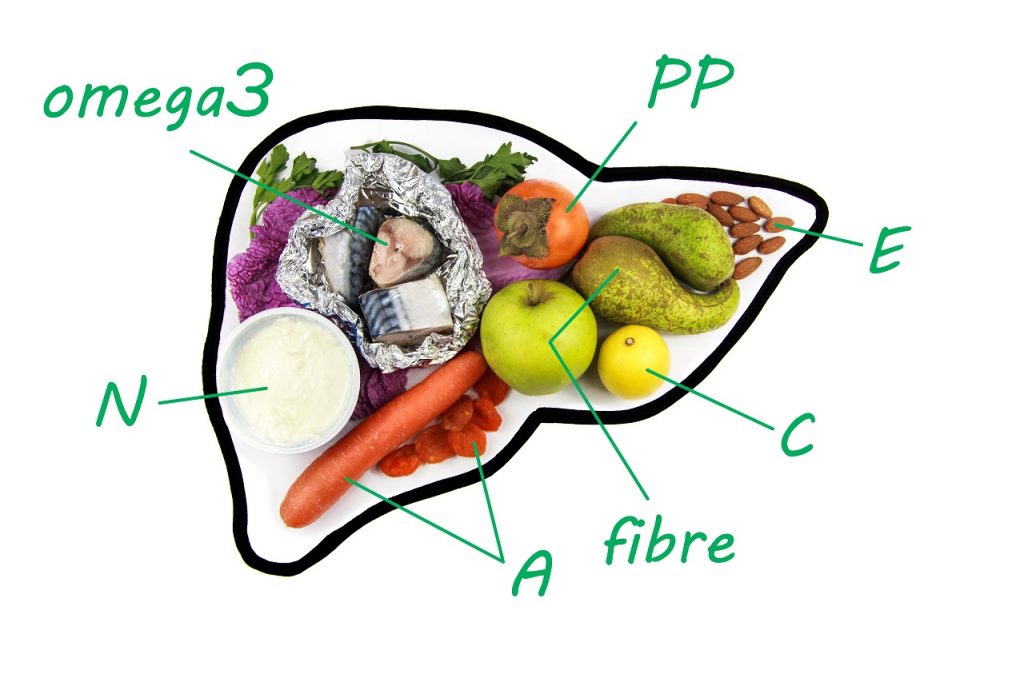
Liver is the largest gland in the human body and is also known as the Chemical Factory of the body. More than 500 vital functions have been identified with the liver, ranging from fighting infection, breakdown of fats, filtering blood of toxins, storing vitamins, iron, to manufacturing proteins and hormones, and helping clot your blood. Like any other organ in the body, this busy organ can also have issues, which is a condition called Non-alcoholic fatty liver disease (NAFLD). Normally, the liver stores some fat. However, in some cases when the liver stores more than healthy fat, that extra fat causes inflammation, which is known as NAFLD. 

Usually, there are no symptoms of NAFLD in the early stages. When it does, they may include, enlarged liver, fatigue or pain in the upper right abdomen. In most cases, fatty liver disease is diagnosed after blood tests show elevated levels of liver enzymes released from damaged liver cells, namely Alanine aminotransferase test (ALT) and aspartate aminotransferase test (AST).

Luckily, lifestyle changes such as dietary intervention and increased physical activity are the first-line treatment and support not only for NAFLD but also associated diseases such as obesity, insulin resistance, diabetes and dyslipidemia. And, gradual weight loss can take the pressure off the liver, allowing it to regenerate itself.

Dietary Changes To Reverse NAFLD

1. Complex Carbs
Complex Carbohydrates are packed with dietary fibre and micronutrients which help in appetite regulation as it takes longer to digest plus DF prevents absorption of fats in the intestine, thereby helping you lose weight, and also lowering the amount of fat in your liver.

  • Include Whole Grains in the form of chapati, upma, dosa, idli, porridge, khichdi, etc.
  • Include sprouted or boiled whole pulses.
  • Seasonal vegetables and Fruits.
  • Reduce sugar intake as it stimulates de novo lipogenesis and finally development of nonalcoholic fatty liver disease (NAFLD) & nonalcoholic steatohepatitis (NASH). So, replace packaged drinks with fresh coconut water/lime water; biscuits with nuts/roasted chana; reduce tea quantity to half cup every time you drink and no sauce/jam /salad dressing .
  • Soluble fiber Supplementation 

2. Fats
Increased fat intake has been linked to insulin resistance, impaired postprandial lipid metabolism and the development or progression of NAFLD. So, reduce intake  of ‘Visible fat’, & try to limit oil/fat intake to less than 500 ml/person/month. Choose Extra Virgin/Filtered /kachhi ghani oils (mustard, sesame, groundnut, Olive oil, Canola oil etc.) in place of refined oils to have anti-inflammatory and insulin sensitizing effects.

  • Complete No for Trans fatty acids and saturated fats . So, no fried or gravy foods/eating out /packaged food.
  • Choose healthy Invisible Fats rich in Omega 3 fatty acids such as nuts, avacado, flaxseeds, chia seeds, sabja seeds, etc.

3. Protein Source
A fair increase in protein intake combined with a low-GI diet, is associated with improved weight-loss maintenance due to its satiating effect and increased thermogenic effect of protein metabolism. So, include options like nuts, low-fat dairy, beans, whole pulses, fish, and poultry, sprouts/roasted chana/nuts/ Sattu drink, nuts smoothie (without sugar), etc. Cut meat intake to once a week. Prefer white/lean meats such as fish/poultry. And completely avoid Red meats as they are high in cholesterol & saturated fats because many studies have associated it with increased risk of liver related diseases and cancer, whereas white meat has been associated with reduced risk.

4. Herbs and supplements
Certain herbs and supplements have shown to play a key role in glucose and fat metabolism, insulin signalling, and energy balance, thereby helping in reversing the fatty liver condition. This may include Apple Cider Vinegar, Fenugreek Seeds, Flaxseed, Nigella Seeds, Milk Thistle, Coffee, Quercetin, Resveratrol etc. 

Having discussed the dietary changes, this journey is incomplete without the inclusion of at least 30 mins of physical Activity, 4-5 days a week, management of  Sleep and Stress issues. Do consult your dietitian/nutritionist to help fine-tune your diet so you are not aggravating your condition.

We hope this article helps you reverse NAFLD. Do leave your thoughts in the comments below. For more information to help you reverse NAFLD, check out Healthy Reads or speak to a certified expert by subscribing to GOQii’s Personalised Health Coaching here. 

#BeTheForce 

  • « Previous Page
  • 1
  • …
  • 49
  • 50
  • 51
  • 52
  • 53
  • …
  • 131
  • Next Page »

Search

Recent Posts

  • Accelerate Action for Your Health: Why Self-Care Matters This International Women’s Day
  • 4 Reasons Why Affirmations Are Not Working For You
  • The Social Side of GLP-1: Navigating “Food Culture” and Peer Pressure
  • Leaky Gut: Symptoms and Causes
  • Muscle Is Your Insurance Policy: Why Strength Predicts Lifespan More Than Cardio

Stay Updated

Archives

  • March 2026 (2)
  • February 2026 (14)
  • January 2026 (14)
  • December 2025 (19)
  • November 2025 (15)
  • October 2025 (20)
  • September 2025 (6)
  • August 2025 (6)
  • July 2025 (12)
  • June 2025 (18)
  • May 2025 (16)
  • April 2025 (22)
  • March 2025 (23)
  • February 2025 (22)
  • January 2025 (25)
  • December 2024 (22)
  • November 2024 (23)
  • October 2024 (21)
  • September 2024 (24)
  • August 2024 (30)
  • July 2024 (21)
  • June 2024 (26)
  • May 2024 (31)
  • April 2024 (27)
  • March 2024 (29)
  • February 2024 (25)
  • January 2024 (21)
  • December 2023 (15)
  • November 2023 (11)
  • October 2023 (19)
  • September 2023 (22)
  • August 2023 (18)
  • July 2023 (22)
  • June 2023 (24)
  • May 2023 (24)
  • April 2023 (23)
  • March 2023 (23)
  • February 2023 (19)
  • January 2023 (15)
  • December 2022 (11)
  • November 2022 (15)
  • October 2022 (15)
  • September 2022 (12)
  • August 2022 (10)
  • July 2022 (17)
  • June 2022 (11)
  • May 2022 (10)
  • April 2022 (6)
  • March 2022 (6)
  • February 2022 (13)
  • January 2022 (11)
  • December 2021 (7)
  • November 2021 (3)
  • October 2021 (6)
  • September 2021 (3)
  • August 2021 (8)
  • July 2021 (7)
  • June 2021 (15)
  • May 2021 (16)
  • April 2021 (10)
  • March 2021 (7)
  • February 2021 (4)
  • January 2021 (4)
  • December 2020 (3)
  • November 2020 (4)
  • October 2020 (10)
  • September 2020 (3)
  • August 2020 (3)
  • July 2020 (2)
  • June 2020 (4)
  • May 2020 (10)
  • April 2020 (12)
  • March 2020 (10)
  • February 2020 (4)
  • January 2020 (4)
  • December 2019 (3)
  • November 2019 (7)
  • October 2019 (5)
  • September 2019 (4)
  • August 2019 (9)
  • July 2019 (9)
  • June 2019 (11)
  • May 2019 (4)
  • April 2019 (8)
  • March 2019 (8)
  • February 2019 (9)
  • January 2019 (8)
  • December 2018 (9)
  • November 2018 (3)
  • October 2018 (3)
  • September 2018 (5)
  • August 2018 (10)
  • July 2018 (6)
  • June 2018 (13)
  • May 2018 (8)
  • April 2018 (18)
  • March 2018 (9)
  • February 2018 (8)
  • January 2018 (15)
  • December 2017 (12)
  • November 2017 (19)
  • October 2017 (13)
  • September 2017 (15)
  • August 2017 (4)
  • July 2017 (8)
  • June 2017 (7)
  • May 2017 (6)
  • April 2017 (8)
  • March 2017 (6)
  • February 2017 (7)
  • January 2017 (9)
  • December 2016 (10)
  • November 2016 (7)
  • October 2016 (7)
  • September 2016 (7)
  • August 2016 (11)
  • July 2016 (9)
  • June 2016 (9)
  • May 2016 (12)
  • April 2016 (17)
  • March 2016 (17)
  • February 2016 (8)
  • January 2016 (6)
  • December 2015 (2)
  • November 2015 (9)
  • October 2015 (7)
  • September 2015 (9)
  • August 2015 (11)
  • July 2015 (9)
  • June 2015 (12)
  • May 2015 (9)
  • April 2015 (13)
  • March 2015 (8)
  • February 2015 (5)
  • January 2015 (12)
  • December 2014 (14)
  • November 2014 (11)
  • October 2014 (6)
  • September 2014 (13)
  • August 2014 (12)
  • July 2014 (6)
  • June 2014 (2)
  • May 2014 (7)
  • April 2014 (5)

From “Laddu Nawin” to Fit and Fierce: How a 25-Year-Old Insurance Advisor Shed 20 Kilos and Gained His Life Back

When 25-year-old Nawin Yadav from Hyderabad walked into his office every morning, he carried more than just his files and policy papers. He had the weight of fatigue, sluggish energy, and an ever-growing belly that was becoming the butt of jokes. “People … [Read More...]

“I’ve Challenged Myself to Live 100 Years” – The Story of Chandubhai Savani’s Second Chance at Life

At 67, most people start slowing down. Not Chandubhai Savani. A resident of Surat, Chandubhai, thought life was on track. “My life was going well till I had my bypass surgery,” he says. That surgery, back in 2021, was a wake-up call.  Medication was routine, but exercise wasn’t. His diet? What he calls ‘normal.’ “I […]

From Shimla’s Slopes to Chandigarh’s Sidewalks: Surinder Kaur Bhalla’s Journey from Chaos to Control

Some journeys start with a plan. Others begin with a stumble literally. Surinder Bhalla, a government professional, born and raised in the scenic hill town of Shimla, had always lived a life of movement. “In Shimla, you walked everywhere,” she reflects. “Walking was never an exercise. It was just life.” But after shifting to Chandigarh, […]

Ananda Mukherjee Health Story

From Terminal Illness To Complete Wellness! Ananda Mukherjee Health Story

As we observe World Cancer Day under the powerful theme ‘United by Unique’ (2025-2027)**, we are reminded that every individual’s journey with cancer is distinct, yet united by shared resilience, hope, and the collective fight against this disease. This theme places people at the centre of care and their stories at the heart of the […]

  • HOME
  • HEALTHY LIVING
  • FITNESS
  • HEALTHY RECIPES
  • USER STORIES
  • KARMA
  • BUY GOQii

Copyright ©2016 GOQii