GOQii

Blog

  • HOME
  • HEALTHY LIVING
  • FITNESS
  • HEALTHY RECIPES
  • USER STORIES
  • KARMA
  • BUY GOQii

Search Results for: disease

December 24, 2024 By Luke Coutinho 3 Comments

Holiday Health Tip: It’s All In The Chew!

Holiday Health Tip: It's All In The ChewIt’s precisely between this week and January 1st when people tend to put on most of their weight. There are two reasons for this – The crazy festive season filled with weddings and parties followed by Christmas, New Year’s Eve and the tendency to let loose during this time, with the justification that they’ll start fresh with ‘healthy new year resolutions’ in January.

  • What if I told you that you could enjoy this season and it wouldn’t impact your weight?
  • What if I told you snacking on a cookie or dessert occasionally wouldn’t effect your weight goals?
  • What if you could eat rice, roti (Indian flat bread), and bread at lunch and dinner without it impacting your weight or health?
  • What if you could enjoy this festive season, have loads of fun, eat your favorite foods and still maintain your health and weight?

The human body is a miracle, and we are living examples of this miracle. The way our brain and body function, blood flow, smell, feelings, emotions, the ability to recover from the deadliest of diseases and the ability of our cells to heal and repair – is nothing short of extraordinary. Every day, trillions of cells in our body work non-stop to fight off germs and bacteria that could otherwise make us very sick or even threaten our lives. This miracle is called immunity.

Our stomach produces enough acid to dissolve a razor blade. Such is the power of our digestive system. So what’s an ice-cream, chocolate bar, or cookie going to do when it enters our stomachs? Our body is made to digest even the toughest foods. Red meat, for instance, is hard to digest, but the body will break it down. Vegetarians don’t escape either—cellulose in vegetables is extremely difficult to break down, but the body eventually does the job. This is one reason vegetarians may experience more flatulence than non-vegetarians.

The body can break down meats, vegetables and desserts alike! The secret lies in the ‘chew’. Food tastes so good because you’re meant to enjoy it—slow down and savor it, not just rush it to your stomach.

How Does Chewing Thoroughly Help? 

Chewing your food thoroughly is actually the first step in the complex process of digestion, and if you compromise this process, a common mistake, it can affect your overall health.

We have teeth not just to smile for a pretty picture but primarily to tear down and break up food into small bits. Saliva mixes with these small bits, further softening them.

Let’s dive into the basics:

Why Should You Chew Your Food Thoroughly? 

When you chew, more saliva gets produced and your saliva contains enzymes that break down FATS and CARBS. Yes!!! Digestion starts in the MOUTH! By the time your food reaches your stomach, it’s already processed by enzymes, making it easier for your stomach to complete the digestion process.

  • You feel light
  • You feel full for a longer period of time.
  • You reduce flatulence, gas, indigestion and burping.
  • You learn to savor and enjoy the taste of your food.
  • Your body absorbs all the goodness of your food (vitamins, minerals) better.
  • You eat just the amount your body needs to maintain or achieve a healthy weight.

Imagine all the times you’ve gobbled down your food. You’re left with undigested chunks sitting in your stomach, causing gas, discomfort, and increasing the chances of food converting to fat.

Chew your food. Enjoy a dessert, but eat it slowly and savor it. Over time, you’ll learn not to overindulge. The more you chew your food, the cleaner you keep your intestines, stomach and colon because the body can cleanse itself more effectively when digestion happens correctly. Say goodbye to constipation, fatigue, and migraines.

Try This Exercise Today!

At your next meal, eat slowly. Take a spoonful of food, chew it several times, savor the flavor and taste, then swallow. Put your spoon down before taking the next bite.

You’ll find yourself getting fuller quickly and will naturally eat less. This habit helps you save calories over time. Eventually, you’ll serve yourself smaller portions—fewer calories mean better health, a longer life, and a healthy weight.

Take one serving spoon less at every meal, chew thoroughly, and eat slowly. You’ll find that this is enough. All these saved portions add up to a significant calorie reduction, helping you lose fat and feel healthier.

Most diseases are caused by overeating. Even if you think your portions are appropriate, eating too quickly can lead to overconsumption. Chewing thoroughly ensures you eat mindfully, eliminating the need for restrictive diets.

Meal times are sacred—they’re your personal moments to nourish and care for your body. Respect this time, as it’s essential for keeping you healthy and strong.

This is a lifestyle change and if you master it, you can enjoy all your favorite foods in moderation.

We hope this article helps you make that lifestyle change. For more tips like this, check out Healthy Reads or ask a GOQii Coach by subscribing for Personalised Health Coaching here.

#BeTheForce

December 16, 2024 By Dr. Viral Thakkar 15 Comments

Menstrual Pain: Every Woman’s Nightmare No more!!

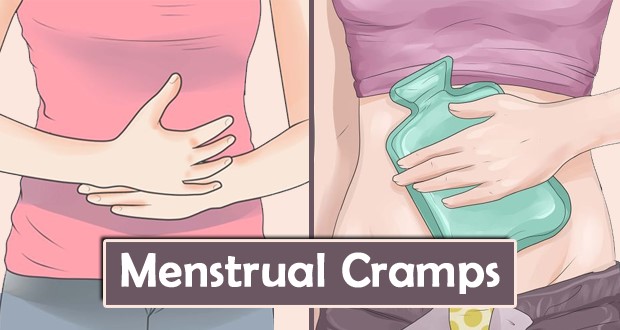
woman-with-hot-water-bottleI know many women, especially adolescents, who don’t like ‘being a woman’ because of the pain during menstruation. If you are one of those or know such women, this article is for you.

Primary dysmenorrhea (menstrual pain) is a normal part of menstruation. It affects girls during adolescence and eases as they mature. It may be painful, but it is not harmful.

Prostaglandins (hormones that causes your uterus to contract during menstruation and childbirth) are responsible for the pain. This pain results from contractions of your uterus that occur when the blood supply to its lining (endometrium) is reduced. (But hey! It is a part of you, and it is important, so blame it, but accept it and get on with it).

menstrual cramps Image 1

Other factors include a uterus that tilts backward instead of forward, lack of exercise, psychological or social stress, smoking, drinking alcohol or being overweight.

Secondary dysmenorrhea is generally related to some kind of gynecological disorder. It is most likely to affect women during adulthood.

Causes

  1. Fibroids that develop within the uterine wall or are attached to it cause inflammation leading to pain.
  2. Adenomyosis – the tissue that lines the uterus (called the endometrium) begins to grow within its muscular walls. This makes the uterine walls thicker. It may lead to heavy or longer-than-usual menstrual bleeding, as well as pain during menstrual cycle or intercourse.
  3. A sexually transmitted infection.
  4. Endometriosis – fragments of the endometrial lining that are found on other pelvic organs.
  5. Pelvic inflammatory disease, primarily an infection of the fallopian tubes, but it can also affect the ovaries, uterus, and cervix. It is caused primarily by sexually transmitted infections that spread up from the opening of the uterus to these organs.
  6. An ovarian cyst or tumor is a sac filled with fluid that forms on or inside of an ovary, causing pain.
  7. The use of an intrauterine device (IUD), a birth control method, leads to painful menstruation, which decreases over time.

‘Pain’ is the body telling us that something is not right. So listen to what your body is telling you. While you must seek medical advice for secondary dysmenorrhea, consider the following as well.

Be comfortable with your body. Negative messaging at times can become part of the subconscious mind, which rejects the female body. So anything that reminds the body of being a ‘woman’ can hurt.

Have a balanced diet. Ensure your diet includes foods rich in Vitamin B12, D, omega-3 fatty acids and calcium. As an extra tip, ginger is a wonder herb that can effectively ease menstrual cramps as it lowers the levels of pain-causing prostaglandins.

A hot water bag relaxes the contracting muscles in your uterus.

Make sure your hemoglobin level is within the normal range by including iron rich foods along with foods high in Vitamin C in your everyday diet.

An orgasm can help relieve all kinds of pains. Before an orgasm, the uterus is more relaxed, and during climax, blood flow increases, helping to relieve the cramps. The endorphins released after sex will make you feel better instantly.

Eat 2tbs of flaxseeds every day during periods reduces prostaglandin levels in the body.

Keep yourself hydrated during your period (and otherwise too!).

Exercise increases the blood flow, which calms the pain naturally.

Be happy, and you will feel your body responding better and dealing better with pain during your period.

Yoga Postures to relieve menstrual pain

One Legged Pigeon Pose stretches the entire lower part of the body and stimulates the abdominal organs.

menstrual cramps- yoga pose 1

Matsyasana (Fish pose) is a backbend that stretches and stimulates the belly muscles.

menstrual cramps- yoga pose 2

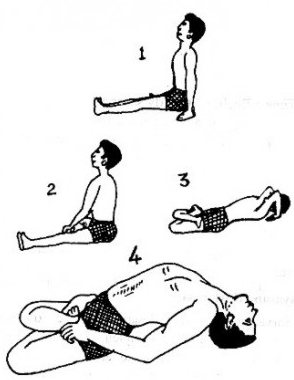
JanuShirasana (One-legged Forward bend) massages the abdominal organs.

menstrual cramps-yoga pose 3

Dhanurasana (Bow pose) strengthens the abdominal muscles and stimulates the reproductive organs.

Menstrual cramps-Yoga pose 4

Bhujangasana (Cobra pose) stretches and tones the abdomen.

Menstrual Cramps-Yoga pose 5

Ustrasana (Camel pose) stretches and opens the front of the body.

menstrual cramps-yoga pose 6

Yoga is one of the means to reach your goal of painless menstruation. Don’t forget to respect your body and give it time to overcome the pain.

We hope this article provides valuable insights into managing menstrual pain and helps you feel more empowered during your menstrual cycle. Remember, it’s essential to listen to your body and seek professional advice when needed. Do you have your own tips or experiences to share? Let us know in the comments below! For further information or guidance, reach out to our certified experts by subscribing to GOQii’s Personalised Health Coaching here.

#BeTheForce

Disclaimer: The information provided in this blog is for general awareness and educational purposes only. It is not intended to replace professional medical advice, diagnosis, or treatment. Always consult a qualified healthcare provider for personalised medical guidance or concerns related to your health.

December 9, 2024 By Neha Goyal 2 Comments

Pistachios – Your Powerful Nutritional Punch!

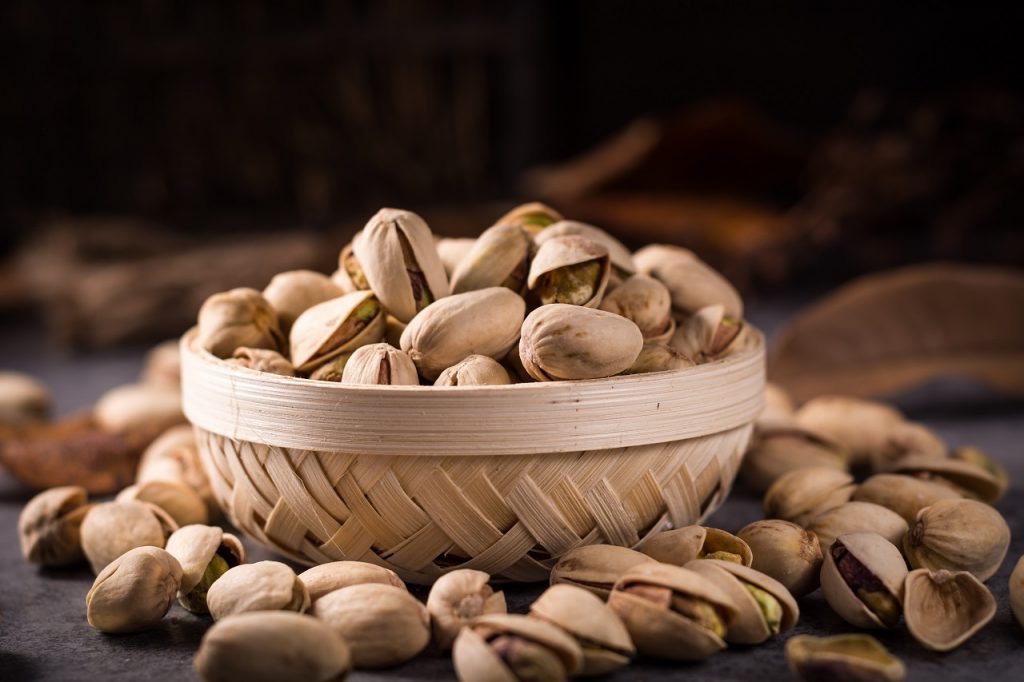
Pistachios - Your Powerful Nutritional Punch!Pistachios are edible seeds of the pistachio tree, member of the cashew family. They are nutrient-packed nuts that can be enjoyed both as a healthy snack or as part of a delicious recipe. Available both in the shell (in-shell) or with their shell already removed (shelled), they’re typically sold roasted and salted, although unsalted options are available, as well as some flavoured varieties, too.


How Does It Give a Powerful Nutritional Punch?

  • Loaded with Vitamins and Minerals: Pistachios are a rich source of protein, dietary fibre, several minerals such as phosphorus, potassium, calcium, iron, magnesium, manganese, zinc, copper, sodium and selenium. It is also a good source of vitamins like vitamin A, K, C, E, B6, B1, B2, B3, B9, and B5.
  • Good Source of Antioxidants: They contain more antioxidants than most nuts and seeds, second only to walnuts and pecans. You can literally “see” the nutrients through the various colours in pistachio. The green and yellow colour of the actual nut comes from lutein and zeaxanthin. The thin purple skin surrounding the nut is loaded with anthocyanins, the same type of antioxidants found in grapes and cranberries.
  • Lowest in Fat: A serving of pistachios has 13 grams of fat, of which about 1.7 grams are saturated, 3.5 grams are polyunsaturated, and 7 grams are monounsaturated fats. Compared to most other tree nuts, pistachios are one of the lowest in fat.
  • Cholesterol-Free: Pistachios have the highest phytosterol content (214 milligrams per 100 grams) amongst nuts. Phytosterols come from plants and because they have a similar structure to cholesterol, they compete with cholesterol for absorption by the body, ultimately limiting the amount of cholesterol absorbed.
  • Compared to other tree nuts, pistachios have a higher essential amino acid ratio and the highest percentage of branched-chain amino acids. Pistachios are a great plant-based protein option for everyone, but especially those eating a vegetarian or vegan diet.

Health Benefits of Eating Pistachios

  1. Heart Health: A number of studies have shown that pistachios significantly reduced total cholesterol and the “bad” LDL-cholesterol levels while increasing the “good” HDL-cholesterol level. They may increase antioxidant concentrations, which is linked to improved dilation of blood vessels as a result of a reduction in inflammation.
  2. Weight Management: It may seem counterintuitive but eating pistachios—a high-fat, calorie-dense food—has actually been associated with weight management. Pistachios are rich in fiber and protein, both of which increase satiety by helping you feel full and eat less .
  3. Gut Health: Pistachios are high in fiber, which moves through our digestive system mostly undigested. But some types of fiber are digested by the good bacteria in your gut, acting as prebiotics. Gut bacteria then ferment the fiber and convert it into inflammation-fighting short-chain fatty acids, & also results in decreased the number of lactic acid bacteria. It also increases the number of butyrate-producing bacteria in the gut more than eating almonds does.
  4. Blood Sugar Control: Despite having a higher carb content than most nuts, pistachios have a low glycemic index, meaning they don’t cause a large spike in your blood sugar. Also rich in fiber and healthy fats, antioxidants, magnesium, carotenoids and phenolic compounds, which are beneficial for blood sugar control.
  5. Good For Eye Health: Pistachios are rich in antioxidants lutein and zeaxanthin, which are essential for eye health, as they reduce the chances of developing eye conditions, including age-related macular degeneration (AMD) and cataracts.
  6. Prevents Cellular Damage: As our cells grow older, they accumulate oxidative damage due to the presence of free radicals, which can cause considerable damage to cells. Pistachios, being rich in antioxidants, including lutein, beta-carotene, and gamma-tocopherol, has oxidative damage-fighting benefits which also play a key role in reducing the risk of disease, such as cancer.

How to Include Pistachios in Your Diet?

One of the simplest ways to enjoy pistachios is as a snack on their own. You can also throw chopped pistachios on your yogurt or morning oatmeal or use them as a crunchy topping for your salads. Pair pistachios with a piece of fruit for your afternoon snack, their fiber, fat and protein will keep you satisfied.

Takeaway

Pistachios are very nutritious. Regularly eating pistachios may be a good way to improve health and wellbeing. But stick to plain, unsalted pistachio nuts in their shells and avoid eating more than 30gm a day. Before you begin eating them, do consult with your doctor, nutritionist or dietitian.

For more on nutrition and healthy eating, check out Healthy Reads or speak to an expert by subscribing for GOQii’s Personalised Health Coaching here.

#BeTheForce 

December 3, 2024 By Sunita Arora 3 Comments

Lower Blood Pressure Naturally With Dietary Changes

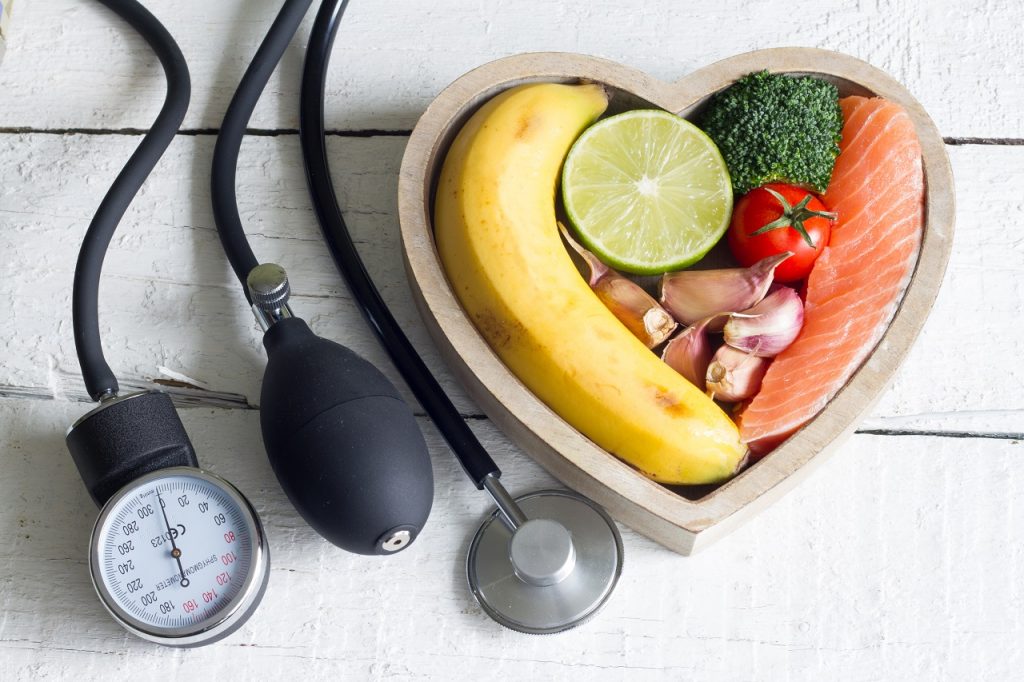
lower blood pressure naturallyHypertension, known as a silent killer, is simply the elevation of your blood pressure levels. It is majorly developed due to factors like a sedentary lifestyle, high salt intake due to processed and packaged food. But, the good news is that you can control it. You can manage to lower blood pressure naturally by making dietary and other lifestyle changes after consulting with your doctor. 

Foods That Help Lower Blood Pressure Naturally 

Let’s take a look at foods which are healthy and can help with the condition! 

  1. Green Tea: is associated with numerous health benefits. It is rich in polyphenols and catechins, which act as antioxidants to prevent cell damage, reduce inflammation, and protect heart health. Intake of green tea is associated with significantly lower levels of LDL, triglycerides, total cholesterol, and blood pressure. You can have 1-2 cups of green tea daily one hour after a meal to maintain your blood pressure and to improve insulin sensitivity.
  2. Olive Oil: is packed with antioxidants like tocopherols, β-carotene, lutein which helps in relieving inflammation and decreases the risk of cardiovascular diseases. It is rich in MUFA which promotes heart health and is linked with lowering blood pressure. In Indian cooking, you can safely use 1-2 teaspoon of extra virgin olive oil daily to sauté veggies, make salad dressings, etc.
  3. Fatty Fish: like salmon and tuna are rich with omega-3 fatty acids which aid in improving heart health. These fatty fishes and fish oil supplements are beneficial for lowering blood pressure, sugar levels and triglycerides. Consumption of fatty fish 2-3 times a week is good for heart health.
  4. Nuts: like walnuts, almonds are a rich source of monounsaturated fatty acids which lower total cholesterol, LDL (bad) cholesterol and blood pressure. It has minerals like magnesium and copper, Vitamin E, MUFA which protects against various heart diseases by reducing plaque formation and keeps your arteries clear. You can include 5-6 soaked almonds and 2-3 walnuts in your diet.
  5. Seeds: are the powerhouse of various nutrients, rich in Omega-3 and Omega-6 fatty acids which improve many heart disease risk factors including blood pressure, cholesterol, and triglycerides. Include flax seeds, chia seeds, sunflower seeds and hemp seeds in your diet. Just make a mixture of these seeds and have 1-2 tsp daily by mixing them with nuts or adding them to your smoothies or salads. 
  6. Berries: are packed with antioxidants like anthocyanins which protect the heart from oxidative stress and help in maintaining normal blood pressure. It also has polyphenols which improve blood pressure, insulin resistance and systemic inflammation. You can add a handful of strawberries, blackberries and raspberries in your diet.
  7. Banana: The American Heart Association encourages people to increase the consumption of foods that contain potassium. Eating foods that are rich in potassium helps in lowering blood pressure levels better than taking supplements. You can slice a banana in your favourite cereal or oatmeal, make a smoothie or a shake for a potassium-rich addition.
  8. Pomegranate: is rich in fibre, vitamins and minerals. Drinking a cup of pomegranate juice daily for four weeks can help lower blood pressure naturally. Early research suggests that drinking pomegranate juice helps to keep the arteries in the neck clear of the build-up of fatty deposits and improve blood flow to the heart.
  9. Tomato: is one of the important ingredients in our Indian cuisine which enhances the flavour and colour of dishes. Tomatoes are loaded with lycopene which reduces the risk of heart attack and stroke. New research claims that drinking a glass of unsalted tomato juice daily is a simple way to lower blood pressure and reduce the risk of heart disease. It also removes excess cholesterol, plaque from arteries and increases the level of HDL Cholesterol.
  10. Garlic: is a pearl for Hypertension patients. Daily consumption of garlic for an extended period can reduce LDL Cholesterol, triglycerides, and blood pressure significantly. It has allicin, allyl mercaptan, and diallyl disulphide which are very effective in controlling cholesterol and blood pressure. Eating 1-2 fresh, raw garlic is one among the herbal remedies for controlling high blood pressure.
  11. Oats: are a rich source of soluble and insoluble fiber. They are low in fat, low in sodium and contain beta-glucan, a type of fiber which lowers blood pressure. A review of 28 trials concluded that higher consumption of beta-glucan fiber may lower both systolic and diastolic blood pressure. Eating oats for breakfast/snacks in the form of oats porridge, oats upma, oats chila, is a great way to fuel up for the day.
  12. Beetroot: Drinking one glass of beetroot juice daily can significantly reduce blood pressure in people with hypertension. Due to the high concentration of nitrates, it relaxes blood vessels and dilates them, which helps the blood flow more easily and lowers blood pressure. Both raw beet juice and cooked beets are effective to lower blood pressure and decrease inflammation. 

Apart from the above food options, you need to  control what you eat. Avoid sauces, pickles, coffee, packaged food, etc. and cut your salt intake to half a teaspoon daily. Avoid smoking and consuming alcohol in excess as well. Before making any massive dietary changes, consult your doctor first!

We hope this article helps you! For more on hypertension and tips to lower blood pressure, tune in to live sessions by experts on GOQii Play or ask your GOQii Coach directly by subscribing to Personalised Health Coaching here.

To know how simple lifestyle changes can help your reverse high blood pressure, listen to our player Digvijay Singh’s journey as he discusses the lifestyle changes he made with our Founder & CEO Vishal Gondal.

#BeTheForce 

  • « Previous Page
  • 1
  • …
  • 18
  • 19
  • 20
  • 21
  • 22
  • …
  • 131
  • Next Page »

Search

Recent Posts

  • 4 Reasons Why Affirmations Are Not Working For You
  • The Social Side of GLP-1: Navigating “Food Culture” and Peer Pressure
  • Leaky Gut: Symptoms and Causes
  • Muscle Is Your Insurance Policy: Why Strength Predicts Lifespan More Than Cardio
  • The Fiber Gap: Managing Digestion on GLP-1 Therapy

Stay Updated

Archives

  • March 2026 (1)
  • February 2026 (14)
  • January 2026 (14)
  • December 2025 (19)
  • November 2025 (15)
  • October 2025 (20)
  • September 2025 (6)
  • August 2025 (6)
  • July 2025 (12)
  • June 2025 (18)
  • May 2025 (16)
  • April 2025 (22)
  • March 2025 (23)
  • February 2025 (22)
  • January 2025 (25)
  • December 2024 (22)
  • November 2024 (23)
  • October 2024 (21)
  • September 2024 (24)
  • August 2024 (30)
  • July 2024 (21)
  • June 2024 (26)
  • May 2024 (31)
  • April 2024 (27)
  • March 2024 (29)
  • February 2024 (25)
  • January 2024 (21)
  • December 2023 (15)
  • November 2023 (11)
  • October 2023 (19)
  • September 2023 (22)
  • August 2023 (18)
  • July 2023 (22)
  • June 2023 (24)
  • May 2023 (24)
  • April 2023 (23)
  • March 2023 (23)
  • February 2023 (19)
  • January 2023 (15)
  • December 2022 (11)
  • November 2022 (15)
  • October 2022 (15)
  • September 2022 (12)
  • August 2022 (10)
  • July 2022 (17)
  • June 2022 (11)
  • May 2022 (10)
  • April 2022 (6)
  • March 2022 (6)
  • February 2022 (13)
  • January 2022 (11)
  • December 2021 (7)
  • November 2021 (3)
  • October 2021 (6)
  • September 2021 (3)
  • August 2021 (8)
  • July 2021 (7)
  • June 2021 (15)
  • May 2021 (16)
  • April 2021 (10)
  • March 2021 (7)
  • February 2021 (4)
  • January 2021 (4)
  • December 2020 (3)
  • November 2020 (4)
  • October 2020 (10)
  • September 2020 (3)
  • August 2020 (3)
  • July 2020 (2)
  • June 2020 (4)
  • May 2020 (10)
  • April 2020 (12)
  • March 2020 (10)
  • February 2020 (4)
  • January 2020 (4)
  • December 2019 (3)
  • November 2019 (7)
  • October 2019 (5)
  • September 2019 (4)
  • August 2019 (9)
  • July 2019 (9)
  • June 2019 (11)
  • May 2019 (4)
  • April 2019 (8)
  • March 2019 (8)
  • February 2019 (9)
  • January 2019 (8)
  • December 2018 (9)
  • November 2018 (3)
  • October 2018 (3)
  • September 2018 (5)
  • August 2018 (10)
  • July 2018 (6)
  • June 2018 (13)
  • May 2018 (8)
  • April 2018 (18)
  • March 2018 (9)
  • February 2018 (8)
  • January 2018 (15)
  • December 2017 (12)
  • November 2017 (19)
  • October 2017 (13)
  • September 2017 (15)
  • August 2017 (4)
  • July 2017 (8)
  • June 2017 (7)
  • May 2017 (6)
  • April 2017 (8)
  • March 2017 (6)
  • February 2017 (7)
  • January 2017 (9)
  • December 2016 (10)
  • November 2016 (7)
  • October 2016 (7)
  • September 2016 (7)
  • August 2016 (11)
  • July 2016 (9)
  • June 2016 (9)
  • May 2016 (12)
  • April 2016 (17)
  • March 2016 (17)
  • February 2016 (8)
  • January 2016 (6)
  • December 2015 (2)
  • November 2015 (9)
  • October 2015 (7)
  • September 2015 (9)
  • August 2015 (11)
  • July 2015 (9)
  • June 2015 (12)
  • May 2015 (9)
  • April 2015 (13)
  • March 2015 (8)
  • February 2015 (5)
  • January 2015 (12)
  • December 2014 (14)
  • November 2014 (11)
  • October 2014 (6)
  • September 2014 (13)
  • August 2014 (12)
  • July 2014 (6)
  • June 2014 (2)
  • May 2014 (7)
  • April 2014 (5)

From “Laddu Nawin” to Fit and Fierce: How a 25-Year-Old Insurance Advisor Shed 20 Kilos and Gained His Life Back

When 25-year-old Nawin Yadav from Hyderabad walked into his office every morning, he carried more than just his files and policy papers. He had the weight of fatigue, sluggish energy, and an ever-growing belly that was becoming the butt of jokes. “People … [Read More...]

“I’ve Challenged Myself to Live 100 Years” – The Story of Chandubhai Savani’s Second Chance at Life

At 67, most people start slowing down. Not Chandubhai Savani. A resident of Surat, Chandubhai, thought life was on track. “My life was going well till I had my bypass surgery,” he says. That surgery, back in 2021, was a wake-up call.  Medication was routine, but exercise wasn’t. His diet? What he calls ‘normal.’ “I […]

From Shimla’s Slopes to Chandigarh’s Sidewalks: Surinder Kaur Bhalla’s Journey from Chaos to Control

Some journeys start with a plan. Others begin with a stumble literally. Surinder Bhalla, a government professional, born and raised in the scenic hill town of Shimla, had always lived a life of movement. “In Shimla, you walked everywhere,” she reflects. “Walking was never an exercise. It was just life.” But after shifting to Chandigarh, […]

Ananda Mukherjee Health Story

From Terminal Illness To Complete Wellness! Ananda Mukherjee Health Story

As we observe World Cancer Day under the powerful theme ‘United by Unique’ (2025-2027)**, we are reminded that every individual’s journey with cancer is distinct, yet united by shared resilience, hope, and the collective fight against this disease. This theme places people at the centre of care and their stories at the heart of the […]

  • HOME
  • HEALTHY LIVING
  • FITNESS
  • HEALTHY RECIPES
  • USER STORIES
  • KARMA
  • BUY GOQii

Copyright ©2016 GOQii