GOQii

Blog

  • HOME
  • HEALTHY LIVING
  • FITNESS
  • HEALTHY RECIPES
  • USER STORIES
  • KARMA
  • BUY GOQii

Search Results for: carb

January 7, 2015 By Mitali Ambekar Leave a Comment

CARBOHYDRATES’- Seven Engines of POWER SUPPLY

carbohydrates

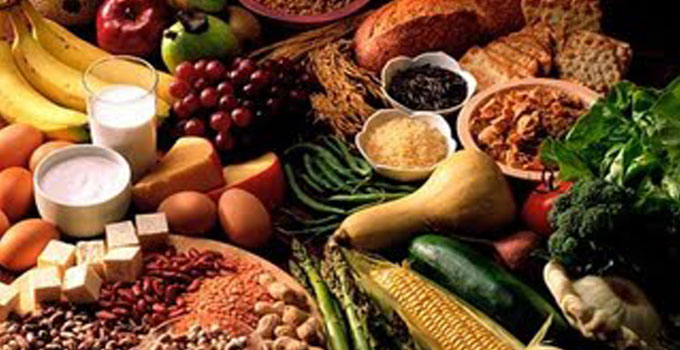
Carbohydrates is the first source of energy to the body. It is one of the most important major nutrients, which also means we need it in major quantity. Thus, recommended to have about 60% in our daily food intake. It has one of the best advantages to our overall health.

  1. Provides Energy: Our body requires energy to do even simple activity like moving from one place to another and carbohydrates helps us in that. So whichever the activity is walking, running, playing a sport, working in office or writing a blog –all require energy.
  2. Elevates mood: Carbohydrates help you release Serotonin in our body which in turn will elevate your mood and give you the feel good factor. Remember the feeling when you have a spoonful of Dal rice or Hot phulka with vegetable when you are super hungry, exactly the same feeling. You feel relaxed and calm.
  3. Muscle Recovery: Talking about muscle doesn’t mean only sports person require them. We all have muscles in our body that go through wear and tear with our daily activities too. Thus, we all need this wonder nutrient to recover our muscles, as they need to restore their deposits in form of Glycogen( stored form of glucose)
  4. Helps prevent disease: The fibre that comes with this carbohydrates help us prevent many diseases like Diabetes, Hypertension, Heart problems , Constipation and many more.
  5. Weight loss: This point may grab your attention, as it really helps in losing your weight indirectly. When we have the much needed carbohydrates, the body will not take up protein as a source of energy to work, thus avoiding muscle loss and in turn keeping the body’ metabolism high.

Carbohydrate intake-> Protein Sparing-> Muscle intact-> Metabolism high-> Burn more fat -> Weight loss.

One more reason being, the slow release carbohydrates helps in slow release of insulin in body, which in turn can avoid weight gain.

  1. Good Memory: Glucose is the key brain fuel, which comes from carbohydrates and various studies have also shown that people who have a regular intake of carbohydrates have a better memory than the ones who avoid it.
  2. Fuel for fitness: Sports person, runners, people doing regular exercises, they all need carbohydrates as the first source of fuel before, during and after the activity. As the body will use it the most and they can’t afford to lose muscle as a source of energy. If the body loses a lot of muscle, the joint strengthening is compromised leading to injury.

There are various such benefits of carbohydrates which we miss by avoiding them in our daily intake. Carbohydrates have a bad name in weight loss industry, as they say excess of it will make you put on fat, well anything of that sort happens.

So my suggestion is do not avoid carbs. It has such an important role to play in our healthy and fitter lifestyle.
October 13, 2014 By SANA SHAIKH Leave a Comment

Control Diabetes with Lente Carbohydrates

diabetes

Diabetes has become a common ailment today. There are more people being detected with diabetes than ever before.

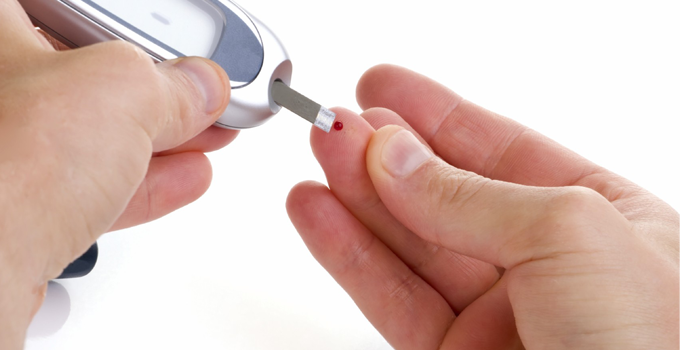
Diabetes is a group of metabolic disorders characterized by increased sugar levels (hyperglycemia) resulting from relative/absolute deficiency of insulin or impaired action on target tissue or both. The chronic nature of diabetes is associated with long term damage, dysfunction and failure of various organs. Hence, effective self- diabetes control is essential.

Along with the use of appropriate medication/insulin as required, a diabetic should also pay attention on to his/her dietary pattern. Few measures well taken could prove beneficial for their sugar and insulin levels.

The primary concern for a diabetic is the intake of carbohydrates because the body uses them as the primary source of energy. Simple or easily digestible carbohydrate foods like refined flour products, juices, sugar should be limited/ avoided within the diet, since they tend to increase the post- prandial levels.

Hence, intake of lente carbohydrate should be included within the diet apart from complex carbohydrates. Lente carbohydrates  are slowly absorbed within the body, due to the presence of high amounts of viscous fiber within them, thereby delaying gastric emptying time. They also reduce the glycemic response of a meal.

Slow absorption has been shown to have beneficial effects such as  improved insulin sensitivity (i.e. easy acceptance of insulin by the target cells within the body), thereby lowering the insulin requirements; decreased LDL/ Bad cholesterol, decreased clotting factors leading to reduced risk of cardiovascular diseases (CVD’s).

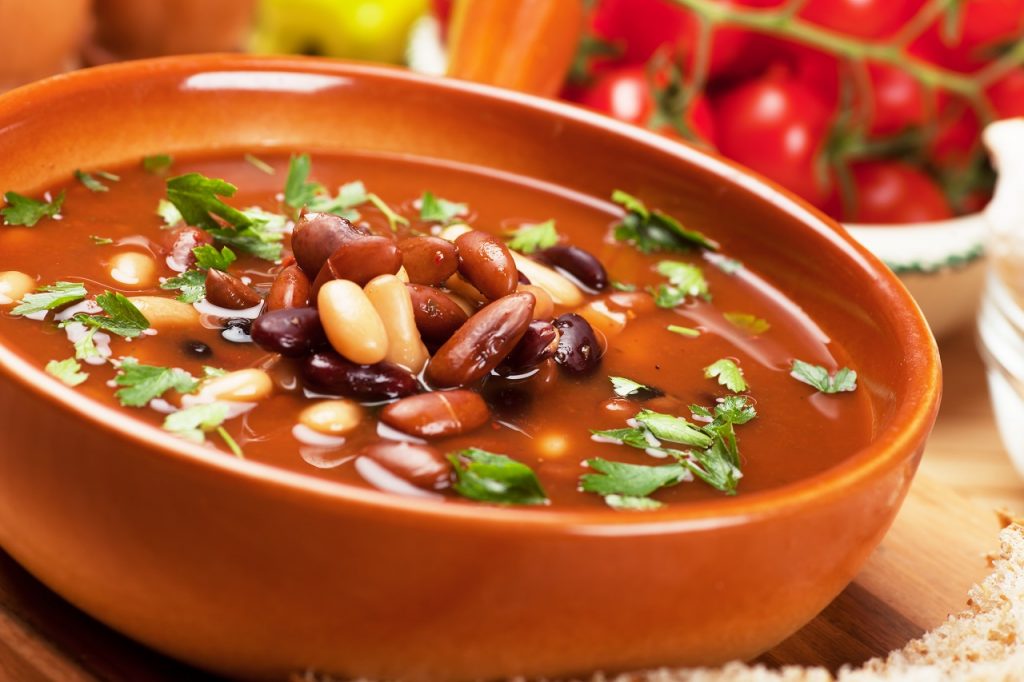
Lente carbohydrates are readily available in the foods such as  legumes (viz lentils,Split grams, Kidney beans, green peas etc. ) soaked pulses, cereal oat bran & barley; most of them being a part of the staple diet.

Thus, lente carbohydrates would not only help in maximizing diabetes control but also provides preventive measures against CVD’s…

April 15, 2026 By Sunita Arora Leave a Comment

Top 10 Foods For Diabetics: What to Eat to Manage Blood Sugar

Foods For DiabeticsYour food choices matter a lot when you are managing diabetes. While it is difficult to find single foods that completely prevent diabetes complications like heart disease, kidney issues, or sudden sugar spikes, there are powerful, nutrient-dense foods that can help you reduce your overall carbohydrate intake and keep your blood sugar in check.

Let’s take a look at the top 10 dietary additions that can make a massive difference in your daily diabetes management.

Top 10 Foods For Diabetics 

  1. Cinnamon
    This fragrant golden spice helps in controlling sugar, cholesterol, and triglyceride levels in Type 2 Diabetes. It adds a natural, warm flavour to food and can easily be sprinkled on tea, coffee, oatmeal, and smoothies. Studies have shown that just ¼ teaspoon of cinnamon daily can improve fasting blood sugar and boost insulin sensitivity.
  2. Extra Virgin Olive OilExtra-virgin olive oil contains antioxidants called polyphenols which are extremely beneficial for heart health. Olive oil is one of the best sources of MUFA (Monounsaturated Fatty Acids) when it comes to managing diabetes. Several studies have shown that MUFAs help keep blood sugar in check by lowering insulin resistance. It also keeps you full, minimizes spikes, and aids in the absorption of vital nutrients. A healthy daily intake is about 1-2 tsp (5ml-10 ml).
  3. Nuts
    Nuts are the ultimate snacking food for managing diabetes because they are delicious, satisfying, and highly nutritious. Nuts like walnuts, almonds, cashews, and pistachios are a boon because they are low in digestible carbohydrates but high in protein and healthy fats. This unique macronutrient profile helps stabilize blood sugar and reduce LDL (bad) cholesterol. Aim for a small handful (approx. 20-30 gm) daily, but be sure to avoid heavily salted or roasted-in-oil varieties.
  4. Beans
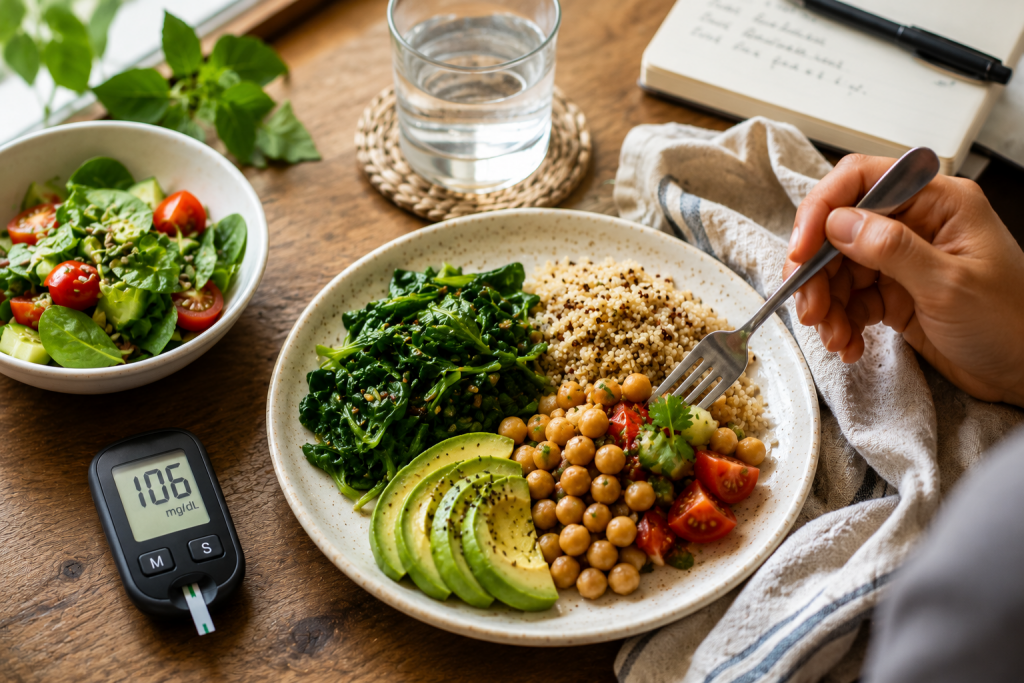
    Beans are complex carbohydrates loaded with fiber and rich in protein, which gives you a prolonged feeling of satiety. They are inexpensive, easily available, and incredibly versatile. Having beans in your diet regularly can control blood sugar and lower blood pressure. You can add approximately one bowl (25-30 gm raw) daily to your salads, soups, or vegetable curries to help regulate your levels.
  5. Quinoa
    Quinoa is considered a complete protein because it contains all nine essential amino acids needed to build muscle, and it is rich in minerals such as iron and magnesium. This protein-rich whole grain is a fantastic substitute for white rice. Because it is rich in fiber, it digests slowly, preventing sudden blood sugar spikes. Taking 20-30 gm of quinoa daily whether in a salad or mixed with vegetables is highly effective for both sugar control and weight loss.
  6. Fenugreek Seeds
    Fenugreek seeds are widely known for their effectiveness in traditional diabetes management. They are incredibly rich in soluble fiber, which lowers blood sugar levels by slowing down the digestion and absorption of carbohydrates. Studies suggest a daily dose of about 10 gm of fenugreek seeds, soaked overnight in water, helps significantly in controlling Type 2 Diabetes.
  7. Oatmeal
    Oatmeal is one of the best breakfast foods as it easily fits into any healthy meal plan. Oats have a low glycemic index and are packed with fiber, doing a miraculous job of regulating blood sugar while providing steady energy. Steel-cut or rolled oats (approx. 20-30 gm daily) made with low-fat milk or cooked with vegetables are the best choice, as they are the least processed.
  8. Garlic
    Garlic is a potent herb that helps reduce inflammation, blood sugar, and LDL cholesterol in people living with Type 2 Diabetes. It is also known to reduce blood pressure and boost overall immunity. You can crush 1-2 cloves of raw garlic and consume them with water early in the morning, or simply use them generously in your daily cooking.
  9. Turmeric
    Turmeric is a powerful spice with numerous health benefits. It contains an active compound called curcumin, which lowers inflammation, reduces blood sugar, and specifically benefits kidney and heart health in diabetics. As a staple in Indian cuisine, it is easy to include. Adding ¼ to ½ tsp in warm water or milk can boost immunity and help regulate your levels.
  10. Chia seeds
    Chia seeds are a powerhouse of nutrients and an absolutely wonderful food for managing diabetes. They are exceptionally high in viscous fiber, which lowers blood sugar and helps maintain a healthy weight by keeping you full for hours. They also decrease blood pressure and systemic inflammation. Try adding 10 gm of soaked chia seeds daily to your smoothies, shakes, or a bowl of fresh curd.

Frequently Asked Questions (FAQs)

1. Can I eat all 10 of these foods every day?
While all these foods are excellent for managing diabetes, portion control is key. You don’t need to eat all 10 every single day. Instead, focus on incorporating a variety of them into a balanced weekly diet plan to get a wide range of nutrients without exceeding your daily caloric limits.

2. Are oats good for diabetes, and does the type of oat matter?
Yes, oats are great for diabetes, but the type matters significantly. Steel-cut oats and rolled oats are complex carbohydrates that digest slowly. Avoid highly processed, sugary instant oatmeal packets, as these will cause rapid spikes in your blood sugar.

3. Should I consult a doctor before adding supplements like fenugreek or cinnamon?
Absolutely. If you are already on diabetes medication or insulin, adding potent natural remedies like fenugreek or high doses of cinnamon can sometimes cause your blood sugar to drop too low (hypoglycemia). Always consult your doctor or health coach before making concentrated dietary changes.

We hope incorporating these 10 foods helps you make a wonderful and positive shift toward a healthier life. (Note: Always consult with your doctor, nutritionist, or dietitian before drastically altering your diet.)

For more articles on managing your health, check out our Healthy Reads on Diabetes.

Managing diabetes is easier when you don’t have to do it alone. For the right guidance and daily motivation from certified experts, subscribe to GOQii’s Personalised Health Coaching here.

#BeTheForce 

Disclaimer: The information provided in this article is for educational and general informational purposes only. It is not intended to serve as professional medical advice, diagnosis, or treatment. Always consult with your physician or a certified GOQii health professional before making any drastic changes to your diet, especially if you are on diabetes medication.

April 10, 2026 By GOQii Leave a Comment

Inflammation: The Hidden Fire Behind Most Chronic Disease

Most people track cholesterol.
Many monitor blood sugar.

Very few think about inflammation.

And yet, chronic low-grade inflammation is now recognised as one of the most important underlying drivers of modern disease linking heart disease, diabetes, fatty liver, arthritis and even cognitive decline.

Think of it as a slow, internal fire.
Not something you feel immediately but something that quietly damages tissues over time.

What Is Chronic Inflammation?

Inflammation, in itself, is not the problem.

It is a natural defence mechanism. When you cut your finger or fight an infection, inflammation helps the body heal.

The issue begins when this response does not switch off.

Poor sleep, chronic stress, excess abdominal fat, smoking and diets high in ultra-processed foods can keep the body in a constant low-grade inflammatory state. This is often silent. There are no obvious symptoms.

But over time, the cumulative effect increases the risk of chronic disease.

What Does CRP Actually Tell You?

C-reactive protein (CRP) is a widely used blood marker that reflects inflammation in the body.

A more sensitive version, high-sensitivity CRP (hs-CRP), is commonly used to assess cardiovascular risk.

In general terms:

  • Below 1 mg/L → low risk
  • 1–3 mg/L → moderate risk
  • Above 3 mg/L → higher inflammatory burden

CRP does not diagnose a specific condition.
It indicates that the body is under physiological stress.

For meaningful interpretation, CRP should always be viewed alongside other markers such as blood glucose, lipid profile and body composition not in isolation.

Visceral Fat: More Than Stored Energy

Not all body fat behaves the same way.

Visceral fat- the fat stored deep around internal organs is metabolically active. It releases inflammatory chemicals directly into the bloodstream.

This is why central fat accumulation is strongly associated with:

  • cardiovascular disease
  • insulin resistance
  • type 2 diabetes

Importantly, you do not need to appear overweight to carry excess visceral fat. Even individuals with a “normal” weight may have elevated metabolic risk if they are sedentary or have poor lifestyle habits.

Reducing visceral fat is one of the most effective ways to lower chronic inflammation.

Ultra-Processed Foods and Oxidative Stress

Diet plays a central role in inflammation.

Ultra-processed foods typically high in refined carbohydrates, industrial oils and additives can lead to repeated blood sugar spikes and increased oxidative stress.

Oxidative stress damages cells and perpetuates inflammation.

Frequent consumption of:

  • packaged snacks
  • sugary beverages
  • deep-fried foods

combined with low physical activity creates a cycle that reinforces metabolic dysfunction over time.

Simple, Evidence-Based Ways to Reduce Inflammation

You do not need extreme interventions.
Consistency matters more than intensity.

  1. Walk after meals
    A 10–15 minute walk improves glucose regulation and reduces post-meal metabolic stress.
  2. Strength train regularly
    Resistance training improves insulin sensitivity and helps reduce visceral fat.
  3. Focus on whole foods
    Prioritise vegetables, fruits, lentils, nuts and seeds.
  4. Use traditional anti-inflammatory ingredients
    Turmeric, ginger and garlic offer well-documented benefits.
  5. Include omega-3 fats
    Sources such as fatty fish, flaxseeds and walnuts support both cardiovascular and cognitive health.
  6. Protect your sleep
    Poor sleep is a major driver of inflammation and hormonal imbalance.

Why This Matters

Chronic disease does not develop overnight.
It builds gradually often through processes like inflammation that go unnoticed for years.

Understanding inflammation helps connect the dots between conditions that are often treated separately:

  • heart disease
  • diabetes
  • obesity
  • cognitive decline

In many cases, they share the same underlying mechanisms.

The goal is not to eliminate inflammation entirely that is neither possible nor necessary.

The goal is to reduce the constant internal load.

To lower the heat.
Gradually. Consistently.

Because long-term health is not defined by one decision,
but by the patterns you repeat every day.

We hope this article helps you understand the silent signals your body might be sending. Do you have questions about managing inflammation, or have you noticed positive changes after adopting any of these habits? Drop your thoughts in the comments below! For personalized guidance on interpreting your health markers and building an anti-inflammatory lifestyle, speak to a certified expert by subscribing to GOQii’s Personalised Health Coaching here.

Frequently Asked Questions (FAQs)

1. What are the most common symptoms of chronic inflammation?
Unlike acute inflammation (which shows as visible redness or swelling), chronic inflammation is often “silent” and internal. However, common subtle warning signs include persistent fatigue, unexplained joint or muscle pain, stubborn weight gain (especially visceral fat around the belly), frequent digestive issues like bloating, and brain fog.

2. What is the best blood test to check for inflammation in the body?
The most common and reliable blood marker used by doctors to assess systemic inflammation and cardiovascular risk is the High-sensitivity C-reactive protein (hs-CRP) test. Generally, an hs-CRP level below 1 mg/L indicates low risk, while a level above 3 mg/L suggests a high inflammatory burden.

3. What foods cause the most inflammation?
Ultra-processed foods are the primary dietary drivers of chronic inflammation. This includes items high in refined sugars, high-fructose corn syrup, refined carbohydrates (like white bread and pastries), deep-fried foods, and industrial seed oils. These foods trigger rapid blood sugar spikes and oxidative stress, keeping the body’s inflammatory response constantly active.

4. How fast can you reduce inflammation with diet and lifestyle changes?
While chronic inflammation builds up over years, your body responds quickly to positive changes. Simple interventions—like taking a 15-minute walk after meals to control blood sugar, cutting out sugary beverages, and prioritizing 7-8 hours of sleep—can begin lowering inflammatory markers like hs-CRP within a few weeks to a few months.

5. Can regular exercise help reduce inflammation?
Yes. While intense, over-training can temporarily increase acute stress, regular and moderate exercise is highly anti-inflammatory. Strength training specifically helps burn away metabolically active visceral fat (which actively releases inflammatory chemicals), while daily movement improves insulin sensitivity and circulation.

#BeTheForce

Disclaimer: The information provided in this article is for educational and general informational purposes only and is not intended to serve as professional medical advice, diagnosis, or treatment. Inflammatory markers like hs-CRP must be interpreted by a qualified medical professional in the context of your overall health profile. Always consult with your doctor, physician, or a registered clinical dietitian before making significant changes to your diet, starting a new exercise routine, or if you are experiencing symptoms of chronic illness.

  • « Previous Page
  • 1
  • …
  • 4
  • 5
  • 6
  • 7
  • 8
  • …
  • 96
  • Next Page »

Search

Recent Posts

  • Social Health and Longevity: Why Relationships Matter as Much as Diet
  • Top 10 Foods For Diabetics: What to Eat to Manage Blood Sugar
  • Why Good Nutrition Before Conception Is Crucial For Your Baby’s Health
  • 6 Tricks To Help You Make Exercise A Habit
  • World Parkinson’s Day 2026: Bridging the Care Gap & Supporting Caregivers

Stay Updated

Archives

  • April 2026 (12)
  • March 2026 (18)
  • February 2026 (14)
  • January 2026 (14)
  • December 2025 (19)
  • November 2025 (15)
  • October 2025 (20)
  • September 2025 (6)
  • August 2025 (6)
  • July 2025 (12)
  • June 2025 (18)
  • May 2025 (16)
  • April 2025 (22)
  • March 2025 (28)
  • February 2025 (22)
  • January 2025 (25)
  • December 2024 (22)
  • November 2024 (23)
  • October 2024 (21)
  • September 2024 (23)
  • August 2024 (30)
  • July 2024 (21)
  • June 2024 (25)
  • May 2024 (30)
  • April 2024 (27)
  • March 2024 (27)
  • February 2024 (24)
  • January 2024 (21)
  • December 2023 (14)
  • November 2023 (11)
  • October 2023 (19)
  • September 2023 (22)
  • August 2023 (18)
  • July 2023 (22)
  • June 2023 (23)
  • May 2023 (24)
  • April 2023 (22)
  • March 2023 (23)
  • February 2023 (19)
  • January 2023 (15)
  • December 2022 (11)
  • November 2022 (15)
  • October 2022 (15)
  • September 2022 (12)
  • August 2022 (10)
  • July 2022 (17)
  • June 2022 (11)
  • May 2022 (10)
  • April 2022 (6)
  • March 2022 (6)
  • February 2022 (13)
  • January 2022 (11)
  • December 2021 (7)
  • November 2021 (3)
  • October 2021 (6)
  • September 2021 (3)
  • August 2021 (8)
  • July 2021 (7)
  • June 2021 (15)
  • May 2021 (16)
  • April 2021 (10)
  • March 2021 (7)
  • February 2021 (4)
  • January 2021 (4)
  • December 2020 (3)
  • November 2020 (4)
  • October 2020 (10)
  • September 2020 (3)
  • August 2020 (3)
  • July 2020 (2)
  • June 2020 (4)
  • May 2020 (10)
  • April 2020 (12)
  • March 2020 (10)
  • February 2020 (4)
  • January 2020 (4)
  • December 2019 (3)
  • November 2019 (7)
  • October 2019 (5)
  • September 2019 (4)
  • August 2019 (9)
  • July 2019 (9)
  • June 2019 (11)
  • May 2019 (4)
  • April 2019 (8)
  • March 2019 (8)
  • February 2019 (9)
  • January 2019 (8)
  • December 2018 (9)
  • November 2018 (3)
  • October 2018 (3)
  • September 2018 (5)
  • August 2018 (10)
  • July 2018 (6)
  • June 2018 (13)
  • May 2018 (8)
  • April 2018 (18)
  • March 2018 (9)
  • February 2018 (8)
  • January 2018 (15)
  • December 2017 (12)
  • November 2017 (19)
  • October 2017 (13)
  • September 2017 (15)
  • August 2017 (4)
  • July 2017 (8)
  • June 2017 (7)
  • May 2017 (6)
  • April 2017 (8)
  • March 2017 (6)
  • February 2017 (7)
  • January 2017 (9)
  • December 2016 (10)
  • November 2016 (7)
  • October 2016 (7)
  • September 2016 (7)
  • August 2016 (11)
  • July 2016 (9)
  • June 2016 (9)
  • May 2016 (12)
  • April 2016 (17)
  • March 2016 (17)
  • February 2016 (8)
  • January 2016 (6)
  • December 2015 (2)
  • November 2015 (9)
  • October 2015 (7)
  • September 2015 (9)
  • August 2015 (11)
  • July 2015 (9)
  • June 2015 (11)
  • May 2015 (9)
  • April 2015 (13)
  • March 2015 (8)
  • February 2015 (5)
  • January 2015 (12)
  • December 2014 (14)
  • November 2014 (11)
  • October 2014 (6)
  • September 2014 (13)
  • August 2014 (12)
  • July 2014 (6)
  • June 2014 (2)
  • May 2014 (7)
  • April 2014 (4)

From “Laddu Nawin” to Fit and Fierce: How a 25-Year-Old Insurance Advisor Shed 20 Kilos and Gained His Life Back

When 25-year-old Nawin Yadav from Hyderabad walked into his office every morning, he carried more than just his files and policy papers. He had the weight of fatigue, sluggish energy, and an ever-growing belly that was becoming the butt of jokes. “People … [Read More...]

“I’ve Challenged Myself to Live 100 Years” – The Story of Chandubhai Savani’s Second Chance at Life

At 67, most people start slowing down. Not Chandubhai Savani. A resident of Surat, Chandubhai, thought life was on track. “My life was going well till I had my bypass surgery,” he says. That surgery, back in 2021, was a wake-up call.  Medication was routine, but exercise wasn’t. His diet? What he calls ‘normal.’ “I […]

From Shimla’s Slopes to Chandigarh’s Sidewalks: Surinder Kaur Bhalla’s Journey from Chaos to Control

Some journeys start with a plan. Others begin with a stumble literally. Surinder Bhalla, a government professional, born and raised in the scenic hill town of Shimla, had always lived a life of movement. “In Shimla, you walked everywhere,” she reflects. “Walking was never an exercise. It was just life.” But after shifting to Chandigarh, […]

Ananda Mukherjee Health Story

From Terminal Illness To Complete Wellness! Ananda Mukherjee Health Story

As we observe World Cancer Day under the powerful theme ‘United by Unique’ (2025-2027)**, we are reminded that every individual’s journey with cancer is distinct, yet united by shared resilience, hope, and the collective fight against this disease. This theme places people at the centre of care and their stories at the heart of the […]

  • HOME
  • HEALTHY LIVING
  • FITNESS
  • HEALTHY RECIPES
  • USER STORIES
  • KARMA
  • BUY GOQii

Copyright ©2016 GOQii