
GOQii

Blog

  • HOME
  • HEALTHY LIVING
  • FITNESS
  • HEALTHY RECIPES
  • USER STORIES
  • KARMA
  • BUY GOQii

Search Results for: carb

August 17, 2024 By Trupti Hingad Leave a Comment

Sweet Corn: A perfect healthy snack

It’s the monsoon season, and one of the best snack during this time is roasted whole corn with a dash of lime, red chilli powder, and salt. For Mumbaikars, it’s a must have known as ‘Bhuta’.

Roasted corn is a healthier snack compared to fried fries, samosas or other unhealthy options typically chosen during the rainy season. So why is corn healthy? You will be surprised to know that this small kernel of corn is packed with nutrients and is a perfect snack to boost overall health.

Corn is rich in fibre and low in carbohydrates. A cup of sweet corn provides 3.5 grams of dietary fibre, keeping you full and aiding in with weight loss, making it a perfect mid-snack for weight watchers.

Yes! Even diabetics can enjoy it in controlled portions. Corn offers a source of complex carbs, providing your body with long-lasting fuel. Being a starchy food, corn’s carbs are broken down slowly, preventing sudden spikes or drops in blood sugar levels.

During monsoon, the digestive system tends to gets sluggish. The soluble fibre in corn keeps our gut healthy and helps prevent colon cancer too. Insoluble fibre prevents constipation and other intestinal problems by promoting soft and bulky stool that moves easily through the intestines.

Corn is a rich source of B complex vitamin, which increase mental ability and boosts memory. Its also a good source of Vitamin C, Niacin, Thiamine, Folate, and Potassium, which help prevent heart disease, hypertension, and lowers bad cholesterol.

corn1Colourful Corn Cob

This tiny food is loaded with Phytonutrients such as carotenoids, lutein and zeaxanthin, responsible for its bright yellow colour, which improves eye health. Corn is packed with minerals like phosphorous, magnesium, manganese, zinc, iron, copper, and the trace mineral selenium.

Corn has good protein content, containing all amino acid except lysine and isoleucine. Make a corn salad with tofu or cheese or add some nuts, eggs or lentils to make it a complete protein snack.

Corn is rich in antioxidants, phenolic compounds, and ferulic acid, which have the capability to fight tumours in the breast and liver.
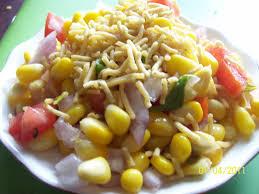
corn bhel

Corn Bhel

If you suffer from celiac disease or are gluten intolerant, corn is a safe vegetable for you to eat. It is naturally gluten-free, making it a great substitute for other ingredients.

Besides enjoying corn on the cob, steamed or roasted, try corn bhel, corn pizza, corn patties, baked corn, corn biryani or corn frankies.

Too lazy or in hurry? Just toss steamed corn kernels in an olive oil-salt-pepper-herbs dressing and enjoy it as you watch the rain go pitter-patter on the windows.

Word of caution

Remember, while sweet corn is a healthy treat, corn slathered in butter and doused in salt is not a healthy option.

So go ahead and enjoy this guilt-free snack!

We hope this article helps you. Do you have a favorite way to enjoy sweet corn? Share it with us in the comments below! For more tips on healthy snacking and nutrition, speak to a certified expert by subscribing to GOQii’s Personalised Health Coaching here.

#BeTheForce 
August 11, 2024 By Farzana Chauhan 1 Comment

6 Health Benefits of Chia Seeds

966-chia-seeds-for-fitness

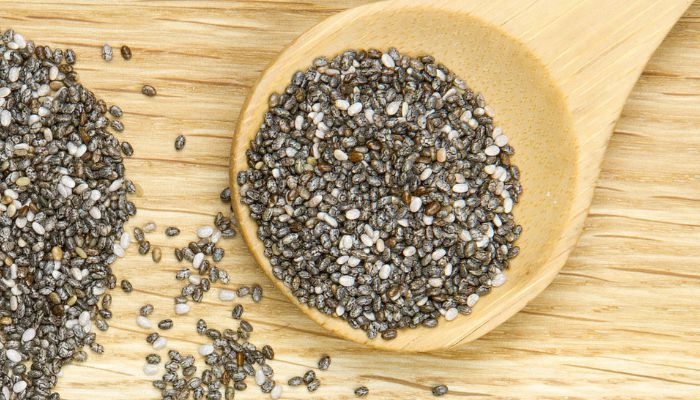
Chia seeds, derived from Salvia Hispanica, a desert plant native to Mexico, are tiny edible seeds that are rich in fiber, omega-3 fatty acids, protein, calcium, carbohydrates, minerals and antioxidants. These small black and white seeds are especially beneficial for heart patients, individuals suffering from arthritis and those with Type 2 diabetes.

However, it is important to consume these seeds in the right manner. When consumed with milk, water or other liquids these seeds make you feel satiated and help in curbing food craving that in turn helps in maintaining weight. Rich in several micronutrients, Chia seeds also serve as a energy booster and offer numerous health benefits. As Dr. Mehmet Oz from the Oprah show puts it, “They just may be one of the healthiest things around.”

Let’s explore the detailed health benefits of these nutritious seeds:

  1. Lower the risk of heart disease

Chia seeds are considered good for your heart as they help in lowering the bad cholesterol. As per a study published in the British Journal of Nutrition, Chia seeds help in reducing triglycerides and LDL cholesterol levels and increasing HDL, the good cholesterol. These are thus good for your heart health. The study further revealed that alpha linolenic acid, better known as ALA, present in these seeds prevents high triglyceride levels thereby lowering central obesity.

  1. Reduce Inflammation

Chia seeds are one of the richest sources of omega-3 fatty acids. These are particularly rich in alpha linolenic acid. The presence of these fatty acids helps in reducing inflammation. It is especially good for people suffering from arthritis as high levels of Omega-3 fatty acids in these seeds helps in lubricating various joints and keeping them supple. Omega-3 fatty acids are also converted into prostaglandins that help in relieving pain. These are a good source of fiber too which again is known for reducing inflammation.

  1. Stabilize the blood sugar level

Studies reveal that Chia seeds play an important role in regulating your insulin levels. These seeds lower the rate at which carbohydrates are digested and absorbed in the body. The soluble fiber present in Chia seeds helps stabilize blood glucose level. As per a study conducted by Dr.Vladamir Vuksan from St. Michael’s Hospital in Toronto, the blood of diabetic patients who consumed Chia seeds regularly for three months was thinner and thus less prone to clotting. It also helped in controlling high blood pressure.

  1. Regulate Bowel Movement

These healthy seeds are rich in fiber that helps in regulating the bowel function efficiently. So next time you experience indigestion or poor bowel movement you know what to have. Merely two tablespoons of Chia seeds contain 10 grams of fiber which is one third of the daily recommended fiber intake.

  1. Control Aging

Antioxidants help in controlling aging and Chia seeds are rich in these. Consuming these regularly thus helps in keeping you healthy and controls aging.

      6. Reduce weight

The consumption of Chia seeds can help in reducing weight especially when these seeds are consumed with water or other liquid as the fiber present in these seeds absorbs water and expands inside the stomach making you feel full. This helps in controlling appetite. Chia is also rich in proteins that again help in reducing hunger.

However, though helpful in reducing weight, the consumption of Chia seeds alone may not have as much impact. Your total calorie intake during a day as well as your overall lifestyle determines your weight.

How to consume Chia seeds?

Chia seeds have a mild nutty flavour and are almost tasteless. You need not necessarily have to ground these seeds as these can be digested whole. Chia seeds can be enjoyed as toppings on different dishes such as cereals, vegetables, rice, puddings and baked deserts. You may even add these to smoothies, yogurt, shakes and soups, mix these with peanut butter or sprout them. However, it is best to have Chia seeds mixed in a glass of plain water, coconut water or cranberry juice.

Chia seeds have emerged as a super food over the last few years. Talking about these seeds, Dr. Andrew Thomas Weil said, “You will begin to see Chia being added to more and more commercial products, such as prepared baby foods, nutrition bars, and baked goods.”

Having talked of all the positives of Chia Seeds, it is important to understand if there is any downside to Chia?  Researcher Catherine Ulbricht, PharmD, cautions that if you have food allergies (especially to Sesame and Mustard seeds) or are on high BP medications or blood thinners you should ask your doctor before adding Chia to your diet.

We hope this article inspires you to incorporate chia seeds into your diet for better health. If you found this information valuable, share your thoughts in the comments below. For more health tips and personalised guidance, consider subscribing to GOQii’s Personalised Health Coaching here.

#BeTheForce

Disclaimer: The information provided in this blog is for general awareness and educational purposes only. It is not intended to replace professional medical advice, diagnosis, or treatment. Always consult a qualified healthcare provider for personalised medical guidance or concerns related to your health.

August 2, 2024 By Aqsa Shaikh 3 Comments

Effects of ALCOHOL on your health..?

Effects of alcohol

Today, most of are used to late night parties – whether it’s an office party, a birthday celebration, a marriage anniversary or similar events. Partying is often seen as a way to relieve stress and enjoy ourselves.

One of the most common beverage at parties is ALCOHOL. Any celebration is often marked by the presence of beer, vodka, champagne, tequila, rum, whisky, etc., flowing like water. Some people enjoy drinking alcohol, whether it’s hard liquor or beer, while others are social drinkers who drink to enjoy and celebrate. Many drink under the guise of being stressed or overworked, which can lead to become an alcoholic.

The harmful effects of alcohol on our body and immune system are well-known, but there is still a constant desire to drink at every opportunity.

The real fact is that many people are not completely aware of the dangerous side effects of alcohol and how it can lead to addiction, which is harmful to one’s immune system and the liver.

A good immune system helps our body fight diseases and virus that enter our body. However, excessive alcohol consumption deprives the body of valuable immune-boosting nutrients, such as Vitamin A, and can impair white blood cells, which are our body’s defense against illness and disease, making them less able to kill germs.

Damage to the immune system increases with the level of alcohol consumed. For those who are addicted to alcohol, there are several immediate issues such as:

  • Slurred speech
  • Drowsiness
  • Vomiting
  • Diarrhea
  • Upset stomach
  • Headaches
  • Breathing difficulties
  • Distorted vision and hearing
  • Impaired judgment
  • Decreased perception and coordination
  • Unconsciousness
  • Anemia (loss of red blood cells)
  • Coma
  • Blackouts (memory lapses, where the drinker cannot remember events that occurred while under the influence)

LONG-TERM EFFECTS OF ALCOHOL

Binge drinking and continued alcohol use in large amounts are associated with numerous health issues and heart problems, including:

  • Unintentional injuries such as car crashes, falls, burns, drowning
  • Intentional injuries such as firearm injuries, domestic violence
  • Increased on-the-job injuries and loss of productivity
  • Increased family problems, broken relationships
  • Alcohol poisoning
  • High blood pressure, stroke, and other heart-related diseases
  • Liver disease
  • Nerve damage
  • Sexual problems
  • Permanent damage to the brain
  • Vitamin B1 deficiency, which can lead to a disorder characterized by amnesia, apathy, and disorientation
  • Ulcers
  • Gastritis (inflammation of stomach walls)
  • Malnutrition
  • Cancer of the mouth and throat

Alcohol is not just harmful to your body and its systems; it can also lead to weight gain. Research shows that calories from alcohol are “empty calories,” meaning they have no nutritional value. Most alcoholic drinks contain traces of vitamins and minerals, but not usually in amounts that significantly contribute to our diet.

Drinking alcohol also reduces the amount of fat your body burns for energy. While we can store nutrients, protein, carbohydrates, and fat in our bodies, we can’t store alcohol. So our systems want to get rid of it, and doing so takes priority. All of the other processes that should be taking place (including absorbing nutrients and burning fat) are thus interrupted due to alcohol.

Here are some common alcoholic beverage and the alcohol content:

  • Beer: 2-6% alcohol
  • Wine: 8-20% alcohol
  • Tequila: 40% alcohol
  • Rum: 40% or more alcohol
  • Brandy: 40% or more alcohol
  • Gin: 40–47% alcohol
  • Whiskey: 40–50% alcohol
  • Vodka: 40–50% alcohol 

These are some calories counts for various drinks:

  1. Beer contains 43 calories per 100 ml
  2. Wine contain 83 calories per 100 ml
  3. Tequila contains 96 calories in one jigger (shot)
  4. Rum contains 231 calories per 100 ml
  5. Brandy contains 104 calories in one jigger (shot)
  6. Gin contains 222 calories per 100grams
  7. Whisky contains 700 calories per 100 ml
  8. Vodka contains 231 calories per 100 ml

Having said all this, would you still want to consume alcohol? Think twice.

We hope this article helps you understand the effects of alcohol on your health. If you have any tips or experiences to share about managing alcohol consumption, let us know in the comments below. For more health tips and information, check out Healthy Reads or speak to a certified expert by subscribing to GOQii’s Personalised Health Coaching here.

#BeTheForce

Disclaimer: The information provided in this blog is for general awareness and educational purposes only. It is not intended to replace professional medical advice, diagnosis, or treatment. Always consult a qualified healthcare provider for personalised medical guidance or concerns related to your health.

July 30, 2024 By Swati Savla Leave a Comment

Managing Diabetes: Dietary Choices and Lifestyle Adjustments for Controlling Blood Sugar

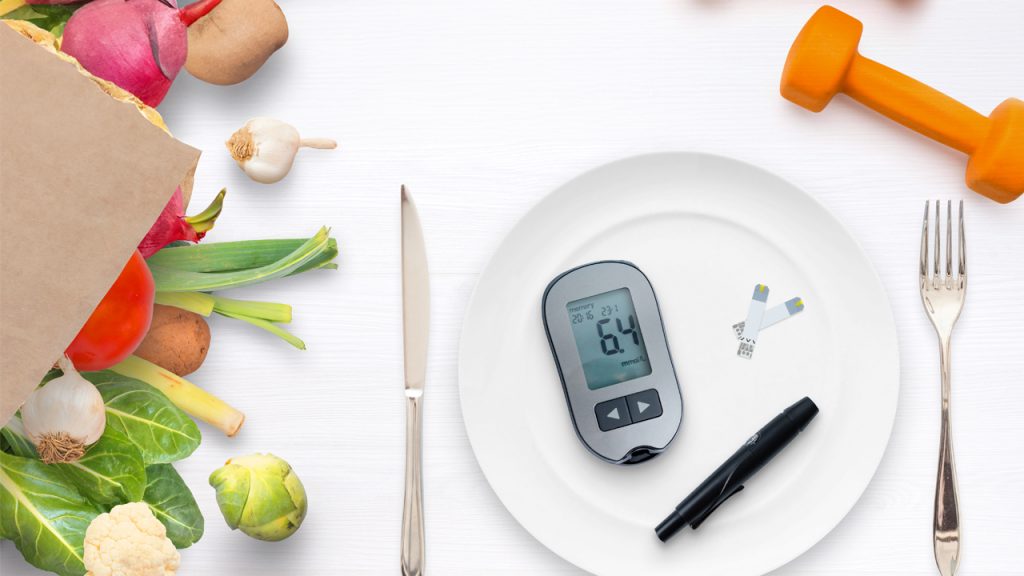
Diabetes is a chronic metabolic disorder that impairs the body’s ability to regulate blood sugar levels. In recent years, the global prevalence of diabetes has surged, with nearly one in ten people affected, making it one of the fastest-growing lifestyle disorders. It’s also a contributor to other health issues such as heart disease, obesity, retinopathy, and nephropathy. However, with lifestyle modifications like improved diet, increased physical activity, stress management, and proper sleep, along with timely medication, it is possible to reverse this condition.

Let us explore some basic food groups and functional foods that can be integrated into daily meals to help prevent blood sugar spikes:

Whole Grains: Oats, millets, brown rice, buckwheat, and quinoa are rich in fiber and complex carbohydrates, slowing digestion and controlling blood sugar.

First-Class Proteins: Dried beans, lentils, yogurt, non-fat milk, nuts, seeds, eggs, lean meats, and especially fatty fish, which are rich in Omega-3 fatty acids, are excellent sources of high-quality protein. These foods not only help you feel fuller for longer, thus reducing carbohydrate consumption during meals, but the Omega-3 fatty acids they contain also help prevent various heart diseases.

 Fruits: All fruits are suitable for consumption, but it is crucial to control portion sizes and consume them at appropriate times of the day, separate from main meals.

Vegetables: Both starchy and non-starchy types, particularly leafy greens, are low in carbohydrates and ideal for controlling overeating and post-meal sugar spikes.

Healthy Fats: Avocados, olive oil, nuts, fatty fish, flaxseeds, and cold-pressed oils are heart-healthy and help mitigate complications from diabetes.

Key spices from the kitchen also play a vital role in managing blood sugar levels:

Cinnamon: Commonly used in Indian cooking, just 1/4th teaspoon of cinnamon can enhance insulin release and improve insulin sensitivity.

Garlic: Rich in Vitamin B6 and Vitamin C, garlic aids carbohydrate metabolism and acts as a powerful antioxidant to prevent diabetes onset.

Turmeric: Known for its anti-inflammatory properties, turmeric helps reduce the oxidative stress associated with diabetes.

When managing diabetes, consider these three key elements:

Portion Control: Essential in managing intake of the beneficial foods without overindulging.

Type of Food: Adhering to the ‘My Plate’ concept, meals should consist of about 50% fiber (vegetables), 25% proteins, 10-15% fats, and minimal carbohydrates.

Meal Frequency and Timing: Spread your daily intake across two or three main meals to maintain consistent energy levels and prevent blood sugar spikes.

Incorporating the right food choices, engaging in daily physical activity, and maintaining a regular sleep schedule are fundamental strategies for preventing and potentially reversing diabetes.

We hope this article helps you. For further information or guidance, reach out to our certified experts by subscribing to GOQii’s Personalised Health Coaching here.

#BeTheForce 
Disclaimer: The information provided in this blog is for general awareness and educational purposes only. It is not intended to replace professional medical advice, diagnosis, or treatment. Always consult a qualified healthcare provider for personalised medical guidance or concerns related to your health.

  • « Previous Page
  • 1
  • …
  • 26
  • 27
  • 28
  • 29
  • 30
  • …
  • 95
  • Next Page »

Search

Recent Posts

  • 4 Reasons Why Affirmations Are Not Working For You
  • The Social Side of GLP-1: Navigating “Food Culture” and Peer Pressure
  • Leaky Gut: Symptoms and Causes
  • Muscle Is Your Insurance Policy: Why Strength Predicts Lifespan More Than Cardio
  • The Fiber Gap: Managing Digestion on GLP-1 Therapy

Stay Updated

Archives

  • March 2026 (1)
  • February 2026 (14)
  • January 2026 (14)
  • December 2025 (19)
  • November 2025 (15)
  • October 2025 (20)
  • September 2025 (6)
  • August 2025 (6)
  • July 2025 (12)
  • June 2025 (18)
  • May 2025 (16)
  • April 2025 (22)
  • March 2025 (23)
  • February 2025 (22)
  • January 2025 (25)
  • December 2024 (22)
  • November 2024 (23)
  • October 2024 (21)
  • September 2024 (24)
  • August 2024 (30)
  • July 2024 (21)
  • June 2024 (26)
  • May 2024 (31)
  • April 2024 (27)
  • March 2024 (29)
  • February 2024 (25)
  • January 2024 (21)
  • December 2023 (15)
  • November 2023 (11)
  • October 2023 (19)
  • September 2023 (22)
  • August 2023 (18)
  • July 2023 (22)
  • June 2023 (24)
  • May 2023 (24)
  • April 2023 (23)
  • March 2023 (23)
  • February 2023 (19)
  • January 2023 (15)
  • December 2022 (11)
  • November 2022 (15)
  • October 2022 (15)
  • September 2022 (12)
  • August 2022 (10)
  • July 2022 (17)
  • June 2022 (11)
  • May 2022 (10)
  • April 2022 (6)
  • March 2022 (6)
  • February 2022 (13)
  • January 2022 (11)
  • December 2021 (7)
  • November 2021 (3)
  • October 2021 (6)
  • September 2021 (3)
  • August 2021 (8)
  • July 2021 (7)
  • June 2021 (15)
  • May 2021 (16)
  • April 2021 (10)
  • March 2021 (7)
  • February 2021 (4)
  • January 2021 (4)
  • December 2020 (3)
  • November 2020 (4)
  • October 2020 (10)
  • September 2020 (3)
  • August 2020 (3)
  • July 2020 (2)
  • June 2020 (4)
  • May 2020 (10)
  • April 2020 (12)
  • March 2020 (10)
  • February 2020 (4)
  • January 2020 (4)
  • December 2019 (3)
  • November 2019 (7)
  • October 2019 (5)
  • September 2019 (4)
  • August 2019 (9)
  • July 2019 (9)
  • June 2019 (11)
  • May 2019 (4)
  • April 2019 (8)
  • March 2019 (8)
  • February 2019 (9)
  • January 2019 (8)
  • December 2018 (9)
  • November 2018 (3)
  • October 2018 (3)
  • September 2018 (5)
  • August 2018 (10)
  • July 2018 (6)
  • June 2018 (13)
  • May 2018 (8)
  • April 2018 (18)
  • March 2018 (9)
  • February 2018 (8)
  • January 2018 (15)
  • December 2017 (12)
  • November 2017 (19)
  • October 2017 (13)
  • September 2017 (15)
  • August 2017 (4)
  • July 2017 (8)
  • June 2017 (7)
  • May 2017 (6)
  • April 2017 (8)
  • March 2017 (6)
  • February 2017 (7)
  • January 2017 (9)
  • December 2016 (10)
  • November 2016 (7)
  • October 2016 (7)
  • September 2016 (7)
  • August 2016 (11)
  • July 2016 (9)
  • June 2016 (9)
  • May 2016 (12)
  • April 2016 (17)
  • March 2016 (17)
  • February 2016 (8)
  • January 2016 (6)
  • December 2015 (2)
  • November 2015 (9)
  • October 2015 (7)
  • September 2015 (9)
  • August 2015 (11)
  • July 2015 (9)
  • June 2015 (12)
  • May 2015 (9)
  • April 2015 (13)
  • March 2015 (8)
  • February 2015 (5)
  • January 2015 (12)
  • December 2014 (14)
  • November 2014 (11)
  • October 2014 (6)
  • September 2014 (13)
  • August 2014 (12)
  • July 2014 (6)
  • June 2014 (2)
  • May 2014 (7)
  • April 2014 (5)

From “Laddu Nawin” to Fit and Fierce: How a 25-Year-Old Insurance Advisor Shed 20 Kilos and Gained His Life Back

When 25-year-old Nawin Yadav from Hyderabad walked into his office every morning, he carried more than just his files and policy papers. He had the weight of fatigue, sluggish energy, and an ever-growing belly that was becoming the butt of jokes. “People … [Read More...]

“I’ve Challenged Myself to Live 100 Years” – The Story of Chandubhai Savani’s Second Chance at Life

At 67, most people start slowing down. Not Chandubhai Savani. A resident of Surat, Chandubhai, thought life was on track. “My life was going well till I had my bypass surgery,” he says. That surgery, back in 2021, was a wake-up call.  Medication was routine, but exercise wasn’t. His diet? What he calls ‘normal.’ “I […]

From Shimla’s Slopes to Chandigarh’s Sidewalks: Surinder Kaur Bhalla’s Journey from Chaos to Control

Some journeys start with a plan. Others begin with a stumble literally. Surinder Bhalla, a government professional, born and raised in the scenic hill town of Shimla, had always lived a life of movement. “In Shimla, you walked everywhere,” she reflects. “Walking was never an exercise. It was just life.” But after shifting to Chandigarh, […]

Ananda Mukherjee Health Story

From Terminal Illness To Complete Wellness! Ananda Mukherjee Health Story

As we observe World Cancer Day under the powerful theme ‘United by Unique’ (2025-2027)**, we are reminded that every individual’s journey with cancer is distinct, yet united by shared resilience, hope, and the collective fight against this disease. This theme places people at the centre of care and their stories at the heart of the […]

  • HOME
  • HEALTHY LIVING
  • FITNESS
  • HEALTHY RECIPES
  • USER STORIES
  • KARMA
  • BUY GOQii

Copyright ©2016 GOQii



