GOQii

Blog

  • HOME
  • HEALTHY LIVING
  • FITNESS
  • HEALTHY RECIPES
  • USER STORIES
  • KARMA
  • BUY GOQii

Search Results for: breathing

March 5, 2025 By GOQii Leave a Comment

The Difference Between Emotional Eating & Binge Eating Disorder

Many people use food as a coping mechanism, but when does it cross the line into something more serious like Binge Eating Disorder (BED)? Let’s explore the key differences.

What is Emotional Eating?

Emotional eating is when we eat in response to feelings rather than physical hunger. It is often triggered by stress, boredom, sadness, or even happiness.

Signs of Emotional Eating:

  • Eating in response to stress, sadness, boredom, or anxiety.
  • Craving specific comfort foods (e.g., sweets, crisps, or junk food).
  • Eating even when not physically hungry.
  • Feeling temporarily better after eating, but then experiencing guilt or regret.
  • Occurs occasionally and in smaller portions.

While emotional eating is a common behaviour, it becomes a concern when it happens frequently and disrupts your relationship with food.

What is Binge Eating Disorder (BED)?

Binge Eating Disorder (BED) is a serious mental health condition characterised by frequent, uncontrollable episodes of eating large quantities of food. Unlike emotional eating, BED involves a sense of loss of control and distress around food.

Signs of Binge Eating Disorder:

  • Frequent episodes of eating large amounts of food within a short time.
  • Eating even when uncomfortably full or not hungry.
  • Feeling out of control during eating episodes.
  • Eating very quickly and secretly, due to shame or embarrassment.
  • Feeling distressed, ashamed, or guilty after binge episodes.
  • Episodes occur at least once a week for three months (as per clinical diagnosis).

Unlike emotional eating, BED is a compulsive disorder that can have serious long-term effects on both physical and mental health.

Key Differences Between Emotional Eating & Binge Eating Disorder

Factor

Emotional Eating

Binge Eating Disorder (BED)

Triggers

Stress, boredom, sadness

Can be emotional or compulsive without a clear trigger

Portion Size

Small to moderate

Large amounts of food in one sitting

Control Over Eating

Some level of control

Complete loss of control

Frequency

Occasional

Recurring (at least once a week for 3+ months)

Aftermath Feelings

Mild guilt or regret

Intense guilt, shame, distress

Eating Speed

Normal

Very fast, often secretive

Physical Consequences

Rare

Can lead to obesity, diabetes, heart issues

How to Manage Emotional Eating & Binge Eating Disorder

Whether you struggle with occasional emotional eating or suspect you may have BED, there are steps you can take to regain control of your eating habits.

  1. Recognise Your Triggers

Keep a food and mood journal to identify what emotions drive your eating habits. Do you eat when you’re stressed? Lonely? Bored? Understanding your triggers is the first step to making changes.

  1. Find Healthier Coping Mechanisms

Instead of turning to food, try activities like:

    • Exercise – A natural mood booster.
    • Journaling – Helps process emotions.
    • Meditation or Deep Breathing – Reduces stress and anxiety.
    • Social Connection – Call a friend or spend time with loved ones.
  1. Eat Mindfully
    • Pay attention to hunger cues – eat when you’re physically hungry, not emotionally hungry.
    • Practise portion control – serve food on a plate rather than eating straight from a packet.
    • Slow down while eating – chew properly and enjoy your food.
  1. Professional Help for BED
    • Cognitive Behavioural Therapy (CBT) – A proven method to change binge-eating behaviours.
    • Mindful Eating Therapy – Helps individuals reconnect with hunger and fullness cues.
    • Support Groups & Counselling – Having a support system makes recovery easier.
    • Medical Interventions – In some cases, doctors may prescribe medication to help manage BED.

Occasionally turning to food for comfort is normal, but when it becomes a frequent coping mechanism or involves loss of control, it’s important to take action. Understanding the difference between emotional eating and Binge Eating Disorder is the first step toward a healthier relationship with food.

Have you ever struggled with emotional eating? What strategies have helped you? Share in the comments!

#BeTheForce

Disclaimer: The information provided in this blog is for general awareness and educational purposes only. It is not intended to replace professional medical advice, diagnosis, or treatment. Always consult a qualified healthcare provider for personalised medical guidance or concerns related to your health.
March 1, 2025 By Dr Ashwin Nanda 2 Comments

Tension or HYPERTENSION

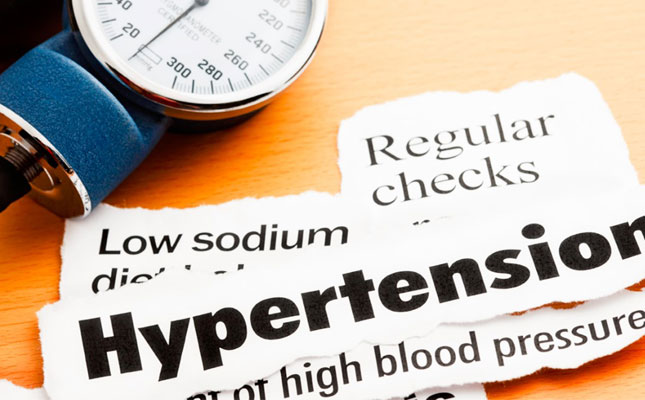
hypertensionI can’t count how many times in my 12 years of medical practice a patient with just a headache has eventually been diagnosed with high blood pressure (hypertension). Whenever a patient complains of a headache, I always make it a point to check their blood pressure (BP), as it is a very common symptom of fluctuating BP. This often presents around the temples but can also be felt at the back of the head (occipital region).
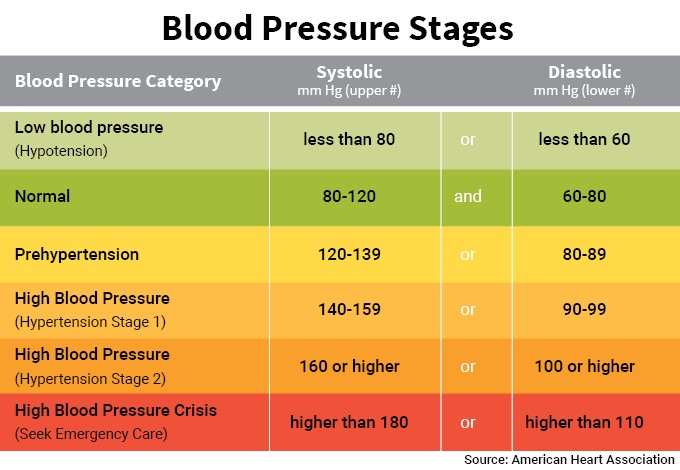
What is Blood Pressure?

The pressure exerted by the column of blood flowing in the arteries once it has been pumped by the heart is called systolic (higher value) blood pressure. Diastolic (lower value) BP refers to the resistance in the arteries, which is always present due to their elastic tone.

Blood Pressure Categories:

  • Normal: Up to 120/80 mmHg
  • Pre-Hypertensive: 130/90 to 140/90 mmHg
  • Hypertension: Above 140/90 mmHg

A person is diagnosed with high BP if three readings taken on separate days are consistently high.

BP - HypertensionSigns & Symptoms of Hypertension

If I have to look for signs of high BP, these symptoms should raise suspicion

  1. Headache
  2. Feeling of tiredness.
  3. Difficulty breathing
  4. Heaviness in the eyes / blurred vision.
  5. Irritability
  6. Severe cases: Heart attack or haemorrhagic stroke

What Causes High BP?

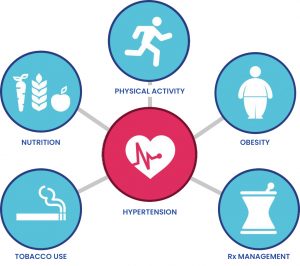
High BP is common in adults over 50 but is increasingly being diagnosed in younger people due to poor lifestyle choices, such as:

  • Lack of sleep—Irregular sleep cycles disrupt the circadian rhythm.
  • High salt intake—Excess salt from processed foods, snacks, pickles, and sauces.
  • Smoking—Nicotine constricts blood vessels, increasing BP.
  • Obesity—Being overweight adds strain to the heart.
  • Lack of exercise—Sedentary lifestyle leads to poor heart health.
  • Stress—From chaotic city traffic, financial strain, and work pressure.
  • Other Causes: BP can also rise due to secondary conditions like thyroid disorders and narrowing of arteries supplying the kidneys (Renal Artery Stenosis).

Why is it Important to Maintain Normal BP?

Persistently high BP damages the internal lining of blood vessels, gradually affecting the brain, kidneys, and eyes. This can lead to serious complications such as:

  • Stroke (brain damage due to reduced blood flow)
  • Kidney failure
  • Hypertensive retinopathy (damage to the eyes)

All of these complications can be prevented by keeping BP within the normal range.

Managing High BP Naturally

Since lifestyle choices are the single most important factor in controlling BP, here’s how you can manage hypertension without medication:

  • Sleep Better:
    • Aim to sleep by 11 PM and wake up by 6-7 AM to regulate your circadian rhythm.
    • Avoid using screens before bedtime to improve sleep quality.
  • Diet Adjustments:
    • Reduce salty foods such as crisps, salted nuts, pickles, and processed sauces.
    • Eat more potassium-rich foods like bananas, spinach, and lentils.
  • Exercise Regularly:
    • Engage in 45 minutes of brisk walking, 30 minutes of swimming or cycling, or 30 minutes of aerobics at least 5 days a week.
    • Strength training also helps improve circulation and heart health.
  • Manage Your Weight: 
    • If overweight, aim to lose 1-2 kg per month until you reach a healthy BMI (Body Mass Index) of 25.
  • Reduce Stress: 
    • Practise deep breathing or meditation daily.
    • Set realistic personal and professional goals to avoid unnecessary stress.
  • Stay Socially Connected:
    • Engage in social activities and maintain a healthy support system. A positive social life can improve mental health and reduce stress-induced BP spikes.

When to Consider Medication?

If lifestyle modifications do not lower BP within 6 months, it’s time to consult a doctor to explore medical options.

Additionally, if hypertension is caused by an underlying condition (such as thyroid disease or renal artery stenosis), treating the root cause can help normalise BP.

Even the word HyperTENSION (high BP) has ‘TENSION’ in it! Managing stress and adopting healthier lifestyle choices can significantly improve your heart health.

Have you successfully managed your BP through lifestyle changes? Share your experiences in the comments below!

#BeTheForce

Disclaimer: The information provided in this blog is for general awareness and educational purposes only. It is not intended to replace professional medical advice, diagnosis, or treatment. Always consult a qualified healthcare provider for personalised medical guidance or concerns related to your health.

February 21, 2025 By Saba Mirza 4 Comments

5 Yoga Asanas to Strengthen the Back

strengthen the backIf long working hours, incorrect posture, and less exposure to sunlight sound familiar, you’ve likely experienced back pain at some point. Whether it’s from sitting at a desk or traveling, back pain is a common issue, even among younger individuals. The solution? Strengthening your back muscles through yoga!

Why Do You Need a Strong Back?

The back muscles are the backbone of the body. They help maintain correct posture, improve balance, and prevent injuries. Weak back muscles can lead to stiffness, aches, cramps, and long-term issues. To strengthen your back, avoid long sitting hours, improve calcium and Vitamin D intake, and focus on flexibility. Yoga is one of the best ways to build both flexibility and strength. Let’s explore five effective yoga asanas to strengthen your back.

Asanas to Strengthen the Back

1. Tadasana (Mountain Pose):

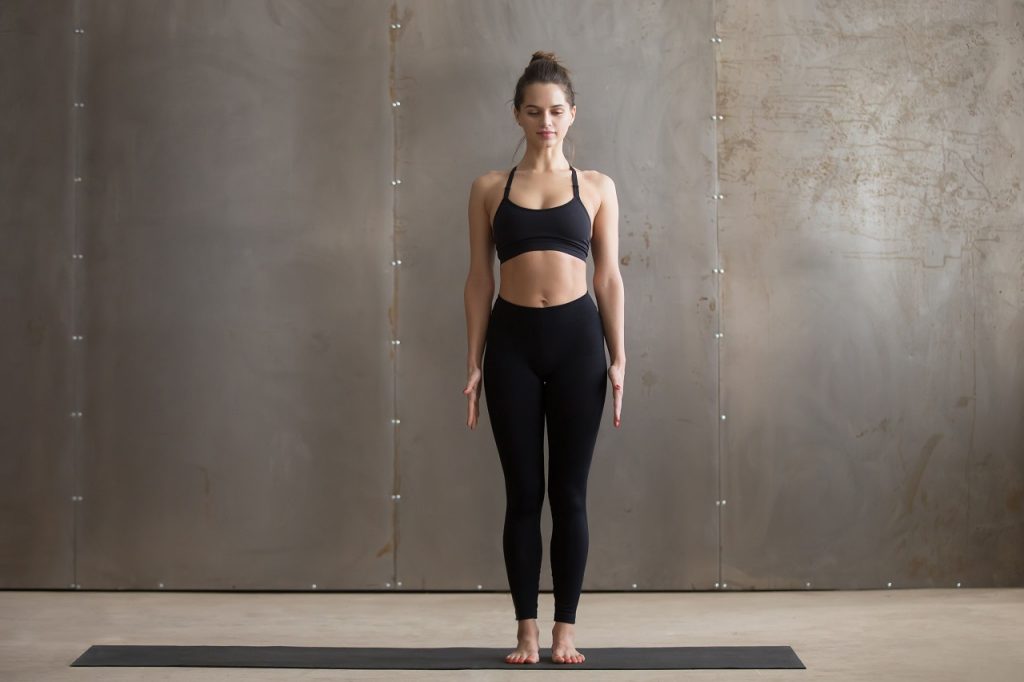
strengthen the backTadasana is a basic asana for various standing yoga poses! It is excellent for improving posture, maintaining the curvature of your back and strengthening the hips and thigh muscles.
  1. Stand straight with a small gap between your feet
  2. Keep your hands straight at your sides, stretching your wrists and fingers
  3. Elongate and stretch your back, widen your collar bone and straighten your shoulder blade, relaxing them down the back
  4. Stand on your toes, stretching your knees, thighs and hips without tightening your belly.
  5. Hold for 20-30 seconds while breathing easily.

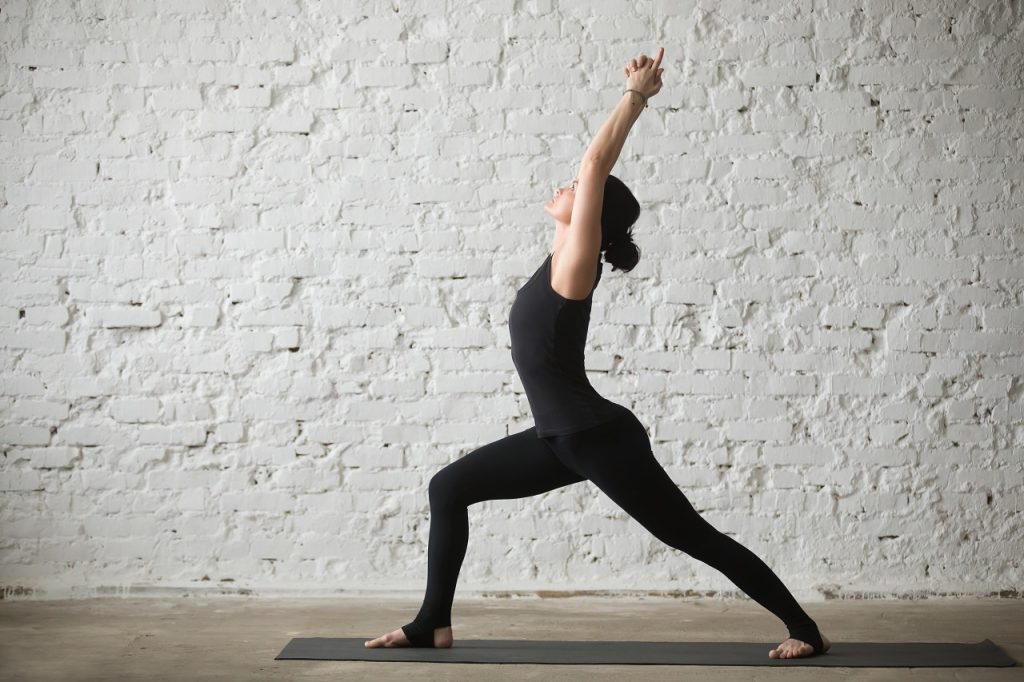
 2. Virabhadrasana (Warrior Pose):

VirbhadrasanaWidely known as the warrior pose, Virabhadrasana strengthens the knees, thigh muscles, opens the hips and chest as well as stretches the back and leg muscles.
  1. Stand in Tadasana and keep your feet 4 feet apart
  2. Turn your left foot out by 90 degrees and your right foot in 15 degrees
  3. Raise your arms above your head, join your palms and look up at your thumbs
  4. Rotate your torso to the left, bend your knees while keeping them above the ankle (avoid bending more than that). Exhale.
  5. Stand in this posture for around 30 seconds.
  6. Straighten the knee while you inhale and bring your hand down
  7. Exhale and come back to the Tadasana pose.

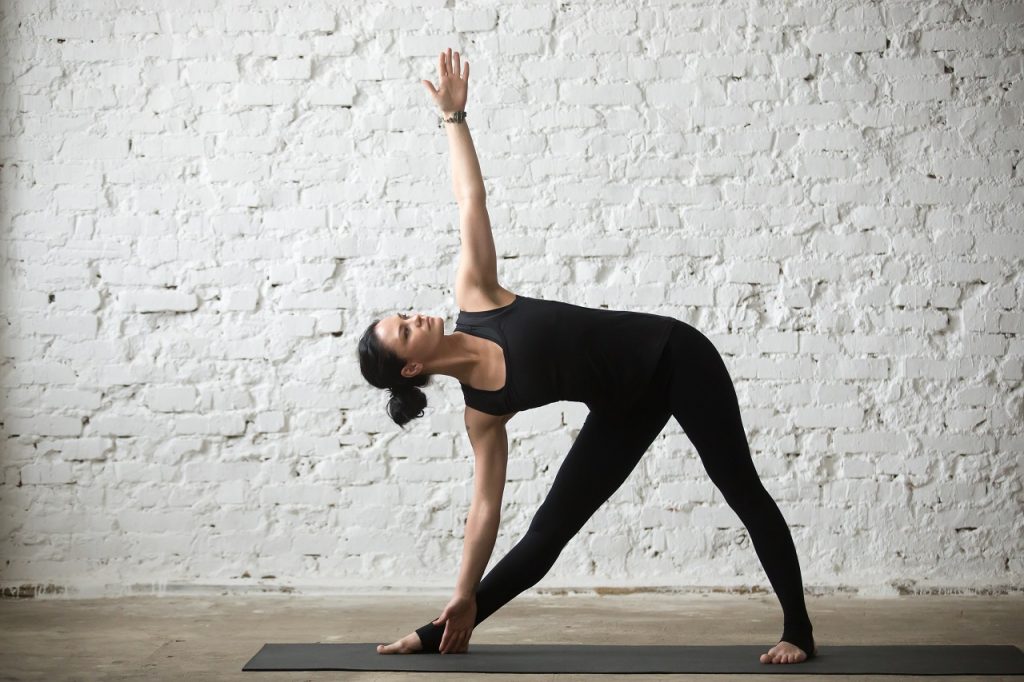
 3. Trikonasana (Triangle Pose):

trikonasanaAs the name suggests, it’s a triangle posture which stretches the spine, opens up the chest and shoulder as well as reduces tension on the hip and thigh muscles. It helps in improving physical and mental equilibrium.
  1. Stand in Tadasana pose and separate the feet wide apart, around four feet from each other
  2. Turn your right foot out 90 degrees and left foot in by 15 degrees. Now align the center of your right heel with the center of your arch of the left foot
  3. Inhale deeply and as you exhale, bend your body to the right, downward from the hips, keeping the waist straight, allowing your left hand to come up in the air while your right hand comes down towards the floor. Keep both arms in a straight line
  4. Rest your right hand on your shin, ankle, or the floor outside your right foot, whatever is possible without distorting the sides of the waist. Stretch your left arm toward the ceiling, in line with the top of your shoulders. Keep your head in a neutral position or turn it to the left, eyes gazing softly at the left palm.
  5. Ascertain that your body is bent sideways and not backward or forward. Pelvis and chest are wide open.
  6. Stretch maximum and be steady. Keep taking in long, deep breaths. With each exhalation, relax the body more and more. Just be with the body and the breath.
  7. As you inhale, come up, bring your arms down to your sides, and straighten your feet.
  8. Repeat the same on the other side.

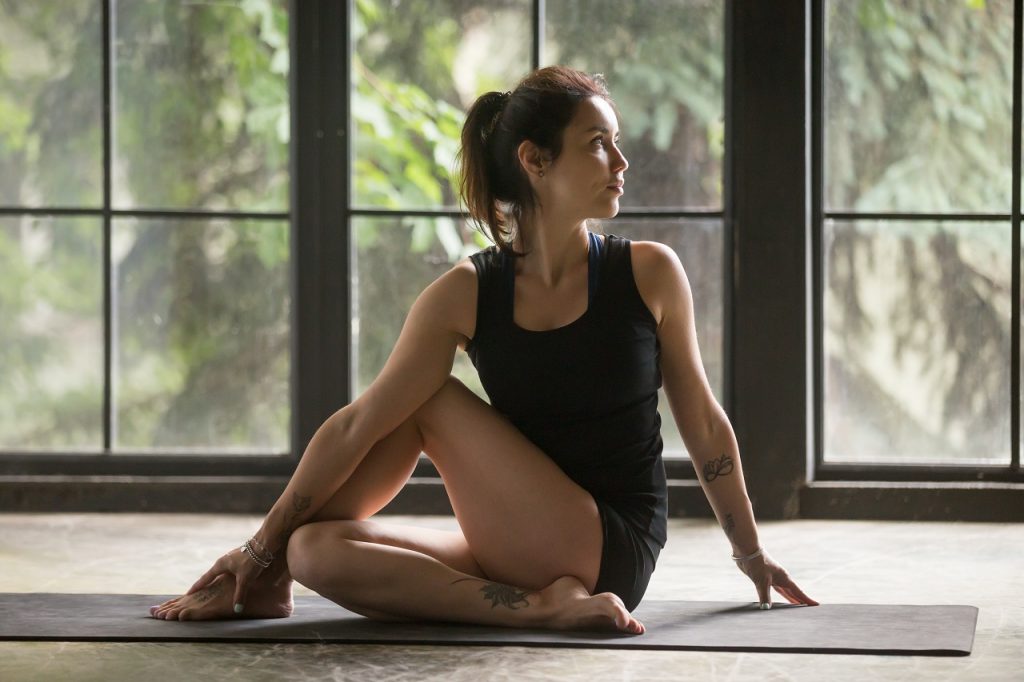
 4. Matsyendrasana (Lord of the Fishes Pose):

lord of the fish poseOne of the best asanas to improve spinal health. It provides excellent compression and extension to the nerves and muscles supporting the back, increases elasticity of the spine, tones the spinal nerves and reduces the stiffness in the spinal muscles.
  1. Sit on the floor with legs straight in front of you. Keep the back erect
  2. Bend the left leg and place the heel of the left foot beside the right hip (optionally, you can keep the left leg straight)
  3. Take the right leg over the left knee
  4. Place the left hand on the right knee and the right hand behind you.
  5. Twist the waist, shoulders and neck in this sequence to the right and look over the right shoulder.
  6. Keep the spine erect.
  7. Hold and continue with gentle long breaths in and out
  8. Breathing out, release the right hand first (the hand behind you), release the waist, then the chest
  9. Release the neck and repeat on the other side
  10. Breathing out, come back to the front and relax

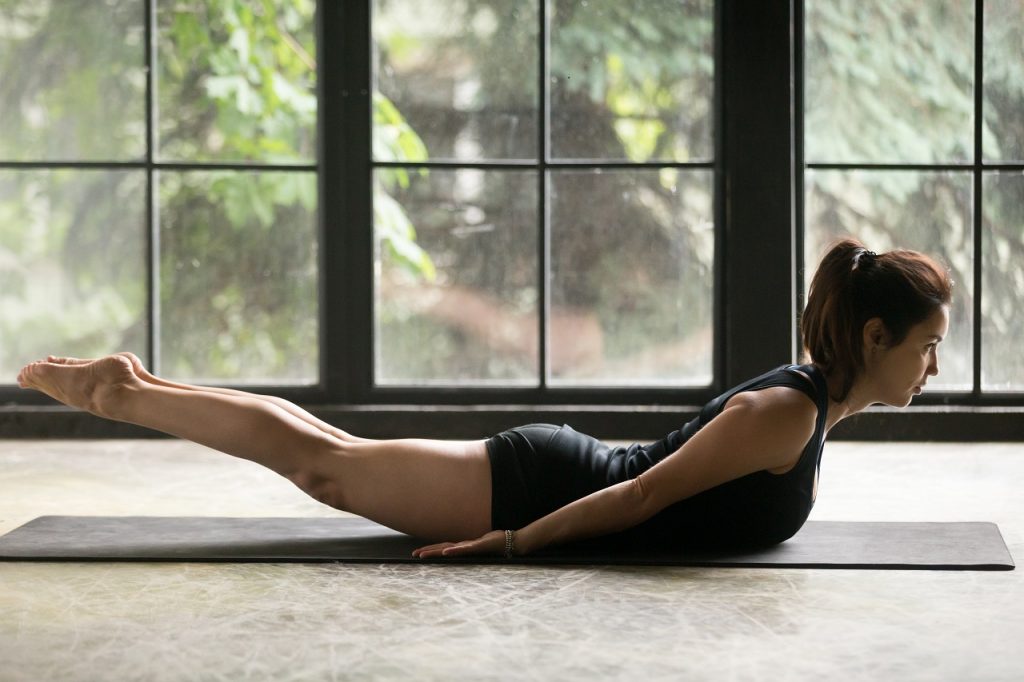
 5. Salabhasana (Locust Pose or Grasshopper Pose)

Salabhasana prepares beginners for a deeper backbend, strengthening the muscles of the entire torso from the nape of the neck, spine, chest, and legs to the back of the heels. It is a part of Hatha Yoga which stimulates the functioning of abdominal organs and relieves stress.
  1. Lie on your belly with your arms along the torso, palms up, forehead resting on the floor (use a yoga mat)
  2. Turn your big toes towards each other inwardly rotating your thighs and firm your buttocks
  3. Exhale and lift your head, upper torso, arms and legs away from the floor. You will be resting your entire weight on your lower ribs, belly and front pelvis
  4. Raise your arms parallel to the floor and stretch back actively through your fingertips. Press your scapula firmly into your back
  5. Keep the base of the skull lifted and back of the neck nicely long
  6. Stay in this asana for 15-30 seconds then release slowly with exhalation.

Practicing these asanas regularly can help strengthen your back, improve posture, and reduce pain. However, before starting, consult your doctor, physiotherapist, or yoga coach to ensure these poses are suitable for you. For expert guidance, book a GOQii Pro class through the GOQii App.

Have you tried these yoga asanas for back pain? Share your experience in the comments below! For more tips on yoga and wellness, explore Healthy Reads or connect with a GOQii Coach for personalized guidance here.

#BeTheForce 

January 21, 2025 By Bharti Gupta Leave a Comment

What Is Psoriasis and How Can You Manage It?

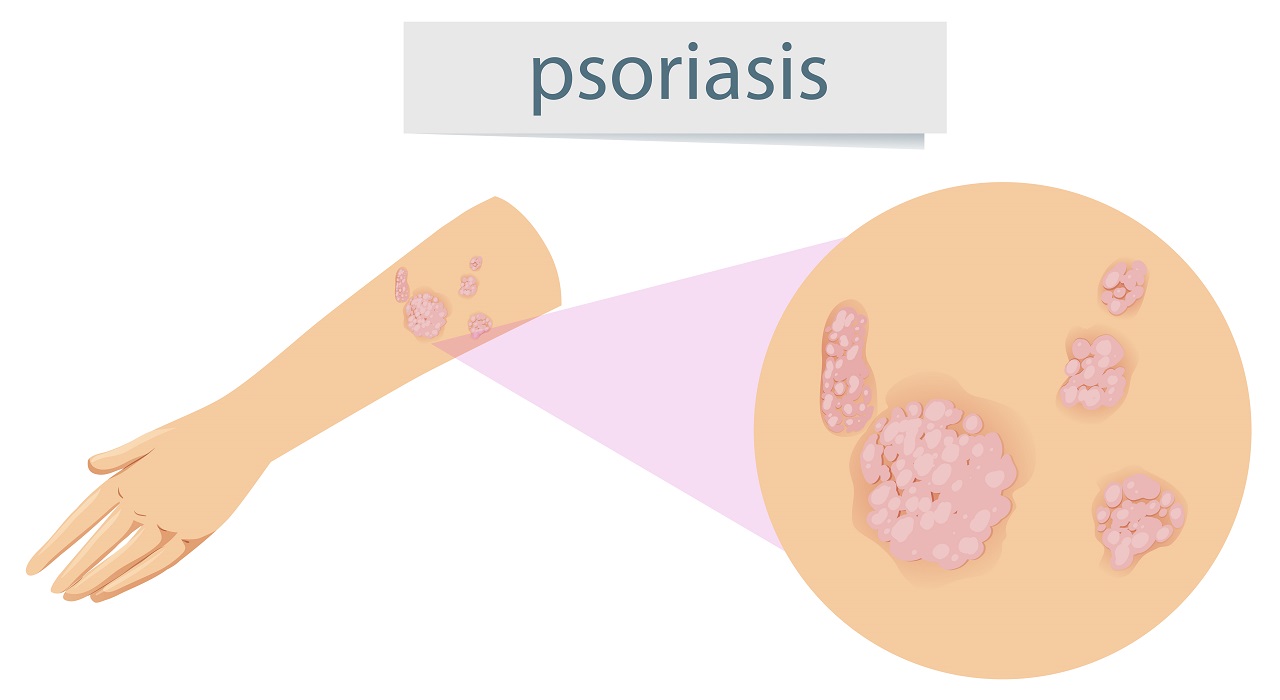
PsoriasisPsoriasis is a chronic skin disease characterized by red patches covered with white scales. The disease most commonly affects the skin of the elbows, knees, scalp, feet, and lumbosacral areas. It is a long-term autoimmune condition that accelerates the growth cycle of skin cells and causes inflammation due to immune system dysfunction.



Psoriasis tends to worsen during cold and dry seasons. While the exact cause of psoriasis is not fully understood, it is believed to result from various factors such as infections, obesity, certain medications, stress, alcohol abuse, endocrine disorders, severe sunburn, and an unhealthy lifestyle.

Most Common Symptoms

  • Dry or cracked skin that may bleed or itch
  • Small scaling spots, most commonly seen in children
  • Itching, burning, dryness or soreness
  • Thickened or pitted nails
  • Swollen or stiff joints
  • Crack on the soles of the feet
  • Recent changes in your life, such as illness or increased stress.

How Can You Manage It? 

Here are some effective tips to help you manage Psoriasis. 

  1. Limit Shower Time: Prolonged showers can increase moisture loss from the skin, making it irritated and dry, which should be avoided, especially in the case of psoriasis.
  2. Apply a Cool Compress: A cold compress, such as an ice or gel pack, can provide relief from itching associated with psoriasis.
  3. Salt Water Bath: Soaking in a saltwater bath helps soften scales and may ease inflammation and irritation. Add half a cup of Dead Sea salt to bathwater and soak for 15-20 minutes.
  4. Maintain a Healthy Weight: Being overweight increases inflammation in the body. Regular exercise and a low-calorie diet can help. Include cardio, strength training, and stair climbing in your routine to reduce the risk of inflammation.
  5. Exposure to Sunlight: A deficiency in vitamin D can aggravate psoriasis. Moderate exposure to sunlight can help improve symptoms.
  6. Have Apple Cider Vinegar (ACV): Thanks to its antiseptic properties, ACV may help alleviate itching or irritation, especially on the scalp. Mix 2 parts water with 1 part ACV, apply to the scalp, let it stay for 10 minutes, and rinse off with shampoo.
  7. Drink Plenty of Water: Staying hydrated keeps your skin healthy and reduces the number and severity of flare-ups.
  8. Add Olive Oil in the Bath: Rich in Omega-3 fatty acids and Vitamin E, olive oil helps soothe irritated skin. Add 2 teaspoons to your bathwater or apply a small amount directly to the affected area.
  9. Apply Raw Glycerin to Affected Areas: Psoriasis often leads to dry, scaly skin. Applying raw glycerin hydrates the skin and alleviates symptoms. The best time to apply is before bedtime.
  10. Manage Stress: Stress can trigger and worsen psoriasis. Practice deep breathing, yoga, meditation, or engage in hobbies to stay stress-free.
  11. Good Quality Sleep: Poor sleep worsens psoriasis symptoms by increasing stress levels. Ensure you get enough quality sleep to allow your body to rejuvenate and repair itself.

We hope these easy and effective tips help you manage psoriasis. If the issue persists or gets worse, seek out a medical professional or consult a GOQii Doctor by subscribing for Personalised Health Coaching here. 

Find more articles on skincare and healthy living here. 

#BeTheForce 

Disclaimer: The information provided in this blog is for general awareness and educational purposes only. It is not intended to replace professional medical advice, diagnosis, or treatment. Always consult a qualified healthcare provider for personalised medical guidance or concerns related to your health.

  • « Previous Page
  • 1
  • …
  • 10
  • 11
  • 12
  • 13
  • 14
  • …
  • 55
  • Next Page »

Search

Recent Posts

  • India Leads in Longevity: GOQii Sanjeevini Named Top 40 in $101M XPRIZE
  • The Importance Of Knowing If You’re Thirsty Or Hungry
  • Best Foods To Alleviate Irritable Bowel Syndrome
  • ALL ABOUT VERTIGO!
  • PCOS and Anxiety: Discover Relief with the 54321 Technique

Stay Updated

Archives

  • December 2025 (8)
  • November 2025 (15)
  • October 2025 (20)
  • September 2025 (6)
  • August 2025 (6)
  • July 2025 (12)
  • June 2025 (18)
  • May 2025 (16)
  • April 2025 (23)
  • March 2025 (23)
  • February 2025 (22)
  • January 2025 (26)
  • December 2024 (26)
  • November 2024 (25)
  • October 2024 (22)
  • September 2024 (24)
  • August 2024 (31)
  • July 2024 (21)
  • June 2024 (26)
  • May 2024 (31)
  • April 2024 (27)
  • March 2024 (29)
  • February 2024 (26)
  • January 2024 (25)
  • December 2023 (15)
  • November 2023 (11)
  • October 2023 (20)
  • September 2023 (22)
  • August 2023 (20)
  • July 2023 (22)
  • June 2023 (24)
  • May 2023 (24)
  • April 2023 (24)
  • March 2023 (23)
  • February 2023 (20)
  • January 2023 (16)
  • December 2022 (12)
  • November 2022 (15)
  • October 2022 (15)
  • September 2022 (12)
  • August 2022 (10)
  • July 2022 (17)
  • June 2022 (11)
  • May 2022 (10)
  • April 2022 (6)
  • March 2022 (6)
  • February 2022 (13)
  • January 2022 (12)
  • December 2021 (7)
  • November 2021 (3)
  • October 2021 (6)
  • September 2021 (3)
  • August 2021 (8)
  • July 2021 (7)
  • June 2021 (15)
  • May 2021 (16)
  • April 2021 (10)
  • March 2021 (7)
  • February 2021 (4)
  • January 2021 (4)
  • December 2020 (3)
  • November 2020 (4)
  • October 2020 (10)
  • September 2020 (3)
  • August 2020 (3)
  • July 2020 (2)
  • June 2020 (4)
  • May 2020 (10)
  • April 2020 (12)
  • March 2020 (10)
  • February 2020 (4)
  • January 2020 (4)
  • December 2019 (3)
  • November 2019 (7)
  • October 2019 (5)
  • September 2019 (4)
  • August 2019 (9)
  • July 2019 (9)
  • June 2019 (11)
  • May 2019 (4)
  • April 2019 (9)
  • March 2019 (8)
  • February 2019 (9)
  • January 2019 (8)
  • December 2018 (9)
  • November 2018 (3)
  • October 2018 (3)
  • September 2018 (5)
  • August 2018 (10)
  • July 2018 (6)
  • June 2018 (13)
  • May 2018 (8)
  • April 2018 (18)
  • March 2018 (9)
  • February 2018 (8)
  • January 2018 (15)
  • December 2017 (12)
  • November 2017 (19)
  • October 2017 (13)
  • September 2017 (15)
  • August 2017 (4)
  • July 2017 (8)
  • June 2017 (7)
  • May 2017 (6)
  • April 2017 (8)
  • March 2017 (6)
  • February 2017 (7)
  • January 2017 (9)
  • December 2016 (10)
  • November 2016 (7)
  • October 2016 (7)
  • September 2016 (7)
  • August 2016 (11)
  • July 2016 (9)
  • June 2016 (9)
  • May 2016 (12)
  • April 2016 (17)
  • March 2016 (17)
  • February 2016 (8)
  • January 2016 (6)
  • December 2015 (2)
  • November 2015 (9)
  • October 2015 (7)
  • September 2015 (9)
  • August 2015 (11)
  • July 2015 (9)
  • June 2015 (12)
  • May 2015 (9)
  • April 2015 (13)
  • March 2015 (8)
  • February 2015 (5)
  • January 2015 (12)
  • December 2014 (14)
  • November 2014 (11)
  • October 2014 (6)
  • September 2014 (13)
  • August 2014 (12)
  • July 2014 (6)
  • June 2014 (2)
  • May 2014 (7)
  • April 2014 (5)

From “Laddu Nawin” to Fit and Fierce: How a 25-Year-Old Insurance Advisor Shed 20 Kilos and Gained His Life Back

When 25-year-old Nawin Yadav from Hyderabad walked into his office every morning, he carried more than just his files and policy papers. He had the weight of fatigue, sluggish energy, and an ever-growing belly that was becoming the butt of jokes. “People … [Read More...]

“I’ve Challenged Myself to Live 100 Years” – The Story of Chandubhai Savani’s Second Chance at Life

At 67, most people start slowing down. Not Chandubhai Savani. A resident of Surat, Chandubhai, thought life was on track. “My life was going well till I had my bypass surgery,” he says. That surgery, back in 2021, was a wake-up call.  Medication was routine, but exercise wasn’t. His diet? What he calls ‘normal.’ “I […]

From Shimla’s Slopes to Chandigarh’s Sidewalks: Surinder Kaur Bhalla’s Journey from Chaos to Control

Some journeys start with a plan. Others begin with a stumble literally. Surinder Bhalla, a government professional, born and raised in the scenic hill town of Shimla, had always lived a life of movement. “In Shimla, you walked everywhere,” she reflects. “Walking was never an exercise. It was just life.” But after shifting to Chandigarh, […]

Ananda Mukherjee Health Story

From Terminal Illness To Complete Wellness! Ananda Mukherjee Health Story

As we observe World Cancer Day under the powerful theme ‘United by Unique’ (2025-2027)**, we are reminded that every individual’s journey with cancer is distinct, yet united by shared resilience, hope, and the collective fight against this disease. This theme places people at the centre of care and their stories at the heart of the […]

  • HOME
  • HEALTHY LIVING
  • FITNESS
  • HEALTHY RECIPES
  • USER STORIES
  • KARMA
  • BUY GOQii

Copyright ©2016 GOQii