GOQii

Blog

  • HOME
  • HEALTHY LIVING
  • FITNESS
  • HEALTHY RECIPES
  • USER STORIES
  • KARMA
  • BUY GOQii

Search Results for: ayur

June 17, 2025 By GOQii Leave a Comment

Why Longevity Must Be India’s Next Health Mission

For the first time in human history, living to 90 or even 100 is no longer a rare feat—it’s becoming the norm. But behind this celebration of longer life lies a sobering truth: we’re living longer, but not necessarily better.

Across the world, people are spending more of their later years grappling with chronic illness, frailty, and declining independence. This trend, often called the “decompression of morbidity,” is stretching health systems, straining economies, and impacting quality of life on a massive scale.

We are standing at the edge of a demographic revolution. The core challenge facing us today isn’t how to extend lifespan—we’ve already done that. The real question is: How do we extend health span?

What Is Healthspan – and Why Does It Matter

Healthspan refers to the years a person lives in good health, free from serious illness, mental decline, and disability. It’s about not just how long you live, but how well you live.

Imagine reaching the age of 80 and still being physically active, mentally sharp, and emotionally fulfilled. That’s the promise of healthy longevity—and it’s not just a dream anymore. Thanks to advances in medicine, genomics, artificial intelligence, and preventive healthcare, we now know that ageing is not fixed. It’s flexible. Malleable. Even reversible in some areas.

Science has shown that the processes that cause ageing—cellular damage, inflammation, loss of muscle and cognitive function—can be slowed, delayed, and in some cases, restored. But to turn this knowledge into reality, we need a complete shift in how we approach health.

A System Built for Sickness, Not for Longevity

Most healthcare systems today are reactive. They wait for the disease to appear, then scramble to treat it. But by the time symptoms show up, the damage is often already done.

A longevity-focused approach flips this model. It emphasises early detection, continuous monitoring, lifestyle interventions, and personalised care. Instead of simply treating illness, we need to start managing ageing itself—tracking biological age, not just the number on a birth certificate.

This requires investment not only in technology, but in rethinking everything from urban planning and public health policies to diet, exercise, and social connection. Longevity is not a pill or a procedure—it’s a lifestyle supported by a system that enables it.

The Global Wake-Up Call

The urgency is clear. Several research papers on longevity indicate that by 2050, nearly 20% of the global population of estimated 8.2 billion will be over 65, double the percentage from just a few decades ago. This isn’t a challenge for the future, it’s one we must face today.

While ageing populations have long been associated with wealthier countries, the reality has changed. The majority of the world’s older adults now live in low- and middle-income countries. Places like India, with a rapidly growing elderly population, are on the frontlines of this shift.

And yet, this is also where the greatest opportunity lies.

Why India Can Lead the Longevity Movement

India has a unique advantage in the global longevity landscape. We are a young nation, demographically speaking, but also home to over 140 million people over the age of 60, a number expected to double by 2050. This duality gives us the urgency and the scale to build solutions for both present and future generations.

But more importantly, India brings something few other countries do: a culture that already values holistic well-being. For centuries, our traditions have emphasised the balance of mind, body, and spirit through yoga, Ayurveda, meditation, and community living. These aren’t just cultural practices; they are pillars of a longevity lifestyle.

Combined with our digital innovation, scientific talent, and entrepreneurial energy, India is well-positioned to develop, test, and export models of healthy ageing that are affordable, scalable, and rooted in prevention.

The XPRIZE Signal: A $101 Million Push Toward Longevity

The global focus on healthy ageing has never been stronger, and leading this momentum is the XPRIZE Healthspan competition, a groundbreaking $101 million initiative challenging innovators worldwide to rethink what’s possible in longevity science. The mission is bold: to develop solutions that can rejuvenate the body and mind of people aged 50–80, restoring muscle strength, cognitive abilities, and immune function by at least a decade, all within just 12 months.

It’s a call to the world’s brightest minds to not just extend life, but to meaningfully turn back the biological clock.  Among the 40 global semifinalists—and the only one representing India – is GOQii’s Project Sanjeevini, an advanced health platform that seamlessly integrates artificial intelligence, genomics, and behavioural science to deliver deeply personalised, real-time care. Designed to adapt to each individual’s unique biology and lifestyle, Sanjeevini represents a bold new approach to healthy ageing on a global scale. Unlike typical wellness tools, Sanjeevini operates as a living, learning system—tracking biological markers in real time and delivering targeted interventions based on user behaviour and biology.

This kind of bold thinking is what we need more of—urgently. The longevity movement is not about extending elite access to anti-ageing tools. It’s about creating systems and environments where everyone, regardless of income or geography, can thrive in later life.

Redefining Ageing, Globally and Personally

We need to rewrite the story of ageing—from a period of decline to a time of continued growth, contribution, and vitality. A 70-year-old should not be seen as someone winding down, but as someone potentially hitting a new stride, with the support of an intelligent, personalised health system.

This isn’t science fiction. It’s a global health strategy whose time has come. India can—and must—be a leader in this transformation. Not just for its people, but for the world. Because when we invest in longevity, we’re not just adding years to life—we’re adding life to years.

#BeTheForce
October 21, 2024 By Azra Faizan 2 Comments

10 ways to include water chest in your diet this season!!

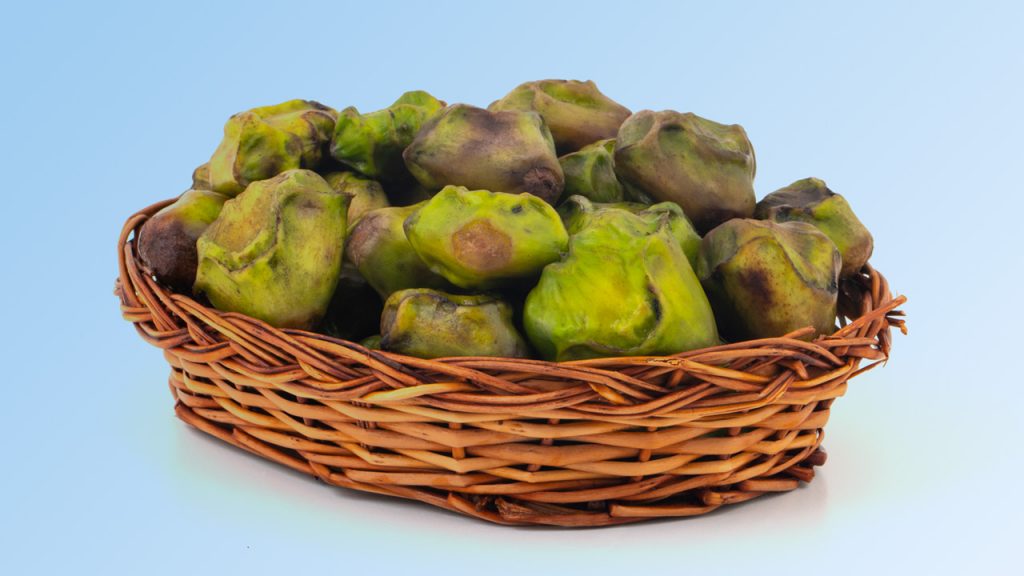
Water chestnut, also known as water caltrop, is an aquatic plant from the genus Trapa. Its peculiar fruit encloses a large edible seed that offers a delightful crispiness and a subtly sweet coconut-like flavor. In India, water chestnuts are called Singhara or Paniphal and have been cultivated for over 3,000 years for their seeds, which are prized in Ayurvedic and Unani medicine. They’re also popular in Chinese medicine.

Despite their odd appearance, water chestnuts are packed with health benefits. If you haven’t tried them yet, here are a few reasons why you should:

Health Benefits of Water Chestnuts:

  • Cooling Effect: Water chestnuts help cool the body, making them great for hot weather. They also relieve thirst, control nausea, and ease diarrhea.
  • Thyroid Support: With essential minerals like iodine and manganese, water chestnuts support the healthy functioning of the thyroid gland.
  • Rich in Antioxidants: They contain polyphenols and flavonoids that provide anti-bacterial, anti-viral, anti-cancer, and antioxidant properties, strengthening the stomach and spleen.
  • Cough Relief: Ground water chestnuts can be consumed with water or juice to help relieve cough.
  • Cancer Prevention: An anti-cancer substance in water chestnuts inhibits the growth of cancer cells.
  • Improved Appetite: Both raw and juiced water chestnuts help boost appetite in children and adults, promoting healthy weight gain.
  • High in Potassium: One cup of water chestnuts provides over 362 mg of potassium, which aids muscle and nerve function, water retention, and blood pressure regulation.
  • Anti-Aging Benefits: Water chestnuts contain natural antioxidants that fight aging, prevent wrinkles, and offer protection against UV rays.
  • Diabetes-Friendly: Despite being a starchy food, polyphenols in water chestnuts help prevent spikes in blood sugar by inhibiting the breakdown of carbs.
  • Heart Health: Their combination of potassium, fiber, and antioxidant properties helps lower cholesterol and reduce the risk of heart disease.
  • Better Sleep: Vitamin B6 in water chestnuts promotes sound sleep and improved mood.
  • Fertility Boost: Water chestnuts are beneficial for women, supporting fertility and improving chances of conception.
  • Healthy Pregnancy: Being an excellent energy source, as well as its specific properties to prevent miscarriage and control hemorrhage, makes it a super food during pregnancy it is helpful for the healthy growth and development of the fetus.

Post pregnancy – it helps in controlling bleeding as well as promotes lactation.

10 Delicious Ways to Include Water Chestnuts in Your Diet:

  1. Eat Raw: The simplest and healthiest way to enjoy water chestnuts is to peel and eat them raw for a crunchy, refreshing snack.
  2. Add to Salads or Stir-Fries: Chop peeled water chestnuts and toss them into salads for extra crunch, or sauté them in stir-fries for a flavorful boost.
  3. In Curries or Veggies: Replace potatoes with water chestnuts in curries or veggie dishes. For best results, boil or pressure-cook them first and then sauté with curry leaves, cumin, and mustard seeds.
  4. Make Cutlets: Mash boiled water chestnuts and mix them with other veggies to create delicious cutlets. Shallow fry and serve as a snack or side dish.
  5. Singhara Halwa: Singhara flour, made from dried water chestnuts, can be used to prepare halwa. Simply roast the flour in ghee, add sugar and water, and top with your favorite dry fruits.
  6. Chillas or Pancakes: Singhara flour also makes fantastic pancakes or chillas. Mix with curd and water to form a batter, add your favorite spices, and cook on a griddle.
  7. Flatbreads or Chapattis: Use Singhara flour to make chapattis or parathas for a gluten-free alternative. Pair them with your favorite curry or chutney.
  8. Baked Goods: Add Singhara flour to your cake or cookie batter for a nutritious twist on your baked treats.
  9. Puris, Crackers, or Chips: Make savory puris or crunchy crackers using Singhara flour by following any basic cracker recipe. You can even bake chips for a healthy snack.
  10. Dips or Chutney: Add a handful of chopped water chestnuts to dips or green chutneys for extra texture and flavor.

Water chestnuts are versatile and nutritious, making them a perfect addition to your diet this season. Whether you’re snacking on them raw or using them in various dishes, these little wonders are sure to boost your health and add a delicious crunch to your meals!

We hope this article inspires you to try water chestnuts in new and exciting ways! Let us know how you like to incorporate them into your meals in the comments below. For more healthy eating tips and recipes, check out Healthy Reads or speak to a certified expert by subscribing to GOQii’s Personalised Health Coaching here.

#BeTheForce

October 6, 2024 By GOQii Leave a Comment

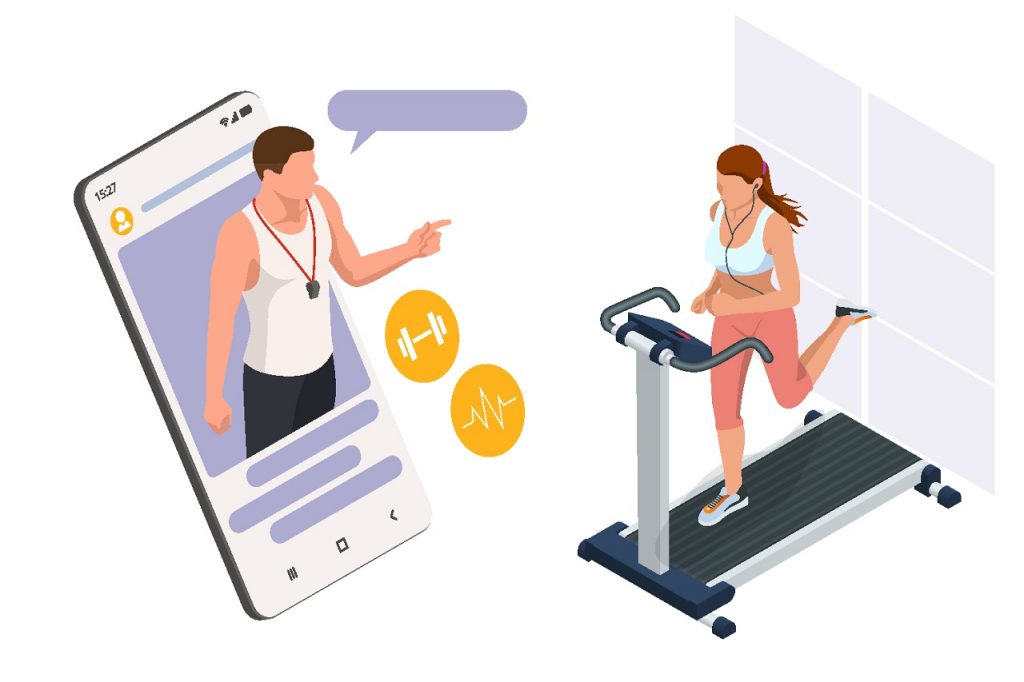
Attain Freedom From Illness With Lifestyle Coaching!

lifestyle coaching

Have you ever accidentally stubbed your toe on the edge of some furniture in your house and writhed in pain, contemplating all the ways you could have avoided this agonizing experience? While nursing that bruised toe, we think about all the ways in which we could have been mindful or aware and how we could have prevented this mishap. We never realize what could have been unless it is too late. More often than not, this is the case with health too. 

During the pandemic, people realized the importance of health and the need to build and maintain a strong immune system. As per the India Fit Report, we saw that a majority of people followed different methods to build their immunity. Some of these methods included drinking lemon water, trying Kadhas, immunity supplements and Ayurveda among other home remedies. While there is nothing wrong with using nutrition to improve your health, are you taking the right quantities? Do you really need vitamin supplements? What kind of food does your body need if you have certain health conditions? How much exercise is good for you? Are you monitoring your sleep and managing your stress?

The Need For Health and Lifestyle Coaching 

If the above questions got you thinking, it’s time to connect with an expert, and we’ve got a few reasons why that might be a good idea. 

  1. Modifications Based On Need: Is your goal to lose weight or gain weight? Do you want to strengthen your immunity? At this point, we’ve got to realize that one shoe doesn’t fit everyone. Each person is unique and requires a different approach to improve their health. This is where a lifestyle coach or an expert comes in and guides you based on your health goals. 
  2. Save Time On Scrolling: There’s nothing wrong with taking accountability for your health by trying to be your own coach, but mindlessly scrolling through different websites trying to figure out the best way to improve your health can be a dicey affair. A coach interacts with you and guides you in real-time, while being aware of any pre-existing conditions. This helps you avoid eating the wrong food or performing the wrong exercise and assist you in making better decisions for your health. 
  3. Making Sense Of Data: Using trackers and fitness bands help you monitor your health. They let you know your heart rate, step count, blood pressure and with GOQii devices you can track various parameters. But once you get that data, how do you make sense of it? You need someone to analyze your data, interpret it, and find solutions to any existing problems. That someone is your Lifestyle Coach! 
  4. Improve Knowledge and Accountability: Don’t know how to deal with a persistent headache? Confused about mid-meals? How much of a portion should you be consuming? Which exercise can you perform to strengthen your back? A Coach can help you answer all these questions and more! Since you have a Personal Coach, you’ll be accountable to that person, which means visible changes once you follow the modifications they suggest. 
  5. Setting Realistic Goals: The most important point! The number one reason most people fail to stick to their health goal is because they set unrealistic numbers. For instance, trying to lose 30kg in 2 months is not realistic and is definitely not healthy. A coach can help you understand why and how you can gradually lose weight and suggest the best practices for sustainable weight management. With correct and achievable goals as well as visible results, you’ll always be motivated!   

It’s always better to rely on a Coach and have the right guidance to avoid making mistakes with your health. It is always better to follow the right practices, stay at the peak of your health, and free yourself from illness! 

If you’re in need of a Coach to guide and motivate you, then subscribe to GOQii’s Personalized Health Coaching here. You can also find more articles on improving your health and lifestyle here.

#BeTheForce 

September 21, 2024 By Dr Manali Rao 1 Comment

Everything You Need to Know about Alzheimer’s

alzheimer's dayIf you’ve read ‘The Notebook’ by Nicholas Parks, later adapted into a film by the same name, you might have a fair idea of what Alzheimer’s really is. The book is centered around Allie and Noah, an all-time romantic couple. There’s a beautiful scene in the film where Noah, who is an old man now, narrates a story to Allie about a couple and how their love blossomed through hardships. Amazed by this story, Allie only realizes later that this story is about them. Noah read this to her as he had promised before the disease set in. The disease was Alzheimer’s!


shutterstock_574038220

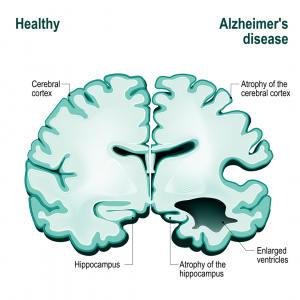
Alzheimer’s is a progressive neurological disorder which results in memory loss, personality changes, global cognitive dysfunction and functional impairments. It is the leading cause of dementia in the elderly. The disease begins at a slow rate. Initially, it captures the brain and slowly overcomes human thoughts, activities, and language as well. People start having trouble in remembering things and the one evident sign is forgetting the names of people.

What Causes Alzheimer’s?

The exact etiology is unknown, but a few risk factors can be marked out.

  • Age: Incidence and prevalence increases after the age of 60
  • Family History: First-degree relatives at greater risk
  • Genetic: ApoEepsilon 4 gene
  • Lack of Sleep
  • Regular and high consumption of junk food

Clinical Features 

  1. Progressive memory loss and decline of higher mental functions
    Example: problem-solving small issues, confusion in time, date and month, the problem faced in doing family activities of daily routine, misplacing things, poor judgment and problem in speaking and writing as well
  2. Difficulty in naming and understanding what others are speaking
  3. Apraxia: The inability to carry out skilled motor activities, inability to recognize objects, places and people
  4. Behavioral changes: Agitation, aggression, wandering and persecutory delusions, loss of insight, depression
  5. Loss of inhibition leading to inappropriate social behavior
  6. In advanced stages, a person may be mute, inactive and can succumb to different infections
  7. Inability to recognize color and visual picture
  8. In case there is an underlying cause, additional clinical features may be present

Management

The most important management for Alzheimer’s is support – Physical, mental and moral support from family members and caregivers.

  • Antioxidants (Vitamin E) can slow the decline of cognitive function
  • Drugs like anticholinesterase inhibitors (like donepezil, rivastigmine, galantamine), memantine, N-methyl-D aspartate (NMDA) receptor antagonist
  • Ginkgo biloba, a plant extract has been shown to be useful
  • Treatment of the underlying cause, if any

3-7

Alzheimer’s and Ayurveda

According to the principles of Ayurveda, Alzheimer’s is caused as a result of the imbalance in vata – this imbalance is quite common as a person begins to grow in age. It affects the vata – in the tissues of the central nervous system of the body – mainly the brain which then slowly becomes imbalanced.

Treatment begins with a Vata balancing diet. Withania Somnifera (Ashwagandha) in the powdered form along with either ghee or milk is included in the patient’s daily diet. This helps charge and soothe the Vata. Herbs such as Brahmi and Ashwagandha that serve as nerve tonics are mainly used.

An oil massage daily, prior to a bath is also considered significant in this form of treatment. Ayurveda specialized preparations for Alzheimer’s treatment that are made from rice have proved highly beneficial to the patients besides providing the required nutrients to the old age person.

How Can Turmeric Help?

Turmeric or Haldi, as it’s known in Hindi, is a part of almost every Indian recipe. It is known all over the world for its antibacterial, anti-inflammatory, anti-tumor, anti-spasmodic, anti-allergic properties and hence is used in medicines, cosmetics etc.

Curcumin that is found in turmeric has radical scavenging properties thereby preventing damage that can be caused to the cells of our body by free radicals. Alzheimer’s alleviation could be based upon the ability of curcumin to combat the development of amyloid plaque (accumulation of protein) in the brain leading to inflammation and impairment of cells.

Prevention

There’s no real guarantee when it comes to preventing Alzheimer’s. The only way to minimize your chances is by living a healthy and balanced lifestyle.

  1. Make sure you don’t stop learning new things. Continuous learning like a musical instrument, a new language or any subject that you didn’t have knowledge about keeps the memory intact.
  2. Forget your phone and start memorizing important numbers like bank accounts, mobile numbers, life insurance/investment policy numbers, credit and debit card numbers, passwords and recalling them when needed is an easy way of jogging your memory.
  3. Make sure you get your hands on challenging puzzles like Sudoku, different crosswords, etc.
  4. Consumption of antioxidants via diet/supplements is helpful in preserving memory function.

We hope this blog helped you lean more about Alzheimer’s and what we can do in case a loved one is ever affected by it. Do leave your thoughts in the comments below!

For more informative topics, check out Healthy Reads or speak to an expert by subscribing for Personalised Health Coaching here.

#BeTheForce

Disclaimer: The information provided in this blog is for general awareness and educational purposes only. It is not intended to replace professional medical advice, diagnosis, or treatment. Always consult a qualified healthcare provider for personalised medical guidance or concerns related to your health.

  • « Previous Page
  • 1
  • 2
  • 3
  • 4
  • …
  • 14
  • Next Page »

Search

Recent Posts

  • India Leads in Longevity: GOQii Sanjeevini Named Top 40 in $101M XPRIZE
  • The Importance Of Knowing If You’re Thirsty Or Hungry
  • Best Foods To Alleviate Irritable Bowel Syndrome
  • ALL ABOUT VERTIGO!
  • PCOS and Anxiety: Discover Relief with the 54321 Technique

Stay Updated

Archives

  • December 2025 (8)
  • November 2025 (15)
  • October 2025 (20)
  • September 2025 (6)
  • August 2025 (6)
  • July 2025 (12)
  • June 2025 (18)
  • May 2025 (16)
  • April 2025 (23)
  • March 2025 (23)
  • February 2025 (22)
  • January 2025 (26)
  • December 2024 (26)
  • November 2024 (25)
  • October 2024 (22)
  • September 2024 (24)
  • August 2024 (31)
  • July 2024 (21)
  • June 2024 (26)
  • May 2024 (31)
  • April 2024 (27)
  • March 2024 (29)
  • February 2024 (26)
  • January 2024 (25)
  • December 2023 (15)
  • November 2023 (11)
  • October 2023 (20)
  • September 2023 (22)
  • August 2023 (20)
  • July 2023 (22)
  • June 2023 (24)
  • May 2023 (24)
  • April 2023 (24)
  • March 2023 (23)
  • February 2023 (20)
  • January 2023 (16)
  • December 2022 (12)
  • November 2022 (15)
  • October 2022 (15)
  • September 2022 (12)
  • August 2022 (10)
  • July 2022 (17)
  • June 2022 (11)
  • May 2022 (10)
  • April 2022 (6)
  • March 2022 (6)
  • February 2022 (13)
  • January 2022 (12)
  • December 2021 (7)
  • November 2021 (3)
  • October 2021 (6)
  • September 2021 (3)
  • August 2021 (8)
  • July 2021 (7)
  • June 2021 (15)
  • May 2021 (16)
  • April 2021 (10)
  • March 2021 (7)
  • February 2021 (4)
  • January 2021 (4)
  • December 2020 (3)
  • November 2020 (4)
  • October 2020 (10)
  • September 2020 (3)
  • August 2020 (3)
  • July 2020 (2)
  • June 2020 (4)
  • May 2020 (10)
  • April 2020 (12)
  • March 2020 (10)
  • February 2020 (4)
  • January 2020 (4)
  • December 2019 (3)
  • November 2019 (7)
  • October 2019 (5)
  • September 2019 (4)
  • August 2019 (9)
  • July 2019 (9)
  • June 2019 (11)
  • May 2019 (4)
  • April 2019 (9)
  • March 2019 (8)
  • February 2019 (9)
  • January 2019 (8)
  • December 2018 (9)
  • November 2018 (3)
  • October 2018 (3)
  • September 2018 (5)
  • August 2018 (10)
  • July 2018 (6)
  • June 2018 (13)
  • May 2018 (8)
  • April 2018 (18)
  • March 2018 (9)
  • February 2018 (8)
  • January 2018 (15)
  • December 2017 (12)
  • November 2017 (19)
  • October 2017 (13)
  • September 2017 (15)
  • August 2017 (4)
  • July 2017 (8)
  • June 2017 (7)
  • May 2017 (6)
  • April 2017 (8)
  • March 2017 (6)
  • February 2017 (7)
  • January 2017 (9)
  • December 2016 (10)
  • November 2016 (7)
  • October 2016 (7)
  • September 2016 (7)
  • August 2016 (11)
  • July 2016 (9)
  • June 2016 (9)
  • May 2016 (12)
  • April 2016 (17)
  • March 2016 (17)
  • February 2016 (8)
  • January 2016 (6)
  • December 2015 (2)
  • November 2015 (9)
  • October 2015 (7)
  • September 2015 (9)
  • August 2015 (11)
  • July 2015 (9)
  • June 2015 (12)
  • May 2015 (9)
  • April 2015 (13)
  • March 2015 (8)
  • February 2015 (5)
  • January 2015 (12)
  • December 2014 (14)
  • November 2014 (11)
  • October 2014 (6)
  • September 2014 (13)
  • August 2014 (12)
  • July 2014 (6)
  • June 2014 (2)
  • May 2014 (7)
  • April 2014 (5)

From “Laddu Nawin” to Fit and Fierce: How a 25-Year-Old Insurance Advisor Shed 20 Kilos and Gained His Life Back

When 25-year-old Nawin Yadav from Hyderabad walked into his office every morning, he carried more than just his files and policy papers. He had the weight of fatigue, sluggish energy, and an ever-growing belly that was becoming the butt of jokes. “People … [Read More...]

“I’ve Challenged Myself to Live 100 Years” – The Story of Chandubhai Savani’s Second Chance at Life

At 67, most people start slowing down. Not Chandubhai Savani. A resident of Surat, Chandubhai, thought life was on track. “My life was going well till I had my bypass surgery,” he says. That surgery, back in 2021, was a wake-up call.  Medication was routine, but exercise wasn’t. His diet? What he calls ‘normal.’ “I […]

From Shimla’s Slopes to Chandigarh’s Sidewalks: Surinder Kaur Bhalla’s Journey from Chaos to Control

Some journeys start with a plan. Others begin with a stumble literally. Surinder Bhalla, a government professional, born and raised in the scenic hill town of Shimla, had always lived a life of movement. “In Shimla, you walked everywhere,” she reflects. “Walking was never an exercise. It was just life.” But after shifting to Chandigarh, […]

Ananda Mukherjee Health Story

From Terminal Illness To Complete Wellness! Ananda Mukherjee Health Story

As we observe World Cancer Day under the powerful theme ‘United by Unique’ (2025-2027)**, we are reminded that every individual’s journey with cancer is distinct, yet united by shared resilience, hope, and the collective fight against this disease. This theme places people at the centre of care and their stories at the heart of the […]

  • HOME
  • HEALTHY LIVING
  • FITNESS
  • HEALTHY RECIPES
  • USER STORIES
  • KARMA
  • BUY GOQii

Copyright ©2016 GOQii