
GOQii

Blog

  • HOME
  • HEALTHY LIVING
  • FITNESS
  • HEALTHY RECIPES
  • USER STORIES
  • KARMA
  • BUY GOQii

Search Results for: lungs

November 4, 2026 By Vandana Juneja Leave a Comment

5 Breathing Exercises To Relieve Anxiety In An Instant

breathing exercises to relieve anxiety Your heart is racing, your chest feels tight and your thoughts won’t slow down. Whether it’s before a presentation, in a crowded room or lying awake at 3 am, anxiety often shows up in the body first, and one of the first things it changes is your breathing. It becomes fast, shallow and high in the chest.

The good news is that breathing is one part of the stress response you can consciously control. Slowing it down is a simple, free tool you can use anywhere. It won’t make anxiety vanish instantly, and it isn’t a substitute for treatment when anxiety is severe, but it can help you feel steadier, and research suggests regular practice brings modest benefits. Here are five techniques to try, how to do them properly, and when to seek more help.

At a glance

  • Breathing exercises can help: a meta-analysis of randomised trials found breathwork was linked to small-to-medium reductions in stress and anxiety.
  • Five minutes a day is enough to start: in a Stanford trial, 5 minutes of daily breathing practice for a month improved mood and reduced anxiety.
  • Slow, long out-breaths are the common thread in most calming techniques.
  • Practise when calm, so the skill is there when you need it.
  • It’s a tool, not a cure: if anxiety is persistent or disrupts daily life, talk to a doctor. In India, Tele-MANAS (14416) offers free support around the clock.

How breathing affects anxiety

When you feel threatened, your body’s stress response speeds up your heart and breathing to prepare you for action. Anxiety can switch on this response even when there’s no real danger, and fast, shallow breathing can then make you feel dizzy, tingly or short of breath, which feeds the worry.

Slow breathing, especially with a long, unhurried out-breath, is thought to calm this response by engaging the body’s “rest and digest” system. It also gives your mind a simple, steady thing to focus on.

What the research says:

  • A 2023 meta-analysis in Scientific Reports, covering randomised trials with 785 adults, found that breathwork was linked to lower stress, anxiety and depression than control groups. The effects were small to medium, and many studies had limitations.
  • In a Stanford study of 111 healthy adults, 5 minutes a day of controlled breathing for a month improved mood and reduced anxiety a little more than mindfulness meditation. A technique called cyclic sighing worked best.
  • In a larger 2023 trial of 400 adults, slow “coherent” breathing helped no more than a placebo breathing exercise. Both groups improved, which suggests that taking regular, calm time to breathe and focus may matter more than the exact counting pattern.

In short, breathing exercises are a safe, useful self-help tool for everyday stress and anxiety. They work best when practised regularly, and they don’t promise instant results.

5 breathing exercises to try

Sit or lie comfortably, loosen tight clothing and, if you like, close your eyes. Breathe gently; the aim is slow and comfortable, never forced. If you feel dizzy or light-headed at any point, stop and breathe normally.

1. Belly (diaphragmatic) breathing

The foundation for every other technique, and the one the NHS recommends for stress.

  1. Place one hand on your chest and one on your belly.
  2. Breathe in gently through your nose, letting your belly rise while your chest stays fairly still. Counting from 1 to 5 can help.
  3. Breathe out gently through your mouth, again counting to 5 if it helps.
  4. Repeat for at least 5 minutes.

Best for: everyday practice, and as a warm-up for the others.

2. Cyclic sighing (the double-inhale sigh)

The technique that performed best in the Stanford study.

  1. Breathe in through your nose until your lungs feel comfortably full.
  2. Take a second, short sip of air through your nose to top them up.
  3. Breathe out slowly and fully through your mouth, longer than the in-breath.
  4. Repeat for about 5 minutes.

Best for: a quick reset when you feel tense; a couple of rounds can take the edge off.

3. Box breathing (4-4-4-4)

Used by athletes and in high-pressure jobs to stay steady. Imagine tracing the four sides of a square.

  1. Breathe in through your nose for a count of 4.
  2. Hold gently for 4.
  3. Breathe out through your mouth for 4.
  4. Hold for 4, then repeat for 3–5 minutes.

If the holds feel uncomfortable, shorten them or leave them out. Best for: focus before a stressful task, such as an exam, interview or presentation.

4. Longer out-breath (4-6 breathing)

A simple way to slow your breathing to around six breaths a minute.

  1. Breathe in gently through your nose for a count of 4.
  2. Breathe out slowly through your mouth or nose for a count of 6, as if blowing gently through a straw.
  3. Continue for 5 minutes. As it gets easier, you can try in for 5 and out for 7.

Best for: winding down in the evening or settling before sleep.

5. Alternate nostril breathing (nadi shodhana)

A traditional yoga pranayama practice that many people find calming and centring.

  1. Sit upright. Rest your left hand on your lap.
  2. Close your right nostril with your right thumb and breathe in slowly through the left.
  3. Close the left nostril with your ring finger, release the thumb and breathe out through the right.
  4. Breathe in through the right, close it, and breathe out through the left. That’s one round.
  5. Continue for 5–10 rounds, breathing slowly and without straining.

Skip it if your nose is blocked. Best for: a calm start to the day, or as part of a yoga or meditation routine.

Who should take care

  • Holding the breath (as in box breathing) isn’t advised in pregnancy, or if you have a heart condition, uncontrolled high blood pressure, or a lung condition such as COPD, unless your doctor says it’s fine. Simply leave the holds out.
  • Fast or forceful breathwork, such as rapid hyperventilation practices, can cause dizziness or fainting and isn’t recommended for anxiety without guidance.
  • If breathing exercises make you more anxious, which can happen when you focus on your breath, try counting, gentle movement or grounding (naming things you can see and hear) instead.

Making it a habit

Breathing exercises work best as a skill you’ve practised, not just an emergency button. Learning a technique when you’re already panicking is hard; using one you’ve practised daily is much easier.

  • Pick one technique and practise it for 5 minutes a day for a few weeks. In the Stanford study, the benefits of cyclic sighing grew with each day of practice.
  • Attach it to something you already do, such as after brushing your teeth, before checking your phone in the morning, or during your commute (with eyes open!).
  • Use it in the moment: a few rounds before a meeting, after a difficult call, or when you can’t sleep.
  • Combine it with other habits that ease anxiety: regular exercise, enough sleep, less caffeine and alcohol, and time with people you trust. Physical activity in particular can lift mood; read more on how exercise impacts mental health.

When breathing exercises aren’t enough

Everyday worry and nerves are part of life. But for some people, anxiety becomes constant and hard to control. The NHS describes generalised anxiety disorder as anxiety that affects daily life, often with poor sleep, restlessness, trouble concentrating and physical symptoms such as a racing heart.

Speak to a doctor if:

  • anxiety is affecting your work, studies, relationships or sleep
  • you’re having panic attacks, or avoiding places and situations because of anxiety
  • you’re relying on alcohol or other substances to cope
  • you’ve been feeling low or hopeless as well

Anxiety is common and treatable. Talking therapies such as cognitive behavioural therapy (CBT), and sometimes medicines, help most people. Breathing techniques can work well alongside treatment.

Free, confidential support:

  • India: Tele-MANAS, 14416 or 1-800-891-4416, 24 hours a day
  • UK: your GP, or self-refer to NHS Talking Therapies; call 111 for urgent advice
  • US: call or text 988 for the Suicide & Crisis Lifeline

Get emergency help if you have chest pain, severe breathlessness or fainting. These can feel like panic but need checking, especially if you’ve never had them before. And if you’re thinking about harming yourself, contact emergency services or a crisis line straight away.

Worry can also get in the way of other health goals; read our guide on how worry affects weight loss and what helps.

The bottom line

Your breath is always with you, which makes it one of the simplest tools you have for managing anxiety. Slow belly breathing, cyclic sighing, box breathing, a longer out-breath and alternate nostril breathing can all help you feel calmer. They won’t switch anxiety off instantly, but practised for a few minutes each day, they can make tense moments easier to ride out. If anxiety is persistent or overwhelming, you don’t have to manage it alone: reach out for professional support.

Pro Tip: Set a daily reminder in the GOQii App for a 5-minute breathing break, and track your sleep and mood alongside it to see what helps. Your GOQii Personalised Health Coach can help you build calming routines into busy days.

Frequently asked questions

Do breathing exercises really help anxiety?

They can. Research suggests breathwork leads to small-to-medium reductions in stress and anxiety, especially with regular practice. They’re a helpful self-help tool, but not a replacement for treatment if anxiety is severe or persistent.

What is the best breathing exercise for anxiety?

There’s no single best one. Techniques with a slow, long out-breath, such as belly breathing, cyclic sighing and 4-6 breathing, are good places to start. In one Stanford study, cyclic sighing improved mood the most.

How quickly do breathing exercises work?

Some people feel calmer within a few minutes, but effects vary. The biggest benefits come from practising for about 5 minutes a day over several weeks.

What is cyclic sighing?

It’s a breathing technique where you breathe in through your nose, take a second short breath in to fill your lungs, then breathe out slowly through your mouth. Repeat it for about 5 minutes.

What is box breathing?

Box breathing means breathing in for 4 counts, holding for 4, breathing out for 4 and holding for 4, then repeating. Leave out the holds if they feel uncomfortable, or if you’re pregnant or have a heart or lung condition.

Can breathing exercises stop a panic attack?

Slow breathing can help you ride out a panic attack and feel more in control, but it may not stop one completely. If you have frequent panic attacks, speak to a doctor, as effective treatments are available.

When should I see a doctor about anxiety?

See a doctor if anxiety is constant, hard to control, or affects your sleep, work or relationships, or if you have panic attacks. In India, you can call Tele-MANAS on 14416 for free, confidential support at any time.

#BeTheForce

Disclaimer: The information provided in this blog is for general awareness and educational purposes only. It is not intended to replace professional medical advice, diagnosis, or treatment. Always consult a qualified healthcare provider for personalised medical guidance or concerns related to your health.
November 3, 2026 By Vandana Juneja Leave a Comment

Maintaining a Healthy Lifestyle During Diwali: Balancing Tradition and Well-Being

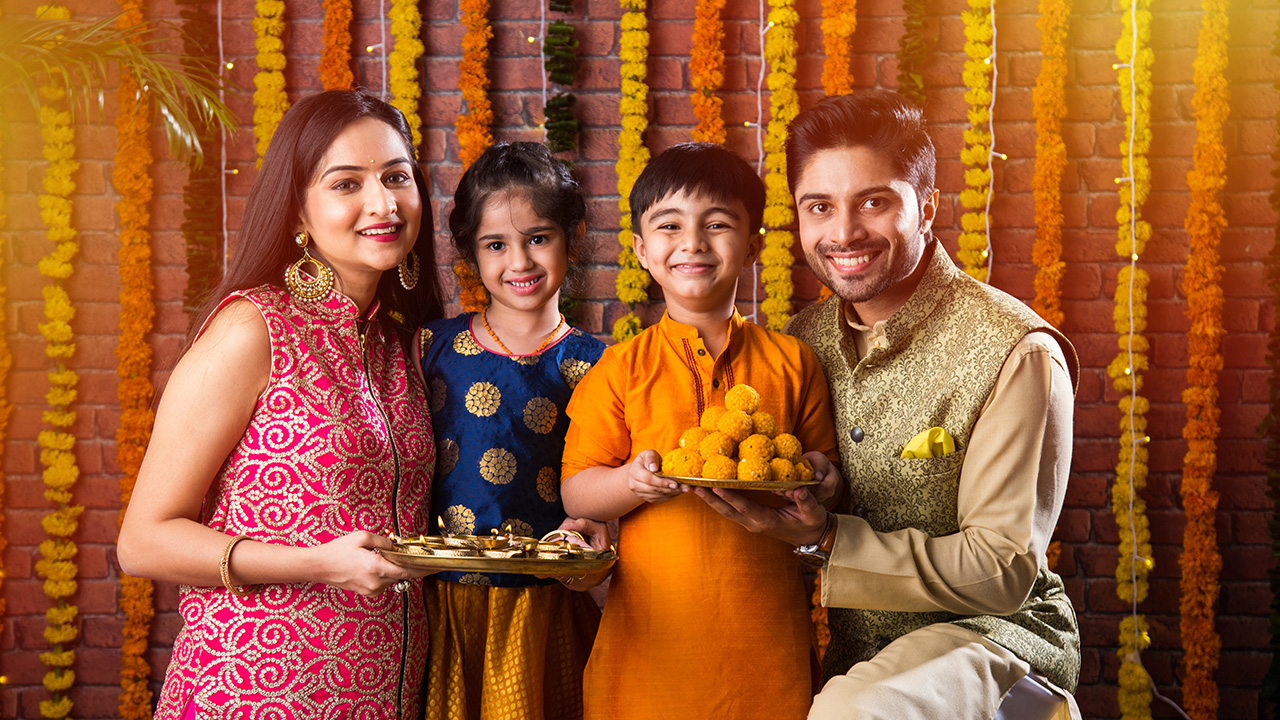
Diwali is about light, family and togetherness, and food is at the heart of it. There’s the box of kaju katli from a neighbour, chakli and chivda with every cup of chai, the late-night card parties and the big family dinner. Nobody wants to spend the festival counting calories, and you shouldn’t have to.
The aim isn’t perfection. It’s balance: enjoying the traditions you love while keeping a few simple habits that stop one festive week turning into a month of feeling sluggish. Here’s how, before, during and after the celebrations, whether you’re celebrating in Mumbai, Leicester or New Jersey.

At a glance

  • Aim for moderation, not perfection. A few sweets won’t undo your health; weeks of excess might.
  • Don’t arrive at parties hungry. A balanced meal or snack beforehand makes overeating less likely.
  • Eat mindfully. Slowing down and paying attention to food has been shown to reduce how much people eat.
  • Make smarter swaps: baked or roasted namkeen, and sweets with less sugar and more nuts.
  • Keep moving: even a few minutes of walking after a meal can help blunt the rise in blood sugar.
  • Protect sleep, manage stress and go easy on alcohol. There’s no safe level of drinking.
  • Take extra care if you have diabetes, high blood pressure, or heart or lung disease.

Why the festive weeks add up

Diwali isn’t one meal. It’s often two or three weeks of gifting, visiting and celebrating, starting with Dhanteras shopping and ending with Bhai Dooj, and the habits add up:

  • Sweets: most mithai is rich in sugar and ghee. The WHO advises keeping free sugars below 10% of daily energy, and ideally below about 25 g (6 teaspoons) a day. Two or three pieces of mithai can use that up.
  • Fried snacks: namkeen, samosas and pakoras are energy-dense and often fried in oil that’s been reused many times.
  • Salt: namkeen, papad and pickles push salt intake up, which matters for blood pressure.
  • Late nights and alcohol: card parties and celebrations cut into sleep, and drinking adds calories while lowering your guard around food.
  • Smoke: firecrackers and winter smog can worsen asthma and other lung and heart conditions.

Weight gained over a festival doesn’t always come off. In research on Christmas, a festival with similar eating habits, adults typically gained 0.4–1 kg a year, with much of it put on during the festive season and not fully lost afterwards. Small, steady habits make the difference.

Before the celebrations

  1. Set realistic goals. “No sweets at all this Diwali” rarely lasts past the first box of barfi. Goals like “one sweet a day, savoured”, “a 20-minute walk every morning” or “no second helpings at dinner” are easier to keep. If you’re trying to lose weight, aiming to maintain your weight through the festival is a perfectly good goal.
  2. Don’t arrive starving. Going to a party hungry makes it much harder to stop at a few snacks. Have a balanced meal or a filling snack with protein and fibre beforehand, such as a bowl of dal, curd with fruit, a handful of nuts or roasted chana.
  3. Plan, and keep an eye on the scale. Look at the week ahead and decide which events matter most to you. Keep everyday meals simple and light on the other days. In a UK study over Christmas, adults who weighed themselves regularly and learnt how much activity it takes to burn off festive foods avoided weight gain, while the comparison group put weight on. A quick weigh-in twice a week, or logging your meals, is a gentle reality check, not a punishment.
  4. Know what’s in your favourite foods. You don’t need to count every calorie, but it helps to know that fried and syrup-soaked sweets such as gulab jamun and jalebi, and deep-fried namkeen, are among the most energy-dense festive foods. That makes them the ones to enjoy in smaller amounts.

At the table

  1. Eat mindfully. Sit down to eat rather than grazing from the plate on the table. Eat slowly, put food on a plate rather than eating from the box, and actually taste your favourite sweet instead of finishing it while chatting. A 2026 review of 46 studies found that mindfulness and mindful eating reduced how much people ate, although they didn’t change how hungry people felt.
  2. Use the plate, not the platter. At a buffet or family dinner, fill half your plate with vegetables, salad and dal first, then add the rich dishes. Pick the two or three festive foods you really love and skip the ones you’re eating out of habit.
  3. Choose smarter sweets and snacks. You don’t have to give up mithai, but you can:
  • make sweets with dates, nuts and seeds instead of sugar syrup, like our dates roll with seeds, remembering that dates are still high in natural sugar
  • swap deep-fried namkeen for baked and air-fried namkeen, such as methi mathri, namak pare and roasted poha chivda
  • try the lighter festive ideas in our trending healthy recipes
  • choose smaller pieces, and share a sweet rather than having a whole one
  • give dry fruit, fruit baskets or homemade snacks as gifts, instead of another box of mithai
  1. Drink water, not just chai. Keep water within reach, and go easy on sweetened drinks and sherbets.

Beyond the food

  1. Keep moving. Cleaning and decorating the house counts! So do dancing at a family party, a morning walk before the day gets busy, and a short stroll after big meals. A 2022 analysis of seven studies found that even 2–5 minutes of light walking after eating helped blood sugar rise and fall more gently than sitting. On high-pollution days, move your workout indoors; see our guide to air pollution and your health.
  2. Protect your sleep. Late nights make you hungrier the next day and more likely to reach for sugary snacks. Try to keep a regular wake-up time, and catch up with an early night after a late celebration.
  3. Manage the stress. Cleaning, shopping, cooking, hosting and family expectations can make the festival exhausting. Share the jobs, keep plans simple and take a few minutes for slow breathing or quiet time. Saying no to one more event is allowed.
  4. Be honest about alcohol. If you drink, have less. The WHO is clear that there’s no safe level of alcohol for health, and no drink is a “healthy option”, including red wine. Alternate alcoholic drinks with water, avoid sugary mixers, eat before you drink, and never drink and drive.
  5. Lean on your people. Tell family or friends what you’re aiming for. Walk together after dinner, cook a lighter dish to share, and reward yourselves with an outing or a new book rather than another sweet.

If you have a health condition

Festivals are for everyone, but a few conditions need some extra planning.

  • Diabetes: keep to your usual meal times and medicines, and don’t skip meals to “save up” for sweets, which can cause low blood sugar if you take insulin or certain tablets. Count sweets as part of your carbohydrates for that meal, choose a small piece, and check your sugar more often during the festival. Sugar-free sweets can still be high in fat and calories.
  • High blood pressure or heart disease: watch the salt in namkeen, pickles and papad, keep taking your medicines on time, and avoid heavy meals late at night. Seek urgent help for chest pain or breathlessness, and know the signs of a stroke.
  • Asthma or COPD: firecracker smoke and winter smog can trigger attacks. Stay indoors when the air is smoky, keep your reliever inhaler with you, and follow your action plan.
  • Pregnancy: avoid alcohol completely, and choose freshly made sweets and dairy from trusted sources.

If you’re unsure how festive eating fits your treatment, check with your doctor or dietitian before the celebrations begin.

After Diwali: think long term

  1. Get straight back to normal. Had a few too many laddoos? That’s fine. One day doesn’t define your health; what you do over the following weeks matters far more. Go back to your usual meals and routine the next day. There’s no need for a crash diet, “detox” or skipping meals, which often backfire.
  2. Pass on the leftovers. Share leftover sweets with neighbours, staff or a local shelter rather than finishing them over the next fortnight. Freeze some if you can.
  3. Keep the good habits going. If you started walking after dinner or swapped fried namkeen for roasted snacks, keep it up. The healthiest festivals are the ones that leave you with a habit worth keeping.

The bottom line

A healthy Diwali isn’t about saying no to the sweets your family has made for generations. It’s about choosing the ones you love, eating them slowly, keeping meals around them simple, staying active, sleeping enough and going easy on alcohol. Do that, and you can enjoy every diya, every visit and every bite, and still feel good when the lights come down.

Pro Tip: Use the GOQii App to log your meals, steps and sleep through the festive weeks; seeing the pattern helps you balance a heavy day with a lighter one. Your GOQii Personalised Health Coach can help you set realistic festive goals and get back on track afterwards.

Frequently asked questions

How can I eat healthily during Diwali?

Aim for moderation rather than perfection. Eat a balanced meal before parties, choose the festive foods you love most, eat them slowly, fill half your plate with vegetables and dal, and choose baked or roasted snacks where you can.

How many sweets can I eat during Diwali?

There’s no fixed number, but the WHO advises keeping free sugars ideally below about 25 g, or 6 teaspoons, a day. Many pieces of mithai contain a large share of that, so one small sweet a day, enjoyed slowly, is a sensible approach.

What are healthy alternatives to Diwali sweets?

Try sweets made with dates, nuts and seeds, roasted makhana, fruit-based desserts or smaller portions of traditional mithai. Remember that sweets made with dates or jaggery still contain a lot of sugar.

How can I avoid weight gain during Diwali?

Keep everyday meals light and simple, stay active, weigh yourself once or twice a week, limit fried snacks and sugary drinks, and get back to your normal routine right after the festival.

Can people with diabetes eat sweets during Diwali?

Most people with diabetes can have a small sweet occasionally as part of a meal, counted within their carbohydrate allowance. Don’t skip meals or medicines, check your blood sugar more often, and ask your doctor or dietitian for advice.

Is red wine a healthy choice during celebrations?

No. The WHO says there is no safe level of alcohol for health, and red wine isn’t a healthy option. If you drink, drink less, alternate with water and never drink and drive.

How do I get back on track after Diwali?

Return to your usual meals and routine the very next day, drink plenty of water, move every day and get enough sleep. There’s no need for detox diets or skipping meals.

#BeTheForce

Disclaimer: The information provided in this blog is for general awareness and educational purposes only. It is not intended to replace professional medical advice, diagnosis, or treatment. Always consult a qualified healthcare provider for personalised medical guidance or concerns related to your health.

October 29, 2026 By GOQii Leave a Comment

World Stroke Day 2026: Know the Signs, Act FAST

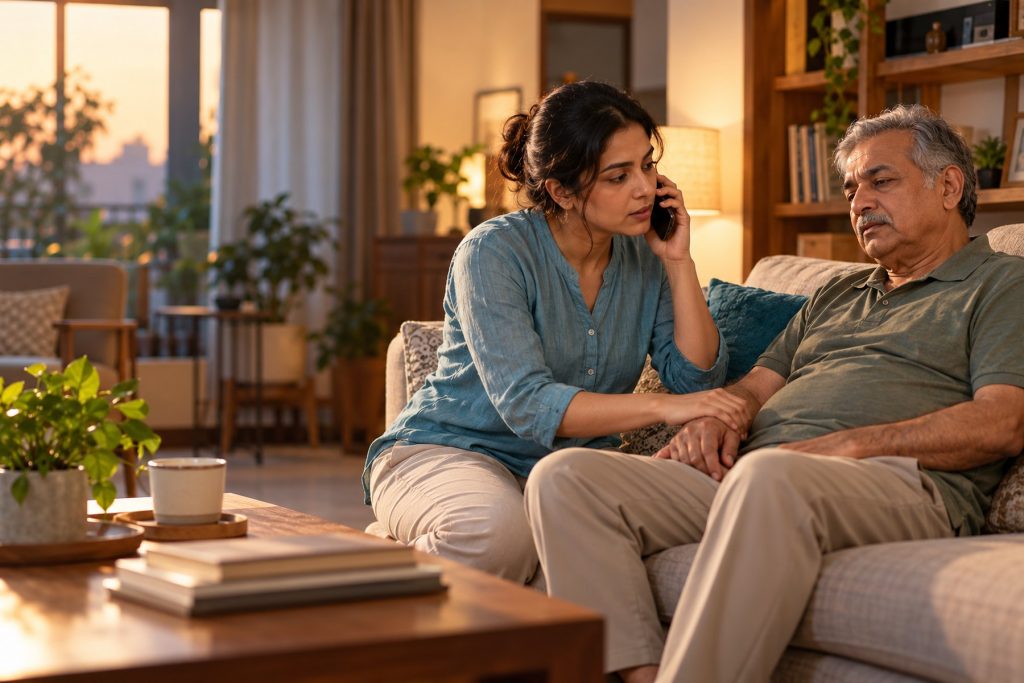
Your father is at the dinner table and halfway through a sentence his words come out jumbled. One corner of his mouth droops. A minute later he says he feels fine and wants to lie down. What do you do?
For a stroke, what you do next, and how quickly, can decide whether someone recovers or lives with lasting disability. Yet many families in India wait to see if things settle, call a relative first, or give a tablet at home. Precious hours are lost.

World Stroke Day, held every year on 29 October and led by the World Stroke Organization, is about changing that. Its message is simple: learn the signs of a stroke and act fast to get emergency care. This guide explains how to spot a stroke, what to do in the first few minutes, and the everyday steps that can lower your risk.

At a glance

  • Stroke is common: globally, 1 in 4 adults over 25 will have a stroke in their lifetime.
  • India’s burden is rising: India recorded over 25 million new strokes in 2021, about 51% more than in 1990.
  • It isn’t only an older person’s illness: in an ICMR registry, about 1 in 7 stroke patients was under 45.
  • Learn BE FAST: Balance, Eyes, Face, Arms, Speech, Time to call for help.
  • Every minute counts: clot-busting treatment generally works best within 4.5 hours of symptoms starting, but in India only about 1 in 5 patients reaches hospital in that window.
  • Most strokes are linked to risks you can change: high blood pressure is the biggest one, so know your numbers.

What is a stroke?

A stroke happens when the blood supply to part of the brain is cut off. Without oxygen and nutrients, brain cells in that area begin to die within minutes. That’s why a stroke is a medical emergency, in the same way a heart attack is.

There are two main types:

  • Ischaemic stroke: a clot blocks an artery supplying the brain. This is the most common type worldwide. In India’s national stroke registry, it made up about 60% of cases.
  • Haemorrhagic stroke: a blood vessel in or around the brain bursts and bleeds. In the same registry, bleeding inside the brain accounted for about 34% of strokes, a higher share than is typical in many high-income countries.

This difference matters in an emergency. The two types can look identical from the outside, and only a brain scan can tell them apart. Treatments that dissolve a clot could make a bleed worse, which is why nobody should give medicine at home “just in case”.

What about a mini-stroke (TIA)?

A transient ischaemic attack, or TIA, is caused by a temporary blockage. Its symptoms are the same as a stroke but they pass, usually within minutes to a few hours and always within 24 hours.

It’s tempting to brush a TIA off because the person feels normal again. Don’t. The NHS describes a TIA as a warning sign that a full stroke may follow soon. At the time, no one can tell whether symptoms will pass or turn into a stroke, so treat every episode as an emergency. If symptoms have already passed and you didn’t get help, see a doctor the same day.

Know the signs: BE FAST

Stroke symptoms come on suddenly. The best-known memory aid is FAST. Many hospitals now teach an extended version, BE FAST, which adds balance and eye problems that FAST alone can miss.

Letter Look for
B – Balance Sudden dizziness, loss of balance or coordination, trouble walking
E – Eyes Sudden blurred or double vision, or loss of sight in one or both eyes
F – Face One side of the face droops; ask them to smile
A – Arms One arm is weak or numb; ask them to raise both arms and see if one drifts down
S – Speech Slurred or jumbled speech, or difficulty finding or understanding words
T – Time Time to call an ambulance immediately, and note the time symptoms started

Other warning signs

The NHS also lists:

  • sudden weakness or numbness down one side of the body, including a leg
  • confusion or memory loss
  • a sudden, severe headache
  • feeling or being sick

You don’t need all the signs. Even one sudden symptom is enough to act. And if symptoms go away, still get emergency help: it could be a TIA.

Women and younger adults

Women have the classic symptoms too, but a review of studies found they were somewhat more likely to also report headache or fatigue. These less specific symptoms can delay recognition, so don’t let them distract from a drooping face, weak arm or slurred speech.

Younger people often assume a stroke can’t happen to them, and symptoms get put down to stress, migraine or tiredness. In India’s national stroke registry, 13.8% of patients were under 45. Age is no reason to wait.

Why speed matters so much

During a typical untreated ischaemic stroke, the brain is estimated to lose about 1.9 million nerve cells every minute. Doctors sum this up as “time is brain”.

The main emergency treatments are time-limited:

  • Clot-busting medicine (thrombolysis): for suitable patients with an ischaemic stroke, it is usually given within 4.5 hours of symptoms starting, and the earlier the better.
  • Clot removal (thrombectomy): a specialist threads a thin tube through an artery to pull out a large clot. In carefully selected patients, it can help up to 24 hours after symptoms begin, but it’s only available at some hospitals.

Both need a brain scan first to rule out bleeding. This is where India loses most ground. In the ICMR registry, only 20.1% of patients reached hospital within 4.5 hours, 37.8% arrived more than a day later, and just 4.6% of those with an ischaemic stroke received clot-busting treatment. Late arrival was the main reason eligible patients missed out.

What to do if you suspect a stroke

Do

  1. Call an ambulance straight away. In India, dial 108 (the free emergency ambulance service in most states) or 112, the national emergency number. Say clearly that you think it is a stroke.
  2. Note the time symptoms started, or the last time the person was seen well. If they woke up with symptoms, it’s the time they went to sleep. Doctors need this to decide on treatment.
  3. Head for a hospital that can treat stroke. If you have to travel yourself, go to the nearest hospital with a CT scan and emergency stroke care, not a local clinic. It helps to find out now which hospitals near you offer this.
  4. Keep the person safe and comfortable. If they are drowsy or vomiting, lay them on their side with the head slightly raised and loosen tight clothing.
  5. Take their medicines list with you, especially blood thinners, and any recent reports.
  6. Start CPR if they become unresponsive and are not breathing normally.

Don’t

  • Don’t give aspirin or any other medicine. If the stroke is a bleed, a blood thinner could make it worse.
  • Don’t give food or water, not even a sip. A stroke can affect swallowing, and food or liquid can go into the lungs.
  • Don’t wait to see if it passes, or call family members before calling for help.
  • Don’t let the person drive, even if they insist they are fine.
  • Don’t try home remedies, such as pricking fingers or applying pressure points. They waste time that the brain doesn’t have.

Lowering your risk: the factors you can change

Some stroke risks can’t be changed, such as age, family history or a past stroke. But most of the risk lies elsewhere. The Global Burden of Disease study estimates that 84% of the global stroke burden is linked to risk factors that can be modified. The large INTERSTROKE study across 32 countries reached a similar conclusion: ten modifiable factors accounted for about 90% of stroke risk.

1. Blood pressure: the biggest one

High blood pressure is the single most important risk factor for stroke worldwide, and it usually causes no symptoms. In India’s stroke registry, nearly 3 in 4 patients had hypertension. Meanwhile, NFHS-5 found raised blood pressure in about 22.5% of women and around a quarter of men aged 15 and over, and many people don’t know they have it.

What helps: get your blood pressure checked at least once a year from adulthood, and more often if it is raised. If your doctor prescribes medicine, take it every day, even when you feel well. Stopping it on your own is a common, and risky, mistake.

2. Salt

Eating too much salt raises blood pressure. The WHO advises adults to have less than 5 g of salt a day, about one level teaspoon, and most Indians eat well above this. Much of it comes from pickles, papad, namkeen, sauces, instant noodles and restaurant food, not just the salt shaker. Cooking with less salt, tasting before adding more, and using lemon, herbs and spices for flavour all add up.

3. Tobacco in any form

Smoking and smokeless tobacco both damage blood vessels. In the ICMR registry, 22.6% of stroke patients smoked and 28.5% used smokeless tobacco such as gutka or khaini. Quitting lowers your risk, whatever your age, and the national tobacco quitline (1800-11-2356) offers free support.

4. Diabetes and cholesterol

Diabetes was present in over a quarter of patients in the Indian registry, and high LDL (“bad”) cholesterol is among the top five global risk factors. Both can be picked up by simple blood tests. If you have either, keeping them in your target range with your doctor’s guidance lowers stroke risk.

5. An irregular heartbeat

Atrial fibrillation (AF) is an irregular, often fast, heart rhythm that can let clots form in the heart and travel to the brain. It makes a stroke about five times more likely. If you notice palpitations or an irregular pulse, see a doctor; treatment, often with blood thinners, can greatly reduce the risk.

6. Diet, weight and activity

A diet built around vegetables, fruit, whole grains and pulses, with less fried and ultra-processed food, supports healthy blood pressure, cholesterol and weight. Regular movement helps all three. Aim for at least 150 minutes of moderate activity, such as brisk walking, each week; it can lift your mood too.

7. Alcohol and stress

Heavy drinking raises blood pressure and the risk of both types of stroke; less is better, and none is safest. Long-term stress was also among INTERSTROKE’s risk factors, so making time to recover matters.

8. Air pollution

Outdoor and household air pollution are both among the top five global risk factors for stroke, and this is especially relevant in India as winter smog sets in. On high-pollution days, limit outdoor exercise, especially near traffic, and use cleaner cooking fuels where possible.

Life after a stroke

Recovery looks different for everyone. Some people recover within days or weeks; for others, it can take months or years, and some changes may be lasting.

Rehabilitation is part of treatment, not an optional extra. Depending on what the stroke has affected, it may include:

  • physiotherapy to rebuild strength, balance and movement
  • speech and language therapy for speaking, understanding and swallowing
  • occupational therapy to manage daily tasks such as dressing, cooking and getting back to work
  • support for memory, concentration, tiredness, low mood and anxiety, which are common and treatable after a stroke

Ask the treating team for a clear rehab plan before discharge, and keep practising the exercises at home. Progress can continue well after the first few months.

Preventing a second stroke

Anyone who has had a stroke or TIA is at higher risk of another one. The same steps that prevent a first stroke matter even more now: take prescribed medicines (such as blood thinners, blood pressure and cholesterol medicines) regularly, keep follow-up appointments, stop tobacco, and stay as active as you safely can.

For caregivers

In India, much of stroke care happens at home, usually by family. Caring for someone after a stroke can be tiring and lonely. Learn the basics from the therapy team, share tasks within the family, and look after your own sleep, food and health too. If you feel low or overwhelmed, Tele-MANAS (14416) offers free, confidential support.

The bottom line

A stroke gives little warning, but it does give signs. Learn BE FAST and share it with your family, especially older parents and the people who care for them. If you see even one sudden sign, call 108 or 112 straight away, note the time, and don’t give medicine, food or water. Then take care of the risks you can control, starting with knowing your blood pressure. This World Stroke Day, a few minutes spent learning the signs could give someone their life back.

Pro Tip: Use the GOQii App to log your blood pressure, steps, sleep and meals, so you and your doctor can see the trends that matter. Your GOQii Personalised Health Coach can help you build steady habits, from cutting back on salt to moving more and quitting tobacco.

Frequently asked questions

What are the first signs of a stroke?

Stroke symptoms start suddenly. Use BE FAST: loss of Balance, Eye or vision problems, Face drooping, Arm weakness, Speech difficulty, and Time to call an ambulance. Sudden numbness on one side, confusion or a severe headache can also be signs.

What should I do if someone is having a stroke?

Call an ambulance immediately on 108 or 112 and say you suspect a stroke. Note the time symptoms started. Don’t give aspirin, any other medicine, food or water, and don’t wait to see whether symptoms improve.

Should I give aspirin to someone having a stroke?

No. Some strokes are caused by bleeding in the brain, and aspirin could make bleeding worse. Only a brain scan in hospital can show which type of stroke it is, so leave all medicines to the doctors.

What is the golden hour for a stroke?

The sooner treatment starts, the better. Clot-busting medicine is usually given within 4.5 hours of symptoms starting, and some patients can have a clot removed up to 24 hours later. Getting to hospital within the first hour gives the best chance of treatment.

Can young people have a stroke?

Yes. In India’s national stroke registry, about 1 in 7 stroke patients was under 45. High blood pressure, tobacco, diabetes and some heart conditions can cause strokes at younger ages, so never dismiss sudden symptoms because of age.

What is a mini-stroke, and is it serious?

A mini-stroke, or transient ischaemic attack (TIA), causes stroke symptoms that go away within 24 hours. It is serious because it can be a warning that a full stroke may follow soon. Get emergency help even if symptoms pass.

How can I reduce my risk of stroke?

Most stroke risk is linked to factors you can change. Check and control your blood pressure, eat less salt, avoid all tobacco, stay active, limit alcohol, and manage diabetes, cholesterol and any irregular heartbeat with your doctor.

#BeTheForce

Disclaimer: The information provided in this blog is for general awareness and educational purposes only. It is not intended to replace professional medical advice, diagnosis, or treatment. Always consult a qualified healthcare provider for personalised medical guidance or concerns related to your health.

October 20, 2026 By GOQii Leave a Comment

Dussehra 2026: 10 Unhealthy Habits to Leave Behind

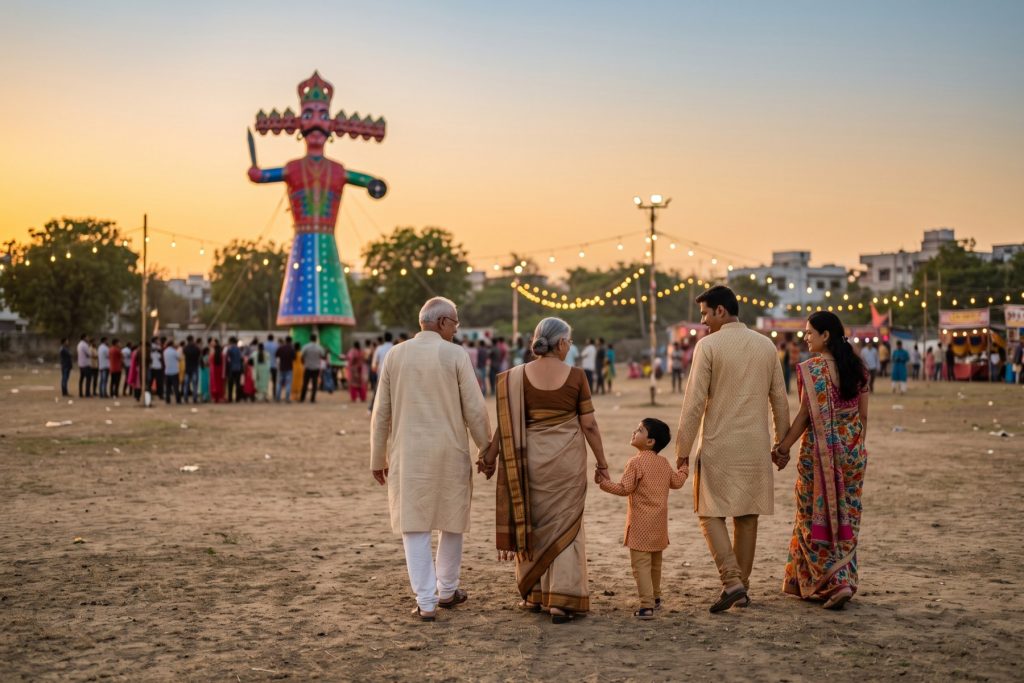
This Dussehra, on Tuesday 20 October 2026, as Ravana’s effigy burns, pick one unhealthy habit to leave behind as well.


Dussehra, or Vijayadashami, marks the victory of good over evil: Lord Rama’s triumph over Ravana and, in many parts of India, Goddess Durga’s victory over Mahishasura. It comes at the end of nine days of Navratri, and for many families it is a day of puja, Ravan Dahan, shared meals and fresh starts.

Ravana is often shown with ten heads. In that spirit, here are ten everyday habits that quietly hold our health back, with a simple swap for each, plus practical tips for coming off the Navratri fast, enjoying festive food and staying safe at Ravan Dahan.

Dussehra at a glance

  • Dussehra 2026 falls on Tuesday 20 October, the day after the nine nights of Navratri.
  • Pick one habit, not ten. Small, steady changes last longer than big festive resolutions.
  • Break your fast gently. Start with water, fruit and light, home-cooked food before heavier dishes.
  • Enjoy the sweets, in smaller portions. Share, savour and balance them with lighter meals.
  • Take care at Ravan Dahan. Keep a safe distance, and if you have asthma or a lung condition, avoid the smoke and carry your inhaler.

10 habits to leave behind this Dussehra

One for each of Ravana’s ten heads. You don’t need to tackle them all. Pick the one that matters most to you and start there.

1. Sitting for hours at a stretch

Long, unbroken sitting is linked to poorer health, and the WHO advises that everyone should limit time spent sedentary.

Swap: stand up and move for a few minutes every 30–60 minutes, and try a few simple office workouts through the day.

2. Not moving enough

The WHO recommends at least 150 minutes of moderate activity a week for adults, plus muscle-strengthening exercise.

Swap: a 30-minute brisk walk five days a week gets you there. Garba and dandiya count too.

3. Extra sugar in your chai and drinks

Sweetened chai, packaged juices and soft drinks add up fast. High sugar intake is also a major driver of fatty liver, now very common in India.

Swap: cut the sugar in your chai by half a spoon each week, and choose water, buttermilk or nimbu pani without sugar.

4. Too much salt

Pickles, papad, namkeen and restaurant food push salt intake well above the WHO’s limit of less than 5 g a day, raising the risk of high blood pressure.

Swap: taste before you add salt, and keep pickles and papad to an occasional treat.

5. Too few fruits and vegetables

The WHO recommends at least 400 g of fruit and vegetables a day, about five portions.

Swap: fill half your plate with sabzi or salad at lunch and dinner, and have one fruit as a snack.

6. Fried and packaged snacks as everyday food

Namkeen, chips and biscuits are easy to eat without noticing, and they are high in salt, sugar or fat.

Swap: keep roasted chana, nuts, makhana or fruit within reach for the 4 pm hunger.

7. Late nights and short sleep

Regular short sleep affects your mood, focus and appetite, and is linked to weight gain.

Swap: set a regular bedtime, and put your phone away 30 minutes before it.

8. Letting stress run unchecked

Ongoing stress affects sleep and blood pressure, and often pushes us towards unhealthy food.

Swap: try 5 minutes of slow breathing, a short walk or a call with a friend when the day gets heavy.

9. Tobacco and too much alcohol

Tobacco kills more than 7 million people a year worldwide, and both smoked and chewed tobacco cause serious harm. Alcohol adds to the risk of liver disease, high blood pressure and some cancers.

Swap: if you use tobacco, make Dussehra your quit date. Counselling and medication can more than double your chance of quitting, so ask your doctor or call India’s free National Tobacco Quitline on 1800-11-2356 (8 am to 8 pm, closed Mondays). If you drink, set alcohol-free days each week.

10. Skipping health check-ups

High blood pressure, diabetes and fatty liver often cause no symptoms for years.

Swap: book a basic check-up this month, covering blood pressure, blood sugar, cholesterol and a liver function test, especially if you’re over 30 or have a family history.

Breaking the Navratri fast gently

After nine days of fasting or eating only vrat foods, your body is used to smaller, simpler meals. Jumping straight to a heavy, fried festive lunch can leave you bloated and uncomfortable.

  • Start with water. Drink a glass of water, coconut water or nimbu pani without much sugar.
  • Begin light. Fruit, a bowl of curd, khichdi, moong dal, or a simple vegetable with roti are easy first meals.
  • Add protein early. Many fasting days are low in protein. Dal, paneer, curd, eggs or sprouts help you feel steady.
  • Bring back grains gradually. Have a normal portion of roti or rice, not a double one.
  • Save the rich dishes for later in the day, and keep portions small.

If you have diabetes, take medicines that affect blood sugar, or are pregnant, check with your doctor about safe fasting and breaking the fast, as large swings in meals can affect blood sugar.

Enjoying festive food without overdoing it

Dussehra is a time for jalebi, fafda, kheer and family meals. You don’t need to skip them, just enjoy them with a little thought.

  • Eat a proper meal before you go visiting. Arriving hungry makes it easy to fill up on sweets and fried snacks.
  • Pick your favourite and skip the rest. One jalebi or one piece of mithai you really love beats a little of everything.
  • Share sweets. Split a portion, or take a small piece.
  • Balance the day. If lunch is heavy, keep dinner light: dal, sabzi and roti, or khichdi.
  • Gift healthier. Dry fruit, roasted nuts, fresh fruit baskets or homemade laddoos with less sugar make thoughtful gifts.
  • Keep moving. A family walk after the festive meal is good for digestion and for spending time together.

Staying safe at Ravan Dahan

Watching Ravana’s effigy burn is a highlight of the day, but the fireworks, smoke and crowds bring some real risks.

  • Keep a safe distance from the effigy and fireworks, and follow barriers and volunteers’ instructions. Keep children close and hold their hands in crowds.
  • Wear cotton clothes, not loose synthetic ones that catch fire easily.
  • Avoid the smoke if you have asthma or a lung condition. A pulmonologist quoted by ETV Bharat notes that even brief exposure can set off symptoms. Watch from upwind or further back, wear an N95 mask, and keep your reliever inhaler with you.
  • Keep taking your regular medicines, including preventer inhalers, even if you feel fine.
  • For minor burns, hold the area under cool running water for 20 minutes, and don’t put creams, oil, butter or toothpaste on it. Cover it loosely with cling film or a clean cloth, and get medical help for large, deep or facial burns.
  • Plan your way home before the crowd starts to leave, especially with children or older relatives.

The bottom line

Dussehra celebrates good winning over evil, and it’s a natural moment for a fresh start. You don’t need to change everything at once. Pick one habit from the ten, make one simple swap, and keep it going until Diwali and beyond. Enjoy the festivities, break your fast gently, and stay safe around the fire and smoke.

Pro Tip: Choose your one habit and track it in the GOQii App, whether that’s steps, sleep, water or sugar in your chai. Your GOQii Personalised Health Coach can help you turn this Dussehra’s resolution into a habit that lasts.

Frequently Asked Questions (FAQs)

  1. When is Dussehra in 2026?

Dussehra, also called Vijayadashami, falls on Tuesday 20 October 2026, the day after the nine nights of Navratri.

  1. What does Dussehra celebrate?

It marks the victory of good over evil, remembering Lord Rama’s victory over Ravana and, in many regions, Goddess Durga’s victory over Mahishasura.

  1. What should I eat after the Navratri fast?

Start light: water or coconut water, fruit, curd, khichdi, moong dal or a simple sabzi with roti. Add protein early, and save rich, fried dishes for later in the day in small portions.

  1. How can I enjoy festive sweets without overeating?

Eat a proper meal before visiting, choose the one sweet you love most, share portions, and keep the next meal light. A family walk after the meal also helps.

  1. Is the smoke from Ravan Dahan harmful?

Smoke from burning effigies and fireworks can irritate the lungs, and even brief exposure can trigger symptoms in people with asthma or other lung conditions. Watch from a distance and upwind, wear an N95 mask if you are sensitive, and carry any inhaler you use.

  1. What should I do for a minor burn?

Hold it under cool running water for 20 minutes, and don’t apply creams, oil, butter or toothpaste. Cover it loosely with cling film or a clean cloth, and get medical help for large, deep or facial burns.

  1. How do I make a health resolution stick?

Pick one specific habit, such as a 30-minute walk five days a week, rather than several at once. Tie it to a set time of day, track it, and tell someone close to you so they can keep you going.

#BeTheForce 

Disclaimer: The information provided in this blog is for general awareness and educational purposes only. It is not intended to replace professional medical advice, diagnosis, or treatment. Always consult a qualified healthcare provider for personalised medical guidance or concerns related to your health.

  • « Previous Page
  • 1
  • 2
  • 3
  • 4
  • 5
  • …
  • 25
  • Next Page »

Search

Recent Posts

  • How to Improve Sleep Quality Naturally: 12 Science-Backed Tips for Better Sleep
  • Post-Diwali Reset: Getting Back on Track Without Crash Diets
  • Diwali Safety: First Aid for Burns and Firecracker Injuries, and Protecting Your Lungs from Smoke
  • Cancer Screening: Which Tests You Need and When
  • This Dhanteras, Invest in Your Health

Stay Updated

Archives

  • November 2026 (10)
  • October 2026 (23)
  • September 2026 (5)
  • August 2026 (8)
  • July 2026 (24)
  • June 2026 (22)
  • May 2026 (20)
  • April 2026 (24)
  • March 2026 (18)
  • February 2026 (14)
  • January 2026 (14)
  • December 2025 (19)
  • November 2025 (14)
  • October 2025 (17)
  • September 2025 (6)
  • August 2025 (5)
  • July 2025 (9)
  • June 2025 (18)
  • May 2025 (16)
  • April 2025 (22)
  • March 2025 (25)
  • February 2025 (21)
  • January 2025 (25)
  • December 2024 (21)
  • November 2024 (21)
  • October 2024 (15)
  • September 2024 (22)
  • August 2024 (27)
  • July 2024 (14)
  • June 2024 (23)
  • May 2024 (26)
  • April 2024 (27)
  • March 2024 (27)
  • February 2024 (23)
  • January 2024 (21)
  • December 2023 (14)
  • November 2023 (10)
  • October 2023 (18)
  • September 2023 (20)
  • August 2023 (16)
  • July 2023 (16)
  • June 2023 (21)
  • May 2023 (20)
  • April 2023 (19)
  • March 2023 (23)
  • February 2023 (19)
  • January 2023 (15)
  • December 2022 (11)
  • November 2022 (15)
  • October 2022 (15)
  • September 2022 (12)
  • August 2022 (9)
  • July 2022 (17)
  • June 2022 (11)
  • May 2022 (10)
  • April 2022 (6)
  • March 2022 (6)
  • February 2022 (13)
  • January 2022 (11)
  • December 2021 (7)
  • November 2021 (3)
  • October 2021 (6)
  • September 2021 (3)
  • August 2021 (8)
  • July 2021 (7)
  • June 2021 (15)
  • May 2021 (16)
  • April 2021 (10)
  • March 2021 (7)
  • February 2021 (4)
  • January 2021 (4)
  • December 2020 (3)
  • November 2020 (4)
  • October 2020 (10)
  • September 2020 (3)
  • August 2020 (3)
  • July 2020 (2)
  • June 2020 (4)
  • May 2020 (10)
  • April 2020 (12)
  • March 2020 (10)
  • February 2020 (4)
  • January 2020 (4)
  • December 2019 (3)
  • November 2019 (7)
  • October 2019 (5)
  • September 2019 (4)
  • August 2019 (9)
  • July 2019 (9)
  • June 2019 (11)
  • May 2019 (4)
  • April 2019 (8)
  • March 2019 (8)
  • February 2019 (9)
  • January 2019 (8)
  • December 2018 (9)
  • November 2018 (3)
  • October 2018 (3)
  • September 2018 (5)
  • August 2018 (10)
  • July 2018 (6)
  • June 2018 (13)
  • May 2018 (8)
  • April 2018 (17)
  • March 2018 (9)
  • February 2018 (8)
  • January 2018 (15)
  • December 2017 (12)
  • November 2017 (19)
  • October 2017 (13)
  • September 2017 (15)
  • August 2017 (4)
  • July 2017 (8)
  • June 2017 (7)
  • May 2017 (6)
  • April 2017 (8)
  • March 2017 (6)
  • February 2017 (7)
  • January 2017 (9)
  • December 2016 (10)
  • November 2016 (7)
  • October 2016 (7)
  • September 2016 (7)
  • August 2016 (11)
  • July 2016 (9)
  • June 2016 (9)
  • May 2016 (12)
  • April 2016 (17)
  • March 2016 (17)
  • February 2016 (8)
  • January 2016 (6)
  • December 2015 (2)
  • November 2015 (9)
  • October 2015 (7)
  • September 2015 (9)
  • August 2015 (11)
  • July 2015 (9)
  • June 2015 (11)
  • May 2015 (9)
  • April 2015 (13)
  • March 2015 (8)
  • February 2015 (5)
  • January 2015 (12)
  • December 2014 (14)
  • November 2014 (11)
  • October 2014 (6)
  • September 2014 (13)
  • August 2014 (12)
  • July 2014 (6)
  • June 2014 (2)
  • May 2014 (7)
  • April 2014 (4)

From Burnout to Balance: How Dr. Ranjit Reclaimed His Health

Dr Ranjit Bhatt has spent years tending to others. A practising doctor in Odisha, his days were packed with patients, surgeries, and emergencies. From the outside, it looked like a life lived in service. But on the inside, something wasn’t right. “I had no … [Read More...]

From Shimla’s Slopes to Chandigarh’s Sidewalks: Surinder Kaur Bhalla’s Journey from Chaos to Control

Some journeys start with a plan. Others begin with a stumble literally. Surinder Bhalla, a government professional, born and raised in the scenic hill town of Shimla, had always lived a life of movement. “In Shimla, you walked everywhere,” she reflects. “Walking was never an exercise. It was just life.” But after shifting to Chandigarh, […]

“I’ve Challenged Myself to Live 100 Years” – The Story of Chandubhai Savani’s Second Chance at Life

At 67, most people start slowing down. Not Chandubhai Savani. A resident of Surat, Chandubhai, thought life was on track. “My life was going well till I had my bypass surgery,” he says. That surgery, back in 2021, was a wake-up call.  Medication was routine, but exercise wasn’t. His diet? What he calls ‘normal.’ “I […]

Ananda Mukherjee Health Story

From Terminal Illness To Complete Wellness! Ananda Mukherjee Health Story

As we observe World Cancer Day under the powerful theme ‘United by Unique’ (2025-2027)**, we are reminded that every individual’s journey with cancer is distinct, yet united by shared resilience, hope, and the collective fight against this disease. This theme places people at the centre of care and their stories at the heart of the […]

  • HOME
  • HEALTHY LIVING
  • FITNESS
  • HEALTHY RECIPES
  • USER STORIES
  • KARMA
  • BUY GOQii

Copyright ©2016 GOQii

