GOQii

Blog

  • HOME
  • HEALTHY LIVING
  • FITNESS
  • HEALTHY RECIPES
  • USER STORIES
  • KARMA
  • BUY GOQii

Search Results for: superfood

May 22, 2022 By Yogita Agarwal 3 Comments

Tired All The Time? Start With These Superfoods

superfoods

Do you feel tired all the time? Do you wish for sleep or rest more often than you should? There are a wide range of causes that trigger tiredness and these include medical issues such as a thyroid disorder, heart disease, diabetes, etc. The lifestyle related causes include alcohol or drug abuse, lack of regular exercise, exertion, jet lag, large meals et al. Thankfully, there are few superfoods that can help us to overcome it.

Which Superfoods Can Help With Tiredness? 

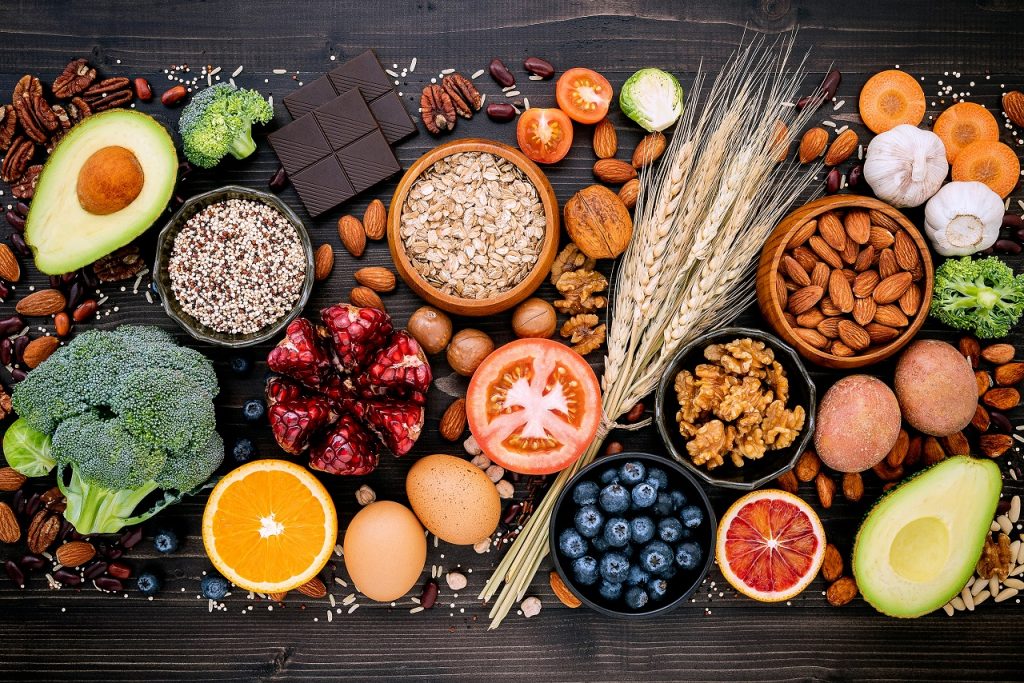
Superfoods are high in nutritional density and provide a substantial amount of nutrients with low calories. They are high in vitamins, minerals, and antioxidants. They can re-energise you. Try these superfoods to overcome tiredness! 

  1. Chia Seeds: These tiny seeds are packed with nutrients. They are a good source of Omega -3 fatty acids, protein, iron, calcium and fiber. They are an excellent source of antioxidants. When soaked in water, they absorb water and expand 10x their size and help us feel full for a longer time. We can add it to smoothies, shakes or have it with water.
  2. Fruits: such as Watermelon contain 90% of water, have vitamins, minerals and antioxidants that combat dehydration – one of the reasons for tiredness. It also has amino acid L-citrulline which can help reduce muscle soreness. Bananas are a good source of potassium, magnesium, vitamin B, vitamin C, fiber, antioxidants and phytonutrients. They provide ample amounts of energy. Avocado as well, is a powerhouse of energy with vitamins such as B, C and E, minerals like folate and potassium, monounsaturated fats and help keep a control on blood sugar spikes as well. 
  3. Kale: This leafy vegetable is a storehouse of vitamins, minerals and antioxidants. It is a good source of iron which carries oxygen to our tissues and cells – much needed for us to thrive. It is an amazing source of calcium, folate and vitamin B. Kale is a low density food which aids weight loss and obesity that are linked to tiredness.
  4. Almonds: are a good source of protein, fiber and healthy fats. Almonds have vitamin B, which helps convert food into energy. It also contains magnesium which helps us fight muscle fatigue. A handful of almonds are a good mid-meal.
  5. Dates: are excellent sources of energy. They are high in carbs which provide instant energy. It is packed with fiber, calcium, phosphorus, potassium, magnesium, zinc and iron. It’s an amazing source of antioxidants like flavonoids, carotenoids and phenolic acid. It’s sweet in nature so can be used as a sweetener.
  6. Spinach: is a powerhouse of nutrients, It contains vitamins like C, K B6, B9 and E, minerals like potassium, magnesium, folic acid, iron and calcium. Adequate amounts of vitamins and minerals are essential for energy production. Low levels of iron can cause fatigue.
  7. Egg: Do you remember the slogan “Sunday ho ya Monday Roj khao ande”? It’s actually true, as an egg is an excellent source of high biological value protein and healthy fats which can keep us energized. It is a good source of vitamins and minerals which are vitamin D and B12, iron and choline. 
  8. Dark chocolate: is a great source of iron, copper, magnesium, zinc, phosphorus and flavanols. Is a rich source of theobromine which is a stimulant that works the same as caffeine. Polyphenols in dark chocolate have positive effects on serotonin levels which helps us to lift up the mood and energy levels. 
  9. Quinoa: It’s a grain crop which is high in carbs, protein, fiber, manganese, magnesium, phosphorus, potassium, copper, iron, zinc and folate. It is also a good source of vitamin B and E, and various antioxidants. Although quinoa is high in carbs, it has a low glycaemic index, so it releases energy slowly and sustains for a longer time.
  10. Sattu: It is generally made by Bengal gram (Chana), which means it is high in protein. It is a low cost, so-called poor man’s protein. It Is rich in fiber, calcium, iron, manganese, magnesium and low in sodium. It provides instant energy with a cooling effect. So it’s best consumed during summer. 

Try these foods in your diet especially in morning hours to boost your energy levels and fight tiredness. With these we need to focus on 20 to 30 min regular exercise, balanced meals, adequate sleep, proper hydration and stress management. Do consult your doctor before trying any of these superfoods. 

For more on nutrition, check out Healthy Reads. If you want to know more about superfoods, nutrition or get a meal plan for a health goal, speak to an expert by subscribing for personalized health coaching here: https://goqiiapp.page.link/bsr

#BeTheForce 
January 7, 2022 By Priyanka Mangla 4 Comments

Sprouts As Superfoods During the Pandemic!

sprouts

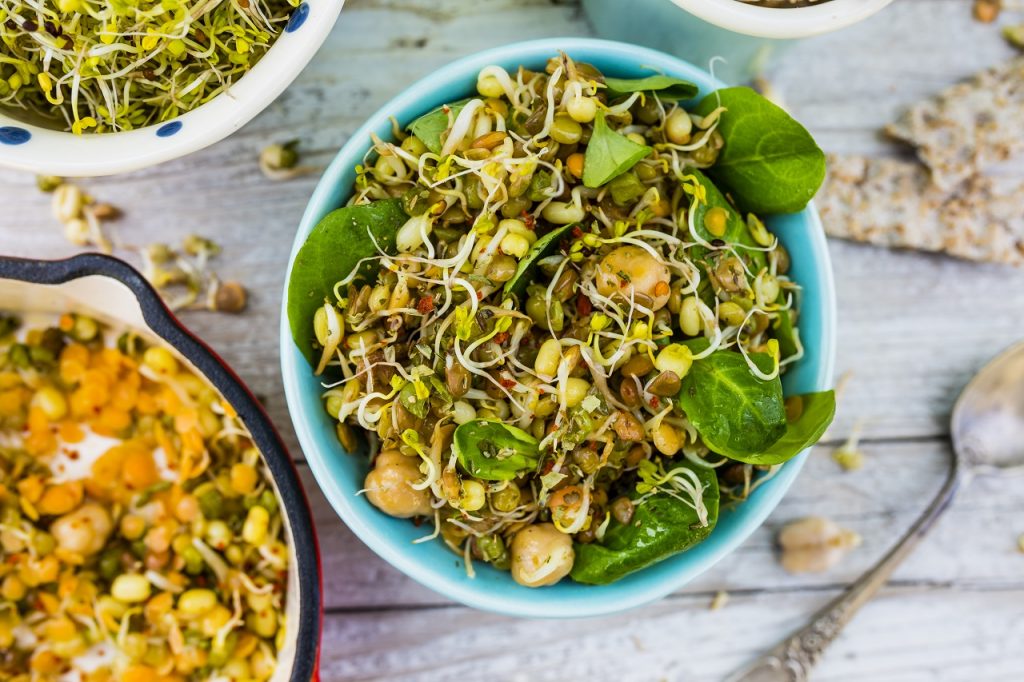
During this period of time , when most of us are avoiding crowded markets again and again to purchase fruits and veggies , sprouting of the readily available beans and grains at home has become the best and cheapest way of getting complete nourishment. We have been using sprouts for ages either to recover post illness or to build muscle mass, increase stamina, to combat nutritional deficiencies and so on. 

What Can Be Sprouted?  

All edible grains, seeds and legumes can be sprouted. These include:

  • Grains: Wheat, Maize, Ragi , Bajra, and Barley . 
  • Seeds: Alfa-alfa seeds, radish seeds, fenugreek seeds, carrot seeds, coriander seeds, pumpkin seeds, muskmelon seeds, sesame seeds. 
  • Legumes: Mung , Bengal gram, groundnut and peas ( commonly used )  .

Benefits Of Consuming Sprouts

  1. Increase in Nutrition: In the process of sprouting, the vitamins, minerals and proteins increase substantially with the corresponding decrease in the calories and carbohydrate content.  There is an infinite increase in vitamin C content. 
  2. Good For Pregnant Women: Being high in folate, sprouts are beneficial for pregnant women. Folate is quite essential for fetal development and proper development of brain development of a child. 
  3. Ensures Healthy Eyes: As Vitamin A content also gets enhanced by a remarkable percentage, sprouts keep our eyes healthy and protect them from all the Vitamin A deficiency diseases of the eyes such as night blindness. Regular intake even delays the development of cataract due to ageing. 
  4. Healthy, Shiny Hair: Being rich in Vitamin C and protein, they ensure strong and healthy hair.
  5. Good Heart Health: Sprouts are high in omega 3 fatty acids which make them heart-friendly.
  6. Easily Digestible: Now the question arises in our minds, the black gram, the mung beans, and some other legumes do produce flatulence… will it be ok for those who suffer from bloating and indigestion to consume these legumes and beans?  And the answer is yes! When we are consuming sprouts, they are in pre-digested form – which means they have already been acted upon by enzymes and made easy to digest.  In fact, they contain a lot of fiber and water. Hence, they help overcome constipation. 

When Can You Eat Them: You may have them as your post-workout meal in the morning, in your evening snacks when you are hungry and while raiding your kitchen for something to munch on.

How To Eat Sprouts: Besides having sprouts alone, you can make it delicious by adding chopped onion, tomatoes, cucumber and squeeze some lemon juice. You may make sprout dosa or pancakes or mixed sprout bhel with puffed rice. You can also try this delicious Sweet Potato Sprouts Tikki and Oats, Sprouts and Vegetable Uttapam. Make sure you are steaming or boiling sprouts in water before eating them. This will not only make them easily absorbable, but will kill any bacterial growth that may have developed during the process of sprouting. 

Eating sprouts is the safest and cheapest way to get all the advantages of fruits and vegetables. If you are having them in your breakfast, it’s going to be a perfect power-packed breakfast. No packaged Muesli, instant oats, processed cornflakes, etc. are going to provide this much nutrition. 

Please Note: Make sure the dried beans and seeds are of best quality, purchased from a good store where they are kept under good conditions and packaged as “food”. Seeds meant for planting purposes may contain mercury compounds and other toxic chemicals. Avoid purchasing seeds or beans of low quality because these may cause various bacterial infections like salmonella, e-coli infections. 

We hope this article helps you! Go on and get your sprouts. Do let us know your thoughts in the comments below! For more on nutrition, check out Healthy Reads or ask a GOQii Coach by subscribing for personalized health coaching here: https://goqiiapp.page.link/bsr 

#BeTheForce 
March 26, 2021 By Poornima Seth 1 Comment

Superfood Battle: Spirulina vs Moringa

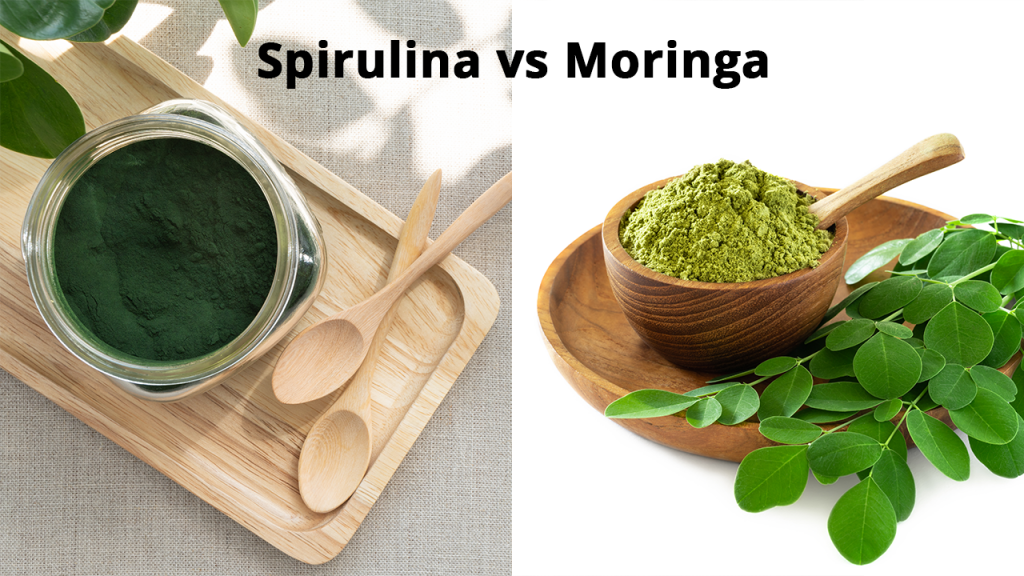
Spirulina vs Moringa

Though moringa and spirulina are complete plant proteins as they contain all nine essential amino acids. Moringa has been showing up strong with other Super greens, like matcha, spinach, and kale. This time I would like to compare it with everyone’s favorite blue-green algae, spirulina. But before we get into the Spirulina vs Moringa debate, let’s understand what these two are. 

Spirulina is blue-green algae that grows on both fresh and saltwater. These tiny algae are packed with nutrients. In modern times, spirulina can provide many benefits. It is a rich source of protein and also a good source of beta-carotene, various minerals, and gamma-linolenic acid, an essential fatty acid. Spirulina is available in the form of capsules, tablets, and powder and can be incorporated in certain foods and beverages such as energy bars, popcorn, and smoothies.

Moringa Oleifera (drumstick tree) has been praised for its many health benefits for thousands of years. It is very rich in antioxidants and bioactive plant compounds which are good for health. So far, scientists have only investigated a few of the many reputed health benefits. It is known by many different names, such as drumstick tree, horseradish tree or ben oil tree.

Spirulina is a mighty protein beast, as it is high in protein as it actually holds the number one position on two points: highest protein content per calorie, and highest protein content per ounce. As 100 g of spirulina contains 58 g of protein. But you know we are not here just tell you how great spirulina is. For this battle, moringa will be depending on a few standbys: its high iron content, as well as its respectable amounts of vitamin A, calcium, and fiber. 

So, without wasting time let the Battle of the Greens begin!

Spirulina Vs Moringa

For this Spirulina vs Moringa debate, we will be comparing 10g (about 1 tablespoon) powder of each.

Spirulina  Moringa
Protein 5.75g 2.7g
Calcium 174mg 12mg
Iron 15.8mg 2.85mg
Fiber 3.3g 0.36g
Vitamin A 910iu 57iu
Potassium 140mg 136.3mg
Carbohydrate 5.1g 2.39g
Sodium 2mg 105mg
Calories 35 29
Vitamin C 0.99mg 1.01mg

Antioxidants Properties

Both Spirulina and Moringa are excellent sources of antioxidants. Each of them contains several different antioxidants, but spirulina falls just a little short when compared to moringa.

Moringa contains almost 40 known antioxidant compounds, whereas spirulina contains almost half of that. As moringa contains a great number of antioxidants in terms of the overall content, this round also goes to moringa.

Side-Effects

Moringa is considered to have no side effect, but the roots can be very poisonous. This is why one must keep in mind that only moringa fruit, leaves or seeds are meant for human consumption. Spirulina on the other hand has some potential side effects, although they are seemingly rare. The various side effects include stomach ache, constipation, dizziness – pretty much the usual suspects. According to the National Institute of Health, “People with autoimmune diseases – such as lupus, rheumatoid arthritis (RA), multiple sclerosis (MS),  and pemphigus vulgaris – might have to avoid spirulina because these blue-green algae may have immune-boosting properties, which in turn might worsen the symptoms of auto-immune diseases”. The NIH also points out that spirulina contains amino acid phenylalanine, which may worsen phenylketonuria, so people with this metabolic disorder should also avoid spirulina. 

We’ll call this round a wash given both super greens carry some risks, however minimal they may actually be.

Final Verdict: Who Wins?

Moringa knocks out spirulina 7-3 with several definitive points and wins. As it turns out, spirulina is kind of a one-trick pony as it just has high protein content, it really wasn’t very competitive in any of the other categories. Both moringa oleifera & spirulina, in the case of antioxidants, each contain several different antioxidants, but spirulina falls just a little short when compared to moringa. In case of side effects, both super greens carry some risks, but here as well, moringa hits the goal in case of autoimmune diseases. So if we take an overall review, I feel moringa wins! 

We hope this article on Spirulina vs Moringa helps you make healthier choices! Do let us know your thoughts in the comments below! For more on nutrition, check out Healthy Reads or tune in to LIVE sessions by experts on GOQii Play. 

#BeTheForce 

August 14, 2026 By Rashmi Deshpande Leave a Comment

Foods to Manage Blood Sugar Naturally: A Complete Guide to Better Blood Sugar Control

The Big Question – Can the foods you eat every day help improve your blood sugar levels naturally?

If you’ve been diagnosed with prediabetes or Type 2 diabetes—or you’re simply trying to prevent blood sugar spikes you’ve probably wondered whether changing your diet can really make a difference.

The answer is yes.

While food alone isn’t a cure for diabetes, the right dietary choices, combined with regular physical activity, quality sleep, stress management and medical guidance when needed, can significantly improve blood sugar control and support long-term metabolic health.

The good news? You don’t need a restrictive diet or expensive superfoods. Simple, everyday ingredients can help your body manage blood sugar more effectively.

Quick Answer – Which foods help manage blood sugar naturally?

Foods rich in dietary fibre, lean protein, healthy fats and complex carbohydrates help slow digestion and reduce rapid blood sugar spikes. Leafy green vegetables, whole grains, legumes, nuts, seeds, healthy fats and low-glycaemic fruits can all support better blood sugar management when eaten as part of a balanced lifestyle.

Why Blood Sugar Management Matters

Every time you eat, carbohydrates are broken down into glucose, which enters your bloodstream.

Insulin a hormone produced by the pancreas helps move this glucose into your cells where it is used for energy.

In people with insulin resistance or diabetes, this process becomes less efficient, causing glucose to remain in the bloodstream for longer.

Over time, consistently high blood sugar can increase the risk of:

  • Heart disease
  • Kidney disease
  • Vision problems
  • Nerve damage
  • Poor wound healing

Managing blood sugar isn’t just about avoiding sugar it’s about building meals that keep glucose levels steady throughout the day.

8 Foods That Help Manage Blood Sugar Naturally

  1. Leafy Green Vegetables

Spinach, fenugreek (methi), amaranth, kale and other leafy greens are packed with vitamins, minerals, antioxidants and fibre while being naturally low in digestible carbohydrates.

These vegetables also provide vitamin C and antioxidants such as lutein and zeaxanthin, which support eye health particularly important for people living with diabetes.

Easy ways to include them:

  • Vegetable sabzi
  • Soups
  • Salads
  • Stuffed rotis
  • Smoothies
  • Chutneys
  1. Whole Grains and Millets

Refined grains digest quickly and can cause larger blood sugar spikes.

Instead, choose fibre-rich whole grains such as:

  • Oats
  • Brown rice
  • Quinoa
  • Jowar
  • Bajra
  • Ragi
  • Barley

These release glucose more gradually, helping maintain steady energy levels.

  1. Legumes and Pulses

Beans, lentils, chickpeas and rajma are rich in plant protein and fibre.

They digest slowly, improve satiety and support better blood sugar control.

Aim to include legumes several times each week.

  1. Nuts

Nuts provide healthy fats, protein and fibre that slow digestion and help reduce post-meal glucose spikes.

Choose unsalted varieties such as:

  • Almonds
  • Walnuts
  • Pistachios
  • Pecans
  • Hazelnuts

A small handful makes an excellent snack.

  1. Seeds

Seeds are nutritional powerhouses rich in omega-3 fats, fibre and plant protein.

Include:

  • Flaxseeds
  • Chia seeds
  • Pumpkin seeds
  • Sunflower seeds
  • Sesame seeds

They can be sprinkled over oats, yoghurt, salads or smoothies.

  1. Lean Protein

Protein helps keep you fuller for longer while slowing carbohydrate absorption.

Good choices include:

  • Eggs
  • Fish
  • Chicken
  • Paneer
  • Greek yoghurt
  • Tofu
  • Lentils

Try including a protein source in every meal.

  1. Healthy Fats

Healthy fats improve satiety and help slow digestion.

Choose:

  • Avocados
  • Olive oil
  • Groundnuts
  • Walnuts
  • Seeds

Remember that healthy fats are still calorie-dense, so portion control matters.

  1. Low-Glycaemic Fruits

Fruit can absolutely be part of a diabetes-friendly diet.

Choose whole fruits such as:

  • Apples
  • Pears
  • Berries
  • Guava
  • Oranges

Avoid fruit juices, which remove fibre and cause faster blood sugar rises.

Foods to Limit

No food needs to be completely banned, but these are best enjoyed occasionally:

  • Sugary drinks
  • Packaged fruit juices
  • Sweets
  • Cakes and pastries
  • White bread
  • Refined flour products
  • Sugary breakfast cereals
  • Highly processed snacks
  • Deep-fried foods

Small, consistent changes often produce better long-term results than extreme restrictions.

Smart Eating Habits That Help

It’s not only what you eat but how you eat.

Build a Balanced Plate

Aim for:

  • Half your plate: Non-starchy vegetables
  • One-quarter: Lean protein
  • One-quarter: Whole grains or complex carbohydrates

Eat Slowly

Eating slowly gives your body time to recognise fullness, helping prevent overeating.

Don’t Skip Meals

Skipping meals can lead to larger blood sugar fluctuations later in the day.

Regular, balanced meals are generally more effective than long periods without food.

Watch Portion Sizes

Even healthy carbohydrates can raise blood sugar when consumed in excessive amounts.

Moderation remains important.

Lifestyle Habits That Support Blood Sugar Control

Nutrition is only one part of the equation.

Other habits matter just as much.

Stay Active

A 20–30 minute walk after meals helps muscles use glucose more efficiently.

Strength training also improves insulin sensitivity over time.

Sleep Well

Poor sleep affects hormones that regulate blood sugar and appetite.

Aim for 7–9 hours of quality sleep each night.

Manage Stress

Chronic stress raises cortisol, which can increase blood glucose levels.

Meditation, breathing exercises, yoga and regular physical activity can all help.

Stay Hydrated

Water supports healthy circulation and helps your body function optimally.

Choose water over sugary beverages whenever possible.

What If Your Blood Sugar Drops Too Low?

People taking insulin or certain diabetes medications may occasionally experience hypoglycaemia (low blood sugar).

Common symptoms include:

  • Sweating
  • Shaking
  • Hunger
  • Dizziness
  • Confusion

If this happens, follow your healthcare provider’s advice. A commonly recommended approach is the 15-15 rule:

  • Consume approximately 15 grams of fast-acting carbohydrate (such as glucose tablets, fruit juice or regular soft drink).
  • Recheck your blood sugar after 15 minutes.
  • Repeat if necessary.

Always discuss recurring episodes of low blood sugar with your doctor.

Managing blood sugar isn’t about following a perfect diet—it’s about building sustainable habits that support your metabolism every day.

Focus on fibre-rich vegetables, whole grains, lean proteins, healthy fats and regular physical activity.

Small changes, practised consistently, can make a meaningful difference to your long-term health.

Pro Tip – Understanding how your meals affect your blood sugar is the first step towards better metabolic health. Use the GOQii App to track your meals, activity, hydration and sleep. A GOQii Personalised Health Coach can help you build a nutrition plan tailored to your health goals, lifestyle and medical needs.

Frequently Asked Questions (FAQs)

  1. Which foods help lower blood sugar naturally?

Leafy vegetables, legumes, whole grains, nuts, seeds, lean proteins and healthy fats can support better blood sugar management as part of a balanced diet.

  1. Can people with diabetes eat fruit?

Yes. Whole fruits such as apples, berries, guava and oranges provide fibre, vitamins and antioxidants. Portion control is important, and fruit juices should generally be limited.

  1. Are carbohydrates bad for diabetes?

No. The type and quantity of carbohydrates matter more than eliminating them completely. Choosing fibre-rich whole grains over refined carbohydrates helps support steadier blood sugar levels.

  1. Is walking after meals beneficial?

Yes. Even a short walk after eating can help your muscles use glucose more efficiently and reduce post-meal blood sugar spikes.

  1. Can lifestyle changes help prevent Type 2 diabetes?

For many people with prediabetes, healthy eating, regular physical activity, weight management and quality sleep can significantly reduce the risk of developing Type 2 diabetes.

#BeTheForce 

Disclaimer: This article is intended for educational purposes only and should not replace professional medical advice. Dietary needs vary from person to person. If you have diabetes, prediabetes or any other medical condition, consult your physician or a qualified healthcare professional before making significant dietary or lifestyle changes. Continue taking prescribed medications unless advised otherwise by your healthcare provider.

  • « Previous Page
  • 1
  • 2
  • 3
  • 4
  • …
  • 11
  • Next Page »

Search

Recent Posts

  • 6 Health Benefits of Playing Sports
  • Foods to Manage Blood Sugar Naturally: A Complete Guide to Better Blood Sugar Control
  • The Lazy Person’s Guide to Staying Healthy: 5 Micro-Habits That Take Less Than 2 Minutes
  • Healthy Eating: Comforting Chilli Bean Soup Recipe for the Monsoon
  • The Truth About the ‘Beer Belly’: What Alcohol Really Does to Your Metabolism

Stay Updated

Archives

  • August 2026 (8)
  • July 2026 (25)
  • June 2026 (22)
  • May 2026 (20)
  • April 2026 (24)
  • March 2026 (18)
  • February 2026 (14)
  • January 2026 (14)
  • December 2025 (19)
  • November 2025 (15)
  • October 2025 (20)
  • September 2025 (6)
  • August 2025 (6)
  • July 2025 (9)
  • June 2025 (18)
  • May 2025 (16)
  • April 2025 (22)
  • March 2025 (26)
  • February 2025 (21)
  • January 2025 (25)
  • December 2024 (22)
  • November 2024 (22)
  • October 2024 (20)
  • September 2024 (22)
  • August 2024 (27)
  • July 2024 (15)
  • June 2024 (23)
  • May 2024 (26)
  • April 2024 (27)
  • March 2024 (27)
  • February 2024 (23)
  • January 2024 (21)
  • December 2023 (14)
  • November 2023 (10)
  • October 2023 (19)
  • September 2023 (21)
  • August 2023 (16)
  • July 2023 (16)
  • June 2023 (21)
  • May 2023 (20)
  • April 2023 (19)
  • March 2023 (23)
  • February 2023 (19)
  • January 2023 (15)
  • December 2022 (11)
  • November 2022 (15)
  • October 2022 (15)
  • September 2022 (12)
  • August 2022 (9)
  • July 2022 (17)
  • June 2022 (11)
  • May 2022 (10)
  • April 2022 (6)
  • March 2022 (6)
  • February 2022 (13)
  • January 2022 (11)
  • December 2021 (7)
  • November 2021 (3)
  • October 2021 (6)
  • September 2021 (3)
  • August 2021 (8)
  • July 2021 (7)
  • June 2021 (15)
  • May 2021 (16)
  • April 2021 (10)
  • March 2021 (7)
  • February 2021 (4)
  • January 2021 (4)
  • December 2020 (3)
  • November 2020 (4)
  • October 2020 (10)
  • September 2020 (3)
  • August 2020 (3)
  • July 2020 (2)
  • June 2020 (4)
  • May 2020 (10)
  • April 2020 (12)
  • March 2020 (10)
  • February 2020 (4)
  • January 2020 (4)
  • December 2019 (3)
  • November 2019 (7)
  • October 2019 (5)
  • September 2019 (4)
  • August 2019 (9)
  • July 2019 (9)
  • June 2019 (11)
  • May 2019 (4)
  • April 2019 (8)
  • March 2019 (8)
  • February 2019 (9)
  • January 2019 (8)
  • December 2018 (9)
  • November 2018 (3)
  • October 2018 (3)
  • September 2018 (5)
  • August 2018 (10)
  • July 2018 (6)
  • June 2018 (13)
  • May 2018 (8)
  • April 2018 (18)
  • March 2018 (9)
  • February 2018 (8)
  • January 2018 (15)
  • December 2017 (12)
  • November 2017 (19)
  • October 2017 (13)
  • September 2017 (15)
  • August 2017 (4)
  • July 2017 (8)
  • June 2017 (7)
  • May 2017 (6)
  • April 2017 (8)
  • March 2017 (6)
  • February 2017 (7)
  • January 2017 (9)
  • December 2016 (10)
  • November 2016 (7)
  • October 2016 (7)
  • September 2016 (7)
  • August 2016 (11)
  • July 2016 (9)
  • June 2016 (9)
  • May 2016 (12)
  • April 2016 (17)
  • March 2016 (17)
  • February 2016 (8)
  • January 2016 (6)
  • December 2015 (2)
  • November 2015 (9)
  • October 2015 (7)
  • September 2015 (9)
  • August 2015 (11)
  • July 2015 (9)
  • June 2015 (11)
  • May 2015 (9)
  • April 2015 (13)
  • March 2015 (8)
  • February 2015 (5)
  • January 2015 (12)
  • December 2014 (14)
  • November 2014 (11)
  • October 2014 (6)
  • September 2014 (13)
  • August 2014 (12)
  • July 2014 (6)
  • June 2014 (2)
  • May 2014 (7)
  • April 2014 (4)

From Burnout to Balance: How Dr. Ranjit Reclaimed His Health

Dr Ranjit Bhatt has spent years tending to others. A practising doctor in Odisha, his days were packed with patients, surgeries, and emergencies. From the outside, it looked like a life lived in service. But on the inside, something wasn’t right. “I had no … [Read More...]

From Shimla’s Slopes to Chandigarh’s Sidewalks: Surinder Kaur Bhalla’s Journey from Chaos to Control

Some journeys start with a plan. Others begin with a stumble literally. Surinder Bhalla, a government professional, born and raised in the scenic hill town of Shimla, had always lived a life of movement. “In Shimla, you walked everywhere,” she reflects. “Walking was never an exercise. It was just life.” But after shifting to Chandigarh, […]

“I’ve Challenged Myself to Live 100 Years” – The Story of Chandubhai Savani’s Second Chance at Life

At 67, most people start slowing down. Not Chandubhai Savani. A resident of Surat, Chandubhai, thought life was on track. “My life was going well till I had my bypass surgery,” he says. That surgery, back in 2021, was a wake-up call.  Medication was routine, but exercise wasn’t. His diet? What he calls ‘normal.’ “I […]

Ananda Mukherjee Health Story

From Terminal Illness To Complete Wellness! Ananda Mukherjee Health Story

As we observe World Cancer Day under the powerful theme ‘United by Unique’ (2025-2027)**, we are reminded that every individual’s journey with cancer is distinct, yet united by shared resilience, hope, and the collective fight against this disease. This theme places people at the centre of care and their stories at the heart of the […]

  • HOME
  • HEALTHY LIVING
  • FITNESS
  • HEALTHY RECIPES
  • USER STORIES
  • KARMA
  • BUY GOQii

Copyright ©2016 GOQii