GOQii

Blog

  • HOME
  • HEALTHY LIVING
  • FITNESS
  • HEALTHY RECIPES
  • USER STORIES
  • KARMA
  • BUY GOQii

Search Results for: skincare

December 6, 2022 By Trupti Vyas (Pandya) 7 Comments

7 Simple Winter Skincare Tips For Dull and Dry Skin

winter skincare tips

With the temperatures dipping, dry winter air zaps the moisture from your skin and leaves it dry and flaky. But it doesn’t mean you have to live with dull and dry skin all through winter. A few effective winter skincare tips and a proper skincare routine can facilitate your skincare game on point even in the chilly months. Let’s discuss some very useful skin care tips to keep your skin healthy and happy in winter.

7 Simple Winter Skincare Tips 

  1. Cover Up: Winter brings along dry and itchy skin that can be annoying to deal with it but you can prevent them from stripping away your skin’s natural oils. Always wear gloves and cover your mouth and nose with a scarf or the collar of your jacket, especially if it’s  windy. You can apply Vaseline or lip balm and sunscreen of SPF – 15 to lessen direct contact between the cold air and your skin (especially your lips) as the sun’s harmful UV rays can still cause damage in winters. 
  2. Watch your Diet: Your skin texture depends not only on external treatments but also on your food intake. A proper nutritious intake helps in rejuvenating the skin from within. Sometimes, when the skin is incredibly dry, it can also be helped by whole grains, pulses, brown rice, oatmeal and sprouts. Foods containing omega 3 fatty acids like chia seeds, almonds, walnuts, fish oil and flaxseed oil help increase blood flow to the skin, thus making it smooth and supple.
  3. Make Hydration Easy: You’ve probably been told to drink plenty of water during winter, so don’t forget the ‘drinking 8 glasses of water’ rule that applies to winter as well. 
  4. High Water Content Foods: Vit. C rich fruits like guava, papaya, Amla, oranges, lemon juice, green tea, avocado and green veggies such as spinach, beetroot or carrot, broccoli soups and stews made with broth, can also help keep your body and skin from getting too dry by synthesising collagen. Collagen is the protein that holds the skin cells together, thus promoting the generation of clear skin and a fresh complexion.
  5. Moisturize & Apply Natural Butters: Moisturizing is one the pretty basic winter skincare tips. Take it a step further by selecting moisturizers or natural butters like Shea, primrose, kokum, coconut oil or ghee, and almond butter. These can be applied to the skin after showering. Treating dry lips can also be done using a few common home ingredients like aloe vera gel and honey or Vaseline.
  6. Practice Abhyanga: Abhyanga is an important aspect of Ayurveda, a treatment that involves self-massaging the skin with oil. You can use cold-pressed oils like olive oil, sesame seed oil, mustard oil, coconut oil, almond oil and castor oil, etc. that offers a great healing treatment for dry skin, bringing comfort and balance to the entire body.
  7. Avoid Hot Baths: Always use lukewarm water instead of hot water while bathing to revive natural oil from the skin. You can also use mild soaps, bath oils or a good home-cleanser just like the top of the milk cream blended with a few teaspoons of gram flour (Besan) and a pinch of turmeric powder rather than a harsh soap which can dry out the skin. 

These are some simple Winter Skincare tips to help you keep your skin moist, supple and healthy all season long. Include the easy changes above to your everyday routine to be able to feel your best! 

We hope this article helps you. Do leave your thoughts in the comments below. To read more on how to stay healthy during winters, check out Healthy Reads or speak to an expert by subscribing for GOQii’s Personalised Health Coaching here: https://goqiiapp.page.link/bsr

#BeTheForce 
May 7, 2026 By Tabassum Parveen 4 Comments

Beat the Heat With Simple Lifestyle Changes!

lifestyle changes for summerIf you are a kid, summer is the most awaited season of the year because it spells the beginning of long vacations. But as an adult, the scorching summer heat brings a completely different set of worries.
Between commuting to work and managing daily chores, the extreme heat puts you at risk for dehydration, heat exhaustion, and sun damage. However, surviving the summer does not mean you have to stay locked indoors all day.

By understanding how the heat impacts your system and making a few strategic lifestyle adjustments, you can stay cool, energized, and healthy all season long.

What Happens to Your Body During Summer?

Your body works overtime in the heat to maintain its core temperature. When the mercury rises, you might experience:

  • Dehydration: Sweating depletes your body of water and essential electrolytes, which can cause headaches, confusion, dry eyes, heart palpitations, and disrupted sleep.
  • Low Blood Pressure: Heat causes your blood vessels to dilate (expand). Your heart has to work much harder to pump blood throughout the body, which can leave you feeling dizzy or lightheaded.
  • Muscle Cramps & Lethargy: Because your body is utilizing so much energy just to keep your core temperature down, you may feel unusually exhausted or experience muscle spasms.
  • Skin Irritation: Trapped sweat under the skin can lead to heat rashes, prickly heat, and severe itchiness.
  • Nausea & Heatstroke: Prolonged exposure to extreme heat can overwhelm your body’s cooling system, putting dangerous pressure on your cardiovascular system and leading to heat exhaustion.

Fortunately, these issues can be easily avoided by adopting a few simple, daily habits.

4 Lifestyle Tweaks to Stay Cool

  1. Upgrade Your Hydration Strategy

Drinking water is the absolute key to summer health, but plain water is not always enough.

  • Drink at least 2 to 3 liters of fluid a day. Keep a bottle handy and ensure you are drinking water the right way by sipping slowly rather than gulping.
  • Replenish lost electrolytes naturally by opting for fresh fruit juices, sugarcane juice, buttermilk, or coconut water.
  • Pro-Tip: Make your own natural ORS (Oral Rehydration Solution) drink by adding a pinch of salt, a piece of jaggery, basil seeds, and a squeeze of lemon to your water bottle.
  1. Dress for the Weather

Choosing the right clothes will significantly help your body regulate its temperature.

  • Stick to light, breathable fabrics like pure cotton, khadi, or linen, which absorb sweat and allow air to circulate.
  • Opt for light colors that reflect the sun’s rays, and avoid dark colors that absorb and trap heat.
  • Avoid synthetic fabrics like silk, nylon, or polyester, which trap heat against your skin and increase the risk of fungal infections.
  1. Adjust Your Face and Skincare Routine

The sun’s harmful UV rays can cause severe tanning, premature aging, and pigmentation if proper care isn’t taken.

  • Avoid direct sun exposure between 10:00 AM and 4:00 PM, as this is when UV radiation is at its strongest.
  • If you must step out, apply a broad-spectrum sunscreen and wear physical protection like a wide-brimmed hat or sunglasses to maintain healthy, glowing skin.
  • The best time to venture outdoors is early in the morning or late in the evening. Safe sun exposure during these times is actually essential for Vitamin D synthesis, bone strength, and mood regulation!
  1. Be Gentle With Your Hair

Your scalp sweats heavily during the summer, leaving your hair frizzy and dry. While washing your hair every single day might feel refreshing, it actually strips the natural oils from your scalp, resulting in dryness, dandruff, and unwanted hair fall. Wash your hair every alternate day with a mild shampoo, and try massaging your scalp with cooling oils to increase blood flow to the roots.

Foods That Help You Beat the Heat

Your diet plays a massive role in your internal body temperature. Load up on these natural coolants:

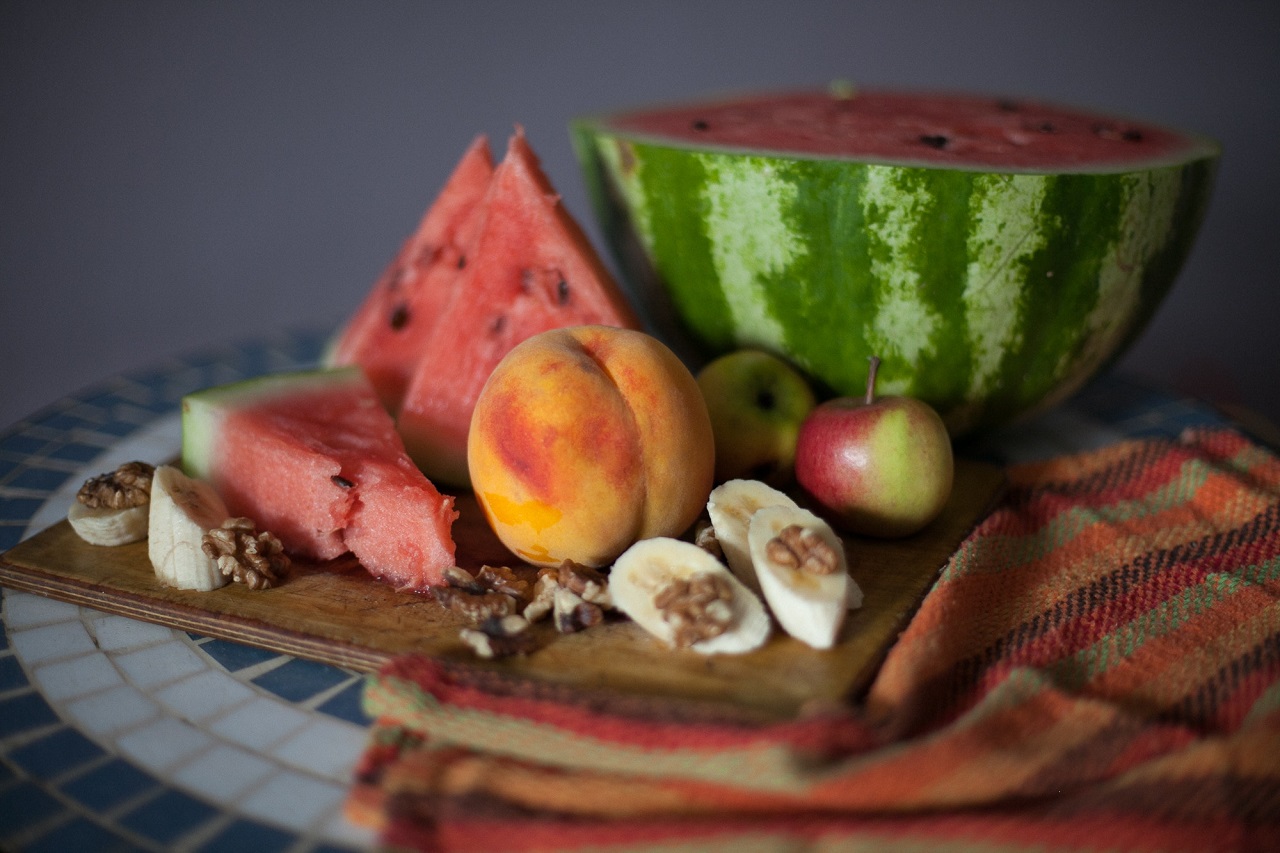
  • Watermelon: Containing over 90% water and rich in Vitamins A and C, it keeps you hydrated and protects your cardiovascular system.
  • Cucumber: Made up of 95% water, cucumbers act as a natural body coolant while delivering essential minerals like potassium and magnesium.
  • Onion: You may have heard the old myth about carrying an onion in your pocket to prevent heatstroke. While keeping it in your pocket won’t do much, eating raw onions definitely helps! Onions contain quercetin, an antioxidant that helps soothe heat rashes and regulates body temperature.
  • Coconut Water: The ultimate summer drink! It is loaded with essential minerals like potassium, calcium, manganese, and magnesium, making it the perfect natural way to stay hydrated and replenish lost electrolytes.
  • Basil Seeds (Sabja): These tiny seeds have a powerful cooling effect on the digestive tract and boast excellent anti-inflammatory properties.
  • Yoghurt & Curd: A strong gut equals strong immunity. Consuming 2-3 servings of yogurt, lassi, or buttermilk cools the stomach and provides healthy probiotics.
  • Barley Water: A glass of barley water with a drop of lemon is an excellent summer coolant and provides a great amount of dietary fiber.

Foods to Avoid During Summer

The scorching heat drastically slows down your digestive system. Give your gut a break by limiting:

  • Heavy Spices: Spices like nutmeg, excessive chilies, ginger, pepper, and cinnamon are “thermogenic” (heat-generating) and can cause stomach upset in the summer.
  • Junk and Deep-Fried Foods: Heavy, oily foods are difficult to digest and increase the risk of indigestion and lethargy.
  • High-Fat Dairy: Limit heavy cheeses or excessive ghee, which can slow digestion and trigger acne breakouts in sweaty weather.
  • Dehydrating Beverages: Limit excessive tea, coffee, and aerated soft drinks. Caffeine acts as a diuretic, which flushes essential water out of your body when you need it most.

Surviving the summer heat is all about working with your body, not against it. By switching to breathable fabrics, prioritizing electrolyte-rich hydration, and choosing water-dense, cooling foods, you can sail through the season feeling fresh and energetic.

Incorporate these changes and you’re all geared to beat the heat this Summer! Get more summer tips here or speak to a GOQii Coach by subscribing for Personalised Health Coaching here.

Frequently Asked Questions (FAQs)

  1. Why do I feel so tired during the summer?
    Lethargy during summer is very common. Your body uses a massive amount of energy trying to regulate its internal core temperature by sweating and dilating blood vessels. Combined with mild dehydration, this energy drain makes you feel sluggish.
  2. Is it bad to drink ice-cold water when coming in from the heat?
    Yes. Chugging ice-cold water when your body temperature is highly elevated can shock your system, cause a sudden sore throat, and disrupt your digestion by constricting blood vessels in the stomach. It is always better to drink cool or room-temperature water.
  3. Does eating raw onion actually prevent heatstroke?
    While carrying an onion in your pocket is a myth, consuming raw onions in salads or meals is highly beneficial in summer. Onions contain quercetin, which acts as a natural antihistamine, and they help cool the body internally while protecting against heat-induced ailments.

#BeTheForce

Disclaimer: This article is intended for educational and informational purposes only and should not be considered a substitute for professional medical advice. If you experience symptoms of severe heat exhaustion or heatstroke such as a lack of sweating, confusion, vomiting, or a rapid pulse seek emergency medical attention immediately.

March 31, 2026 By Yogita Agarwal 1 Comment

Eat to Defy Age: Top 5 Foods to Fight Wrinkles and Premature Ageing

We all want healthy and glowing skin, but do you know that your skin reflects what you eat? Healthy skin needs vital nutrients, a balanced diet, enough water, and quality sleep. When these aspects are balanced, it truly shows on our skin. While we cannot stop or avoid wrinkles entirely as they are a natural sign of ageing we can significantly delay them with healthy food choices and a supportive lifestyle.
When it comes to premature ageing or wrinkles, it often happens due to Sun damage and the loss of two crucial proteins: collagen and elastin. These two proteins take care of our skin and keep it healthy, young and firm. When UV rays hit our skin, it reduces the production of these proteins, increasing free radicals and leading to premature ageing. As we age, the skin starts losing its firmness and elasticity. Other factors that contribute to this process are pollution, smoking, stress, dehydration, lack of sleep and unhealthy food habits.

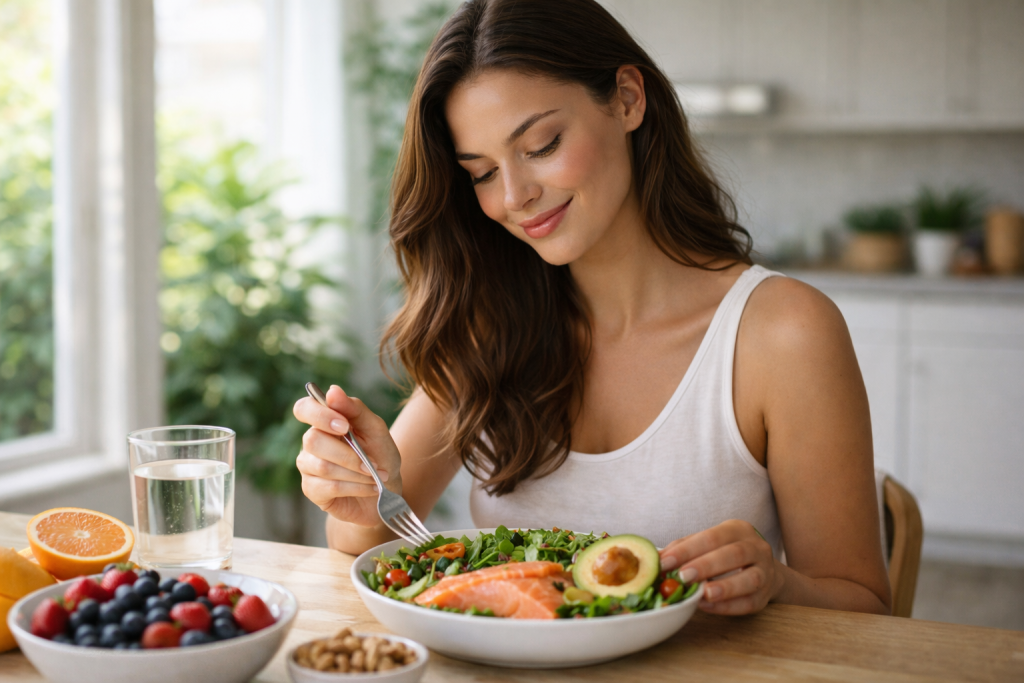
5 Powerful Foods Help Fight Wrinkles and Premature Ageing

  1. Avocado:
    Avocado is a fruit with healthy fats. It has fiber and many nutrients like Folate, Magnesium, Potassium, Riboflavin (Vitamin B2), Niacin (Vitamin B3), Pantothenic Acid (Vitamin B5), Pyridoxine (Vitamin B6), Vitamin C, Vitamin E and Vitamin K. Vitamin E aids skin nourishment, reduces scars and fights free radicals. Avocado is high in the antioxidant glutathione, which helps the body to detoxify and keeps skin clear of acne and wrinkles.
  2. Berries:
    All the berries are extremely rich in antioxidants, are a good source of Fiber, Vitamin C, Manganese, Vitamin K1, Copper and Folate. Those are rich in Flavonoids, Vitamins and Polyphenol. So berries are perfect food to fight wrinkles and fine lines. Berries not only help in reducing wrinkles but also help in the regeneration of new skin cells. Add berries to your breakfast or morning smoothies.
  3. Buckwheat:
    It is gluten free, rich in fiber, Iron, provides B1, is a rich source of Magnesium and Calcium, Folate, helps in heart health and controls blood sugar levels and also reduces the signs of premature ageing. It has Bioflavonoid Rutin which helps to maintain the production of collagen in the skin and encourage the body’s utilization of Vitamin C.
  4. Papaya:
    Papaya is rich in a variety of antioxidants, vitamins and minerals like Vitamin A, C, K and E, Calcium, Potassium, Magnesium, Phosphorus and Vitamin B. These help to improve skin elasticity and minimize the fine lines and wrinkles. Papaya is rich in the enzyme papain and chymopapain which helps to reduce inflammation. It helps to reduce acne by removing dead skin cells, and remove damaged keratin which can build up on the skin and form small bumps.
  5. Sweet Potatoes:
    Sweet Potatoes are rich in Vitamin A, B, C, D, Calcium, Iron, Magnesium, Potassium, Phosphorus, Thiamine, Zinc. It has the antioxidant beta-carotene which is converted into Vitamin A and helps in restoring skin elasticity, prompts skin cell turnover, which means healthy glowing skin. The Vitamin C and E in it helps in protection of skin from free radicals and keeps complexion radiant. Both the Vitamins are crucial to keep skin healthy, glowing and supple. Vitamin C boosts collagen and promotes tightening of skin.

Unlocking Your 10-Year Younger Skin Routine

In addition to including these specific foods to your diet, make sure that you consume healthy fats, a variety of veggies and fruits, especially different colour veggies and fruits. Keep yourself well hydrated, do regular exercise, learn to manage stress and sleep well.

Simultaneously, make it a priority to reduce the consumption of:

  • Alcohol
  • Tea and coffee
  • Preserved canned food
  • Processed food

Our body does not have a voice, but it talks to us through signs and symptoms, so pay attention to the health of your skin to be healthy and fit. With good food habits, a healthy lifestyle, proper hydration, quality sleep and stress management, we can turn the clock on our skin to look 10 years younger.

We hope this article helps you fight wrinkles! Do leave your thoughts in the comments below. For more tips on skincare, check out Healthy Reads or ask a GOQii Coach by subscribing for Personalised Health Coaching here.

#BeTheForce

Frequently Asked Questions (FAQs)

  1. What is the main cause of premature skin ageing?
    While factors like pollution, stress, and poor sleep contribute, the two single biggest hidden threats to youthful skin are Sun damage (UV exposure) and chronic inflammation. Over time, these destroy healthy skin cells and severely degrade the production of collagen and elastin, the proteins that keep skin healthy and firm.
  2. Why is collagen so important for preventing wrinkles?
    Collagen (and elastin) are vital structural proteins that act as the scaffolding of your skin. They are responsible for its texture, firmness, and flexibility. As you age, your body produces less collagen naturally. Foods that support collagen specifically those high in Vitamin C and antioxidants like the ones listed above are essential for maintaining that firmness and delaying the onset of wrinkles.
  3. Does hydration alone really make you look younger?
    Hydration is non-negotiable for skin longevity. Water acts as the medium for all cellular processes, including the ones that clear toxins and repair cells. Dehydrated skin looks dull, lacks “plumpness,” and causes existing fine lines to appear much deeper. For a radiant complexion, regular hydration must be combined with nutrient-dense foods that feed your skin from the inside out.

Disclaimer: The information provided in this article is for general educational and informational purposes only and is not intended as medical advice, diagnosis, or treatment. Always consult your doctor, dermatologist, or a qualified nutritionist before making any significant changes to your diet, skincare routine, or lifestyle, especially if you have per-existing health conditions.

March 17, 2026 By GOQii Leave a Comment

Sustaining the “GLP-1 Glow”: Nutrition for Skin and Tissue Elasticity

One of the biggest concerns discussed in global wellness circles today is the impact of rapid weight loss on the skin. Whether it’s the face or the body, losing weight quickly can sometimes leave the skin struggling to “snap back.” While genetics certainly play a role, your lifestyle and nutrition are the primary drivers of how your skin adapts during this transformation.


With the growing use of GLP-1 therapies for weight management, many people are experiencing significant weight loss in a relatively short period. While this is beneficial for metabolic health, it also raises an important question: how can we support skin elasticity and maintain a healthy glow during this journey?

The answer lies in supporting your skin from the inside out through nutrient-dense foods and healthy lifestyle habits.

The Science of Skin Elasticity

Your skin relies on two important structural proteins:

Collagen – provides strength and structure to the skin
Elastin – allows the skin to stretch and bounce back

When you lose weight, the fat layer beneath the skin shrinks. If the body does not have enough nutrients to rebuild and maintain collagen and elastin, the skin may appear loose or less firm.

This is why some people experience what social media often refers to as “Ozempic face” or loose skin following rapid weight loss.

However, this outcome is not inevitable. With the right nutritional support, the body can continue to repair and maintain healthy skin tissue even as weight decreases.

Your Skin-Support Protocol

Supporting skin elasticity during weight loss involves focusing on nutrients that promote collagen production, reduce oxidative stress, and maintain hydration.

1. Hydration Beyond Water

Skin elasticity depends heavily on internal hydration.

While drinking enough water is essential, hydrating foods also play an important role. Fruits and vegetables such as:

  • cucumbers
  • watermelon
  • oranges
  • strawberries

provide both hydration and vitamin C, a crucial nutrient required for collagen synthesis.

Vitamin C acts as a co-factor that helps the body build and stabilise collagen fibres, which support skin structure and elasticity.

2. Amino Acid Loading

Collagen itself is made from amino acids, particularly:

  • glycine
  • proline
  • hydroxyproline

This means adequate protein intake becomes critical during weight loss.

If your diet consistently meets your protein needs, you are providing the body with the building blocks needed to maintain healthy skin tissue.

Good sources include:

  • eggs
  • fish
  • tofu
  • Greek yogurt
  • legumes
  • lean poultry

Protein supports not only muscle maintenance but also the structural integrity of the skin.

3. The Power of Omega-3 Fats

Healthy fats are often overlooked when discussing skin health.

Omega-3 fatty acids help maintain the skin’s protective barrier and improve cell membrane function. This supports moisture retention and prevents the dull or “sallow” appearance that sometimes accompanies rapid weight loss.

Excellent omega-3 sources include:

  • salmon
  • walnuts
  • flaxseeds
  • chia seeds

Including these foods regularly can help maintain skin hydration and elasticity.

4. Vitamin C and Antioxidants

Rapid weight loss can increase oxidative stress in the body. Free radicals generated during this process may damage collagen and accelerate skin ageing.

Antioxidant-rich foods help neutralise these harmful compounds and protect skin structure.

Add a variety of colourful foods to your plate such as:

  • berries
  • leafy greens
  • citrus fruits
  • tomatoes
  • carrots

These provide vitamins, polyphenols and antioxidants that support healthy skin repair.

Nutrition and Skin Elasticity: Quick Guide

 Nutrient  Role in Skin Health  Food Sources
 Protein  Provides amino acids for collagen production  Eggs, fish, tofu, legumes
 Vitamin C  Supports collagen synthesis  Citrus fruits, berries, bell peppers
 Omega-3 Fats  Maintains skin barrier and hydration  Salmon, walnuts, flaxseeds
 Antioxidants  Protect collagen from oxidative damage  Leafy greens, berries

Supporting Your Skin During Weight Loss

While topical skincare can help maintain moisture, the foundation of skin health comes from nutrition, hydration and lifestyle habits.

Some simple habits that support skin elasticity include:

  • meeting your daily protein intake
  • eating a variety of colourful fruits and vegetables
  • including healthy fats regularly
  • staying well hydrated
  • maintaining gradual, sustainable weight loss

These habits allow the body to adapt more effectively to physical changes.

The Real Secret to the “GLP-1 Glow”

Many people talk about the “GLP-1 glow” the improved skin tone and overall appearance that often accompanies healthier habits during weight loss.

But this glow does not come from medication alone.

It comes from:

  • improved nutrition
  • better metabolic health
  • reduced inflammation
  • healthier lifestyle patterns

When the body receives the nutrients it needs, the skin becomes a visible reflection of internal health.

Rapid weight loss does not have to come at the expense of skin health. By prioritising nutrient-dense foods, adequate protein intake, healthy fats and antioxidants, you can support collagen production and maintain skin elasticity throughout your weight-loss journey.

Remember, skincare products can help on the surface but true skin health begins from within.

Frequently Asked Questions

Can GLP-1 medications cause loose skin?
Rapid weight loss can sometimes reduce skin firmness because the body needs time to rebuild collagen and elastin fibres. Proper nutrition and gradual weight loss can help support skin elasticity.

What nutrients support skin during weight loss?
Protein, vitamin C, omega-3 fats and antioxidants are essential nutrients that help maintain collagen production and skin health.

Does hydration affect skin elasticity?
Yes. Adequate hydration supports skin structure and helps maintain elasticity, especially during weight loss.

The Bigger Picture: Your GLP-1 Health Journey

This article is part of our GLP-1 lifestyle series, which explores how nutrition, recovery and lifestyle habits support long-term metabolic health.

You may also find these helpful:

  • Protein intake and muscle preservation during GLP-1 therapy

  • Navigating taste changes and appetite shifts

  • Supporting gut health during weight loss

  • Sleep and metabolic recovery during GLP-1 therapy

Together, these habits help build a sustainable and balanced health journey.

#BeTheForce

Taking control of your nutrition and lifestyle habits is one of the most powerful ways to support both metabolic health and skin vitality.

If you would like personalised guidance on nutrition, weight management and overall wellness, connect with your GOQii Coach and begin your journey toward sustainable health.

Disclaimer: GOQii is committed to providing accurate, up-to-date and comprehensive health information. This article is intended for informational purposes only and should not be used as a substitute for professional medical advice, diagnosis or treatment. Always consult a qualified healthcare professional before starting or changing any medication. Individual responses to treatment may vary.

  • « Previous Page
  • 1
  • 2
  • 3
  • 4
  • …
  • 7
  • Next Page »

Search

Recent Posts

  • World Egg Day 2026: The Protein That Powers and Protects
  • When Not Eating Becomes a Disease: Understanding Anorexia Nervosa
  • 5 Common Habits That Cause Obesity (And How to Break Them)
  • 9 Hidden Benefits of Coffee You May Not Know
  • Best Foods to Support Liver Health & Reduce Fatty Liver Risk

Stay Updated

Archives

  • October 2026 (4)
  • September 2026 (5)
  • August 2026 (8)
  • July 2026 (25)
  • June 2026 (22)
  • May 2026 (20)
  • April 2026 (24)
  • March 2026 (18)
  • February 2026 (14)
  • January 2026 (14)
  • December 2025 (19)
  • November 2025 (15)
  • October 2025 (20)
  • September 2025 (6)
  • August 2025 (5)
  • July 2025 (9)
  • June 2025 (18)
  • May 2025 (16)
  • April 2025 (22)
  • March 2025 (25)
  • February 2025 (21)
  • January 2025 (25)
  • December 2024 (22)
  • November 2024 (22)
  • October 2024 (16)
  • September 2024 (22)
  • August 2024 (27)
  • July 2024 (15)
  • June 2024 (23)
  • May 2024 (26)
  • April 2024 (27)
  • March 2024 (27)
  • February 2024 (23)
  • January 2024 (21)
  • December 2023 (14)
  • November 2023 (10)
  • October 2023 (18)
  • September 2023 (20)
  • August 2023 (16)
  • July 2023 (16)
  • June 2023 (21)
  • May 2023 (20)
  • April 2023 (19)
  • March 2023 (23)
  • February 2023 (19)
  • January 2023 (15)
  • December 2022 (11)
  • November 2022 (15)
  • October 2022 (15)
  • September 2022 (12)
  • August 2022 (9)
  • July 2022 (17)
  • June 2022 (11)
  • May 2022 (10)
  • April 2022 (6)
  • March 2022 (6)
  • February 2022 (13)
  • January 2022 (11)
  • December 2021 (7)
  • November 2021 (3)
  • October 2021 (6)
  • September 2021 (3)
  • August 2021 (8)
  • July 2021 (7)
  • June 2021 (15)
  • May 2021 (16)
  • April 2021 (10)
  • March 2021 (7)
  • February 2021 (4)
  • January 2021 (4)
  • December 2020 (3)
  • November 2020 (4)
  • October 2020 (10)
  • September 2020 (3)
  • August 2020 (3)
  • July 2020 (2)
  • June 2020 (4)
  • May 2020 (10)
  • April 2020 (12)
  • March 2020 (10)
  • February 2020 (4)
  • January 2020 (4)
  • December 2019 (3)
  • November 2019 (7)
  • October 2019 (5)
  • September 2019 (4)
  • August 2019 (9)
  • July 2019 (9)
  • June 2019 (11)
  • May 2019 (4)
  • April 2019 (8)
  • March 2019 (8)
  • February 2019 (9)
  • January 2019 (8)
  • December 2018 (9)
  • November 2018 (3)
  • October 2018 (3)
  • September 2018 (5)
  • August 2018 (10)
  • July 2018 (6)
  • June 2018 (13)
  • May 2018 (8)
  • April 2018 (17)
  • March 2018 (9)
  • February 2018 (8)
  • January 2018 (15)
  • December 2017 (12)
  • November 2017 (19)
  • October 2017 (13)
  • September 2017 (15)
  • August 2017 (4)
  • July 2017 (8)
  • June 2017 (7)
  • May 2017 (6)
  • April 2017 (8)
  • March 2017 (6)
  • February 2017 (7)
  • January 2017 (9)
  • December 2016 (10)
  • November 2016 (7)
  • October 2016 (7)
  • September 2016 (7)
  • August 2016 (11)
  • July 2016 (9)
  • June 2016 (9)
  • May 2016 (12)
  • April 2016 (17)
  • March 2016 (17)
  • February 2016 (8)
  • January 2016 (6)
  • December 2015 (2)
  • November 2015 (9)
  • October 2015 (7)
  • September 2015 (9)
  • August 2015 (11)
  • July 2015 (9)
  • June 2015 (11)
  • May 2015 (9)
  • April 2015 (13)
  • March 2015 (8)
  • February 2015 (5)
  • January 2015 (12)
  • December 2014 (14)
  • November 2014 (11)
  • October 2014 (6)
  • September 2014 (13)
  • August 2014 (12)
  • July 2014 (6)
  • June 2014 (2)
  • May 2014 (7)
  • April 2014 (4)

From Burnout to Balance: How Dr. Ranjit Reclaimed His Health

Dr Ranjit Bhatt has spent years tending to others. A practising doctor in Odisha, his days were packed with patients, surgeries, and emergencies. From the outside, it looked like a life lived in service. But on the inside, something wasn’t right. “I had no … [Read More...]

From Shimla’s Slopes to Chandigarh’s Sidewalks: Surinder Kaur Bhalla’s Journey from Chaos to Control

Some journeys start with a plan. Others begin with a stumble literally. Surinder Bhalla, a government professional, born and raised in the scenic hill town of Shimla, had always lived a life of movement. “In Shimla, you walked everywhere,” she reflects. “Walking was never an exercise. It was just life.” But after shifting to Chandigarh, […]

“I’ve Challenged Myself to Live 100 Years” – The Story of Chandubhai Savani’s Second Chance at Life

At 67, most people start slowing down. Not Chandubhai Savani. A resident of Surat, Chandubhai, thought life was on track. “My life was going well till I had my bypass surgery,” he says. That surgery, back in 2021, was a wake-up call.  Medication was routine, but exercise wasn’t. His diet? What he calls ‘normal.’ “I […]

Ananda Mukherjee Health Story

From Terminal Illness To Complete Wellness! Ananda Mukherjee Health Story

As we observe World Cancer Day under the powerful theme ‘United by Unique’ (2025-2027)**, we are reminded that every individual’s journey with cancer is distinct, yet united by shared resilience, hope, and the collective fight against this disease. This theme places people at the centre of care and their stories at the heart of the […]

  • HOME
  • HEALTHY LIVING
  • FITNESS
  • HEALTHY RECIPES
  • USER STORIES
  • KARMA
  • BUY GOQii

Copyright ©2016 GOQii

