GOQii

Blog

  • HOME
  • HEALTHY LIVING
  • FITNESS
  • HEALTHY RECIPES
  • USER STORIES
  • KARMA
  • BUY GOQii

Search Results for: heart

June 7, 2024 By Neha Morche 3 Comments

Hypertension: Cause for all heart issues

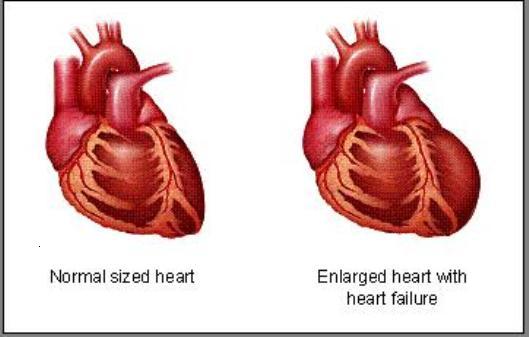
heart-failure2

Heart is one of the most important organs of our body, and keeping it healthy is important. Heart connects the entire body through its vital functions.

What does the heart exactly do? Why is it related to blood pressure?

This small fist like structure works hard to maintain blood flow to our body day and night. Fundamentally, it takes all the impure blood from the body, makes it pure with lots of Oxygen (fresh air), and sends it back. While doing this, it also contracts and relaxes (medically termed it as systolic and diastolic, respectively) in between a single beat. In normal course, if the person is healthy this happens smoothly without much pressure on it. Normal blood pressure levels should be 120/80 mm/hg.

Blood pressure is the culprit to heart issues. It’s natural to increase our blood pressure due to certain unpleasant situations, but if the blood pressure stays elevated for longer periods, then it turns into hypertension.

Causes for increased blood pressure:

  • Stress
  • Smoking
  • Alcohol
  • Obesity
  • Less water intake
  • High salt intake
  • Intake of more processed or bakery food.
  • Junk food or less fibrous food Intake
  • Less activity
  • Less sleep
  • Kidney disorders
  • Heredity
  • High fat food intake

All of these lead to plaque formation in the tiny blood vessels, due to which heart has to put more pressure than usual for a smooth blood flow. When it goes beyond the heart’s limit (it has muscles, after all) it stops pumping blood (which carries water, nutrients, and oxygen) thus it results in heart attack.

The good news is that one can avoid high blood pressure and avert heart attacks by just taking care of our daily meals, activities, water, sleep, stress etc. in short keeping a check on our lifestyle.

We need to improve all micro habits which set into our routine. Once you set yourself a routine, it’s difficult to break it.

Salt is the crucial factor that can lead to high blood pressure. Salt is a combination of sodium and chloride. Daily requirement of sodium is 1500mg to 2300mg, which means we can include approximately 1 teaspoon of salt. Sodium is also found in baking soda, monosodium glutamate (MSG), various seasonings, additives, condiments, meat, fish, poultry, dairy foods, eggs, smoked meats, olives, and pickled foods. High sodium directly contributes to high blood pressure.

Here are some heart friendly food options I have listed down for you

Antioxidants (green tea, red wine)

Fiber and Vitamin K (green leafy vegetables, whole grains, beans, whole pulses)

Whole Fruits

Omega 3 and Omega 6 fats (Almonds, walnuts, flax seeds, fish like salmon, sardines, mackerel, herring, tuna, avocado)

Ample amount of water intake.

Doing regular breathing exercises help us increase our Oxygen uptake.

Yoga, meditation or giving time to your hobbies keeps stress at bay.

Staying active through the entire day or indulging in any type of activity or game you enjoy can keep stress levels under check.

Maintaining heart health starts with managing your blood pressure. By making mindful choices in your diet, staying active, managing stress, and staying hydrated, you can significantly reduce the risk of hypertension and heart disease. Share your thoughts and experiences in the comments below. For more health tips and personalised guidance,speak to a certified expert by subscribing to GOQii’s Personalised Health Coaching here. Take control of your heart health today!

#BeTheForce

January 11, 2024 By Farhat Khan 2 Comments

What is Resting Heart Rate & How Can You Improve It?

Resting Heart Rate

If you want to know more about heart health, your Resting Heart Rate can tell you a lot! As we all know, our heart is responsible for providing blood and oxygen to each and every organ in the body and if there is any trouble in the heart, automatically the rest of the body will be impacted too.

What is Resting Heart Rate?

Resting heart rate (RHR) is known as your base or lowest heart rate. It can be defined as the number of times your heart beats per minute while you’re resting or not active. The normal resting heart rate reading should be in between 60 to 100 beats per minute (BPM). The term use for a heart rate below 60 bpm is called Bradycardia while a heart rate above 100 bpm is called Tachycardia. Usually, children tend to have a higher heart rate than adults. It is because of their faster metabolism. For a newborn, resting heart rate around 100 to 150 bpm is considered normal.

How Can You Measure It? 

Measuring heart rate is the same as checking your pulse. Currently, there are different ways to measure it – you can even measure it using your fitness tracker or band. You can also use the ancient method wherein, you place your index and middle finger on your wrist just below the thumb, or along either side of your neck, so you can feel your pulse. Remember not to use your thumb to take this measurement as it has its own pulse so you might not get the accurate measurement. Use a watch to count the number of beats for 30 seconds and double it so you will get the reading for per minute. Repeat it twice or thrice to make sure you get the accurate measurements. 

To get the proper readings, it is advised to check your resting heart rate as soon as you wake up before carrying out any other work or activity. 

Factors That Affect RHR 

Daily activities such as walking or drinking a cup of coffee, medications, hormones, body size, stress and activity level can change your resting heart rate. Some major factors include: 

  • Age
  • Lack of sleep
  • Dehydration
  • Stress
  • Obesity
  • Health conditions, lung disease and diabetes
  • Some medications like Beta blockers & calcium channels
  • Temperature
  • Exercise

Generally, lower heart rates are considered better as it shows your heart is working well with no extra effort. On the other side, a higher resting heart rate shows your heart has to work extra hard to pump blood.

Ways to Improve or Lower Heart Rate

  1. One of the reasons for increased RHR as one ages, is the lack of or less physical activity. As aging is a natural process, we can improve its impact on heart health by adding 30 minutes of walking or any other low impact exercise like cycling, swimming and dancing. Of course, your heart will beat fast during the activity and for a short time after that, but practicing it every day will automatically help in reducing your elevated resting heart rate.
  2. Guided breathing practices, yoga, tai chi, meditation, long walks and reading are all great ways to calm your mind and body, which will help in controlling your heart rate.
  3. Always try to get at least seven hours of sleep every night so your body gets sufficient time to recover from stress.
  4. Keeping yourself well hydrated helps blood flow through the body and makes the functioning of the heart easy as well. 
  5. Those who smoke have a higher RHR. Quitting brings it back down. 
  6. Keep a watch on body weight. The larger the body, the more the heart has to work to supply it with blood. Losing body weight helps in lowering elevated RHR.

It’s important to maintain an active lifestyle with regular aerobic exercise, a balanced diet, quality sleep and hydration. By measuring your resting heart rate regularly, you can see both your long-term progress and daily fluctuations in it. When your resting heart rate decreases as a result of training, it’s a sign that your cardiovascular health is improving.

We hope this article helps you make heart-healthy choices! Do let us know your thoughts in the comments below. For more on heart health, check out Healthy Reads or reach out to our certified experts by subscribing to GOQii’s Personalised Health Coaching here.

#BeTheForce 

September 29, 2023 By Arooshi Garg Leave a Comment

How To Prevent Heart Disease At Any Age

How to prevent heart disease at any age

Heart disease is a generic term used to describe diseases that affect the heart and supporting arteries. In these diseases, the blood flow to the brain, heart or any other body part is reduced due to the thickening of arteries due to fat deposition, or due to a circulating clot in the bloodstream. It may lead to chest pain, stroke, heart failure, or arrhythmia.

All age groups can benefit from following a healthy, clean eating pattern. Lifestyle habits are formed slowly, over the years, and changing them can be overwhelming. Understanding what foods are good or bad and taking small steps to include or avoid different foods can be a game changer. Let’s read on to learn more about foods and habits that are essential for a healthy heart:

1. Controlling portions: Your foods’ estimated calories are the easiest way to avoid overeating and over consumption of calories. Even healthy foods like nuts, when taken in excess, are harmful! Always choose low-calorie and high-fibre foods to fill yourself, like raw fruits and vegetables. Take smaller portions of calorie-dense and high-salt foods for a healthy heart. Another tip is to choose a smaller plate when eating.

2. Choosing raw vegetables: Having at least 3-4 servings of fresh and local vegetables is very essential to get a good supply of heart-healthy antioxidants. Choose bright-coloured vegetables to get maximum benefit. Fiber which is present in vegetables helps in controlling high BP, and fat deposition in arteries and also eases digestion.

3. Including whole grains, millets: Grains are naturally high in fiber and nutrients. Avoid refined and processed cereals like all-purpose flour, bread, and bakery products. Instead, choose locally available native millets like barley, ragi, bajra, quinoa, and farro.

4. Consume salt mindfully: Having too much salt can worsen cardiac health and cause hypertension. Adding no-table salt and reducing salt while you cook is the first step. Reducing hidden salt from foods like cornflakes, muesli, bread, biscuits, sauces, and pickles is the next step. Choose less refined salts like Rock salt, and Himalayan salt. Be wary if you also have thyroid you might need regular iodized salt. Flavour your dishes using dill, coriander, mint, lemon, and oregano instead!

5. Choosing low-fat high protein sources: Cut short on high-fat animal products like full-fat milk, processed cheese etc. Go for low-fat/ toned milk, choose leaner cuts, fish, and eggs to meet your protein requirement. Certain types of fish are rich in omega-3 fatty acids, which can lower blood fats called triglycerides. Products like soy granules, sprouts, and powdered pulses are good, low-fat sources of protein and contain no cholesterol. They can be easily added to the diet to increase protein intake.

6. Engaging in cardio activities: As the name suggests, any type of physical activity that affects the heart’s activity is considered good for cardiovascular health. If you cannot go to the gym, ensure that you at least go for a walk. A quick 30-minute fast walk can help you get good cardio activity to reduce cholesterol levels, and blood pressure and improve energy levels, plus it can fight weight gain to improve overall cardiac health. If you are still unable to find time for dedicated exercise, make it a habit to walk for 10 minutes after every meal. Finding small pockets of time for cardiovascular fitness in the form of walking can really be helpful. Choose any activity like jogging, running, cycling, swimming, Zumba, aerobics etc.

7. Say no to smoking and alcohol: Limit your alcohol intake. Smoking is a major risk factor for heart disease. The chemicals you inhale when you smoke cause damage to your heart and blood vessels.

GOQii wishes the best for all of you on this World Heart Day! We hope this article has shed light on the essential habits for a healthy heart. If you found this information valuable, share your thoughts in the comments below. You can browse more articles like this here. To get more tips and guidance, speak to a GOQii Coach for lifestyle modifications suited to your health goals. You can subscribe for Personalised Health Coaching here.

July 5, 2023 By Neha Sharma Leave a Comment

Healthy Heart Diet: 8 Steps to Prevent Heart Disease

Prevent Heart Disease 2The heart plays a very vital role in the well-being of an individual. It supplies oxygenated blood to all organs of the body and also carries nutrients, fuel, hormones, and other components.

Its tremendous work pressure is never-ending but meritorious. But sometimes, just because of negligence and ignorance, we cannot pay attention to the well-being of our hearts. Lack of proper diet, eating fried foods, inactive lifestyle, smoking, and infection give rise to malfunctioning of the heart.

How Can You Prevent Heart Disease?

Changes in lifestyle and modification of diet are the key factors in improving the functioning of the heart and its long life. By following these 8 simple steps, you can have a healthy heart to lead a healthy life!

1. Include more Fruits, Vegetables and Whole grains

Prevent Heart DiseaseFruits & vegetables are rich in vitamins & minerals and low in calories. They also keep a check on cholesterol levels as they are very rich in dietary fiber. A diet rich in dietary fiber maintains weight as well as the gut. You need to select whole grains over refined grains as whole grains are rich in complex carbohydrates and control blood pressure and are good for the heart. Include quinoa, broken wheat, barley, oats, and whole wheat flour.

2. Keep a Check on Foods Containing Sodium

Sodium plays an important role in elevating blood pressure, increasing the risk of heart disease. Limiting salt intake is very important as in every meal, sodium is introduced and the total count increases unknowingly.

Canned food, pickles, chutneys, sauces, soups, and market mixtures are all loaded with salt and increase the total intake of salt. It’s always advised to keep an eye on evening snacks too, which are generally filled with biscuits, cookies, and mixtures.

Salads and fruits should be taken without salt and as these are rich in potassium – which can help to keep sodium on the lower front. The habit of table salt should be discouraged.

3. Choose Healthy Fats

Healthy fats should be an integral part of a heart-healthy diet. One should limit fat intake to 2-3 tsp per day including visible and non-visible fats. Butter, mayonnaise, and cheese can be replaced with homemade healthy spreads.

Poly and mono-unsaturated fats are good choices over saturated fats but all should be taken in limited amounts as all fats are high in calories. Nuts, seeds, and olive oil are good choices.

4. Make Portion Control a Habit

Portion ControlQuality and quantity both are important while having meals. Portion control is very important as it maintains and controls calories and weight. Utensils are selected for portion control and all food groups should be included to make it a balanced diet.


5. Never Skip Breakfast

Skipping breakfast and having unhealthy foods for breakfast is not at all good. As breakfast is the first meal of the day, it should be healthy and should contain a combination of proteins & complex carbohydrates. Skipping breakfast lowers the metabolism and makes the next meal heavier.  A healthy breakfast makes a healthy heart and mind too.

6. Choose Low-Fat Sources of Protein

Try to incorporate protein in every meal as it maintains weight and as the body is made up of protein, the requirement of protein is more. Pulses, seeds, and nuts are good low-fat sources of protein and should be included in daily routines.

Toned milk & milk products are preferred over whole-fat milk to keep a check on cholesterol levels. Lean meat, poultry, fish & eggs are also some of the best sources of protein that can be taken.

7. Menu Planning Should Be Done Prior & Keep One Day for a Treat

A menu can be made so that all options are at your doorstep and you don’t need to think daily about what to have in meals. Include all veggies, fruits, pulses, grains, nuts, seeds, milk & milk products.

Any one day, you can add a little cheat meal so that overindulgence will not happen and your taste buds will get satisfied as a little fun is important as well.

8. Set a 30 min Physical Activity Goal

To maintain proper functioning of the heart, one should do daily 30 min of physical activity that could be anything including brisk walking, yoga, cardio, or strength training. Walking is an overall exercise that improves blood supply, improves lung capacity and is also good for the gut. Take out 30 min of time for walking either in the evening or morning.

The above points, if kept in accordance with daily routine, will make the heart stronger and happier for a long period of time. If your heart is happy, you are happy!

If this article helped you, let us know in the comments below! Find more tips on living a healthy life here. If you want to make these habits a part of your daily life and need help, reach out to a GOQii Coach by subscribing to Personalised Health Coaching here.

#BeTheForce 

  • « Previous Page
  • 1
  • 2
  • 3
  • 4
  • …
  • 153
  • Next Page »

Search

Recent Posts

  • Cancer Screening: Which Tests You Need and When
  • This Dhanteras, Invest in Your Health
  • Jaggery vs Sugar: Is Gur Really Healthier?
  • 5 Breathing Exercises To Relieve Anxiety In An Instant
  • Maintaining a Healthy Lifestyle During Diwali: Balancing Tradition and Well-Being

Stay Updated

Archives

  • November 2026 (7)
  • October 2026 (23)
  • September 2026 (5)
  • August 2026 (8)
  • July 2026 (24)
  • June 2026 (22)
  • May 2026 (20)
  • April 2026 (24)
  • March 2026 (18)
  • February 2026 (14)
  • January 2026 (14)
  • December 2025 (19)
  • November 2025 (14)
  • October 2025 (17)
  • September 2025 (6)
  • August 2025 (5)
  • July 2025 (9)
  • June 2025 (18)
  • May 2025 (16)
  • April 2025 (22)
  • March 2025 (25)
  • February 2025 (21)
  • January 2025 (25)
  • December 2024 (21)
  • November 2024 (21)
  • October 2024 (15)
  • September 2024 (22)
  • August 2024 (27)
  • July 2024 (14)
  • June 2024 (23)
  • May 2024 (26)
  • April 2024 (27)
  • March 2024 (27)
  • February 2024 (23)
  • January 2024 (21)
  • December 2023 (14)
  • November 2023 (10)
  • October 2023 (18)
  • September 2023 (20)
  • August 2023 (16)
  • July 2023 (16)
  • June 2023 (21)
  • May 2023 (20)
  • April 2023 (19)
  • March 2023 (23)
  • February 2023 (19)
  • January 2023 (15)
  • December 2022 (11)
  • November 2022 (15)
  • October 2022 (15)
  • September 2022 (12)
  • August 2022 (9)
  • July 2022 (17)
  • June 2022 (11)
  • May 2022 (10)
  • April 2022 (6)
  • March 2022 (6)
  • February 2022 (13)
  • January 2022 (11)
  • December 2021 (7)
  • November 2021 (3)
  • October 2021 (6)
  • September 2021 (3)
  • August 2021 (8)
  • July 2021 (7)
  • June 2021 (15)
  • May 2021 (16)
  • April 2021 (10)
  • March 2021 (7)
  • February 2021 (4)
  • January 2021 (4)
  • December 2020 (3)
  • November 2020 (4)
  • October 2020 (10)
  • September 2020 (3)
  • August 2020 (3)
  • July 2020 (2)
  • June 2020 (4)
  • May 2020 (10)
  • April 2020 (12)
  • March 2020 (10)
  • February 2020 (4)
  • January 2020 (4)
  • December 2019 (3)
  • November 2019 (7)
  • October 2019 (5)
  • September 2019 (4)
  • August 2019 (9)
  • July 2019 (9)
  • June 2019 (11)
  • May 2019 (4)
  • April 2019 (8)
  • March 2019 (8)
  • February 2019 (9)
  • January 2019 (8)
  • December 2018 (9)
  • November 2018 (3)
  • October 2018 (3)
  • September 2018 (5)
  • August 2018 (10)
  • July 2018 (6)
  • June 2018 (13)
  • May 2018 (8)
  • April 2018 (17)
  • March 2018 (9)
  • February 2018 (8)
  • January 2018 (15)
  • December 2017 (12)
  • November 2017 (19)
  • October 2017 (13)
  • September 2017 (15)
  • August 2017 (4)
  • July 2017 (8)
  • June 2017 (7)
  • May 2017 (6)
  • April 2017 (8)
  • March 2017 (6)
  • February 2017 (7)
  • January 2017 (9)
  • December 2016 (10)
  • November 2016 (7)
  • October 2016 (7)
  • September 2016 (7)
  • August 2016 (11)
  • July 2016 (9)
  • June 2016 (9)
  • May 2016 (12)
  • April 2016 (17)
  • March 2016 (17)
  • February 2016 (8)
  • January 2016 (6)
  • December 2015 (2)
  • November 2015 (9)
  • October 2015 (7)
  • September 2015 (9)
  • August 2015 (11)
  • July 2015 (9)
  • June 2015 (11)
  • May 2015 (9)
  • April 2015 (13)
  • March 2015 (8)
  • February 2015 (5)
  • January 2015 (12)
  • December 2014 (14)
  • November 2014 (11)
  • October 2014 (6)
  • September 2014 (13)
  • August 2014 (12)
  • July 2014 (6)
  • June 2014 (2)
  • May 2014 (7)
  • April 2014 (4)

From Burnout to Balance: How Dr. Ranjit Reclaimed His Health

Dr Ranjit Bhatt has spent years tending to others. A practising doctor in Odisha, his days were packed with patients, surgeries, and emergencies. From the outside, it looked like a life lived in service. But on the inside, something wasn’t right. “I had no … [Read More...]

From Shimla’s Slopes to Chandigarh’s Sidewalks: Surinder Kaur Bhalla’s Journey from Chaos to Control

Some journeys start with a plan. Others begin with a stumble literally. Surinder Bhalla, a government professional, born and raised in the scenic hill town of Shimla, had always lived a life of movement. “In Shimla, you walked everywhere,” she reflects. “Walking was never an exercise. It was just life.” But after shifting to Chandigarh, […]

“I’ve Challenged Myself to Live 100 Years” – The Story of Chandubhai Savani’s Second Chance at Life

At 67, most people start slowing down. Not Chandubhai Savani. A resident of Surat, Chandubhai, thought life was on track. “My life was going well till I had my bypass surgery,” he says. That surgery, back in 2021, was a wake-up call.  Medication was routine, but exercise wasn’t. His diet? What he calls ‘normal.’ “I […]

Ananda Mukherjee Health Story

From Terminal Illness To Complete Wellness! Ananda Mukherjee Health Story

As we observe World Cancer Day under the powerful theme ‘United by Unique’ (2025-2027)**, we are reminded that every individual’s journey with cancer is distinct, yet united by shared resilience, hope, and the collective fight against this disease. This theme places people at the centre of care and their stories at the heart of the […]

  • HOME
  • HEALTHY LIVING
  • FITNESS
  • HEALTHY RECIPES
  • USER STORIES
  • KARMA
  • BUY GOQii

Copyright ©2016 GOQii