GOQii

Blog

  • HOME
  • HEALTHY LIVING
  • FITNESS
  • HEALTHY RECIPES
  • USER STORIES
  • KARMA
  • BUY GOQii

July 23, 2025 By Farida Gohil Leave a Comment

Late Lunching can slow Weight Loss…

Late Lunching can slow Weight Loss…
A new study suggests that if you’re trying to lose weight, it’s not just about how many calories you consume but also when you consume them. If lunch is your biggest meal of the day and you tend to eat it later, you may lose weight more slowly and lose less of it overall.

In other words, the later you eat your main meal, the harder it is to lose weight. This is the conclusion reached by researchers from Brigham and Women’s Hospital (BWH) and Tufts University in Boston (US), and the University of Murcia in Spain. Their findings were published in the International Journal of Obesity.

Frank Scheer, senior author of the study and Director of the Medical Chronobiology Program at BWH, stated:

“This is the first large-scale prospective study to demonstrate that the timing of meals predicts weight-loss effectiveness.”

He added:

“Our results indicate that late eaters displayed a slower weight-loss rate and lost significantly less weight than early eaters suggesting that the timing of large meals could be an important factor in a weight-loss programme.”

Why This Study Matters

While there is significant evidence from animal studies linking meal timing to weight regulation, there has been limited data in humans. That’s what made this study so compelling.

The researchers analysed data from 420 overweight individuals enrolled in a 20-week weight-loss programme in Murcia, Spain. Here, lunch is typically the main meal of the day, accounting for about 40% of total daily calorie intake.

Participants had an average age of 42, and the group was evenly split between men and women. About half were “early eaters” (lunch before 3 PM) and half were “late eaters” (lunch after 3 PM).

Key Findings

  • Early eaters lost significantly more weight than late eaters.
  • Late eaters experienced a slower rate of weight loss and showed lower insulin sensitivity a known risk factor for type 2 diabetes.
  • These differences were not explained by:
    • Total calorie intake
    • Energy expenditure
    • Appetite-regulating hormones (leptin and ghrelin)
    • Sleep duration
    • Presence of the “clock gene” (linked to weight management difficulty)

Interestingly, while breakfast and dinner timings made little difference, the study found that:

  • Late eaters tended to be “evening types”
  • They ate smaller breakfasts
  • They were more likely to skip breakfast altogether

What This Means for You

According to lead author Marta Garaulet, Professor of Physiology at the University of Murcia:

“Timing of food intake may play a significant role in humans. Weight-loss programmes should consider not only calorie intake and macronutrient distribution, but also the timing of food.”

This study focused on a Mediterranean-style diet where lunch is the main meal. In countries like the UK or US where snacking contributes up to 25% of daily calories applying these findings directly may be more complex.

If you’re struggling to lose weight, consider when you’re eating, not just what or how much. Eating your main meal earlier in the day could improve your metabolic health and help you shed kilos more effectively.

Want to learn more about nutrition and fat loss? Browse Healthy Reads. Or get personalised guidance from a GOQii Coach by subscribing here.

#BeTheForce 

Disclaimer: The information provided in this blog is for general awareness and educational purposes only. It is not intended to replace professional medical advice, diagnosis, or treatment. Always consult a qualified healthcare provider for personalised medical guidance or concerns related to your health. Images shown are for representation purposes only and may not depict the exact recommendations or outcomes.
July 22, 2025 By Neha Goyal 6 Comments

Why Does Your Body Look Different From Others? We’ve Got the Answer!

Have you ever wondered why a friend or neighbour, who’s the same age, height and weight as you, appears leaner? Or why they fit into size M clothes while you need size L- even if the numbers look similar? The answer lies in Body Composition.

What is Body Composition?

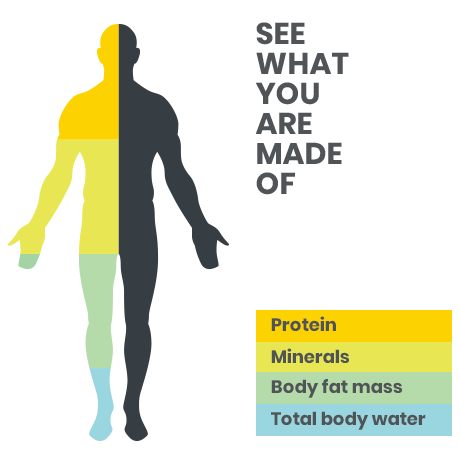
Body composition refers to the percentages of fat, bone, water and muscle in the human body. Two individuals of the same sex and weight may look completely different because they have different amounts of fat and lean mass.

In physical fitness, body composition is important because muscular tissue takes up less space than fat tissue. So it’s not just your weight that determines how lean you look – it’s the ratio of fat to muscle and other lean tissues.

body composition

What is Body Composition Analysis (BCA)?

As rates of overweight and obesity continue to rise, Body Composition Analysis is gaining traction as a more accurate way to assess health than simply looking at weight or BMI. Unlike weight scales or BMI charts, BCA tells you how much of your body is fat versus lean tissue such as muscle, water, bone, and organs.

Lean tissue is metabolically active, meaning it burns calories even when you’re at rest. So a person with more lean mass generally has a higher metabolism.

Why Should You Measure It?

Health experts agree: excess body fat increases the risk of numerous conditions including:

  • High blood pressure
  • High cholesterol and triglycerides
  • Type 2 diabetes
  • Heart disease
  • Breathing difficulties
  • Gallbladder disease
  • And more

Measuring body composition provides better insights than weight alone. It’s common to assume that “thin” means “healthy,” but that’s not always true. Being thin refers to weighing less than average, while leanness refers to a healthier ratio of muscle to fat. You can be thin and still have high body fat (sometimes called “skinny fat”).

body composition

Benefits of BCA

Understanding your body composition helps you and your healthcare providers in several ways:

  • Establishes a baseline for nutrition and obesity treatment
  • Supports targeted plans for muscle gain and fat loss
  • Tracks fat loss and muscle gain from diet and exercise
  • Gives insights into your metabolic rate and hydration levels
  • Highlights fat distribution, which can signal hormonal imbalances
  • Measures dangerous visceral fat (fat around organs)
  • Helps assess bone health and risk for osteoporosis
  • Identifies personal long-term health risks

How Do You Measure Body Composition?

There are several ways to estimate your body fat percentage, either at home, at the gym, or via a medical professional. Common methods include:

  1. Body Circumference Measurements:This involves measuring body parts like the waist, hips, and neck to estimate fat levels. It’s simple, affordable and useful for tracking changes over time. However, it may be inaccurate for certain body shapes and fat distributions.body composition
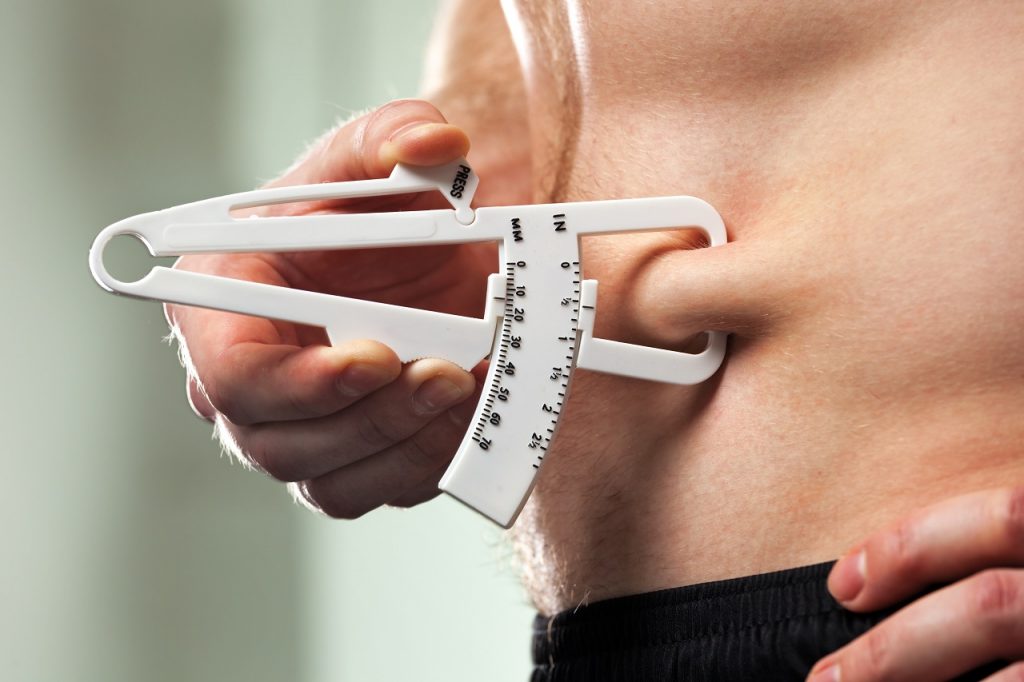
  1. Skinfold Calipers:Calipers measure the thickness of skin and subcutaneous fat in specific areas such as the triceps, abdomen, and shoulder blades. It’s affordable and quick but requires some practice and anatomical knowledge.body composition
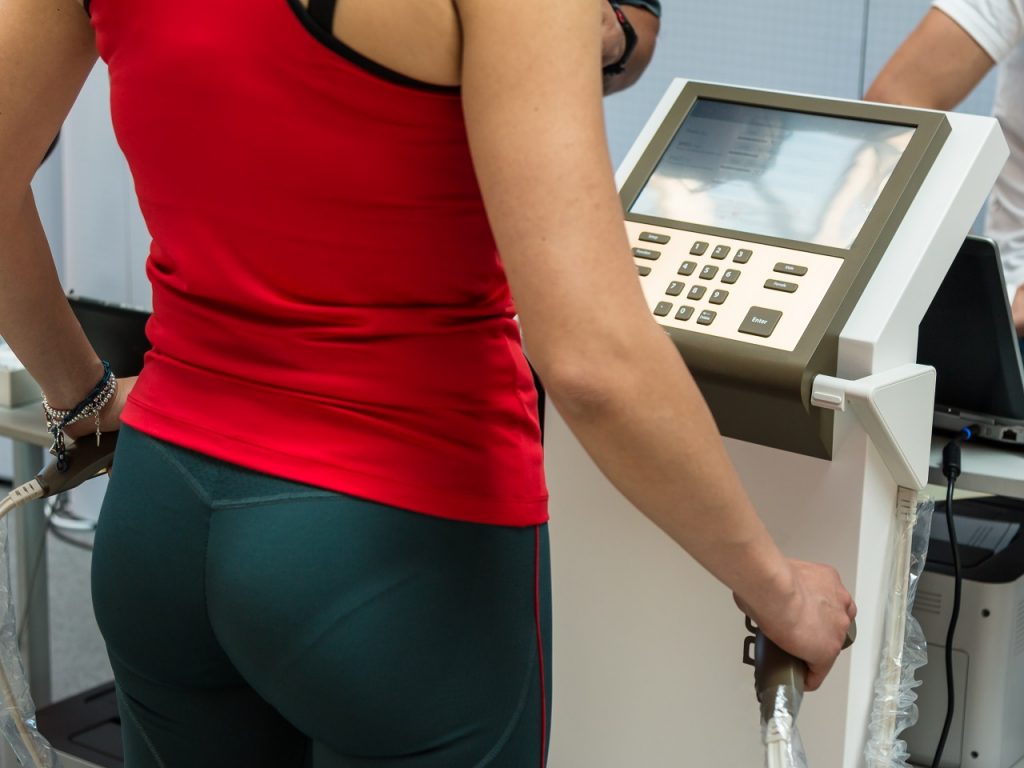
  1. Bioelectrical Impedance Analysis:This method sends a small electrical current through your body via a handheld or scale-based device. Since fat resists electrical flow more than muscle or water, the drop in current gives an estimate of body fat percentage. It’s convenient and non-invasive, but hydration levels can affect accuracy.body composition

Advanced (But Less Accessible) Methods

Some highly accurate methods are available in medical or research settings but are expensive and less accessible:

  • Dual-energy X-ray absorptiometry (DEXA)
  • Hydrostatic weighing
  • Air displacement plethysmography (e.g. Bod Pod)
  • 3D body scanning
  • MRI or Spectroscopy
  • Isotopic dilution

When to Measure

No matter the method, it’s best to measure body composition first thing in the morning, on an empty stomach, after using the toilet. This helps reduce variation due to hydration, food intake, or daily activities.

Body composition helps explain why people with the same weight may look or feel very different. It’s a far more insightful indicator of health than the number on a scale.

Want to learn more about nutrition and fat loss? Browse Healthy Reads. Or get personalised guidance from a GOQii Coach by subscribing here.

#BeTheForce 

Disclaimer: The information provided in this blog is for general awareness and educational purposes only. It is not intended to replace professional medical advice, diagnosis, or treatment. Always consult a qualified healthcare provider for personalised medical guidance or concerns related to your health. Images shown are for representation purposes only and may not depict the exact recommendations or outcomes.
July 17, 2025 By Hardika Vira Leave a Comment

More Common Reasons For Not Losing Belly Fat

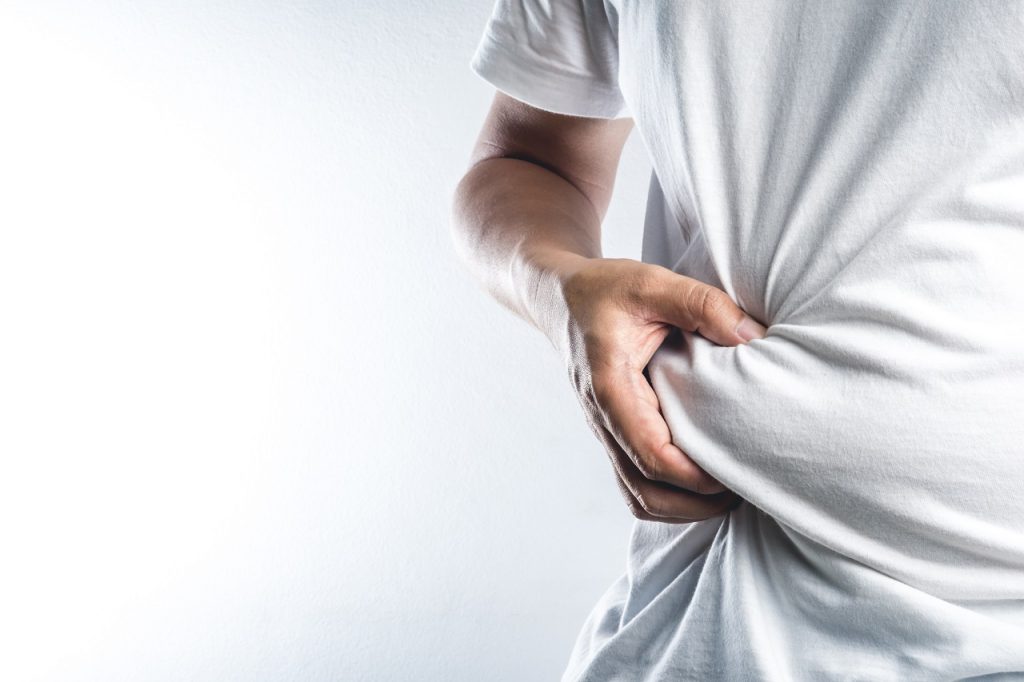
More Common Reasons For Not Losing Belly FatIn a previous article, we looked at some common mistakes people make when trying to lose belly fat. Here, we’ll explore some more reasons which can make it difficult for an individual to lose that stubborn fat. As mentioned before, losing belly fat that has built up over the years is no easy feat, and certain habits can make the journey even more challenging. Let’s look at them!

Reasons Why You’re Not Losing Belly Fat 

  1. Lack of Sleep: Sleep deprivation or disturbed sleep not only adds to physical and mental stress but also affects your food choices. For instance, you might end up reaching for junk food or simple carbs when you are unable to sleep well. Crucial processes for fat loss, muscle growth and recovery actually happen while you’re in a deep sleep. Now you can likely relate to why people with high-stress levels tend to gain weight over time, even when their portions are controlled. Aiming for 7-9 hours of quality sleep per night is very important.
  2. Extreme Calorie Restriction or Starvation: In my practice as a dietitian, I have come across many people who starve themselves to lose weight, especially belly fat. This is one of the worst things you can do to your body. When your body finally gets food after a long period of restriction, its first instinct is to store as many calories as possible in the form of fat, conserving energy instead of burning it. Eating small, frequent meals and avoiding long periods without food can help keep your metabolism active.
  3. Consuming Fruits at Night or Directly After Meals: Most people think that eating fruit at night is healthy and light on the stomach. However, fruits are a source of natural sugars (carbohydrates) that provide energy. At night, our bodies are typically less active and our metabolism naturally slows down. Thus, unused calories are more likely to get stored as fat. Similarly, having fruit immediately after a main meal increases the overall carbohydrate load of that meal and any excess carbs can be converted into fat. It’s better to enjoy fruit as a mid-meal snack, ideally before the evening, or as a great way to start your day and kick-start your metabolism.
  4. Sweets/Desserts Straight After Meals: Sweets such as ice cream, pudding, cake or chocolates are laden with sugar. Eating them right after a meal is a bad idea, as it can contribute to more fat deposition. That doesn’t mean you should not enjoy sweets and desserts. You can enjoy them as a mid-meal snack. If you can, it’s even better to enjoy these treats during the first half of the day. If you are a person who cannot do without a sweet treat after meals, opt for a small square of dark chocolate (over 70% cocoa) or other naturally sweetened options like a date or a small nut-and-seed bar.
  5. Dehydration: Consuming too little water or having an increased intake of diuretics like coffee, some teas and fizzy drinks can contribute to dehydration. In a state of dehydration, your cells and organs cannot function at their optimal level, and your metabolism can slow down. This results in the body using less energy and unused calories are more likely to be converted into fat, often stored around the midsection. When you drink less water, toxins are not flushed out of the system efficiently, which can affect organ function and further reduce your body’s metabolic rate. Aim to drink at least 2.5–3 litres (around 85–100 fl oz) of water daily. Choosing hydrating fluids like lemon water, vegetable juices, buttermilk and coconut water over sugary, caffeinated drinks will help you hydrate and rejuvenate your cells.

While you might be making these common mistakes without realising their impact, you now have a better idea of what needs to be done! By making these small changes to your lifestyle, you can make a significant difference and work towards your health goals.

We hope this article helps you on your journey to losing belly fat and maintaining healthy weight. Let us know your thoughts in the comments below!

For more articles on weight loss, check out Healthy Reads or get the right advice, tailored to your goals, from an expert, by subscribing for GOQii’s Personalised Health Coaching here.

#BeTheForce

Disclaimer: The information provided in this blog is for general awareness and educational purposes only. It is not intended to replace professional medical advice, diagnosis, or treatment. Always consult a qualified healthcare provider for personalised medical guidance or concerns related to your health. Images shown are for representation purposes only and may not depict the exact recommendations or outcomes.
June 27, 2025 By GOQii Leave a Comment

All You Need To Know About Visceral Fat

Have you come across the term visceral fat? You’ve likely heard it mentioned. It refers to the unwanted belly fat that forms deep inside the abdomen. This type of fat is considered particularly dangerous because it surrounds your vital internal organs, including the liver and intestines. It’s often referred to as active fat because it directly influences how hormones function within the body.

Why Visceral Fat Is a Concern

Visceral fat can pose a number of health risks. If you have more fat stored than your body requires, especially around the liver, heart, kidneys, pancreas, and intestines, your body becomes inflamed. This kind of fat stores inflammatory white blood cells, which is why belly fat has been linked to cognitive decline, arthritis, diabetes, and more.

The inflammatory substances generated by excess fat known as cytokines, are major contributors to heart disease and other inflammatory conditions. When the body is inflamed, the liver struggles to process cholesterol and toxins effectively, leading to plaque build-up in the arteries. Visceral fat is also associated with an increased risk of cardiovascular disease markers such as:

  • High triglycerides
  • Raised blood pressure
  • Elevated cholesterol levels

In addition, visceral fat plays a significant role in insulin resistance, increasing the risk of developing type 2 diabetes.

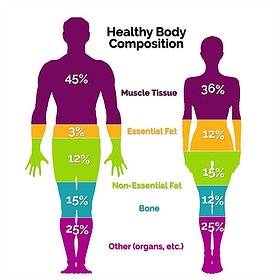
Refer to the image below to know more:

Visceral Fat

Lifestyle Factors That Influence Visceral Fat

While regular exercise, stress management, and a balanced diet are essential to keeping visceral fat in check, how you cook your meals also matters.

Healthier Cooking Methods:

✔️ Boiling
✔️ Steaming
✔️ Baking
✔️ Grilling

These methods help reduce excess fat in meals while preserving nutrients.

Foods That Encourage Belly Fat:

❌ Trans fats (found in some meats, dairy, deep-fried and processed foods)
❌ Sugary drinks like sodas
❌ Confectionery, baked goods, and other foods sweetened with fructose

Managing visceral fat is not just about aesthetics — it’s about protecting your long-term health. Small, sustainable changes to your eating habits, cooking style, and daily routine can go a long way in reducing this harmful fat.

To understand more about visceral fat and how to lose it effectively, connect with your GOQii Coach by subscribing to Personalised Health Coaching here. For more articles on weight loss, check out Healthy Reads.

#BeTheForce 

Disclaimer: The information provided in this blog is for general awareness and educational purposes only. It is not intended to replace professional medical advice, diagnosis, or treatment. Always consult a qualified healthcare provider for personalised medical guidance or concerns related to your health. Images shown are for representation purposes only and may not depict the exact recommendations or outcomes.
  • « Previous Page
  • 1
  • 2
  • 3
  • 4
  • …
  • 11
  • Next Page »

Search

Recent Posts

  • Navigating the Maze of Nutrition: Finding Clarity Amidst Confusion
  • Get children active and keep them healthy
  • What Gestational Diabetes Can Do To You & Your Unborn Child
  • Breathing – A Forgotten Art
  • The Incredible Benefits Of Milk You Might Not Know

Stay Updated

Archives

  • December 2025 (3)
  • November 2025 (15)
  • October 2025 (20)
  • September 2025 (6)
  • August 2025 (6)
  • July 2025 (12)
  • June 2025 (18)
  • May 2025 (16)
  • April 2025 (23)
  • March 2025 (23)
  • February 2025 (22)
  • January 2025 (26)
  • December 2024 (26)
  • November 2024 (25)
  • October 2024 (22)
  • September 2024 (24)
  • August 2024 (31)
  • July 2024 (21)
  • June 2024 (26)
  • May 2024 (31)
  • April 2024 (27)
  • March 2024 (29)
  • February 2024 (26)
  • January 2024 (25)
  • December 2023 (15)
  • November 2023 (11)
  • October 2023 (22)
  • September 2023 (22)
  • August 2023 (20)
  • July 2023 (22)
  • June 2023 (24)
  • May 2023 (24)
  • April 2023 (24)
  • March 2023 (23)
  • February 2023 (20)
  • January 2023 (16)
  • December 2022 (12)
  • November 2022 (15)
  • October 2022 (15)
  • September 2022 (12)
  • August 2022 (10)
  • July 2022 (17)
  • June 2022 (11)
  • May 2022 (10)
  • April 2022 (6)
  • March 2022 (6)
  • February 2022 (13)
  • January 2022 (12)
  • December 2021 (7)
  • November 2021 (3)
  • October 2021 (6)
  • September 2021 (3)
  • August 2021 (8)
  • July 2021 (7)
  • June 2021 (15)
  • May 2021 (16)
  • April 2021 (10)
  • March 2021 (7)
  • February 2021 (4)
  • January 2021 (4)
  • December 2020 (3)
  • November 2020 (4)
  • October 2020 (10)
  • September 2020 (3)
  • August 2020 (3)
  • July 2020 (2)
  • June 2020 (4)
  • May 2020 (10)
  • April 2020 (12)
  • March 2020 (10)
  • February 2020 (4)
  • January 2020 (4)
  • December 2019 (3)
  • November 2019 (7)
  • October 2019 (5)
  • September 2019 (4)
  • August 2019 (9)
  • July 2019 (9)
  • June 2019 (11)
  • May 2019 (4)
  • April 2019 (9)
  • March 2019 (8)
  • February 2019 (9)
  • January 2019 (8)
  • December 2018 (9)
  • November 2018 (3)
  • October 2018 (3)
  • September 2018 (5)
  • August 2018 (10)
  • July 2018 (6)
  • June 2018 (13)
  • May 2018 (8)
  • April 2018 (18)
  • March 2018 (9)
  • February 2018 (8)
  • January 2018 (15)
  • December 2017 (12)
  • November 2017 (19)
  • October 2017 (13)
  • September 2017 (15)
  • August 2017 (4)
  • July 2017 (8)
  • June 2017 (7)
  • May 2017 (6)
  • April 2017 (8)
  • March 2017 (6)
  • February 2017 (7)
  • January 2017 (9)
  • December 2016 (10)
  • November 2016 (7)
  • October 2016 (7)
  • September 2016 (7)
  • August 2016 (11)
  • July 2016 (9)
  • June 2016 (9)
  • May 2016 (12)
  • April 2016 (17)
  • March 2016 (17)
  • February 2016 (8)
  • January 2016 (6)
  • December 2015 (2)
  • November 2015 (9)
  • October 2015 (7)
  • September 2015 (9)
  • August 2015 (11)
  • July 2015 (9)
  • June 2015 (12)
  • May 2015 (9)
  • April 2015 (13)
  • March 2015 (8)
  • February 2015 (5)
  • January 2015 (12)
  • December 2014 (14)
  • November 2014 (11)
  • October 2014 (6)
  • September 2014 (13)
  • August 2014 (12)
  • July 2014 (6)
  • June 2014 (2)
  • May 2014 (7)
  • April 2014 (5)

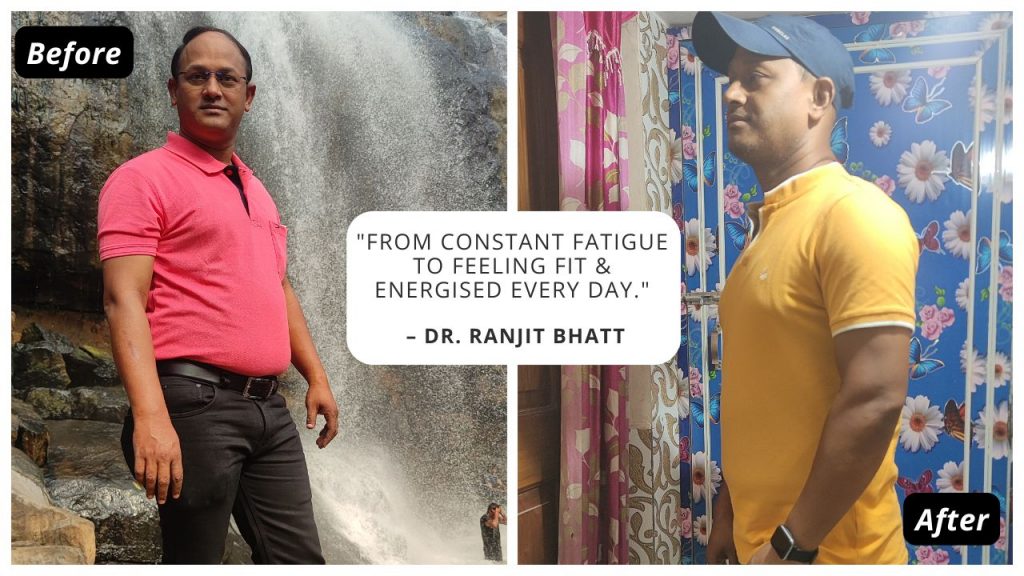
From “Laddu Nawin” to Fit and Fierce: How a 25-Year-Old Insurance Advisor Shed 20 Kilos and Gained His Life Back

When 25-year-old Nawin Yadav from Hyderabad walked into his office every morning, he carried more than just his files and policy papers. He had the weight of fatigue, sluggish energy, and an ever-growing belly that was becoming the butt of jokes. “People … [Read More...]

“I’ve Challenged Myself to Live 100 Years” – The Story of Chandubhai Savani’s Second Chance at Life

At 67, most people start slowing down. Not Chandubhai Savani. A resident of Surat, Chandubhai, thought life was on track. “My life was going well till I had my bypass surgery,” he says. That surgery, back in 2021, was a wake-up call.  Medication was routine, but exercise wasn’t. His diet? What he calls ‘normal.’ “I […]

From Shimla’s Slopes to Chandigarh’s Sidewalks: Surinder Kaur Bhalla’s Journey from Chaos to Control

Some journeys start with a plan. Others begin with a stumble literally. Surinder Bhalla, a government professional, born and raised in the scenic hill town of Shimla, had always lived a life of movement. “In Shimla, you walked everywhere,” she reflects. “Walking was never an exercise. It was just life.” But after shifting to Chandigarh, […]

Ananda Mukherjee Health Story

From Terminal Illness To Complete Wellness! Ananda Mukherjee Health Story

As we observe World Cancer Day under the powerful theme ‘United by Unique’ (2025-2027)**, we are reminded that every individual’s journey with cancer is distinct, yet united by shared resilience, hope, and the collective fight against this disease. This theme places people at the centre of care and their stories at the heart of the […]

  • HOME
  • HEALTHY LIVING
  • FITNESS
  • HEALTHY RECIPES
  • USER STORIES
  • KARMA
  • BUY GOQii

Copyright ©2016 GOQii