GOQii

Blog

  • HOME
  • HEALTHY LIVING
  • FITNESS
  • HEALTHY RECIPES
  • USER STORIES
  • KARMA
  • BUY GOQii

May 13, 2022 By Jigna Sheth 1 Comment

11 Reasons Why You Should Include An Avocado In Your Diet

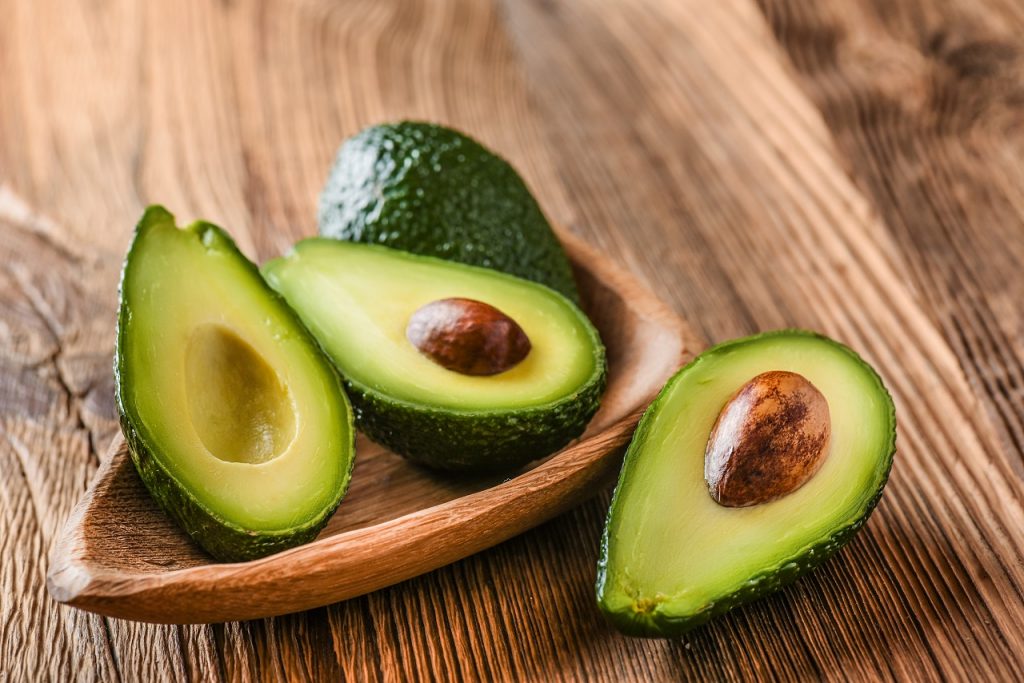
avocado

Avocado is a pear shaped, stone fruit, grown specifically in warm climates. It is also called as butter fruit in India because of its creamy and buttery texture. It is a unique super food. As most fruits are high in Carbohydrates, Avocado is high in healthy fats, being the only fruit which provides substantial amounts of healthy monounsaturated fatty acids (MUFA) that do not stack up as calories but help in the lubrication of joints and aid weight loss as well. 

How Can An Avocado Improve Your Health? 

  1. Immensely nutritious: They are naturally nutrient-dense and contain a wide variety of nutrients, including 20 different vitamins and minerals. Approximately 100 gms of Avocado contains 160 calories, 14.7g of fat, 7mg sodium, Carbohydrates: 8.5g of which fiber is 6.7g (net carb is 1.8 g appx), 6.7g fiber, 0.7g of sugars and 2g of protein. They also contain other nutrients such as Vit K, Vit E, Vit C, Folate, Potassium and some B vitamins. 
  2. Is a heart healthy fruit: Avocados are rich in antioxidants and monounsaturated fats which keep the heart healthy and reduce the risk of stroke. Eating avocado can also regulate LDL and HDL cholesterol levels, as well as blood triglycerides.
  3. Helps regulate Blood Pressure: Avocados are a very good source of potassium. It is low in sodium, contains 3 times more potassium than banana and helps control blood pressure.
  4. Aids weight loss: It is highly satiating which keeps us fuller for longer, delaying hunger pangs.
  5. Good for the eyes: Avocado is high in Beta carotene and antioxidants which helps improve eyesight. It also contains lutein and zeaxanthin which lowers or delays the risk of cataract.
  6. Helps absorb nutrients: Avocados can act as a “nutrient booster” by aiding the increase in absorption of fat-soluble nutrients such as vitamins A, D, K and E. Say, if we add Avocado or avocado oil in a bowl of salad or salsa, it would improve its antioxidants absorption.  
  7. Avocados are great for pregnant mothers and also boosts foetal development: It is high in folate, potassium, fiber, monounsaturated fats, and lipid-soluble antioxidants — all of these improves maternal health, quality of breast milk and healthy foetal development.
  8. Packed with Fibers: An avocado is a high fiber food with approximately 6-7 grams per 100 gms of fruit. Fiber has important benefits for weight loss, relief in constipation and improving metabolic health. It also lowers the risk of colon cancer. 
  9. May prevent cancer: Some studies show that a high-MUFA diet can protect against the risk of certain cancers, including prostate, colon, stomach, pancreatic, and cervical cancers. Avocados are not only beneficial in preventing cancers, they may also have a role in cancer treatment. In fact, some researchers have shown that the phytochemicals in avocados may selectively inhibit cancer cell and pre-cancerous cell growth.
  10. Improves Arthritic pain: Saponins found in avocados are associated with relief in knee pain or hip pain occurring due to osteoarthritis.
  11. Keeps the skin healthy and glowing: It is rich in vitamin E and C – both of these are essential in keeping the skin healthy and glowing.

Lastly, Avocados are easily available and incredibly delicious. They can be paired with anything from salads to soups, smoothies and various other recipes. To keep a cut avocado fresh, you can add lemon juice to it which slows down the oxidation process, preventing it from turning brown. 

So what are you waiting for? If any of these benefits appealed to you, head out and stock up on your avocado supply but do consult your doctor, nutritionist or dietitian before making any changes to your diet. Do leave your thoughts in the comments below.

For more on nutrition, check out Healthy Reads or ask an expert by subscribing for GOQii’s personalized health coaching here: https://goqiiapp.page.link/bsr

Eat healthy and #BeTheForce 
April 13, 2022 By Luke Coutinho 2 Comments

Ginger and How It Can Benefit You

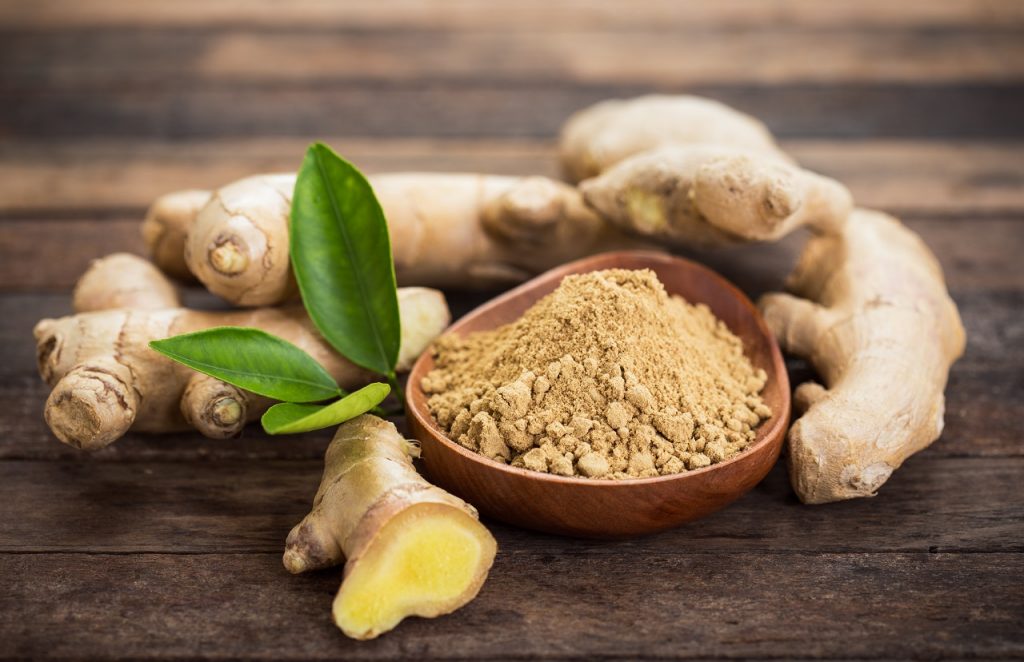
GingerGinger is native to India and China. It has been important in Chinese medicine for many centuries, and is mentioned in the writings of Confucius as well. It is also named in the Koran – the sacred book of the Muslims, indicating it was known in Arab countries as far back as 650 A.D. It was one of the earliest spice known in Western Europe, used since the ninth century. It became so popular in Europe that it was included in every table setting, like salt and pepper.

A common article of medieval and Renaissance trade, it was one of the spices used against the plague. In English pubs and taverns in the nineteenth century, barkeepers put out small containers of ground ginger, for people to sprinkle into their beer — the origin of ginger ale. In order to ’gee up’ a lazy horse, it is the time-honored practice of Sussex farmers to apply a pinch of ginger to the animal’s backside.

Ginger has long been ascribed aphrodisiac powers, taken either internally or externally. It is mentioned in the Kama Sutra, and in the Melanesian Islands of the South Pacific it is employed ‘to gain the affection of a woman’. Conversely, in the Philippines it is chewed to expel evil spirits. Ginger is a known diaphoretic, meaning it causes one to sweat. It was recorded that Henry VIII instructed the mayor of London to use ginger’s diaphoretic qualities as a plague medicine.

I can go on about the amazing health benefits of this root. Over the last few years, I have used and shared this remedy with so many clients and friends for so many conditions, and it has never failed to produce the desired results.

Be it any ailment such as the following

  • Flu
  • Common cold and cough
  • Stomach pain
  • Menstrual cycle pain
  • PMS
  • Digestive disorders
  • Cancer ( building immunity and cellular health)
  • Headaches and migraine
  • Lowering cholesterol
  • Controlling high blood pressure
  • Boosting immunity and cellular health
  • Arthritis, joint and bone pain
  • Ginger has anti-aging properties
  • Ginger stimulates blood rush to sexual organs

How Can You Best Consume Ginger? 

You can use ginger in food or just have it plain. I like it best in a cup of warm herbal brew. You can try this simple and healing herbal brew:

  1. Boil a 1-inch piece of washed and peeled ginger in water for  10 minutes with 2 cloves
  2. Add a slightly split cardamom (optionally, you can also add fresh lemongrass or fresh basil for flavor)
  3. Simmer for 15 minutes
  4. Strain and pour into a mug.
  5. Add 2 pinches of powdered cinnamon, 1 tsp of organic raw honey or jaggery
  6. Sip it hot!

This drink will boost your immunity and make you feel better almost instantly! Make it part of your lifestyle.

Disclaimer:  Always check with your doctor especially if you are pregnant or have gall stone issues, before using ginger.

We hope the article helps you! For more on nutrition and healthy living, check out Healthy Reads. To get these tips directly from a GOQii Coach, subscribe for personalized health coaching here: https://goqiiapp.page.link/bsr

#BeTheForce 

April 3, 2022 By Jigna Sheth Leave a Comment

Is Soy Healthy or Toxic For You?

soy

There is a booming market for vegan soy-based foods like soy milk, soy cheese, soy crisps, etc. and amid this high demand, the ongoing question is whether soy is bad for you! If you ask experts, you might get a dozen different responses. With soy slowly becoming a part of cereal, pasta et al, could too much of something be harmful? Is it bad for you? How much of it is too much? Let’s find out! 

What is Soy? 

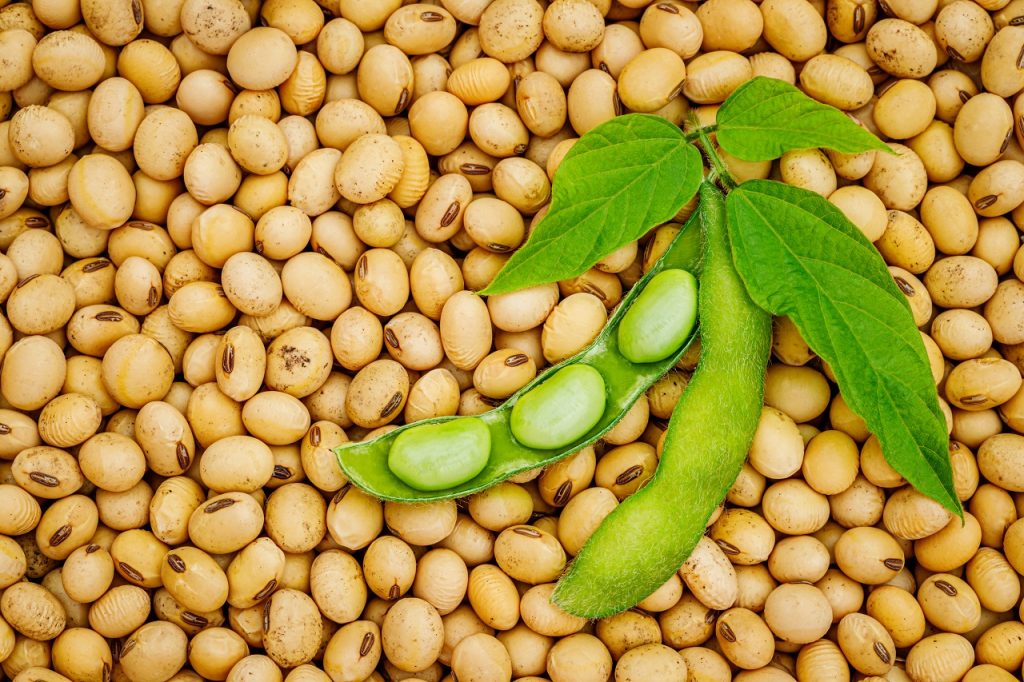
The soybean is a type of legume originating from East Asia but is now grown and cultivated around the globe. The plant is used to produce different products apart from the edible bean itself, which includes milk, tofu and oil. Some fermented options are tempeh, sauce, natto and miso (which is a traditional Japanese paste made from fermented soybeans). Fermented soy products can actually offer a lot of health benefits since fermentation reduces enzyme inhibitors and makes soy’s nutrients more available.

Soybeans are used to make a variety of processed foods as well, which includes vegan meat substitutes and dairy-free yogurts and cheeses. Other compounds such as soy lecithin and soy protein isolate are often extracted from the plant and added to processed foods and supplements.

Nutritional Information 

Soybeans are very rich in nutritive components. Besides the very high protein content, soybeans contain a lot of fibre and are rich in calcium, magnesium, selenium, vitamin E, niacin, vitamin B6, and pantothenic acid.

Potential Health Benefits

Soybeans contain several powerful compounds and phytochemicals that have been extensively studied for their beneficial effects on health, including isoflavones, plant sterols, prebiotics and many more. Some of the well studied health benefits are listed below:

  • It may help lower cholesterol levels: Some research suggests that including soy foods in your diet may help manage cholesterol levels and promote better heart health. Also, while analyzing several studies, it has been found that consumption of Soy products reduces triglyceride levels, total cholesterol and LDL (bad) cholesterol. Whereas on the other hand, it boosts the HDL (Good) cholesterol.
  • It may improve women’s health by improving menstrual cycle and increasing fertility: Several studies show that inclusion of soy products in one’s diet could help improve the chances of getting pregnant. It may improve regular ovulation and menstrual cycles and also increases the chances of becoming pregnant if anyone is undergoing fertility treatments.
  • It may lower blood pressure: Soybeans may lower blood pressure because they contain isoflavones and studies indicate isoflavones might be effective in lowering blood pressure.

Risks and Side Effects

Although soy foods may be associated with several potential health benefits, there are a few side effects and risks that need to be considered as well.

  • Impact on thyroid function: It contains goitrogens, substances that may negatively affect the thyroid by blocking iodine absorption. However, there’s no evidence that people who have hypothyroidism should avoid it completely. Generally, it’s best to wait four hours after taking thyroid medication to consume any products that contain soy. At the same time, we should be sure that we are consuming enough iodine to prevent adverse effects on health.
  • Soy is GMO: Most soybeans today are genetically modified (GMO) and sprayed with pesticides. This introduces abundance of toxins that block the healthy absorption of essential minerals. GMOs are associated with a number of health concerns, including antibiotic resistance and a higher risk of developing food allergies. Selecting organic soy products is a simple way to ensure that the foods are produced from non-GMO crops.
  • Negative impact on Men’ Health: The dangers of soy for men are a result of the high levels of the female hormone estrogen that soy and soy-based products contain. Primarily, it affects the quality and concentration of a male’s sperm, especially when taken in large quantities. Researchers found some drastic change in a group of men who consumed it in large quantities. Their sperm counts lowered down, slow beard growth, bulky breast development and change in emotions were noticed. Basically, some of them started developing female characteristics.

With all the controversial and conflicting information out there, many people are left wondering if it is bad for you? So what’s the verdict? Although there’s no need to give up on it completely, you may want to avoid eating it for breakfast, lunch and dinner. Also, a good amount of research is needed to determine the effect of consumption on overall health, as the majority of current studies suggest that selecting non-GMO, minimally processed, whole or fermented soy foods in moderation is likely safe and beneficial for most people. But before you consume any soy or soy product, do consult with your doctor, nutritionist or dietitian. 

We hope this article helps you. For more on nutrition and healthy eating, check out Healthy Reads or ask an expert by subscribing for personalized health coaching here: https://goqiiapp.page.link/bsr

#BeTheForce 

April 1, 2022 By Neha Goyal 3 Comments

Why Should You Opt For A2 Cow Ghee?

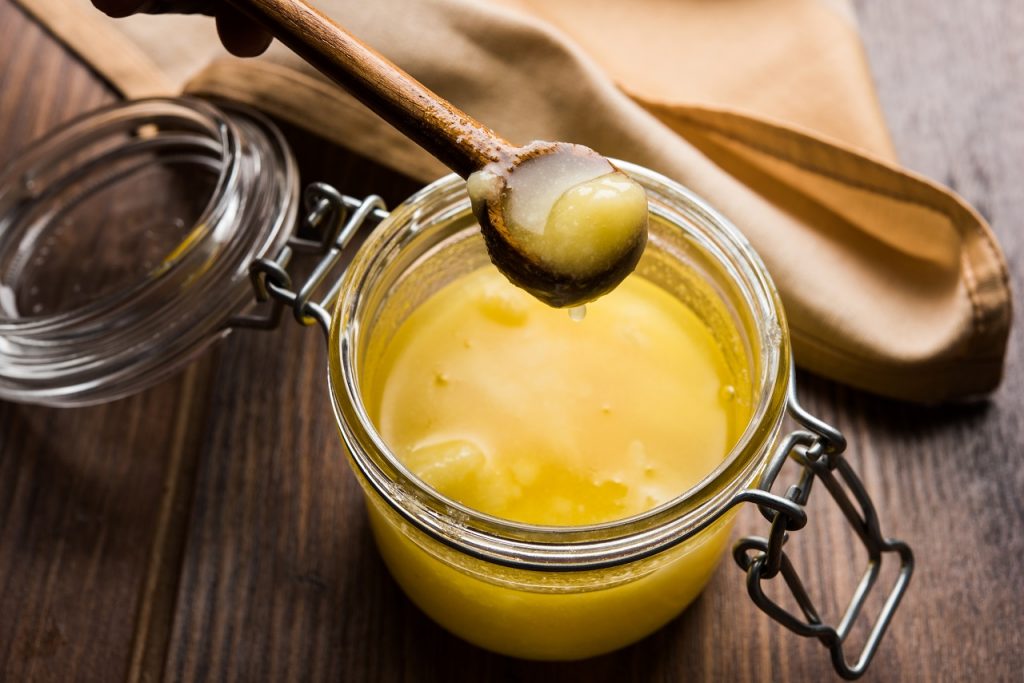
A2 cow ghee

Ghee has always been a part of the Indian tradition as one of the healthiest milk products. In Indian households, we generally use ghee made at home with cow milk. Recently a new type of cow ghee has appeared in the dairy market known as A2 Cow Ghee. Looking at the name, A2 Cow Ghee seems like some kind of a new trend in the health market but it is cow ghee made from A2 milk. Let’s understand it better.

We all know that milk is a good source of protein. However, ghee is pure fat but contains a very small amount of protein as well. There are two types of protein found in milk called casein and whey. There are also different types of casein protein, one of which is beta-casein. A1 & A2 are actually two variants of beta-casein that make up about 30% of total protein in cow’s milk. Traditionally in India, cows produced milk that contained only the A2 form of beta-casein, but today, most of the milk available in local stores contains mostly A1 proteins.

The Difference Between A1 and A2 Cow Ghee 

Reading the name, both types seem like brothers of the same family but there is a huge difference between their source and effect on health. Ghee when made using A2 milk which has only A2 Beta casein (a type of protein) is called A2 ghee. This type of protein is found in the milk of only some native Indian breed of cows and some other animals like the Indian buffalo, goat, sheep, camel, etc. 

On the other hand, ghee made from milk having only A1 beta-casein or sometimes both A1 and A2 beta-casein is called A1 cow ghee. A1 beta-casein is found in all commercial dairy products that we use in general due to foreign breed or crossbreed cows in India. It’s cheaper as the milking capacity of crossbred cows is greater than desi cow and the total number of them is also huge. Obviously, A1 milk is no way better than A2 milk. 

The beta-casein in A1 milk has a structure that allows a short molecule called beta-casomorphin-7 or BCM-7 to split off during digestion. Some foreign researchers say that this small protein can cause various problems ranging from juvenile diabetes, autism, schizophrenia, allergies to auto-immune diseases such as Multiple Sclerosis and Parkinson’s. While the percentage of people with immediate effects is very small, the consequences are severe for affected individuals. On the other hand, A2 cow milk is comparable with breast milk when it comes to health benefits and digestibility.

What Are It’s Benefits? 

Being higher in nutrition values such as protein, iron, sodium, calcium, vitamin A, D, E with Omega 3 and 9 fatty acids, A2 cow ghee has many health benefits.

  • Slows the aging process and is good for skin & hair
  • Helps recover from wounds
  • Prevents diseases like asthma & headaches & alleviates insomnia
  • Best for joint massage & treating broken bones
  • Treats gastric issues
  • Lowers bad cholesterol and does not cause blockages
  • Makes your voice soft
  • Great for people who are trying to lose weight
  • Boost immunity
  • The best option for Nasya kriya which has many benefits for health
  • Suitable for even lactose-intolerant people
  • Reduces inflammation
  • Excellent for growing kids and pregnant women

Hope this information is helpful. Don’t hesitate to add at least 1 tsp of A2 cow ghee in your daily diet considering its multiple benefits for your body and mind.

You can get Pure Desi A2 Cow Ghee from the GOQii Health Store for a discount using GOQii Cash – all within the GOQii App. For more on nutrition, check out Healthy Reads or ask an expert by subscribing for personalized health coaching here: https://goqiiapp.page.link/bsr

#BeTheForce 

  • « Previous Page
  • 1
  • …
  • 30
  • 31
  • 32
  • 33
  • 34
  • …
  • 68
  • Next Page »

Search

Recent Posts

  • Eat to Defy Age: Top 5 Foods to Fight Wrinkles and Premature Ageing
  • Brain Longevity: How to Stay Mentally Sharp After 40
  • The Role of Glutamine: Why This Amino Acid is Crucial for Muscle Recovery
  • Biological Age vs. Chronological Age: How to Measure Your True Vitality
  • Sustaining the “GLP-1 Glow”: Nutrition for Skin and Tissue Elasticity

Stay Updated

Archives

  • March 2026 (18)
  • February 2026 (14)
  • January 2026 (14)
  • December 2025 (19)
  • November 2025 (15)
  • October 2025 (20)
  • September 2025 (6)
  • August 2025 (6)
  • July 2025 (12)
  • June 2025 (18)
  • May 2025 (16)
  • April 2025 (22)
  • March 2025 (28)
  • February 2025 (22)
  • January 2025 (25)
  • December 2024 (22)
  • November 2024 (23)
  • October 2024 (21)
  • September 2024 (24)
  • August 2024 (30)
  • July 2024 (21)
  • June 2024 (25)
  • May 2024 (31)
  • April 2024 (27)
  • March 2024 (27)
  • February 2024 (25)
  • January 2024 (21)
  • December 2023 (14)
  • November 2023 (11)
  • October 2023 (19)
  • September 2023 (22)
  • August 2023 (18)
  • July 2023 (22)
  • June 2023 (24)
  • May 2023 (24)
  • April 2023 (23)
  • March 2023 (23)
  • February 2023 (19)
  • January 2023 (15)
  • December 2022 (11)
  • November 2022 (15)
  • October 2022 (15)
  • September 2022 (12)
  • August 2022 (10)
  • July 2022 (17)
  • June 2022 (11)
  • May 2022 (10)
  • April 2022 (6)
  • March 2022 (6)
  • February 2022 (13)
  • January 2022 (11)
  • December 2021 (7)
  • November 2021 (3)
  • October 2021 (6)
  • September 2021 (3)
  • August 2021 (8)
  • July 2021 (7)
  • June 2021 (15)
  • May 2021 (16)
  • April 2021 (10)
  • March 2021 (7)
  • February 2021 (4)
  • January 2021 (4)
  • December 2020 (3)
  • November 2020 (4)
  • October 2020 (10)
  • September 2020 (3)
  • August 2020 (3)
  • July 2020 (2)
  • June 2020 (4)
  • May 2020 (10)
  • April 2020 (12)
  • March 2020 (10)
  • February 2020 (4)
  • January 2020 (4)
  • December 2019 (3)
  • November 2019 (7)
  • October 2019 (5)
  • September 2019 (4)
  • August 2019 (9)
  • July 2019 (9)
  • June 2019 (11)
  • May 2019 (4)
  • April 2019 (8)
  • March 2019 (8)
  • February 2019 (9)
  • January 2019 (8)
  • December 2018 (9)
  • November 2018 (3)
  • October 2018 (3)
  • September 2018 (5)
  • August 2018 (10)
  • July 2018 (6)
  • June 2018 (13)
  • May 2018 (8)
  • April 2018 (18)
  • March 2018 (9)
  • February 2018 (8)
  • January 2018 (15)
  • December 2017 (12)
  • November 2017 (19)
  • October 2017 (13)
  • September 2017 (15)
  • August 2017 (4)
  • July 2017 (8)
  • June 2017 (7)
  • May 2017 (6)
  • April 2017 (8)
  • March 2017 (6)
  • February 2017 (7)
  • January 2017 (9)
  • December 2016 (10)
  • November 2016 (7)
  • October 2016 (7)
  • September 2016 (7)
  • August 2016 (11)
  • July 2016 (9)
  • June 2016 (9)
  • May 2016 (12)
  • April 2016 (17)
  • March 2016 (17)
  • February 2016 (8)
  • January 2016 (6)
  • December 2015 (2)
  • November 2015 (9)
  • October 2015 (7)
  • September 2015 (9)
  • August 2015 (11)
  • July 2015 (9)
  • June 2015 (12)
  • May 2015 (9)
  • April 2015 (13)
  • March 2015 (8)
  • February 2015 (5)
  • January 2015 (12)
  • December 2014 (14)
  • November 2014 (11)
  • October 2014 (6)
  • September 2014 (13)
  • August 2014 (12)
  • July 2014 (6)
  • June 2014 (2)
  • May 2014 (7)
  • April 2014 (4)

From “Laddu Nawin” to Fit and Fierce: How a 25-Year-Old Insurance Advisor Shed 20 Kilos and Gained His Life Back

When 25-year-old Nawin Yadav from Hyderabad walked into his office every morning, he carried more than just his files and policy papers. He had the weight of fatigue, sluggish energy, and an ever-growing belly that was becoming the butt of jokes. “People … [Read More...]

“I’ve Challenged Myself to Live 100 Years” – The Story of Chandubhai Savani’s Second Chance at Life

At 67, most people start slowing down. Not Chandubhai Savani. A resident of Surat, Chandubhai, thought life was on track. “My life was going well till I had my bypass surgery,” he says. That surgery, back in 2021, was a wake-up call.  Medication was routine, but exercise wasn’t. His diet? What he calls ‘normal.’ “I […]

From Shimla’s Slopes to Chandigarh’s Sidewalks: Surinder Kaur Bhalla’s Journey from Chaos to Control

Some journeys start with a plan. Others begin with a stumble literally. Surinder Bhalla, a government professional, born and raised in the scenic hill town of Shimla, had always lived a life of movement. “In Shimla, you walked everywhere,” she reflects. “Walking was never an exercise. It was just life.” But after shifting to Chandigarh, […]

Ananda Mukherjee Health Story

From Terminal Illness To Complete Wellness! Ananda Mukherjee Health Story

As we observe World Cancer Day under the powerful theme ‘United by Unique’ (2025-2027)**, we are reminded that every individual’s journey with cancer is distinct, yet united by shared resilience, hope, and the collective fight against this disease. This theme places people at the centre of care and their stories at the heart of the […]

  • HOME
  • HEALTHY LIVING
  • FITNESS
  • HEALTHY RECIPES
  • USER STORIES
  • KARMA
  • BUY GOQii

Copyright ©2016 GOQii


