GOQii

Blog

  • HOME
  • HEALTHY LIVING
  • FITNESS
  • HEALTHY RECIPES
  • USER STORIES
  • KARMA
  • BUY GOQii

January 23, 2019 By CHARMI GOGRI 13 Comments

Vegetarianism: Pros and Cons

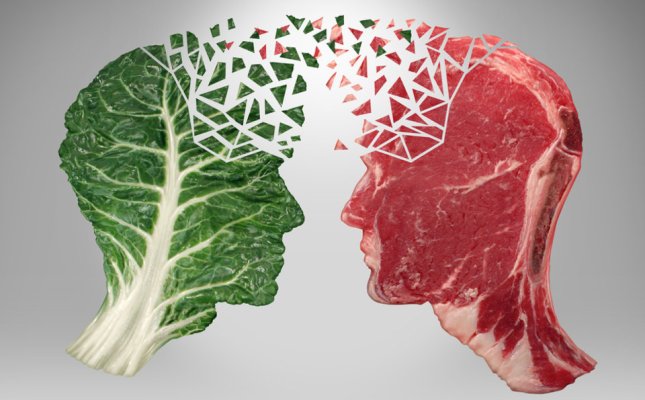
veg_vs_nonveg_foodguruz_inThe philosophy around going meatless or adopting a vegetarian lifestyle has become increasingly popular. People are being more aware of foods that are nutrient dense (and those less so) which helps them to stay healthy and fit. So is veering towards a plant-based approach the best way to go? A growing number of people seem to think so. A Vegetarian resource group conducted a poll and found that there was rise in people adopting vegetarianism/veganism compared to previous year’s data in USA, similar data was shown for Europe, Israel and India as well.
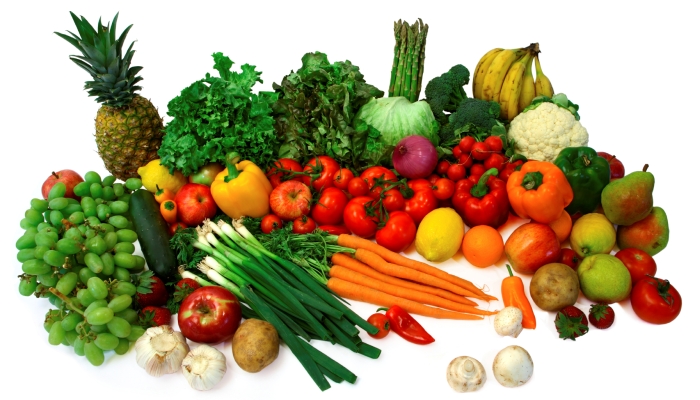
Before we fall in to the discussion of “Should people become Vegetarian?” however, it’s important to understand what vegetarianism actually means as well as the benefits and potential risks associated with it.

“Vegetarian” broadly refers to those who restricts consumption of animal products like meat, fish, poultry etc., and largely rely on plant based foods like fruits, veggies, whole grains, dairy, pulses etc., for living. Within this group, there are various levels of vegetarians. These are classified from most restrictive to those who are less so.

  • Vegan : They do not consume animal products or animal by-products like meat, poultry, fish, eggs, milk/milk products, honey etc. Also, they don’t use animal products like silk, wool, leather etc for commercial use. In other words, these are individuals who not only do not eat animals, but who also choose not to use products that come from animals.
  • Lacto-Vegetarian: These individuals  don’t consume meat, poultry, fish or eggs. But, they readily consume milk and milk products like yogurt, and cheese. Most of the Vegetarians in South Asian subcontinent fall under this category.
  • Ovo-Vegetarian: They avoid meat, poultry, fish and DAIRY. But, allow themselves to consume eggs.
  • Lacto-Ovo Vegetarian: People under this level restricts meat, poultry and fish. However, they consume egg as well as dairy. This is the most common type of vegetarian across the globe.

A vegetarian diet is naturally low in fats and high in fiber, but being vegetarian has its own risks. So no matter at what level you happen to fall, and no matter what reason you have chosen to commit to it , there are both pros and cons of being vegetarian. Here are few of them:

Pros of Vegetarianism:

  • Improves colon health: Fibers present in a plant-based vegetarian diet helps to maintain a healthy colon by improving the good bacteria within it. That’s because fiber is what helps feed those healthy bacteria. It also helps to cleanse the colon when supplemented with optimal water intake. Why? Because fiber can act like a chimney sweeper and remove any excess waste. The risk of colon cancer and constipation decreases with a high fiber vegetarian diet. On the flip side, meats and poultry takes time to digest and thus disrupts the natural balance in the body. They also don’t feed the friendly bacteria in our guts which are required to maintain a healthy gut lining.
  • Improves the heart rate: A vegetarian diet can help lower cholesterol, and blood pressure, aiding in the prevention of heart disease. A vegetarian diet can help to achieve these benefits as long as it includes food sources with potassium and dietary fiber, such as vegetables, fruits, legumes and whole grains.
  • Reduces risk of Kidney stones: Diet high in animal proteins leads body to excrete calcium, oxalate and uric acid. These are the major components of kidney stones. A diet high in animal protein have higher risk of Kidney stones in USA (15% of men and 7% of women) than diets rich in Vegetarian proteins.
  • Reduces risk of Cancer: Vegetarians show up to 40% less chance of developing cancer. Also, diets high in animal protein were associated with a 4-fold increase in cancer death risk compared to high protein diets based on plant-derived protein sources (figures based on 2014 study). The changes of contamination are high among meat eaters, on the flip side, consuming enough fruits and vegetables as part of vegetarian diet will help to build up strong immunity and fight cancer cells.
  • Lowers risk of Diabetes: Consumption of meat and processed meat increases the risk of Type 2 Diabetes in both men and women. On the other hand, vegetarian diets rich in whole grains, nuts, legumes and fibers improves the glycemic control in the people who already have diabetes.
  • Capable of delivering complete nutrition: When Vegetarian meals are optimally planned, all essential amino acids, vitamins and minerals can be supplied to the body. USDA and FAO of UN says “meat is not an essential part of healthy diet”
  • Weight loss: Vegetarian diet being high in fiber and low in fat helps one to reduce weight or at least prevent gaining those extra pounds from the high fat non vegetarian food.
  • Helps alleviate World’s hunger: There has been debate about insufficiency of our food supply if the entire world refuses to eat a primarily vegetarian diet. Grains and vegetarian food are required to feed animals and rear livestock in order to produce more meat (Over 10 pounds of plant protein is fed to produce one pound of beef). If that food were diverted for human consumption, world’s hunger can be alleviated.
  • Ethical view-point: Merciless killing of animals in the name of producing a food supply is on the rise. Cutting out animal products from our diet is a gentler kinder way to live as these warm blooded animals have emotions and can experience stress, pain and fear too. The less demand there will be for meat products, the fewer animals will be raised for slaughter.
  • For the sake of Nature: There are negative effects of raising livestock on environment. They produce more greenhouse gases than cars. Being vegetarian is one way to reduce carbon footprints and save the planet.

Cons of Vegetarianism:

  • Lack of Nutrition: Strict vegans/vegetarians might be missing on some of the nutrients like Omega 3 fatty acids (crucial for brain function), Vitamin B12, Vitamin D(crucial for bone health). Meeting protein needs gets hard, too, if meals aren’t planned well. While there are many good sources of iron for vegetarians, the bioavailability of that is lesser compared to non- vegetarian sources of Iron.
  • May still not be such a healthy choice: Vegetarianism doesn’t automatically mean you have made a healthy choice as it largely depends on the meal choices one makes. A vegetarian diet (if majorly relying on sugar, processed food, fries, refined food, high fructose corn syrup, and carbonated beverages) can possibly be harmful meal choices. An Oreo cookie is vegan. That doesn’t make it healthy.
  • Use of herbicides and pesticides: To improve production of crops and maintain quality. Numerous chemicals are used in the soil, residues of which can be found in the plant and can find its way to the human body.
  • The Notion that Vegetarians live longer can be a myth: Undoubtedly choosing high fibrous fresh vegetarian meal is the best choice. Choosing not-so-healthy vegetarian meals coupled with a faulty lifestyle like excessive smoking, frequent drinking, lack of physical activity etc., can decrease your life expectancy (Animal protein or no animal protein)

January 15, 2019 By GOQii Editor 1 Comment

Immunity and India-India Fit Report 2019

Build your immune system

29% of the teenagers in India fall sick annually, followed by 26% of adults-India Fit Report 2019

Immunity is the ability of our body to defend itself against infections, diseases, or other unwanted biological invasions. The higher your immunity, the less likely you are to fall sick. If you are someone who frequently falls prey to cold and cough, think no more, you just have weak immunity. Being the body’s first and last line of defence, immunity is essential to keep your body strong and resilient. There are many factors that determine how good your immunity system is for example, the area you live in, your lifestyle, eating habits etc.

According to the GOQii India Fit Report 2019 Titled-Insurance: An Investment in Health, around 25% of the population in India suffer from a constant cough, cold, and sore throat. That speaks volumes about the immunity system of an average Indian, doesn’t it? In order to understand Immunity on a deeper note, let’s take a look at how the human body builds its Immunity.

“The younger your body is, the more prone it is to getting a cough or cold. The body is developing at this stage to become stronger and more immune to illness.” Indicates, the India Fit Report 2019. The data collected showed that 29% of the teenagers in India fall sick annually, followed by 26% of adults, senior citizens at 21% and at last older adults at 19%.

Further, the report adds that teenagers catch a cold and cough easily compared to adults because as you get older, your body matures and builds a much stronger immunity to keep you healthy. The India Fit Report advise you to take measures to build your immunity if you are over 20 years old and often fall sick.

Kolkata, Ahmedabad, and Chennai recorded the most cases of cold and cough as per the GOQii India Fit report 2019. A total of 11% Indians fell sick at least 3 times a year and this showed a serious lack of immunity. Delhi amidst other cities stood out for the highest percentage of people falling sick at 13%. All of these nos. indicate a serious case of weak immunity among Indians.

“With increased pollution and constantly changing the environment, the air we breathe and the food we eat is all contaminated. We really have to fight to build our immune system which is what helps us survive a day on day,” says the India Fit Report 2019

Here are some ways to boost your immunity and fight off diseases efficiently, as per The GOQii India it Report 2019.

  1. Get Adequate Rest and Sleep: Sleep is very important for a healthy body because adequate sleep ensures that the body is well relaxed and this also helps the cells to repair and replace, thus contributing to strong immunity. Adequate rest also includes getting quality sleep without distractions, so keep that in mind.
  1. Eliminate sugar and processed foods: Processed foods come packed with refined sugar, which is a major culprit in weakening your immune system. If you are planning to boost your immunity, it is advised to avoid sugar content in your diet.
  1. Boost Gut Health: Having a healthy gut and intestinal system is very important for our well being. A healthy gut hosts healthy bacteria which teach our immune system about what to fight against. It works like an Artificial Intelligence system which is constantly learning. In short, if you have bad gut health, you will have an inexperienced immune system.
  1. Manage stress effectively: Many studies have proved that the higher your stress, the weaker your immunity system. A stressed out person is more likely to fall sick than a relaxed person. So try to keep the stress under control, it plays a major role in boosting your immunity
  1. Include Indian spices in meals: Spices have been widely used in the field of medicine in India and China. They not only add taste and flavour to your food but also help you build your immunity. Add spices like Ginger, Garlic, Turmeric, Clove and Cumin to your meals and stay free from diseases.
  2. Limit exposure to chemicals:  Exposure to chemicals play a very big role in weakening your immunity. You’re most likely to come in contact with them in the form of Pesticides on your fruits and vegetables, so make sure you wash them properly before consumption.

    To read more Download the report from Indiafit.org

January 13, 2019 By Arooshi Garg 6 Comments

7 Super foods you must try this year- Don’t miss out!

jusmoothie-1

Since recent years the “Super Food” market has definitely been on the rise. But, what is a “superfood” anyway?

A “Superfood” refers to any food which is nutrient packed and dense. In other words, they have a rich supply of micronutrients like vitamins, minerals, and antioxidants.

Such foods used to be the type only woo-woo health nuts would gravitate toward. But, more recently, they have expanded to appeal to folks in a variety of cohorts. For example, as recently as two years ago, quinoa, flax seeds, and kale were considered exotic and difficult to find in supermarkets. Now, however, these super foods have become staples in the ‘healthy diet’ of many. From herbs and spices to fruits, vegetables, and grains, each year brings about a whole new variety of nutrient-rich, vitamin-packed foods that we can add to our daily meals.

So how about we give you some examples of these power-packed, cutting edge foods filled with good-for-you vitamins, minerals, and disease-fighting phytochemicals?

Here are 7 of the healthiest foods that you should be eating this year:

 i) JU-SMOOTHIES

The newest word in the food dictionaries, everywhere… this trend is the latest to catch in the eye of health enthusiasts. What do you get when you cross a fresh juice with a smoothie? A Ju-Smoothie of course. A JU-smoothie is a fiber-filled liquid concoction with extra nutritional benefits than just a fruit-vegetable juice.

The JuSmoothie means you make your fresh juice and then blend it with bulky fruits or other ingredients that aren’t juicer friendly.

Vegetable and fruit juices absorb quickly which means they can leave you hungry a couple of hours later. But blend a super nutritious juice with a banana, melon or a sapota ( Chikoo) and some crushed flaxseeds or nuts and you’ve a more solid and substantial concoction that is absorbed slower and will keep you going longer with good satiety.

 ii) MATCHA (the newest green tea)

matcha

Green tea has become a staple in diets for some years now. The new entry, “Matcha” is derived from the Japanese sencha leaf and then stone ground into a bright-green fine powder. Matcha literally means powdered tea, and it’s incredibly good for health. The concentration of epigallocatechin gallate (EGCG) in Matcha is found to be 137 times greater than the amount found in most store-bought green tea. EGCG is known to boost lipolysis (the breakdown of fat) and block adipogenesis (the formation of fat cells), particularly in the belly. It can be made in the traditional way or be added to lattes, iced drinks, milkshakes, and smoothies. A single serving has around 4 grams of protein!!!

iii) Nut-Based Vegan Cheese

Nut-Based Vegan Cheese

A lot of vegan cheese varieties are emerging. Everyone’s favorite staple – cheese – gets a healthy makeover with nut milk. Nut-based cheeses are made from (alternative mil such as)almond, cashew, and macadamia but, prepared in traditional cheese-making style. That’s good news for vegans and cheese lovers!

Vegan cheese can have several benefits. It boasts to be rich in vitamin E and B12 and the content depends on the milk used and preparation method used.

iv) Beet Greens

Beet Greens

Vitamin A-rich beet greens look similar to chard and even people who don’t like the sweet starchy flavor of beets, love beet greens. So next time you get beets with the greens still attached, don’t toss away that superfood in a bin. Rather, toss it in a mixed salad with carrots, radishes, tomatoes, and cucumbers!

Beet greens can be used in smoothies and soups. You can also replace them into a recipe that calls for spinach, kale, or lettuce. You can even or sauté them for an easy side dish that cooks in just a couple of minutes.

v) Teff : Teff is gaining popularity worldwide. Teff is an ancient and intriguing grain, tiny in size yetpacked with nutrition. It is simple to prepare and similar to millet or quinoa if you cook it. It is a fine grain—about the size of a poppy seed—that comes in a variety of colors, from white and red to dark brown. This tiny grain that has been a staple of traditional Ethiopian cooking for thousands of years

teff-grains

First cultivated in Ethiopia, Teff is high in calcium, iron, fiber, and protein with a mild, sweet, and nutty taste. It’s also naturally gluten-free.

Teff works well in a main or side dish, in baked goods, sourdough flatbread, or as a substitute for cornmeal in some recipes.

vi) Rooibos Tea

Rooibos Tea

Green tea isn’t the only super-healthy tea out there. Along with Matcha tea, Rooibos tea, too, has been showing up on supermarket shelves.

Rooibos tea is a red-colored herbal is a tea made from the leaves of the rooibos bush. Native to South Africa, it has shown to be beneficial for lowering LDL and improving HDL. Health benefits of red rooibos tea include its use as a cure for headaches, insomnia, asthma, eczema, bone weakness, hypertension, allergies, and premature aging.

The tea is absolutely free from caffeine content and is also low in tannins. Rooibos tea is said to contain rare nutrients like Quercetin and Bioflavonoids that assist in good blood circulation and obstructs hemorrhaging.

vii) Coconut sugar:  Coconut is one food that has emerged as a superfood lately. From organic coconut oil to organic coconut water and coconut flour, all have shown potential high nutritional qualities. Foodies are moving on to a different palm product-coconut sugar, also known as palm sugar. It has been used as a sweetener for thousands of years in Southeast Asia where coconuts are abundant, and it’s gaining popularity all over the world now as a “healthier” sugar alternative.

coconut-sugar

Unlike pure table sugar, only 78 percent of coconut sugar is actually sugar; the remaining 22 percent comes from nutrients like zinc, iron and fiber—more specifically, inulin, a type of insoluble fiber that acts as a prebiotic to feed the healthy bacteria in your gut and slows down the digestion and absorption of sugar into the blood. But be cautious in the usage, while coconut sugar is marketed as a “low GI sweetener,” it is still sugar: caloric and potentially fattening. So approach this health trend with caution. Consider coconut sugar the new honey—an ever-so-slightly better alternative to refined sugar!

So whether you’re a health nut looking to try the latest and greatest or just a foodie looking for new ingredients to add to your beloved recipes…get all or at least some of these Super Foods on your plate this year!

January 11, 2019 By GOQii Editor 1 Comment

Insurance: An Investment in health-India Fit Report 2019

healthinsurance1

85% people believe they should get health insurance before the age of 30: Massive demand for Health Insurance fueled by an increase in Lifestyle Diseases & Growing Healthcare cost: GOQii IndiFit Report 2019

The sedentary lifestyle which many of us lead has facilitated the growth of many lifestyle diseases. A new ailment turns up time to time and this is way past the phase of surprise. Trust in the healthcare system has further depleted with 96.5% of people not trusting the system as the number of zeroes on bills keep increasing and thus the need for health insurance is higher than ever.

According to the 5th edition of the GOQii India Fit Report 2019 titled  that released yesterday, “There is a massive demand for Health Insurance fueled by an increase in Lifestyle Diseases & Growing Healthcare cost” The survey that was conducted among 700,000 respondents across the country indicates that 85% respondent believe they should get health insurance before the age of 30.

The report, however, indicates despite the increasing awareness about the importance and need for an insurance policy, 20% of the respondents still don’t own insurance policy. The common notion that continues to prevail is that insurance is confusing to understand, a prime reason that discourages people from buying one. The high cost of insurance also deters them.

healthinsurance-graphInsurance premiums are on a constant rise, it is getting more expensive year after year and procuring ideal health insurance for you and your family has become shockingly confusing. What exactly is “Ideal” when we talk about Health Insurance?

Respondents at large felt that ideal health insurance should cover medical check-ups, cost of medicines, Ambulance charges, Dental treatment, Follow-up charges post-surgery and preventive medicines. The other benefits they looked for also included Accidental coverage, Good Afterlife benefits, Benefits for nominees, complete coverage / Maximum cover, Easy claim settlement, Sum assured benefits and term insurance benefits. Respondents strongly believed cashless hospitalization (87.9%) is the most sought-after health insurance benefit followed by medical bills reimbursement facility (67.7%) and better treatment in best hospitals (59.0%).

When we asked the respondents about what a trustworthy insurance plan would be? This is what he had to say, “A trustworthy insurance plan should have a low premium, high returns, wide range of ailments that will be covered under insurance and no deductions based on the condition of a person while he/she buys the insurance”.

According to the India FiT report 2019, 90% of people believe healthier people should pay lesser premiums on their insurance policies. 70% are willing to share health data with insurance companies to get a discount on premiums.

Download the full report here: www.Indiafit.org


  • « Previous Page
  • 1
  • …
  • 28
  • 29
  • 30
  • 31
  • 32
  • …
  • 78
  • Next Page »

Search

Recent Posts

  • Navigating the Maze of Nutrition: Finding Clarity Amidst Confusion
  • Get children active and keep them healthy
  • What Gestational Diabetes Can Do To You & Your Unborn Child
  • Breathing – A Forgotten Art
  • The Incredible Benefits Of Milk You Might Not Know

Stay Updated

Archives

  • December 2025 (3)
  • November 2025 (15)
  • October 2025 (20)
  • September 2025 (6)
  • August 2025 (6)
  • July 2025 (12)
  • June 2025 (18)
  • May 2025 (16)
  • April 2025 (23)
  • March 2025 (23)
  • February 2025 (22)
  • January 2025 (26)
  • December 2024 (26)
  • November 2024 (25)
  • October 2024 (22)
  • September 2024 (24)
  • August 2024 (31)
  • July 2024 (21)
  • June 2024 (26)
  • May 2024 (31)
  • April 2024 (27)
  • March 2024 (29)
  • February 2024 (26)
  • January 2024 (25)
  • December 2023 (15)
  • November 2023 (11)
  • October 2023 (22)
  • September 2023 (22)
  • August 2023 (20)
  • July 2023 (22)
  • June 2023 (24)
  • May 2023 (24)
  • April 2023 (24)
  • March 2023 (23)
  • February 2023 (20)
  • January 2023 (16)
  • December 2022 (12)
  • November 2022 (15)
  • October 2022 (15)
  • September 2022 (12)
  • August 2022 (10)
  • July 2022 (17)
  • June 2022 (11)
  • May 2022 (10)
  • April 2022 (6)
  • March 2022 (6)
  • February 2022 (13)
  • January 2022 (12)
  • December 2021 (7)
  • November 2021 (3)
  • October 2021 (6)
  • September 2021 (3)
  • August 2021 (8)
  • July 2021 (7)
  • June 2021 (15)
  • May 2021 (16)
  • April 2021 (10)
  • March 2021 (7)
  • February 2021 (4)
  • January 2021 (4)
  • December 2020 (3)
  • November 2020 (4)
  • October 2020 (10)
  • September 2020 (3)
  • August 2020 (3)
  • July 2020 (2)
  • June 2020 (4)
  • May 2020 (10)
  • April 2020 (12)
  • March 2020 (10)
  • February 2020 (4)
  • January 2020 (4)
  • December 2019 (3)
  • November 2019 (7)
  • October 2019 (5)
  • September 2019 (4)
  • August 2019 (9)
  • July 2019 (9)
  • June 2019 (11)
  • May 2019 (4)
  • April 2019 (9)
  • March 2019 (8)
  • February 2019 (9)
  • January 2019 (8)
  • December 2018 (9)
  • November 2018 (3)
  • October 2018 (3)
  • September 2018 (5)
  • August 2018 (10)
  • July 2018 (6)
  • June 2018 (13)
  • May 2018 (8)
  • April 2018 (18)
  • March 2018 (9)
  • February 2018 (8)
  • January 2018 (15)
  • December 2017 (12)
  • November 2017 (19)
  • October 2017 (13)
  • September 2017 (15)
  • August 2017 (4)
  • July 2017 (8)
  • June 2017 (7)
  • May 2017 (6)
  • April 2017 (8)
  • March 2017 (6)
  • February 2017 (7)
  • January 2017 (9)
  • December 2016 (10)
  • November 2016 (7)
  • October 2016 (7)
  • September 2016 (7)
  • August 2016 (11)
  • July 2016 (9)
  • June 2016 (9)
  • May 2016 (12)
  • April 2016 (17)
  • March 2016 (17)
  • February 2016 (8)
  • January 2016 (6)
  • December 2015 (2)
  • November 2015 (9)
  • October 2015 (7)
  • September 2015 (9)
  • August 2015 (11)
  • July 2015 (9)
  • June 2015 (12)
  • May 2015 (9)
  • April 2015 (13)
  • March 2015 (8)
  • February 2015 (5)
  • January 2015 (12)
  • December 2014 (14)
  • November 2014 (11)
  • October 2014 (6)
  • September 2014 (13)
  • August 2014 (12)
  • July 2014 (6)
  • June 2014 (2)
  • May 2014 (7)
  • April 2014 (5)

From “Laddu Nawin” to Fit and Fierce: How a 25-Year-Old Insurance Advisor Shed 20 Kilos and Gained His Life Back

When 25-year-old Nawin Yadav from Hyderabad walked into his office every morning, he carried more than just his files and policy papers. He had the weight of fatigue, sluggish energy, and an ever-growing belly that was becoming the butt of jokes. “People … [Read More...]

“I’ve Challenged Myself to Live 100 Years” – The Story of Chandubhai Savani’s Second Chance at Life

At 67, most people start slowing down. Not Chandubhai Savani. A resident of Surat, Chandubhai, thought life was on track. “My life was going well till I had my bypass surgery,” he says. That surgery, back in 2021, was a wake-up call.  Medication was routine, but exercise wasn’t. His diet? What he calls ‘normal.’ “I […]

From Shimla’s Slopes to Chandigarh’s Sidewalks: Surinder Kaur Bhalla’s Journey from Chaos to Control

Some journeys start with a plan. Others begin with a stumble literally. Surinder Bhalla, a government professional, born and raised in the scenic hill town of Shimla, had always lived a life of movement. “In Shimla, you walked everywhere,” she reflects. “Walking was never an exercise. It was just life.” But after shifting to Chandigarh, […]

Ananda Mukherjee Health Story

From Terminal Illness To Complete Wellness! Ananda Mukherjee Health Story

As we observe World Cancer Day under the powerful theme ‘United by Unique’ (2025-2027)**, we are reminded that every individual’s journey with cancer is distinct, yet united by shared resilience, hope, and the collective fight against this disease. This theme places people at the centre of care and their stories at the heart of the […]

  • HOME
  • HEALTHY LIVING
  • FITNESS
  • HEALTHY RECIPES
  • USER STORIES
  • KARMA
  • BUY GOQii

Copyright ©2016 GOQii