GOQii

Blog

  • HOME
  • HEALTHY LIVING
  • FITNESS
  • HEALTHY RECIPES
  • USER STORIES
  • KARMA
  • BUY GOQii

March 19, 2024 By Anuja Mohile 1 Comment

Eat Smart To Live Smart: Mastering Portion Control

the-food-pyramidWhat do you know of portion size and serving size? Often we read a label saying the portion/serving size as “x” amount. But, we are seldom aware of the difference between portion and serving size? You may ask, are they really different? Yes of course! And as a consumer you should be aware of the difference between the two as it may help you in choosing your food items consciously.


What is a serving size?

A serving size is average amounts that assists us in eating or helps us to decide how much to eat or identify how many calories and nutrients are present in that particular amount of food that we eat. For example we buy a packet of noodles weighing 100grams. If you carefully read the label it may say that the serving size is 75 grams only and the nutritive values for the serving will also be provided.

What is a portion size?

Portion size cannot be defined universally. It is the amount we take on our plate. It may vary according to the food we eat at different times. Thus, to continue the example given previously the serving size may be 75 grams but, you cannot really store 25 grams for the next time. So you have the whole pack for yourself. This would be the portion you choose to take on your plate.

Now eating portion size instead of serving size is not entirely wrong. Quite often it may occur that you eat several servings in one portion itself. In fact when we eat out in restaurants their portions may even exceed the servings that are recommended by the food pyramid. Further, new marketing strategies add up. The introduction of large size portions at cheaper price and meal combos or value meals has actually decreased the value of healthy, nutritious and fresh food in the consumer minds.

There are so many fast food chains that offer more food for a very slight increase in cost. Not only in restaurants but also in super markets we choose to buy bulk or opt for various offers like buy one get one free. This is a very natural consumer tendency but buying and further eating products in larger quantities itself is a major reason for gaining weight. It is the easily available large portion sizes that make you eat high fat, sugar, and thereby high calories.

Today, the portion sizes have grown so much that there is enough food for more than two people in a single plate. In fact we opt for restaurants where the dish is big enough. This kind of portion size increase is also taking place at home and is known as portion distortion. The food guide pyramid allows us to understand the different foods that we need to eat based on their nutritive value and also the proportions in which we should consume these on a regular basis.

Based on the food guide pyramid and serving size we can achieve portion control on the foods we eat. Portion control helps us to understand the nutritive value of the portion of the food, thereby how much of it should be consumed. Thus, in order to obtain a balance in the healthy and unhealthy foods that we eat it is extremely important to practice portion control in our daily routine. It helps us to control the quantity as well as the quality.

To conclude here are few tips for a better portion control in our daily life

** While choosing and eating food: Prepare and eat food at home. We tend to eat more portions in restaurants.

** Pack snack items in individual servings.

** Use a small dish which will give less space for food.

** Read labels to understand what a serving looks like. Read the number of serving per packet. Don’t start eating directly from the box. Try serving one serving per plate.

** When eating out, avoid eating supersized meals and other deals that promote overeating

** At restaurants share your meals, if not at least get the extra meal packed instead of finishing it there itself. Split your main dish with your friend. Don’t order separately.

** Prepare daily meals just for the number of people available.

** Don’t cook in bulk especially in case of sweets.

By mastering portion control and making mindful food choices, you can pave the way for a healthier lifestyle and enhance your overall well-being. Remember, it’s not just about what you eat, but also how much. So, eat smart, live smart, and enjoy a balanced and nutritious diet every day. For additional tips on diet and nutrition, explore Healthy Reads or connect with a certified expert through GOQii’s Personalised Health Coaching here. Start your journey toward a healthier life today!

#BeTheForce

March 18, 2024 By Arooshi Garg 4 Comments

5 Breathing exercises for boosting immunity

breathing techniques for better sleep

Breathing exercises or “PRANAYAM’, the word is derived from ‘Prana‘ which stands for ‘life force’ and ‘Ayama‘ which means ‘to lengthen or to work on it’. Prana, in yogic terms, means the force within the body that is vital for the functioning of the body as well as its vitality. Breath is our vital source of energy. Did you know that we can throw out 80 per cent of the toxins from our body by breathing correctly? The key to healthy and happy living lies in right breathing. When we attend to our breath, it can heal us from within.

Our cells regenerate all the time, and cannot regenerate without oxygen. Breathing is the fastest and most efficient way for our bodies to get oxygen. Deep breathing helps our immune system regenerate cells in order to fight infection and any other ailments that affect us. Certain breathing exercises have shown to greatly increase the efficiency of our immune system. The better the air quality and the deeper you breathe the more you can help your immune system work properly. Routinely practicing deep breathing exercises can improve your overall immune system.

Benefits of  Pranayama to Boost Immunity

  • Pranayama enhances and stimulates the immune system
  • Improves function and strengthens cells, tissue, glands and organs
  • Pranayama releases stress, anxiety and depression
  • Removes heart blockages
  • Cures heart problems
  • Boosts overall health and cures many health issues
  • Pranayama increases blood circulation
  • Cures Aasthma, Headache, Migraine, Neurological problems, Depression, Gastric problems
  1. Cat and Cow breathing exercise:

Cat-Cow-Pose-in-Vinyasa

This is a great yoga sequence that helps to improve circulation and clear congestion in the bronchial region and sinuses.

Benefits of Cat and Cow breathing exercise:

  • It stimulates digestion and, through muscular contraction and extension, pumps blood and lymphatic fluid through the thoracic muscle groups.
  • It increases cardiovascular fitness and helps stimulate the kidneys while relieving stress from the neck and shoulder area, and extending the lumbar spine region.

How to do it:

  • Rest your arms and knees on the floor. On the inhale breath, lift and expand the front chest up and forward, elongate your throat, draw your shoulders back, and curve your middle spine downwards as you tuck in your tailbone.
  • On a strong exhale, tuck your chin to your throat, pull in your belly, and arch your spine upwards (like an angry cat), rolling your shoulders forward and down to compress the front chest.
  • Inhale to Cow Pose and exhale to Cat Pose with a fluid up-and-down, wave-like motion of the spine and torso. Repeat the cycle 5 times.
  1. Kapal Bhati Pranayam:

kapal bhati

Kapal meaning skull, Bhati meaning shining and pranayama meaning breathing technique. It is a great breathing exercise and can improve bodily functions. This breathing exercise can remove 80% of the toxins in our body through the outgoing breath. Regular practice of Kapal Bhati Pranayama can help detoxify all the systems in our body.

Benefits of Kapal Bhati:

  • Helps in increasing the metabolic rate
  • Improves digestive functioning, absorption, and assimilation of nutrients
  • Improves blood circulation and nervous system functioning

How to do it:

  • Sit at a comfortable place with your spine straight. Place your hands on the knees with palms open to the sky.
  • Take a deep breath in. As you exhale, pull your stomach in. Pull your navel in back towards the spine. Do as much as you comfortably can. You may keep your right hand on the stomach to feel the abdominal muscles contract.
  • As you relax the navel and abdomen, the breath flows into your lungs automatically.
  • Take 15-20 such breaths to complete one round of Kapal Bhati Pranayama.
  • After completing the round, relax with your eyes closed
  • Do two more rounds of Kapal Bhati Pranayam.

3.       Bee Breath (Bhramari Pranayam)

bee breathe

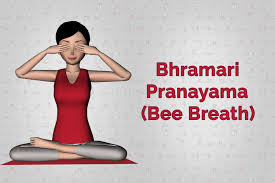
Bhramari Pranayama or the humming Bee Breath produces a sound similar to the humming of a bee. Bhramari comes from the Sanskrit word ‘Bramar’ which means a kind of black Indian bee. Bhramari pranayama has a soothing effect on the brain and calms the mind. Gives relief if you have a slight headache

 Benefits of Bhramari Pranayama (Bee Breath)

  • Helps mitigate migraines
  • Helps clear the nasal and ear canals
  • Clears the sinuses
  • Helps in improving concentration and memory
  • Effective in reducing blood pressure

How to do it:

  • Sit in a peaceful place with your spine erect
  • Place your index fingers on the cartilage between your cheek and ear
  • Take a deep breath in and as you breathe out, gently press the cartilage. You can keep the cartilage pressed or press it in and out with your fingers while making a loud humming sound like a bee
  • Breathe in again and continue the same pattern 4-5 times.

Precautions for doing Bhramari Pranayama

  • Ensure that you are not putting your finger inside the ear but on the cartilage
  • Don’t press the cartilage too hard. Gently press and release with the finger
  • While making the humming sound, keep your mouth closed
  1. Dog Breathing Exercise

Dog Breathing cleanses and detoxifies the body while expelling the toxins out from deep inside your tissues. The sharp contracting movements while practicing Dog Breathing strengthens the abdominal muscles.

Benefits of Dog breathing:

  • It beneficial in preventing fat deposition in the abdominal area,
  • Helps in improving the respiratory capacity and prevents the person from catching any respiratory disorder if practiced regularly.

How to do it:

  • Sit in Easy Pose with your chin in and your chest out. Stick your tongue all the way out and keep it out as you rapidly breathe in and out through your mouth. This is called Dog Breath. Continue this breath for 3-5 minutes.
  • To finish, inhale, and hold your breath for 15 seconds and press the tongue against the upper palate. Exhale. Repeat this sequence two more times.
  • Beginners can start with 15- 20 seconds and gradually reach up to 1 and then up to 5 minutes.
  1. Bhastrika Pranayama

bhastarika

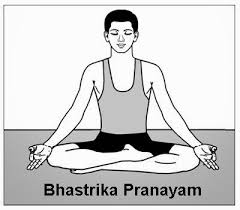
It strengthens the immune power. Practice Bhastrika Pranayama for 10 minutes in the morning and evening on an empty stomach daily for one month.

Benefits of Bhastrika Pranayam

  • Helps reduce episodes of cold, cough and flu
  • Improves thyroid function and tonsils

How to do it:

  • Sit comfortably on the flat ground.
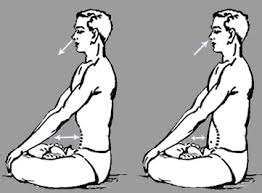
  • Take a deep breath through both nostrils and fill the lungs with air and then exhale with a hissing sound.
  • Inhale deeply and exhale completely.
  • Do this for 2 min to 5 minutes max

Precautions for Bhastrika Pranayama

Those suffering from lungs, heart problems and high blood pressure should practice slowly. High blood pressure patients should exhale through the mouth instead of the nose.

Incorporating these simple yet powerful breathing exercises into your daily routine can significantly boost your immunity and improve your overall health. Practice regularly and feel the transformative effects on your body and mind. For further information or guidance, reach out to our certified experts by subscribing to GOQii’s Personalised Health Coaching here.

#BeTheForce 

March 17, 2024 By Chhavi Goel Manglik 4 Comments

All you need to know about Vitamin K

Vitamin-k-foods

Most of us are aware of Vitamin A, B, C, D and E. But do you know there is Vitamin K as well?  Yes there is Vitamin K which is an essential vitamin for our body.

Vitamin K is a fat soluble Vitamin is founded by Henrick Dam in 1934. It is also referred as antihemorrhagic factor or coagulation vitamin which has been derived from the Danish word Koagulations.

It is available in two forms

Vitamin K1, also known as phylloquinone, phytomenadione, or phytonadione. It is largely found in green leafy vegetables.

Vitamin K2 is known as menaquinones and is mainly found in the bacteria of colon (Large intestine).

FUNCTIONS

  1. It helps in maintaining bone matrix (bone mineralization)
  2. It helps in cellular growth
  3. It acts as a co factor for enzyme that validates protein to bind calcium
  4. It is important for normal clotting of blood
  5. It helps in synthesis of protein in plasma, bone and kidney
  6. It reduces the risk of cardio vascular diseases
  7. It lowers down the risk of type 2 diabetes
  8. It helps in the maintaining the bone health
  9. Ministry of Japan used it in treating osteoporosis
  10. It lowers the risk of liver cancer
  11. It diminishes the risk of non-Hodgkin lymphoma
  12. It is used in treatment of Alzheimer’s disease
  13. It’s antidote treatment of poisoning byrodenticide

Daily Dietary Recommendations

Infants

  • 0-6 months: 2 mcg
  • 6-12 months: 2.5 mcg

Toddlers 

  • 1-3 years: 30 mcg
  • 4-8 years: 55 mcg
  • 9-12 years: 60 mcg 

Teenagers

  • 13 years: 60 mcg
  • 14-18 years: 75 mcg

Adults

  • 19+ years, Female: 90 mcg
  • 19+ years, Male: 120 mcg

Pregnacy and lactation

  • Pregnant or lactating women, 14-18 years: 75 mcg
  • Pregnant or lactating women, 19+ years: 90 mcg 

Food sources for K1

Spinach, alfalfa, cabbage, kale, mustard leaves, collard greens, lettuce, Brussels greens, turnip greens, broccoli, parsley

Food sources for K2

Egg yolk, egg white, chicken, cheddar cheese, salmon, goose liver, bacon

Necessary as supplements for

1.   It is rare in adults but common in new born

2.   People suffering from

a.  Crohn’s disease

b.   Celiac disease

c.   Malnutrition

d.  Gall bladder diseases

e.  Cystic fibrosis

f.   Burn patients

g.  On hemodialysis

3.   People who are alcoholic.

4.   People on thinners

a.  Warfarin (Coumadin)

5.  People on drug (antibiotics) that interferes with vitamin K metabolism

a.   Cefamandole (Mandol)

b.  Cefoperazone (Cefobid)

c.  Cefmetazole (Zefazone)

d.  Cefotetan (Cefotan)

6. People on anticonvulsants

a. Phenytoin (Dilantin)

7. People on cholesterol lowering medications

a. Cholestyramine (Questran)

b. Colestipol (Colestid)

c. Colsevelam (Welchol)

Deficiencies & Toxicity

The deficiency of Vitamin K results in hemorrhage and lowering of blood clotting process. Whereas, steatorrhea may occur in the case of Vitamin K toxicity, though very rare.

Understanding the importance of Vitamin K in maintaining bone health, supporting blood clotting, and reducing the risk of various diseases is crucial for overall wellness. Incorporate Vitamin K-rich foods into your diet and consult with certified expert by subscribing to GOQii’s Personalised Health Coaching here, to ensure optimal levels of this essential nutrient.

#BeTheForce

March 14, 2024 By GOQii Leave a Comment

Empowering Lives on World Kidney Day: A Global Call for Equitable Kidney Care

Priya and Maya, two sisters deeply connected by laughter and shared experiences, lived together in the bustling suburbs of Mumbai. Priya was battling kidney failure, her life entwined with the rhythm of dialysis machines. Despite her fading hope, she hoped for a transplant to restore her vitality.

Maya, observing her sister’s suffering, decided to offer her kidney if she was a match. This act of courage led them through anxious days of tests until they received the news: Maya was a compatible donor.

The surgery that followed was a testament to their bond, as Maya’s kidney was successfully transplanted into Priya. The sisters recovered, their lives enriched by this profound act of love and sacrifice. They returned to their daily routines, their bond now encompassing the shared beat of a single kidney.

Their story, resounding with the spirit of World Kidney Day 2024, illuminates the transformative power of organ donation—a gift that transcends the physical to touch the essence of human connection.

March 14, 2024, marks a significant milestone as the world unites under the banner of World Kidney Day. This year’s theme, “Kidney Health for All – Advancing Equitable Access to Care and Optimal Medication Practice,” champions a universal crusade against disparities in kidney care. It’s a clarion call for collective action, aiming to bridge the gap and ensure comprehensive access to preventative measures and treatments for kidney disease, irrespective of geographical or socio-economic barriers.

The Unsung Heroes: Our Kidneys

Our kidneys, the vigilant custodians of our health, perform crucial roles that extend far beyond waste elimination. These remarkable organs regulate blood pressure, produce vital hormones, and maintain our body’s electrolyte balance. World Kidney Day 2024 serves as a reminder of our kidneys’ indispensable role in our well-being, emphasizing the importance of safeguarding these vital organs through proactive health practices and education.

Bridging the Healthcare Divide: A Journey Towards Kidney Health for All

In India, a nation marked by its rich tapestry of cultures and histories, the challenge of kidney health emerges as a critical concern. The “Kidney Health for All” campaign illuminates the stark disparities that punctuate the landscape of kidney care in the country. Despite the strides made in medical technology and treatment methods, a significant portion of India’s population confronts kidney diseases from the shadows, encumbered by the lack of access to essential diagnostics, treatments, and the financial resources necessary for managing their conditions.

Access and Education

In the quest for optimal kidney health management, the role of appropriate medication cannot be overstated. Medications are pivotal in decelerating the progression of kidney diseases and enhancing the quality of life for those affected. However, in India, the path to optimal medication practice is fraught with obstacles—chief among them being the disparities in access and education. There is a pressing need for improvements in prescription practices and patient education, emphasizing the imperative of policies that bolster medication affordability and accessibility for all citizens.

World Kidney Day 2024 serves as a beacon, highlighting the urgent requirement for a comprehensive approach that addresses these disparities head-on. It advocates for an inclusive healthcare system where every individual, regardless of their socio-economic status or geographical location, has access to the screenings, treatments, and support essential in combating kidney disease.

A Unified Effort for Kidney Health in India

The call for awareness, education, and advocacy grows louder on World Kidney Day 2020. It is a clarion call here to the healthcare professionals, policymakers, patients, and the public—to unite in a shared mission to champion kidney health equity. This is an opportune moment to enrich our collective understanding of the challenges besetting kidney health in India and to actively participate in the global movement advocating for equitable kidney care.

From policy advocacy aimed at eliminating barriers to kidney care to supporting research that pioneers new treatment modalities, every action contributes to sculpting a future where kidney health is prioritized, and equitable care is a reality for everyone. It underscores the collective responsibility we hold to foster an environment where the advancements in kidney health are accessible to all, bridging the healthcare divide that has long affected the Indian populace.

As we mark World Kidney Day 2024, let us rally together to advance kidney health for all in India. Inspired by the global theme, our focus remains steadfast on ensuring that every Indian has access to the care and knowledge needed to combat kidney disease. In embracing the pillars of awareness, education, and advocacy, we pave the way for a future where disparities in kidney care are a thing of the past, and optimal kidney health is within the reach of every individual across the nation.

Inspired by stories like Priya and Maya’s, we are reminded of the life-altering impact of organ donation and the collective responsibility to advance kidney health globally. Let us stand together to champion kidney health for all, fostering a world where health equity is not just an aspiration but a reality.

#BeTheForce

  • « Previous Page
  • 1
  • …
  • 16
  • 17
  • 18
  • 19
  • 20
  • …
  • 78
  • Next Page »

Search

Recent Posts

  • Navigating the Maze of Nutrition: Finding Clarity Amidst Confusion
  • Get children active and keep them healthy
  • What Gestational Diabetes Can Do To You & Your Unborn Child
  • Breathing – A Forgotten Art
  • The Incredible Benefits Of Milk You Might Not Know

Stay Updated

Archives

  • December 2025 (3)
  • November 2025 (15)
  • October 2025 (20)
  • September 2025 (6)
  • August 2025 (6)
  • July 2025 (12)
  • June 2025 (18)
  • May 2025 (16)
  • April 2025 (23)
  • March 2025 (23)
  • February 2025 (22)
  • January 2025 (26)
  • December 2024 (26)
  • November 2024 (25)
  • October 2024 (22)
  • September 2024 (24)
  • August 2024 (31)
  • July 2024 (21)
  • June 2024 (26)
  • May 2024 (31)
  • April 2024 (27)
  • March 2024 (29)
  • February 2024 (26)
  • January 2024 (25)
  • December 2023 (15)
  • November 2023 (11)
  • October 2023 (22)
  • September 2023 (22)
  • August 2023 (20)
  • July 2023 (22)
  • June 2023 (24)
  • May 2023 (24)
  • April 2023 (24)
  • March 2023 (23)
  • February 2023 (20)
  • January 2023 (16)
  • December 2022 (12)
  • November 2022 (15)
  • October 2022 (15)
  • September 2022 (12)
  • August 2022 (10)
  • July 2022 (17)
  • June 2022 (11)
  • May 2022 (10)
  • April 2022 (6)
  • March 2022 (6)
  • February 2022 (13)
  • January 2022 (12)
  • December 2021 (7)
  • November 2021 (3)
  • October 2021 (6)
  • September 2021 (3)
  • August 2021 (8)
  • July 2021 (7)
  • June 2021 (15)
  • May 2021 (16)
  • April 2021 (10)
  • March 2021 (7)
  • February 2021 (4)
  • January 2021 (4)
  • December 2020 (3)
  • November 2020 (4)
  • October 2020 (10)
  • September 2020 (3)
  • August 2020 (3)
  • July 2020 (2)
  • June 2020 (4)
  • May 2020 (10)
  • April 2020 (12)
  • March 2020 (10)
  • February 2020 (4)
  • January 2020 (4)
  • December 2019 (3)
  • November 2019 (7)
  • October 2019 (5)
  • September 2019 (4)
  • August 2019 (9)
  • July 2019 (9)
  • June 2019 (11)
  • May 2019 (4)
  • April 2019 (9)
  • March 2019 (8)
  • February 2019 (9)
  • January 2019 (8)
  • December 2018 (9)
  • November 2018 (3)
  • October 2018 (3)
  • September 2018 (5)
  • August 2018 (10)
  • July 2018 (6)
  • June 2018 (13)
  • May 2018 (8)
  • April 2018 (18)
  • March 2018 (9)
  • February 2018 (8)
  • January 2018 (15)
  • December 2017 (12)
  • November 2017 (19)
  • October 2017 (13)
  • September 2017 (15)
  • August 2017 (4)
  • July 2017 (8)
  • June 2017 (7)
  • May 2017 (6)
  • April 2017 (8)
  • March 2017 (6)
  • February 2017 (7)
  • January 2017 (9)
  • December 2016 (10)
  • November 2016 (7)
  • October 2016 (7)
  • September 2016 (7)
  • August 2016 (11)
  • July 2016 (9)
  • June 2016 (9)
  • May 2016 (12)
  • April 2016 (17)
  • March 2016 (17)
  • February 2016 (8)
  • January 2016 (6)
  • December 2015 (2)
  • November 2015 (9)
  • October 2015 (7)
  • September 2015 (9)
  • August 2015 (11)
  • July 2015 (9)
  • June 2015 (12)
  • May 2015 (9)
  • April 2015 (13)
  • March 2015 (8)
  • February 2015 (5)
  • January 2015 (12)
  • December 2014 (14)
  • November 2014 (11)
  • October 2014 (6)
  • September 2014 (13)
  • August 2014 (12)
  • July 2014 (6)
  • June 2014 (2)
  • May 2014 (7)
  • April 2014 (5)

From “Laddu Nawin” to Fit and Fierce: How a 25-Year-Old Insurance Advisor Shed 20 Kilos and Gained His Life Back

When 25-year-old Nawin Yadav from Hyderabad walked into his office every morning, he carried more than just his files and policy papers. He had the weight of fatigue, sluggish energy, and an ever-growing belly that was becoming the butt of jokes. “People … [Read More...]

“I’ve Challenged Myself to Live 100 Years” – The Story of Chandubhai Savani’s Second Chance at Life

At 67, most people start slowing down. Not Chandubhai Savani. A resident of Surat, Chandubhai, thought life was on track. “My life was going well till I had my bypass surgery,” he says. That surgery, back in 2021, was a wake-up call.  Medication was routine, but exercise wasn’t. His diet? What he calls ‘normal.’ “I […]

From Shimla’s Slopes to Chandigarh’s Sidewalks: Surinder Kaur Bhalla’s Journey from Chaos to Control

Some journeys start with a plan. Others begin with a stumble literally. Surinder Bhalla, a government professional, born and raised in the scenic hill town of Shimla, had always lived a life of movement. “In Shimla, you walked everywhere,” she reflects. “Walking was never an exercise. It was just life.” But after shifting to Chandigarh, […]

Ananda Mukherjee Health Story

From Terminal Illness To Complete Wellness! Ananda Mukherjee Health Story

As we observe World Cancer Day under the powerful theme ‘United by Unique’ (2025-2027)**, we are reminded that every individual’s journey with cancer is distinct, yet united by shared resilience, hope, and the collective fight against this disease. This theme places people at the centre of care and their stories at the heart of the […]

  • HOME
  • HEALTHY LIVING
  • FITNESS
  • HEALTHY RECIPES
  • USER STORIES
  • KARMA
  • BUY GOQii

Copyright ©2016 GOQii