GOQii

Blog

  • HOME
  • HEALTHY LIVING
  • FITNESS
  • HEALTHY RECIPES
  • USER STORIES
  • KARMA
  • BUY GOQii

March 11, 2026 By Luke Coutinho 9 Comments

Caution: Smoking is Injurious to health!!

No Smoking

With No Smoking Day upon us, there is no better time to evaluate the true impact of this habit. We are all incredibly familiar with this warning. Research consistently indicates that smoking is the number one cause of preventable death globally. By now, most of us are acutely aware of the severe toll it takes on the body.

Chronic smoking is directly linked to:

  • Cardiovascular disease
  • Impotence, lack of sexual desire, and inability to perform
  • Various forms of cancer
  • A weakened immune system
  • Severely stained teeth
  • Early degeneration of bones (especially the spine)
  • Reduced lung function and capacity
  • Liver toxicity
  • Reduced stamina and endurance
  • Premature aging

Besides the above, there are several benefits of kicking the butt, apart from of course saving loads of money and time.

Interesting fact: 75% to 85% of smokers want to quit, but simply don’t know how, or find the withdrawal process too daunting.

One of the main reasons it is so hard to stop is because the dangers of continuing, and the benefits of quitting, seem very far away. However, your body begins to heal almost instantly.

The Healing Timeline: What Happens Right Now?

Here is a timeline detailing the immediate and long-term effects of quitting smoking, showing exactly how your body recovers minute by minute, and year by year.

  • In 20 minutes: Your blood pressure and heart rate will drop back down to normal levels.
  • In 8 hours: The carbon monoxide (a toxic gas) levels in your bloodstream will drop by half. Oxygen levels will return to normal, and your metabolism will begin to stabilize.
  • In 48 hours: Your chances of having a heart attack will have already decreased. All nicotine will have left your body. You will also notice your sense of taste and smell returning to normal levels.
  • In 72 hours: Your bronchial tubes will relax. You will notice an increase in your energy levels and lung volume.
  • In 2 weeks: Your blood circulation will increase, and it will continue to improve over the next 10 weeks.
  • In 3 to 9 months: Coughs, wheezing, and breathing problems will dissipate as your lung capacity improves by an impressive 10%.
  • In 1 year: Your risk of suffering a heart attack will have dropped by half compared to a smoker.
  • In 5 years: Your risk of having a stroke returns to that of a non-smoker.
  • In 10 years: Your risk of developing lung cancer will have dropped to that of a non-smoker.
  • In 15 years: Your overall risk of a heart attack will have entirely returned to that of someone who has never smoked.

You have far more immediate benefits to look forward to than you might realize. The healing starts the moment you put out your last cigarette. Make this No Smoking Day the day you finally kick the habit. Quit now!

Nutritional Support for Smokers

If you are currently smoking or in the process of quitting, nutritional support is vital. Smokers should ensure they take Vitamin C regularly, as smoking heavily depletes the body’s natural levels of this crucial antioxidant. Additionally, regular consumption of Curcumin (turmeric extract) is known to help clear nicotine patches from the lungs and is widely studied for its role in possible cancer prevention.

#BeTheForce

Disclaimer: GOQii is committed to providing accurate, up-to-date, and comprehensive health information. This article is intended for informational purposes only and should not be used as a substitute for professional medical advice, diagnosis, or treatment. Always consult a qualified healthcare professional before starting or changing any medication or supplement. Individual responses to treatment may vary.

February 26, 2026 By GOQii Leave a Comment

Muscle Is Your Insurance Policy: Why Strength Predicts Lifespan More Than Cardio

Most people measure fitness in steps. Ten thousand a day feels productive. Calories burned feel like progress. But long-term health is not just about movement. It is about muscle.

Research over the past decade has consistently shown that muscle mass and grip strength are strong predictors of longevity. In simple terms: how strong you are may matter more than how many kilometres you clock.

After 35, Muscle Starts Declining

From your mid-thirties onward, you naturally begin to lose muscle. This gradual loss, known as sarcopenia, accelerates with age, especially among those who are sedentary.

Muscle loss is not just about looking softer. It directly affects:

  • Blood sugar control
  • Metabolic rate
  • Bone strength
  • Balance and fall risk
  • Daily energy levels

Many urban Indians, despite having a “normal” weight on the scale, are severely under-muscled. That means lower metabolic resilience and a higher long-term risk for lifestyle diseases.

Grip Strength and Survival

Large population studies have found that lower grip strength is directly linked to a higher risk of heart disease, disability, and even early death.

Grip strength reflects your overall muscle quality. When muscle declines, your body’s reserve capacity declines with it. Strength gives you a vital buffer against illness, injury, and ageing. It is not about bodybuilding. It is about maintaining functional capacity.

Muscle Protects Your Metabolism

Muscle is the body’s largest glucose sink. After a meal, it helps absorb and store blood sugar. The more muscle you have, the better your insulin sensitivity.

Having less muscle often means:

  • Higher blood sugar spikes
  • Greater insulin resistance
  • Increased abdominal fat
  • Higher diabetes risk

Resistance training has been shown to improve HbA1c levels and insulin sensitivity, even without major weight loss. For a country facing rapidly rising diabetes rates, this is critical. Cardio strengthens the heart, but strength training protects the metabolism. You need both, but muscle deserves much more attention than it currently gets.

A Simple Longevity Strength Plan

You do not need hours in the gym. Two to three 30-minute sessions per week are enough.

Each session should include:

  • A lower-body movement: such as squats or lunges.
  • An upper-body push: such as push-ups or overhead presses.
  • An upper-body pull: such as dumbbell rows or resistance band pulls.
  • Core work: such as planks or bird-dogs.

Focus on controlled repetitions that feel challenging toward the end of your set. Combine this with adequate protein intake around 1.0 to 1.2 grams per kilogram of body weight daily, spread evenly across your meals.

Strength Is Independence

Longevity is not just about living longer. It is about staying capable. It’s the ability to climb stairs without breathlessness, carry your own groceries, recover quickly from an illness, and stay steady on your feet.

Muscle is your insurance policy for those moments. Steps are good. Cardio is important. But if you truly want to invest in your long-term health, start lifting. Your future health depends on it.

Ready to start building your strength and metabolic resilience? Reach out to our certified experts by subscribing to GOQii’s Personalised Health Coaching here.

#BeTheForce

Disclaimer: The information provided in this blog is for general awareness and educational purposes only. It is not intended to replace professional medical advice, diagnosis, or treatment. Always consult a qualified healthcare provider for personalised medical guidance or concerns related to your health or before beginning a new exercise regimen.

February 2, 2026 By GOQii Leave a Comment

The Longevity Plate: A Guide to Assembling a Functional Diet at 80 Years Old

Most dietary advice seems to be fixated on labels: “keto”, “vegan”, “paleo”, “low fat”, “high protein”, “clean eating.”

But let’s be honest. If your actual aim in eating better is to be 80 years old and still be able to climb stairs, carry groceries, get up from the floor, and travel with confidence, then you must look at food through another filter.

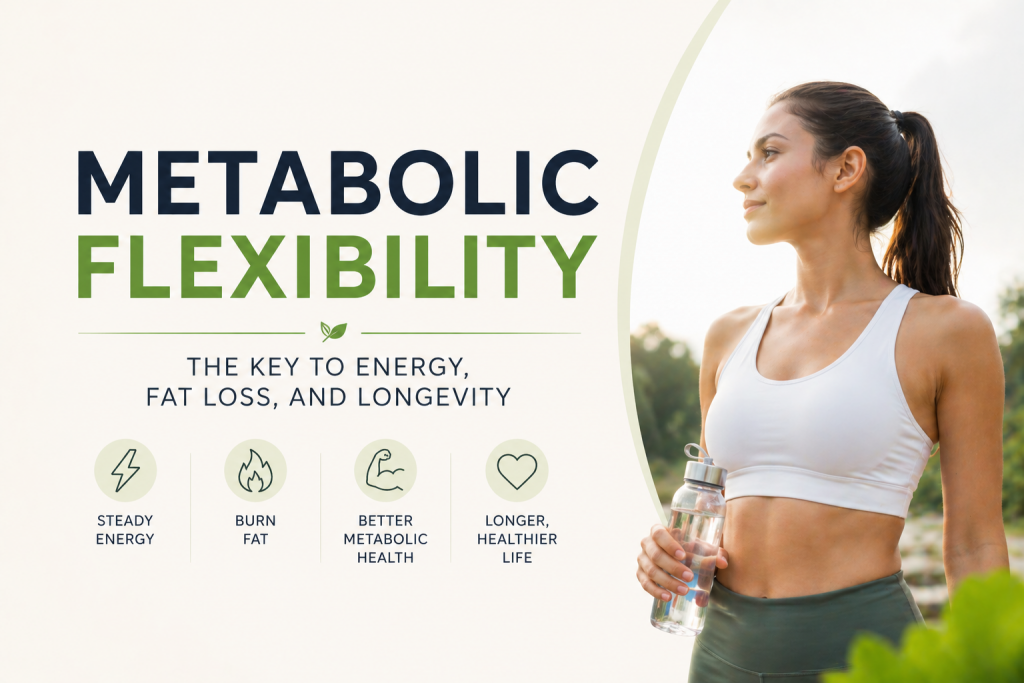
Longevity food isn’t about looking like you’re following a strict plan on Instagram. It is about defending two things that ageing takes first: Muscle Mass and Metabolic Flexibility.

The meal that helps you accomplish that objective is not deserving of a name. It is deserving of a structure.

Here are the 5 Non-Negotiables for a longevity plate. These can be incorporated into an everyday Indian diet without turning your kitchen into a laboratory.

  1. Protein Target: Your “Retirement Fund”

Past middle age, muscle tissue has a purpose that reaches beyond strength. It is your glycogen storehouse, your stabiliser, and your protector against frailty. Older people actually need more protein than the standard recommendations.

While studies suggest at least 1.0 to 1.2 g/kg/day for those over 65, it should be higher if you are physically active.

Make It Practical:

  • Target a protein intake of 25 to 35 grams in a major meal most days.
  • Do not flood the dinner plate. Distribute protein throughout the day to send your body the repeated signal to build muscle.

Indian Plate Examples:

  • Dal + Curd: Add a bowl of sabzi and top with a tsp of roasted seeds or peanuts.
  • Paneer or Tofu Bhurji: Mix with veggies and have with one roti.
  • Eggs: Scrambled with sautéed greens and a serving of sprouts.
  • Non-Veg: Fish or chicken with plenty of curry veggies; go easy on the rice/roti.
  1. Colour Variety: Micronutrients Run the System

To make a longevity plate look like it’s had a life, you must include greens, reds, oranges, and purple foods. Colour is a shortcut for diversity in nutrients—polyphenols, carotenoids, and folate—that support your heart, brain, and immune system.

Make It Practical:

  • Aim for 3 colours in a single meal (not just in a week).
  • Use what is local and seasonal. It is less expensive and more nutritious.

Indian Plate Examples:

  • Palak or methi, tomato, and carrots in one mixed sabzi.
  • Beetroot raita with cucumber and sautéed capsicum.
  • Vegetable sambar with drumstick, pumpkin, and brinjal.
  • Fruits: Berries are great, but so are Guava, Amla, Jamun, and Pomegranate.
  1. Slow Carbs: Stable Sugar Protects Your Future Self

Carbs don’t make you fat. Fast, refined carbs are the problem. They act like sugar in your system, forcing insulin levels on a rollercoaster ride. Harvard guidelines specifically recommend whole grains over refined ones to prevent rapid blood sugar spikes.

Make It Practical:

  • Choose one slow carb per meal, NOT five sources of carbs in one sitting.
  • This is not calorie counting. This is glycaemic common sense.

Better Slow Carb Choices:

  • Millets (Jowar, Bajra, Ragi), Brown Rice, Quinoa, or Oats.
  • Legumes: Chana, Rajma, Lobia, and Lentils (these count as both protein and slow carbs!).
  • Sweet potato instead of white bread/aloo when you can.
  1. Anti-Inflammatory Spices: Managing the “Background Noise”

Low-grade chronic inflammation is associated with almost every age-related disease. Spices won’t replace medical treatment, but they are the simplest, most powerful daily “input” you can make.

Curcumin (in Turmeric) has been clinically proven to fight oxidative stress.

Make It Practical:

  • Consume Turmeric + Black Pepper + Fat (ghee/oil) regularly. The pepper helps absorption by 2000%.
  • Think of spices as everyday protective maintenance, not just flavour.

Easy Additions:

  • Ginger-Garlic paste in generous amounts for curries.
  • Cinnamon in your morning oats or curd bowl.
  • Jeera, Ajwain, Hing for digestion.
  1. Fermented Foods: Train Your Gut

If you wish to age well, you must have a gut that is resilient to stress, antibiotics, and travel. A Stanford Medicine study revealed that a high-fermented-food diet increased microbiome diversity and reduced inflammation.

Make It Practical:

  • Add a little bit a day. You don’t need a massive “cleanse.”
  • “Fermented food is not about a trend. It is about resilience.”

Indian Friendly Options:

  • Curd, Chaas, Lassi (without added sugar).
  • Idli & Dosa batter (properly fermented).
  • Kanji: The traditional tangy probiotic drink made from black carrots/beetroot and mustard seeds.

Putting It All Together: The Check-In

Do this quick check at each main meal:

  1. Where is my Protein?
  2. Where are my Colours?
  3. What is my Slow Carb (and is it portioned)?
  4. Did I add Spices?
  5. Where is the Fermented part?

You will notice something: This method crowds out ultra-processed foods without you having to fight yourself.

Eat For Capability, Not Control

The biggest nutrition myth is that ageing is controlled by willpower. It is controlled by systems.

The Longevity Plate is a system you can replicate in any city, any cuisine, and at any price range. Put that plate together most days of the week, and you’re not just eating for the next weigh-in. You’re eating for the “You” at 80 who still has a life to live.

Need help building a diet plan that fits your lifestyle? Reach out to our certified experts by subscribing to GOQii’s Personalised Health Coaching here.

#BeTheForce

Disclaimer: The information provided in this blog is for general awareness and educational purposes only. It is not intended to replace professional medical advice, diagnosis, or treatment. Always consult a qualified healthcare provider for personalised medical guidance or concerns related to your health.

January 28, 2026 By GOQii Leave a Comment

The Hidden Longevity Divide in India: How Urban Health Expectations Are Declining

The life expectancy in India has steadily increased over the years. We live longer lives compared to our past generations, and that is something to be proud of. However, a hidden reality lies beneath these figures.

The years that remain free from illness known as Healthy Life Expectancy haven’t increased at the same rate as our lifespan.

World Health Organisation (WHO) data from 2021 indicates that our healthy life expectancy at birth was approximately 58 years, a slight increase from 54 years in 2000, despite our overall life expectancy rising much faster.

The implication is clear: Urban Indians are living an increasingly larger portion of their lives afflicted by diseases. We aren’t just adding years to life; we are adding years of life with conditions like diabetes, hypertension, and cardiac issues.

To understand the forces creating this hidden divide and how to close it, let’s look at the “Four Horsemen” of urban health.

  1. Pollution: The Invisible Ager

The air pollution problem in India is vast. According to the landmark Global Burden of Disease (GBD) Study, an estimated 1.67 million deaths in India were associated with air pollution.

The effects of breathing toxic air in cities like Delhi, Mumbai, and Kolkata are not restricted to the lungs. It leads to systemic inflammation, accelerating ageing from within. It increases the risk of:

  • Heart attacks and strokes
  • Insulin resistance
  • Metabolic disturbances

Toxic air is an everyday stress factor that your body fights 24/7.

  1. The Urban Plate: Stuffed with Calories, Starved of Nutrients

The food environment in our cities has transformed. Traditional, home-cooked meals are being replaced by ultra-processed foods, sugary drinks, and industrial bakery products.

These foods interfere with your metabolism long before you see changes on the weighing scale. They cause spikes in insulin and inflammation—major drivers of Metabolic Syndrome.

In select cities, over 30% of the adult population faces metabolic syndrome (a combination of obesity, hypertension, and high cholesterol). This isn’t just a statistic; it is a warning that the disease burden looms large.

  1. The “Sitting” Epidemic

Physical inactivity is a public health crisis. Worldwide, almost 31% of adults do not fulfil the lowest standards of physical activity. In India, the urban corporate culture of long commutes and desk jobs exacerbates this.

Inactivity accelerates:

  • Glucose metabolism deterioration
  • Muscle wasting
  • Obesity

A 30-minute workout is great, but it cannot fully reverse the consequences of sitting in a chair for 10 hours. We need to move throughout the day, not just at the gym.

  1. The Reactive Trap: Late Diagnosis

The most devious aspect of this health shift is its timing. Issues like fatty liver or insulin resistance can lie latent for years before symptoms appear.

Most urban Indians visit a doctor only after symptoms develop. This “reactive approach” means we miss the golden window for early intervention and reversal.

Flipping the Script: How Digital Health Can Help

Here is where the picture stops being dark. Digital health isn’t just a tech trend; it is the tool we need to close the longevity gap.

  • Wearables & AI: Continuous Glucose Monitors (CGM) and fitness trackers make invisible patterns visible. You can see exactly how that samosa or that stressful meeting affects your body in real-time.
  • Upstream Care: We need to move from episodic care (hospital visits) to daily awareness. Postponing the progression of diabetes by even a few years can drastically improve your quality of life.

Conclusion: From “Living Longer” to “Living Well”

There is a strong urge to celebrate increased life expectancy, but a lifespan without vitality is not a success. A nation that lives longer but stays sick for longer incurs a heavy cost—both financial and physical.

Closing this gap demands broad changes: cleaner cities, better food choices, and intelligent workplaces. But it also requires you.

India’s hidden longevity divide is not inevitable. It is the consequence of choices we can change. The goal is to ensure your Healthspan (years of health) increases at the same rate as your Lifespan.

That is the point when “to live longer” will finally mean “to live well.”

Ready to close the gap and take control of your healthspan? Reach out to our certified experts by subscribing to GOQii’s Personalised Health Coaching here.

#BeTheForce

Disclaimer: The information provided in this blog is for general awareness and educational purposes only. It is not intended to replace professional medical advice, diagnosis, or treatment. Always consult a qualified healthcare provider for personalised medical guidance or concerns related to your health.

  • « Previous Page
  • 1
  • …
  • 3
  • 4
  • 5
  • 6
  • 7
  • …
  • 78
  • Next Page »

Search

Recent Posts

  • Sitting Too Much? Here’s How It’s Shortening Your Life
  • Everything You Need to Know About Malaria
  • 3 Super Simple Ways to Overcome Anxiety Induced Procrastination
  • The GOQii India Fit Report 2026: Why Living Longer Isn’t Enough Anymore
  • Earth Day 2026: How Healing Yourself Heals the Planet

Stay Updated

Archives

  • April 2026 (21)
  • March 2026 (18)
  • February 2026 (14)
  • January 2026 (14)
  • December 2025 (19)
  • November 2025 (15)
  • October 2025 (20)
  • September 2025 (6)
  • August 2025 (6)
  • July 2025 (12)
  • June 2025 (18)
  • May 2025 (16)
  • April 2025 (22)
  • March 2025 (28)
  • February 2025 (21)
  • January 2025 (25)
  • December 2024 (22)
  • November 2024 (23)
  • October 2024 (21)
  • September 2024 (23)
  • August 2024 (30)
  • July 2024 (21)
  • June 2024 (25)
  • May 2024 (29)
  • April 2024 (27)
  • March 2024 (27)
  • February 2024 (24)
  • January 2024 (21)
  • December 2023 (14)
  • November 2023 (10)
  • October 2023 (19)
  • September 2023 (22)
  • August 2023 (18)
  • July 2023 (22)
  • June 2023 (23)
  • May 2023 (24)
  • April 2023 (19)
  • March 2023 (23)
  • February 2023 (19)
  • January 2023 (15)
  • December 2022 (11)
  • November 2022 (15)
  • October 2022 (15)
  • September 2022 (12)
  • August 2022 (10)
  • July 2022 (17)
  • June 2022 (11)
  • May 2022 (10)
  • April 2022 (6)
  • March 2022 (6)
  • February 2022 (13)
  • January 2022 (11)
  • December 2021 (7)
  • November 2021 (3)
  • October 2021 (6)
  • September 2021 (3)
  • August 2021 (8)
  • July 2021 (7)
  • June 2021 (15)
  • May 2021 (16)
  • April 2021 (10)
  • March 2021 (7)
  • February 2021 (4)
  • January 2021 (4)
  • December 2020 (3)
  • November 2020 (4)
  • October 2020 (10)
  • September 2020 (3)
  • August 2020 (3)
  • July 2020 (2)
  • June 2020 (4)
  • May 2020 (10)
  • April 2020 (12)
  • March 2020 (10)
  • February 2020 (4)
  • January 2020 (4)
  • December 2019 (3)
  • November 2019 (7)
  • October 2019 (5)
  • September 2019 (4)
  • August 2019 (9)
  • July 2019 (9)
  • June 2019 (11)
  • May 2019 (4)
  • April 2019 (8)
  • March 2019 (8)
  • February 2019 (9)
  • January 2019 (8)
  • December 2018 (9)
  • November 2018 (3)
  • October 2018 (3)
  • September 2018 (5)
  • August 2018 (10)
  • July 2018 (6)
  • June 2018 (13)
  • May 2018 (8)
  • April 2018 (18)
  • March 2018 (9)
  • February 2018 (8)
  • January 2018 (15)
  • December 2017 (12)
  • November 2017 (19)
  • October 2017 (13)
  • September 2017 (15)
  • August 2017 (4)
  • July 2017 (8)
  • June 2017 (7)
  • May 2017 (6)
  • April 2017 (8)
  • March 2017 (6)
  • February 2017 (7)
  • January 2017 (9)
  • December 2016 (10)
  • November 2016 (7)
  • October 2016 (7)
  • September 2016 (7)
  • August 2016 (11)
  • July 2016 (9)
  • June 2016 (9)
  • May 2016 (12)
  • April 2016 (17)
  • March 2016 (17)
  • February 2016 (8)
  • January 2016 (6)
  • December 2015 (2)
  • November 2015 (9)
  • October 2015 (7)
  • September 2015 (9)
  • August 2015 (11)
  • July 2015 (9)
  • June 2015 (11)
  • May 2015 (9)
  • April 2015 (13)
  • March 2015 (8)
  • February 2015 (5)
  • January 2015 (12)
  • December 2014 (14)
  • November 2014 (11)
  • October 2014 (6)
  • September 2014 (13)
  • August 2014 (12)
  • July 2014 (6)
  • June 2014 (2)
  • May 2014 (7)
  • April 2014 (4)

From “Laddu Nawin” to Fit and Fierce: How a 25-Year-Old Insurance Advisor Shed 20 Kilos and Gained His Life Back

When 25-year-old Nawin Yadav from Hyderabad walked into his office every morning, he carried more than just his files and policy papers. He had the weight of fatigue, sluggish energy, and an ever-growing belly that was becoming the butt of jokes. “People … [Read More...]

“I’ve Challenged Myself to Live 100 Years” – The Story of Chandubhai Savani’s Second Chance at Life

At 67, most people start slowing down. Not Chandubhai Savani. A resident of Surat, Chandubhai, thought life was on track. “My life was going well till I had my bypass surgery,” he says. That surgery, back in 2021, was a wake-up call.  Medication was routine, but exercise wasn’t. His diet? What he calls ‘normal.’ “I […]

From Shimla’s Slopes to Chandigarh’s Sidewalks: Surinder Kaur Bhalla’s Journey from Chaos to Control

Some journeys start with a plan. Others begin with a stumble literally. Surinder Bhalla, a government professional, born and raised in the scenic hill town of Shimla, had always lived a life of movement. “In Shimla, you walked everywhere,” she reflects. “Walking was never an exercise. It was just life.” But after shifting to Chandigarh, […]

Ananda Mukherjee Health Story

From Terminal Illness To Complete Wellness! Ananda Mukherjee Health Story

As we observe World Cancer Day under the powerful theme ‘United by Unique’ (2025-2027)**, we are reminded that every individual’s journey with cancer is distinct, yet united by shared resilience, hope, and the collective fight against this disease. This theme places people at the centre of care and their stories at the heart of the […]

  • HOME
  • HEALTHY LIVING
  • FITNESS
  • HEALTHY RECIPES
  • USER STORIES
  • KARMA
  • BUY GOQii

Copyright ©2016 GOQii