GOQii

Blog

  • HOME
  • HEALTHY LIVING
  • FITNESS
  • HEALTHY RECIPES
  • USER STORIES
  • KARMA
  • BUY GOQii

October 5, 2024 By Dr Manali Rao 4 Comments

The 3 S of Breast Cancer: Signs, Symptoms and Self Examination

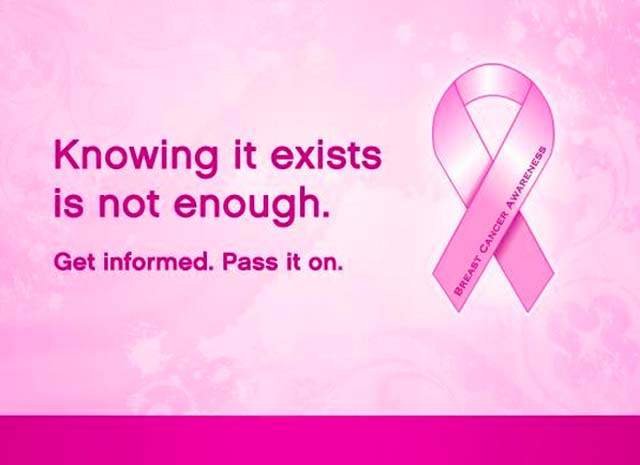
breast-cancer-awareness-month-memes-inspirational-quotes-4CANCER!!! The word itself is feared and dreaded by everyone around the globe. Many people who are diagnosed with this illness feel like it’s a death sentence, but it doesn’t have to be. There are ways to fight and overcome cancer.

Before learning how to overcome cancer, it is important to understand what it is. Cancer is a group of diseases involving abnormal cell growth, which may or may not spread to other parts of the body. Not all tumors are cancerous; only malignant ones spread throughout the body, while benign ones do not.

One of the most common invasive cancers in the world today is ‘BREAST CANCER’. It is more frequently seen in developed countries, but outcomes in these regions tend to be better due to advanced healthcare.

Who is at Risk for Developing Breast Cancer?

While breast cancer is more common in Females, men can also develop it (though cases in men are rare). Risk factors include:

  • Obesity
  • Lack of exercise
  • Sedentary lifestyle
  • Hormone replacement therapy
  • Early menarche
  • Late pregnancy
  • Nulliparous women
  • Family history
  • Alcohol consumption
  • Smoking

Let me now take you through the 3S of Breast Cancer- Signs Symptoms and Self Examination

Look out for these Signs and Symptoms:

  • The most common first symptom is a lump in the breast that feels different from the rest of the tissue.
  • Dimpling or puckering of the skin on or around the nipple.
  • A change in the position or shape of the nipple, which may become inverted.
  • Orangish discoloration of the skin around the breast or a texture resembling an orange peel (peau d’orange).
  • Nipple discharge, which could be watery, milky, yellow, or even bloody.
  • One breast appearing larger than the other.
  • Constant pain in the breast or armpit area.
  • Swelling in the armpits or around the collarbone.
  • Redness, itching, increased sensitivity, or a burning sensation.

It’s important to note that some people may not experience any symptoms until the cancer has progressed, which is why regular check-ups are vital.

How to self-examine?

The best way to be aware of breast cancer is through self-detection. Follow these steps:

Step 1: Stand in front of a mirror with your shoulders straight and your hands on your hips.

  • Look at the size, shape, and color of your breasts.
  • Check for dimpling, puckering, or bulging skin.
  • Look for any changes in the position of your nipples or signs of inversion (a nipple that is pushed inward).
  • Watch for redness, soreness, rash, or swelling.

Step 2: Raise your arms and check for the same changes.

Step 3: While standing in front of the mirror, check for any fluid discharge from the nipples, which could appear watery, milky, yellow, or even bloody.

Step 4: Lie down and feel your breasts. Use your right hand to examine your left breast and your left hand for your right breast. Apply a firm, smooth touch using the pads of your fingers in a circular motion. Cover the entire breast, from top to bottom and side to side, including from the collarbone to the top of the abdomen, and from your armpit to your cleavage.

Start at the nipple and move outward in larger circles until you reach the edge of the breast. Be sure to feel all the tissue, from the front to the back of your breasts.

Step 5: Finally, feel your breasts while standing or sitting. Many women find that it’s easiest to feel their breasts when their skin is wet and slippery, such as during a shower. Use the same hand movements as described in Step 4.

Breast Cancer Support Groups:

Support groups play a crucial role in helping patients fight cancer. These groups provide an opportunity to learn from others who have faced the same disease. Seeing other survivors can give patients the strength and hope they need to fight their own battles. Remember, hope is everything.

We hope this article helped you understand the signs, symptoms, and steps to perform a self-examination for breast cancer. Regular check-ups and self-awareness can make all the difference in early detection and treatment. Have any questions or experiences to share? Let us know in the comments below! You can also find more articles on Women’s Health here. Stay informed, stay healthy!

#BeTheForce

Disclaimer: The information provided in this blog is for general awareness and educational purposes only. It is not intended to replace professional medical advice, diagnosis, or treatment. Always consult a qualified healthcare provider for personalised medical guidance or concerns related to your health.
September 12, 2024 By Pradnya Shinde Leave a Comment

Dealing with Menopausal Hot Flushes and Night Sweats

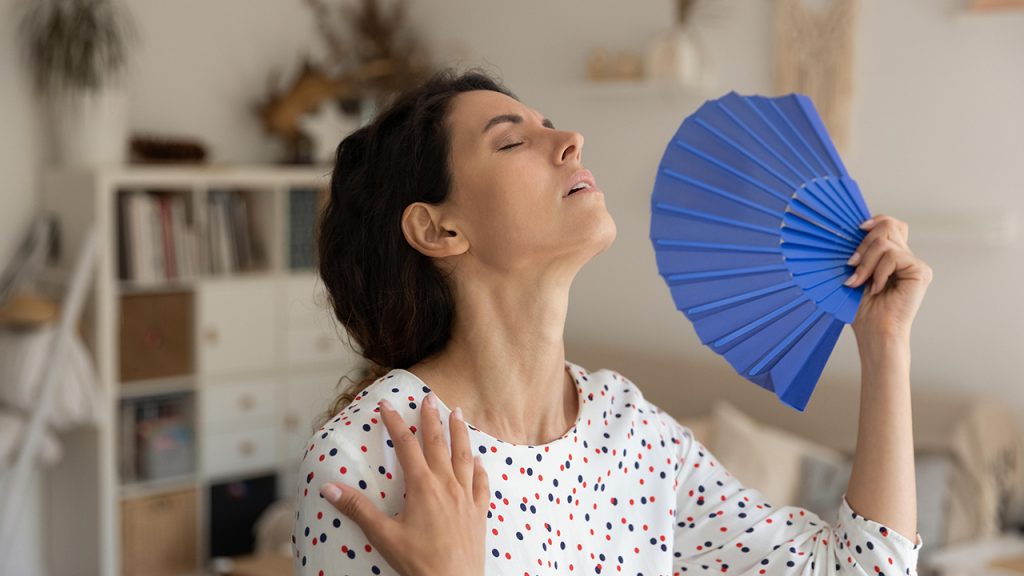
“A sharp sensation of heat suddenly rises to my head. I go red in my face, but after a few minutes, its gone”.


“I begin to perspire. My clothes and hair start to get drenched as though I’ve just run few kms. Suddenly, after a while, it vanishes. Then, I’m not sure when this will occur again.

The above are statements made to me by women who experienced hot flashes for a long time. It is ANNOYING and EMBARRASSING.

This is a typical problem that women face during menopause. In order to escape this awkward circumstance, a lot of women even have a tendency to quit their jobs. Let us understand this issue a little more better.

Understanding Hot Flushes

A hot flush, commonly experienced as a sudden and intense sensation of heat affecting the upper body, primarily impacts the face, neck, chest, back, and arms. This phenomenon is characterized by visible redness and can lead to heavy perspiration. In some cases, the sensation may extend throughout the entire body.

The duration of a hot flush can vary significantly, lasting from a few seconds to as long as ten minutes. The frequency of these episodes also varies widely among individuals, occurring several times within an hour, a few times daily, or even just once weekly.

Hot flushes that occur during the night are referred to as night sweats. These can significantly disrupt sleep and are often troublesome. Typically beginning at the onset of menopause, hot flushes may persist for a decade or longer, affecting each individual differently.

Understanding Hot Flushes: Causes, Triggers, and Management

What Causes a Hot Flush?
Hot flushes commonly occur during perimenopause, a phase marked by the onset of irregular menstrual cycles. This period is characterized by significant fluctuations in estrogen levels, which disrupt the brain’s temperature regulation system. As a result, the body attempts to cool down through sweating.

What Triggers a Hot Flush?
Several factors can trigger hot flushes, including dietary and environmental influences, as well as lifestyle habits. Common triggers include:

  • Spicy foods
  • Caffeine
  • Smoking
  • Alcohol consumption
  • Wearing tight clothing
  • Obesity
  • Stress
  • Exposure to warm environments or consuming warm or icy foods

Managing Hot Flushes:

It is essential to consult a healthcare provider annually for reproductive health issues. During these consultations, doctors can offer guidance on managing symptoms of perimenopause, including hot flushes. Treatment options may include hormonal therapies, which help stabilize hormone levels, or non-hormonal strategies, which can alleviate symptoms without using hormone replacement therapies.

Lifestyle Adjustments to Manage Hot Flushes Effectively

To reduce the frequency and intensity of hot flushes, consider making several key lifestyle changes:

Avoid Triggers: Steer clear of known triggers like spicy foods, caffeine, and tobacco. Opt for decaffeinated coffee, limit alcohol intake to one drink at a time, and control smoking habits to minimize occurrences.

Increase Omega-3 Intake: Omega-3 fatty acids, known for their anti-inflammatory properties, may help alleviate hot flushes. Sources include fatty fish like salmon, tuna, and mackerel, as well as vegan options such as flax seeds, chia seeds, and hemp seeds.

Incorporate Plant-Based Estrogens: Consuming foods rich in isoflavones and phytoestrogens, such as soy, tofu, chickpeas, and lentils, may help manage symptoms by mimicking estrogen.

Try Seed Cycling: This technique involves consuming specific seeds at different times of the month to balance hormone levels. For the first 14 days, eat two tablespoons of pumpkin and flax seeds, followed by two tablespoons of sesame and sunflower seeds for the next 15 days. These seeds also offer healthy fats, fiber, and nutrients.

Opt for Natural Fabrics: Wear comfortable undergarments and clothing made from natural fibers like cotton, linen, and bamboo, which are breathable. Dress in layers to easily adjust to temperature changes, and consider light, loose-fitting clothing for additional comfort.

Manage Body Temperature: Start your day with a cold shower to decrease the likelihood of hot flushes. Carry a portable or neck fan when outdoors. For night sweats, use breathable cotton bedding, cooling blankets, or cooling pillows, and keep your sleeping environment cool with air conditioning or fans.

Maintain a Healthy Weight: Address obesity by adhering to a nutritious diet and regular exercise routine. Aim for 30 minutes of mild exercise daily to help manage weight and reduce hot flush occurrences.

Practice Stress-Relief Techniques: Engage in relaxation practices such as yoga, mindfulness, and meditation. Simple deep breathing exercises can also be effective—inhale slowly through the nose, hold your hand on your belly to feel it rise, and exhale slowly through the mouth.

Consider Cognitive Behavioral Therapy (CBT): CBT can be beneficial for reducing anxiety related to hot flushes. It helps in identifying and reforming anxiety-triggering thoughts. Discuss the possibility of CBT with your therapist for tailored advice.

Implementing these strategies can significantly improve your management of hot flushes, enhancing comfort and overall quality of life.

Embracing Menopause with Confidence
Now that you have a better understanding of how to manage and mitigate hot flushes and night sweats, it’s important to remember that menopause is a natural phase of life, not a disease. With the right strategies and care, you can continue to lead a fulfilling and normal life.

We hope this article provides valuable insights for managing menopausal hot flushes and night sweats, helping you maintain a comfortable and balanced life. If you found this information useful, share your thoughts in the comments below. For personalised guidance and support, connect with our certified experts by subscribing to GOQii’s Personalised Health Coaching here.

#BeTheForce

Disclaimer: The information provided in this blog is for general awareness and educational purposes only. It is not intended to replace professional medical advice, diagnosis, or treatment. Always consult a qualified healthcare provider for personalised medical guidance or concerns related to your health.

August 18, 2024 By Apurwa Agrawal 3 Comments

Antenatal Exercises for a good pregnancy

safe-pregnancy-exercises

One of the most beautiful experiences a woman can have is that of being pregnant. However, a first-time pregnancy often brings with it a lot of uncertainty and hesitancy. To ease this pressure, I decided to share my experience of pregnancy and how I overcame the uncertainties and other challenges.

Ideally, a woman should enjoy her pregnancy, indulging herself without being overly concerned with the weighing scale. I understand that the body undergoes several changes during this period, which can create mental and physical stress. Hormonal changes also occur, with one of the major hormones, RELAXIN, causing joint to become hypermobile and increasing ligament laxity, which can lead to pain and inflammation.

How Do We Balance This Situation with Recommendations for Pregnancy?

Just two words – Prenatal Exercises

Yes, you heard it right!

A sensible workout plan and willpower during pregnancy were key for me. Being open to maintaining self-control and moderation with indulging truly made all the difference.

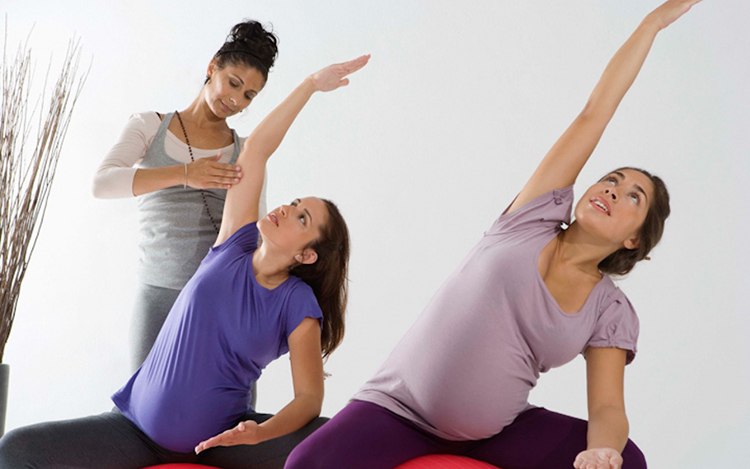
It is recommended that women who have normal, healthy pregnancy should get 30 minutes of exercise on most days of the week (at least 5 days).

Let’s take a look at how these exercises help during pregnancy:

  • Reduces aches and pains during pregnancy
  • Improves stamina and provides more energy to cope with the growing demands of pregnancy
  • Improves posture and sleeping patterns
  • Helps in more controlled weight gain
  • Increases the chance of a normal delivery
  • Enhances psychological well-being
  • Increases circulation, thereby reducing swelling and edema
  • Reduces the risk of gestational diabetes and pregnancy-induced hypertension

Keep these tips in mind while exercising:

  • Always warm up before exercising, and cool down afterward
  • Avoid any strenuous exercise in hot weather
  • Drink plenty of water and other fluids
  • If you attend exercise classes, make sure your instructor is properly qualified and knows that you’re pregnant including how many weeks pregnant you are
  • Swimming is a good cardio exercise as the water supports your increased weight, but it should be done under the supervision of a professional trainer.

If you’ve never worked out before, start slowly. Listen to your body and proceed accordingly. There’s no point in rushing and risking injury. Additionally, there are certain situations in which you should stop exercising immediately:

  • Excessive shortness of breath
  • Chest pain or palpitations
  • Pre-syncope or dizziness
  • Painful uterine contractions or preterm labour
  • Leakage of amniotic fluid
  • Vaginal bleeding
  • Excessive fatigue
  • Abdominal pain, particularly in back or pubic area
  • Reduced fetal movement.

I hope this blog encourages you to maintain or increase your fitness level during pregnancy. I’ll be sharing my workout routine in my next blog for you to use as a reference or adopt if you feel so inclined. Until then, stay tuned, and feel free to comment if you have any questions and don’t forget to share it with someone who may need it. You can find more articles on Women’s Health here. You can also use the Women’s Care feature in the GOQii App to track your menstrual cycles, pregnancy and more. Download the app now.

#BeTheForce 

Disclaimer: The information provided in this blog is for general awareness and educational purposes only. It is not intended to replace professional medical advice, diagnosis, or treatment. Always consult a qualified healthcare provider for personalised medical guidance or concerns related to your health.

  • « Previous Page
  • 1
  • 2

Search

Recent Posts

  • 10 Everyday Habits That Could Be Hurting Your Health
  • Why Good Nutrition Matters: Benefits of Healthy Eating for a Healthy Life
  • Monsoon Health Tips: How to Boost Your Immunity During Seasonal Changes
  • Yoga for Healthy Ageing: Simple Practices to Add Life to Your Years
  • Calming Your Mind: Breathing Techniques for ADHD

Stay Updated

Archives

  • June 2026 (22)
  • May 2026 (20)
  • April 2026 (24)
  • March 2026 (18)
  • February 2026 (14)
  • January 2026 (14)
  • December 2025 (19)
  • November 2025 (15)
  • October 2025 (20)
  • September 2025 (6)
  • August 2025 (6)
  • July 2025 (11)
  • June 2025 (18)
  • May 2025 (16)
  • April 2025 (22)
  • March 2025 (27)
  • February 2025 (21)
  • January 2025 (25)
  • December 2024 (22)
  • November 2024 (23)
  • October 2024 (20)
  • September 2024 (23)
  • August 2024 (29)
  • July 2024 (20)
  • June 2024 (25)
  • May 2024 (26)
  • April 2024 (27)
  • March 2024 (27)
  • February 2024 (23)
  • January 2024 (21)
  • December 2023 (14)
  • November 2023 (10)
  • October 2023 (19)
  • September 2023 (22)
  • August 2023 (18)
  • July 2023 (21)
  • June 2023 (23)
  • May 2023 (20)
  • April 2023 (19)
  • March 2023 (23)
  • February 2023 (19)
  • January 2023 (15)
  • December 2022 (11)
  • November 2022 (15)
  • October 2022 (15)
  • September 2022 (12)
  • August 2022 (10)
  • July 2022 (17)
  • June 2022 (11)
  • May 2022 (10)
  • April 2022 (6)
  • March 2022 (6)
  • February 2022 (13)
  • January 2022 (11)
  • December 2021 (7)
  • November 2021 (3)
  • October 2021 (6)
  • September 2021 (3)
  • August 2021 (8)
  • July 2021 (7)
  • June 2021 (15)
  • May 2021 (16)
  • April 2021 (10)
  • March 2021 (7)
  • February 2021 (4)
  • January 2021 (4)
  • December 2020 (3)
  • November 2020 (4)
  • October 2020 (10)
  • September 2020 (3)
  • August 2020 (3)
  • July 2020 (2)
  • June 2020 (4)
  • May 2020 (10)
  • April 2020 (12)
  • March 2020 (10)
  • February 2020 (4)
  • January 2020 (4)
  • December 2019 (3)
  • November 2019 (7)
  • October 2019 (5)
  • September 2019 (4)
  • August 2019 (9)
  • July 2019 (9)
  • June 2019 (11)
  • May 2019 (4)
  • April 2019 (8)
  • March 2019 (8)
  • February 2019 (9)
  • January 2019 (8)
  • December 2018 (9)
  • November 2018 (3)
  • October 2018 (3)
  • September 2018 (5)
  • August 2018 (10)
  • July 2018 (6)
  • June 2018 (13)
  • May 2018 (8)
  • April 2018 (18)
  • March 2018 (9)
  • February 2018 (8)
  • January 2018 (15)
  • December 2017 (12)
  • November 2017 (19)
  • October 2017 (13)
  • September 2017 (15)
  • August 2017 (4)
  • July 2017 (8)
  • June 2017 (7)
  • May 2017 (6)
  • April 2017 (8)
  • March 2017 (6)
  • February 2017 (7)
  • January 2017 (9)
  • December 2016 (10)
  • November 2016 (7)
  • October 2016 (7)
  • September 2016 (7)
  • August 2016 (11)
  • July 2016 (9)
  • June 2016 (9)
  • May 2016 (12)
  • April 2016 (17)
  • March 2016 (17)
  • February 2016 (8)
  • January 2016 (6)
  • December 2015 (2)
  • November 2015 (9)
  • October 2015 (7)
  • September 2015 (9)
  • August 2015 (11)
  • July 2015 (9)
  • June 2015 (11)
  • May 2015 (9)
  • April 2015 (13)
  • March 2015 (8)
  • February 2015 (5)
  • January 2015 (12)
  • December 2014 (14)
  • November 2014 (11)
  • October 2014 (6)
  • September 2014 (13)
  • August 2014 (12)
  • July 2014 (6)
  • June 2014 (2)
  • May 2014 (7)
  • April 2014 (4)

From Shimla’s Slopes to Chandigarh’s Sidewalks: Surinder Kaur Bhalla’s Journey from Chaos to Control

Some journeys start with a plan. Others begin with a stumble literally. Surinder Bhalla, a government professional, born and raised in the scenic hill town of Shimla, had always lived a life of movement. “In Shimla, you walked everywhere,” she reflects. … [Read More...]

From “Laddu Nawin” to Fit and Fierce: How a 25-Year-Old Insurance Advisor Shed 20 Kilos and Gained His Life Back

When 25-year-old Nawin Yadav from Hyderabad walked into his office every morning, he carried more than just his files and policy papers. He had the weight of fatigue, sluggish energy, and an ever-growing belly that was becoming the butt of jokes. “People had even started calling me Laddu Nawin,” he says with a laugh, but […]

From Burnout to Balance: How Dr. Ranjit Reclaimed His Health

Dr Ranjit Bhatt has spent years tending to others. A practising doctor in Odisha, his days were packed with patients, surgeries, and emergencies. From the outside, it looked like a life lived in service. But on the inside, something wasn’t right. “I had no control over my schedule. I’d sleep late, eat at odd hours, […]

Ananda Mukherjee Health Story

From Terminal Illness To Complete Wellness! Ananda Mukherjee Health Story

As we observe World Cancer Day under the powerful theme ‘United by Unique’ (2025-2027)**, we are reminded that every individual’s journey with cancer is distinct, yet united by shared resilience, hope, and the collective fight against this disease. This theme places people at the centre of care and their stories at the heart of the […]

  • HOME
  • HEALTHY LIVING
  • FITNESS
  • HEALTHY RECIPES
  • USER STORIES
  • KARMA
  • BUY GOQii

Copyright ©2016 GOQii

